




Turbochargers in Forced Induction Systems for Performance and Track Vehicles
Turbochargers are the central element of forced induction systems used to increase engine power without increasing displacement. Modern automotive turbochargers efficiently utilize exhaust gas energy, converting it into additional pressure in the intake system. As a result, the engine receives more air, enabling the combustion of a greater amount of fuel and generating higher power output.
Compared to naturally aspirated engines, turbocharged power units offer significantly greater potential for tuning and adaptation to various operating conditions. This is why turbochargers are widely used in vehicle upgrade projects where achieving high levels of power and torque is essential. In track-oriented configurations, they allow optimization of vehicle dynamics according to specific circuit requirements.
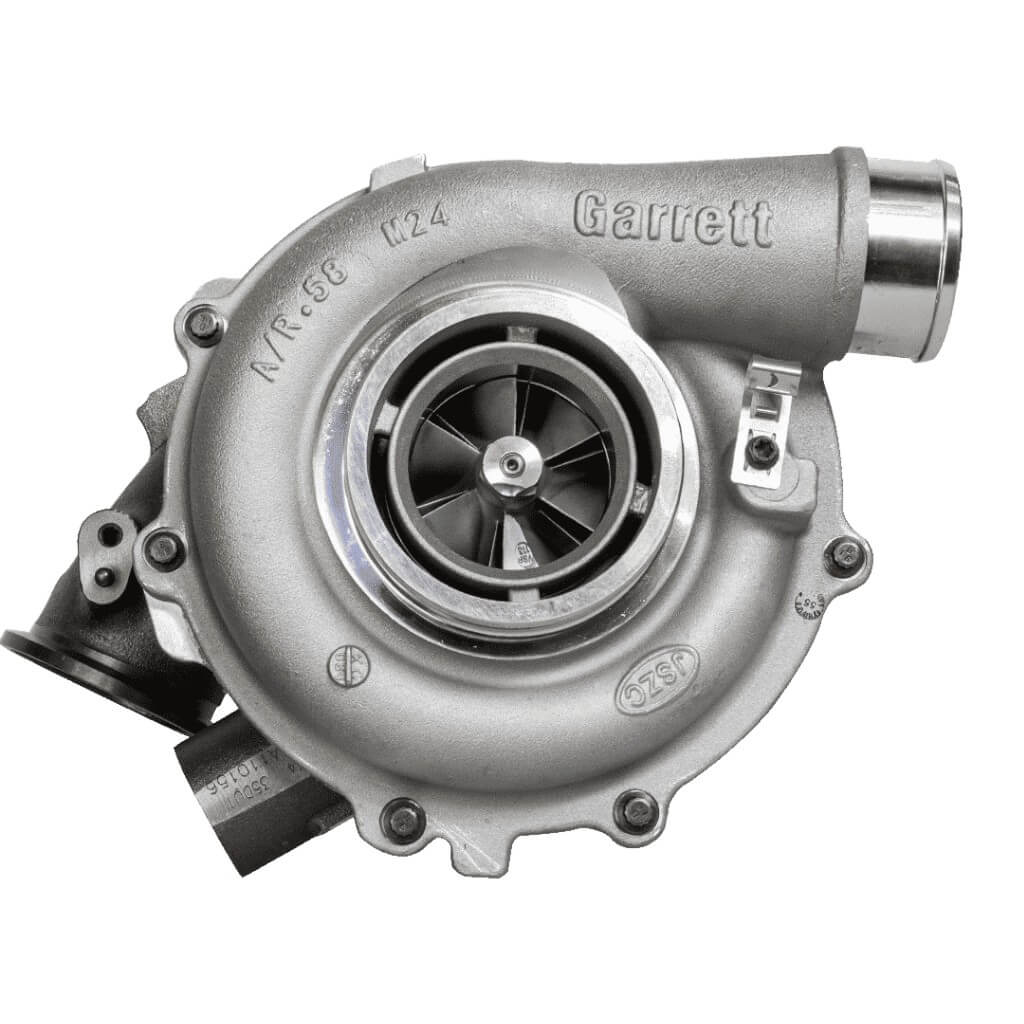
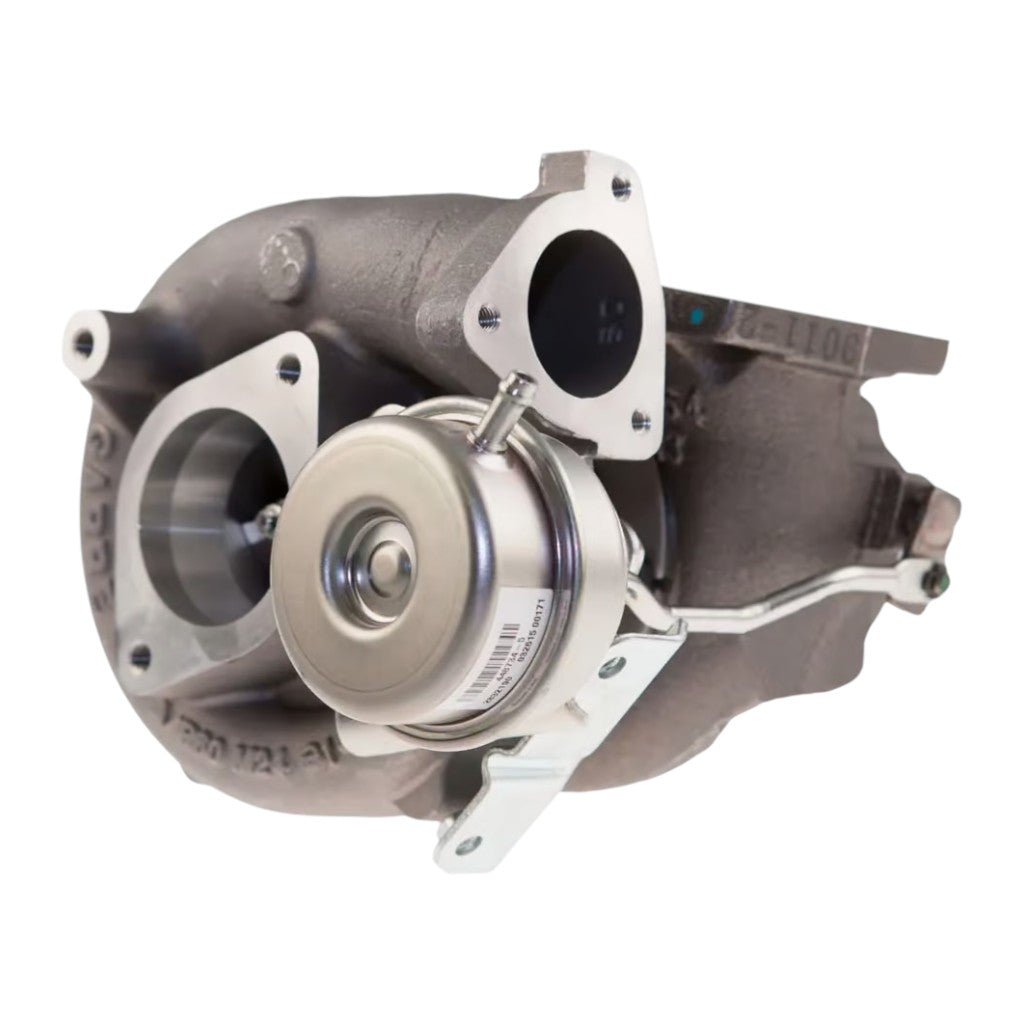
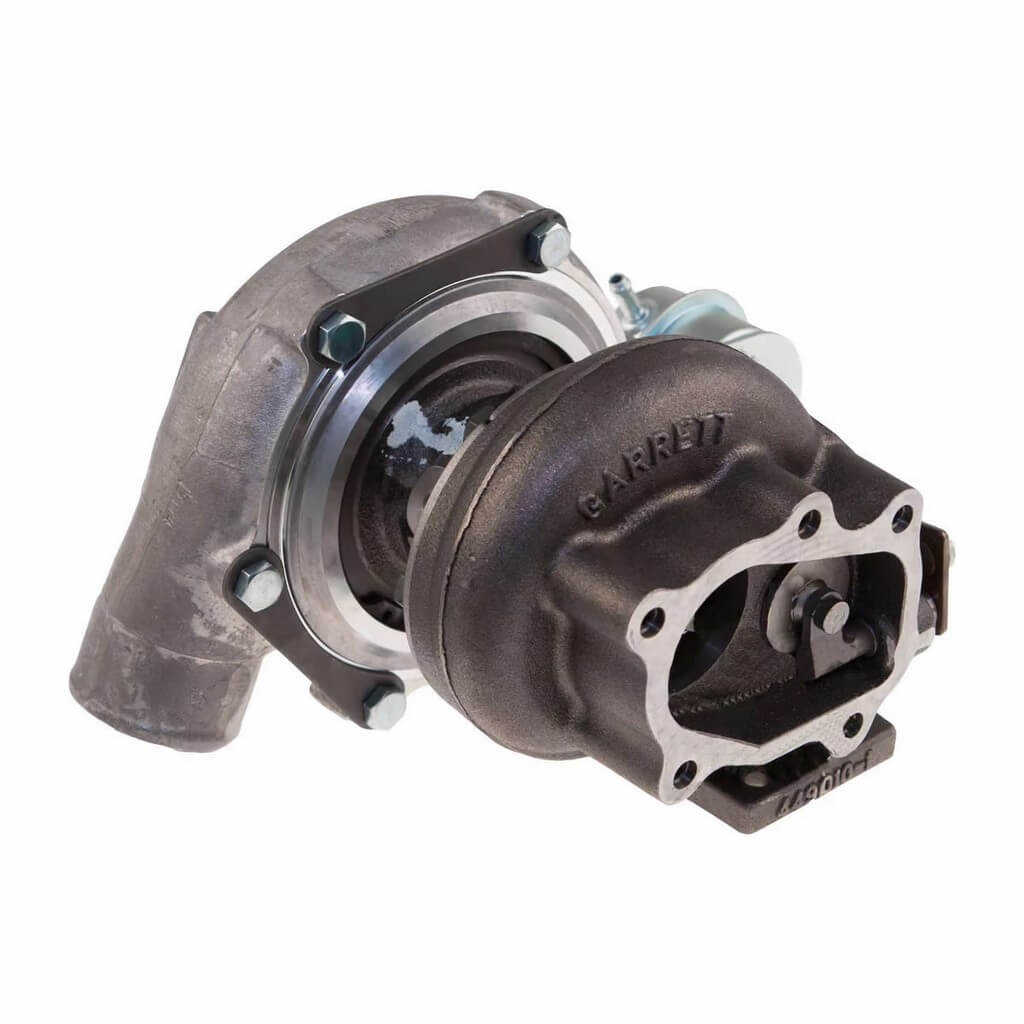
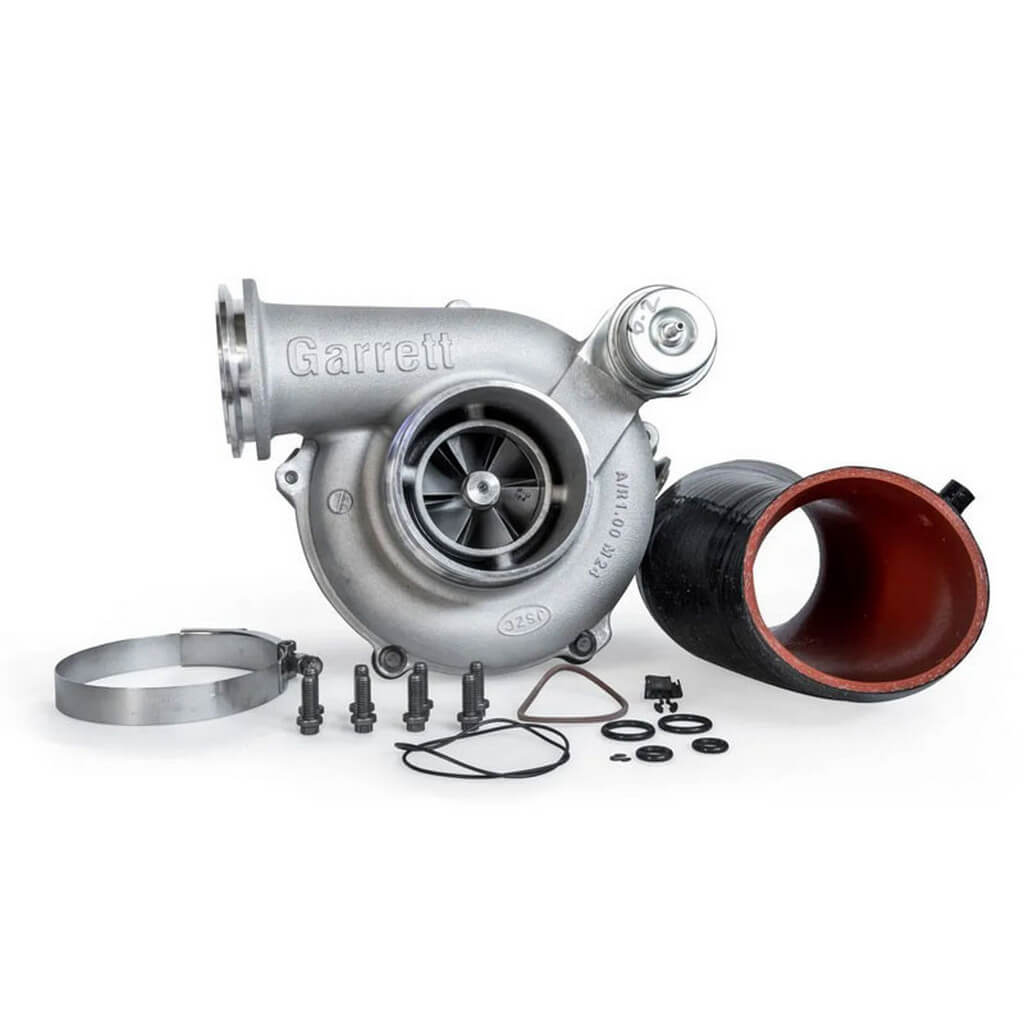
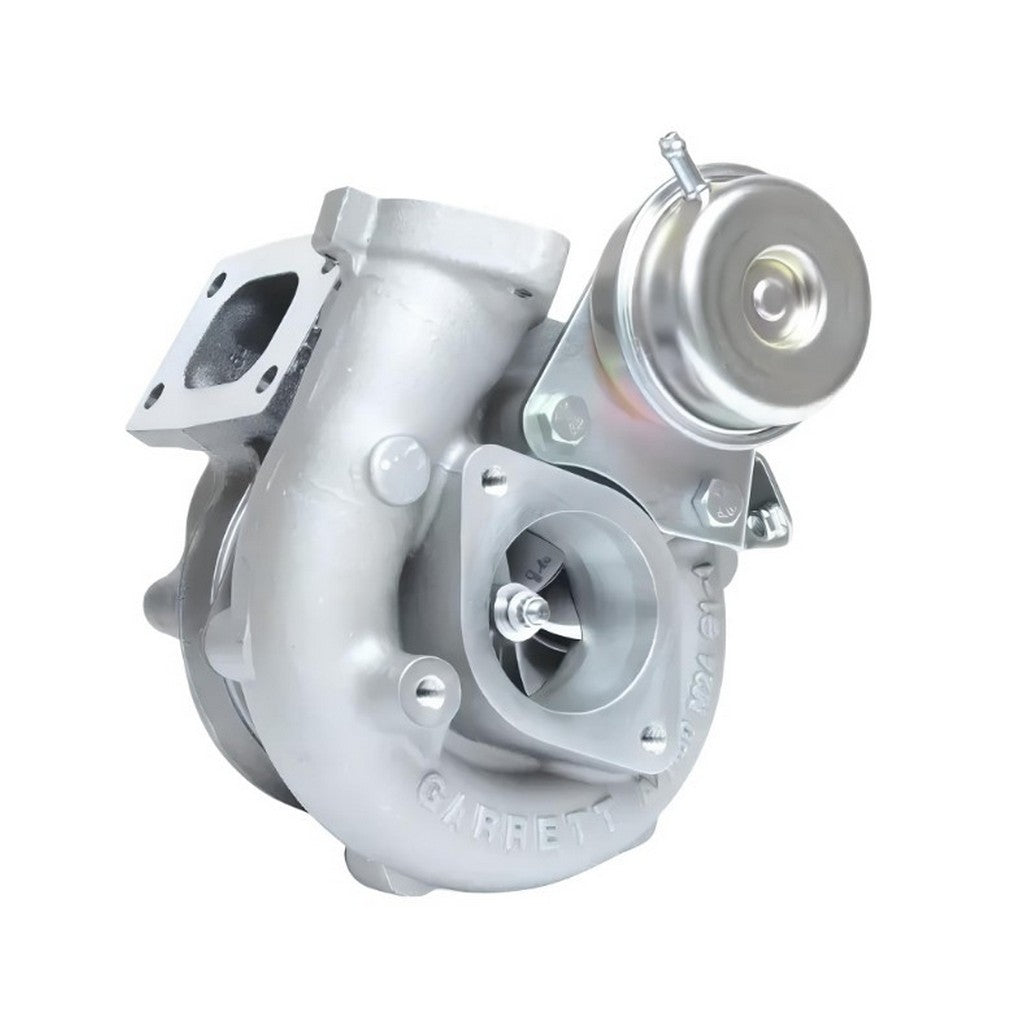
The turbocharger category at ATOMIC-SHOP includes solutions for different levels of engine build — from moderate performance upgrades to high-load motorsport applications. Among the manufacturers whose turbochargers are used in such systems are AMS, Garrett, GReddy, and Tomei. Their developments are based on motorsport experience and take into account the requirements for efficiency, reliability, and stable operation across a wide range of loads.
Turbocharger Design and Component Interaction
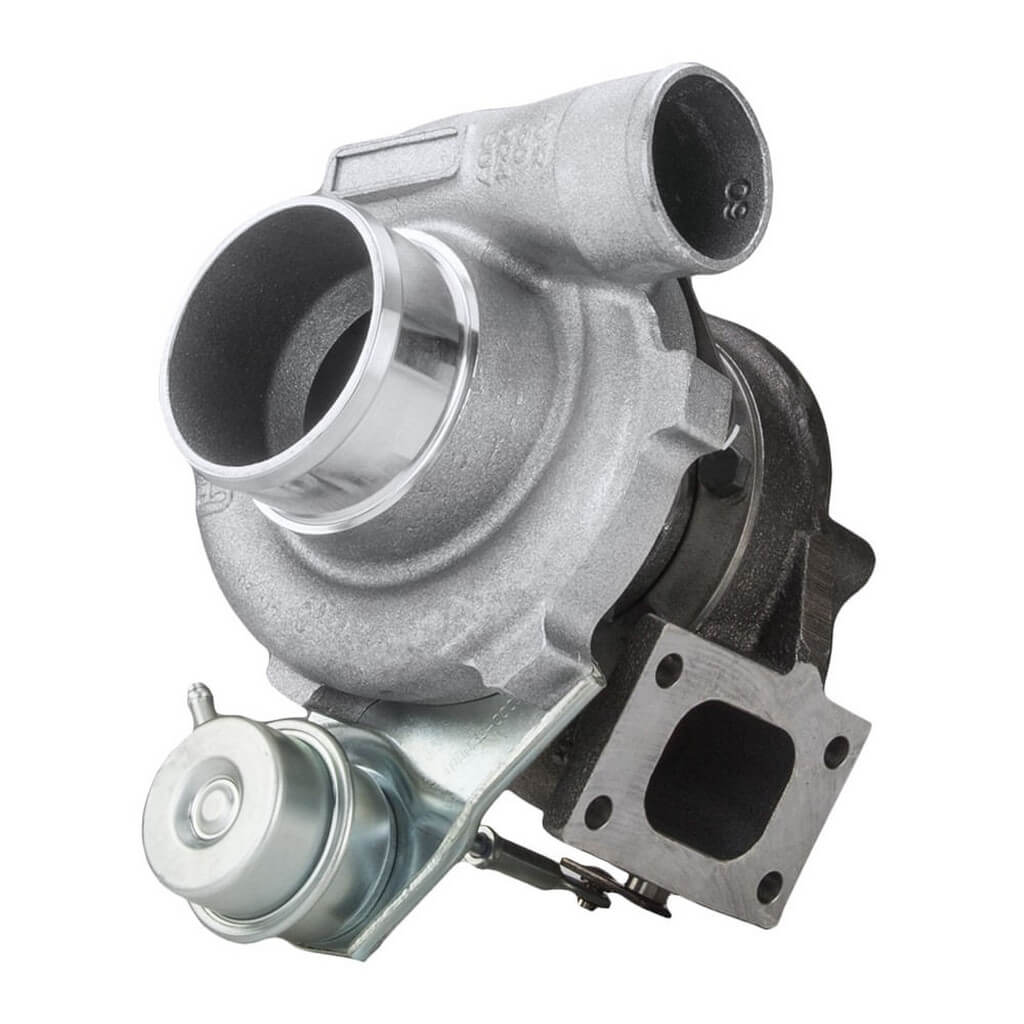
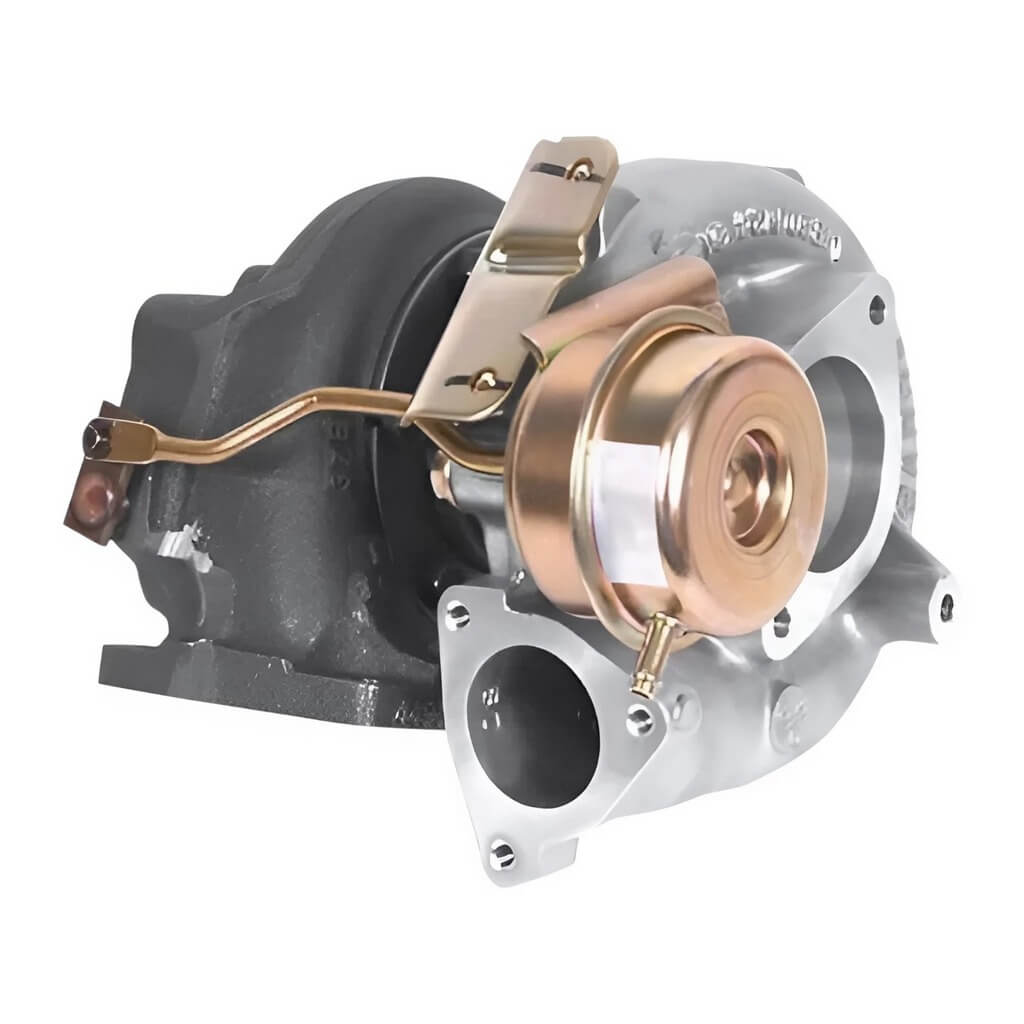
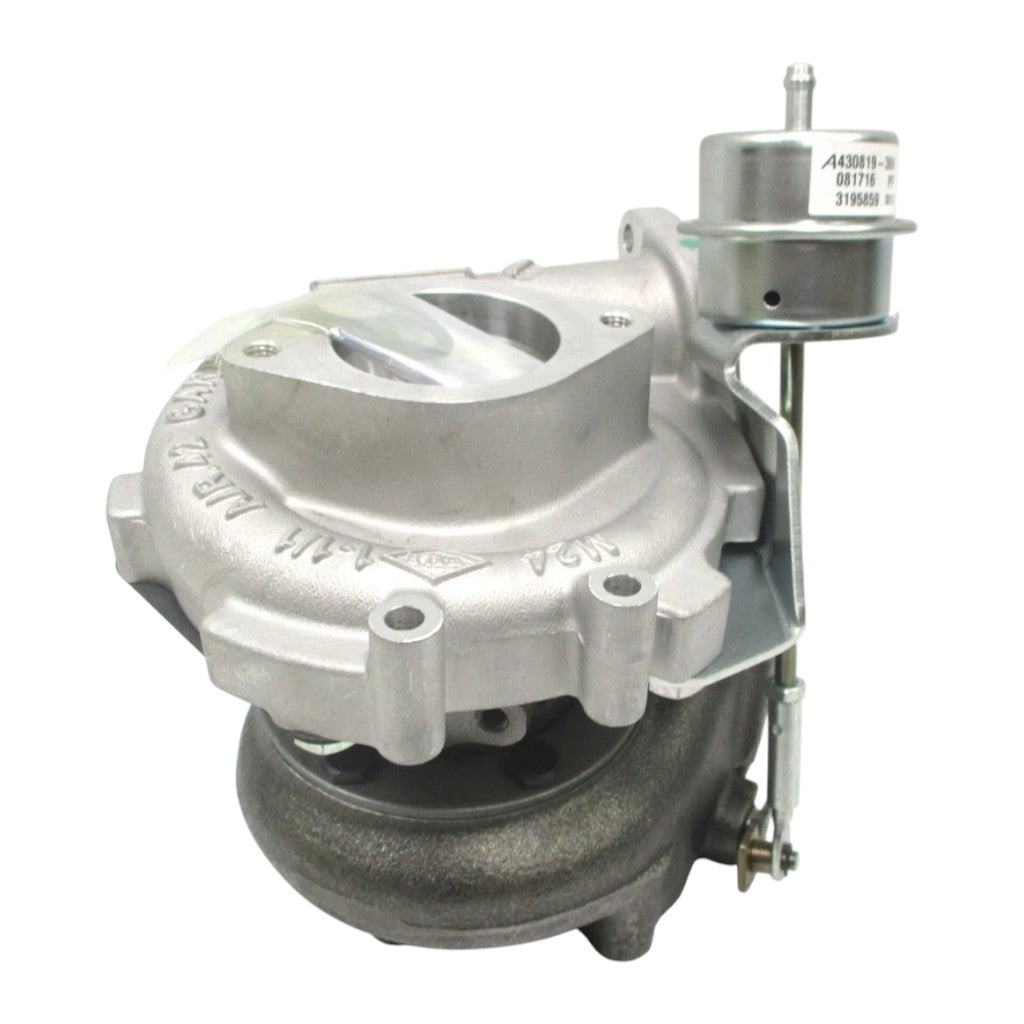
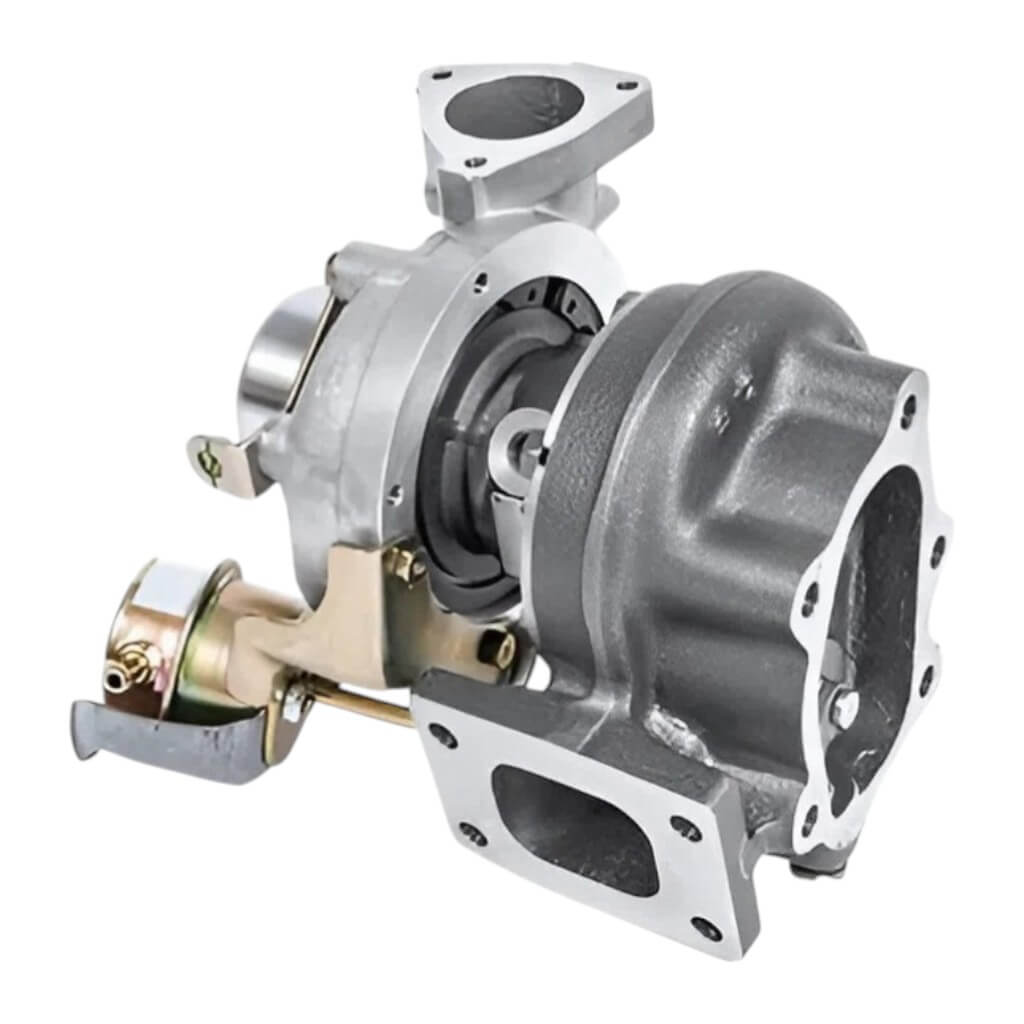
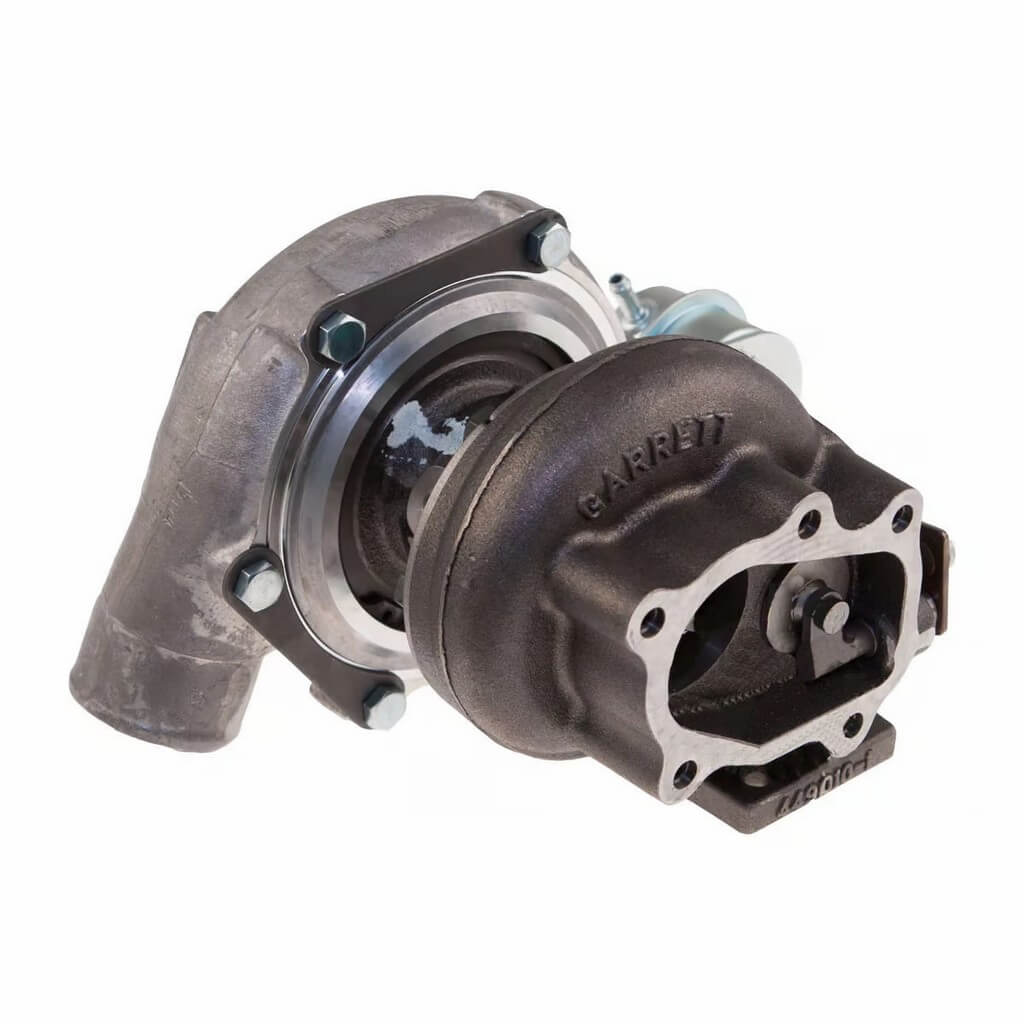
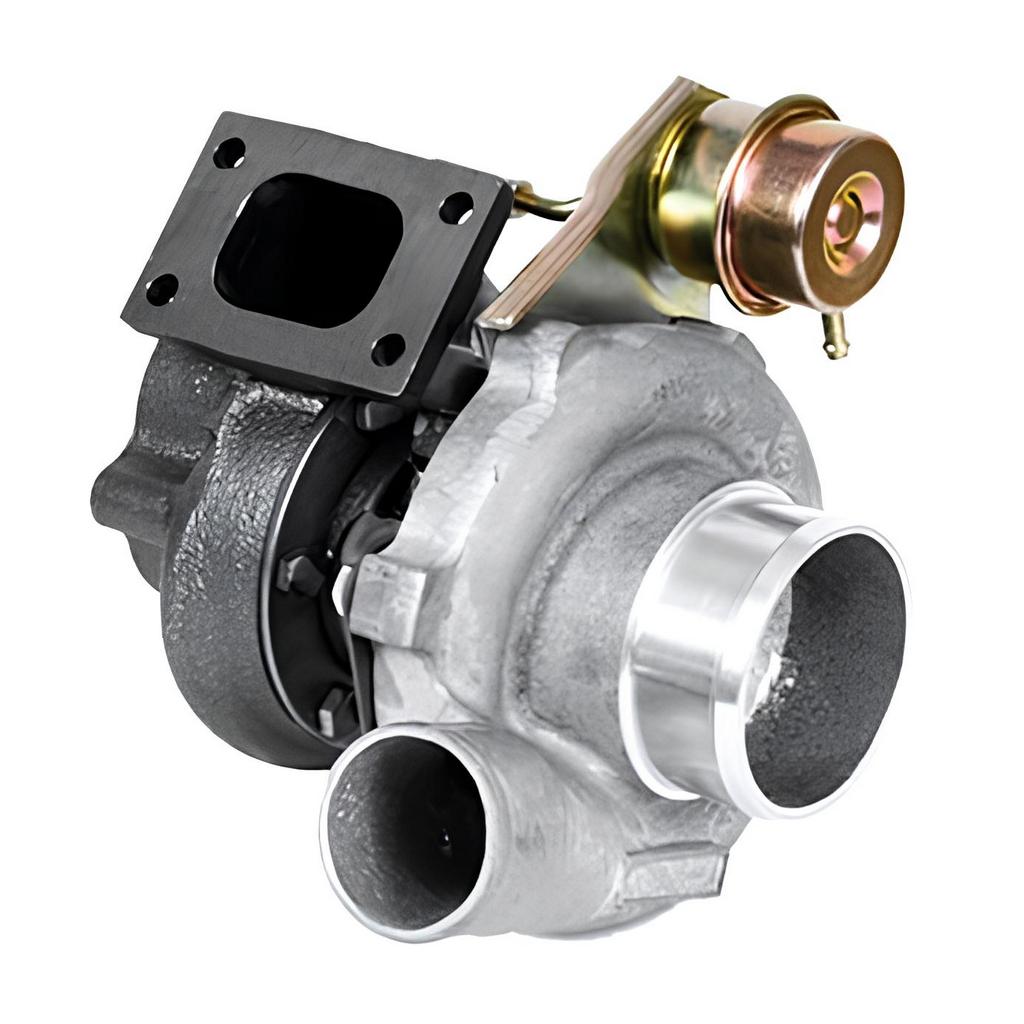
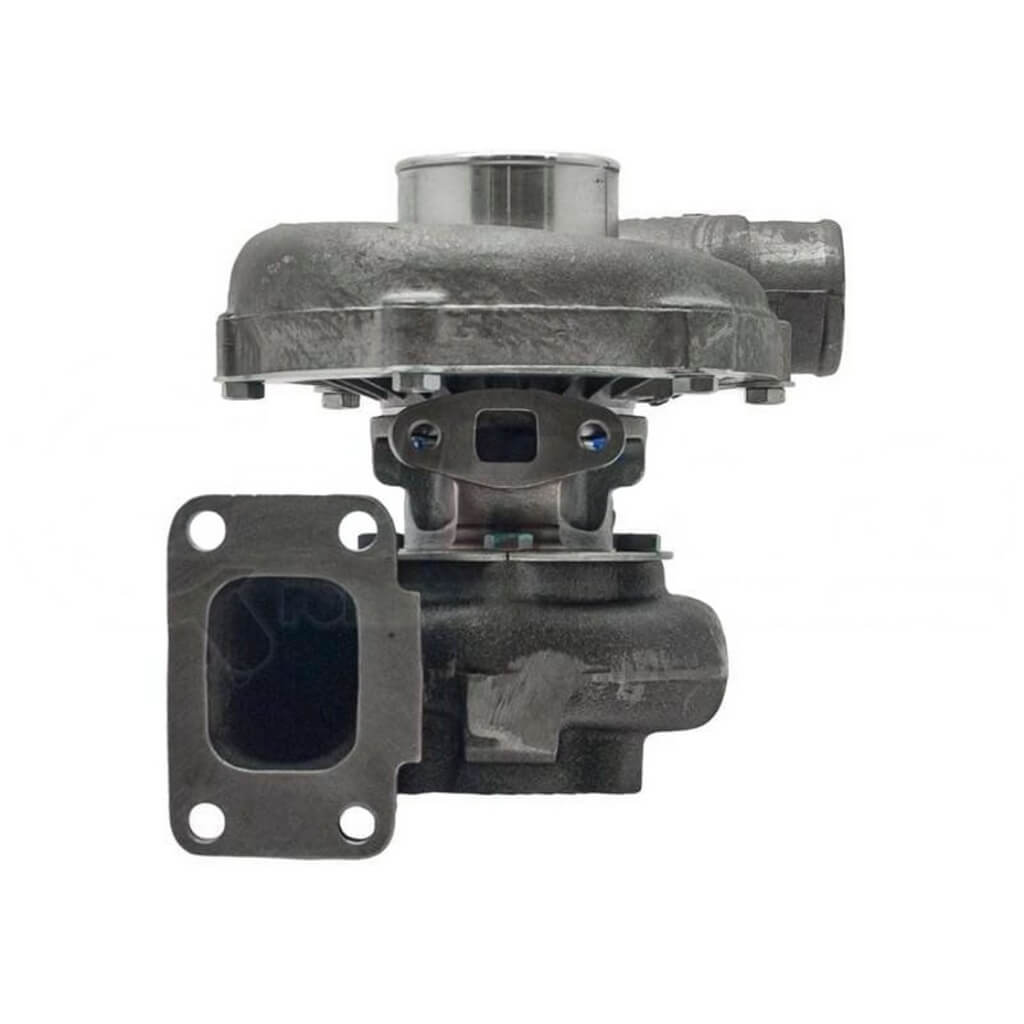
A turbocharger consists of two main components — the turbine wheel and the compressor wheel, which are connected by a shaft. The turbine section ("hot side") is located in the exhaust system and is driven by the flow of hot exhaust gases. The compressor section ("cold side"), in turn, is located in the intake system and is responsible for compressing incoming air.
During engine operation, exhaust gases spin the turbine wheel, which transfers rotational energy through the shaft to the compressor wheel. The compressor then compresses the air and delivers it into the intake system under increased pressure. This principle allows a significant increase in the amount of air in the combustion chamber without mechanical drive from the crankshaft.
In modern turbochargers, special attention is given to bearing design and rotor balancing. Extremely high rotational speeds, often exceeding 200,000 RPM, require precision manufacturing and the use of advanced materials to ensure stable operation under extreme temperatures and loads.
Engineering Aspects and Efficiency of Turbochargers
Turbocharger efficiency is determined by its ability to maximize the use of exhaust gas energy to generate pressure in the intake system. One of the key parameters is spool — the speed at which the turbocharger reaches operating RPM after throttle input.
Smaller turbochargers spool faster and provide better engine response at low RPM, minimizing turbo lag. Larger turbochargers can generate higher boost levels, allowing for greater peak power, but they have higher inertia. Therefore, turbo selection is always a compromise between response time and maximum performance.
Products from manufacturers such as Garrett and Precision Turbo incorporate advanced aerodynamic technologies, including billet compressor wheels, which improve system efficiency. In high-performance configurations, dual ball bearing systems are also used to significantly reduce friction and improve shaft acceleration dynamics.
Types of Forced Induction Configurations
Depending on the project goals, professional tuners use various turbocharger configurations:
- Single Turbo: a classic setup with one turbocharger, widely used in most tuning projects.
- Twin Turbo: the use of two turbochargers operating in parallel or sequentially, combining high power output with stable response.
- Twin-Scroll: a turbine housing design that separates exhaust gas pulses, improving boost efficiency.
Applications in Performance and Street Vehicles
In street vehicles, turbochargers are used to increase engine efficiency and support the downsizing concept. In such systems, the priority is a wide torque band for comfortable daily driving.
In performance and track vehicles, turbochargers operate at the limits of their capabilities. During racing, exhaust gas temperatures can reach 900–1000°C, requiring the use of heat-resistant alloys such as Inconel. Brands like AMS and GReddy develop components capable of withstanding these conditions while maintaining stable boost under prolonged loads.
Criteria for Selecting a Turbocharger for Engine Tuning
When selecting a turbocharger, it is important to consider not only the desired power output but also the capabilities of the entire vehicle system. Key factors include fuel system capacity, intercooler efficiency, and the strength of internal engine components.
To ensure stable system operation, proper lubrication must be maintained, boost must be precisely controlled using wastegates and boost controllers, and effective cooling must be provided to prevent overheating after intensive use.
Impact on Performance and Engine Longevity
Turbochargers significantly change the character of a vehicle. Even a moderate increase in boost pressure can dramatically improve power and torque, directly affecting acceleration dynamics and overall driving performance.
At the same time, increased performance leads to higher thermal and mechanical loads on the engine and drivetrain. Therefore, using high-quality turbochargers from Garrett, GReddy, Tomei, or AMS, combined with proper tuning, allows achieving the optimal balance between maximum power and reliability.
The ATOMIC-SHOP range includes turbochargers and components that enable projects of any complexity level — from daily street tuning to professional motorsport builds.