



















Belts as an Element of Valvetrain Timing Synchronization
Belts in an engine perform a far more important role than simply transferring rotation between pulleys. In high-load powertrains, the timing belt is responsible for precise synchronization of the crankshaft, camshafts, valvetrain, and, depending on the configuration, auxiliary drives. Its condition determines the opening and closing timing of the valves, valve timing stability, piston group safety, and the engine’s ability to operate at high rpm without the risk of mechanical failure.
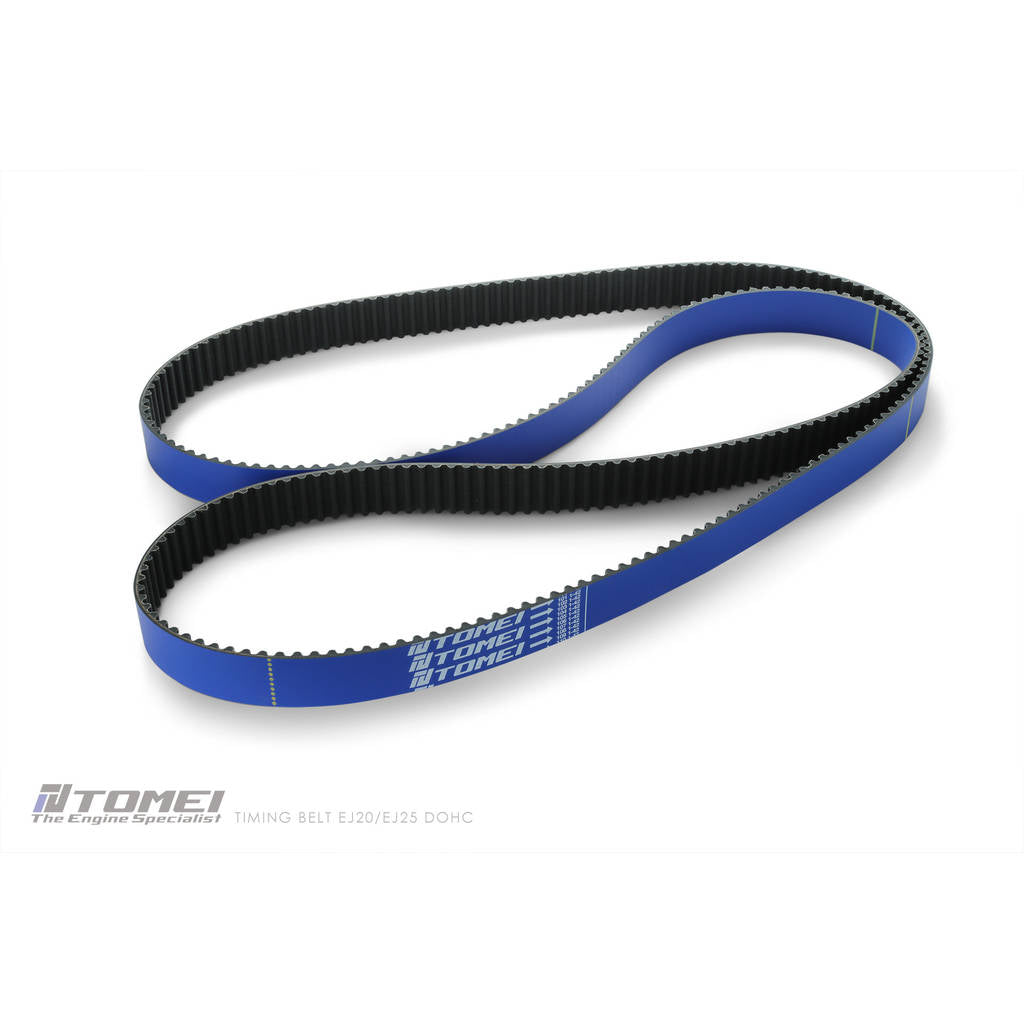
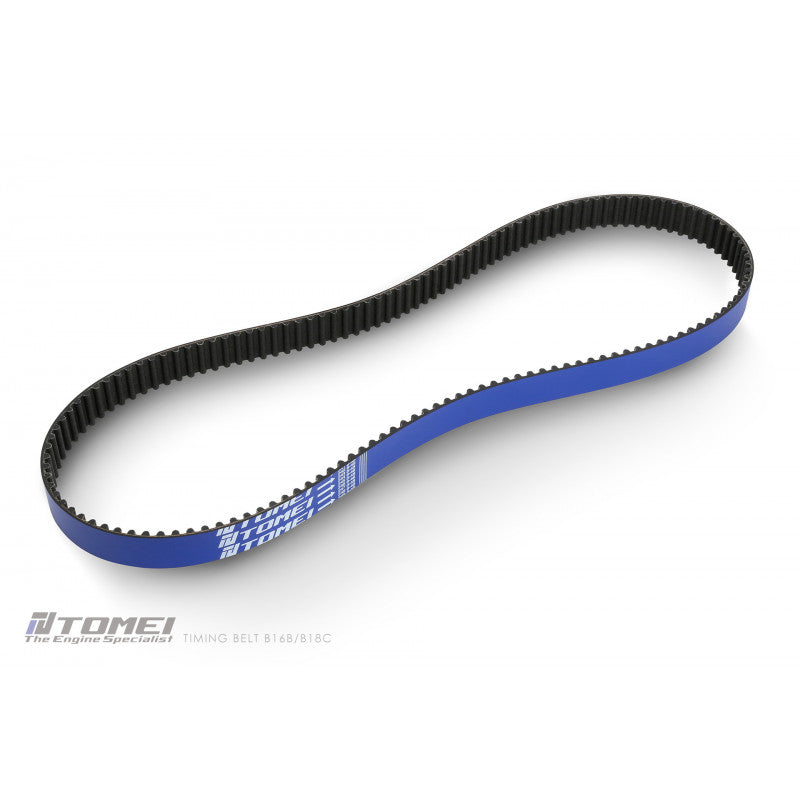
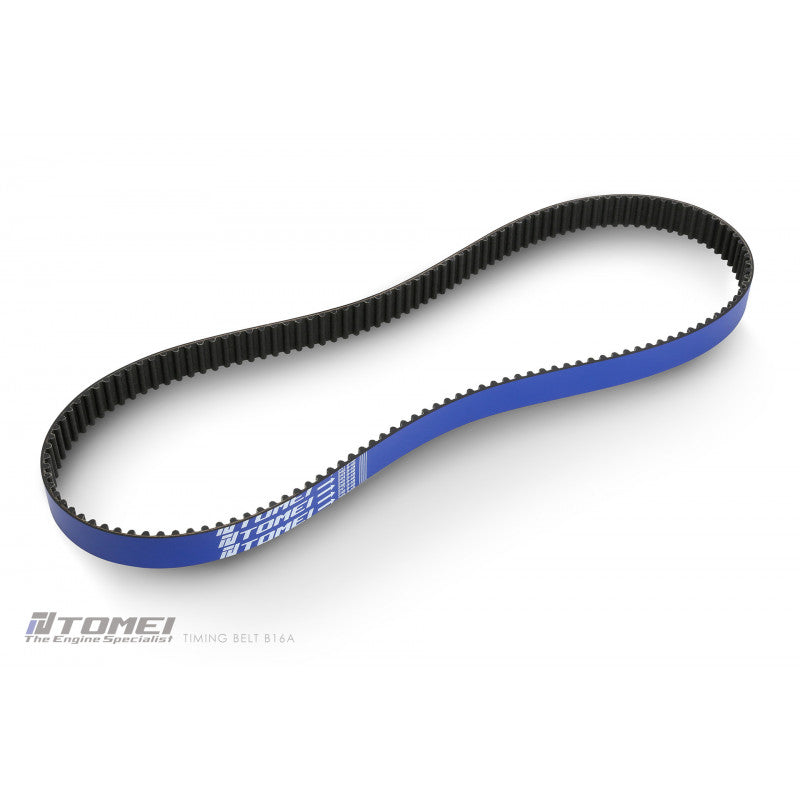
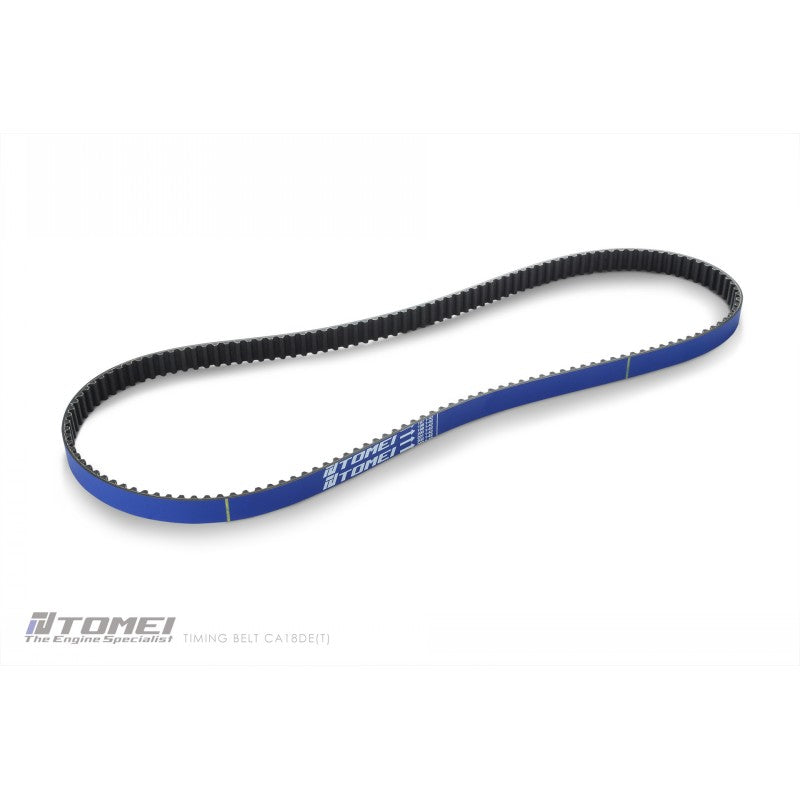
This category includes timing belts, auxiliary drive belts, and related components for engines used in production vehicles, powerful road configurations, and track cars. In these assemblies, the main focus is placed on cord strength, toothed profile accuracy, resistance to high temperatures, oil mist, vibration, and repeated acceleration and engine braking cycles. Brands represented in the category include GATES, GReddy, Tomei, CUSCO, and PERRIN Performance, which should be considered according to their actual specialization.
For engine builds, fast road use, track driving, and professional motorsport, belts are more than just scheduled service parts. Higher rpm, more aggressive camshaft profiles, stiffer valve springs, the risk of valve float, valve spring coil bind, increased thermal load, and frequent transitions between acceleration and throttle lift significantly reduce the service life of a factory drive system. If the belt loses its geometry, jumps a tooth, or fails, the consequences are critical: from shifted valve timing to damage to the crank and rod assembly caused by valve-to-piston contact.
How the Timing Belt Works
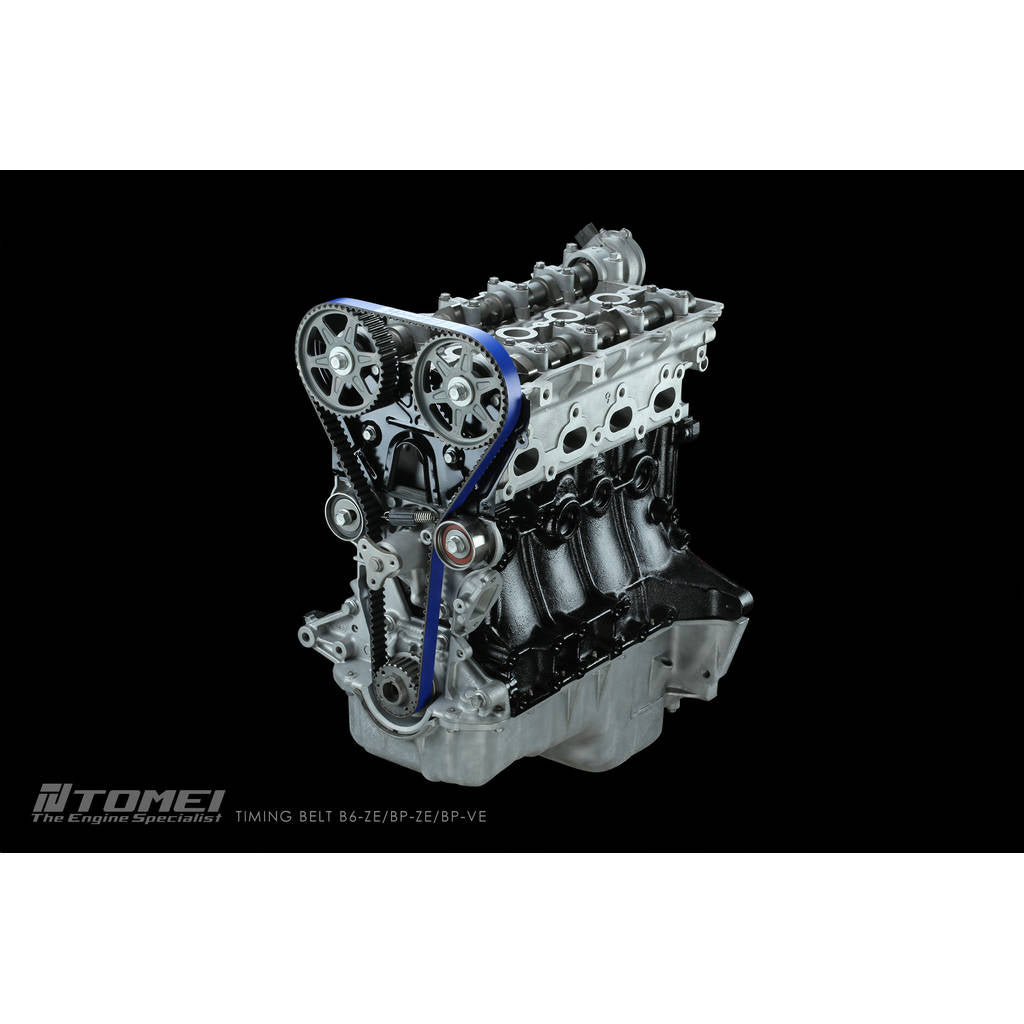
The timing belt transfers rotation from the crankshaft to the camshafts, providing a fixed kinematic connection. Thanks to its toothed profile, it maintains the exact relationship between piston position and valve overlap events. When the piston moves toward top dead center, the valves must open or close within a strictly defined time window. Even minimal angular deviation changes cylinder filling, reduces efficiency, worsens combustion chamber scavenging, and affects the controlled clearance area between the piston and cylinder head.
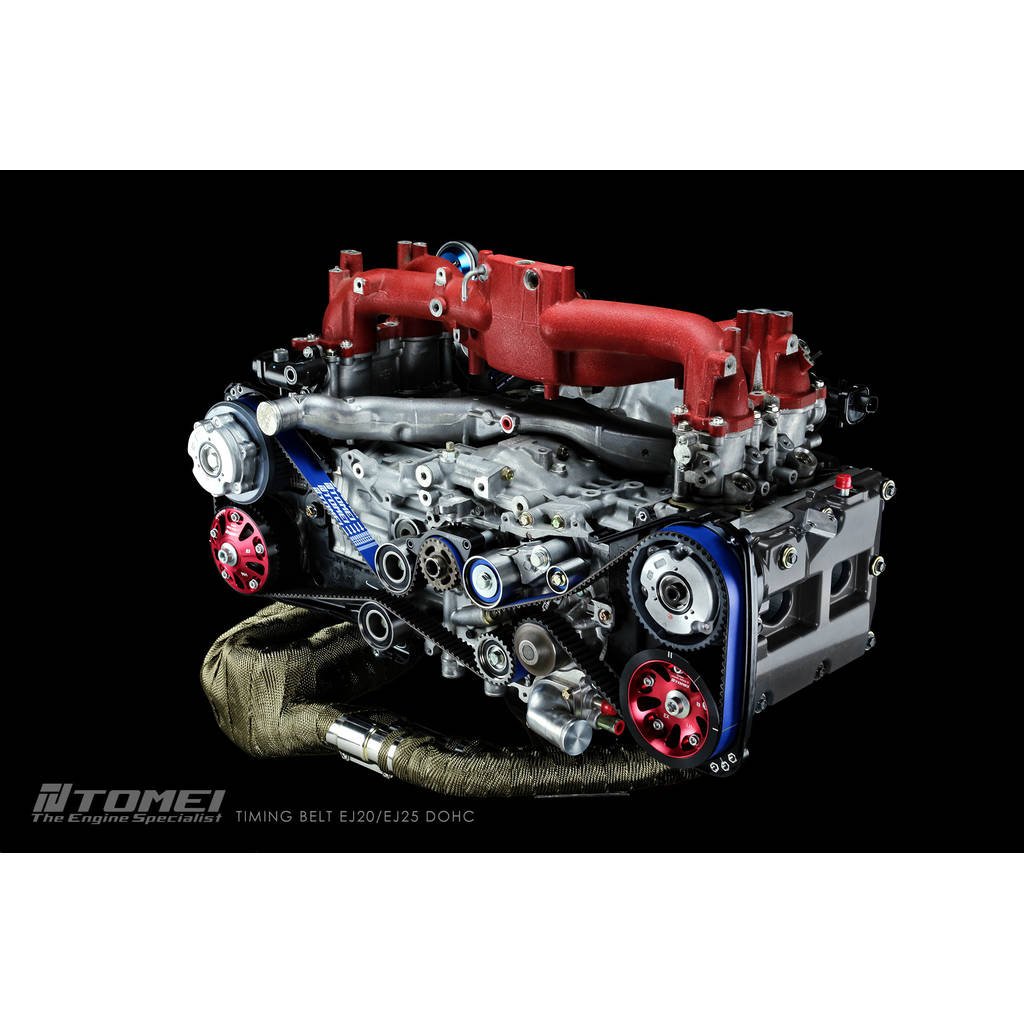
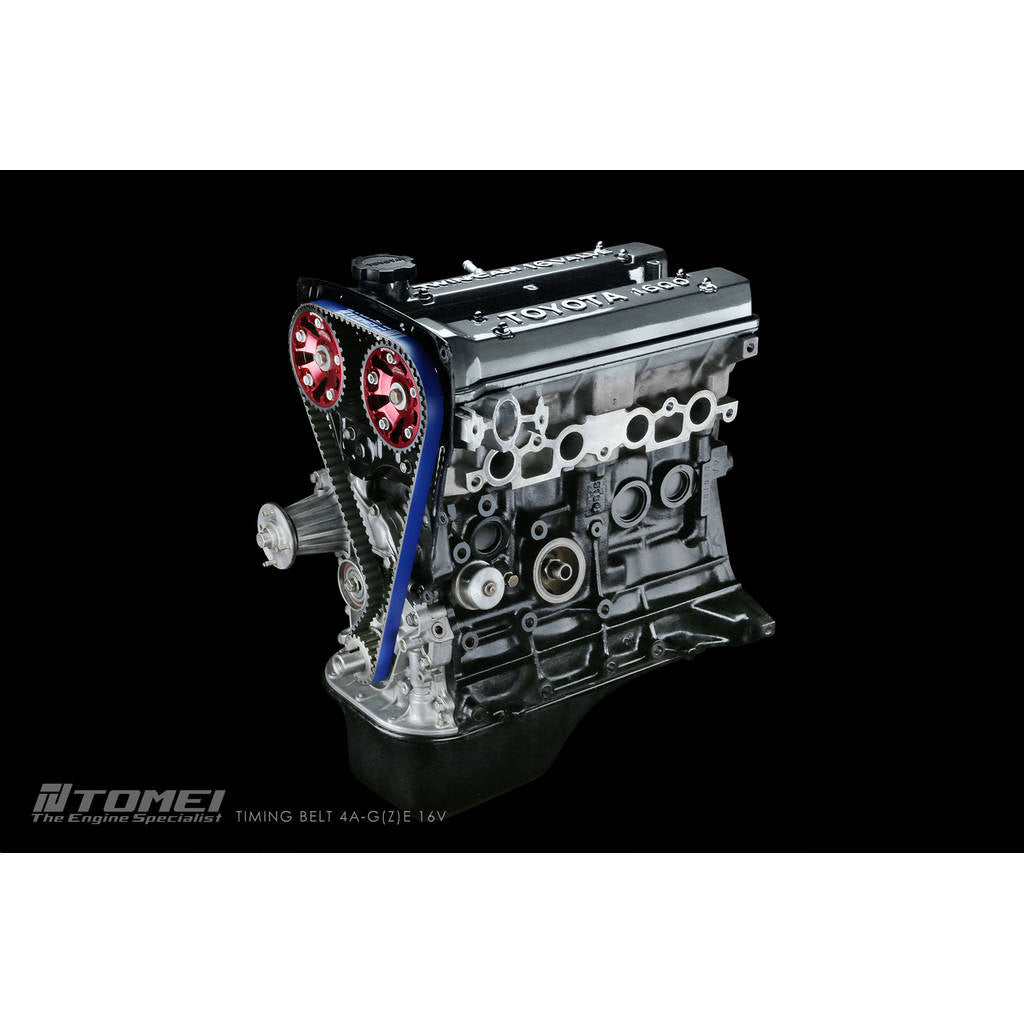
In most engines, the belt works together with tensioner and idler pulleys, sprockets, drive covers, and the water pump. Its tension must be precisely calculated to prevent tooth jumping, but it must not be excessive, otherwise it can cause accelerated bearing wear, cord stretch, and tooth shear under load. Insufficient tension leads to resonant belt oscillation at high rpm, ignition angle instability, and premature belt structure failure. Excessive force overloads the shafts and can trigger sudden belt breakage.
The technical nature of a belt is that it operates under constant cyclic bending and high thermal influence from the engine bay. At high rpm, the teeth engage with the sprockets at high frequency, while the internal load-bearing structure controls tensile forces. In a performance engine, where dynamic changes in angular speed happen constantly, the belt must maintain stable length, tooth shape, and engagement geometry even after many thermal cycles.
Materials, Tooth Profile, and Load Resistance
The engineering quality of a reinforced belt is determined by the chemical composition of its base material and the structure of its reinforcing cord. Instead of standard rubber, high-performance belts may use highly saturated nitrile rubber or composites with Kevlar or aramid fibers. This provides high resistance to tooth shear and resistance to engine oil exposure, which can reach the drive through worn camshaft seals. High-strength fiberglass or aramid cord helps reduce elastic belt elongation under load.
Stable length of the internal cord guarantees accurate retention of valve timing set during dyno calibration. The tooth profile, including round or trapezoidal designs, is optimized to distribute stress evenly at the contact point with the sprocket and reduce noise. Uneven edge wear, cracks near the tooth base, or localized delamination of the fabric layer usually indicate pulley misalignment, seized rollers, or incorrect tensioner tightening procedure.
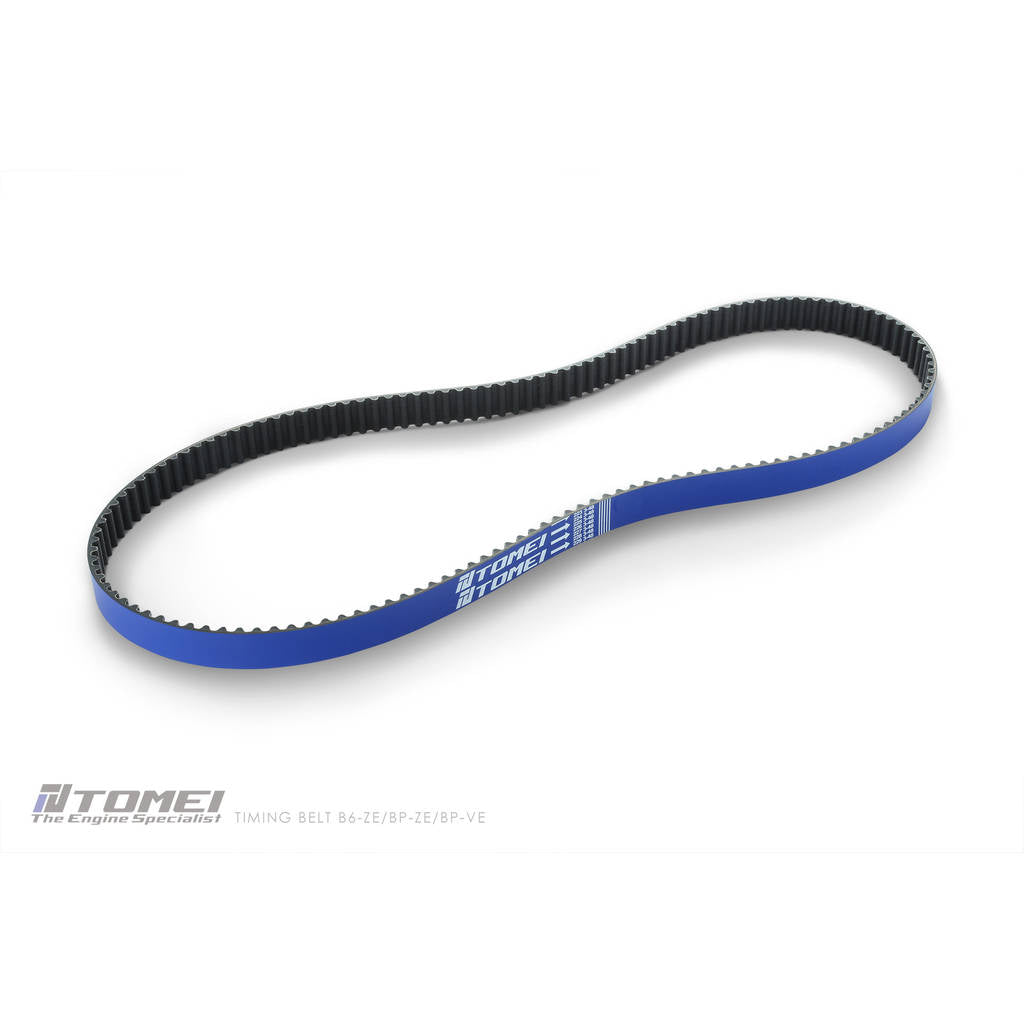
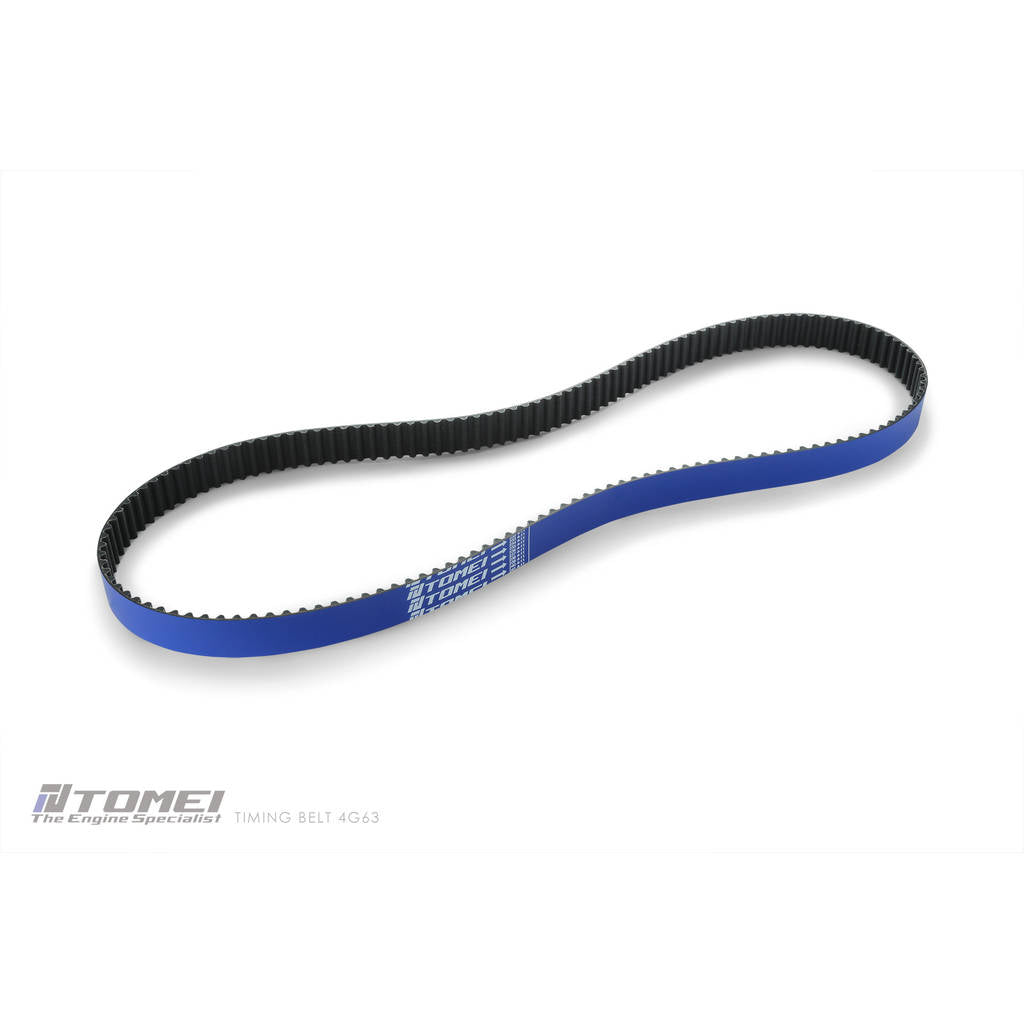
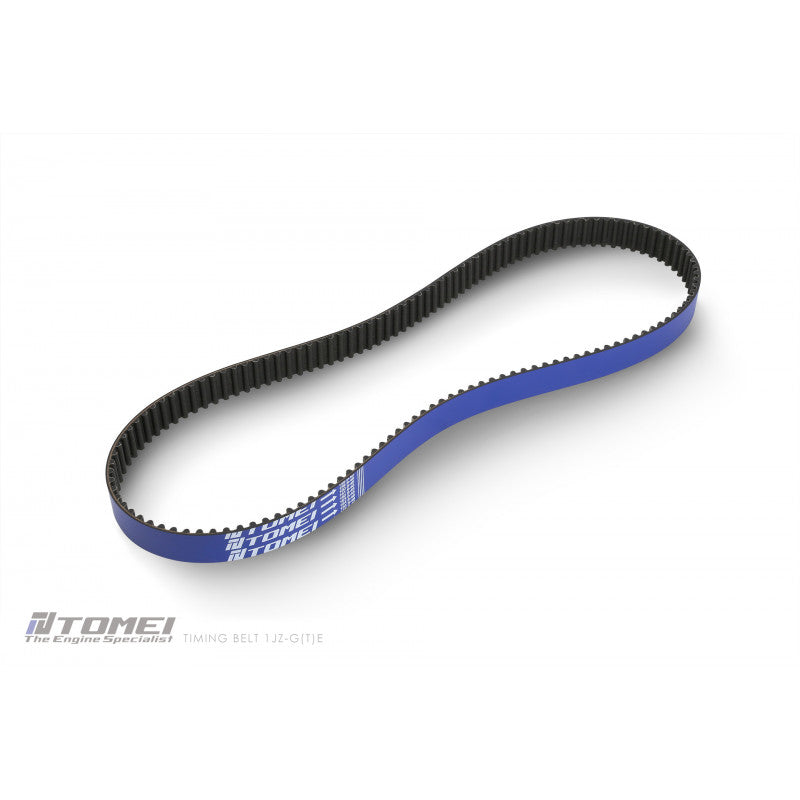
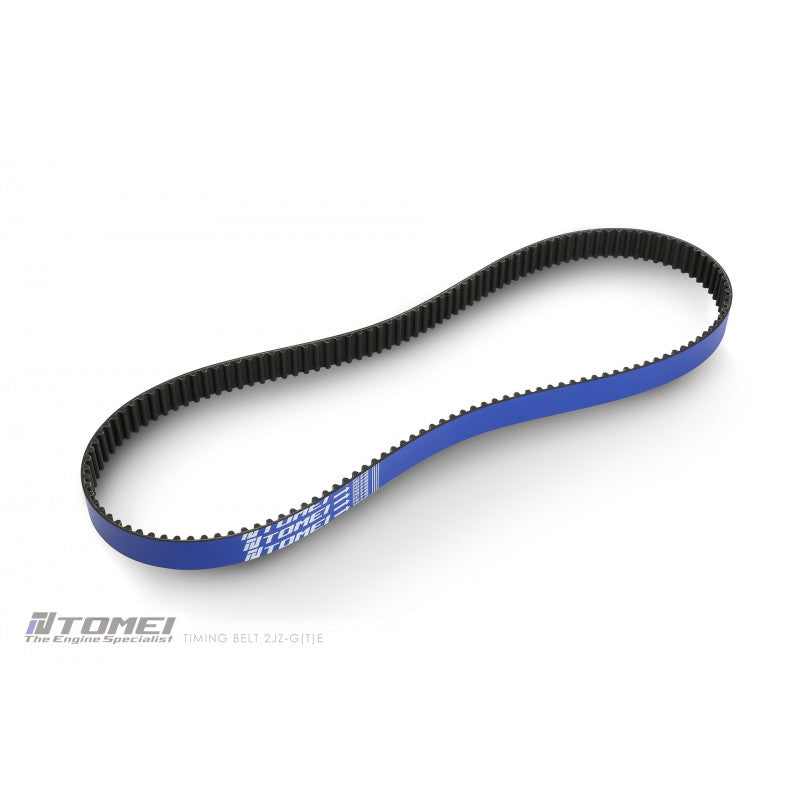
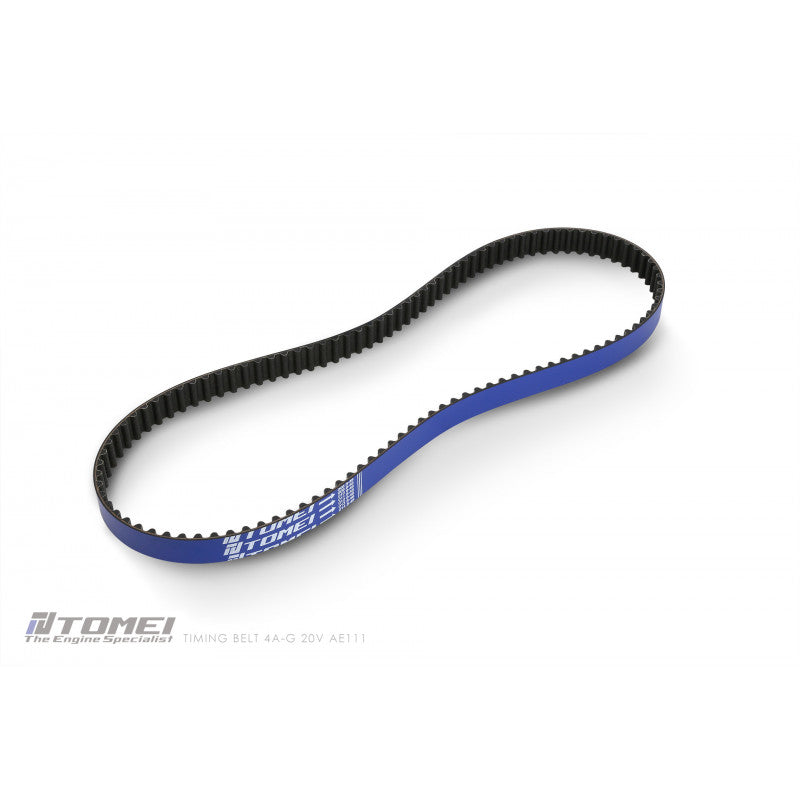
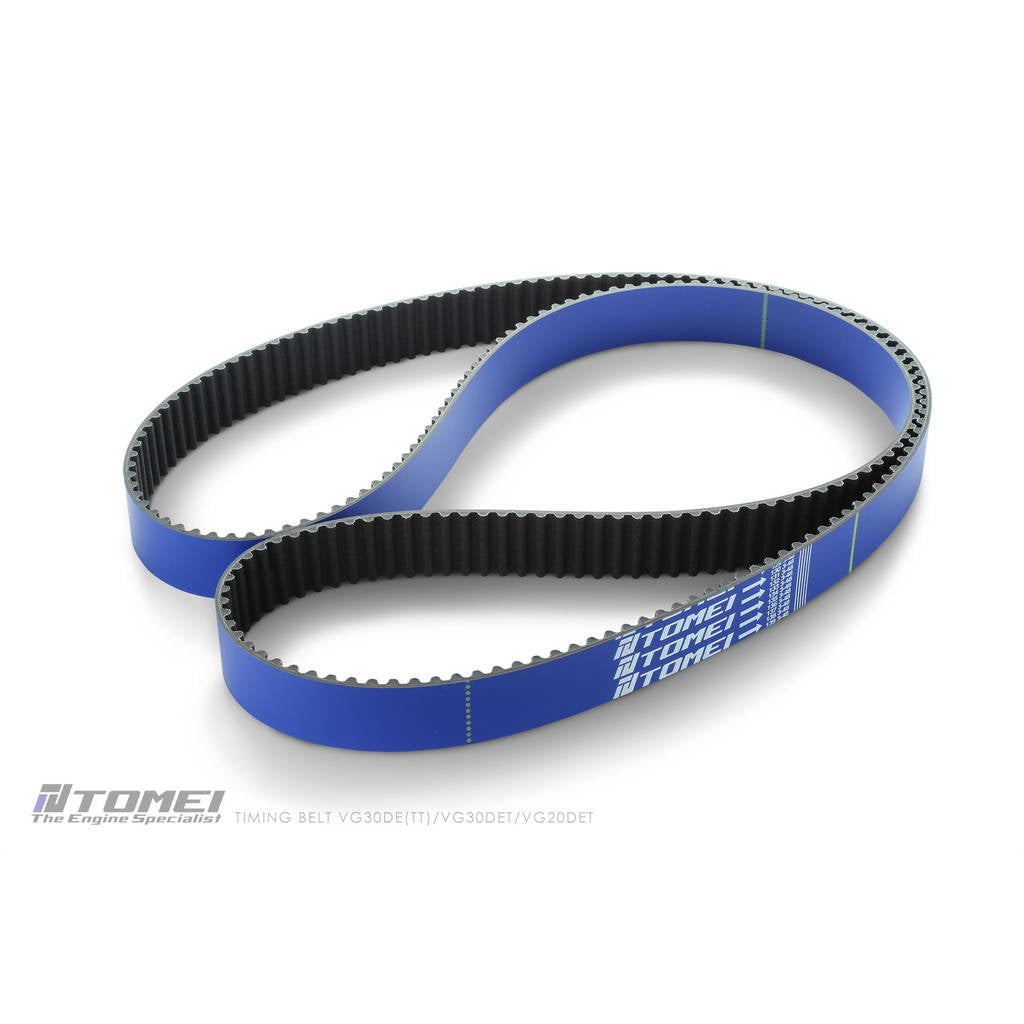
GATES is a well-known manufacturer of drive solutions, and its performance belt series are used under increased load conditions. Japanese engineering companies Tomei and GReddy produce reinforced timing belts for high-load engine projects based on Japanese platforms. Brands such as CUSCO and PERRIN Performance should be evaluated by specific part number and technical role in the engine bay, because their products may relate to adjacent components, protection elements, mounting parts, or platform-specific solutions.
In highly modified configurations, the belt must overcome significant resistance from stiff valve springs and high-lift camshaft lobes. Every climb to the upper rpm range creates major inertial forces in the valvetrain, attempting to stretch the belt or damage its working profile. This is why drive belt selection must match the calculated load parameters: if camshafts, cam phasers, and cylinder head geometry are changed, the belt characteristics must also match the new operating conditions.
Application of Belts in Road Tuning and Motorsport
In road tuning, reinforced belts are installed during a complete engine rebuild, installation of adjustable cam gears, or a move to more efficient turbochargers. For daily-driven vehicles, it is critically important that the belt retains its elastic properties across a wide temperature range. A reliable belt structure protects the mechanism from sudden failure during sharp acceleration on a cold engine, when oil viscosity in the system and shaft resistance are at their highest.
On circuit tracks, the timing drive operates under constant thermal load and high torsional vibration. Prolonged operation near the rpm limit causes strong heating of the sprockets, which is transferred to the toothed belt profile. High-quality belts from GATES or GReddy must maintain stable engagement and reduce the risk of angular camshaft shift even at the end of long racing sessions.
In drag racing, the main challenge is the engine’s instant transition to maximum load during launch control starts. When boost pressure rises sharply, the crank and rod assembly and valvetrain experience strong impulse loads. A reinforced belt with aramid cord withstands this peak moment without dangerous micro-stretching, helping preserve correct valve timing synchronization across all cylinders.
For well-known Japanese engines such as the EJ, RB, JZ, and 4G63 series, where Tomei and GReddy solutions are traditionally used, the timing belt is integrated into one unified kinematic system with other components. Installing lightweight pulleys, stiff springs, and performance camshafts requires professional-grade belts with increased resistance to stretching and thermal load. Ignoring belt quality or installing weak street-grade alternatives in such configurations can quickly damage expensive cylinder head components.
How to Choose Belts for a Specific Engine
Selecting a timing belt requires technical accuracy and begins with checking the engine code, production year, and type of tensioner installed. The main parameters are the number of teeth, exact belt width in millimeters, and tooth engagement profile geometry. Attempting to install a belt with a similar length from another engine version can lead to uneven load distribution across the teeth, accelerated failure, and shifted timing marks.
The next step is evaluating the level of engine modification and operating conditions. For a road car with moderate software tuning, a standard original-quality belt line may be sufficient. However, if the engine is built for high rpm operation, aggressive timing, and a reinforced valvetrain, reinforced GATES Racing belts or Tomei components should be considered as a more reliable solution for such conditions.
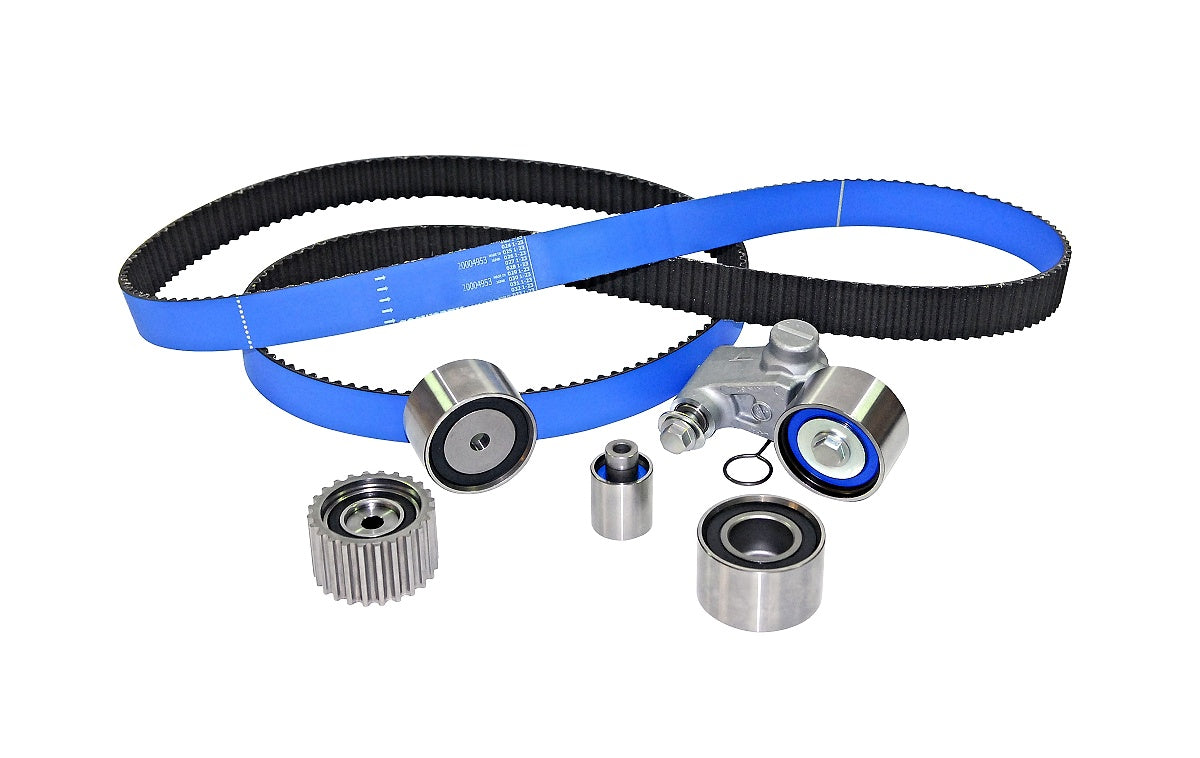
When replacing the belt, the entire kit must be renewed: tensioner and idler pulleys, the tensioner itself, and in many cases the water pump. Installing a new high-strength performance belt on worn pulleys with bearing play or damaged sprockets will quickly wear the belt’s side edge due to misalignment. A comprehensive approach to servicing the timing system guarantees stable drive operation throughout the stated service interval.
To avoid technical mistakes, brand specialization must be clearly distinguished. GATES is a well-known manufacturer of drive belts for different engine types. Tomei and GReddy specialize in high-load engine components and belts for Japanese performance platforms. CUSCO and PERRIN Performance must be evaluated by specific part number: their engine bay products may be related to adjacent components, protective elements, mounting hardware, or platform-specific solutions.
The Role of Belts in Timing Accuracy, Power, and Engine Durability
Belts do not add power by themselves, but they create the basic conditions for the engine to realize its potential without restriction. When the timing drive operates accurately, cylinder filling with a fresh charge and exhaust gas evacuation take place efficiently. Valve timing stability under load reduces the risk of combustion disruption caused by incorrect valve overlap, allowing the engine control unit to manage ignition advance more precisely.
In professional motorsport, belt reliability determines result stability throughout the entire racing session. The belt must not change its geometric parameters under cyclic loads and intense heat. A high-strength reinforced belt protects the engine from sudden mechanical failure, maintaining synchronization between the crank and rod assembly and the valvetrain in the most demanding conditions, including operation at the rpm limiter and sharp gear changes.
At ATOMIC-SHOP, you will find not just drive belts, but complete engineering solutions for stable timing synchronization, precise valve timing control, and reliable engine operation under fast road use, track driving, and professional motorsport conditions.