
















Coilover Kits in Vehicle Handling and Suspension Systems
Coilover kits are an effective solution for upgrading a vehicle’s suspension, particularly when improved handling precision, high-speed stability, and fine chassis tuning are required. Unlike standard shock absorbers and springs with fixed characteristics, coilovers allow adjustment of ride height, damping stiffness, and other parameters that directly influence vehicle behavior on the road.
In modern vehicle architecture, the suspension performs a broader role than simply providing ride comfort. It directly affects stability, steering response, and tire contact with the road surface. Acceleration, braking, and lateral forces during cornering are all transmitted through the suspension. As a result, any change in suspension characteristics has a direct impact on vehicle dynamics.
The suspension system is responsible for controlling body movement relative to the wheels during cornering, acceleration, and braking. When a vehicle operates under performance driving conditions or increased power output, standard suspension components may not provide sufficient control over body motion.
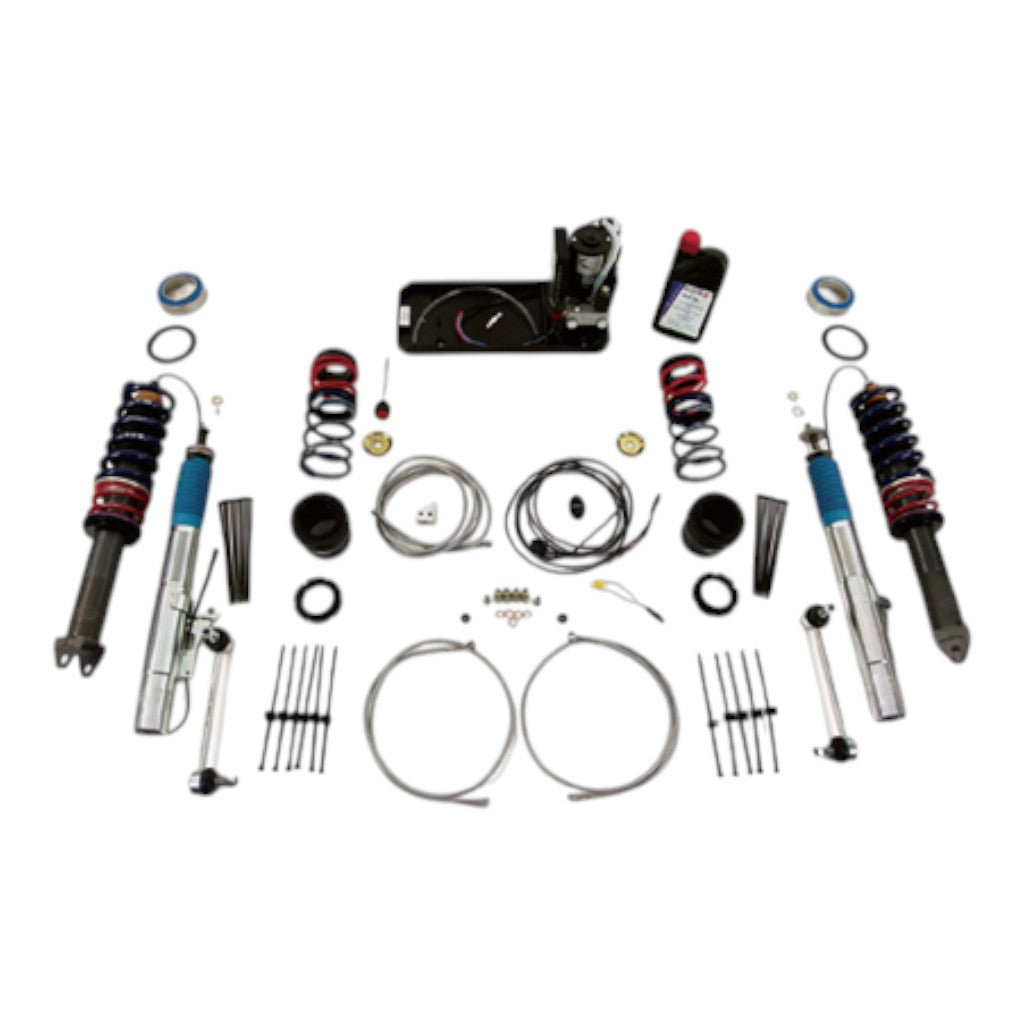
For this reason, coilover kits are widely used in tuning projects, performance street vehicles, and track-focused builds. This category includes systems developed by manufacturers with extensive experience in motorsport suspension engineering, such as Cusco, Öhlins, and Bilstein. These systems allow the vehicle’s behavior to be adapted for different use cases, from daily driving to intensive track sessions.
Coilover Suspension Design and Key Components
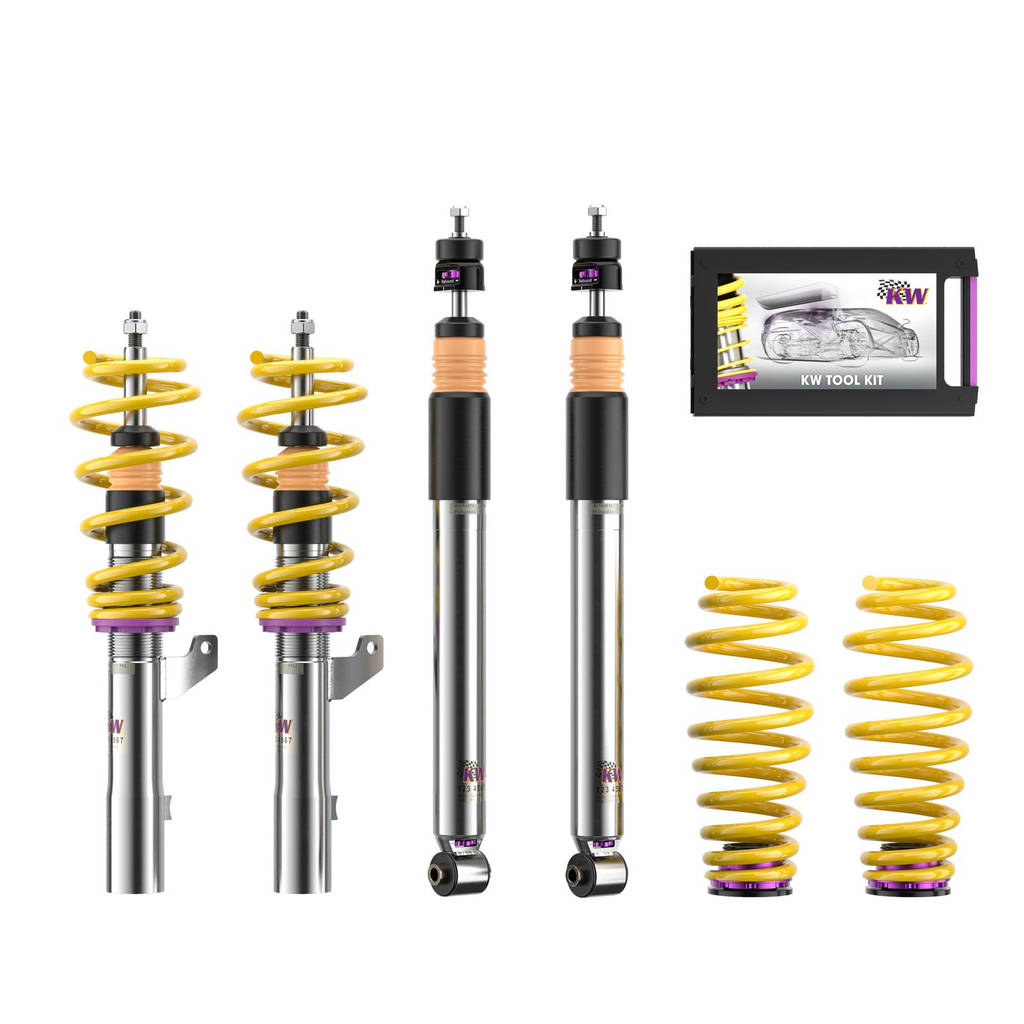
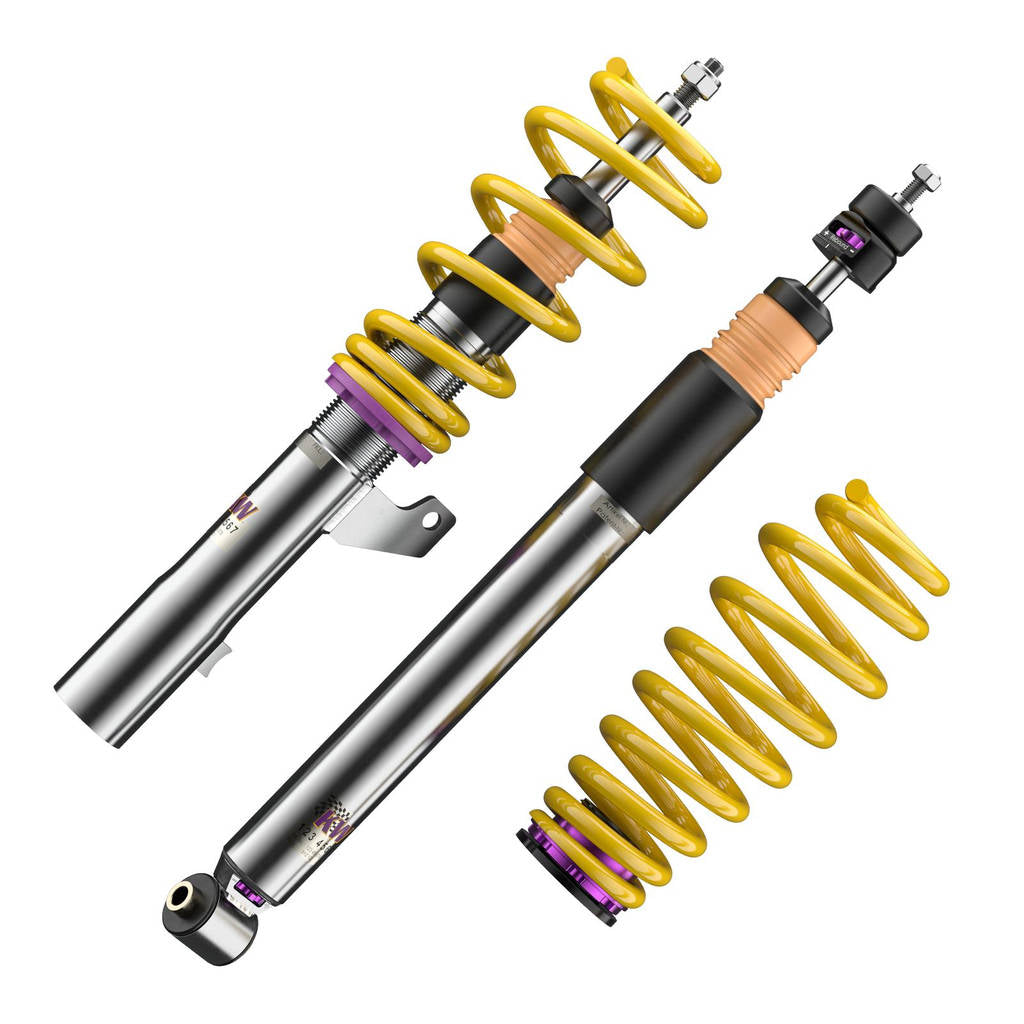
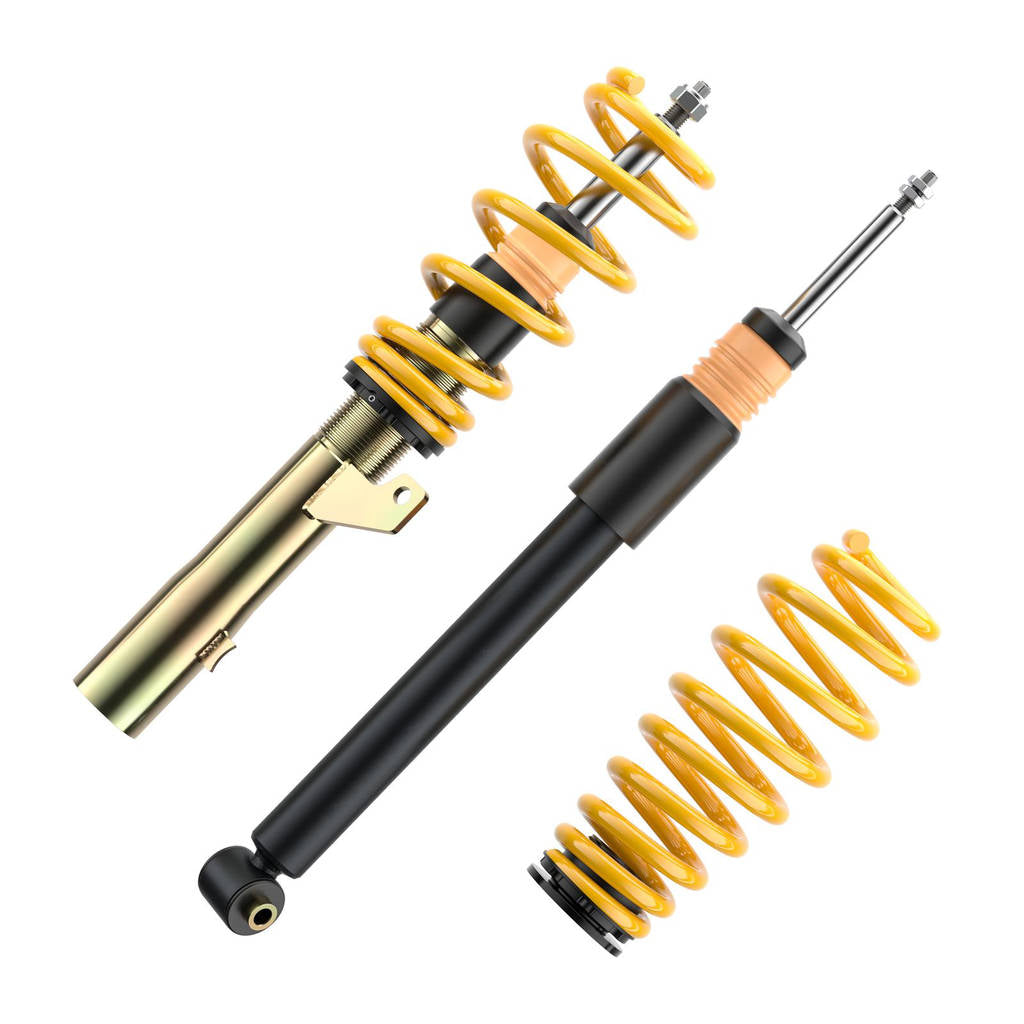
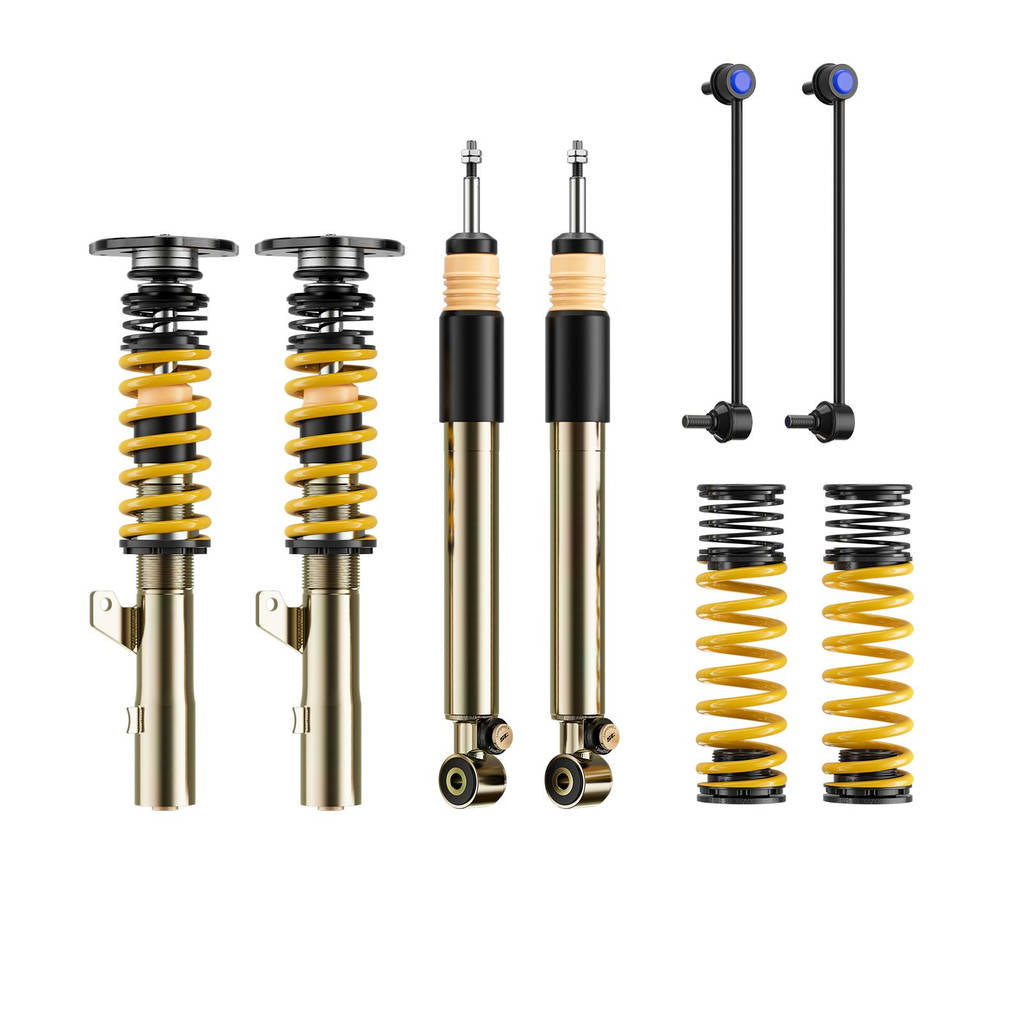
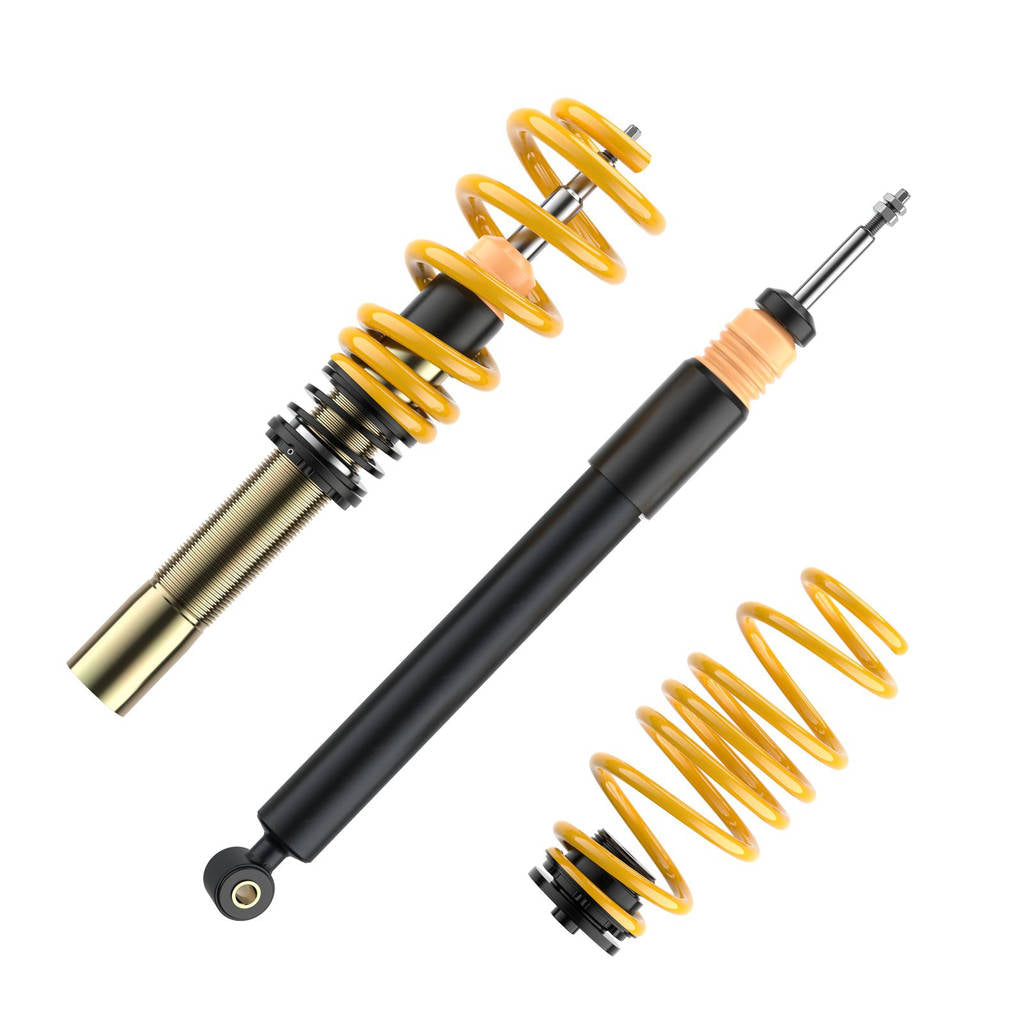
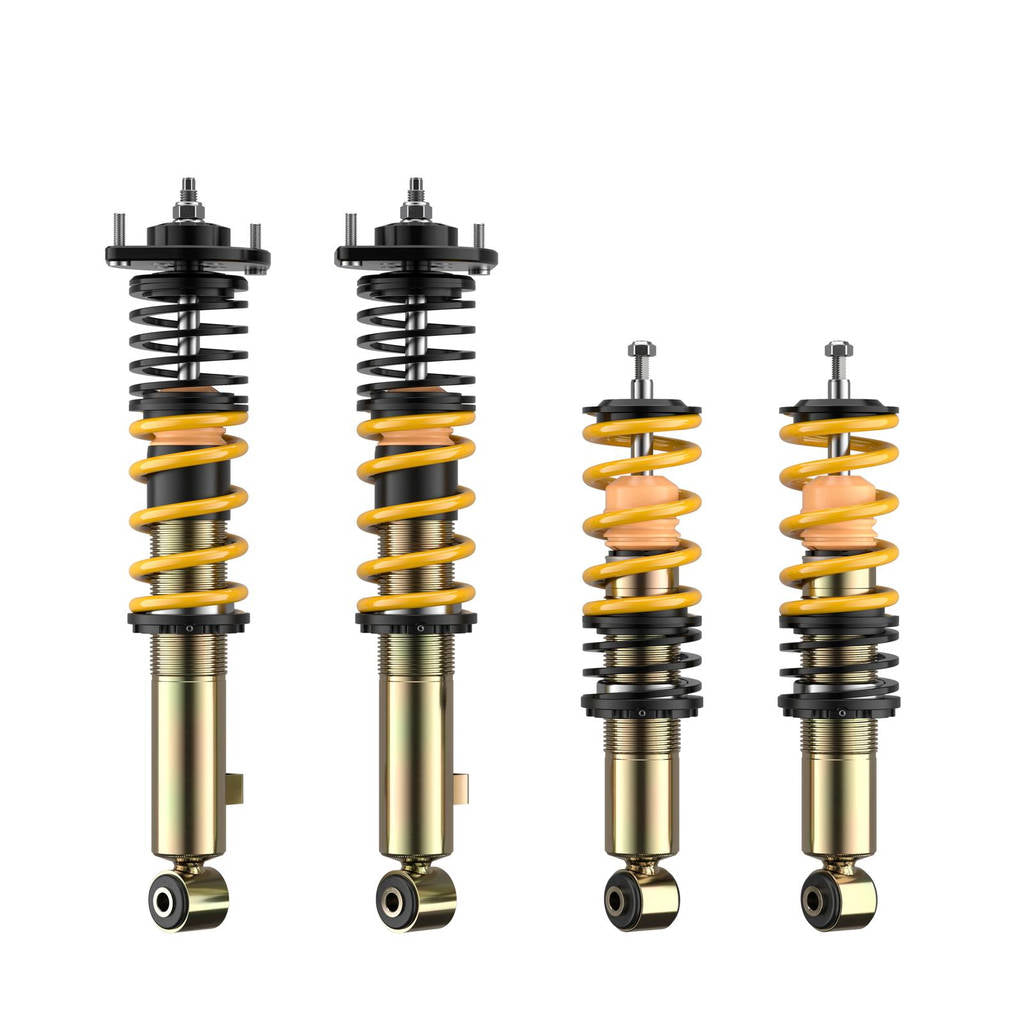
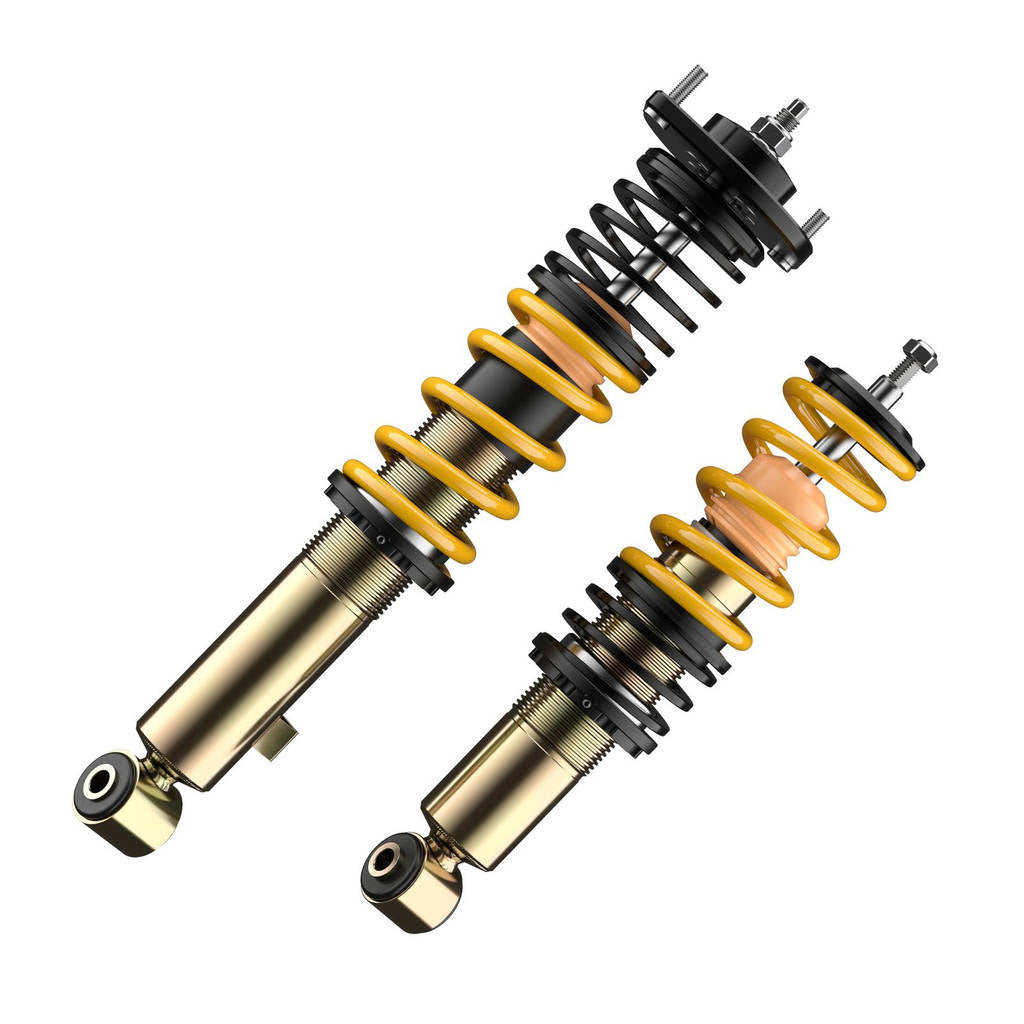
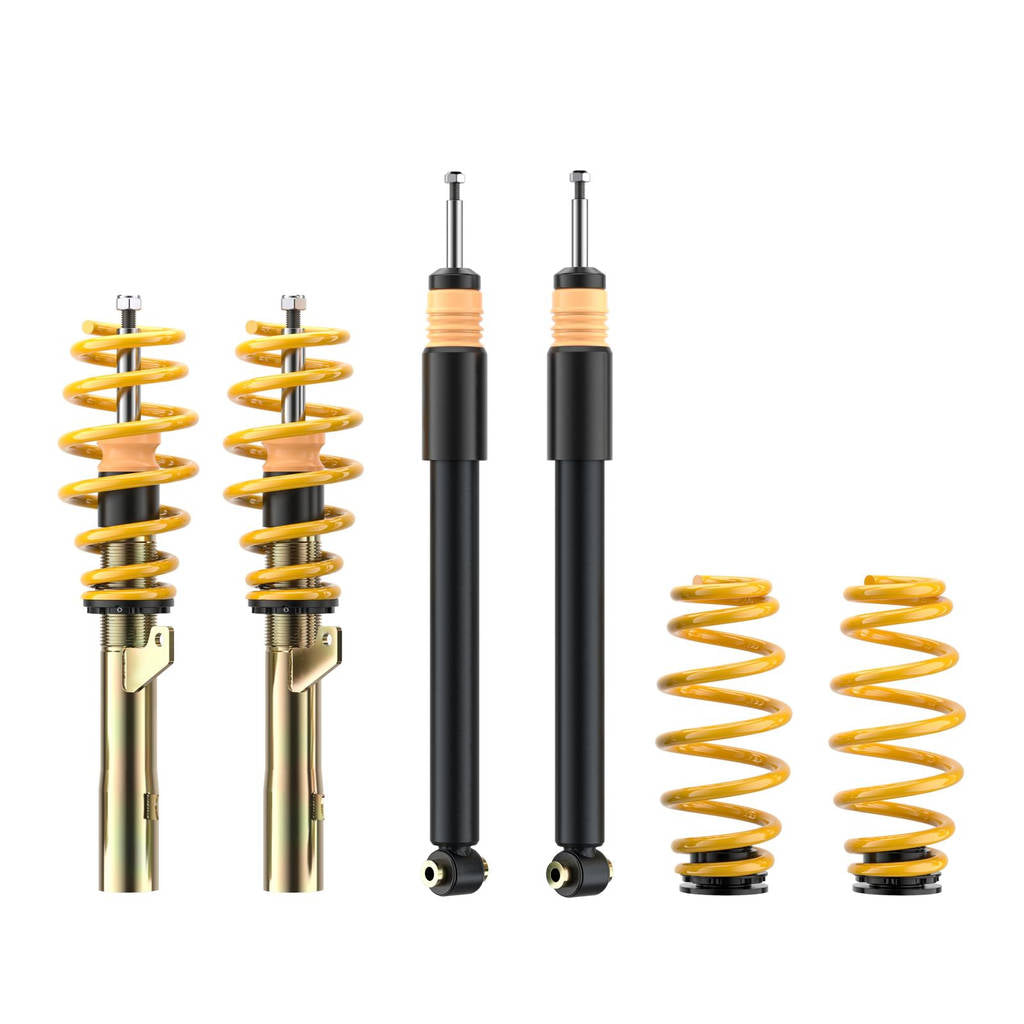
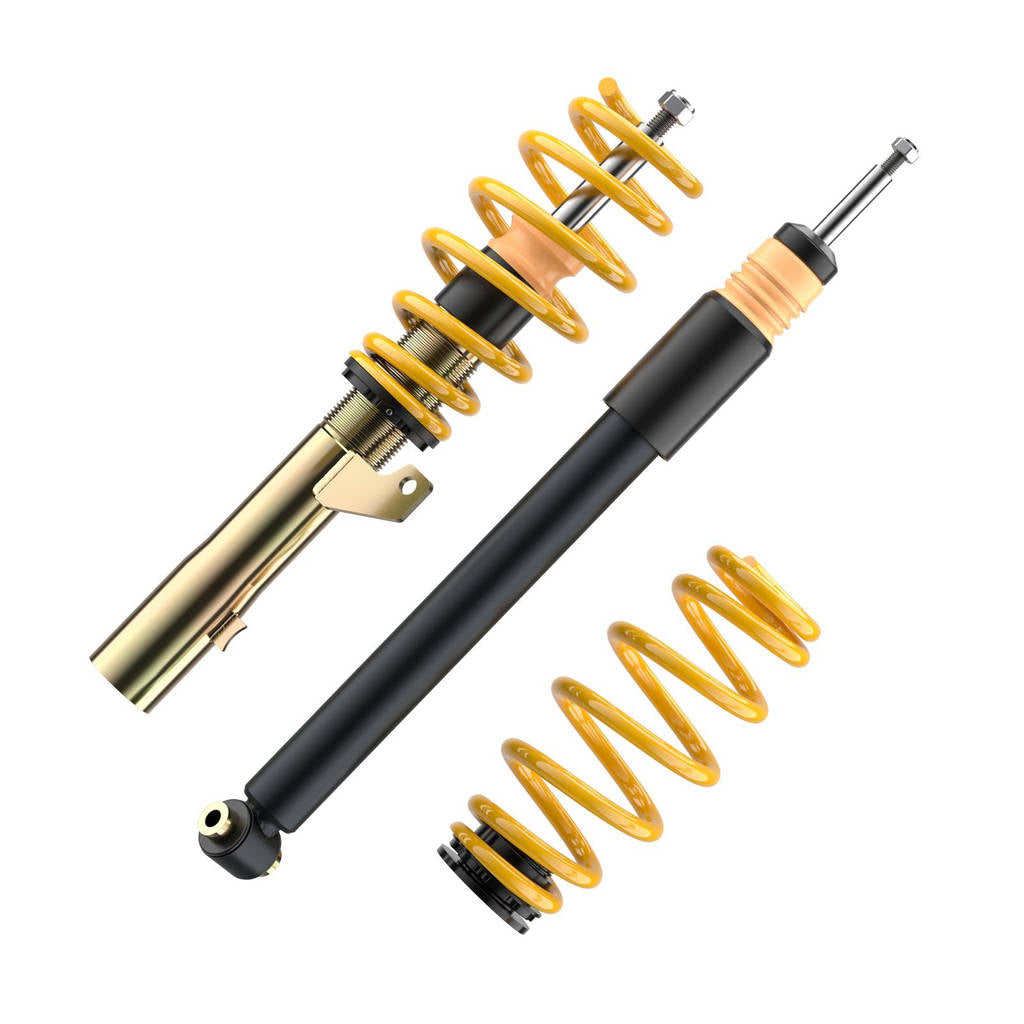
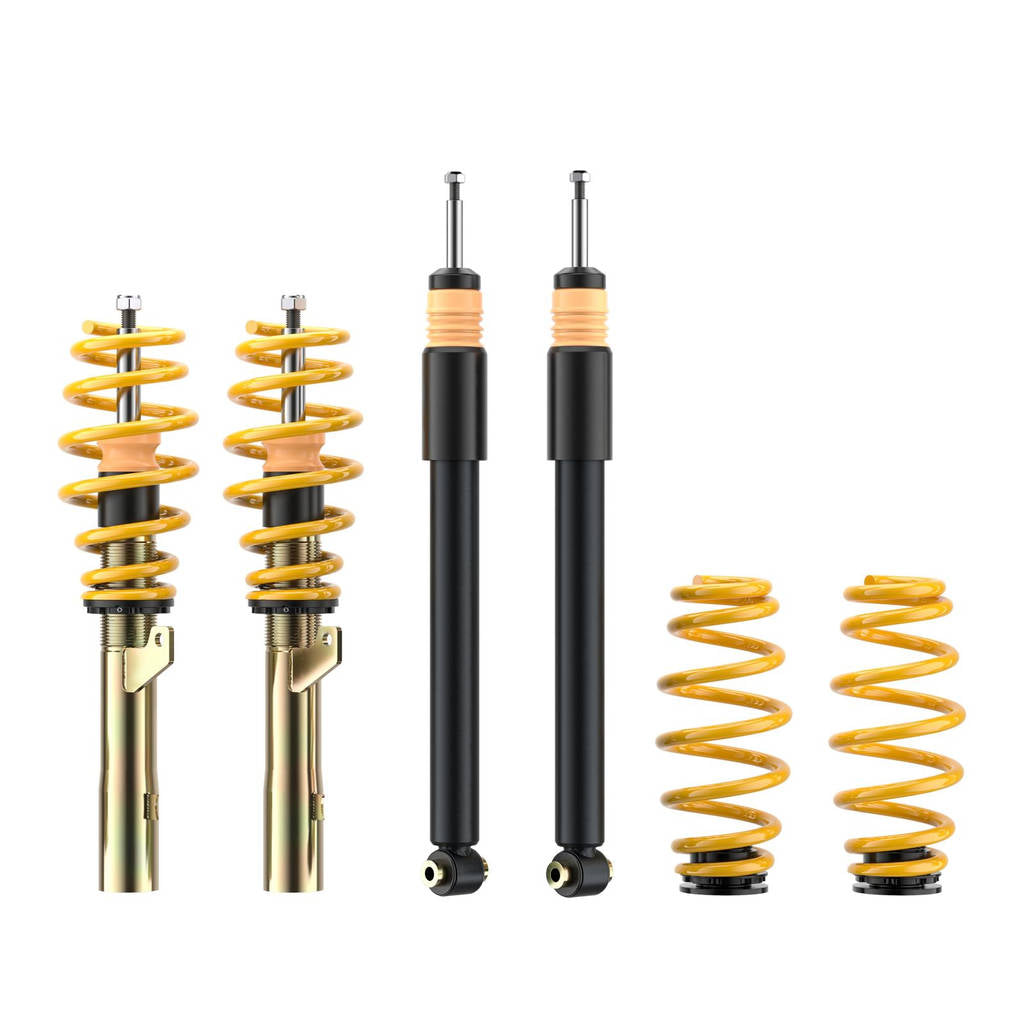
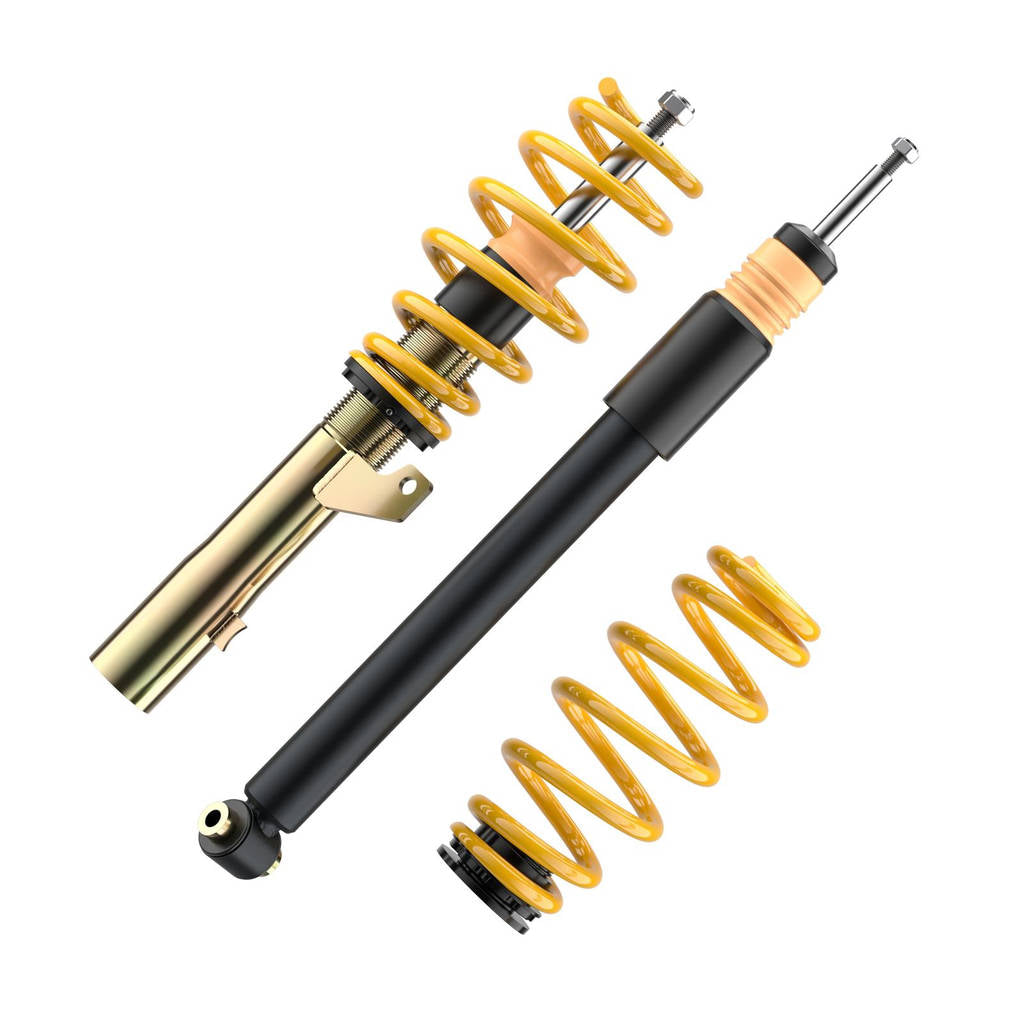
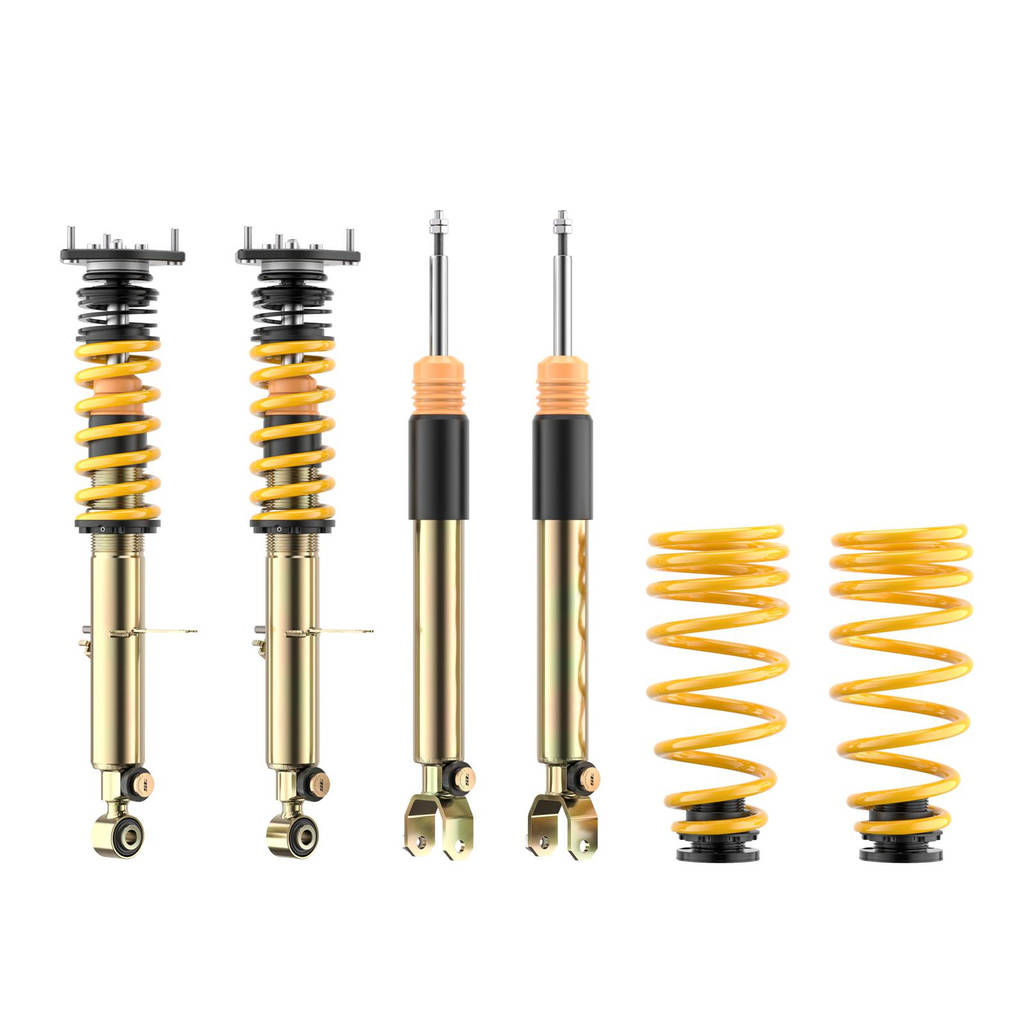
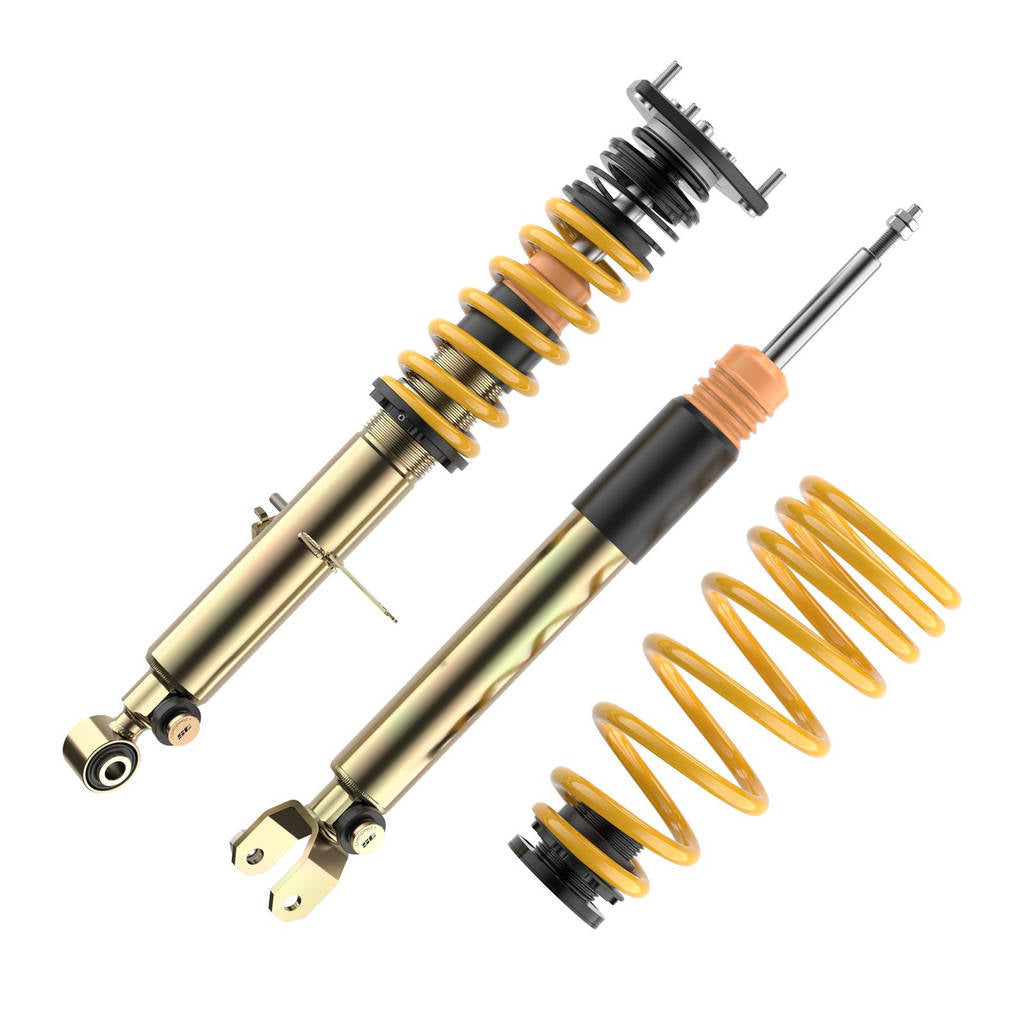
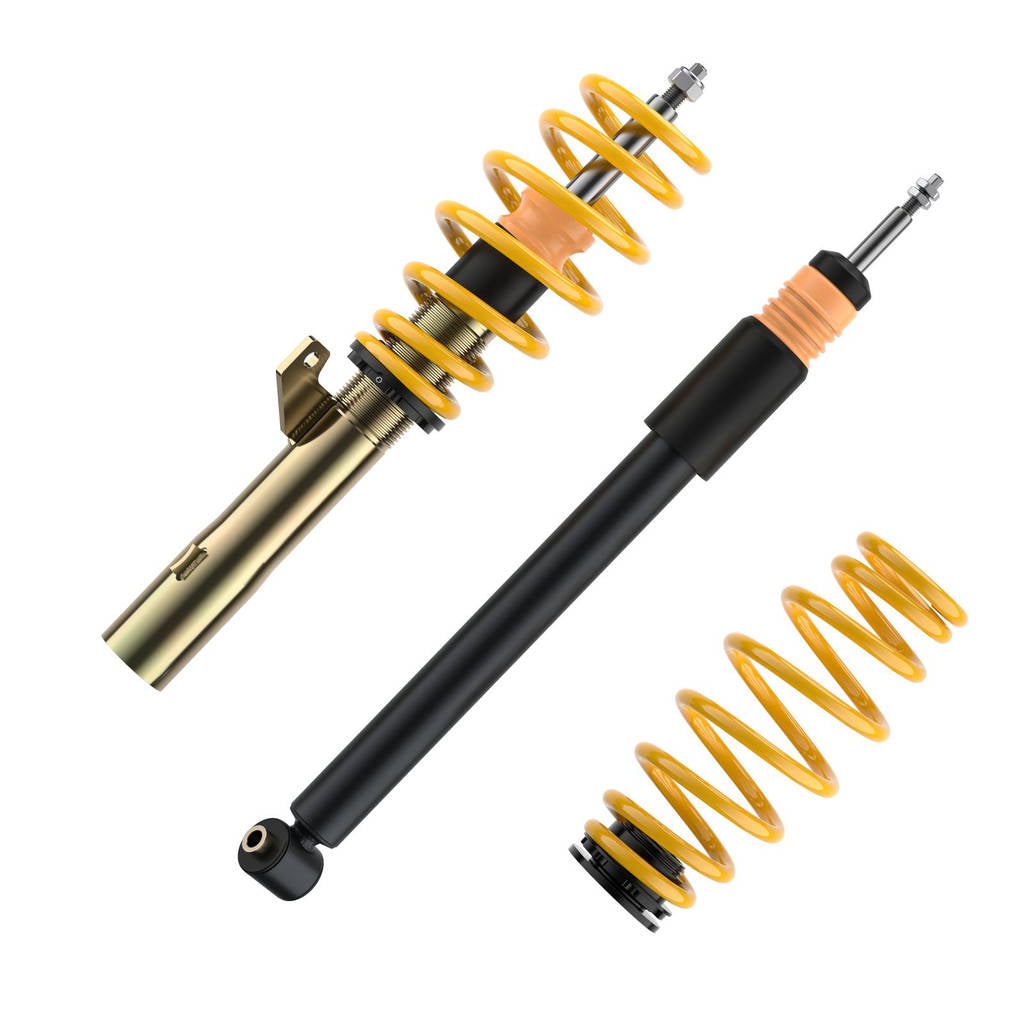
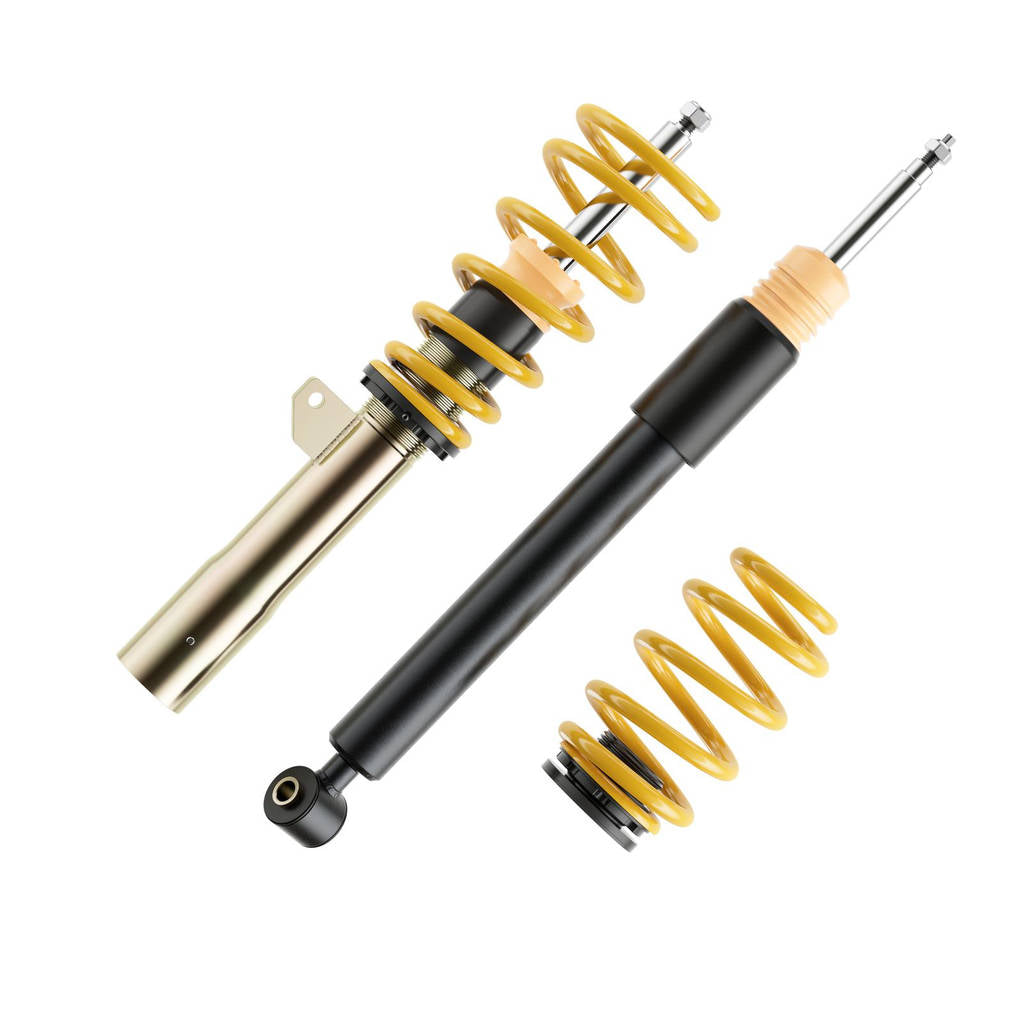
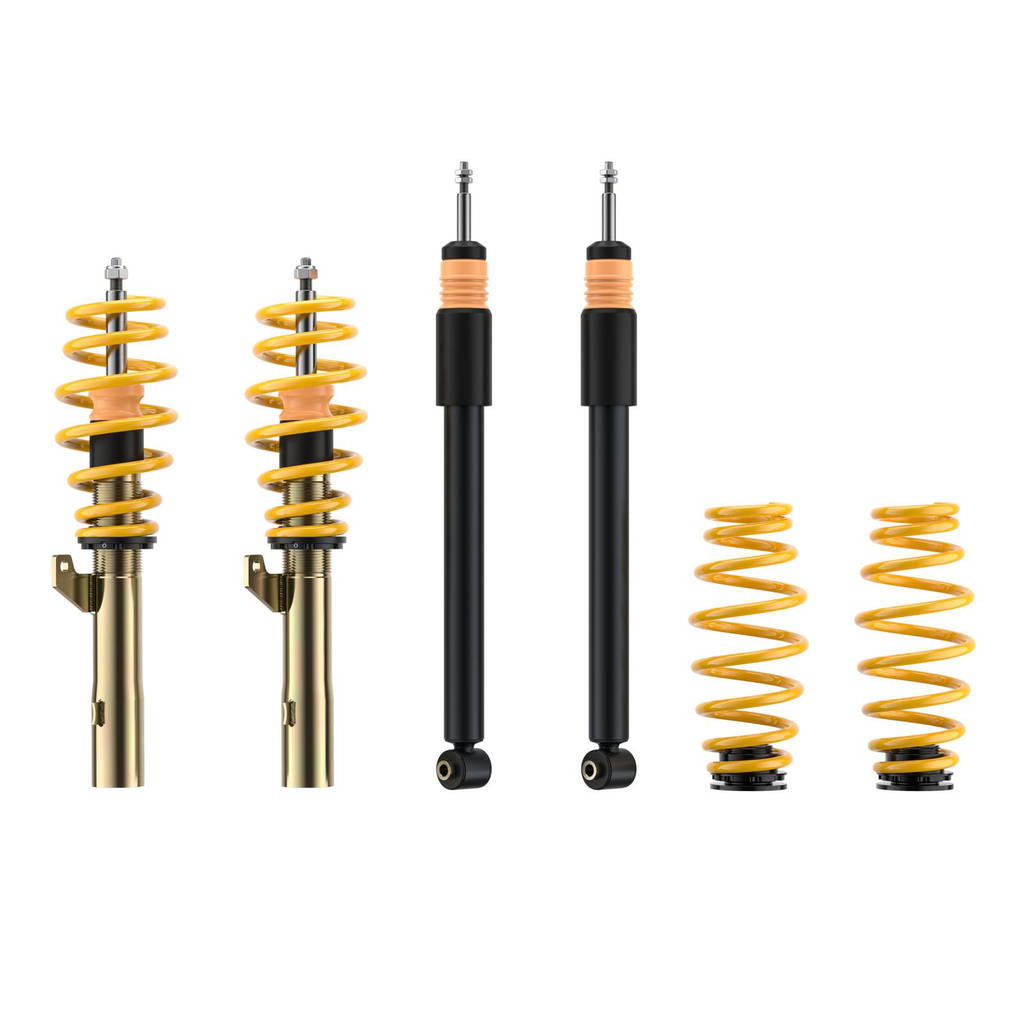
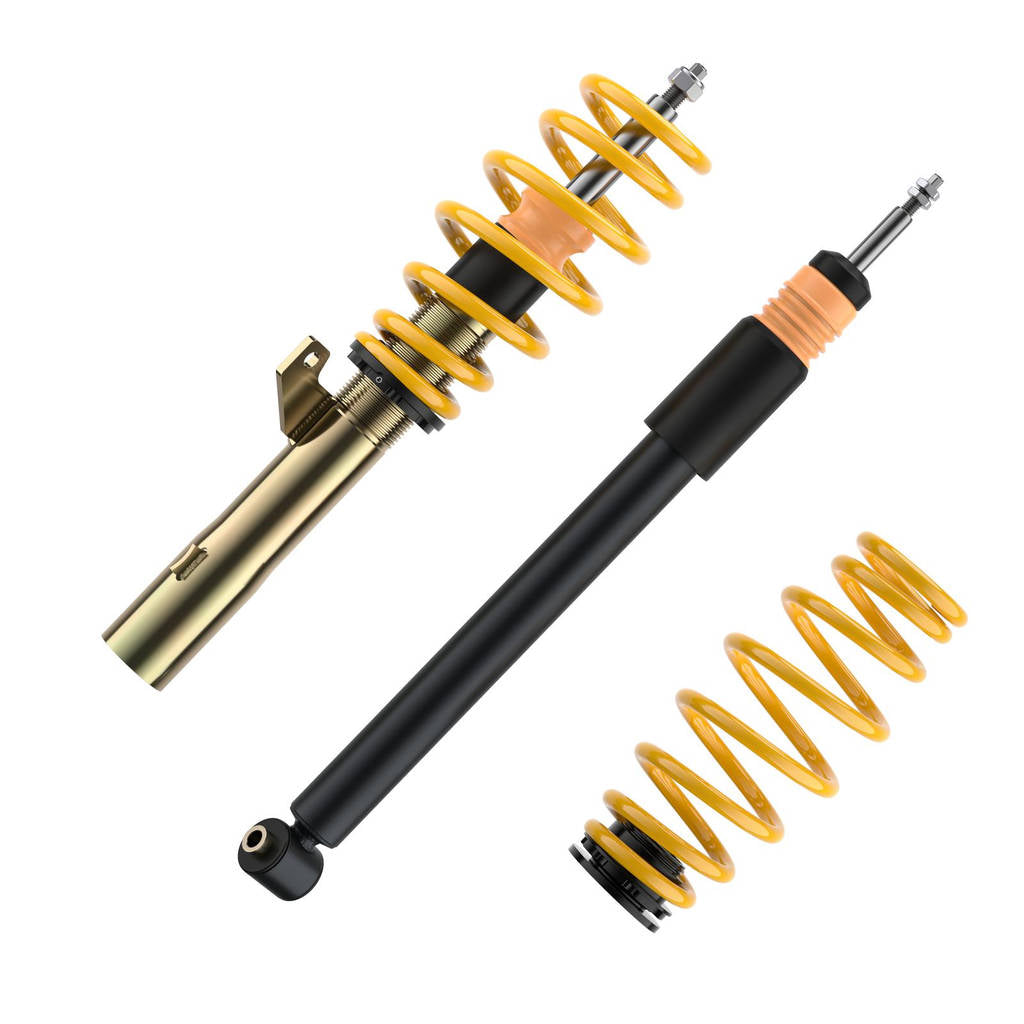
A coilover suspension combines the shock absorber and coil spring into a single integrated unit. The term “coilover” refers to a spring mounted over the shock absorber. This configuration creates a compact assembly that integrates easily into the suspension system while enabling precise adjustment of its parameters.
Most coilover kits feature a threaded shock body. Adjustment collars mounted on this thread allow the position of the spring to be changed, which directly affects vehicle ride height. This makes it possible to fine-tune ground clearance depending on driving style and road conditions.
In addition to ride height adjustment, many modern coilover systems offer damping adjustment. This allows control over compression and rebound characteristics of the shock absorber. In more advanced systems, these parameters can be adjusted independently, providing a higher level of suspension tuning precision.
Some systems also include adjustable top mounts with spherical bearings. These allow changes in camber angle, which is an important factor in optimizing handling performance for aggressive driving or track use.
Engineering Principles of Coilover Suspension Operation
The primary function of the suspension is to control wheel movement relative to the vehicle body. As the vehicle moves, wheels constantly encounter surface irregularities. The spring absorbs impact energy, while the shock absorber controls the speed of suspension movement, preventing excessive oscillation.
In standard suspension systems, these characteristics are defined by factory spring and damper settings. With coilovers, the driver or engineer can adjust these parameters to achieve a desired balance between comfort and performance. For example, stiffer settings reduce body roll during cornering, improving high-speed stability.
Ride height adjustment is another important factor. Lowering the vehicle reduces the center of gravity, which improves cornering stability. However, excessive lowering can negatively affect suspension geometry and ride quality, making proper setup a critical step.
The balance between spring stiffness and damper characteristics is also essential. Incorrect matching can reduce suspension effectiveness or result in an overly harsh setup unsuitable for road use.
Application of Coilovers in Road and Performance Vehicles
Coilover kits are commonly used in performance-oriented street vehicles where a balance between comfort and handling precision is required. In such setups, the suspension can be tuned to provide stability at higher speeds while remaining usable for daily driving.
In track vehicles, coilovers play an even more critical role. During high-speed cornering, the vehicle is subjected to significant lateral loads, and the suspension must maintain maximum tire contact with the road surface. For this reason, systems from manufacturers such as Öhlins and Bilstein are widely used in motorsport applications.
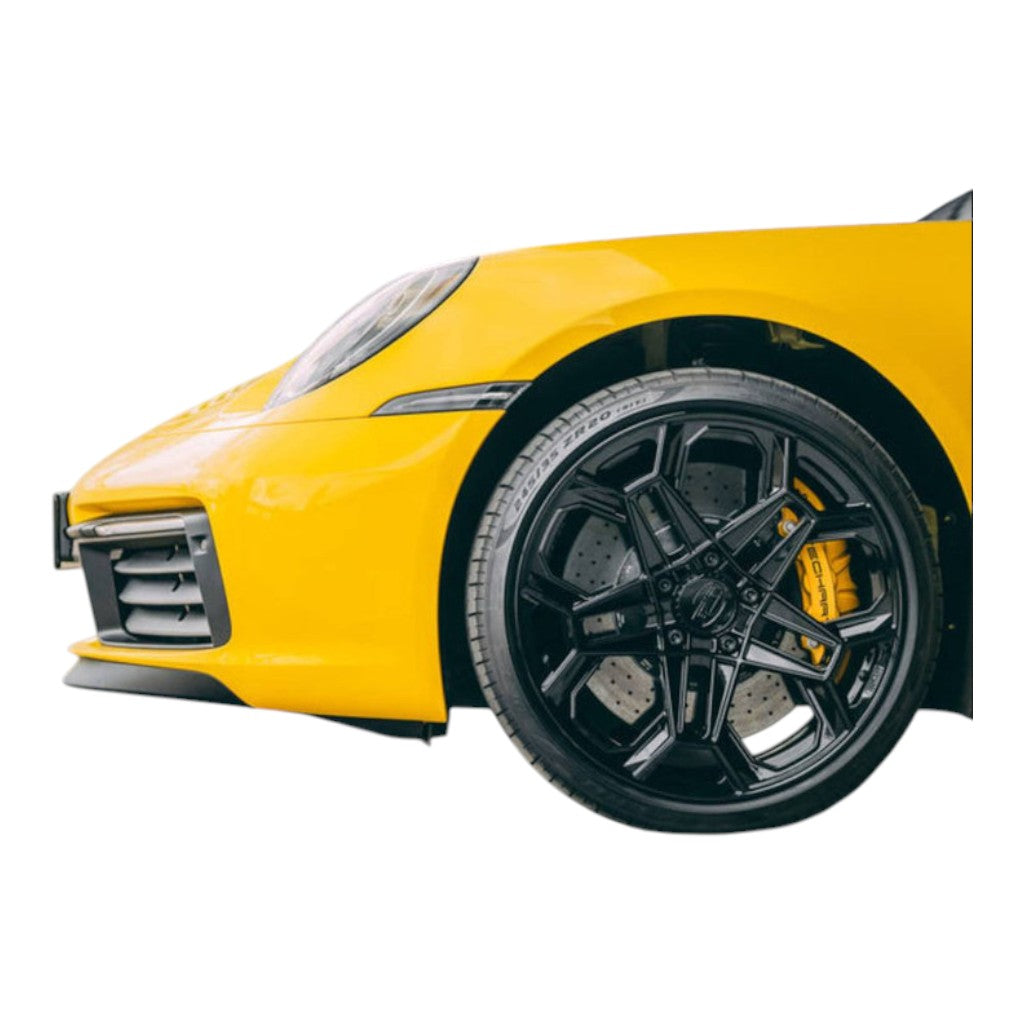
In tuning projects, coilovers are also used to modify vehicle stance. Lowering ride height creates a more aggressive appearance, while adjustable systems allow flexibility depending on driving requirements.
Key Factors When Selecting Coilover Kits
Selecting a coilover kit requires consideration of several technical factors. The primary factor is compatibility with the specific vehicle platform. Suspension geometry, mounting points, and shock length must match the chassis design.
Another factor is the level of adjustability. Entry-level systems may only offer ride height adjustment, while more advanced setups include adjustable damping and, in some cases, camber-adjustable top mounts.
Vehicle usage is also critical. For daily driving, systems with more moderate stiffness are typically preferred. For track applications, stiffer setups provide better control over vehicle dynamics during cornering.
Impact of Coilover Suspension on Handling and Stability
Coilover kits significantly influence vehicle behavior. Adjustable ride height and damping provide the ability to fine-tune the balance between comfort and handling performance, which is particularly important in performance driving scenarios.
A properly set up coilover suspension reduces body roll, improves cornering stability, and enhances tire contact with the road. As a result, the vehicle becomes more predictable and responsive to driver input.
In suspension tuning projects, upgrading to coilovers is often one of the first steps in improving handling characteristics. Their adjustability allows the suspension to be adapted to different driving conditions and performance requirements.