























Spark Plugs as a Precision Element of Combustion Control in the Engine
Spark plugs are small in size, but critically important components of a gasoline engine. They create the spark between the electrodes, initiate ignition of the air-fuel mixture, and start the combustion process inside the chamber. The stability of this spark determines cylinder-to-cylinder consistency, combustion completeness, engine response under load, exhaust gas temperature, and the engine’s ability to operate safely at increased power levels.
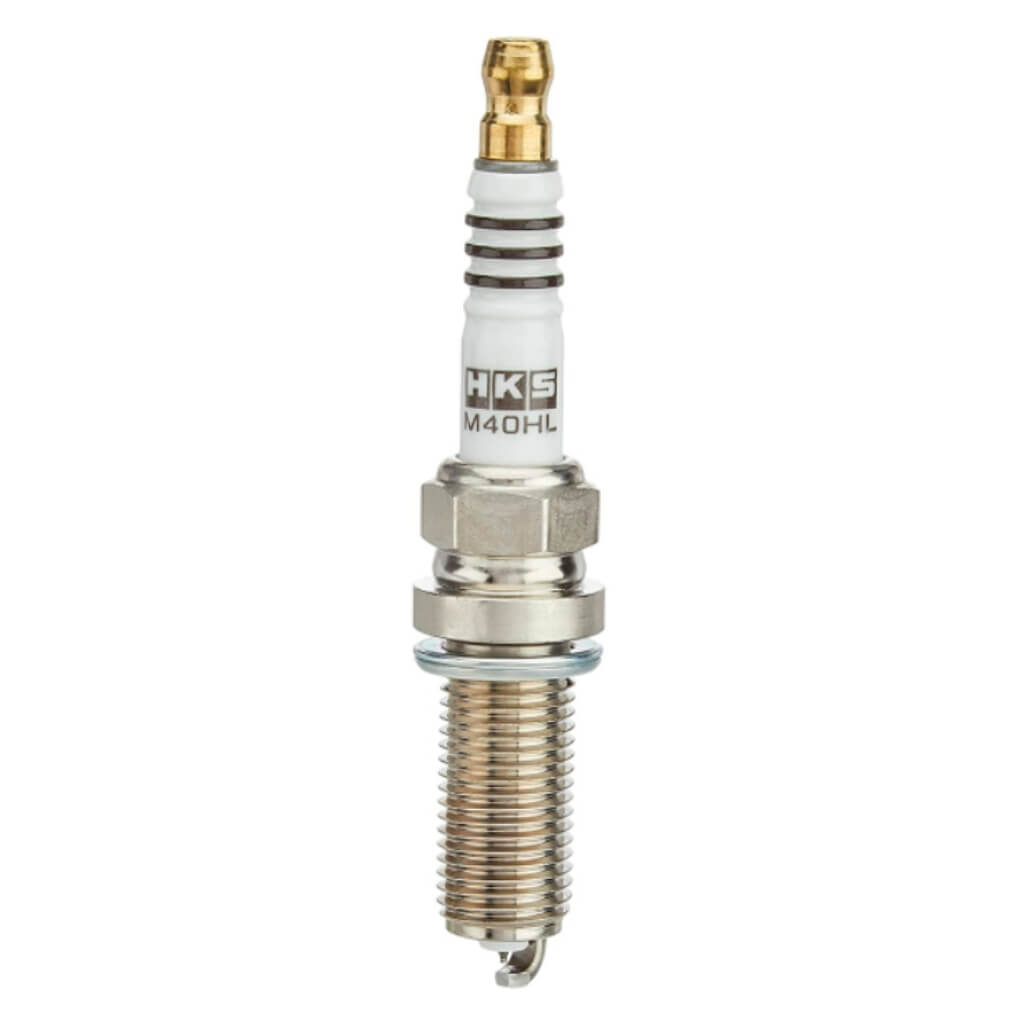
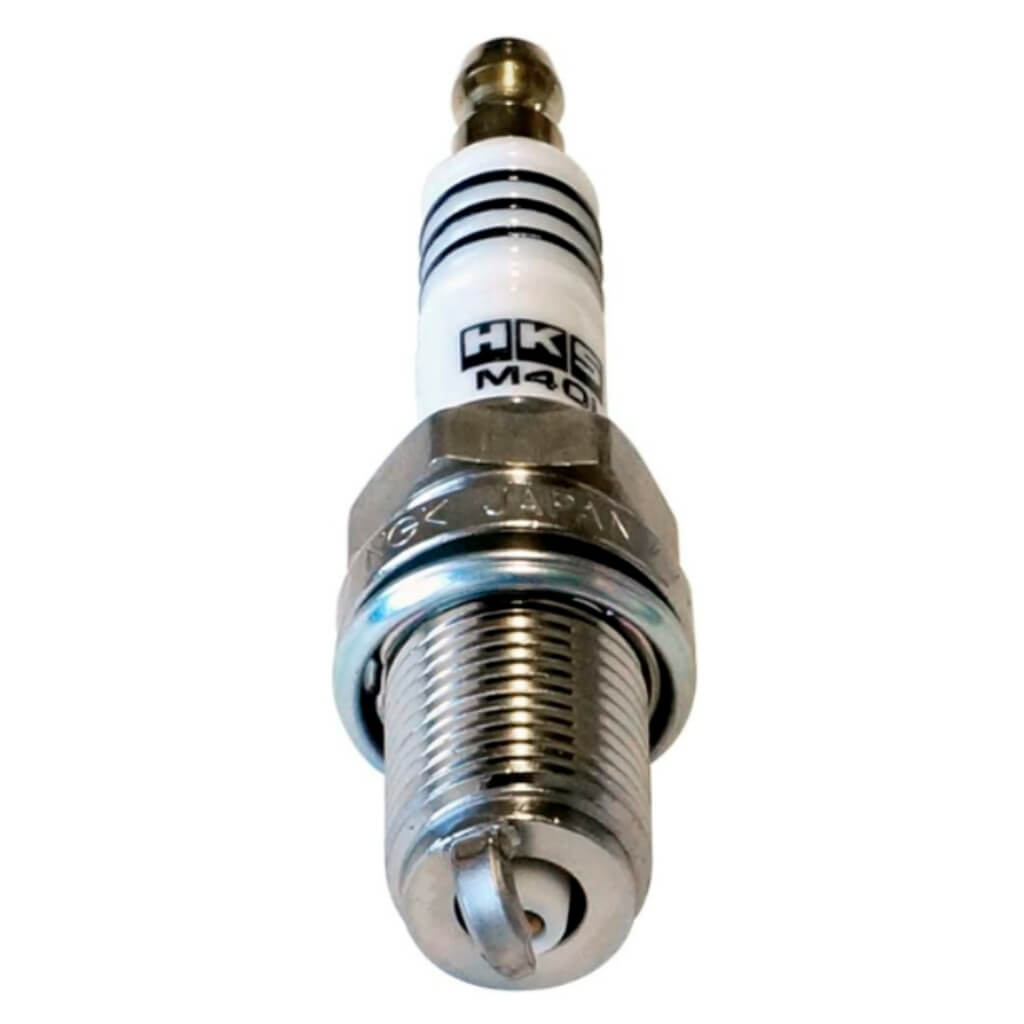
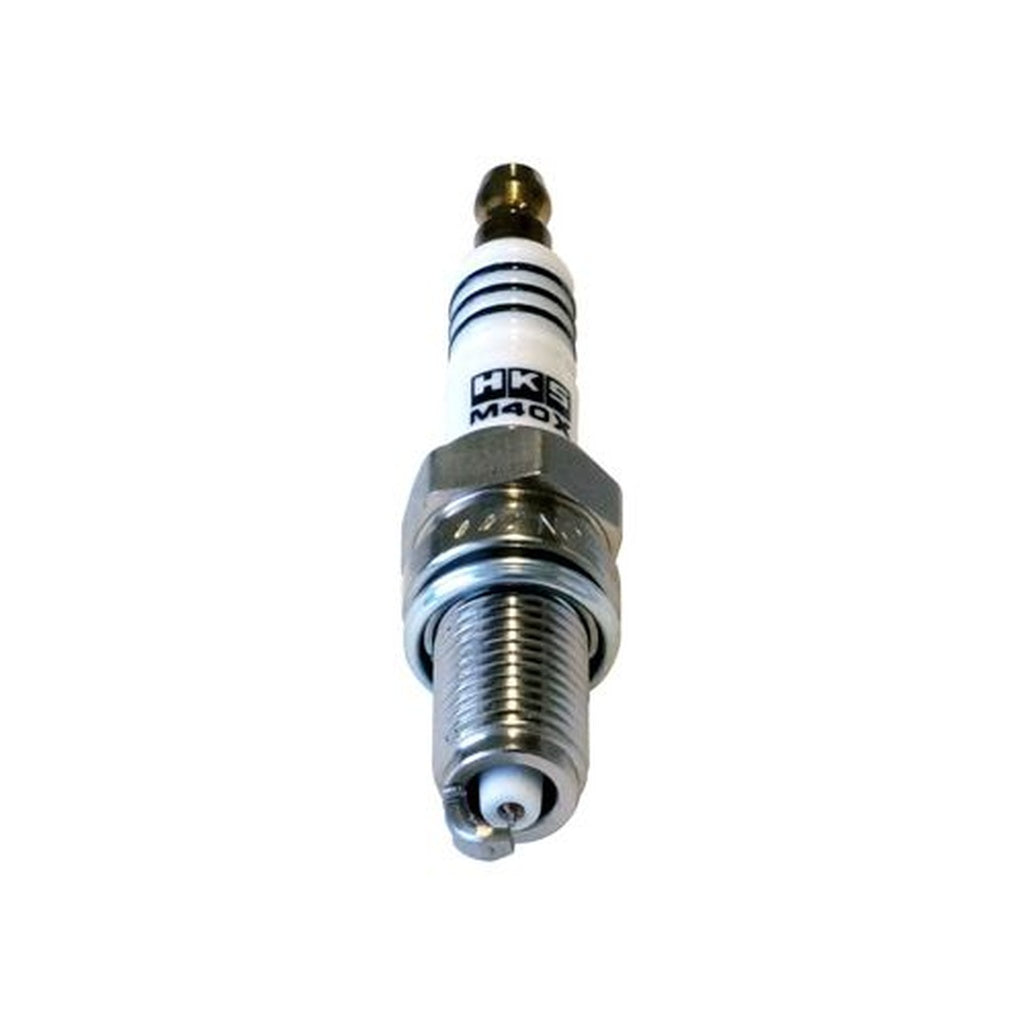
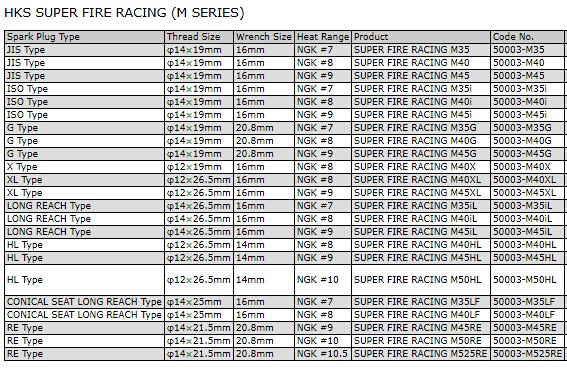
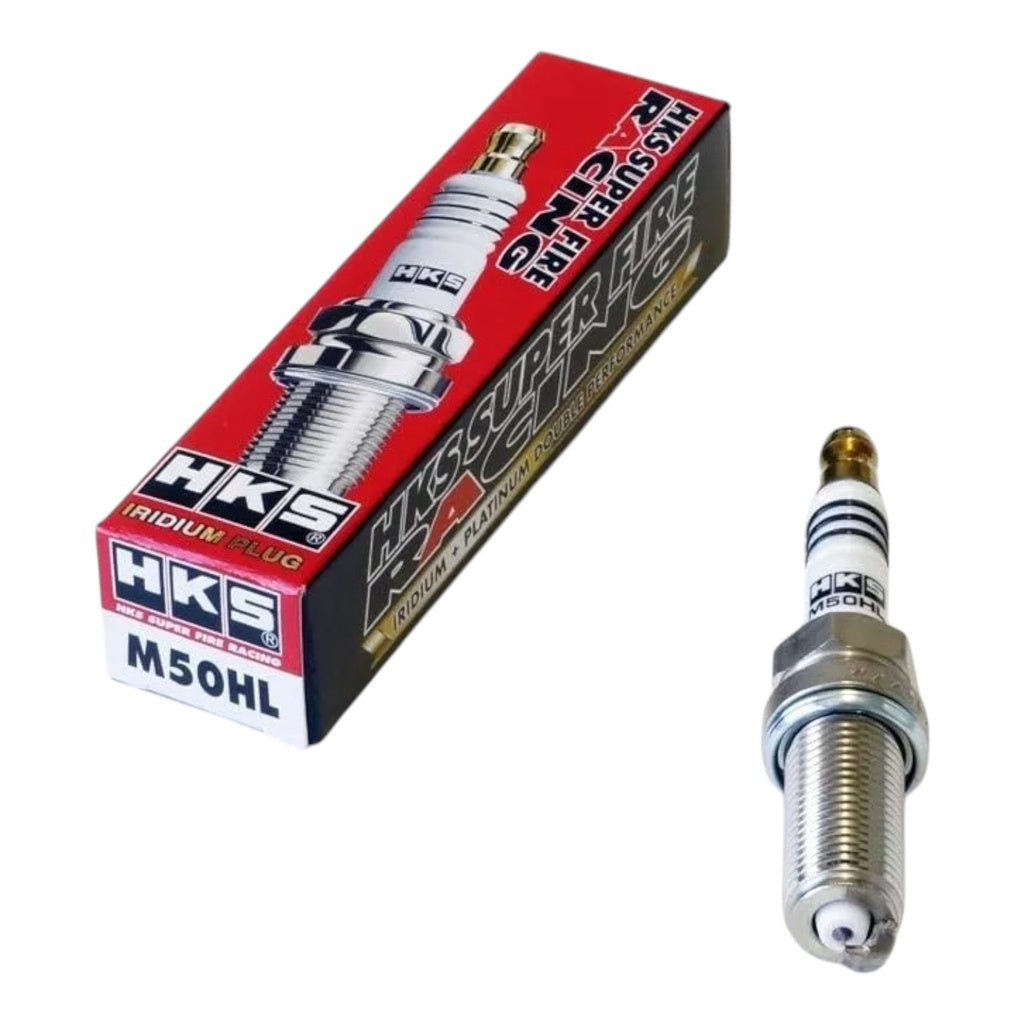
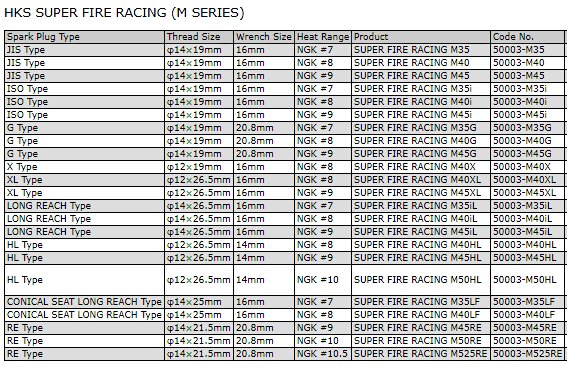
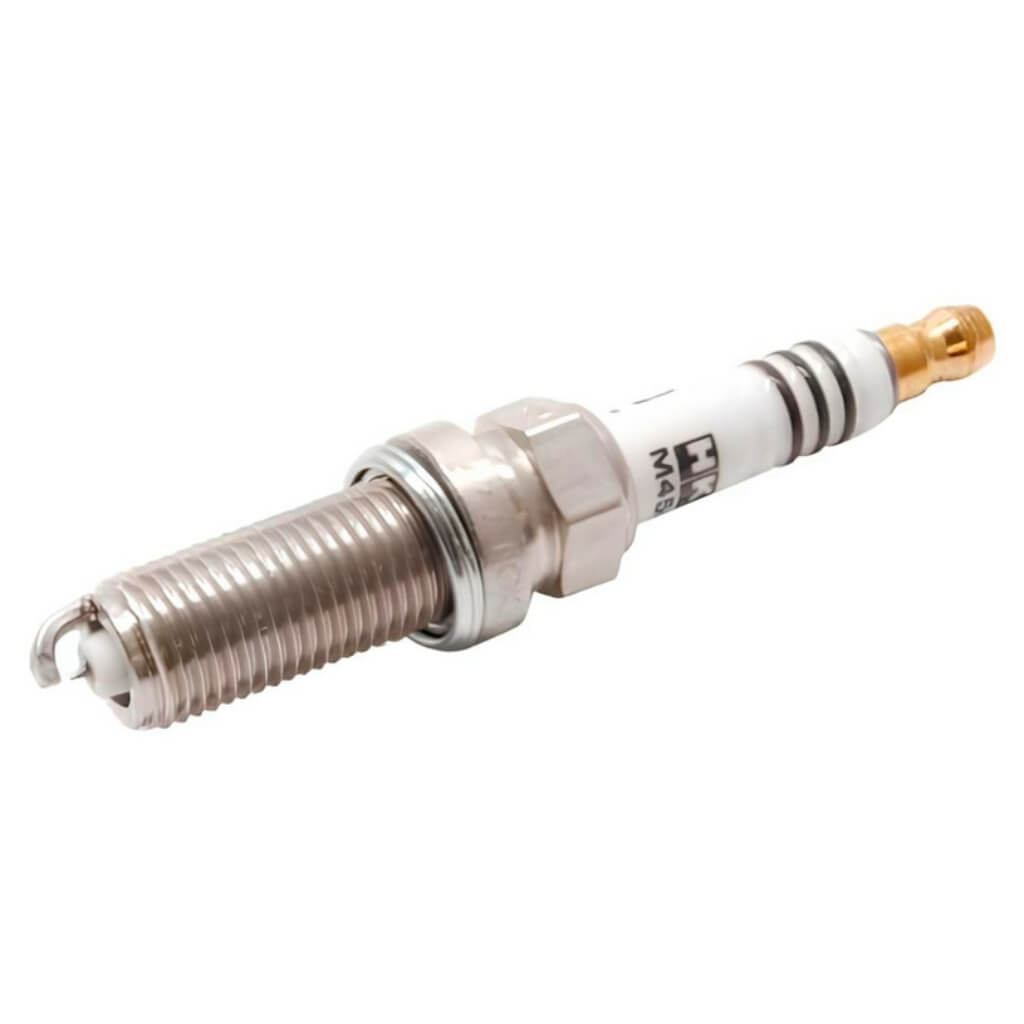
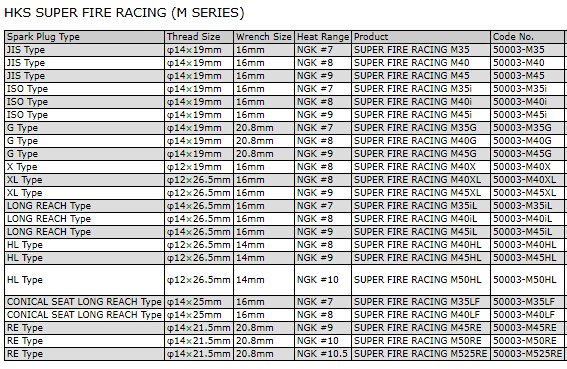
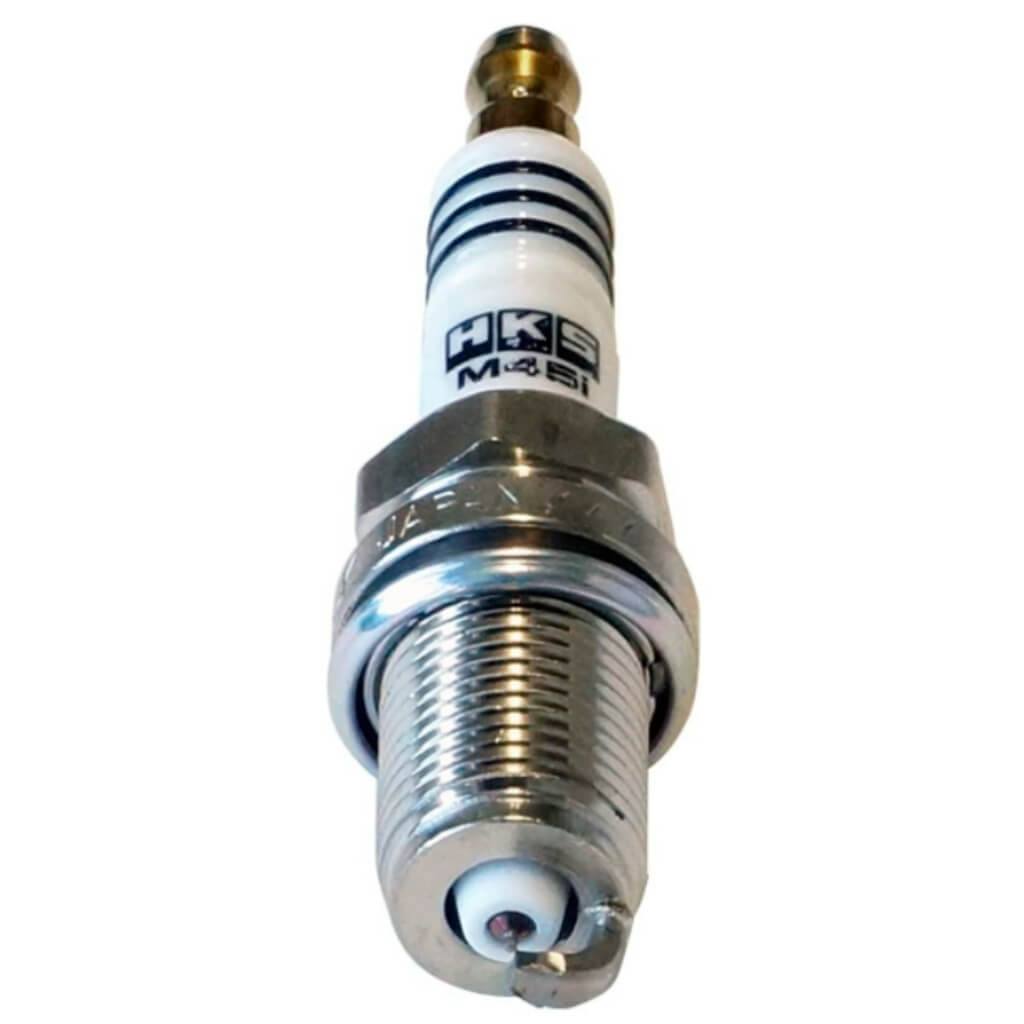
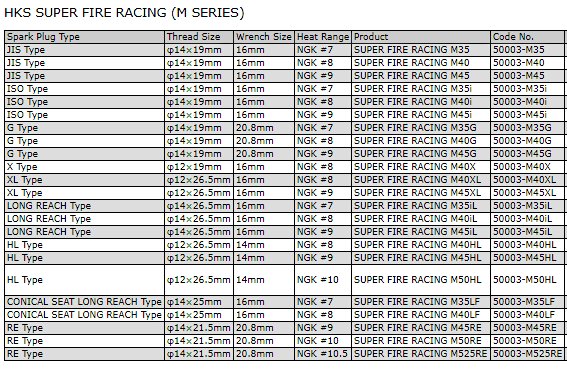
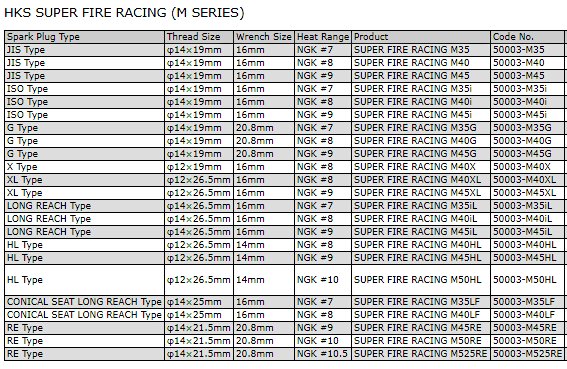
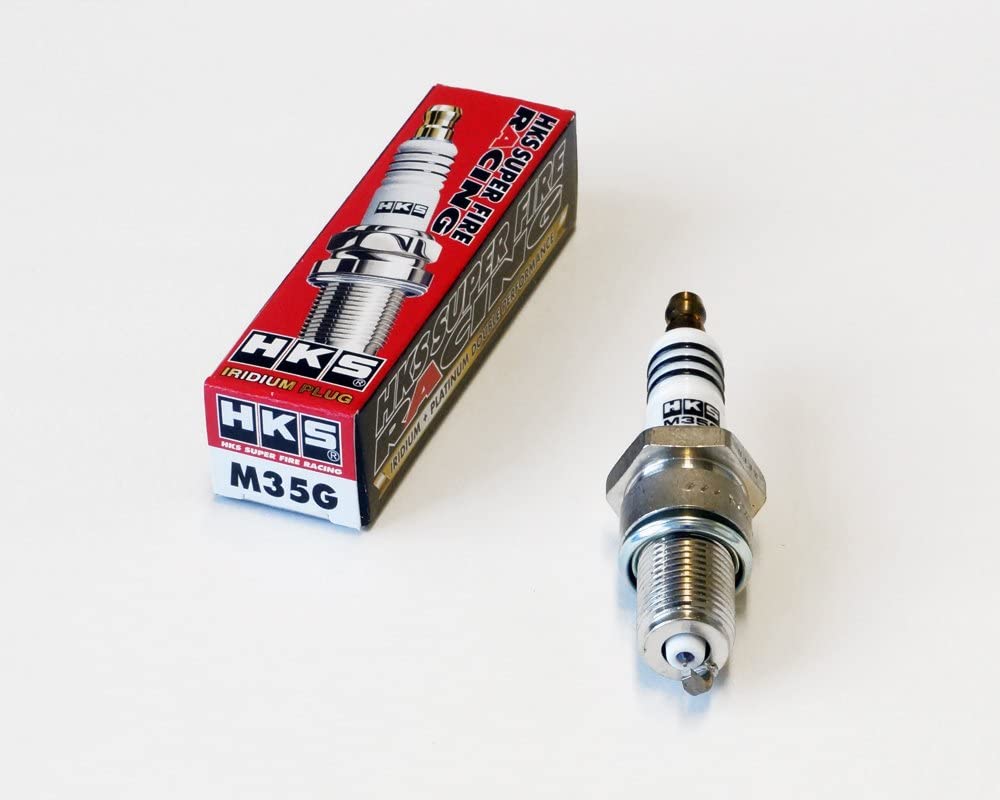
This category includes spark plugs and related gap-setting tools, including solutions for modern turbocharged, naturally aspirated, and performance engines. The page includes HKS Super Fire Racing spark plugs, iridium and ruthenium models, NGK products, GReddy spark plugs based on NGK designs for the Nissan GT-R, as well as Burger Tuning (BMS) tools for precise gap adjustment. These components are used on platforms such as Subaru EJ, Toyota 1JZ and 2JZ, BMW B58, Mitsubishi 4G63 and 4B11T, Nissan GT-R R35, Toyota GR Supra, Mazda rotary engines, and other high-load configurations.
For tuning, fast road use, track driving, and motorsport, spark plugs are more than just consumable parts. They must match boost pressure, fuel composition, combustion chamber temperature, compression ratio, ignition calibration, and the real load placed on the engine. An incorrectly selected spark plug can cause misfires, electrode overheating, unstable combustion, or increased knock tendency. In a high-performance engine, this can quickly turn from a minor fault into a risk for pistons, valves, the turbocharger, and the entire powertrain.
How Spark Plugs Work Inside the Combustion Chamber
A spark plug is installed in the cylinder head so that its electrodes extend into the combustion chamber. When the ignition coil generates high voltage, an electrical discharge occurs between the center and ground electrodes. This discharge forms the flame kernel from which the combustion front begins to spread through the air-fuel mixture. If the spark is stable, the mixture ignites at the correct moment, the engine runs smoothly, and cylinder pressure rises in a controlled way.
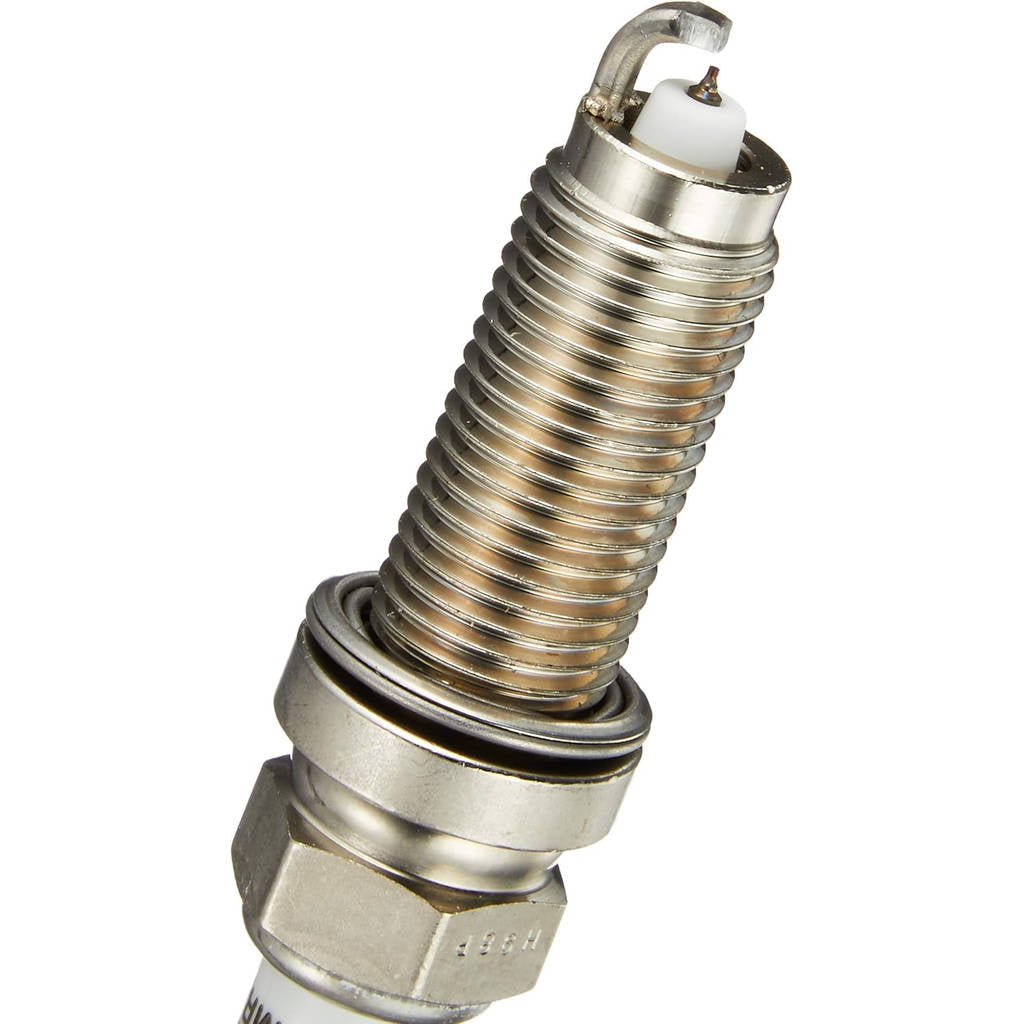
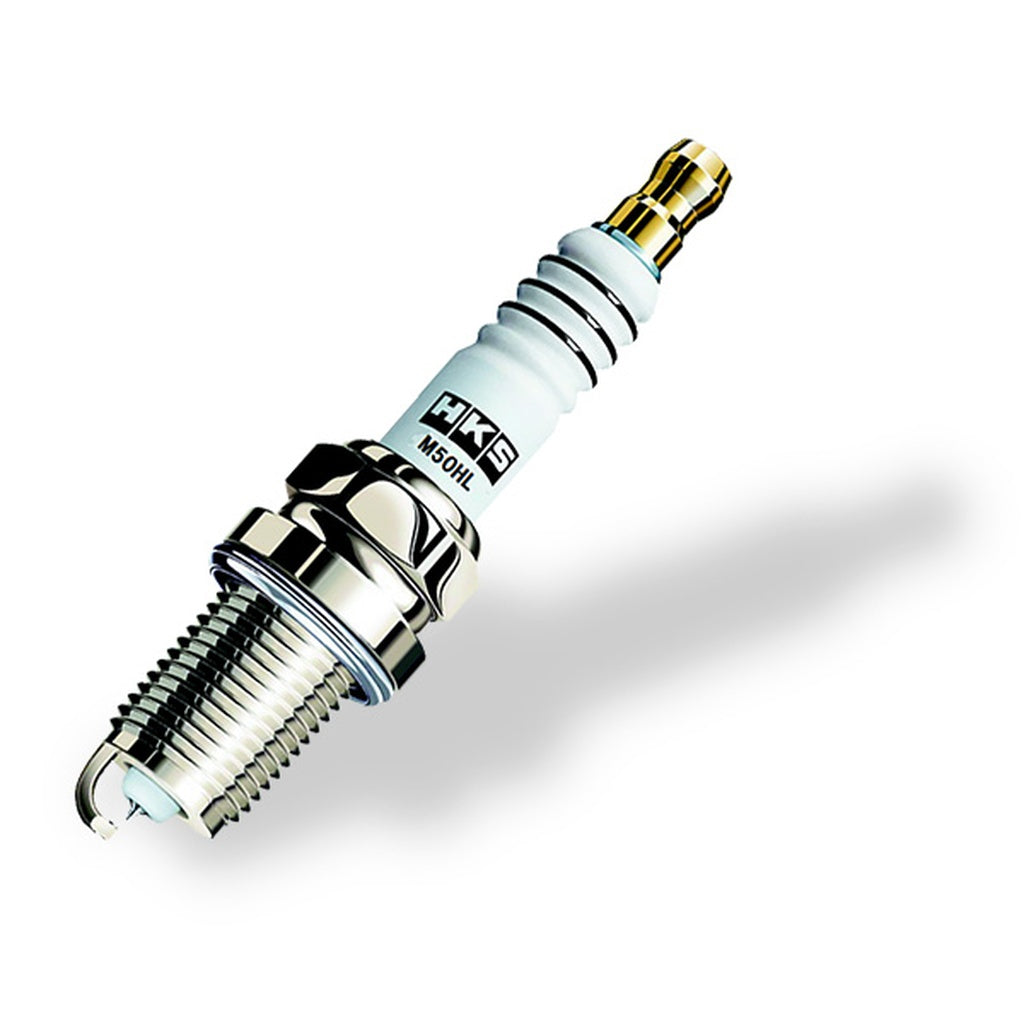
The main elements of a spark plug are the center electrode, ground electrode, ceramic insulator, metal shell, sealing surface, and threaded section. The center electrode operates in an area of high temperature and electrical load, so its material is highly important. Iridium, platinum, and ruthenium electrodes retain their shape better at high temperatures, allow the use of a thinner electrode, and require less energy to create a stable spark. This is why these spark plugs are often used in engines with high ignition demands.
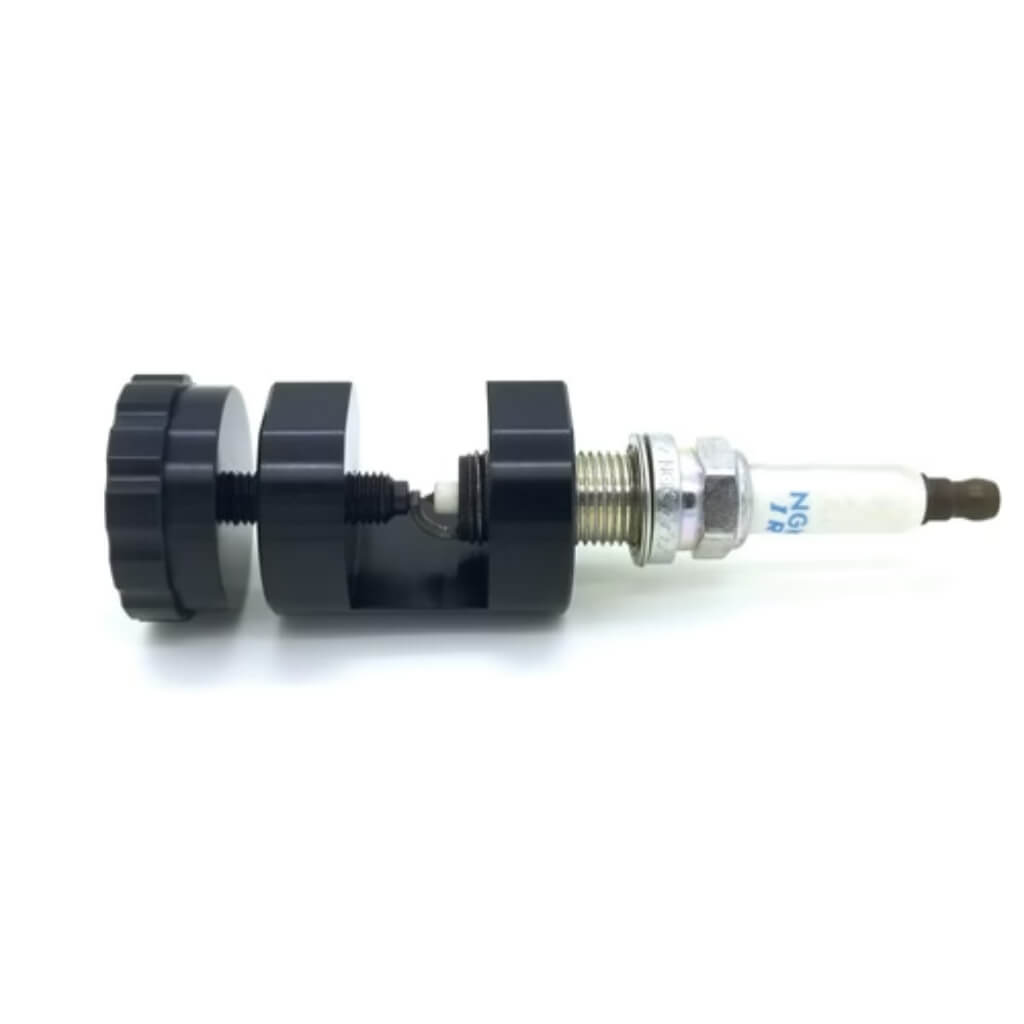
The gap between the electrodes determines how much voltage is required for spark discharge and how stable the spark will be under pressure. In engines with increased boost pressure, the mixture inside the combustion chamber becomes denser, making it harder for the spark to jump the gap. If the gap is too large, misfires can occur under load. If it is too small, the spark may be weaker and the ignition process less efficient. This is why Burger Tuning (BMS) gap-setting tools have practical value when preparing modern turbocharged engines.
Heat Range, Electrode Materials, and Spark Stability
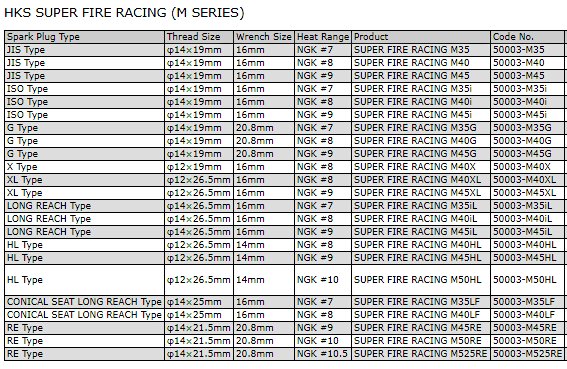
One of the key parameters of a spark plug is its heat range. It indicates how quickly the spark plug transfers heat from the electrodes to the cylinder head. A stock engine uses a heat range that provides normal self-cleaning of the electrodes and protection against overheating. In a modified engine, combustion chamber temperature is higher, so colder spark plugs are often required because they transfer heat faster and reduce the risk of pre-ignition.
A spark plug that is too hot in a powerful engine may overheat, trigger uncontrolled ignition, and increase the risk of knock. A spark plug that is too cold in a car used mainly in the city may not reach its self-cleaning temperature, causing deposits to build up on the electrodes. Therefore, heat range selection is always linked to real operating conditions: daily driving, fast road loads, track use, and drag racing all require different approaches.
Electrode material affects durability, spark precision, and resistance to erosion. Iridium spark plugs are well suited to high-load engines thanks to the strength of their thin center electrode. Ruthenium solutions found among HKS models are designed for stable operation at high temperatures and difficult ignition conditions. Platinum NGK spark plugs are also used in modern engines where durability and stable characteristics are important. In performance configurations, the goal is not only to preserve spark plug service life, but also to ensure repeatable spark generation during every combustion cycle.
Application of Spark Plugs in Tuning and Motorsport
In road tuning, spark plugs are often changed after increasing boost pressure, installing a more efficient turbocharger, switching to a different fuel, or changing engine software calibration. A factory spark plug may work normally at stock power, but after the load is increased, its heat range or electrode gap may no longer be suitable. In this situation, the engine may run smoothly at light load but misfire during intensive acceleration.
On the race track, spark plugs operate under prolonged high thermal load. The engine repeatedly reaches the upper rpm range, combustion chamber temperature remains high, and the ignition system must operate consistently in every cylinder. For these conditions, the correct heat range, high-quality electrode material, precise gap, and compatibility with ignition coils are all important. This is why HKS Super Fire Racing models and performance NGK spark plugs are often used in vehicles that regularly operate under intensive load.
In drag racing, the main challenge for a spark plug is very high cylinder pressure over a short period of time. A powerful turbocharged engine compresses the mixture so strongly that it becomes harder for the spark to jump the electrode gap. In such configurations, colder spark plugs, smaller gaps, and components with high resistance to overheating are often used. If the spark plug does not match the load, the engine can lose torque precisely at the moment when maximum output is required.
Mazda rotary engines, Subaru flat engines, Toyota 1JZ and 2JZ inline-six engines, as well as modern turbocharged BMW B58 and Nissan GT-R R35 engines, require separate attention. Each of these platforms has its own requirements for heat range, thread length, electrode shape, and ignition stability. Therefore, spark plugs must be selected not only by brand, but also by the specific engine design, power level, and operating conditions.
How to Choose Spark Plugs for a Specific Engine
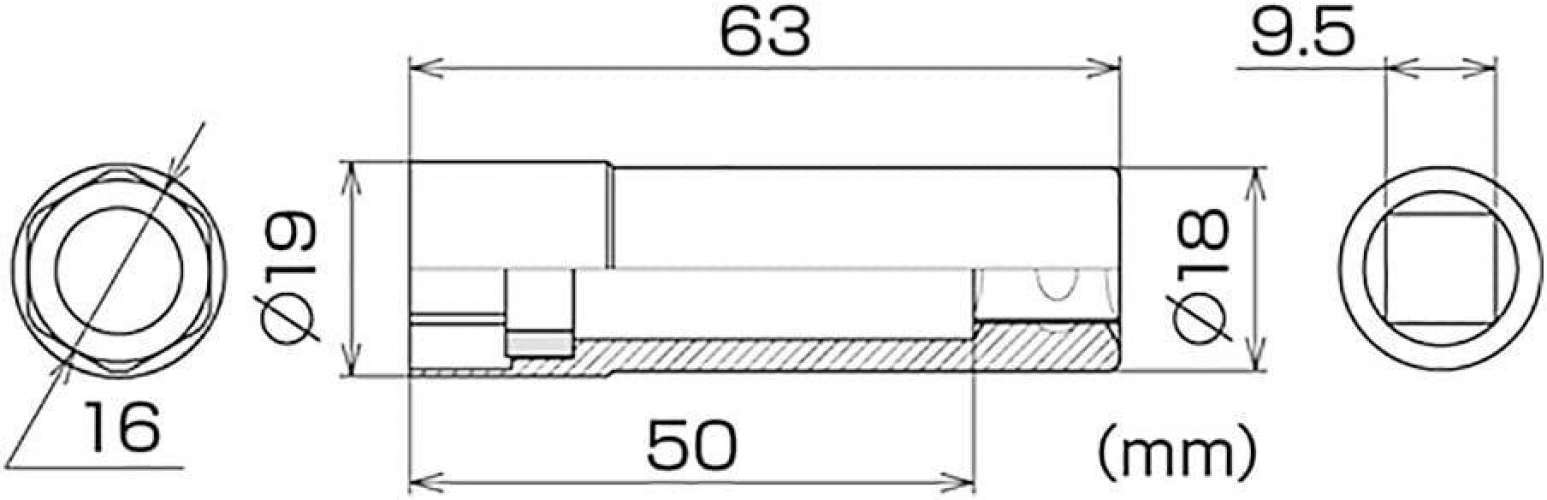
Spark plug selection begins with accurate identification of the engine, cylinder head type, thread length, thread diameter, seat design, and recommended heat range. The spark plug must physically match the engine design: incorrect thread length or an unsuitable seat type can disrupt heat transfer, change the electrode position inside the combustion chamber, or even create a mechanical risk for the piston and valves.
The second important criterion is power level and boost pressure. For moderate sporty street configurations, switching to a spark plug one heat range colder than stock may be sufficient. For complex builds with high boost pressure, race fuel, or a high compression ratio, selection must be more precise and should take into account exhaust gas temperature, ignition calibration, mixture composition, and the recommendations of the engine tuner.
The electrode gap must be adjusted according to the capabilities of the ignition coils and cylinder pressure. A powerful ignition system can maintain a stable spark with a larger gap, but in high-boost engines the gap often needs to be reduced to prevent misfires. At the same time, reducing the gap excessively is not always beneficial because it can weaken flame kernel development. What matters here is not a universal number, but proper coordination between spark plugs, coils, fuel, and engine calibration.
Service life and maintenance strategy must also be considered. For a daily-driven car, durability, deposit resistance, and stable operation across a wide temperature range are important. In motorsport, spark plugs may be replaced more frequently, but maximum stability under load is expected from them. Brands such as HKS, NGK, GReddy, and Burger Tuning (BMS) in this category are linked to different aspects of ignition system operation: from the spark plugs themselves to precise gap adjustment before installation.
The Role of Spark Plugs in Power, Temperature, and Reliability
Spark plugs do not increase power by themselves, but they determine whether the engine can consistently realize its existing potential. If the spark is weak or unstable, part of the mixture burns incorrectly, misfires occur, exhaust gas temperature rises, and response under load deteriorates. In a powerful engine, this can affect not only performance, but also the durability of the turbocharger, catalytic converter, pistons, and exhaust system.
Correctly selected spark plugs help maintain control over the combustion process. They support stable ignition, reduce the risk of electrode overheating, and allow ignition timing to be calibrated more precisely. For a turbocharged engine, this is especially important because increased cylinder pressure raises the demands placed on the entire ignition system. The spark plug, coil, fuel, and software calibration must work as one integrated system.
At ATOMIC-SHOP, you will find not just spark plugs, but a complete engineering solution for stable mixture ignition, thermal control, and reliable engine operation under fast road use, track driving, and professional motorsport conditions.