















Valves and Springs as the Foundation of Stable Engine Valvetrain Operation
Valves and springs are critically important elements of the gas distribution mechanism in an internal combustion engine, directly defining the efficiency of the intake of the air-fuel mixture and the exhaust of combustion gases. These components shape the dynamics of valve opening and closing, influencing cylinder filling, engine stability, and overall service life.
In standard vehicles, valves and springs are designed with durability, moderate loads, and a wide operating range in mind. However, when engine power is increased, rpm rises, or valve timing is changed, factory components often become a limiting factor, which can lead to reduced efficiency or even mechanical damage.
This category includes valves, springs, and related components from manufacturers such as Manley, Kelford, Tomei, Forge, and Mishimoto. These solutions are used both in tuning projects and professional motorsport, where stable valvetrain operation under extreme loads is a key requirement for achieving high performance.
Upgrading the cylinder head when moving to Stage 2, Stage 3, or high-rpm racing configurations requires a complete reassessment of the valve assembly’s characteristics. Factory parts are simply not designed for the strict demands of performance operating conditions. Installing aggressive camshafts with high cam lift forces the valvetrain to operate with enormous acceleration forces. Without properly reinforced spring assemblies and heat-resistant valves, any attempt to rev the engine in a highly stressed setup will inevitably lead to loss of combustion chamber sealing or catastrophic engine failure.
Valve and Spring Design and Their Functional Role
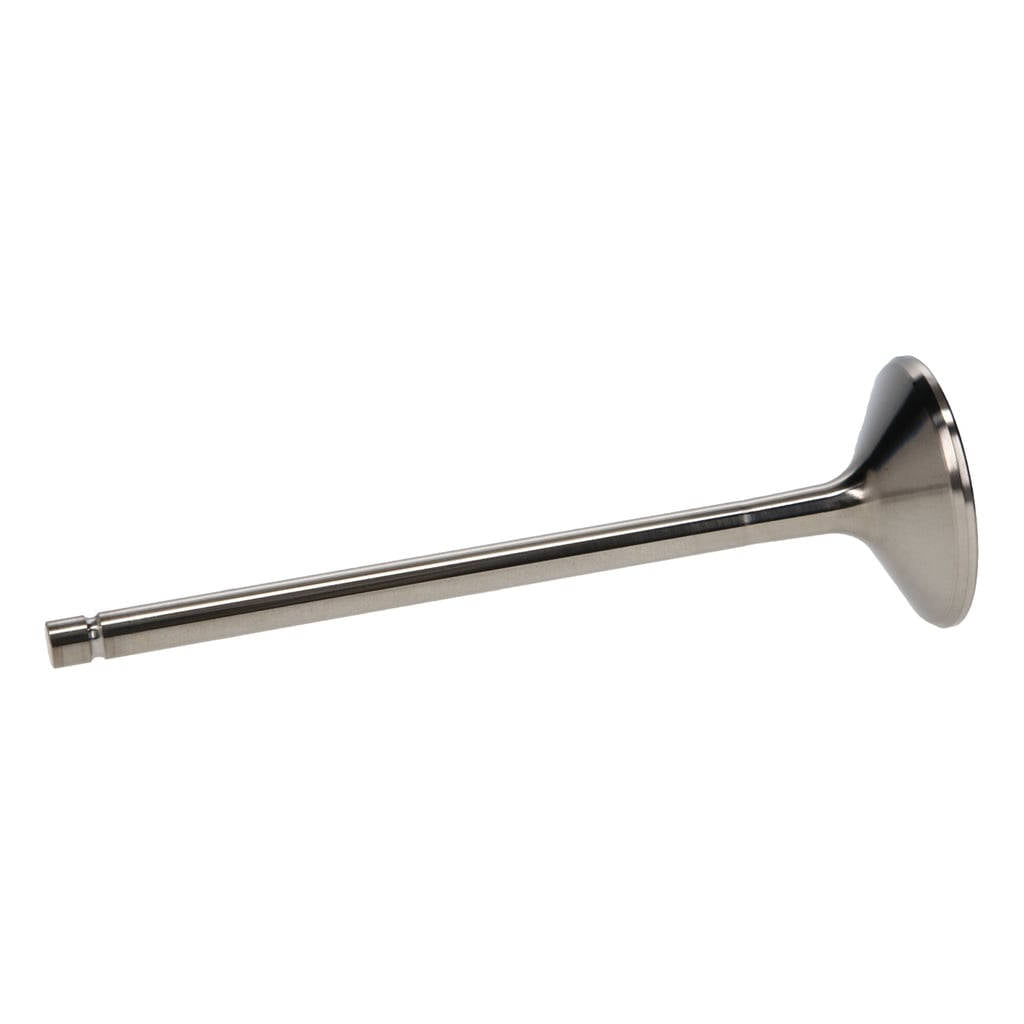
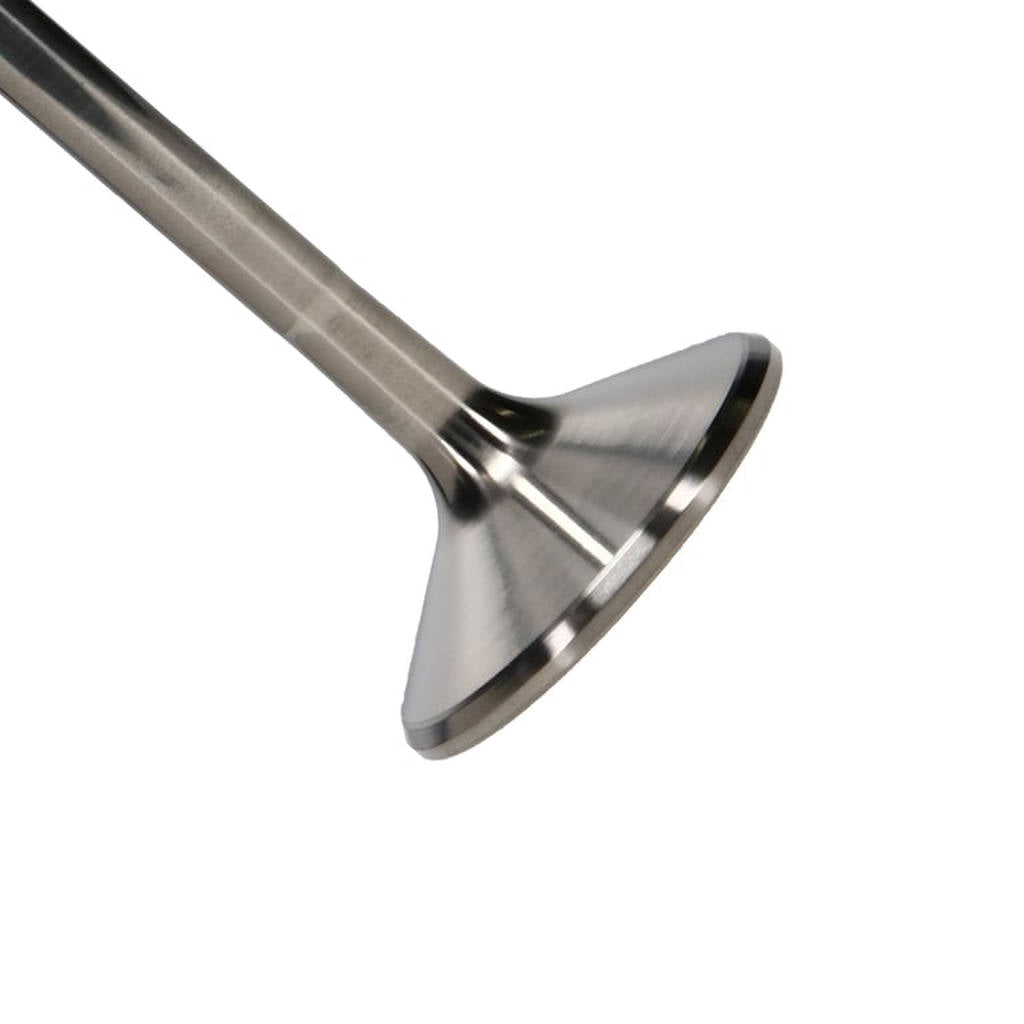
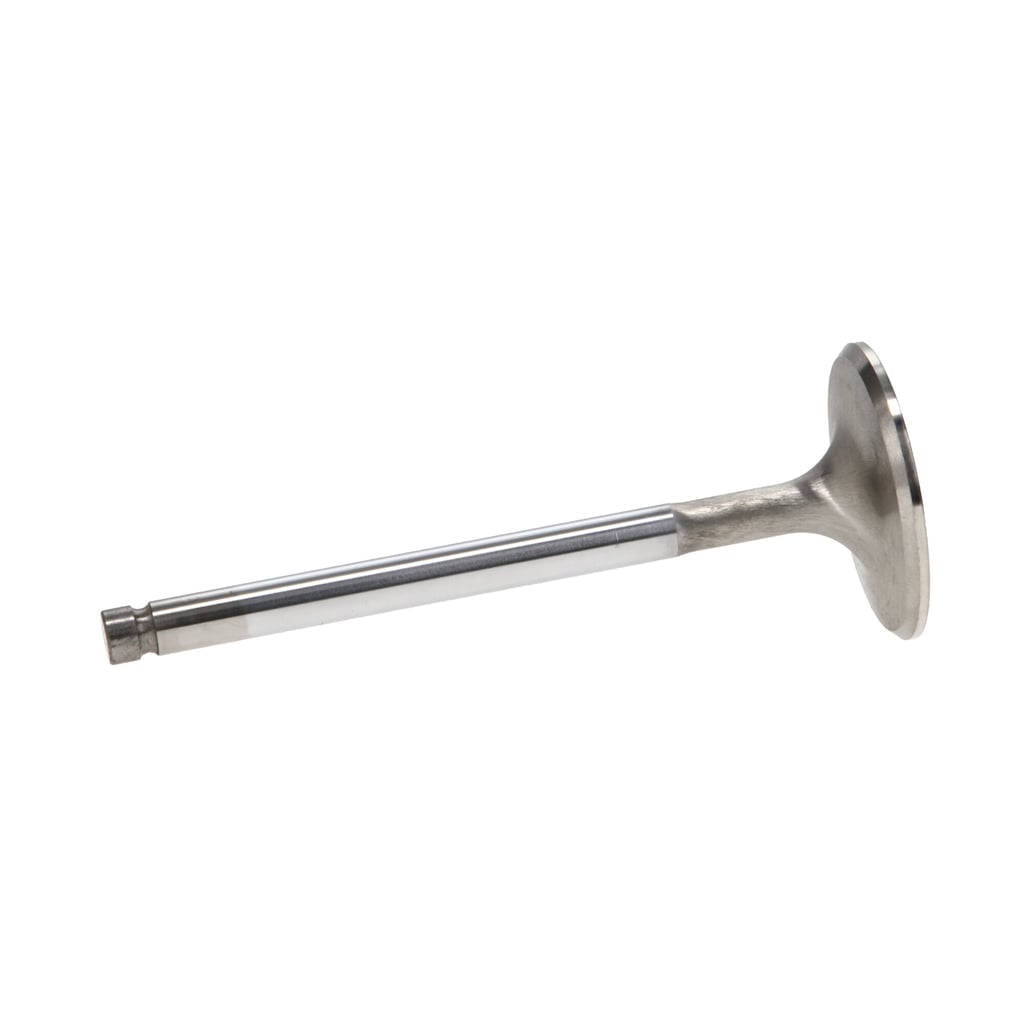
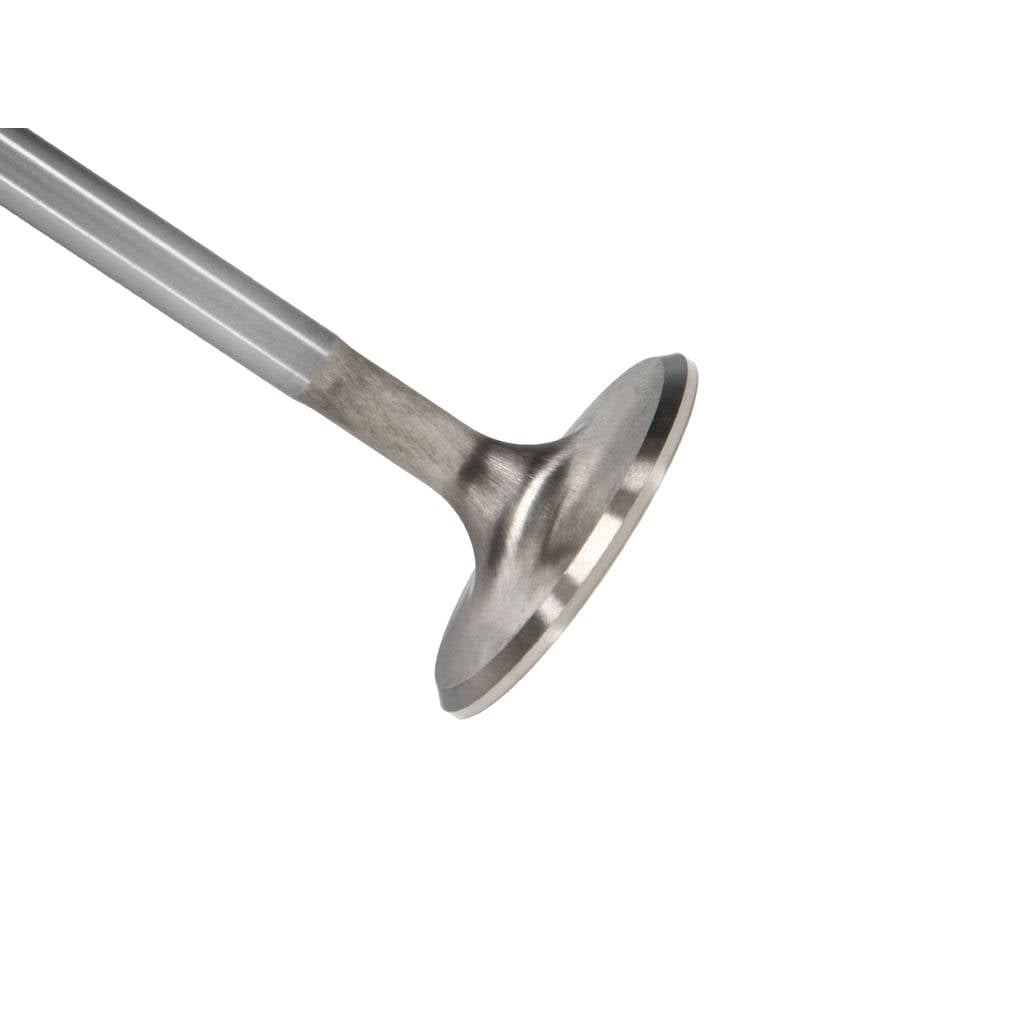
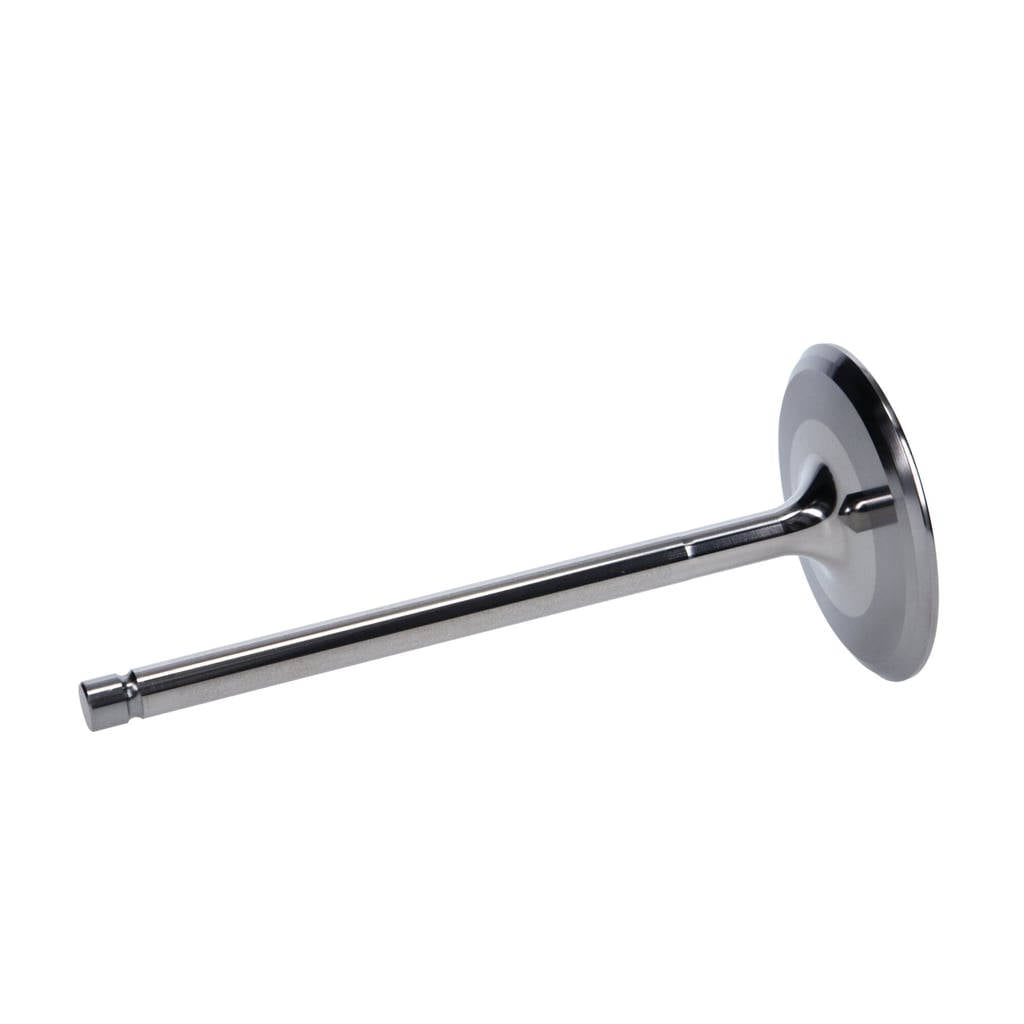
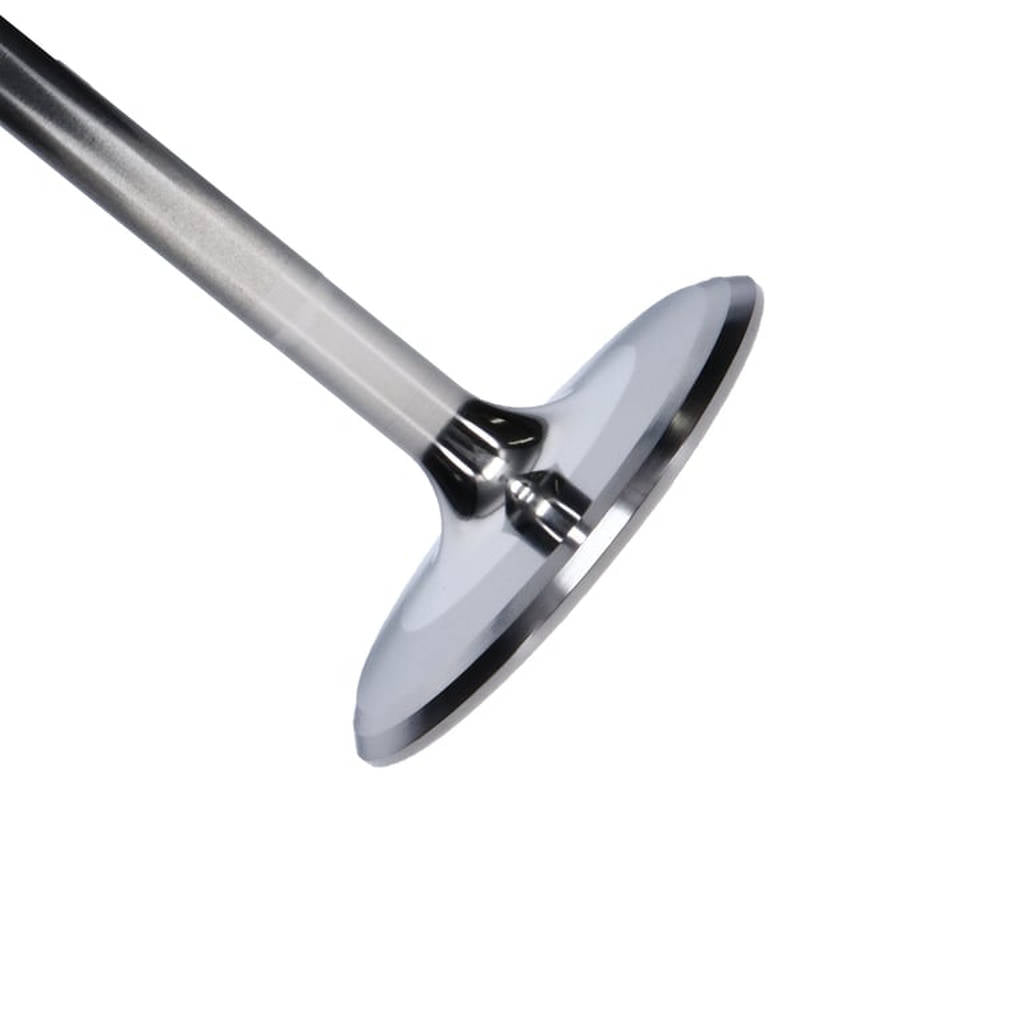
Valves control gas flow inside the engine cylinders. Intake valves allow the air-fuel mixture to enter, while exhaust valves remove the combustion products. Valve geometry, head diameter, stem length, and material determine the valve’s ability to operate under high temperatures and heavy loads.
Valve springs perform an equally important function — they return the valve to the closed position after opening and ensure tight contact with the valve seat. Spring characteristics determine the stability of the mechanism at high rpm, where inertial loads increase significantly.
In modern high-performance engines, the valvetrain operates under extremely demanding conditions. At engine speeds above 7000–8000 rpm, valves perform thousands of opening and closing cycles per minute, requiring maximum geometric precision and high-quality materials.
The design of a modern performance valve is optimized to improve airflow. Leading manufacturers such as Manley produce Race Master or Extreme Duty valve series with reduced-diameter stems and a specially shaped transition to the valve head, often using undercut and swirl-polished designs. This minimizes airflow turbulence at the cylinder entry and increases port flow capacity without machining the cylinder head itself. Valve springs, in turn, may use single, dual, or beehive designs. The beehive design has a narrower upper section, allowing the use of significantly lighter valve retainers and reducing the total inertial mass of moving parts.
Engineering Principles of Valvetrain Operation
The operation of valves and springs is based on the balance between inertial forces and spring force. At high rpm, the valve tends to continue moving due to inertia, which can lead to valve float. In this case, the valve does not close in time, disrupting valve timing and potentially causing serious engine damage.
To prevent this, reinforced springs with increased stiffness are used, ensuring fast and precise valve return to the seat. In performance configurations, dual springs or variable-rate springs are often used, allowing the engine to operate across a wide rpm range without losing stability.
Valve materials also play a key role. Intake valves are usually made from alloy steels, while exhaust valves operate in harsher conditions and require heat-resistant alloys capable of withstanding temperatures above 800–900°C. In some configurations, sodium-filled valves or titanium solutions are used to reduce mass and improve response speed.
Reducing valvetrain mass is one of the key factors in improving efficiency. Lighter valves and retainers reduce inertial loads, allowing the engine to operate more stably at high rpm and respond more quickly to load changes.
For extremely stressed exhaust systems, valves made from Inconel alloy are used, offering complete resistance to burning, thermal erosion, and deformation even under track conditions. For springs, seat pressure and open pressure are critical parameters — incorrect selection can lead to coil bind and cylinder head damage.
Application in Road and High-Performance Configurations
In standard vehicles, valves and springs provide stable and durable engine operation across a wide range of conditions. Their characteristics are selected to minimize wear and ensure compliance with emissions standards.
In tuned and performance engines, the demands placed on the valvetrain increase significantly. Higher rpm, increased valve lift, and modified valve timing create additional loads that standard components cannot withstand for extended periods.
In these conditions, reinforced valves and springs are used. Manley products are widely used in highly modified engines, while solutions from Tomei and Kelford are focused on precise integration with other cylinder head components.
In motorsport, the valvetrain is selected individually for specific tasks, allowing maximum cylinder filling efficiency and stable operation under extreme loads.
Criteria for Choosing Valves and Springs
Choosing valves and springs depends on the engine configuration, level of modification, and intended use of the vehicle. For basic tuning, moderately upgraded solutions are usually sufficient.
For high-performance configurations, valve lift, component mass, spring stiffness, and compatibility with the camshafts must all be considered.
A comprehensive approach to cylinder head upgrades is also essential.
The Impact of Valves and Springs on Engine Performance and Durability
Valves and springs directly affect engine efficiency because they determine valve timing stability and the precision of valve opening.
Stable valvetrain operation ensures even load distribution and reduces the risk of mechanical damage even at high rpm.
As a result, valves and springs are key engineered components that define the balance between performance, operating stability, and engine durability.