
















Pressure Valves in Forced Induction Systems and Airflow Control
Pressure valves are fundamental components of any forced induction system — whether turbocharged or supercharged. Their primary role is the precise control of excess pressure and the safe operation of the powertrain. In modern high-performance configurations, these components act as intelligent flow regulators, preventing mechanical overload, overheating, and destructive pressure waves in the intake system that occur during rapid changes in engine operating conditions.
During turbocharger operation, pressure changes dynamically and often non-linearly. Without proper control, there is a risk of uncontrolled boost increase (overboost), which inevitably leads to detonation and accelerated wear of the turbocharger’s bearing assembly. Pressure valves not only limit peak values but also shape a stable and predictable boost curve, making engine response to throttle input more linear and controlled — which is critical for professional motorsport and track-focused applications.
The ATOMIC-SHOP range includes pressure valves from global industry leaders such as Turbosmart, TiAL Sport, Forge Motorsport, Garrett, GReddy, and HKS. These solutions have been proven in the most demanding environments, including Formula Drift, Time Attack, and drag racing, where the stability of the boost system directly impacts performance results.
Types of Pressure Valves: Wastegate, Blow-off, and Bypass
For proper forced induction system operation, control is required on both the “hot” (exhaust) and “cold” (intake) sides. Depending on function and installation location, three main types of valves are used:
- Wastegate: Controls exhaust-side pressure by diverting a portion of exhaust gases away from the turbine wheel. This stabilizes shaft speed and limits boost levels. External wastegates (such as TiAL MVR) provide significantly higher flow capacity compared to internal actuators.
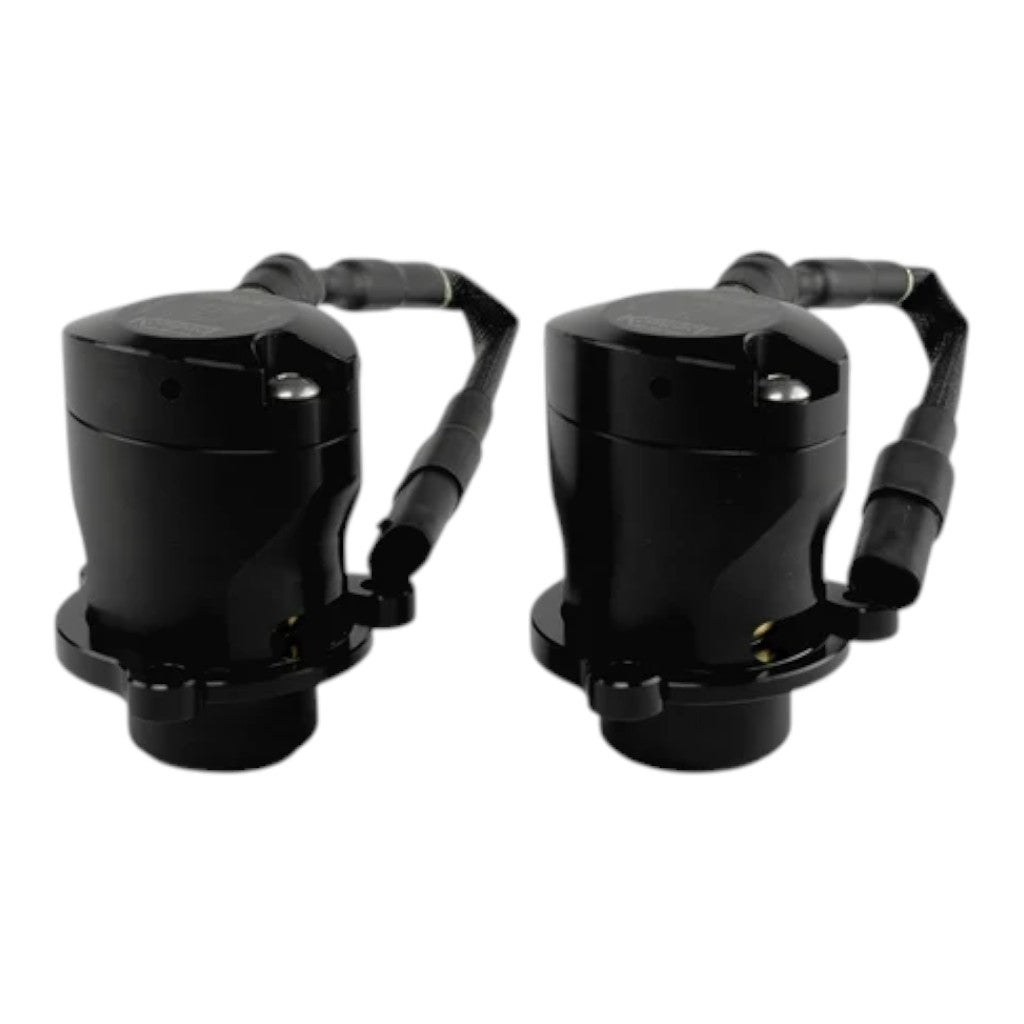
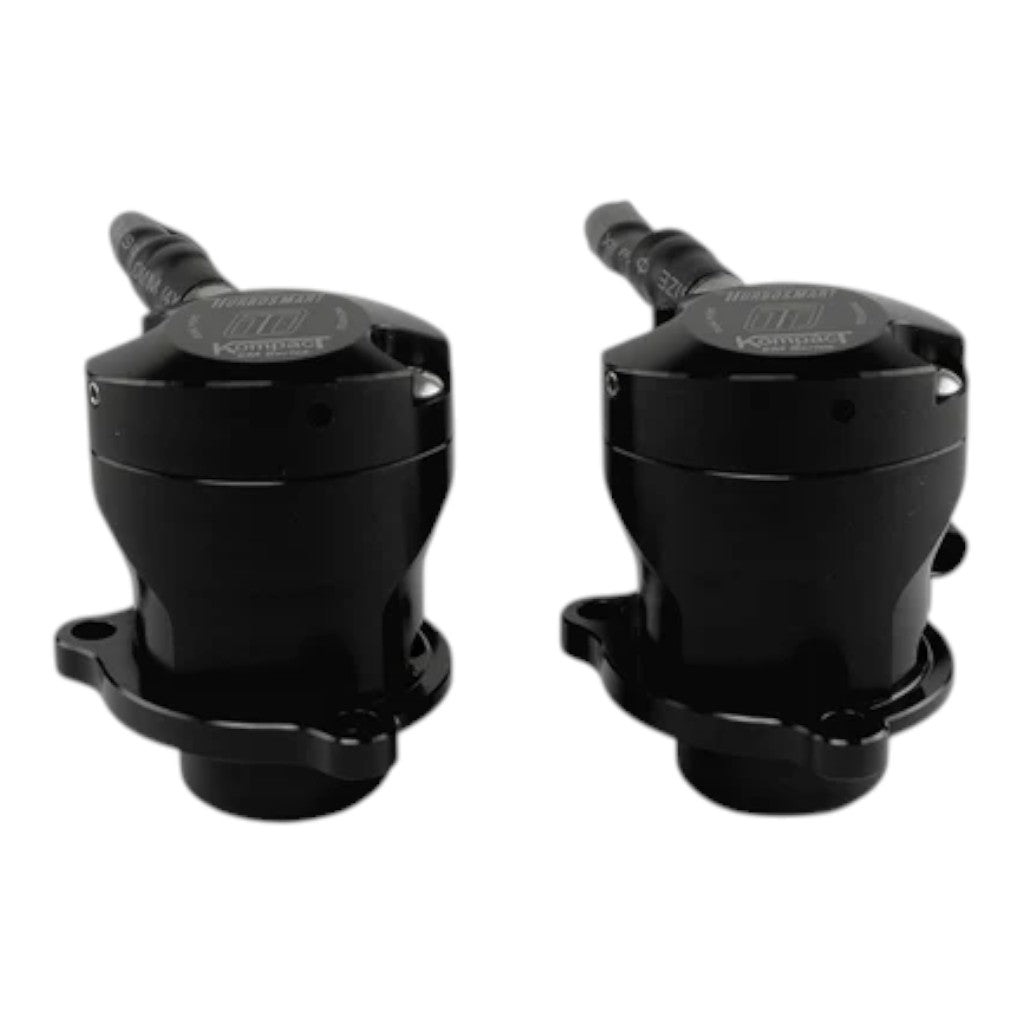
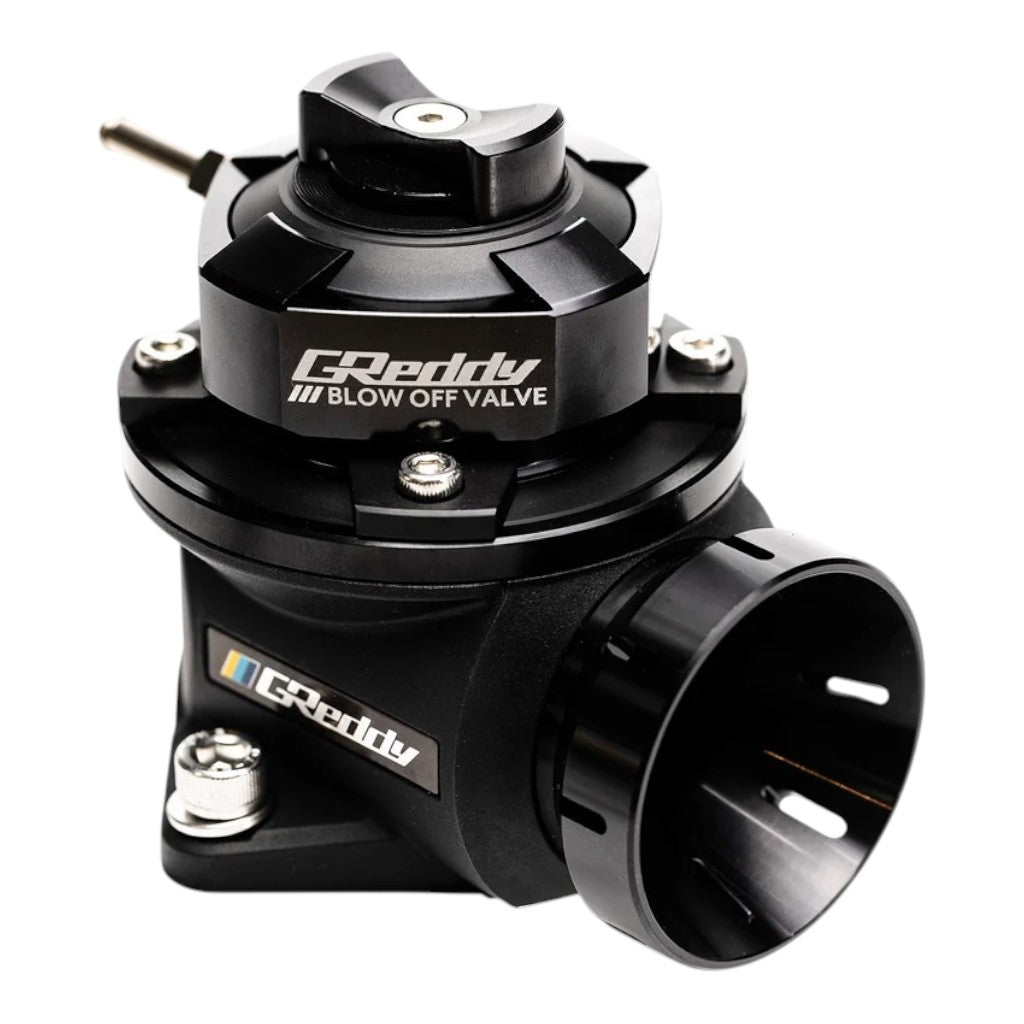
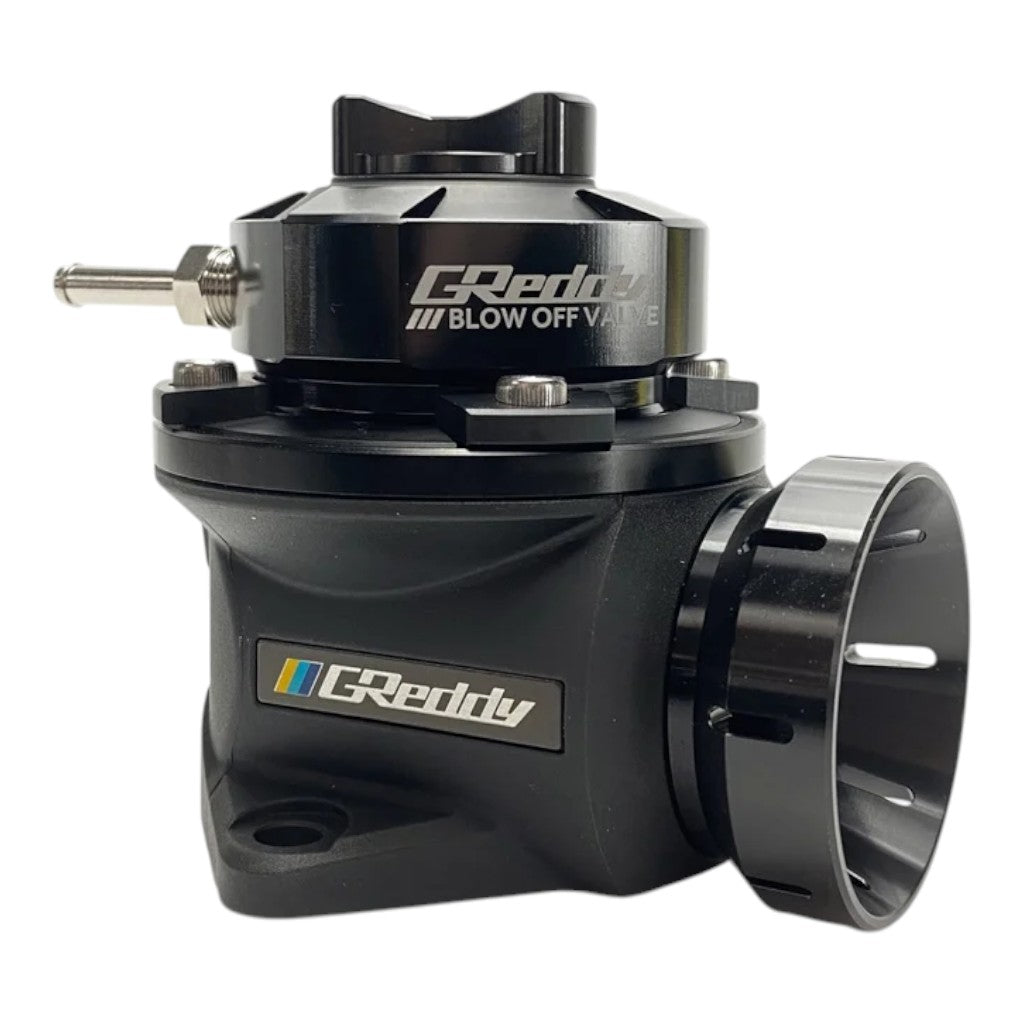
- Blow-off valve: Installed in the intake tract before the throttle body. When the throttle closes suddenly, it releases excess pressure into the atmosphere, preventing compressor surge and damaging pressure spikes against the compressor blades.
- Bypass valve (Recirculation): Performs the same function as a blow-off valve but redirects air back into the intake before the turbocharger. This is essential for systems equipped with MAF sensors to maintain stable air-fuel ratios and prevent ECU errors.
Engineering Principles: Piston vs Diaphragm Designs
Valve efficiency and response speed depend directly on internal construction. OEM solutions often use rubber diaphragms, which degrade over time and can fail under high temperatures and cyclic pressure loads. Performance valves from Forge and Turbosmart utilize precision-machined piston designs, ensuring perfect sealing even at extreme boost levels (above 2.5 bar).
A modular spring system allows precise adjustment of the valve opening threshold based on engine parameters. In professional series such as Turbosmart Gen-V, housings are made from aerospace-grade aluminum and high-temperature alloys, preventing thermal expansion and mechanical sticking under extreme track conditions.
Applications in Professional Tuning and Motorsport
When upgrading to Stage 2 or Stage 3, factory valves often become a limiting factor. For example, insufficient flow capacity of a stock wastegate can cause boost creep — a condition where exhaust gases continue to drive the turbine despite the valve being fully open, leading to uncontrolled boost increase at high RPM. External wastegates with V-Band mounting and large diameters (44–60 mm) effectively eliminate this issue.
Blow-off valves in performance setups help maintain turbo shaft speed during gear shifts, significantly reducing turbo lag and improving acceleration out of corners. This is especially critical in drifting, where consistent torque delivery is essential for maintaining controlled slides.
Selection Criteria: Stability and Functionality
When selecting a valve, it is important to consider the intake system type and boost level. For daily driving, bypass or hybrid (Dual Port) solutions are optimal, ensuring stable operation without disrupting fuel trims or generating excessive noise. For uncompromising race builds using MAP sensors, atmospheric blow-off valves are preferred for maximum pressure relief speed.
Material quality and manufacturing precision from brands like Garrett and GReddy play a key role in system stability. Installation location is also important — the presence of thermal insulation or water cooling (as in Gen-V series) ensures reliability under extreme temperature conditions.
Impact on System Efficiency and Longevity
A properly functioning pressure valve acts as insurance for both the turbocharger and engine internals. It ensures stable system operation, reduces thermal load on the compressor wheel, and prevents intake air overheating. This directly affects bearing longevity and overall engine reliability.
At ATOMIC-SHOP, you can receive professional consultation and purchase pressure valves tailored to your specific technical requirements. The right component will ensure stable boost, precise pressure control, and reliable vehicle performance both on public roads and on the racetrack.