



Speed Engineering: German Track Tools for Your Lap Record
The Nürburgring is not just a racetrack; it is a laboratory. It is here, in Germany, that Speed Engineering was born. Their specialization is niche but critical: ensuring your brakes don't fade and your seating position is perfect. This brand caters to owners of BMW M-cars, Toyota Supra, Hyundai i30N, and Porsche who know that a factory car is only 80% ready for the track.
ATOMIC-SHOP is an official partner of Speed Engineering. We offer solutions that transform a street car into a resilient track tool. From intelligent brake cooling systems to custom seat brackets — this is engineering tested in the "Green Hell."
Brake Cooling: Don't Let Them Boil
The biggest enemy of modern sports cars on track is brake heat. Heavy cars + high speeds = boiling fluid and a "spongy" pedal within two laps.
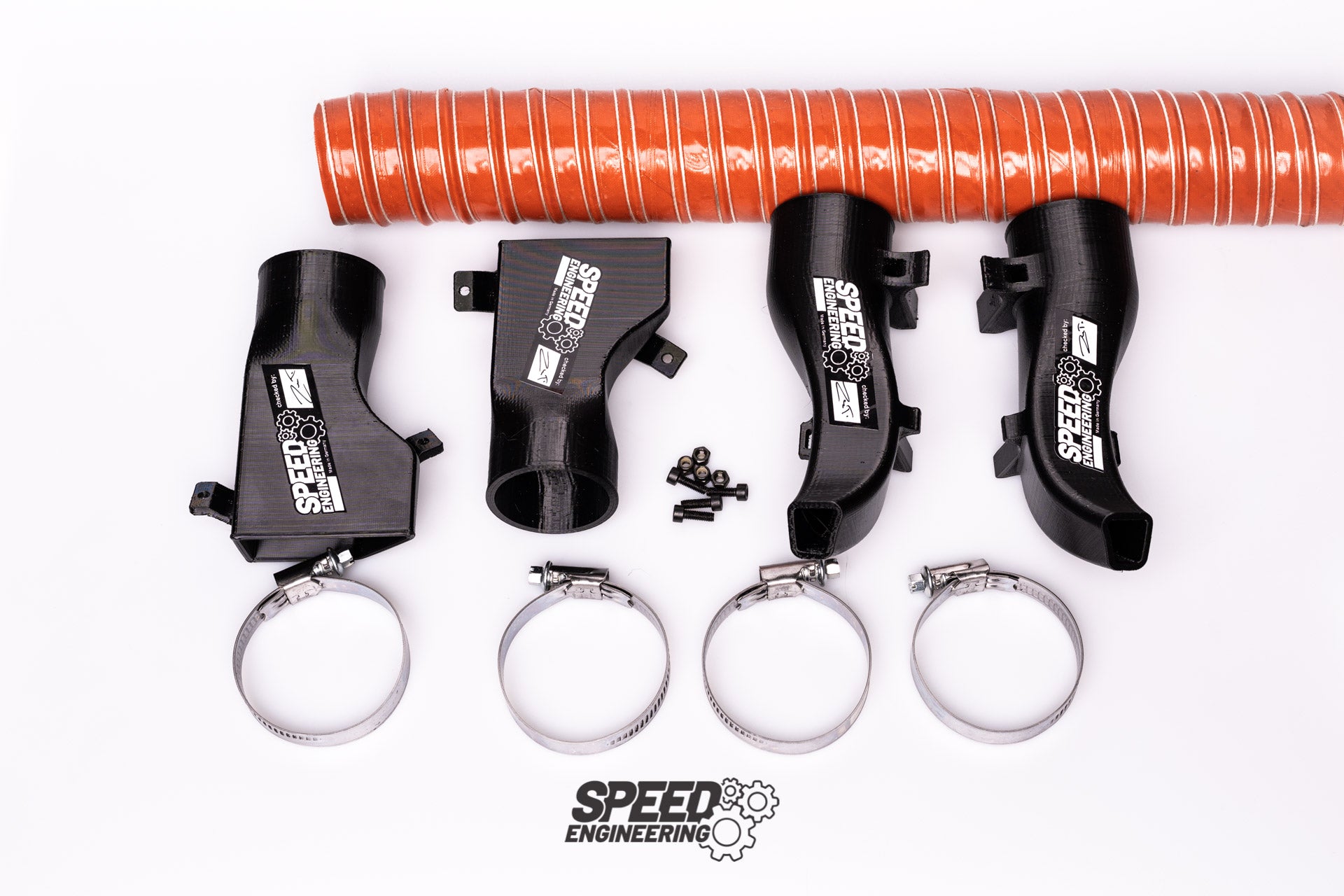
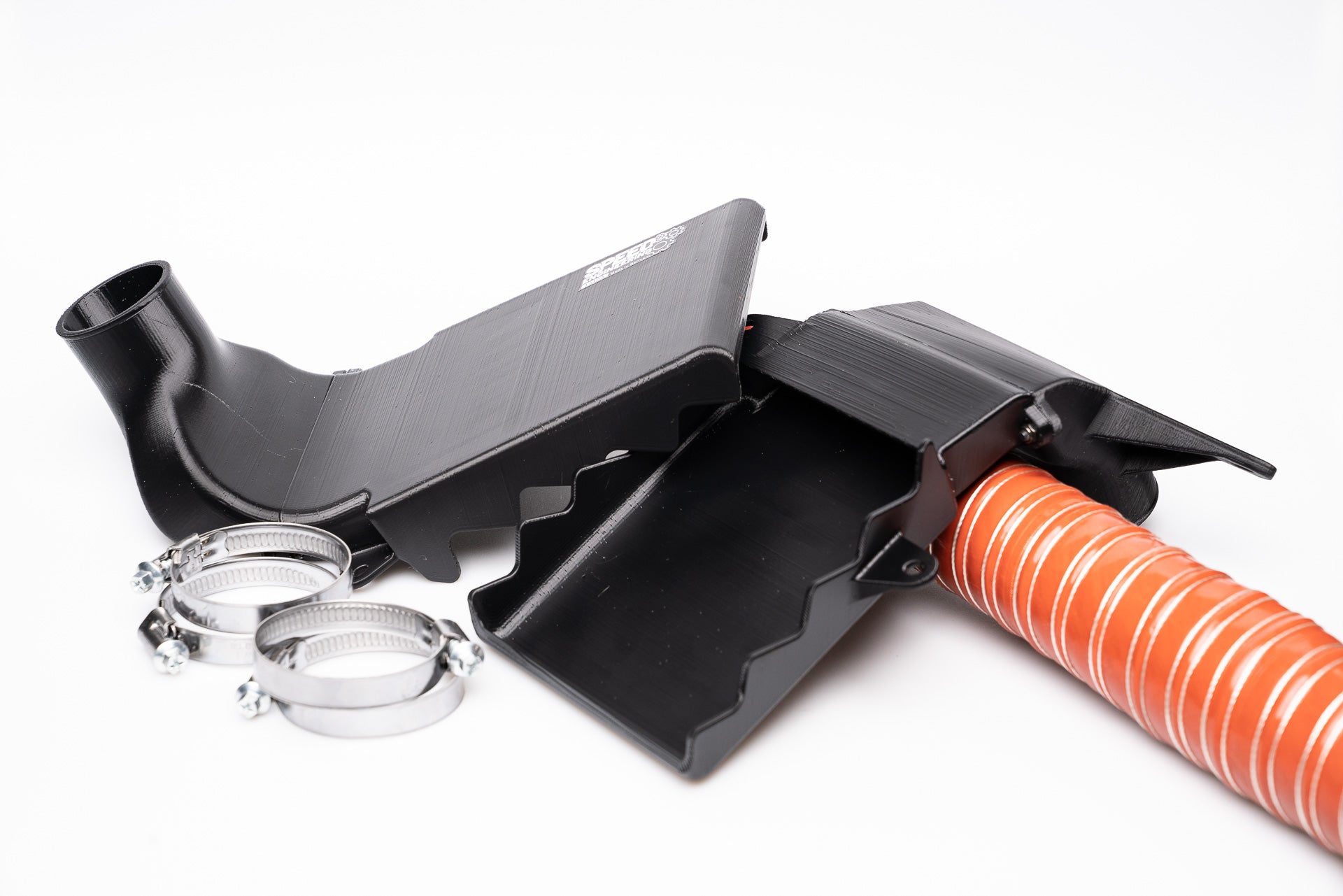
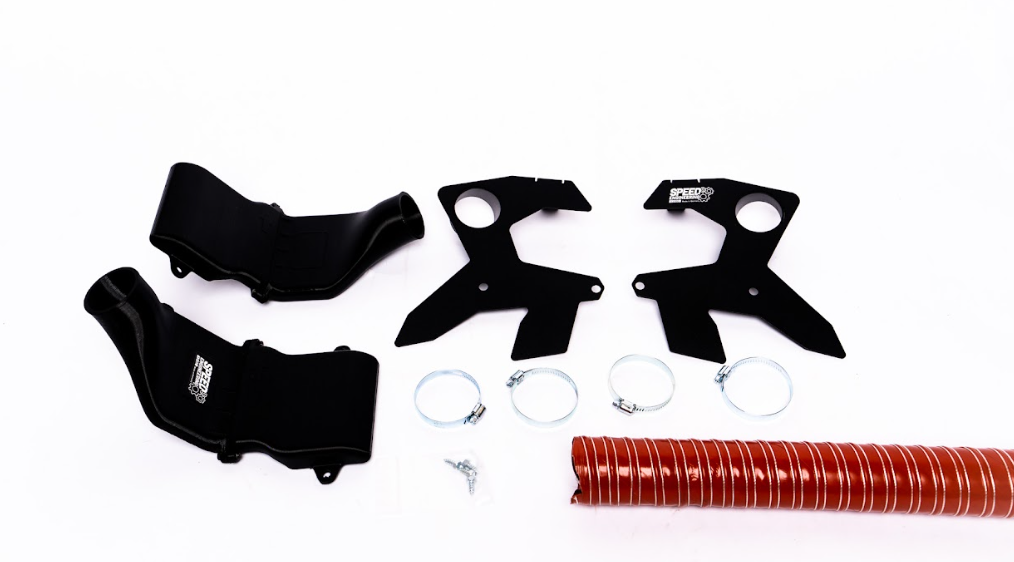
Speed Engineering solves this elegantly. Instead of cutting holes in your bumper and hacking together a solution, they engineer model-specific Brake Cooling Kits.
How it works:
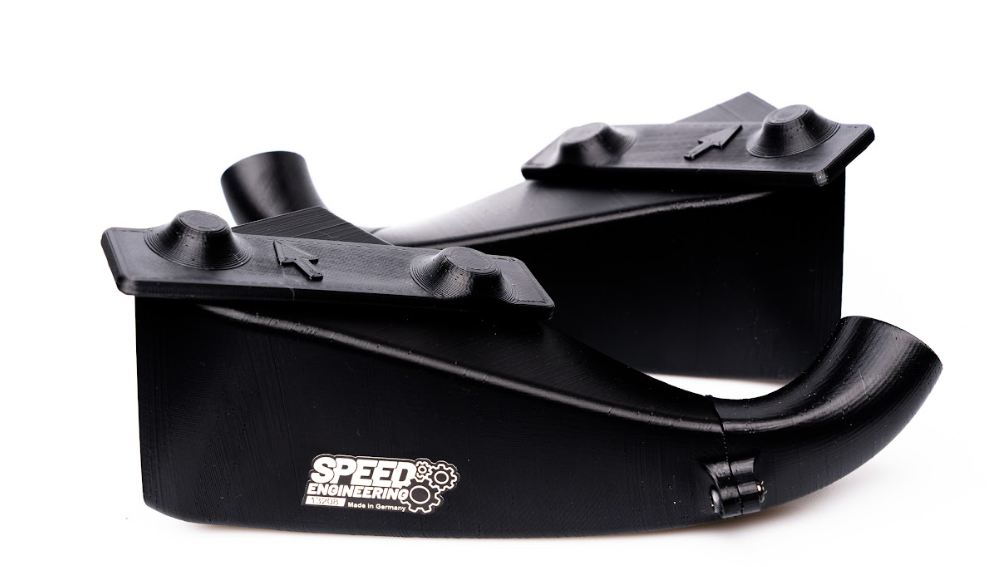
1. Air Duct (Inlet): Integrates into factory bumper channels or fog light recesses. Designed to capture maximum airflow.
2. Hose: Heat-resistant flexible ducting guides air through the wheel arch.
3. Backplate (Outlet): A specialized plate behind the brake rotor directs the air stream directly into the center of the disc. This forces air through the internal vanes (turbine effect), cooling the rotor from the inside out.
Seat Mounts: Alignment is Key
Installing a racing bucket seat (Recaro, Sparco) in a BMW or Supra often comes with a problem: the seat ends up too high or offset from the steering wheel.
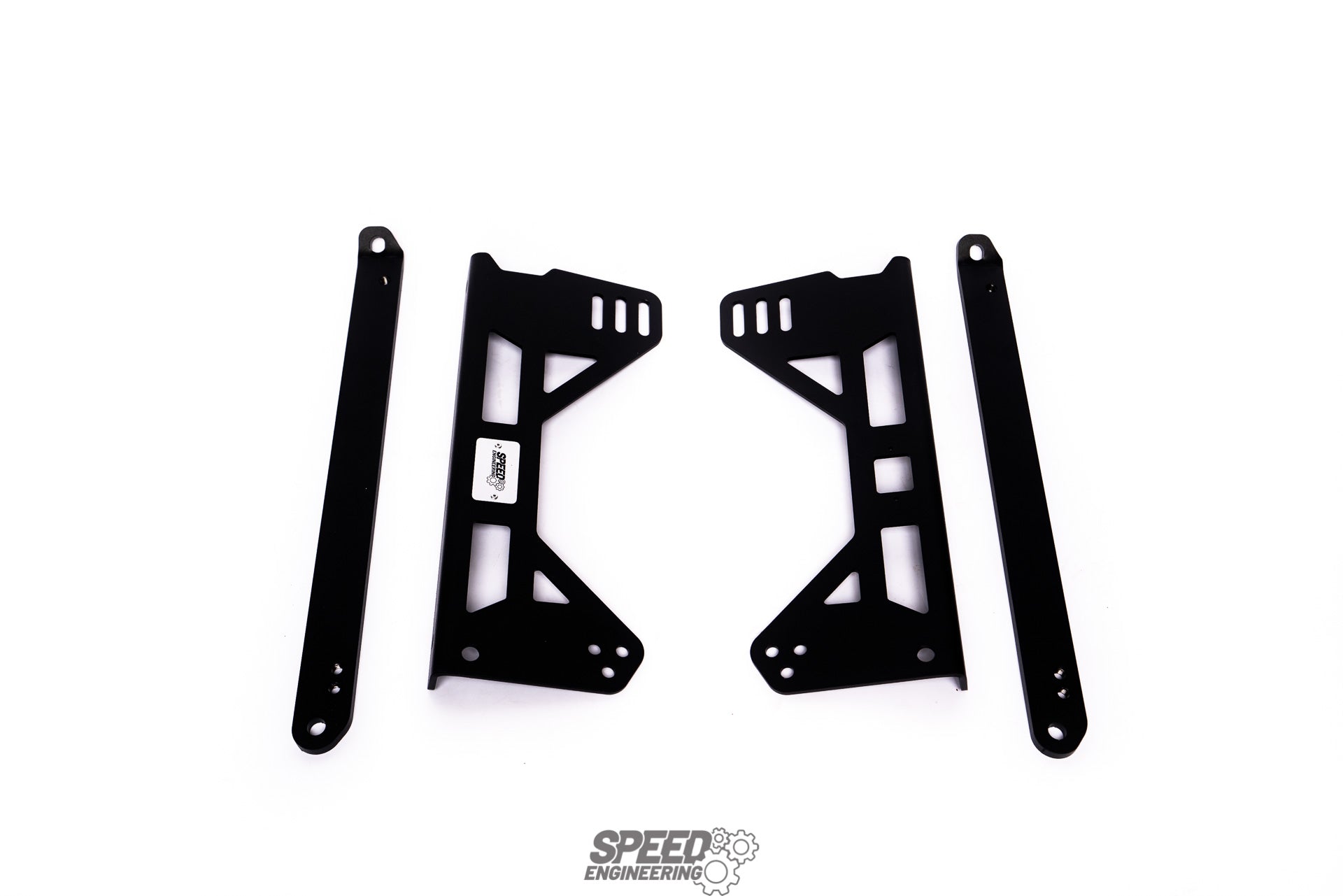
Speed Engineering Seat Consoles are designed using 3D scanning.
— Centering: They guarantee the seat center aligns perfectly with the steering wheel.
— Low Position: Allows you to mount the seat as low as possible for better center of gravity and helmet clearance.
— Compatibility: Works with both OEM seatbelts and 4/6-point harness systems.
| Stock Problem | Speed Engineering Solution | Result |
|---|---|---|
| Brake Fading | Direct airflow to the rotor center (eye). | Rotor temps drop by 150-200°C. Consistent braking power all session. |
| Heat Damage | Replacement of solid shields with vented carbon/aluminum ones. | Protects ball joints and piston dust boots from radiant heat. |
| Driver Ergonomics | Chassis-specific L-adapters and base plates. | Perfect driving position, compatible with sliders. |
No Cutting, No Welding
Speed Engineering's philosophy is reversibility. Most of their cooling kits are designed to be installed without permanent modification to the bodywork. You use factory holes and channels. This means you can remove the hardware before selling the car, returning it to stock condition easily.
Frequently Asked Questions (FAQ)
Does the hose rub against the wheel?
Not if installed correctly. Speed Engineering meticulously tests hose routing and length. However, on cars with extremely wide aftermarket wheels (e.g., 295+ front width), wheel arch space is reduced, so care must be taken at full steering lock.
Should I remove the cooling kit in winter?
Not necessarily, but it is advisable to block the inlets. Winter roads are full of salt, dirt, and moisture. Blasting cold, sandy air onto a hot rotor isn't ideal for daily driving longevity. For summer track days, however, it is a must-have.
Which cars are supported?
The main focus is on BMW (F-series, G-series M2/M3/M4), Toyota Supra A90, Hyundai i30N, Toyota Yaris GR, and various Porsche models. These are the most popular track tool platforms.
Prepare for the track like a pro. Order Speed Engineering components at ATOMIC-SHOP — German quality without compromise.