





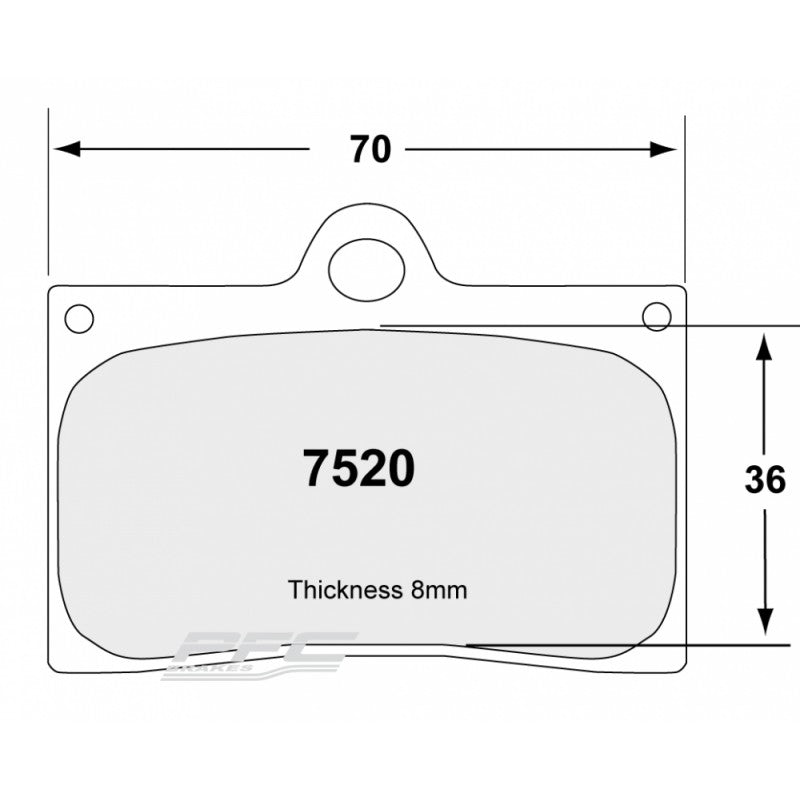
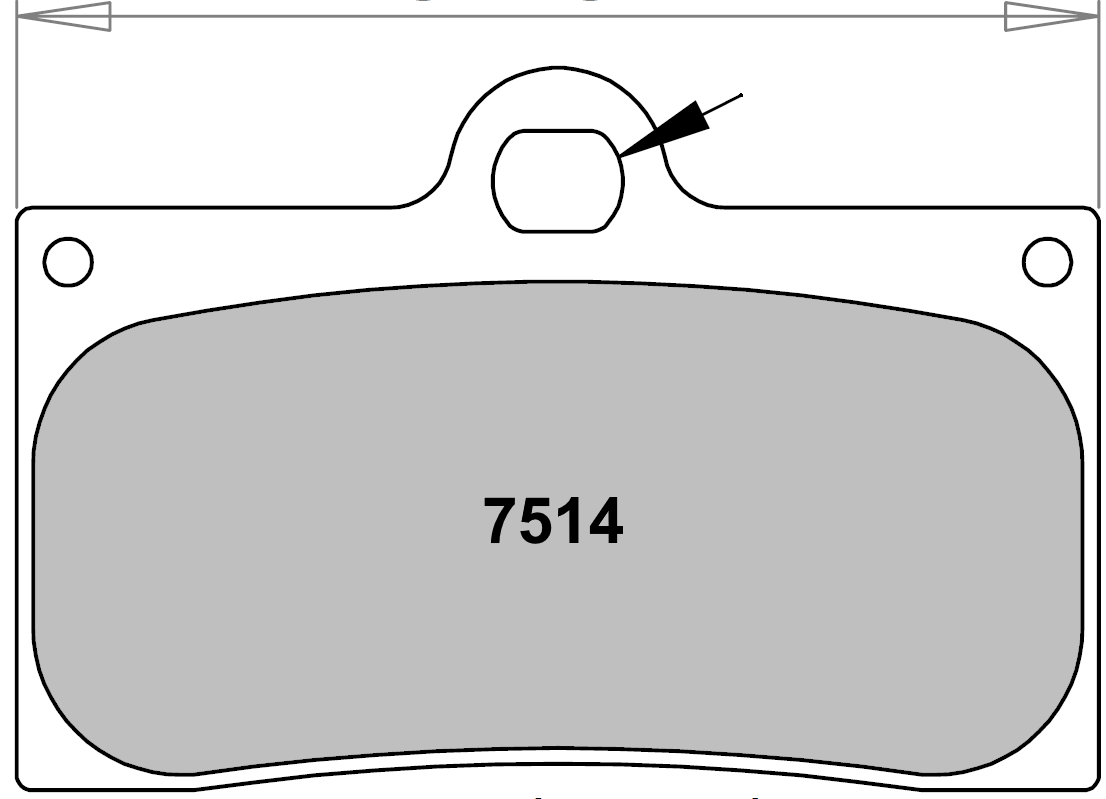


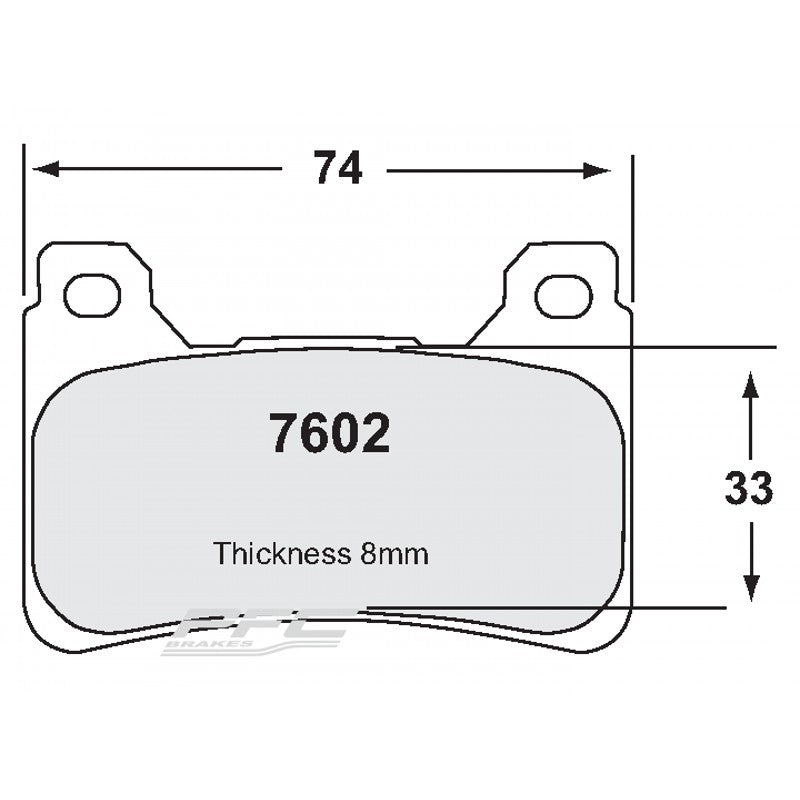
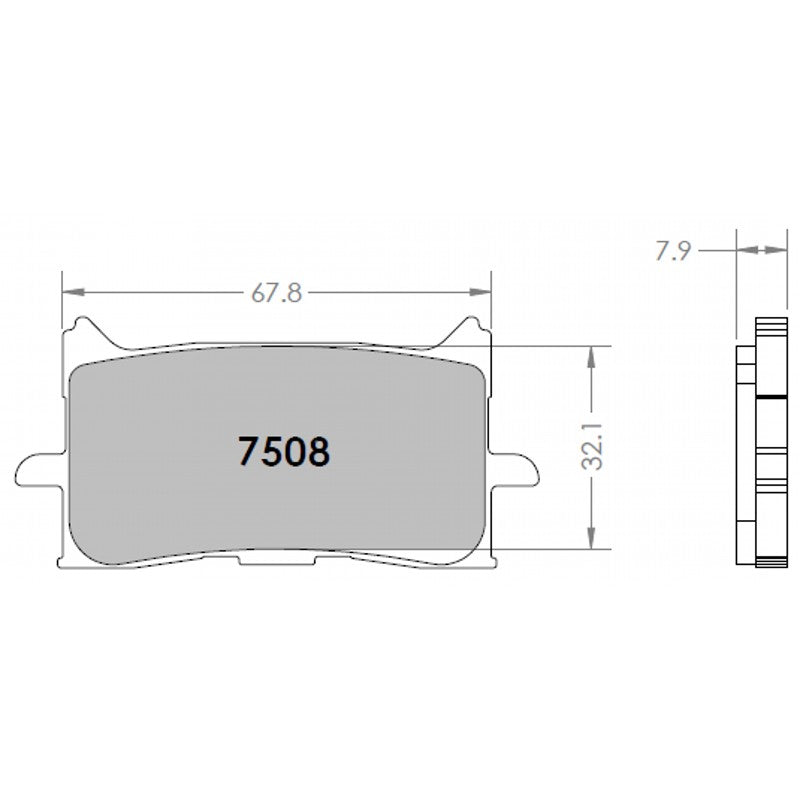







PFC Brakes Moto: American Technology for Perfect Braking
When discussing top-tier brakes, most people think of Italian brands. But in the paddocks of MotoGP, MotoAmerica, and AMA Superbike, mechanics know another name — PFC (Performance Friction Corporation). This South Carolina-based company changed the physics of braking. They don't copy others. They invented their own class of friction materials — Carbon Metallic®. These aren't just pads; they are a tool that allows a rider to brake later than everyone else and, more importantly, get back on the gas sooner.
ATOMIC-SHOP is an official dealer of PFC Brakes. We offer access to the same technologies that stop the fastest bikes on the planet. If you are looking for pads that don't fade after 20 laps of hard riding and offer surgical lever feel — PFC is your choice.
The Magic of Carbon Metallic®: More Than Just Sintered
Most sport pads on the market are Sintered (fused metal powder). PFC went further. Their Carbon Metallic® technology is a matrix of carbon and metallic powders.
How does it work?
1. Transfer Layer: Upon heating, PFC pads deposit a microscopic layer of their own material onto the rotor surface.
2. Pad-on-Pad Friction: Once this layer is formed, you are essentially braking with PFC material against PFC material. This yields a stable friction coefficient at any temperature (up to 800°C and beyond).
3. Thermal Insulation: Carbon is a poor conductor of heat. This means PFC pads transfer less heat to the caliper and brake fluid compared to standard copper-based sintered pads.
The Art of Release Control
Stopping power is important, but on the track, how the pad releases the rotor is even more critical. When you trail brake into a corner, you need to release the lever smoothly as you lean the bike.
Cheap pads act abruptly: they "stick" to the rotor and then let go suddenly, upsetting the suspension. PFC is famous for its linearity. If you reduce lever pressure by 1%, braking force drops exactly by 1%. This gives the rider incredible confidence and control over the front tire at maximum lean angle.
Compound Guide: 05, 13, 331?
PFC doesn't use vague marketing names like "Super Sport." They use numerical codes, like a chemical lab.
| Compound | Character | Application |
|---|---|---|
| Compound 331 | Sport / Track Day. | The universal soldier. Works from the first stop (no warm-up needed) but withstands serious track abuse. Ideal for aggressive street riding and amateur track days. |
| Compound 13 | High Bite (Aggressive). | The favorite of sprinters. Extremely powerful initial bite. Stops the bike instantly. Requires precise control to avoid over-braking. Track use only. |
| Compound 05 | Endurance / Linear. | The choice for endurance racing. Less initial bite than the 13, but perfectly smooth modulation. Longer life, easier on rotors. |
| Compound 95 | Rear Brake. | A specific compound for rear brakes. Lower friction to allow mid-corner line correction without locking up the rear wheel. |
Safety: NRS™ Technology
The scariest thing on a track is friction material delamination (separating from the backing plate). Most manufacturers just use glue.
PFC uses the patented NRS™ (Nucap Retention System). The steel backing plate features hundreds of tiny steel "hooks" (like Velcro) onto which the friction material is pressed. This creates a mechanical bond that cannot be broken by heat, vibration, or time.
Rotor Friendly
There is a myth that racing pads eat rotors in one weekend. With Carbon Metallic®, it's the opposite. Thanks to the Transfer Layer, the pad glides over the rotor rather than grinding it. You will see a dark grey film on your rotors after a session — don't clean it off! That's the working layer that extends the life of your expensive brake discs.
Frequently Asked Questions (FAQ)
Do I need to warm up PFC 331 pads?
No. The 331 compound is designed to have high friction even when cold. This makes it safe for leaving the garage or emergency braking on the street. However, the racing 13 and 05 compounds do require a lap or two to reach operating temperature.
How do I properly Bed-in PFC pads?
PFC pads are often "Scorched" at the factory to speed up break-in. However, on the track, it is recommended to perform 2-3 series of smooth stops with increasing pressure, then let the brakes cool down while riding. This establishes the essential transfer layer on the rotor.
Which is better for a liter bike: 13 or 05?
It's a matter of rider preference.
— 13: For those who brake late and hard, wanting immediate stopping power.
— 05: For those who prefer smoothness and run long sessions (Endurance), or find the 13 too snatchy for their suspension setup.
Feel the difference between "just stopping" and "braking control." Choose PFC Brakes at ATOMIC-SHOP.