


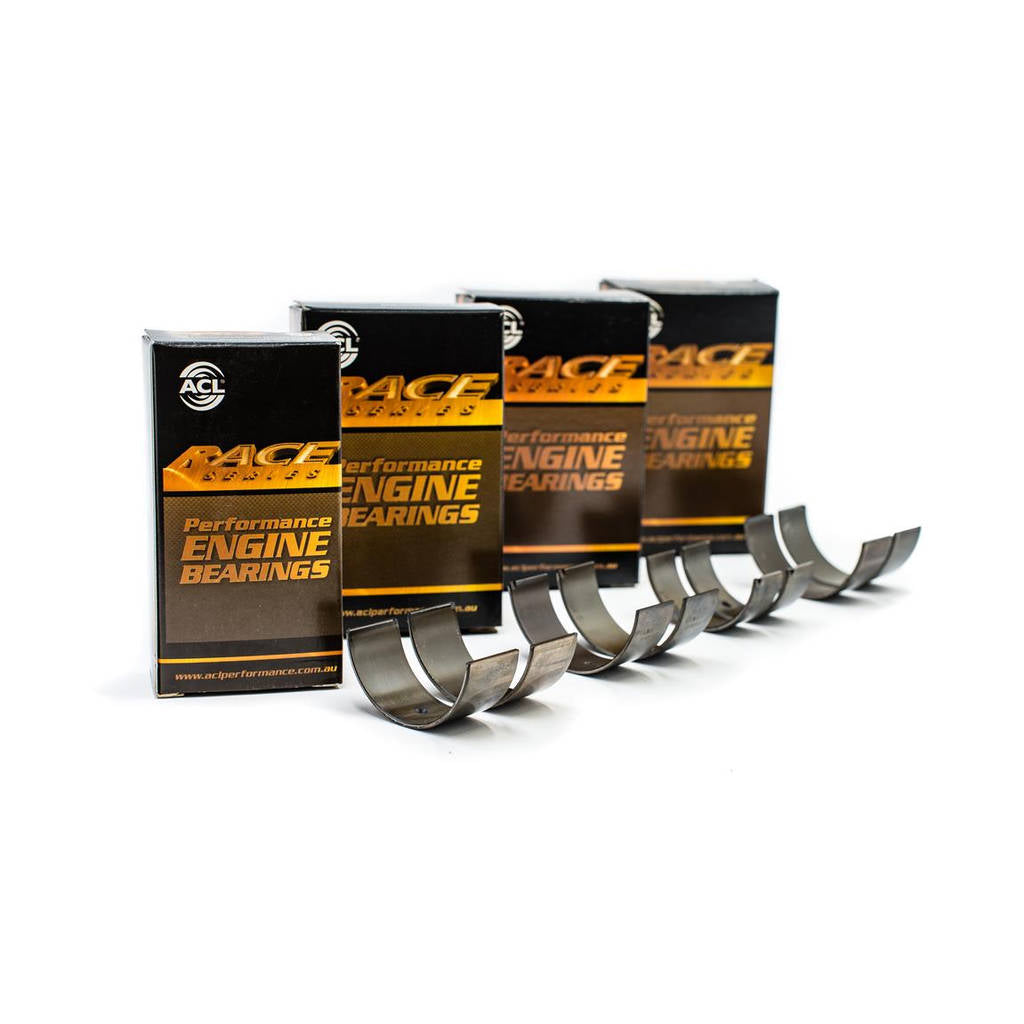
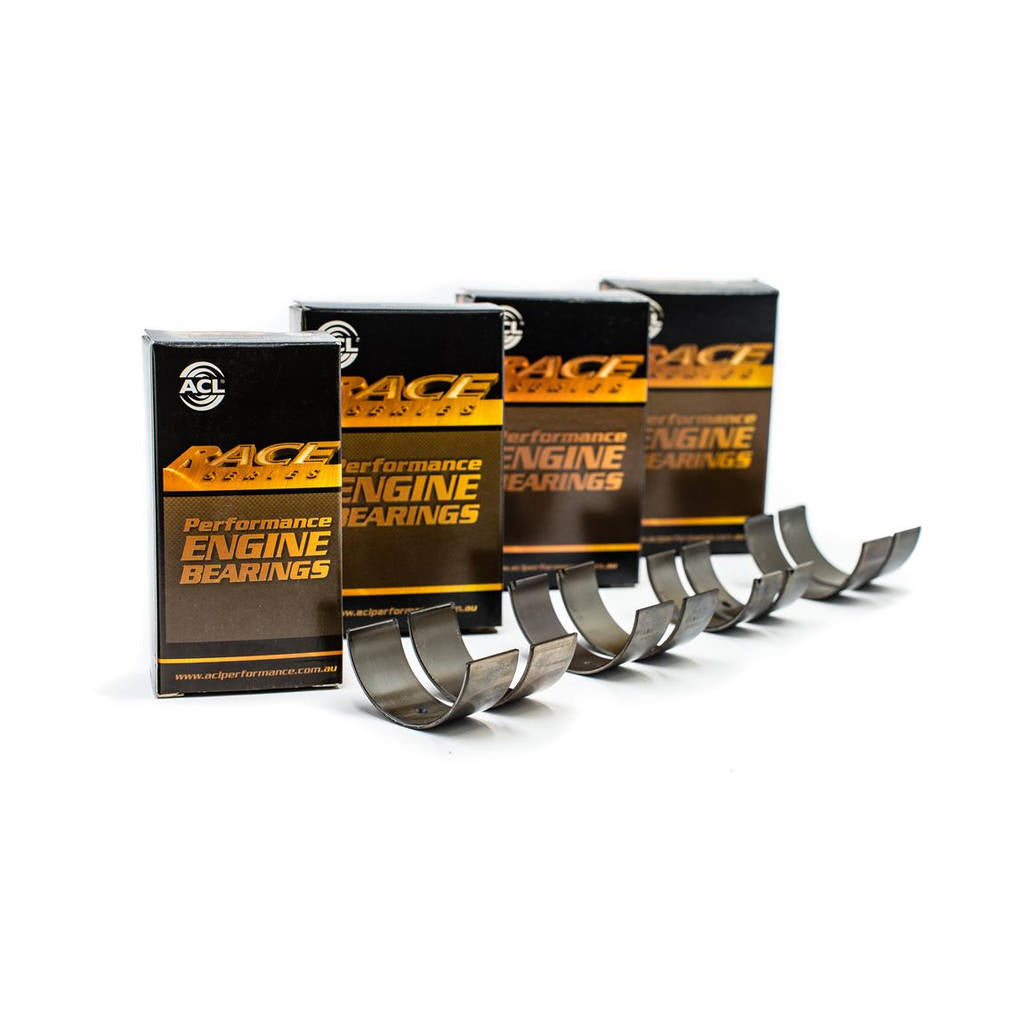










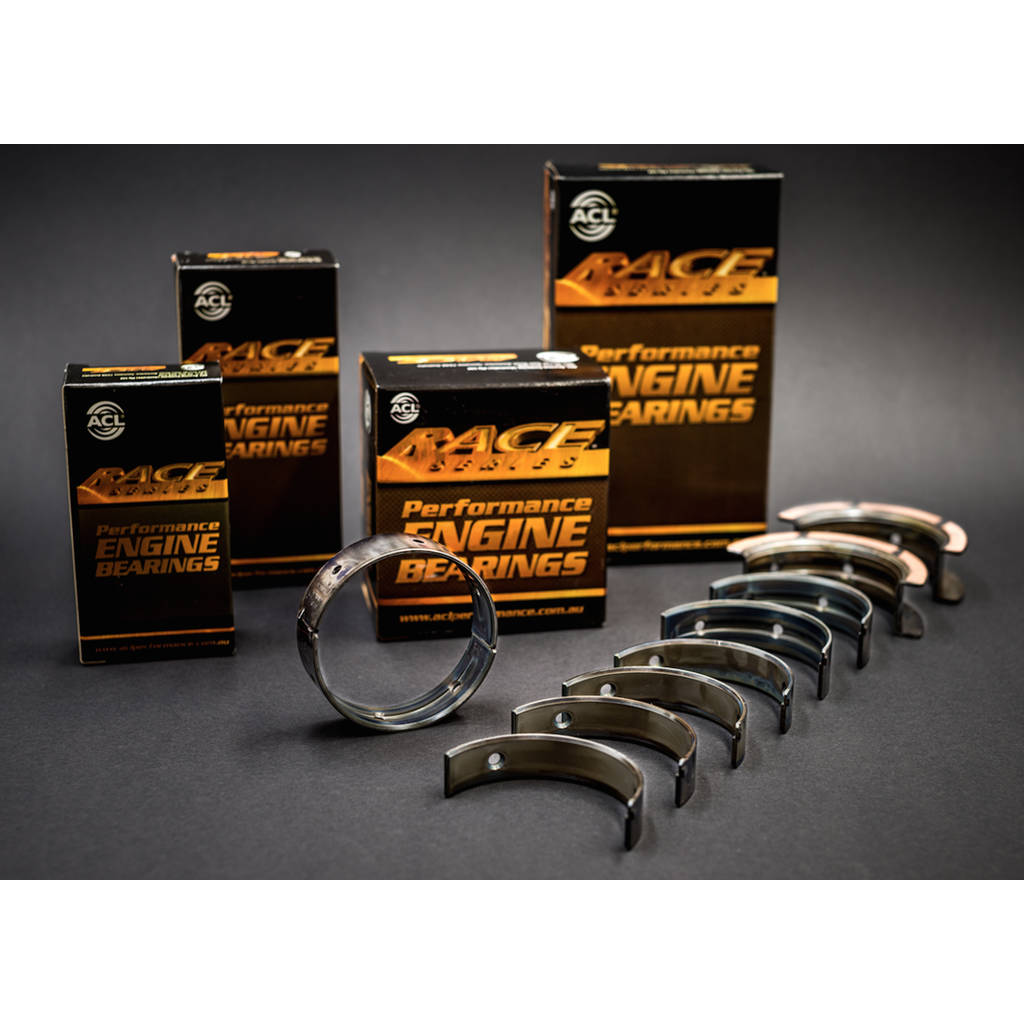


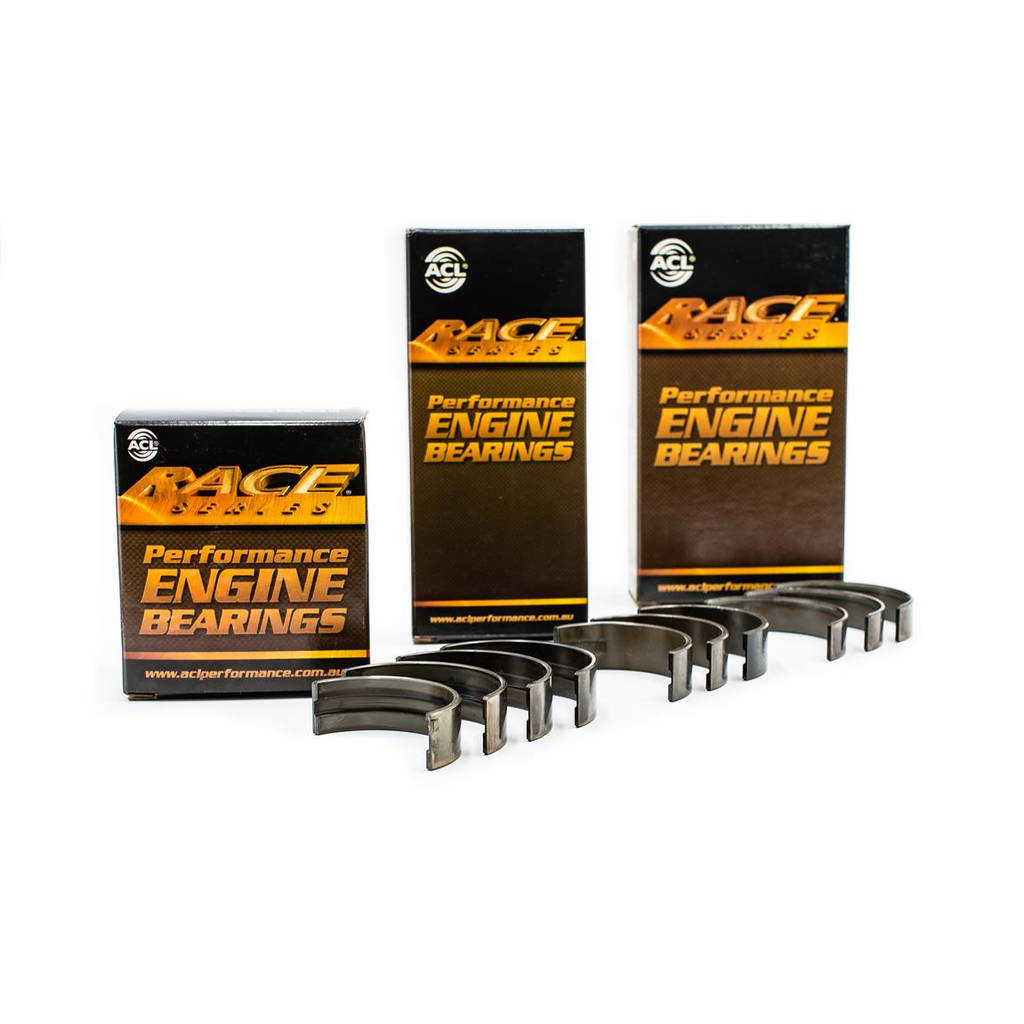





ACL Race Series: The Foundation of Horsepower
In the world of engine building, horsepower is glamour, but reliability is gold. When pushing an engine beyond its factory limits with increased boost or RPM, the OEM bearings become the critical weak point. ACL Bearing Company (Australia) engineered the Race Series range specifically to solve this problem, offering a robust solution for high-performance applications.
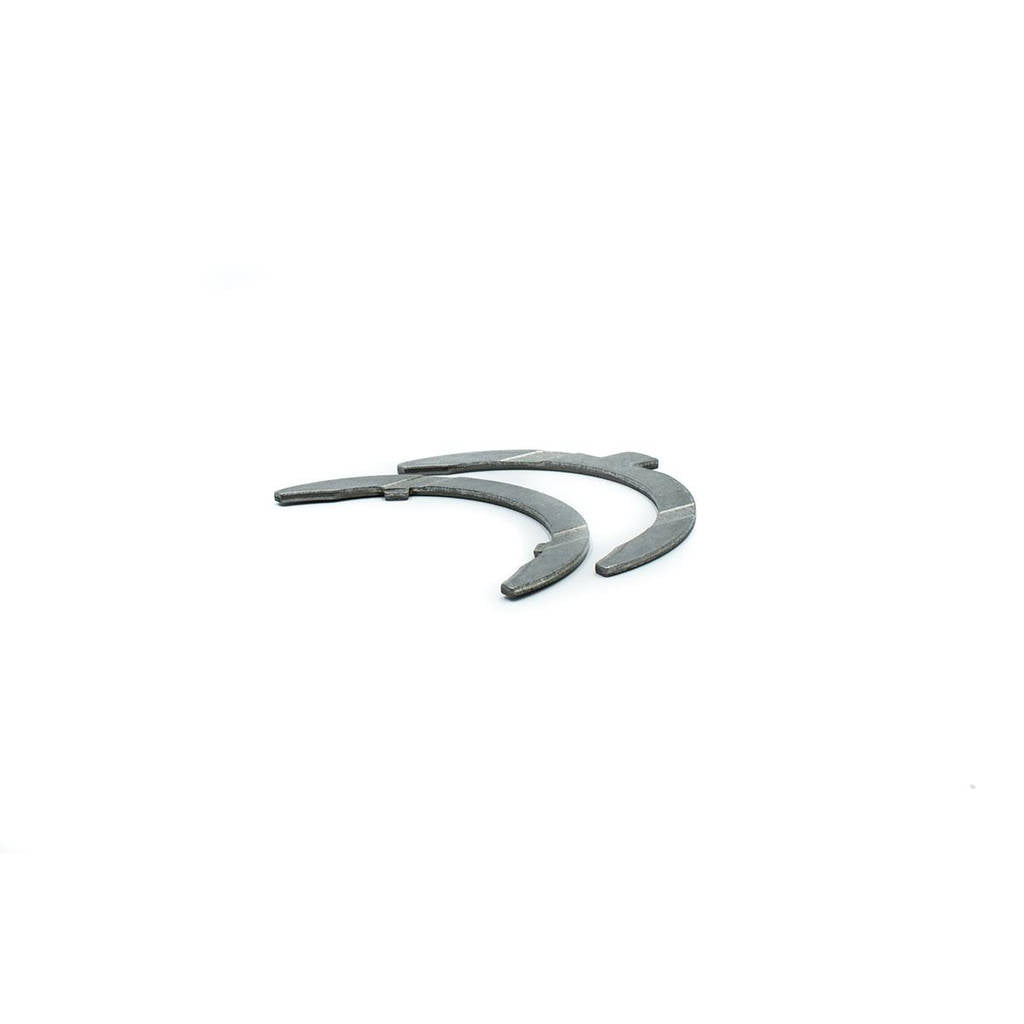
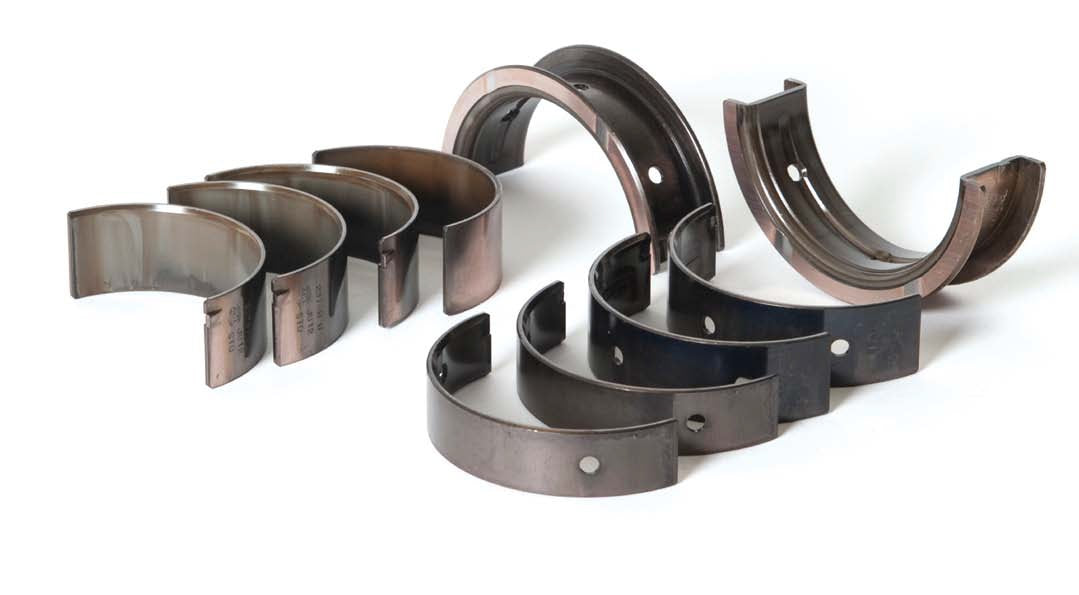
These are not just replacement parts; they are re-engineered components featuring unique metallurgy and geometry designed to withstand extreme cylinder pressures, high temperatures, and momentary oil starvation. ATOMIC-SHOP stocks the complete range of Main, Rod, and Thrust bearings for nearly every performance platform, from JDM legends to European powerhouses.
Tri-Metal Technology: Built to Endure
The secret to ACL's dominance in motorsport is their proven Tri-Metal construction. While modern OEM manufacturers have shifted to eco-friendly aluminum (bi-metal) bearings, ACL utilizes a heavy-duty copper-lead alloy system:
- Hardened Steel Backing: The foundation. Provides high yield strength and ensures maximum "crush" fitment. This keeps the bearing firmly locked in the housing, preventing it from spinning under high-RPM inertial loads.
- Cast Copper-Lead Intermediate Layer: This layer provides massive load-carrying capacity (up to 12,000 psi). It acts as a shock absorber during the violent combustion events of a tuned engine.
- Babbitt Overlay: A precision electroplated layer of lead, tin, and copper. This soft top layer offers excellent "embeddability," allowing microscopic debris to bury itself in the bearing rather than scoring the crankshaft journal.
ACL Race vs. OEM: The Technical Edge
Why should you upgrade your bearings during a rebuild? The comparison speaks for itself:
| Feature | Standard OEM Bearings | ACL Race Series |
|---|---|---|
| Material Construction | Bi-Metal (Aluminum/Silicon) | Tri-Metal (Copper/Lead) |
| Fatigue Strength | Moderate. Prone to flaking under detonation. | Superior. Designed for high inertial loads. |
| Eccentricity | Low / Standard | Increased. Tapered edges allow for rod bore distortion at high RPM, maintaining the oil wedge. |
Mastering Oil Clearances: H, HX, and STD
ACL empowers engine builders to dial in their oil clearances with precision. Understanding the suffixes is key to selecting the right part:
- H-Series (Standard Race): The default choice for most builds. These retain the nominal standard dimensions but feature the Race Series material and geometry. Use these if your crankshaft is within factory spec.
- HX-Series (Extra Clearance): These bearings are manufactured slightly thinner (providing an extra .001” / 0.025mm oil clearance). This is crucial for race engines running thicker viscosity oils (e.g., 20W-50) to ensure adequate flow and cooling across the bearing surface.
Frequently Asked Questions (FAQ)
Can I mix H and HX shells?
Yes. Mixing an H shell (standard) with an HX shell (extra clearance) on the same journal is a common technique among professional engine builders. This allows you to achieve a "half-step" clearance increase (approx .0005”) to hit your target numbers perfectly.
Why do the bearings look dull grey?
The matte grey finish is the Babbitt overlay. Unlike shiny polished aluminum bearings, this functional coating is designed for performance, not aesthetics. Do not buff or polish this surface, as you will remove the critical overlay thickness and alter your clearances.
Do I need specialized tools to install these?
Installation requires standard engine building tools, but verification is key. We highly recommend using a bore dial gauge and micrometer (or at least Plastigauge) to verify your oil clearances during assembly. Never assume "drop-in" fitment on a performance engine.