

















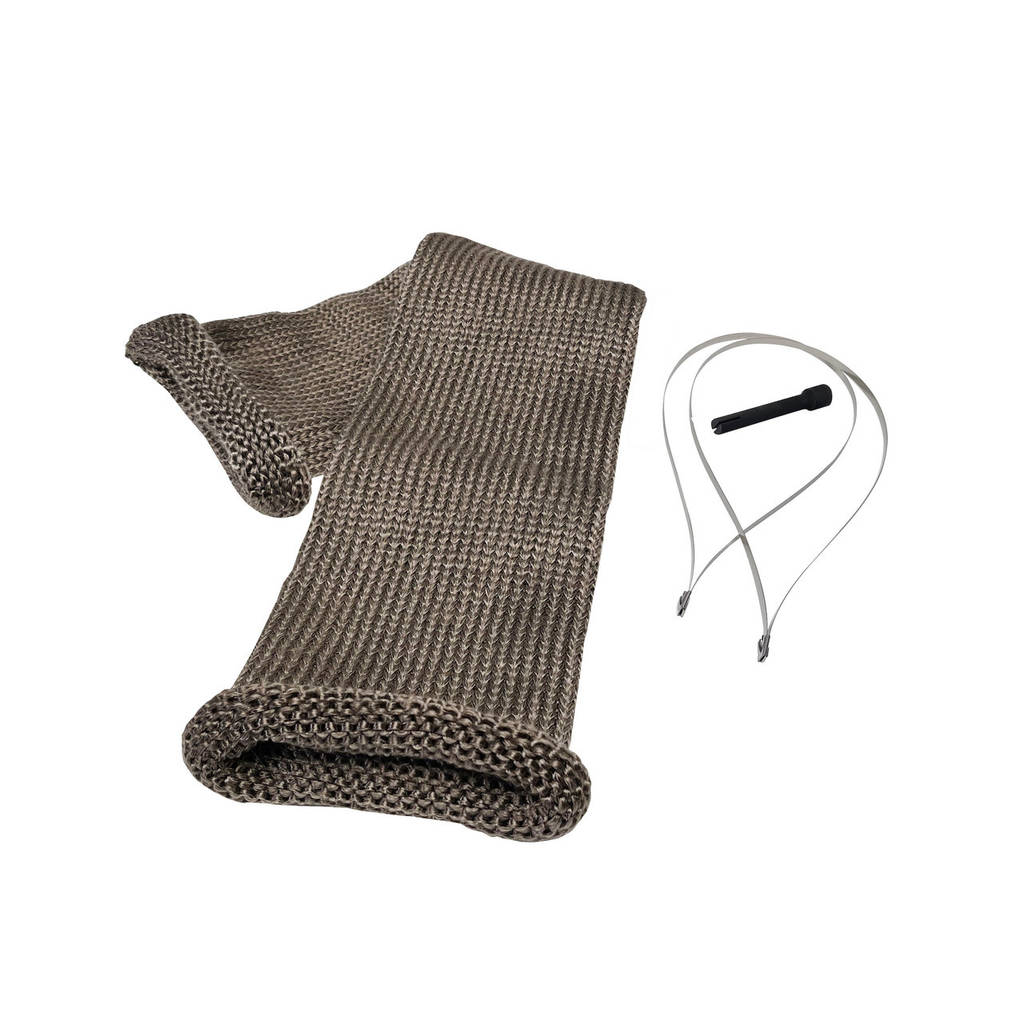
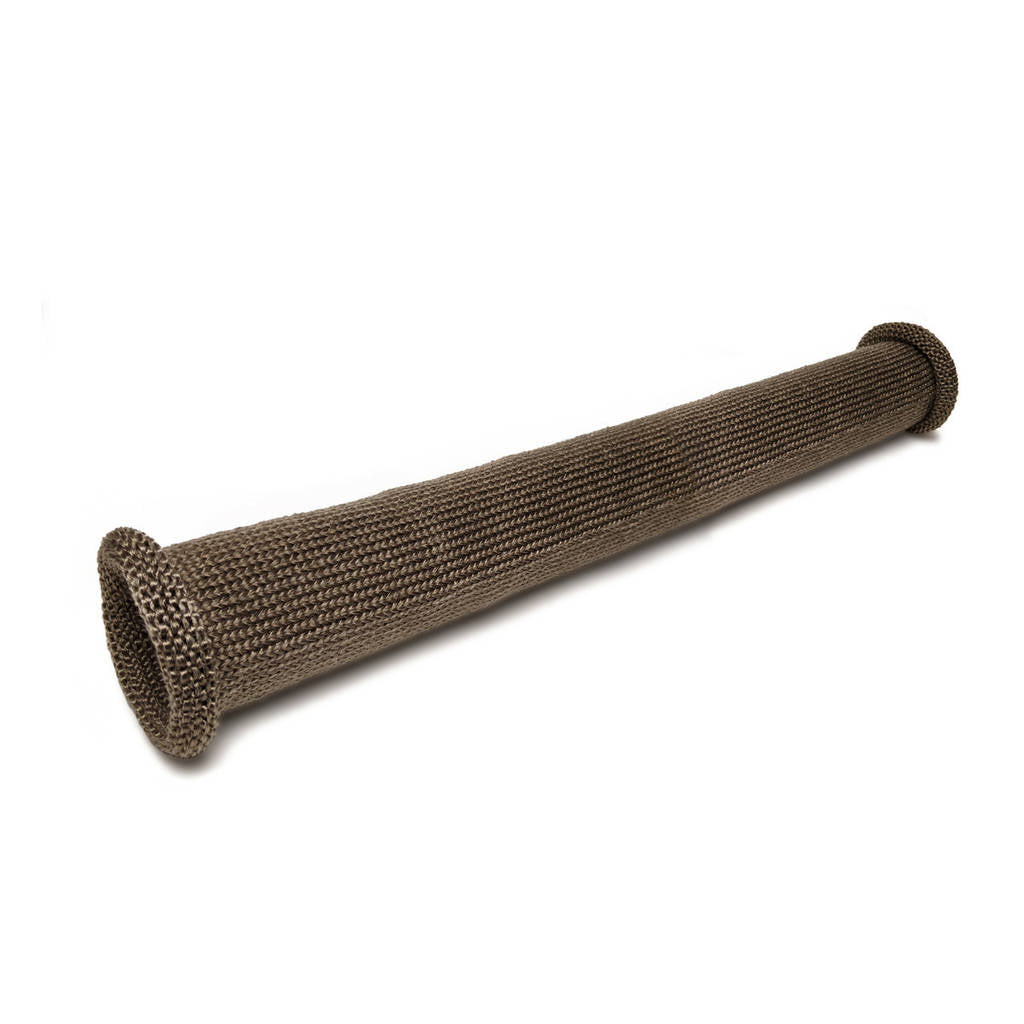
Thermal Wrap as a Temperature Control Element in the Exhaust System
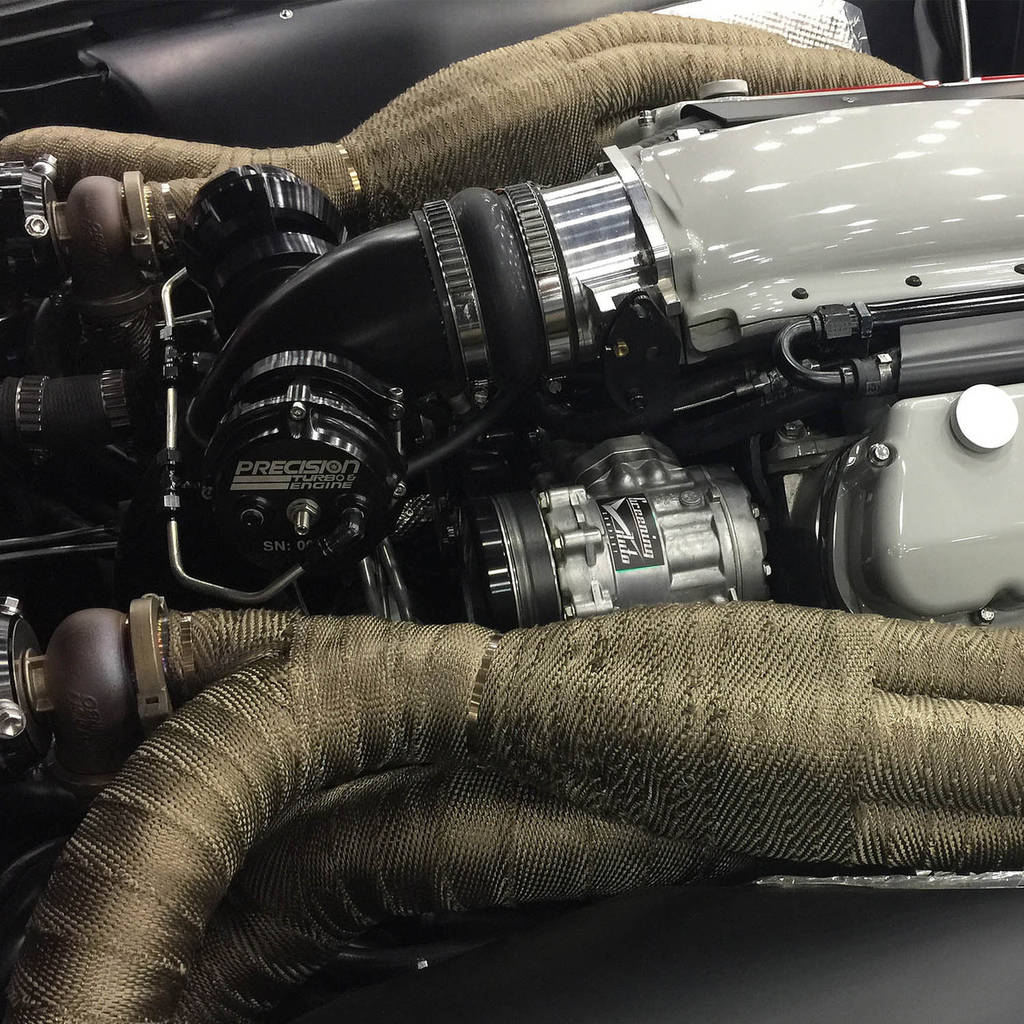
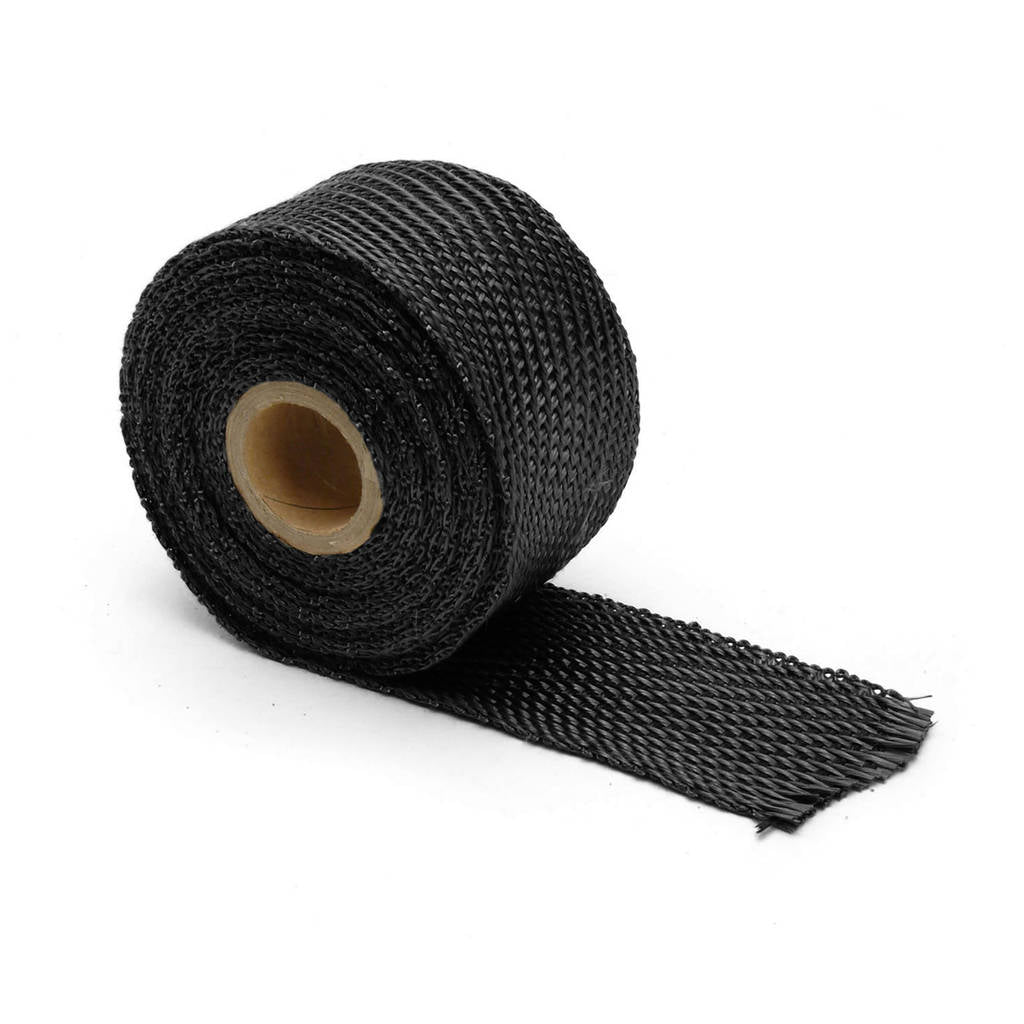
Thermal wrap is an important component of heat management in high-load automotive systems. It is used to insulate exhaust system components, including manifolds, downpipes, and turbocharger sections, in order to retain exhaust gas temperature and reduce heat transfer to surrounding components.
In standard vehicles, thermal control is handled through factory heat shields and protective covers. However, in tuning or motorsport conditions, this is often not enough, because increased temperatures and dense component packaging in the engine bay create serious overheating risks. This is where thermal wrap becomes an engineering tool for stabilizing temperature conditions.
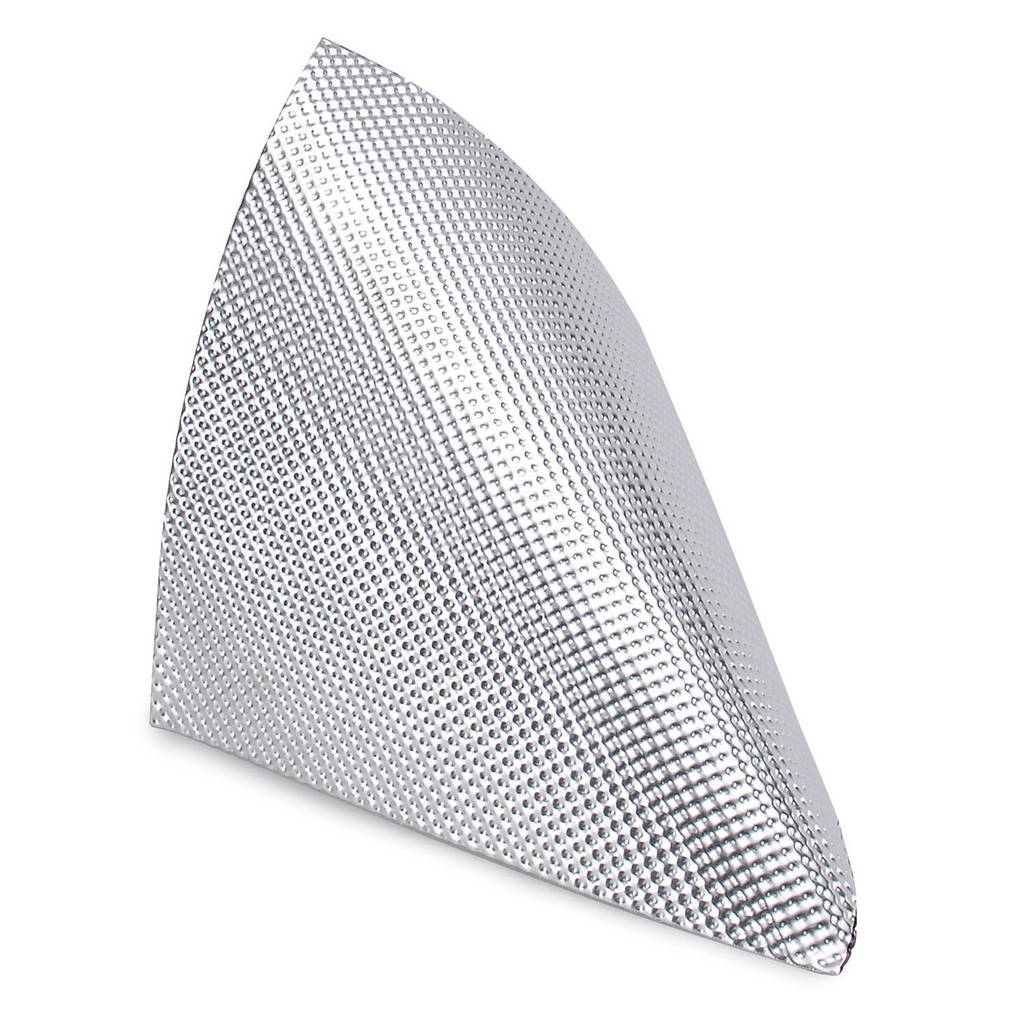
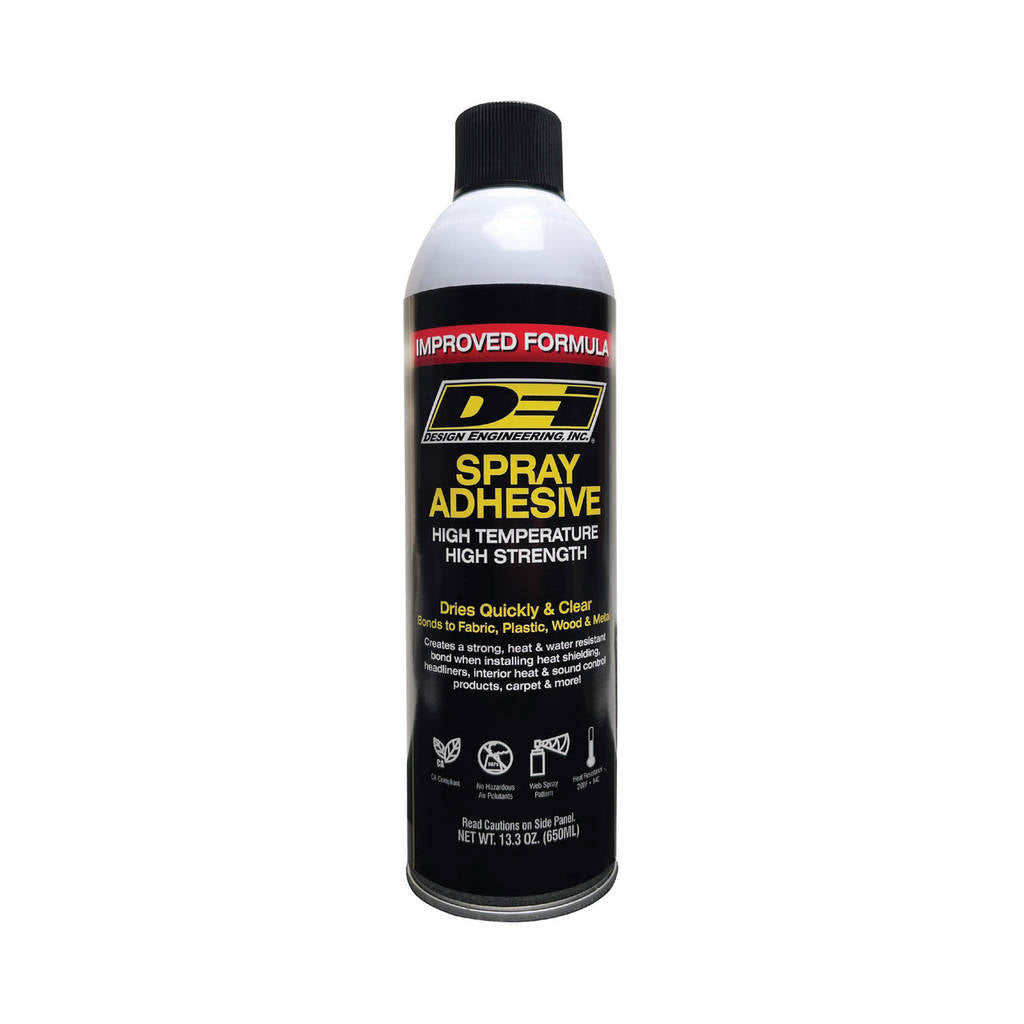
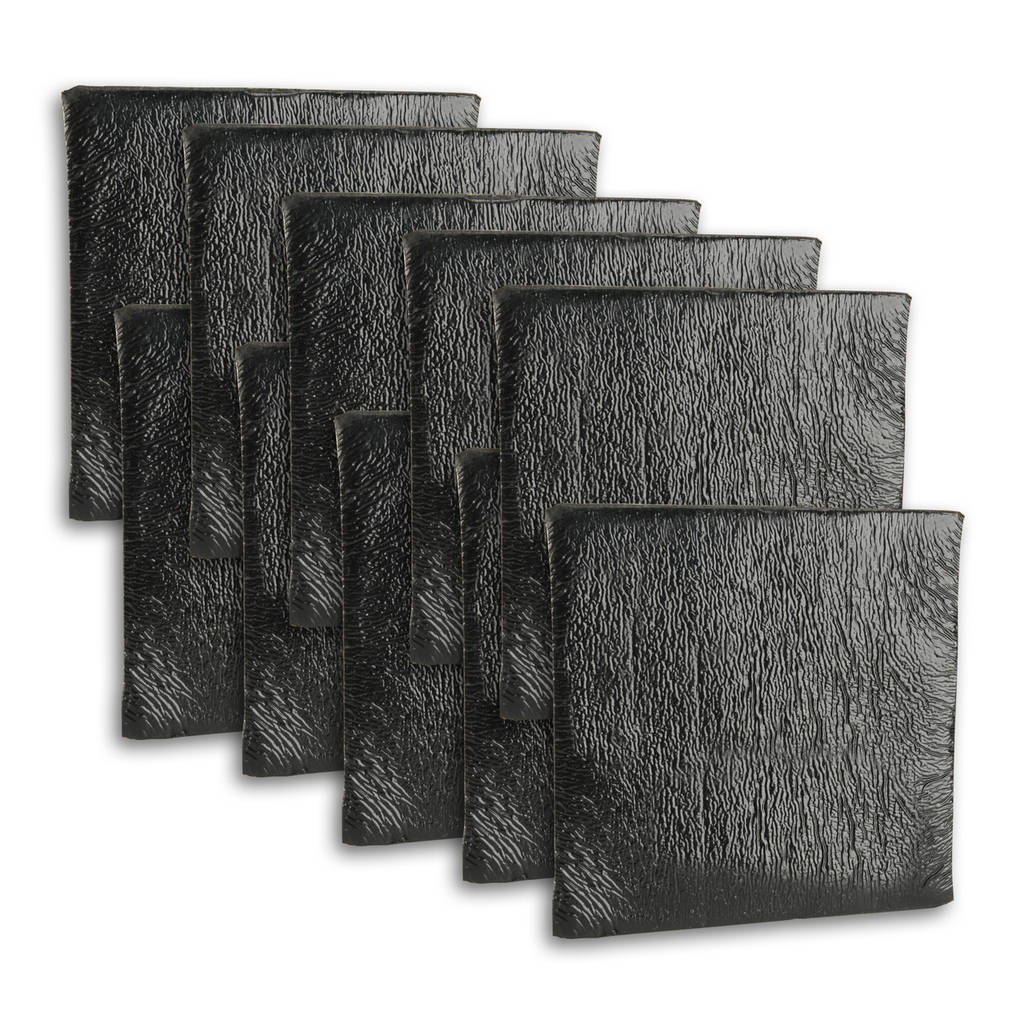
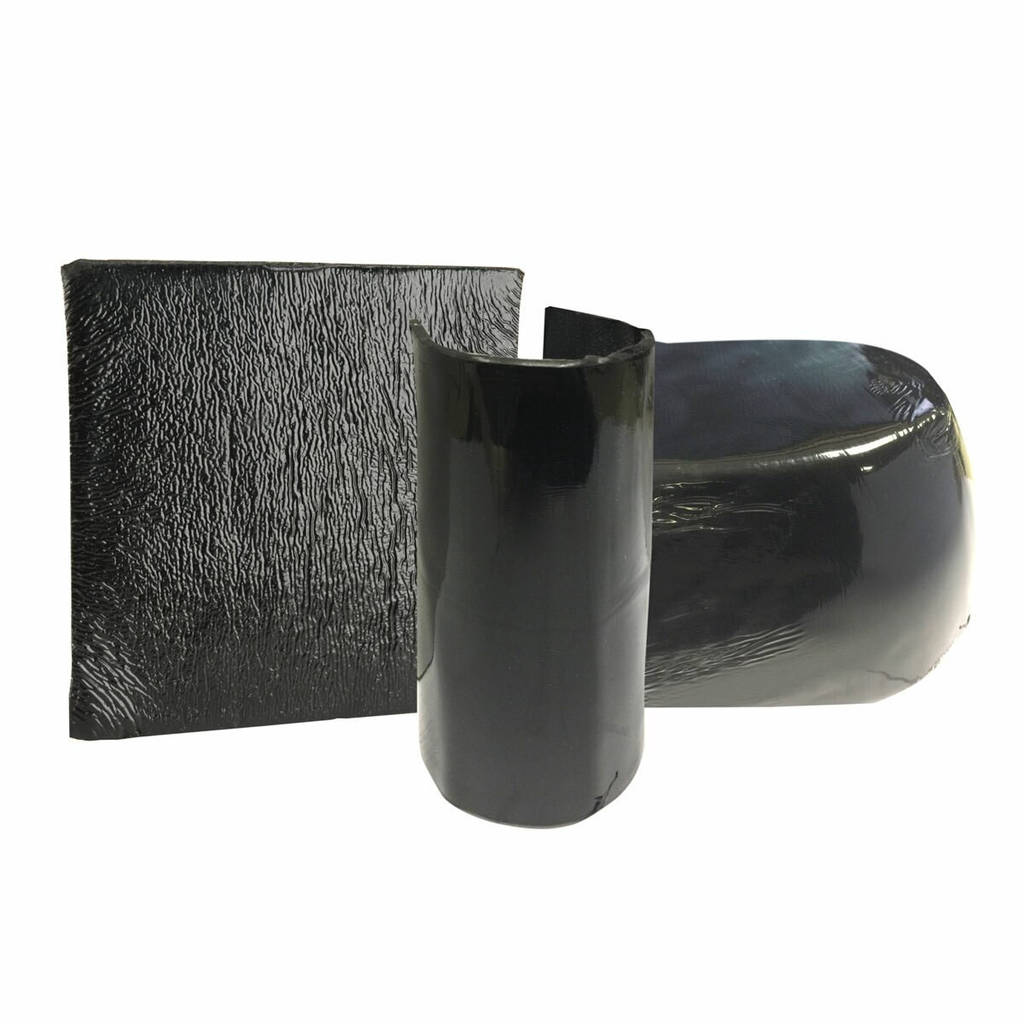
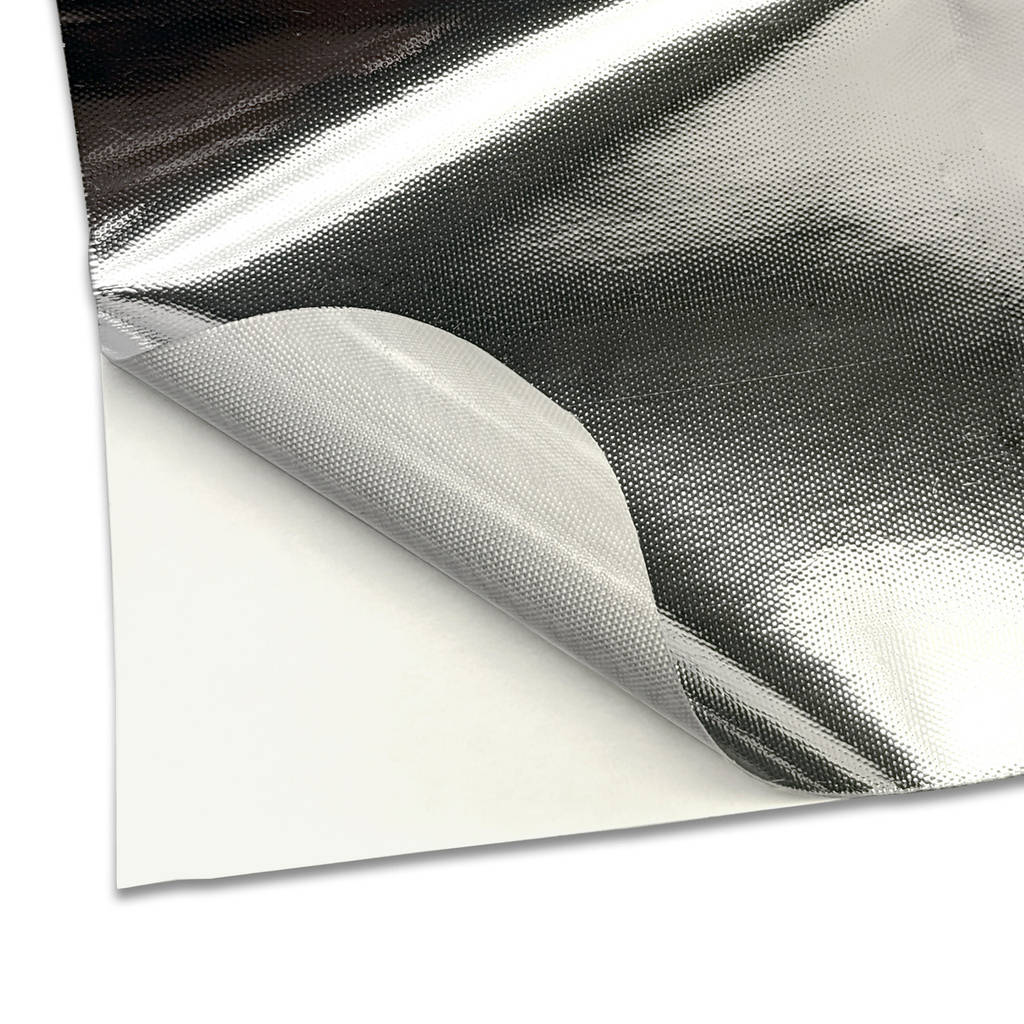
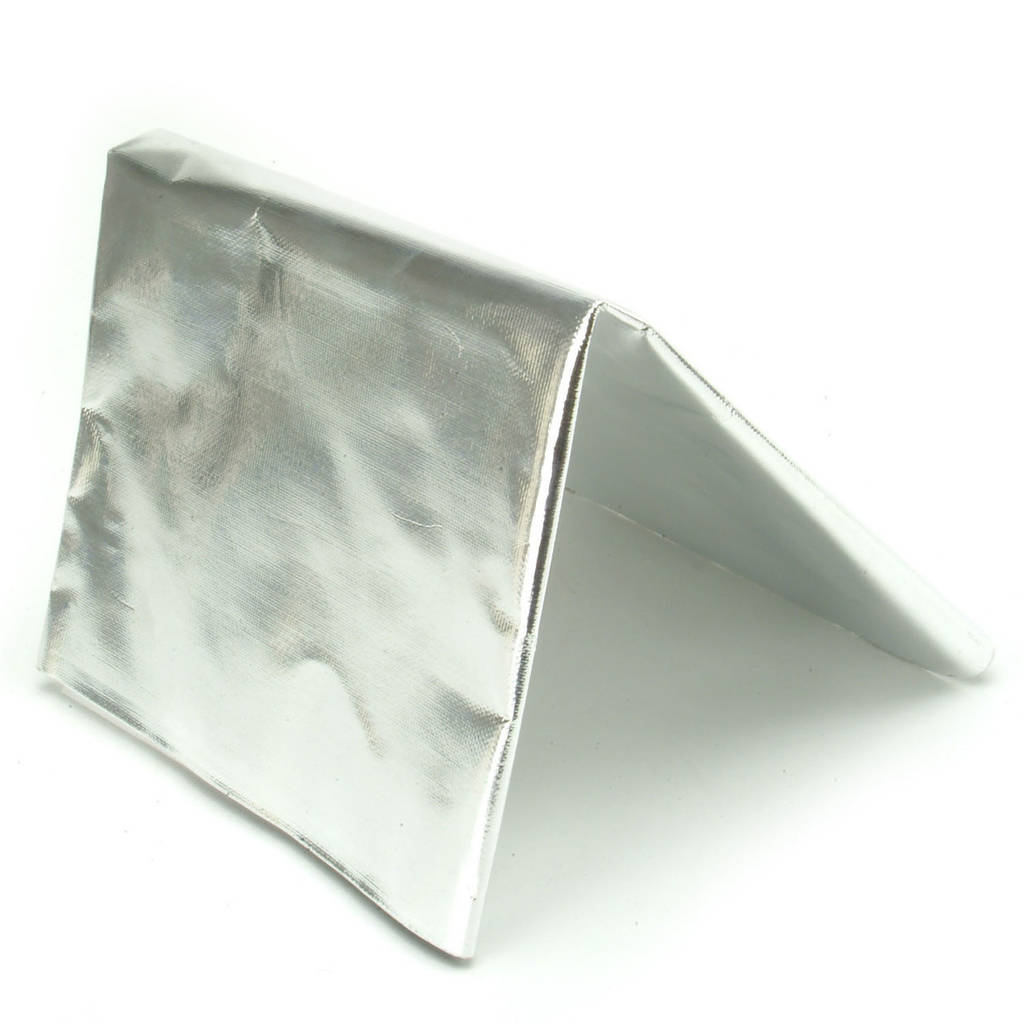
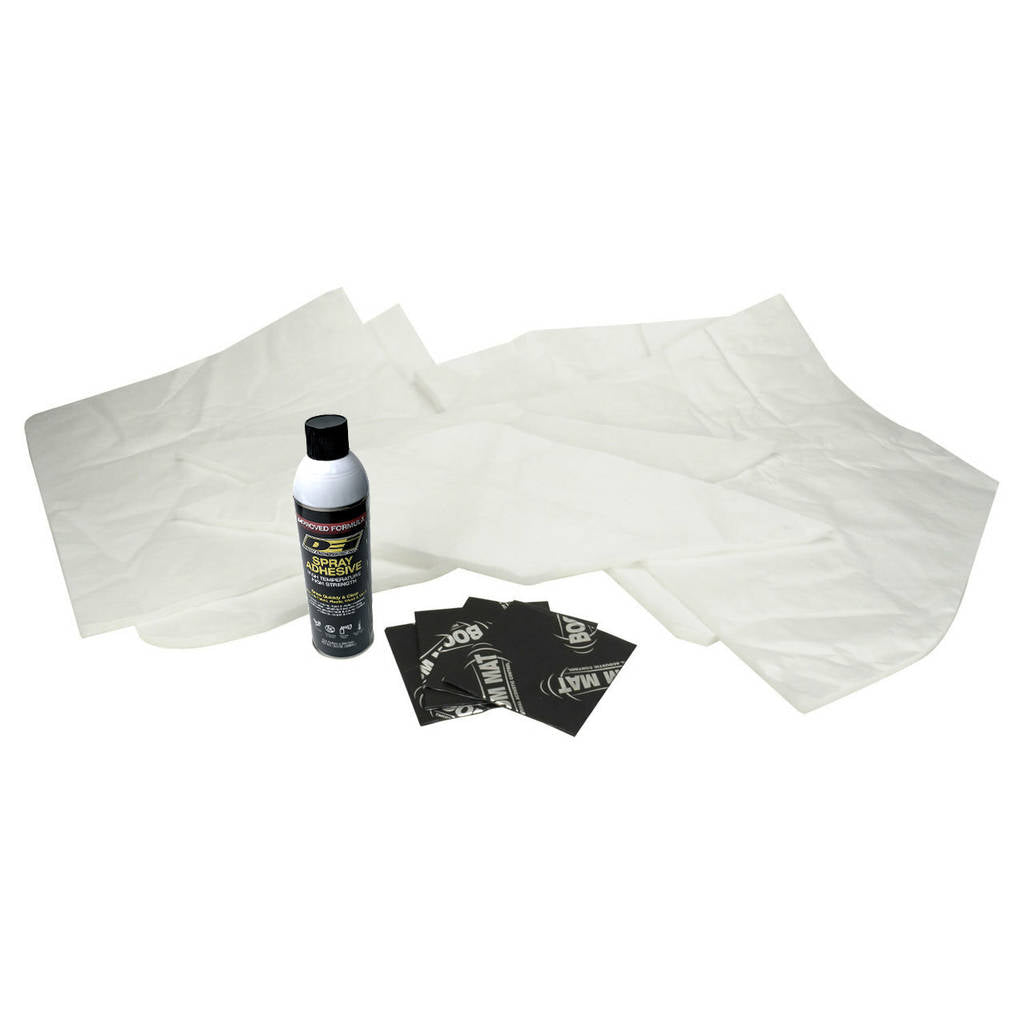
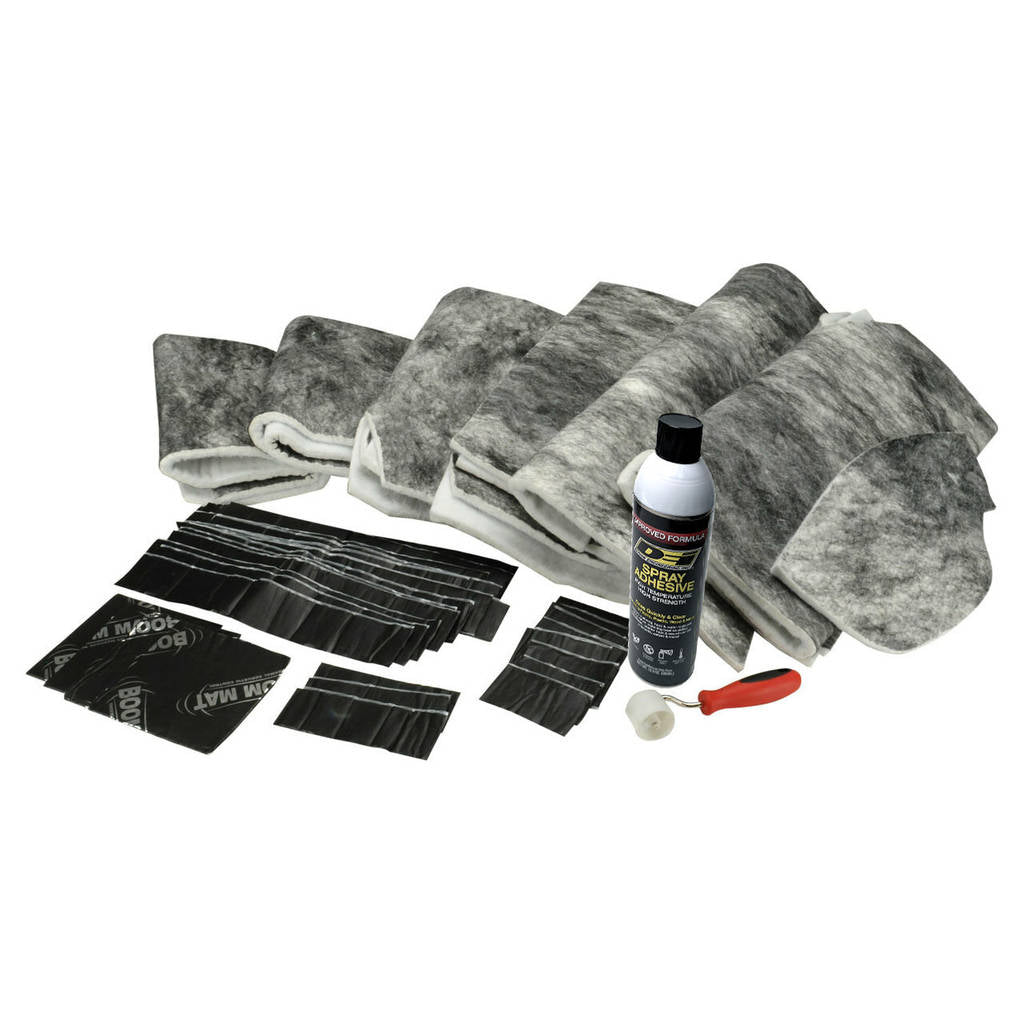
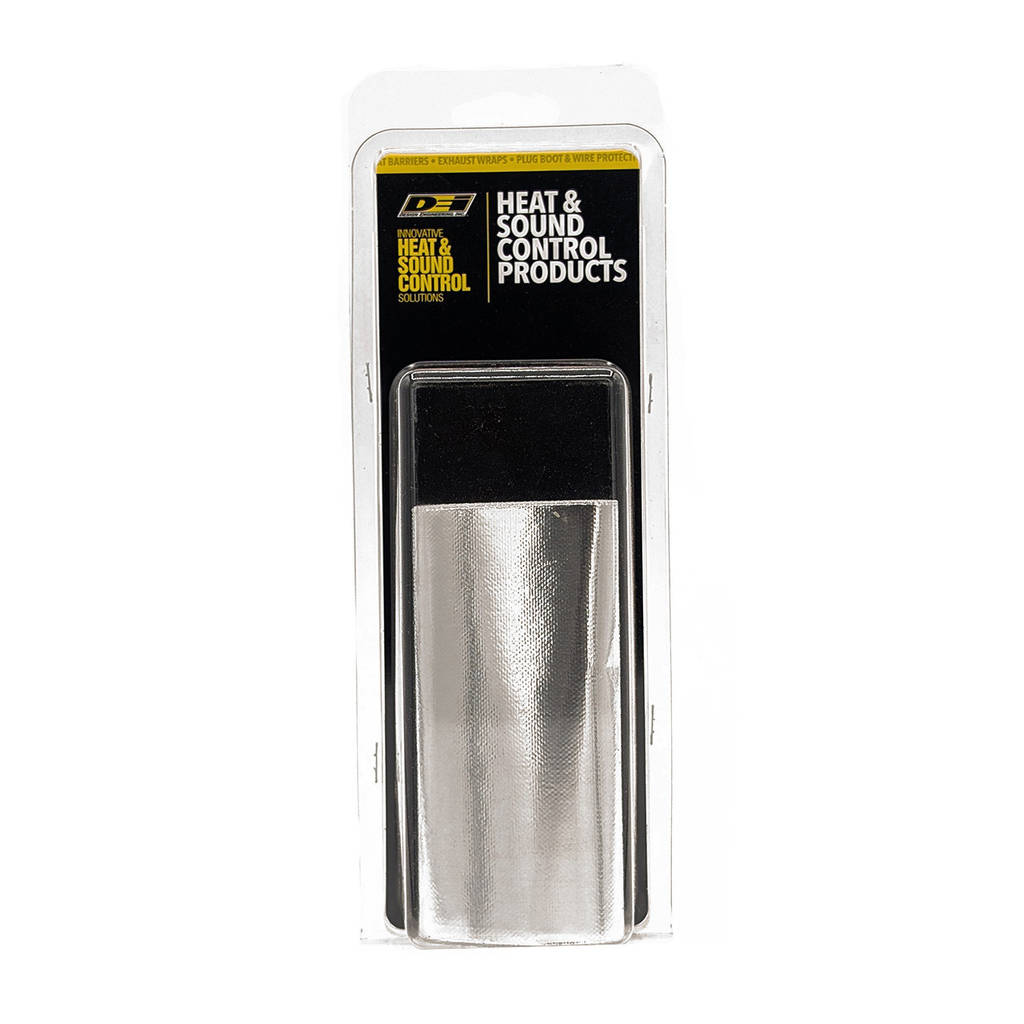
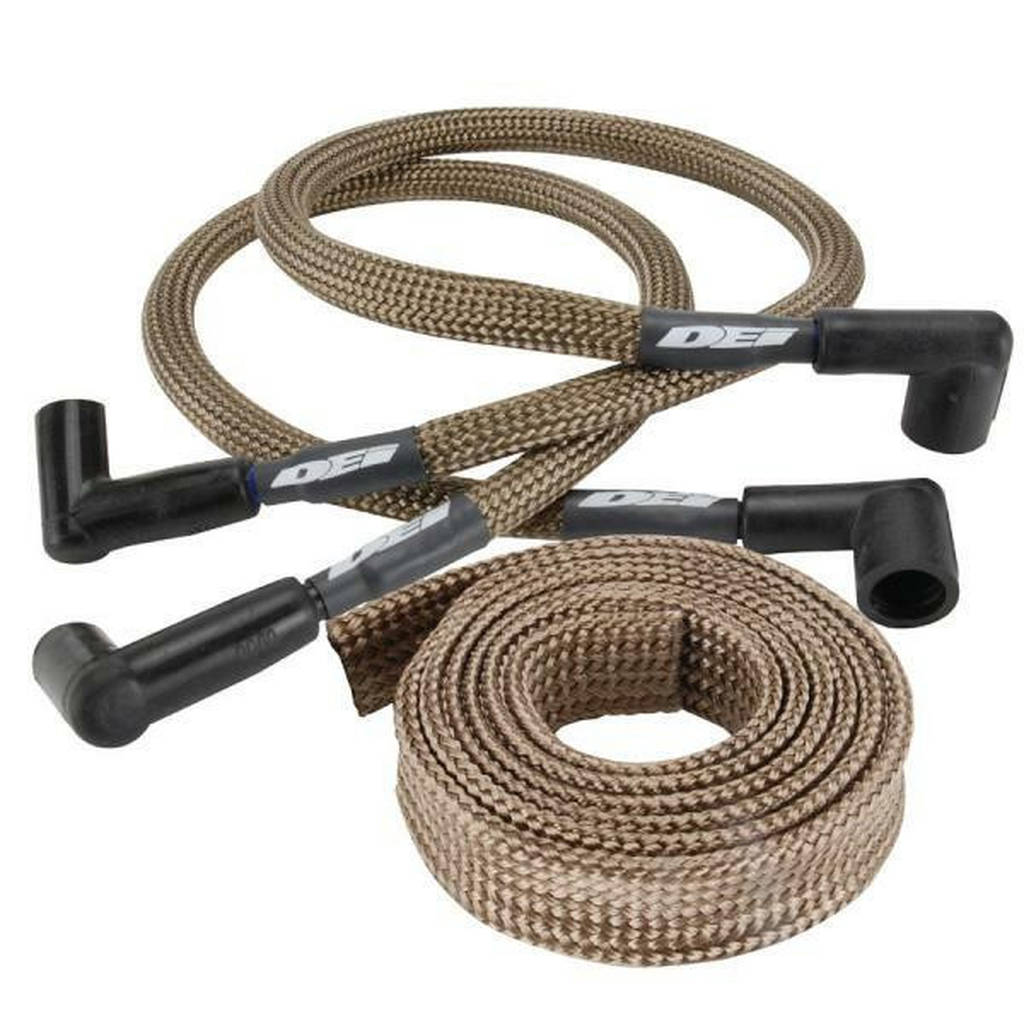
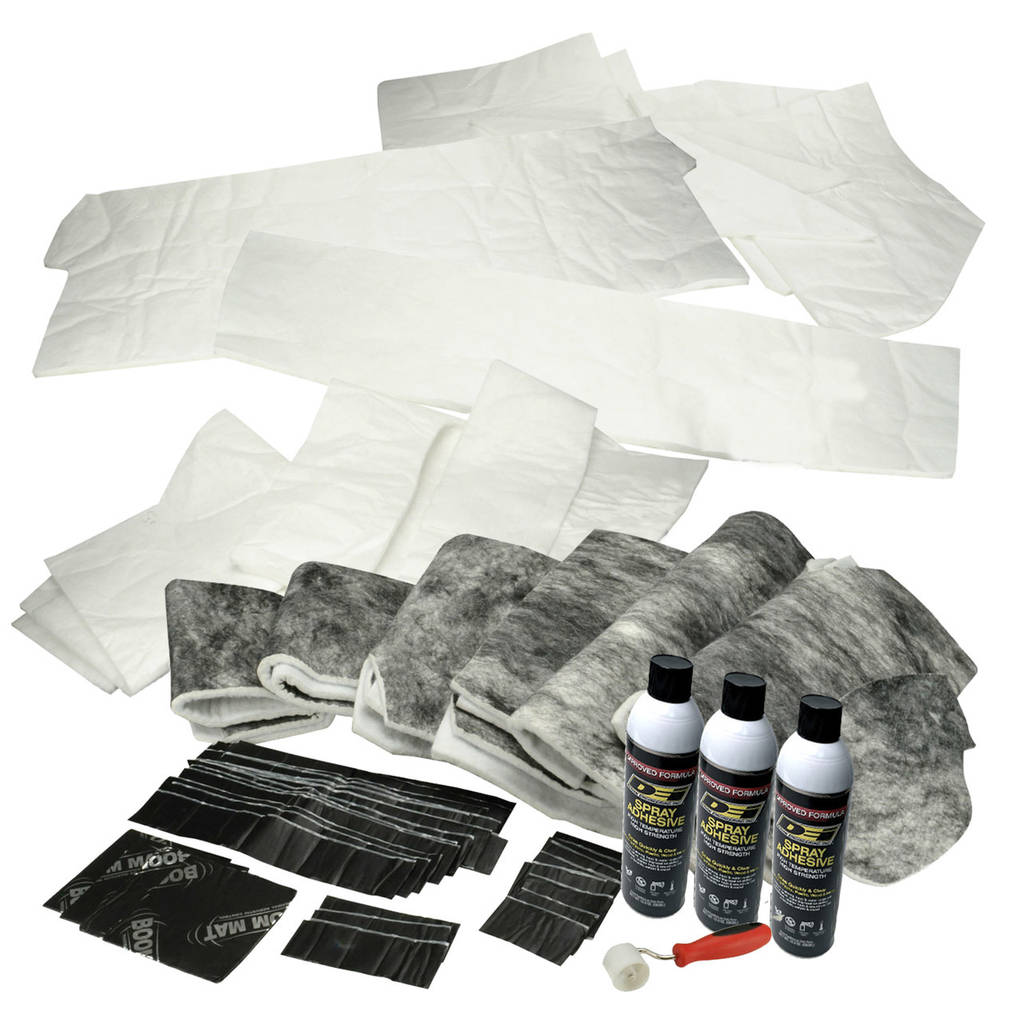
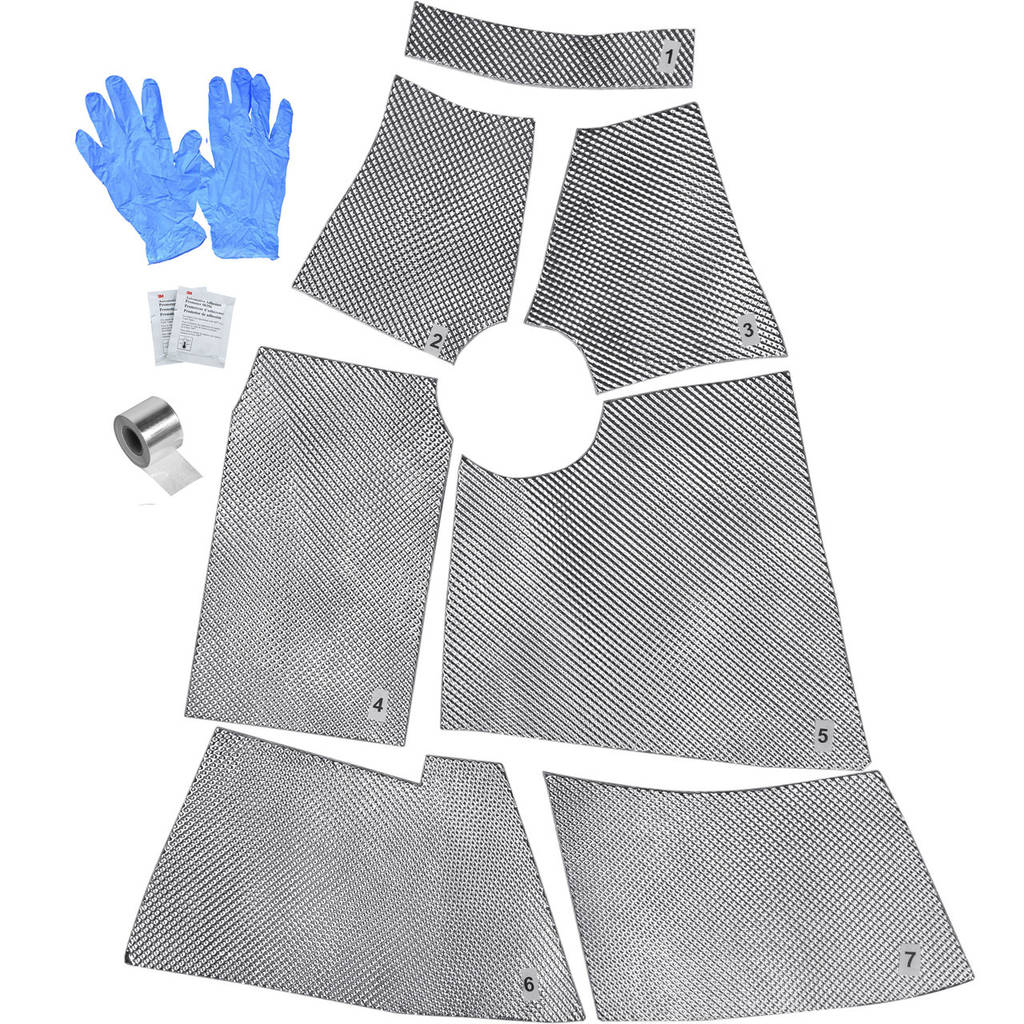
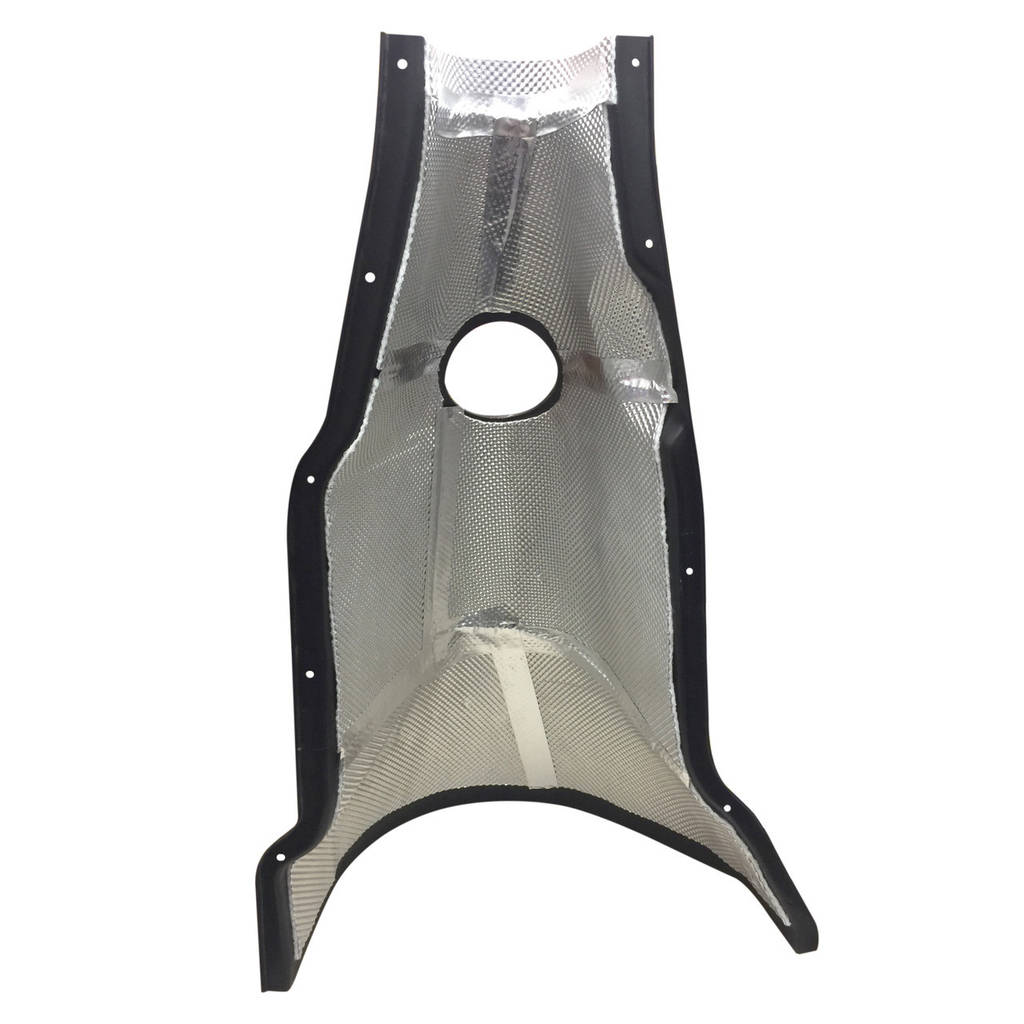
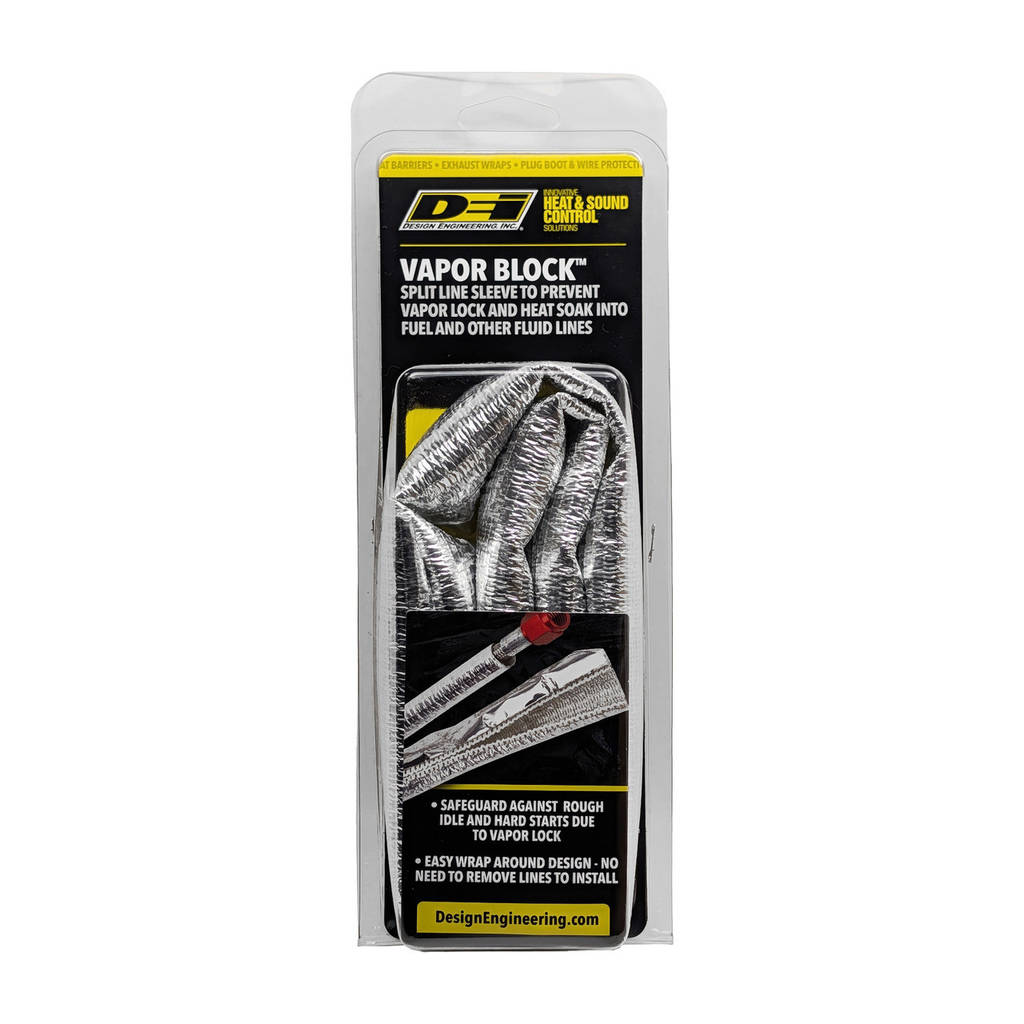
This category includes different types of thermal wrap, as well as related materials such as thermal sprays and adhesives. Products from brands such as DEI (Design Engineering Inc), Thermo-Tec, Mishimoto, CUSCO, ARD, and others are used both in street tuning and professional motorsport.
When an engine operates near its limits — Stage 2, Stage 3, and beyond — temperature in the exhaust manifold becomes a critical factor. Infrared radiation from glowing steel or cast-iron pipes freely heats everything around them. In modern compact engine bays, where the exhaust path may run only a few centimeters away from plastic intake pipes, fuel rails, the alternator, brake lines, and sensitive sensor wiring, localized overheating inevitably leads to melted components and electronic failures. High-quality thermal wrap creates a reliable barrier that keeps thermal energy concentrated directly inside the metal contour of the exhaust pipe.
How Thermal Wrap Works and Its Role in the System
Thermal wrap works on the principle of heat insulation, limiting heat transfer from hot exhaust system components to the surrounding environment. It wraps around pipes and manifolds, creating a barrier that keeps thermal energy inside the gas flow.
Keeping exhaust gases hot has a direct effect on their velocity. The hotter the gases are, the greater their volume and the faster they move through the system. This reduces backpressure and improves overall engine efficiency.
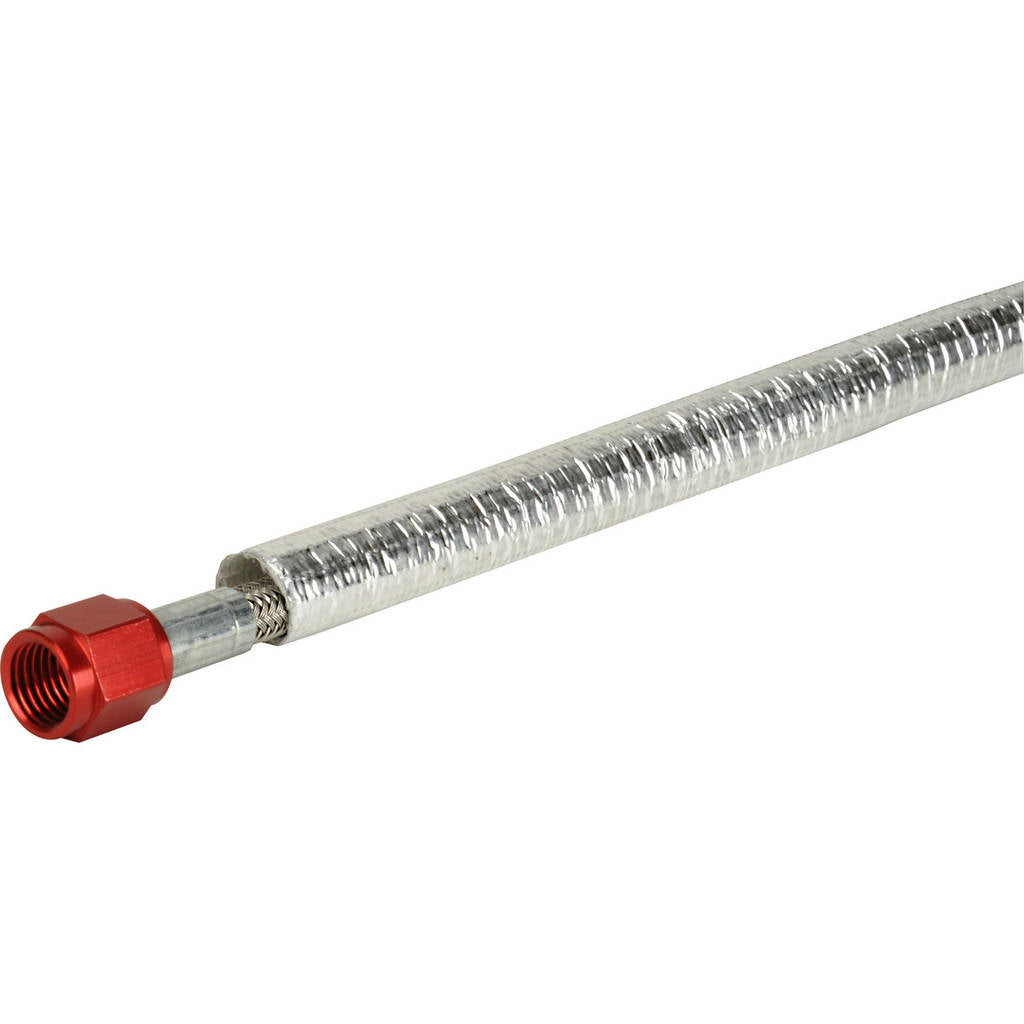
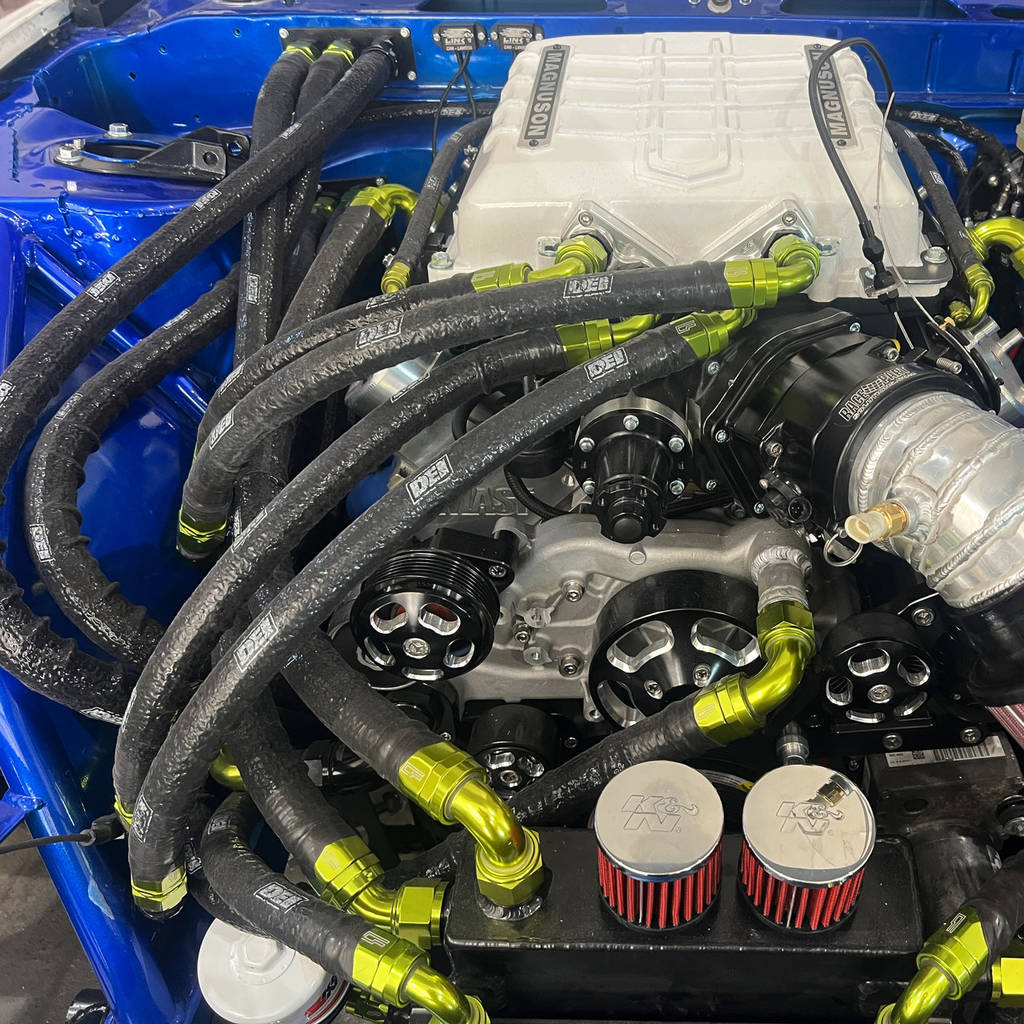
In addition, thermal wrap reduces the heat load on engine bay components, including wiring, hoses, the turbocharger, and other parts that are sensitive to overheating.
From the standpoint of basic physics and gas dynamics, hot gases have significantly lower density and much higher expansion speed and kinetic energy. When exhaust gases pass through an uninsulated manifold, they immediately transfer heat through the metal walls into the engine bay air. As they cool, the gases lose velocity and shrink in volume, creating a gas congestion effect — backpressure — for the following exhaust pulses. By using wraps from DEI or Thermo-Tec, heat is retained inside the exhaust path. This maintains consistently high exhaust gas evacuation speed, improves cylinder scavenging, and allows the turbocharger to reach operating boost pressure faster, reducing turbo lag.
Materials and Manufacturing Technologies
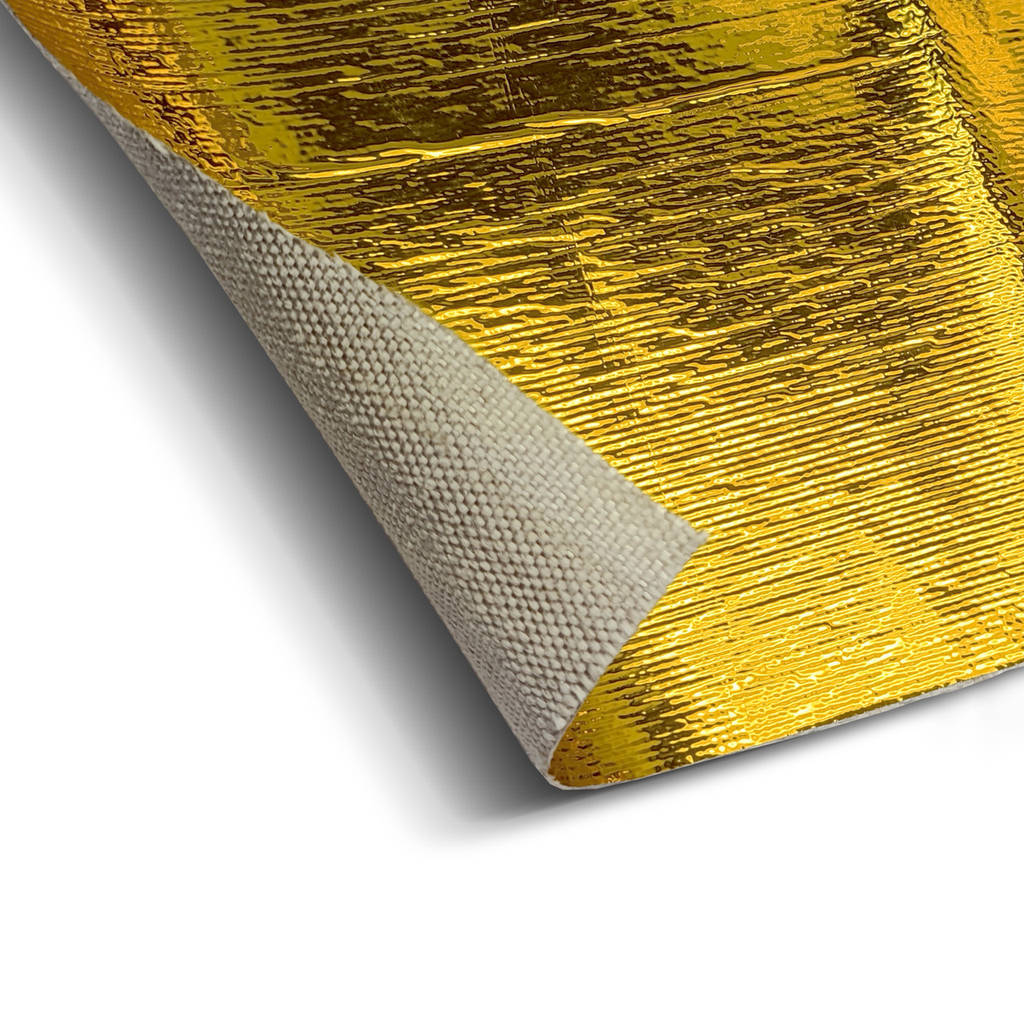
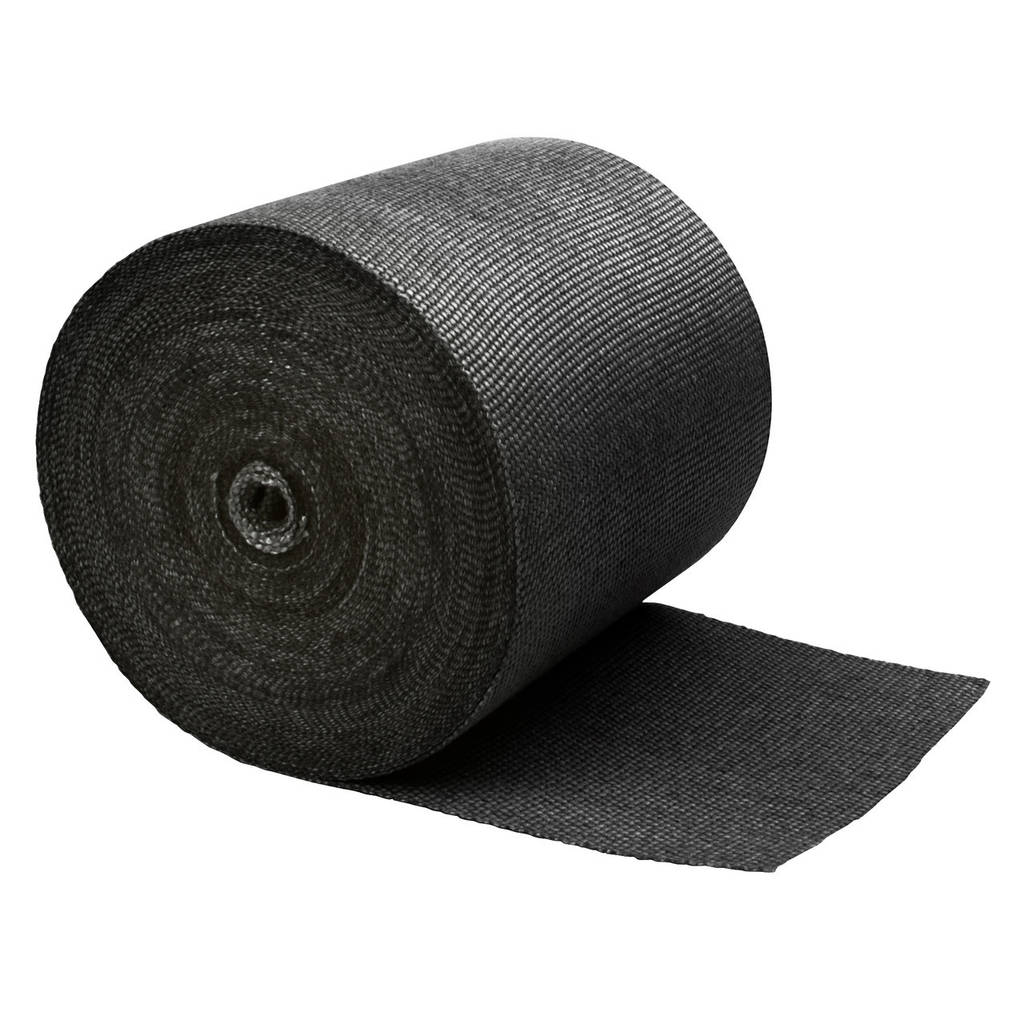
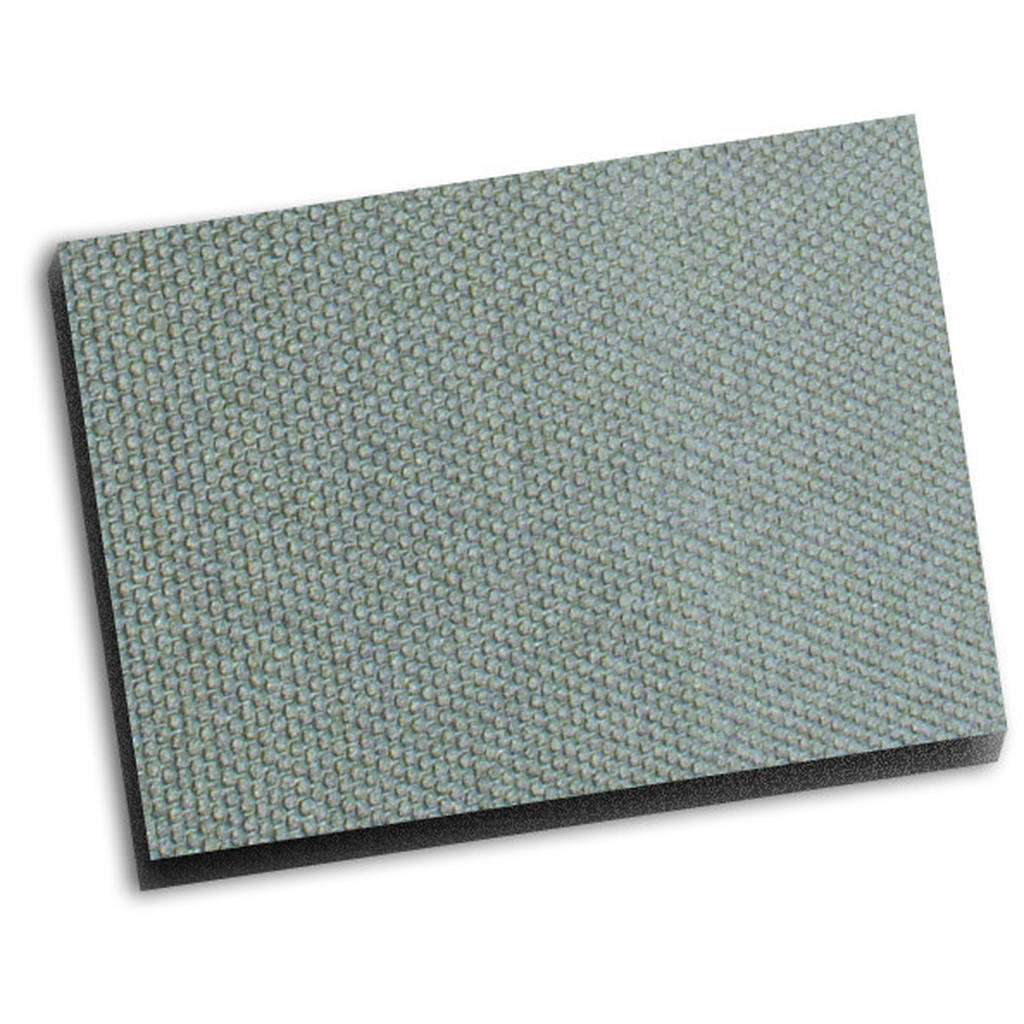
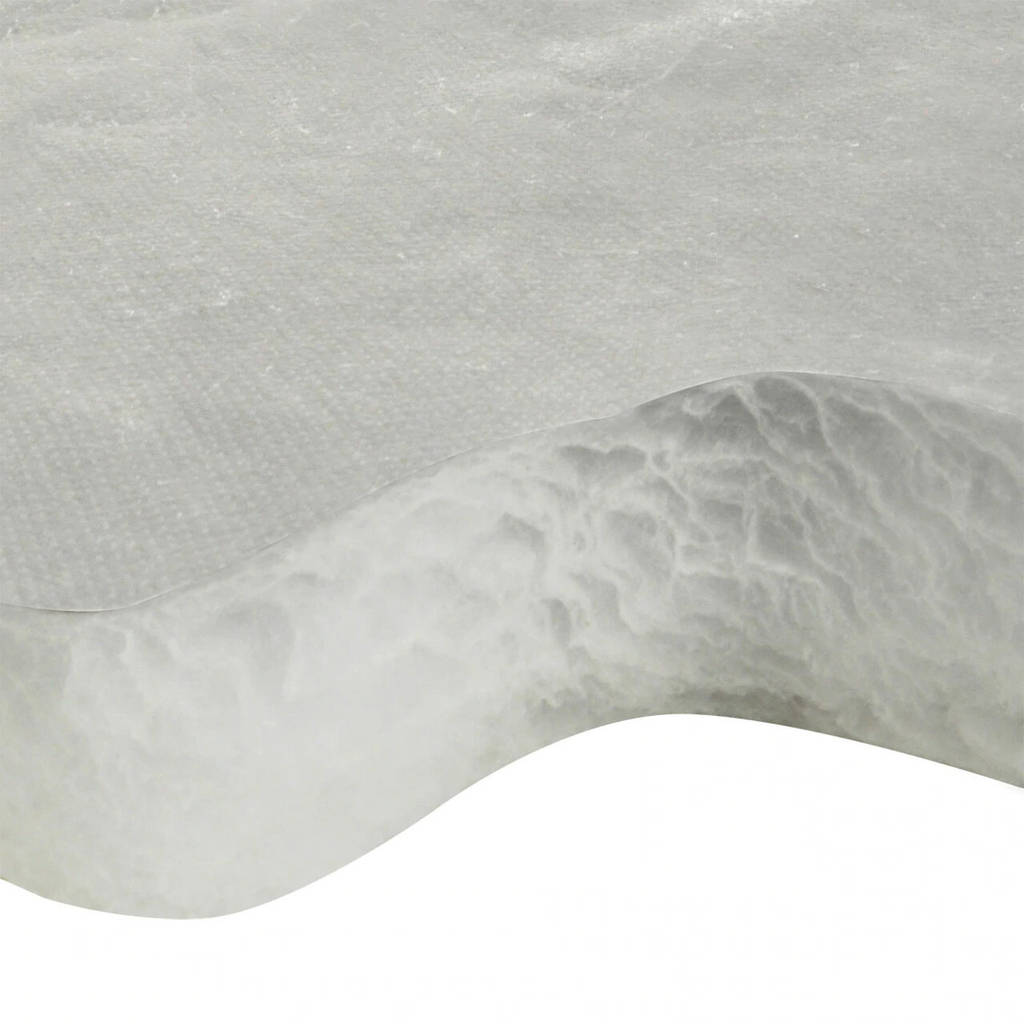
Modern thermal wrap is made from highly heat-resistant materials such as fiberglass, basalt fiber, or ceramic composites. Each of these materials has its own characteristics that define its area of application.
Fiberglass wraps provide a basic level of protection and are widely used in road cars. Basalt materials withstand higher temperatures and are used in sports configurations. Ceramic solutions provide the highest level of insulation and are used in professional motorsport.
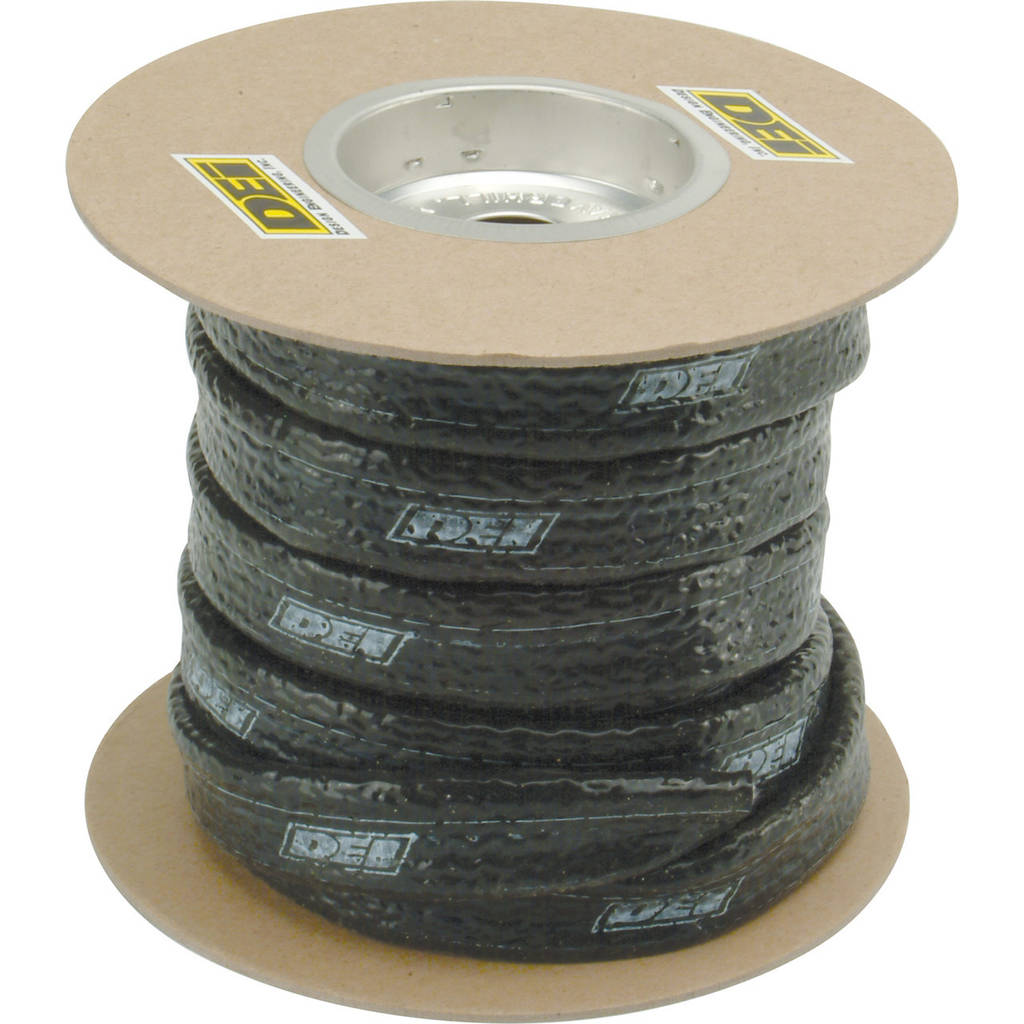
Some manufacturers, such as Design Engineering (DEI) or Thermo-Tec, use additional impregnations and coatings that improve resistance to moisture, oils, and mechanical damage, extending the service life of the material.
A classic fiberglass wrap is designed for continuous loads up to 650°C and short-term peaks up to 1000°C. Basalt solutions, such as DEI Titanium Wrap, withstand significantly higher temperatures and are better suited for turbocharged engines and track conditions.
Application in Different Operating Conditions
In road cars, thermal wrap is used to reduce engine bay temperature, which has a positive effect on intake system and electronics performance. This is especially relevant for turbocharged engines, where thermal loads are significantly higher.
In sports cars and track configurations, thermal wrap stabilizes exhaust system operation under extreme loads. Retaining exhaust gas temperature helps maintain efficient turbocharger operation and improves engine response.
In drag racing and other disciplines where engines operate at the limit, thermal wrap is used as an essential element for controlling thermal conditions and protecting components from overheating.
Under prolonged loads, heat soak occurs — the engine bay becomes saturated with heat, reducing intake efficiency and causing power loss. Thermal wrap helps reduce this effect and stabilize engine operation.
Criteria for Choosing Thermal Wrap
Choosing thermal wrap depends on thermal loads and engine type. For basic tuning, standard fiberglass solutions are sufficient, while turbocharged or sports cars are better served by basalt or ceramic materials.
Important parameters include wrap width, thickness, and maximum operating temperature. Operating conditions must also be considered, including moisture, aggressive environments, and mechanical exposure.
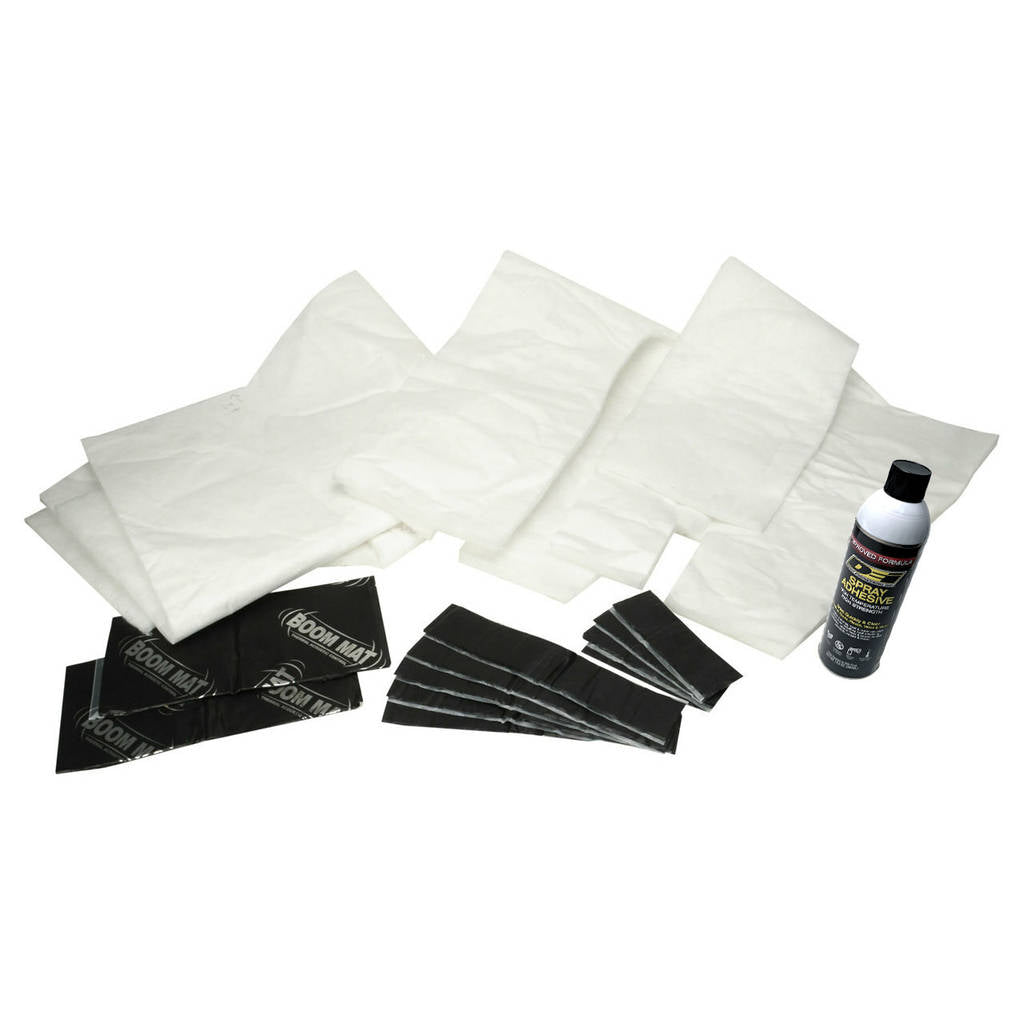
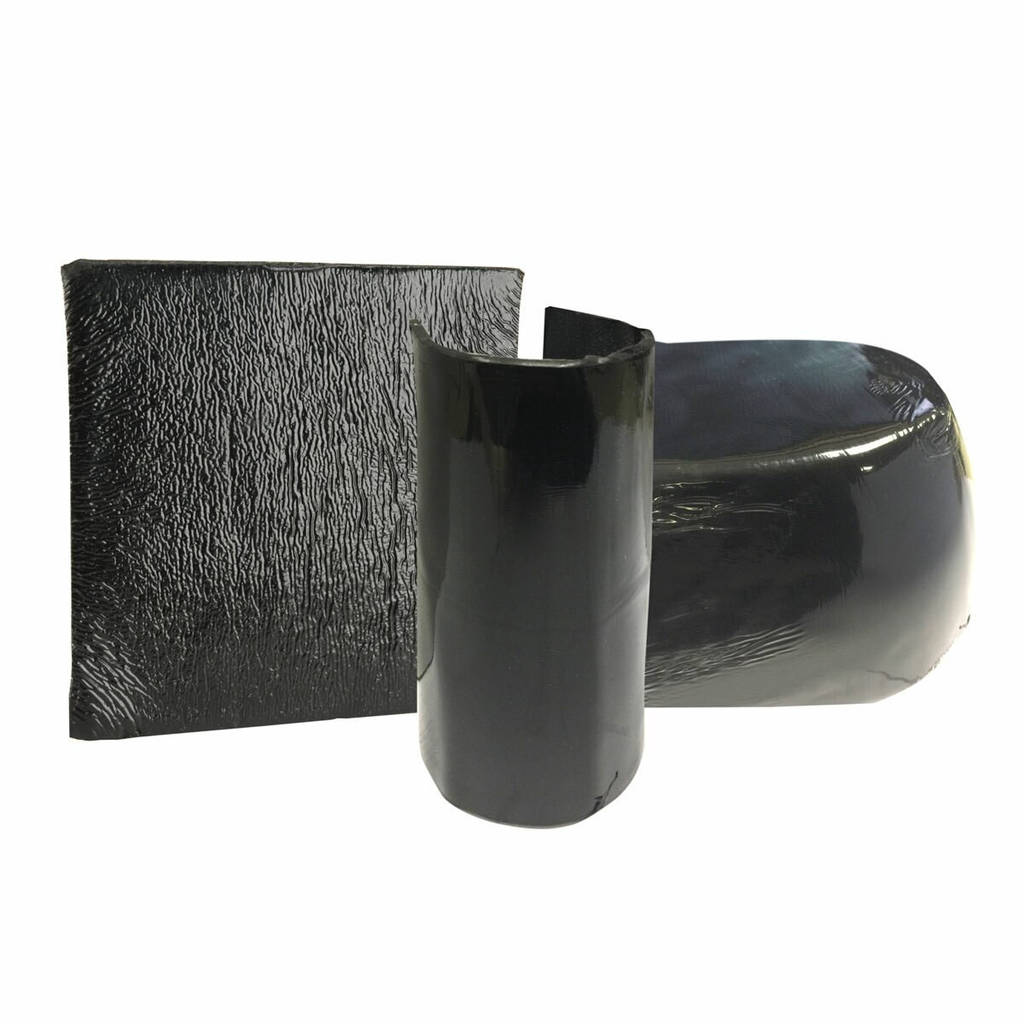
Thermal sprays and special fixatives are also used to increase insulation durability and protect it from external factors.
The Impact of Thermal Wrap on Performance and Reliability
Thermal wrap directly affects engine efficiency by optimizing thermal conditions. Retaining heat in the exhaust path increases gas flow speed and reduces backpressure.
Lower engine bay temperature has a positive effect on intake system operation by reducing air heating and increasing air density, which supports more efficient combustion.
In addition, thermal wrap protects components from overheating, reducing the risk of damage and extending system service life. This makes it an important element for stable vehicle operation under high-load conditions.