












Anti-Roll Bars in Suspension Dynamics and Vehicle Handling
Anti-roll bars are a critical component of a vehicle’s suspension system, directly influencing body behavior during cornering. As a vehicle moves, lateral forces act on the chassis, causing it to lean relative to the vertical axis. This effect, known as body roll, alters load distribution between the wheels and can significantly impact tire grip on the road surface. Anti-roll bars are specifically designed to limit these unwanted movements.
In a standard suspension setup, an anti-roll bar is a flexible metal rod that connects the left and right sides of the suspension. Its primary function is to equalize load distribution between the wheels during lateral loading. When a vehicle enters a corner, one side of the suspension compresses while the other unloads. The anti-roll bar resists this motion, reducing body roll and improving overall vehicle stability.
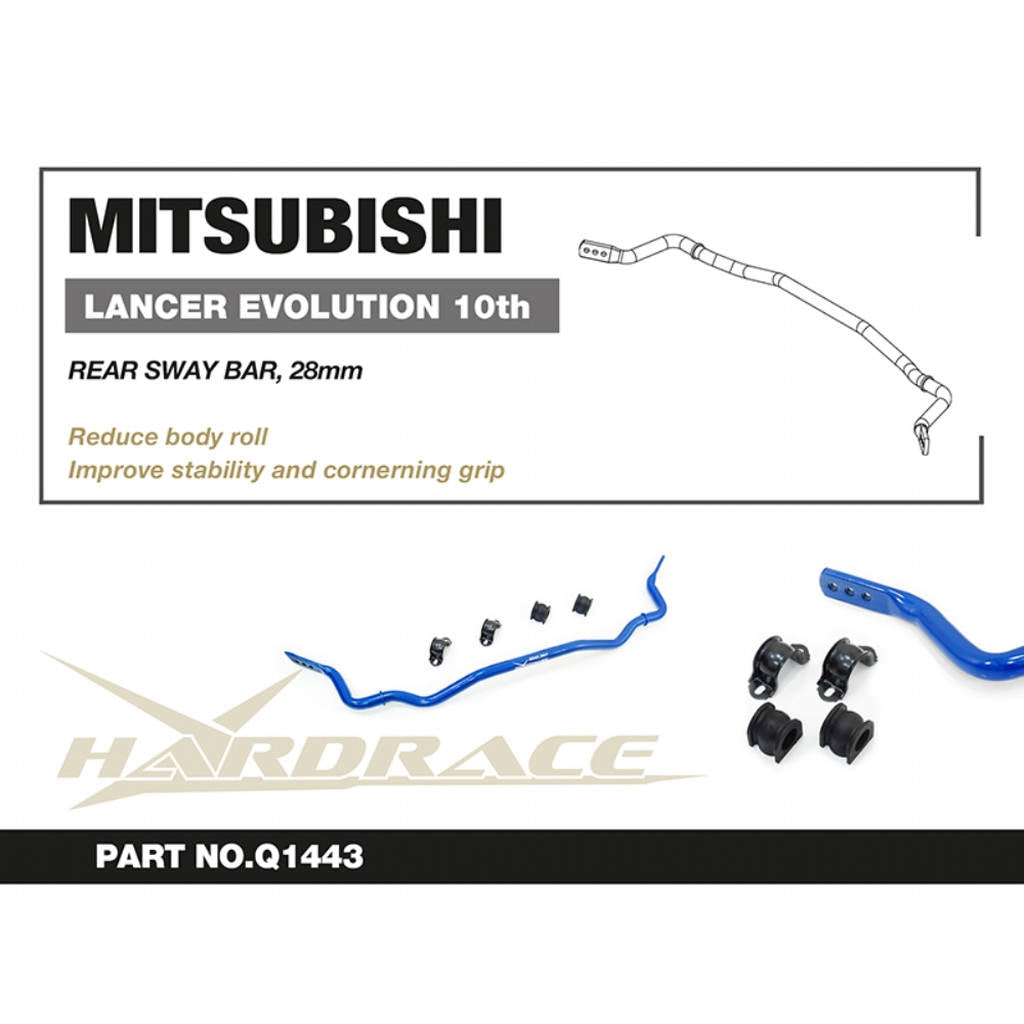
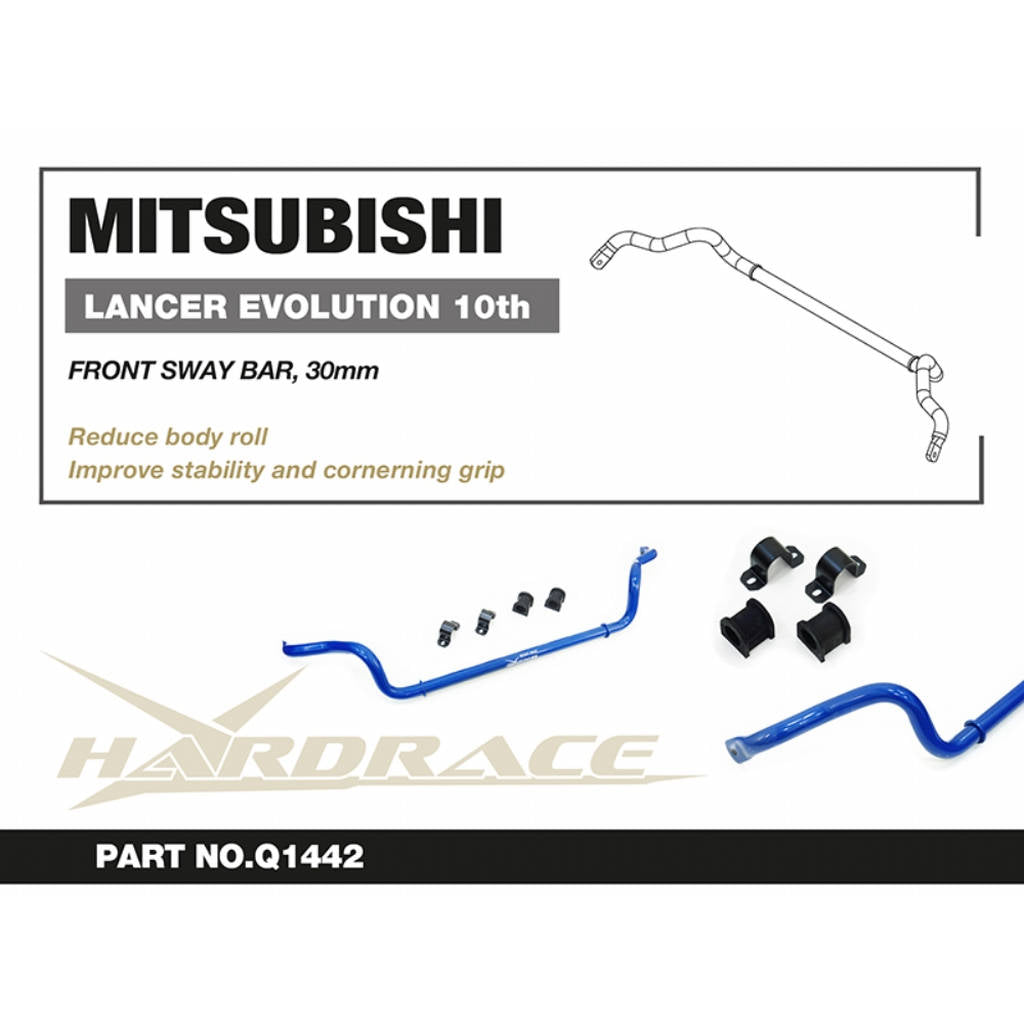
The anti-roll bar category at ATOMIC-SHOP includes solutions for a wide range of vehicles — from everyday street cars to high-performance track builds. Manufacturers such as Cusco, Eibach, Hardrace, Whiteline, KW Automotive, Powerflex, and Perrin offer products with varying stiffness characteristics, allowing precise suspension tuning for specific driving conditions.
Construction and Operating Principle of Anti-Roll Bars
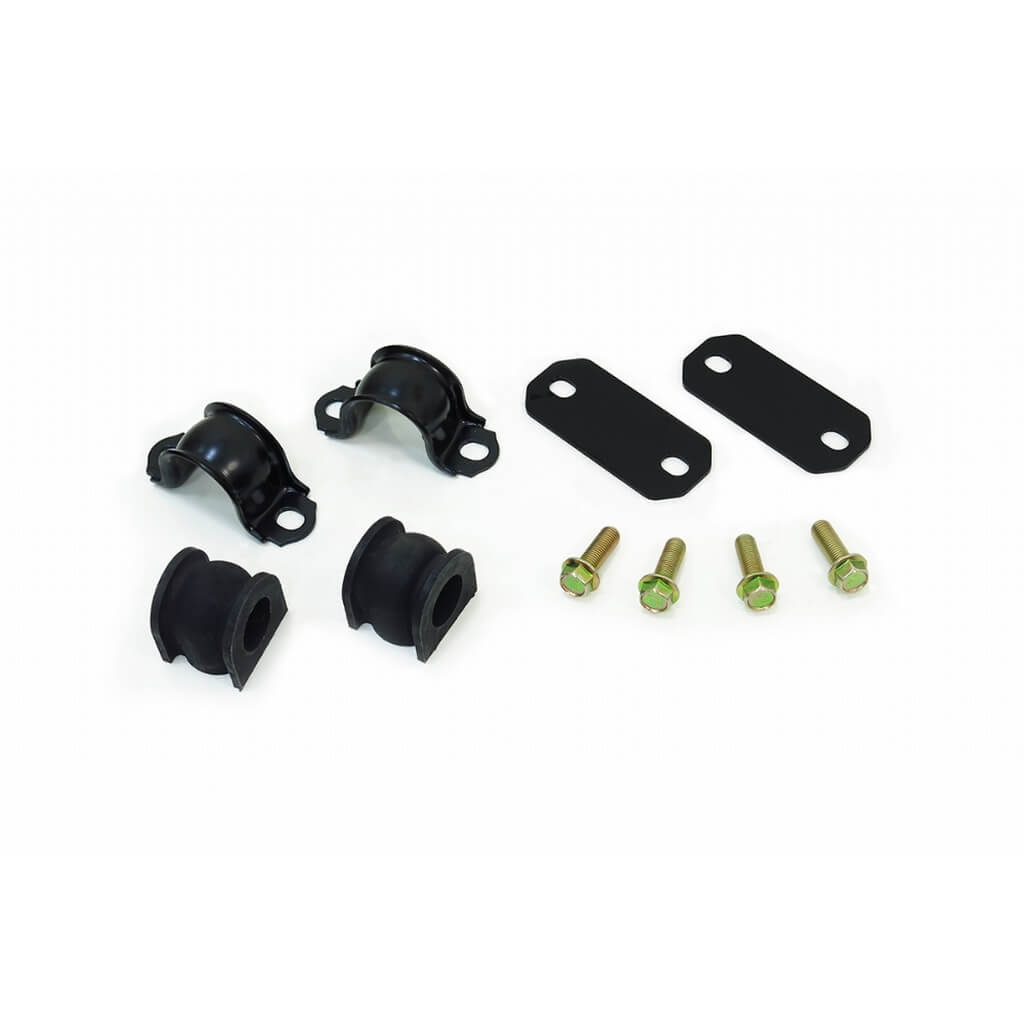
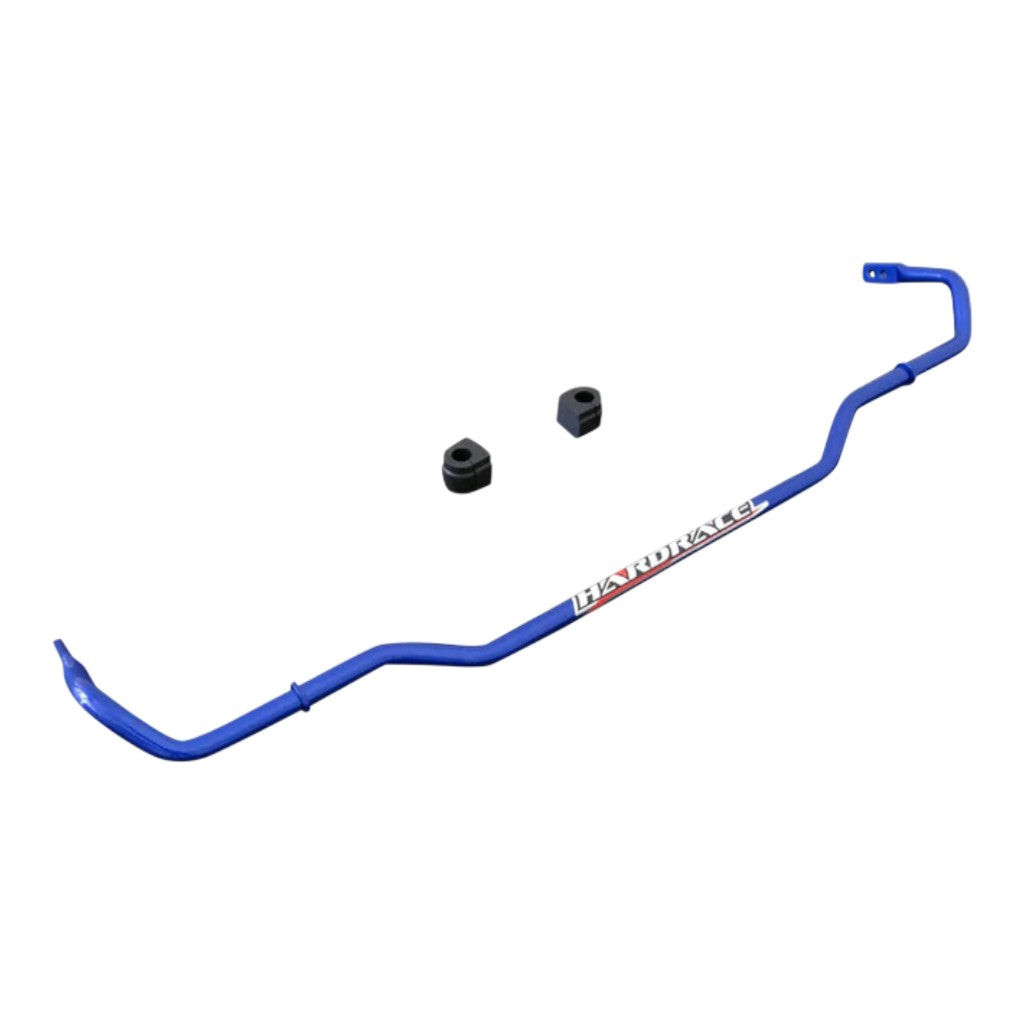
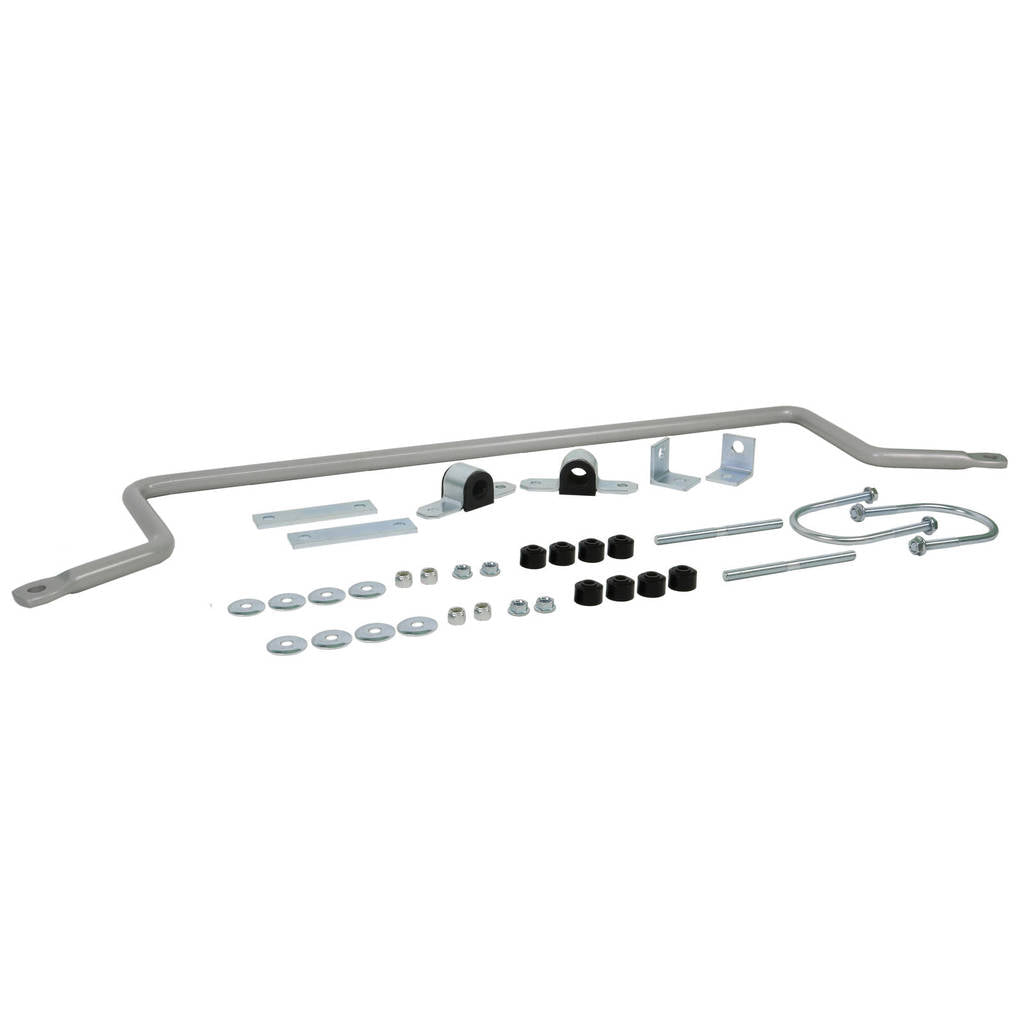
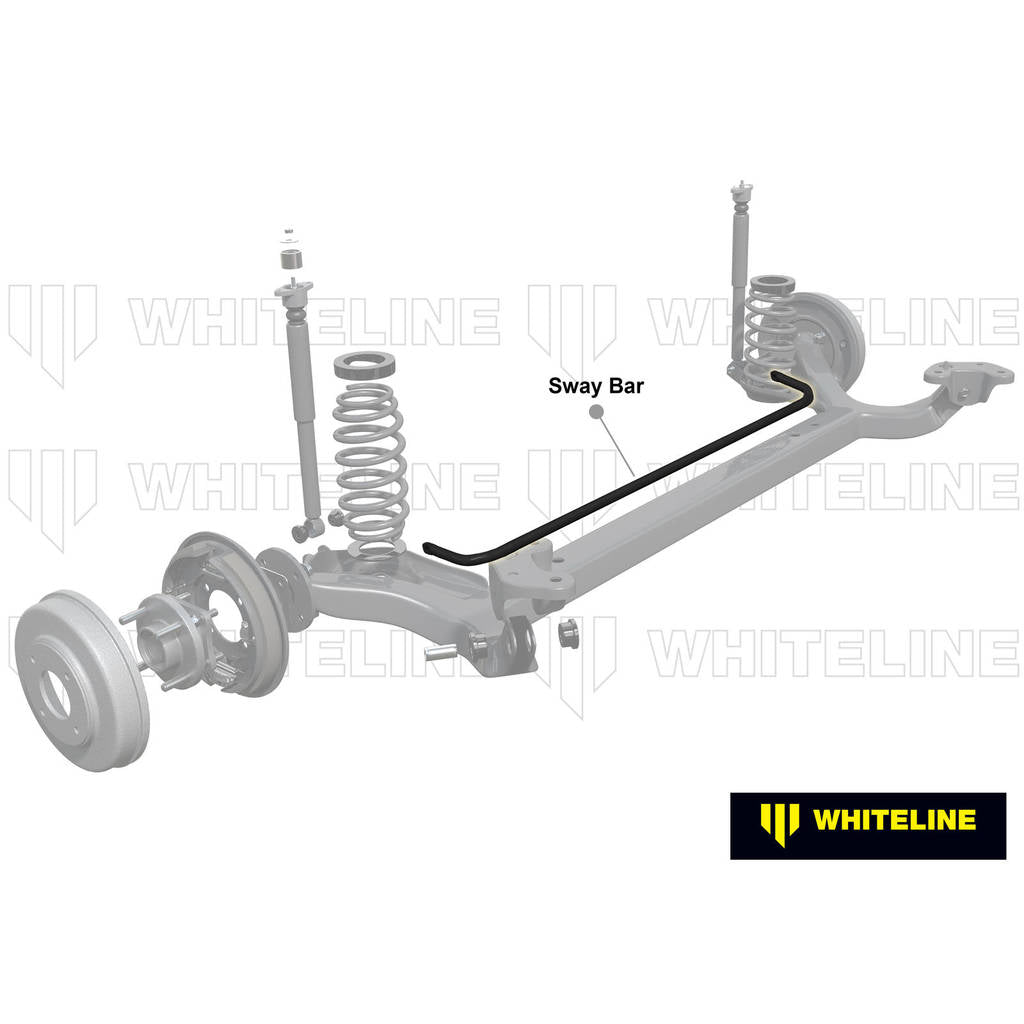
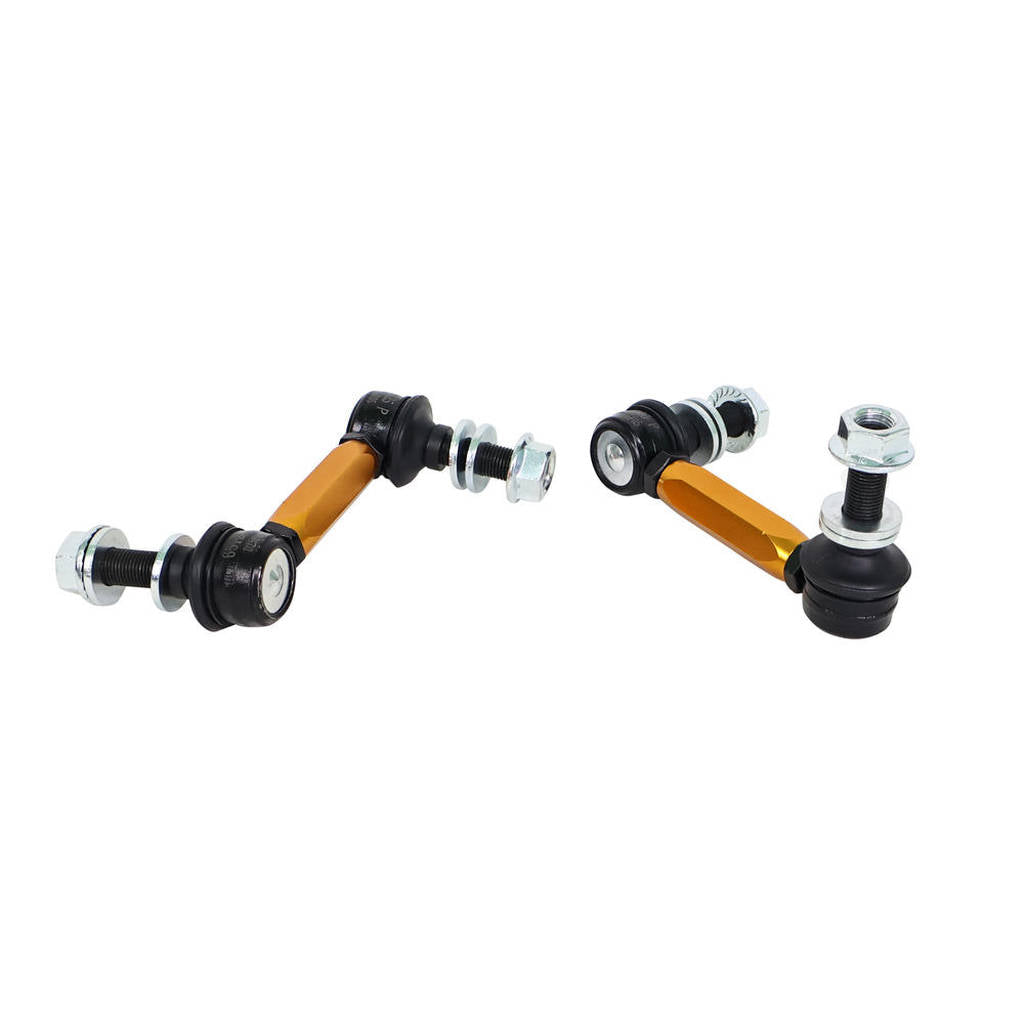
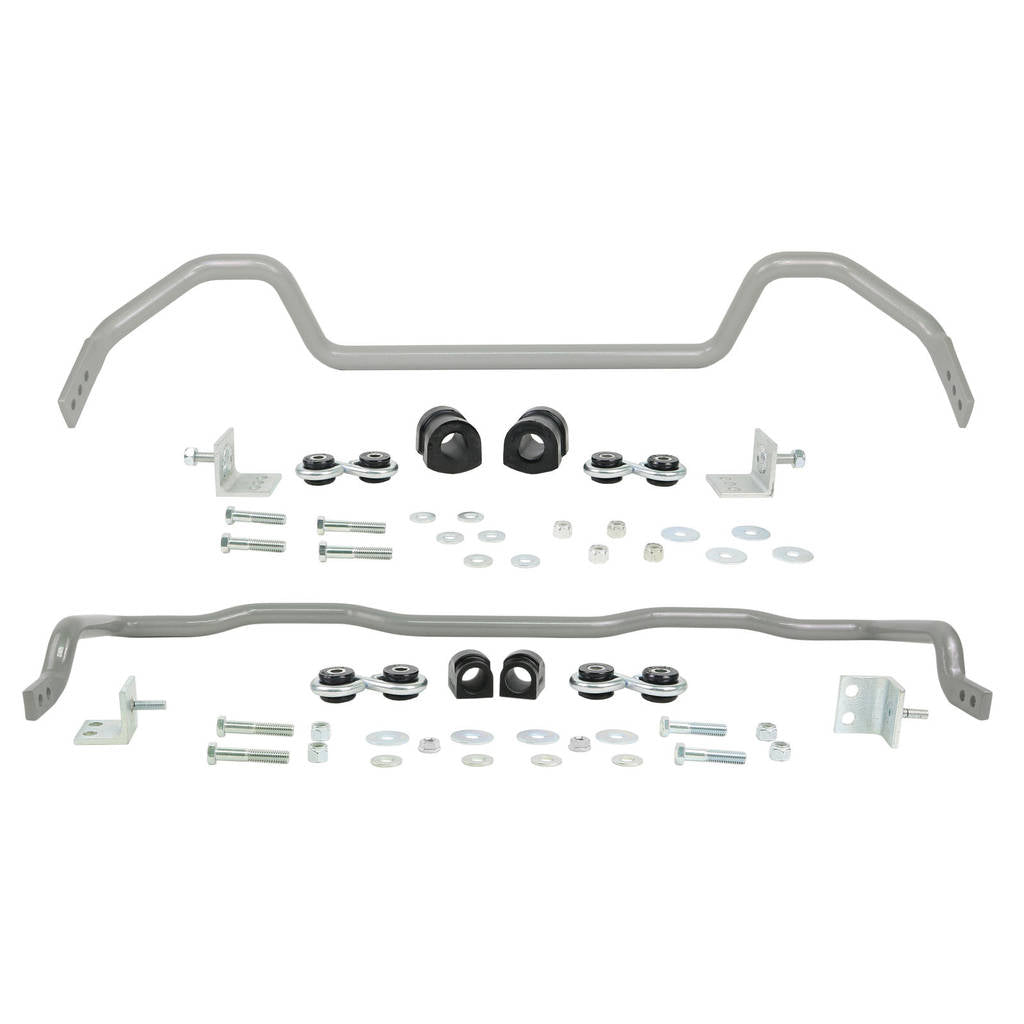
An anti-roll bar is essentially a torsional component that operates by twisting under load. Its central section is mounted to the chassis or subframe via bushings, while the ends are connected to suspension components through end links. This configuration allows load transfer between the left and right sides of the suspension.
When driving in a straight line or when both wheels encounter a bump simultaneously, the anti-roll bar generates minimal resistance. However, during cornering or asymmetric loading, it begins to twist, counteracting differences in suspension movement. As a result, body roll is reduced, and load distribution across the wheels becomes more balanced.
The stiffness of an anti-roll bar is determined by its diameter, shape, and material properties. Thicker or stiffer bars provide greater resistance to torsion, reducing body roll but potentially affecting ride comfort.
Engineering Characteristics and Materials
Anti-roll bars are typically manufactured from high-strength steel capable of withstanding significant cyclic loads. During operation, this component is continuously subjected to torsional stress, requiring materials with high fatigue resistance and stable mechanical properties.
In performance applications, anti-roll bars often feature increased diameters or specialized geometries to achieve the desired stiffness. Some models include adjustable mounting points, allowing fine-tuning of effective stiffness by changing the leverage ratio of the end links.
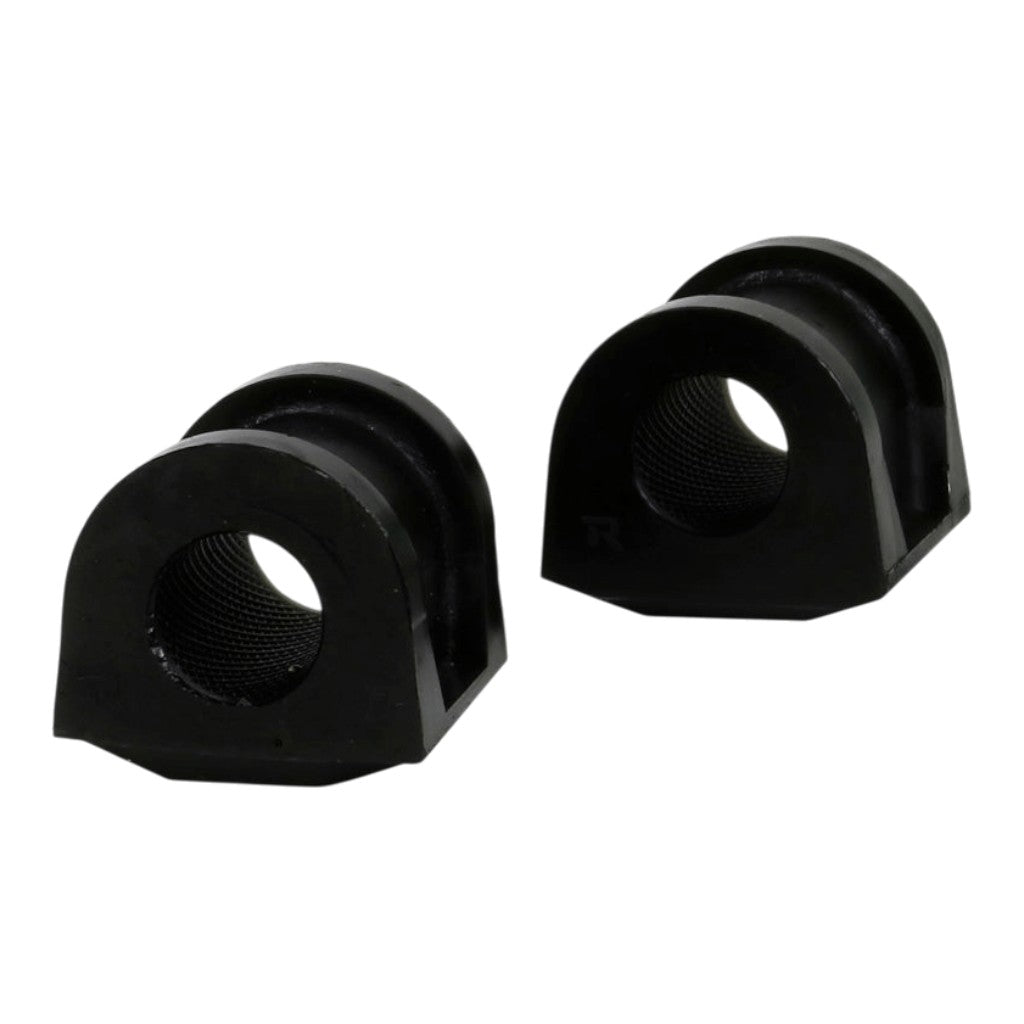
Bushings are also a critical part of the system. They can be made from rubber or polyurethane. Polyurethane bushings, used by brands such as Powerflex and Whiteline, offer greater stiffness and durability, enabling more precise load transfer and reduced system compliance.
Role of Anti-Roll Bars in Different Driving Conditions
In everyday driving, anti-roll bars provide a balance between comfort and stability. They reduce body roll in corners without making the suspension excessively stiff, preserving ride quality.
In performance driving and motorsport applications, anti-roll bars play a significantly more critical role. During high-speed cornering, proper load distribution between the wheels determines the level of tire grip. Stiffer anti-roll bars reduce body roll and improve steering response and chassis precision.
In track-focused setups, anti-roll bars are often used in combination with other suspension components such as coilovers and adjustable control arms. This creates a comprehensive system that maximizes vehicle control and responsiveness on track.
Advantages of Upgraded Anti-Roll Bars
Replacing factory components with performance anti-roll bars is one of the most effective ways to improve vehicle handling without major modifications to the chassis. Key benefits include:
- Reduction of understeer and oversteer: Adjusting front or rear bar stiffness allows fine-tuning of vehicle balance at the apex.
- Improved steering response: Faster reaction to driver inputs due to reduced unwanted body movement.
- Preservation of suspension travel: Unlike overly stiff springs, anti-roll bars only engage during body roll, maintaining ride compliance on straight sections.
Adjustable Anti-Roll Bars for Precision Tuning
For professional motorsport and track-day use, adjustable anti-roll bars are the optimal solution. Systems such as Eibach Anti-Roll-Kit or products from Cusco feature multiple mounting holes on the bar arms. By relocating the end links closer to or further from the pivot point, the effective lever ratio changes, making the bar stiffer or softer.
This enables precise setup adjustments for different tracks, weather conditions, or tire compounds. For example, in wet conditions, a softer setup improves traction, while on dry asphalt, maximum stiffness enhances responsiveness and cornering precision.
Maintenance and Supporting Components
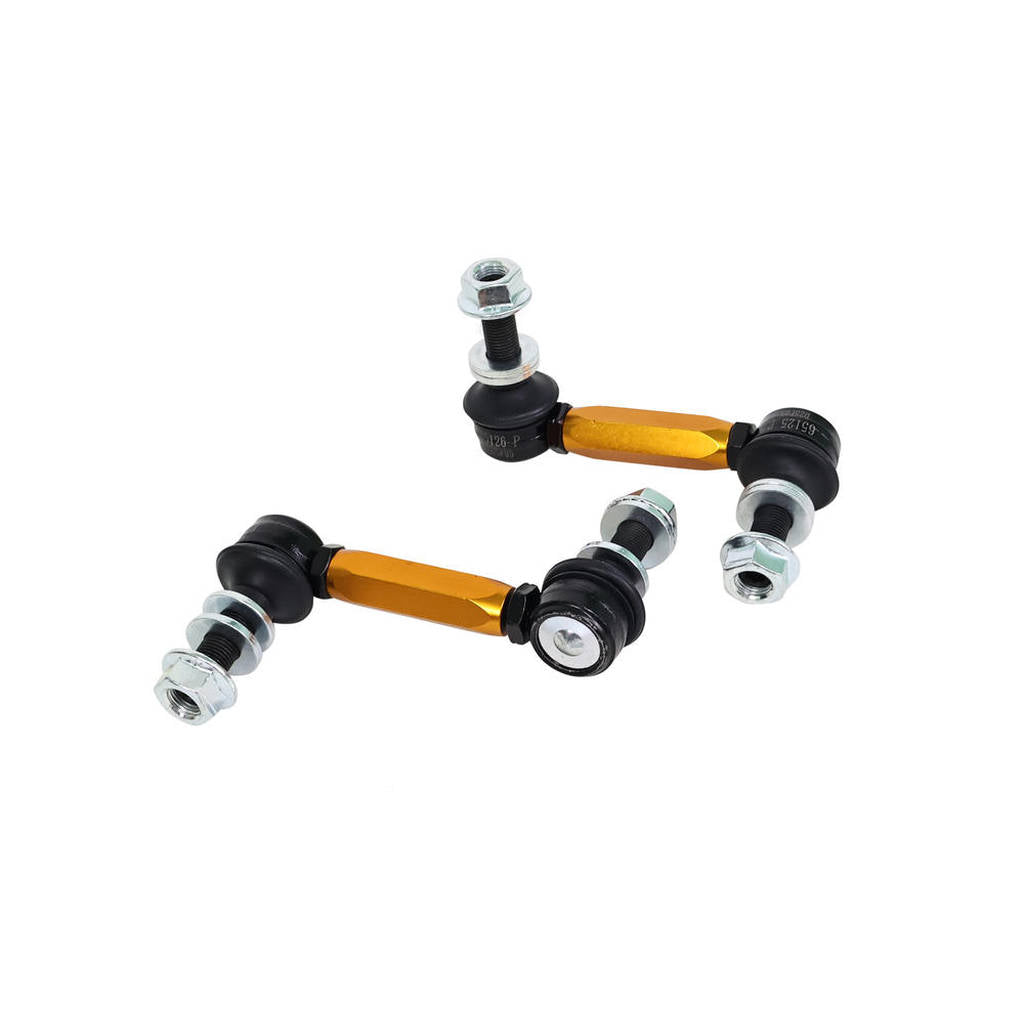
System performance depends not only on the bar itself but also on the condition of related components. End links are often a weak point, especially when upgrading to stiffer bars. Adjustable end links are recommended to eliminate preload after lowering the vehicle with coilovers.
Regular lubrication of bushings is essential. Brands like Whiteline supply specialized grease to prevent squeaking and premature wear of polyurethane components. Proper installation with correct torque specifications ensures long-term reliability and consistent suspension performance.
Selecting Anti-Roll Bars for Suspension Setup
When choosing anti-roll bars, it is important to consider suspension design and vehicle characteristics. The balance between front and rear stiffness is a critical factor, as it directly affects cornering behavior. Incorrect selection can lead to unpredictable chassis dynamics, making it essential to rely on proven brands.
For daily driving, moderately stiff bars are typically preferred, improving handling without compromising comfort. For performance builds, stiffer options are used to minimize body roll and maximize responsiveness.
At ATOMIC-SHOP, you will find a wide selection of components from industry leaders such as Cusco, Eibach, Hardrace, and KW Automotive, allowing you to choose the optimal solution based on driving style and conditions — from daily commuting to professional drift or circuit racing.
Impact on Chassis Balance and Handling
Anti-roll bars directly influence vehicle balance in corners. They determine how load is distributed between the wheels and how quickly the chassis responds to directional changes. High-quality components significantly expand the handling limits of your vehicle.
A properly selected anti-roll bar reduces body roll, improves tire grip, and makes vehicle behavior more predictable. As a result, the driver gains better control, especially in challenging road conditions or during aggressive driving.
In chassis tuning projects, anti-roll bars are a key tool for fine-tuning vehicle dynamics. They allow the suspension to be adapted to various driving scenarios, ensuring stable performance across a wide range of loads and making every drive safer and more engaging.