














Strut Braces and Their Effect on Vehicle Structural Rigidity
Strut braces are structural components installed between key mounting points of the body or suspension to increase overall rigidity. Often considered part of broader chassis reinforcement solutions, they connect critical areas of the vehicle structure to reduce flex under load. In modern vehicles, the body acts as a load-bearing structure that absorbs significant forces during operation. Under acceleration, braking, or cornering, the chassis is subjected to torsional deformation, which can affect suspension accuracy. Strut braces are used to reduce these effects by stabilizing the relative position of suspension mounting points.
In standard road vehicles, body rigidity is engineered as a balance between comfort, cost, and production efficiency. In performance vehicles and tuning projects, increasing chassis stiffness improves steering precision and stability under load. Strut braces reduce unwanted flex during dynamic driving, allowing the suspension to operate in a more controlled and predictable manner.
When the chassis maintains sufficient rigidity, suspension geometry remains consistent even under high loads. Dampers, springs, and control arms operate within their intended parameters, resulting in more accurate steering response and improved stability during high-speed cornering.
ATOMIC-SHOP offers strut braces and related chassis reinforcement components for a wide range of vehicles and suspension configurations. Manufacturers such as Cusco, Hardrace, OMP, Whiteline, Novitec, and Perrin develop solutions used in both performance road cars and motorsport applications.
Design and Placement of Strut Braces in the Chassis
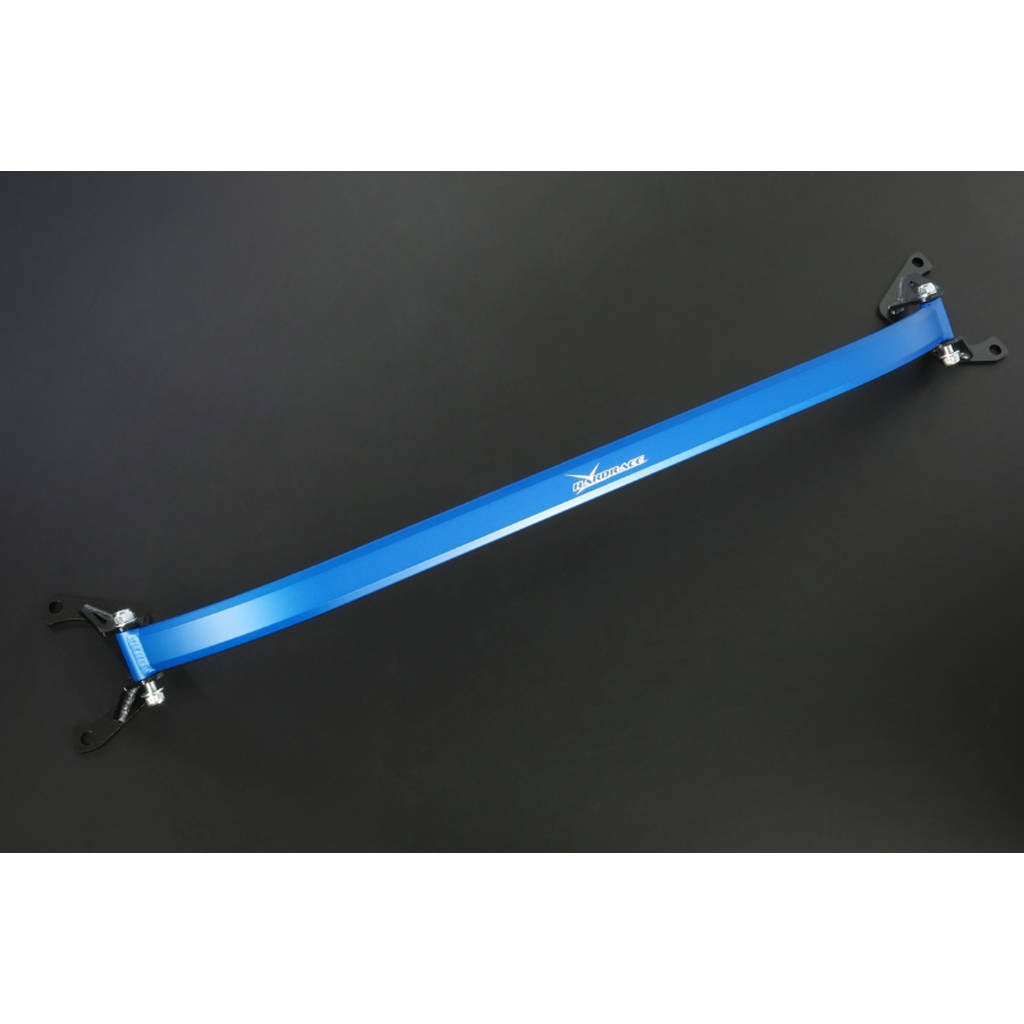
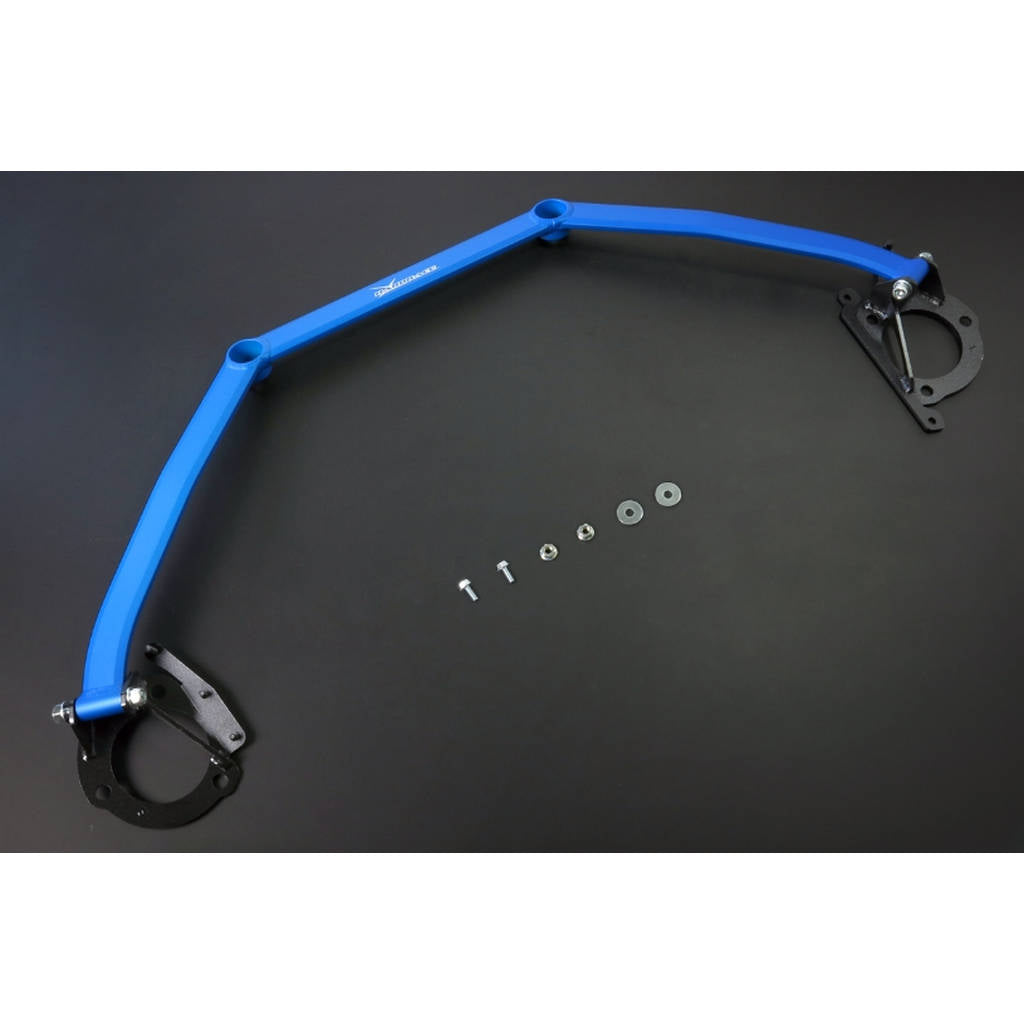
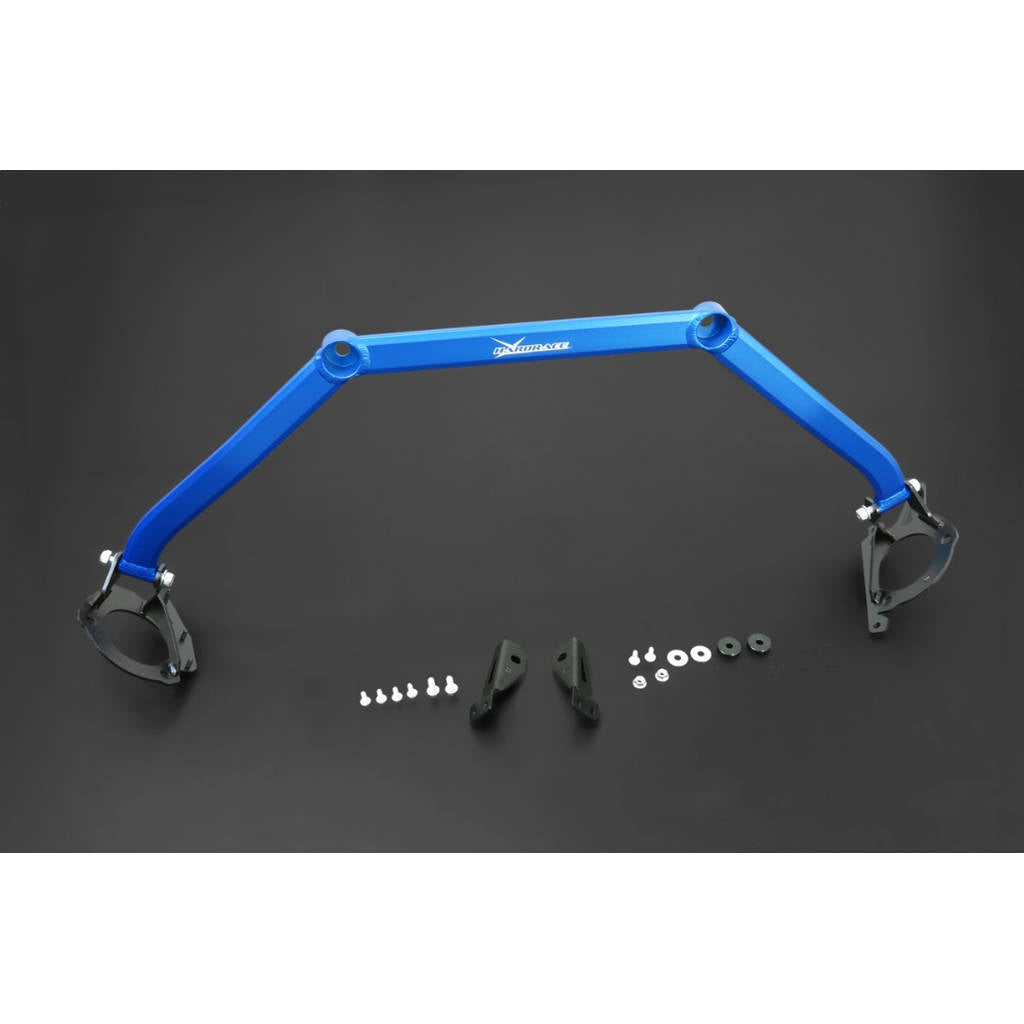
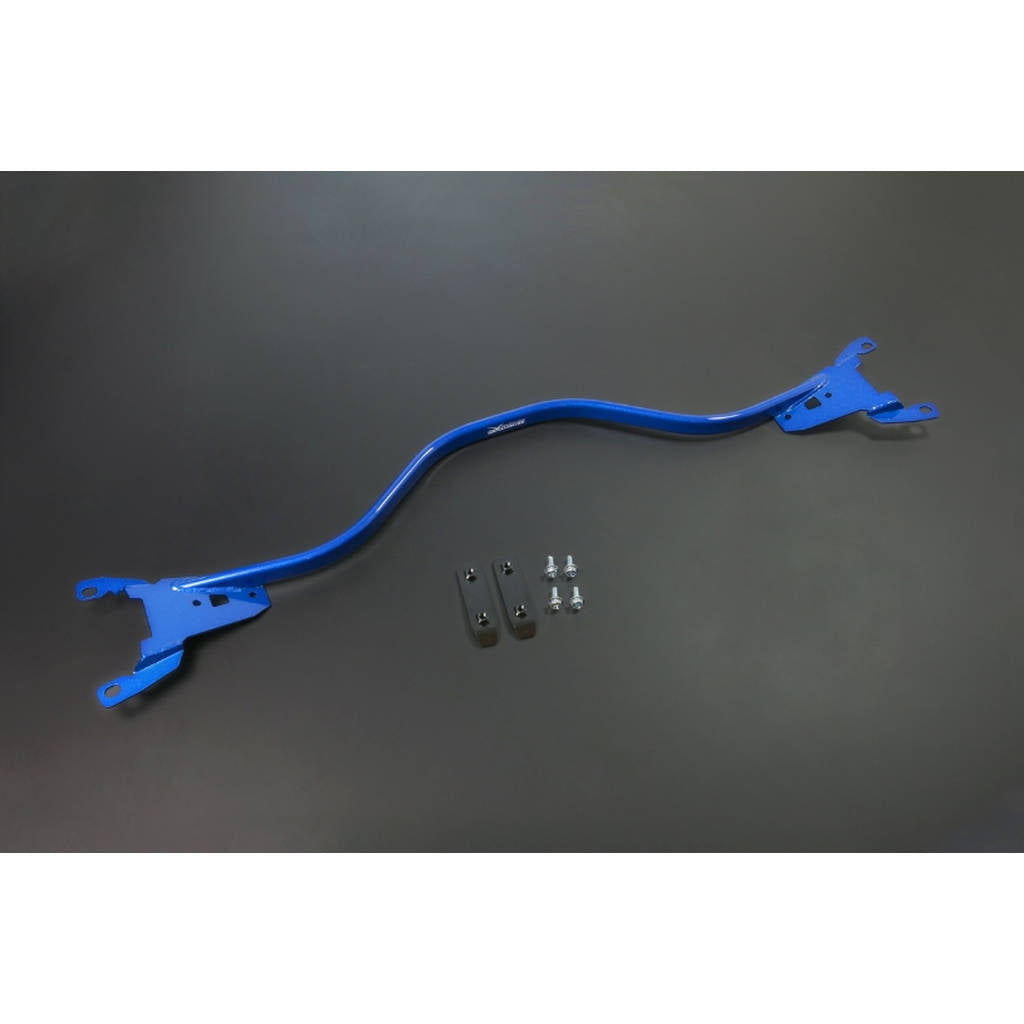
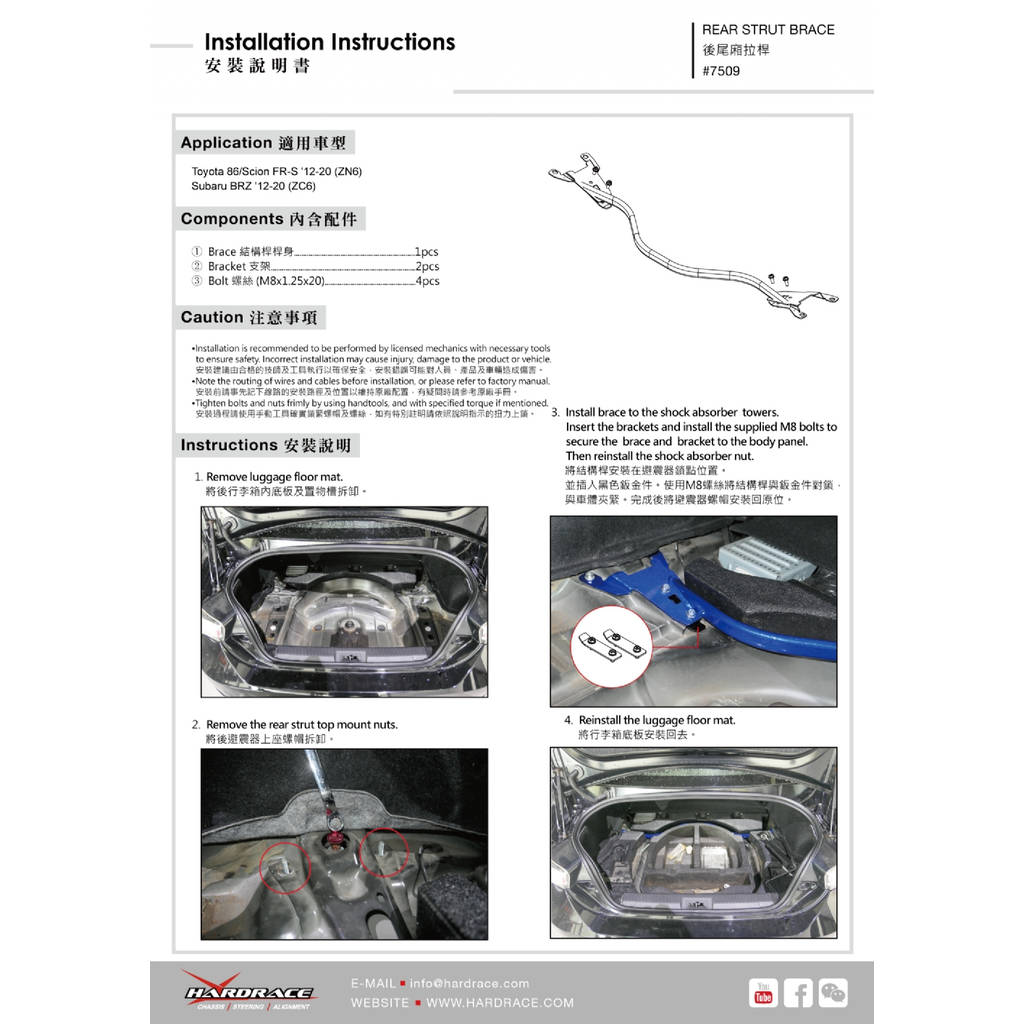
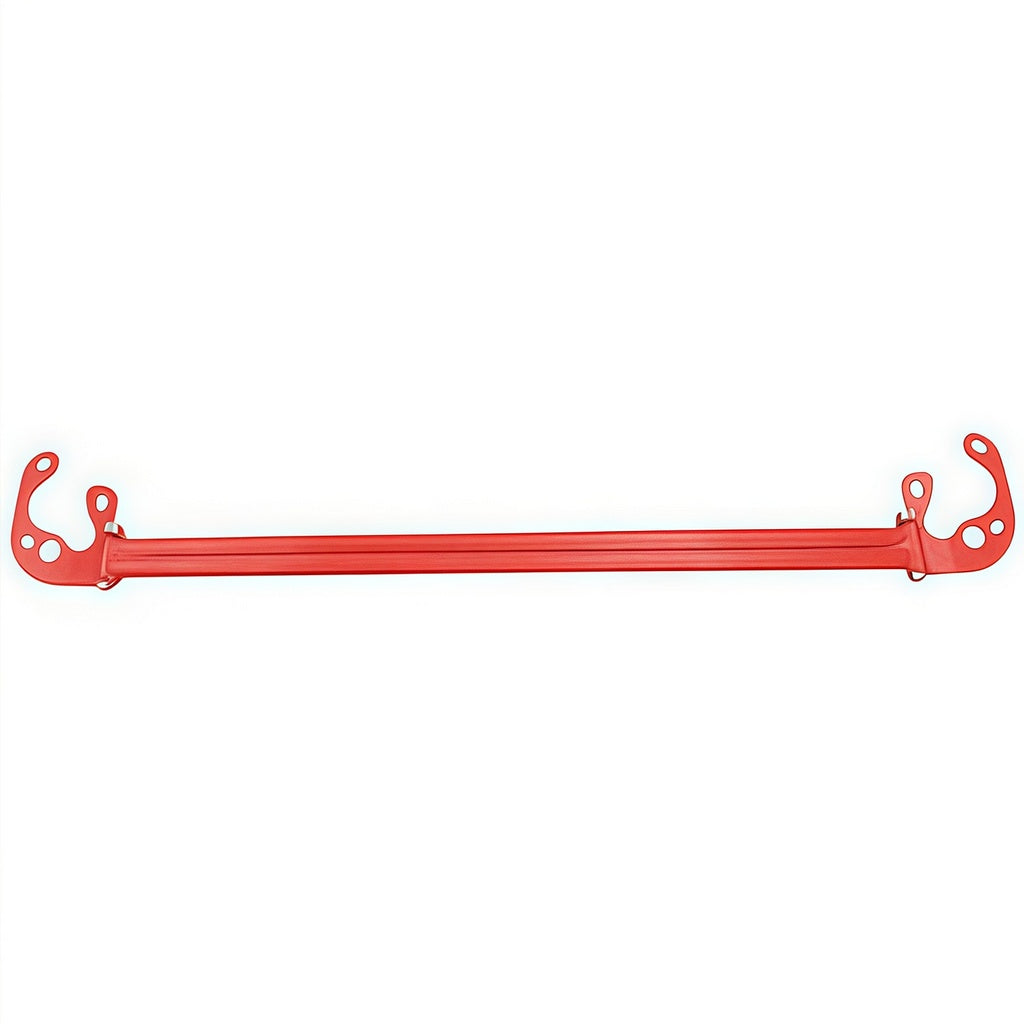
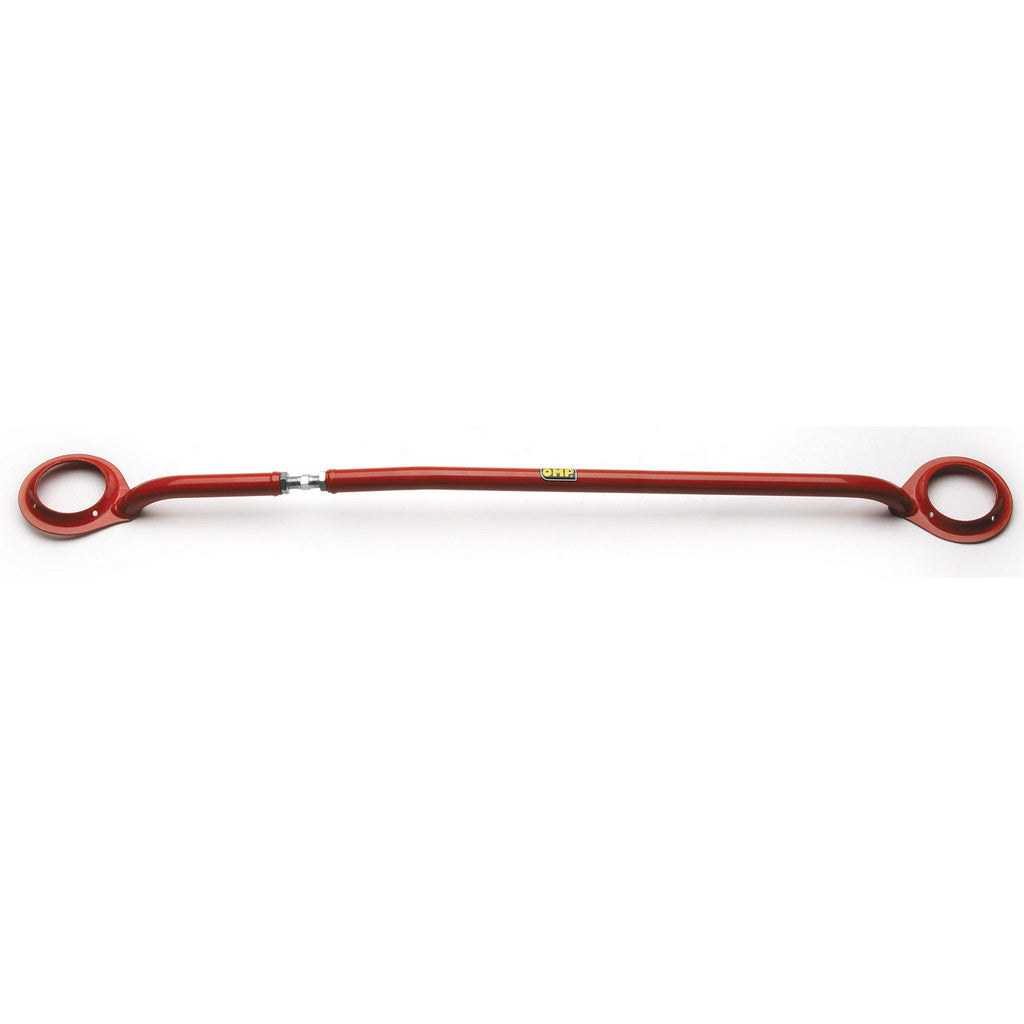
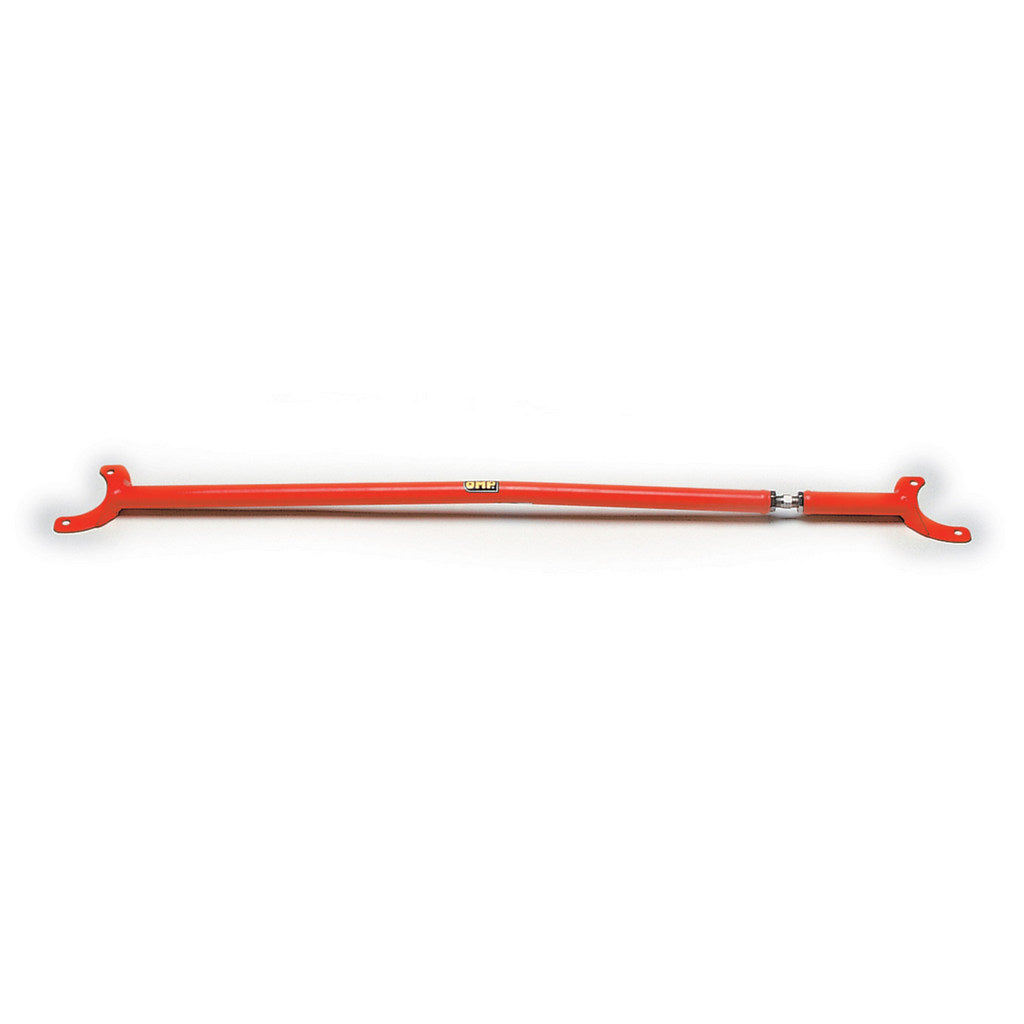
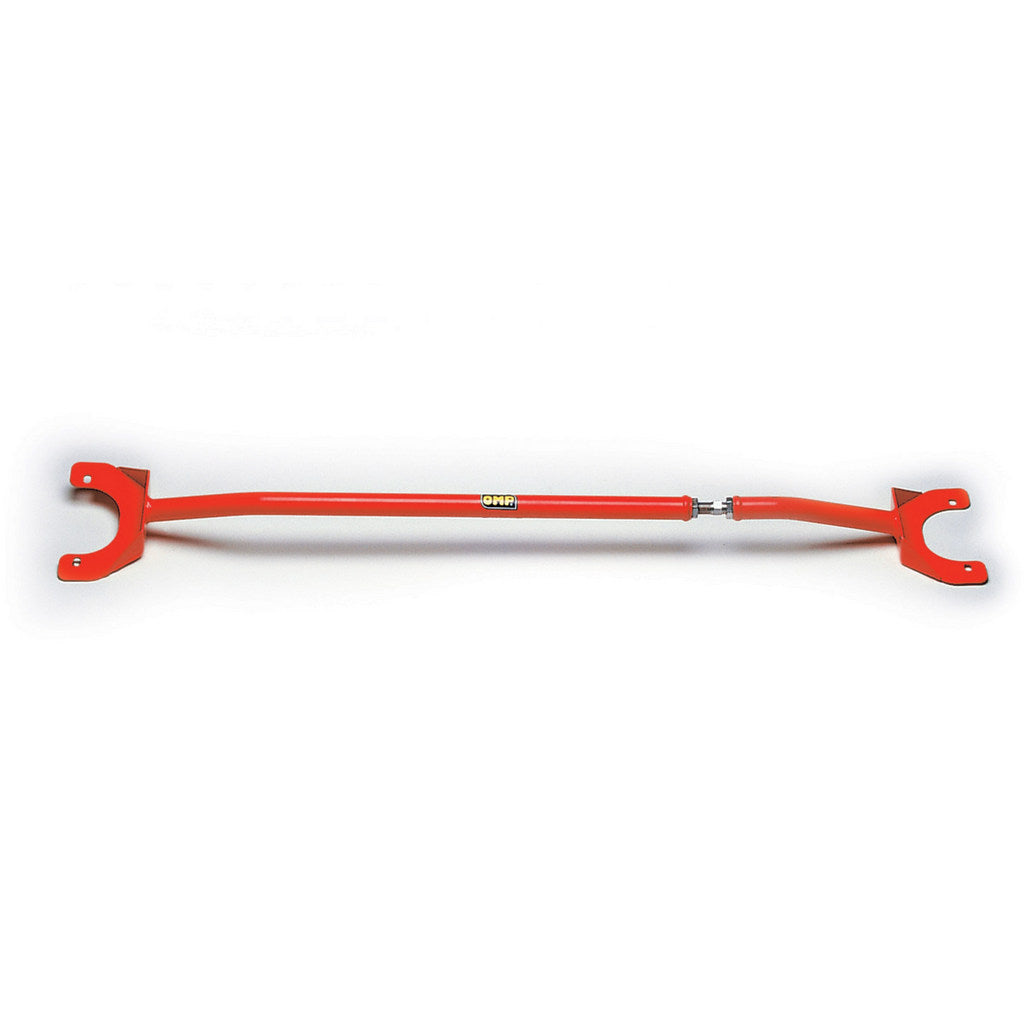
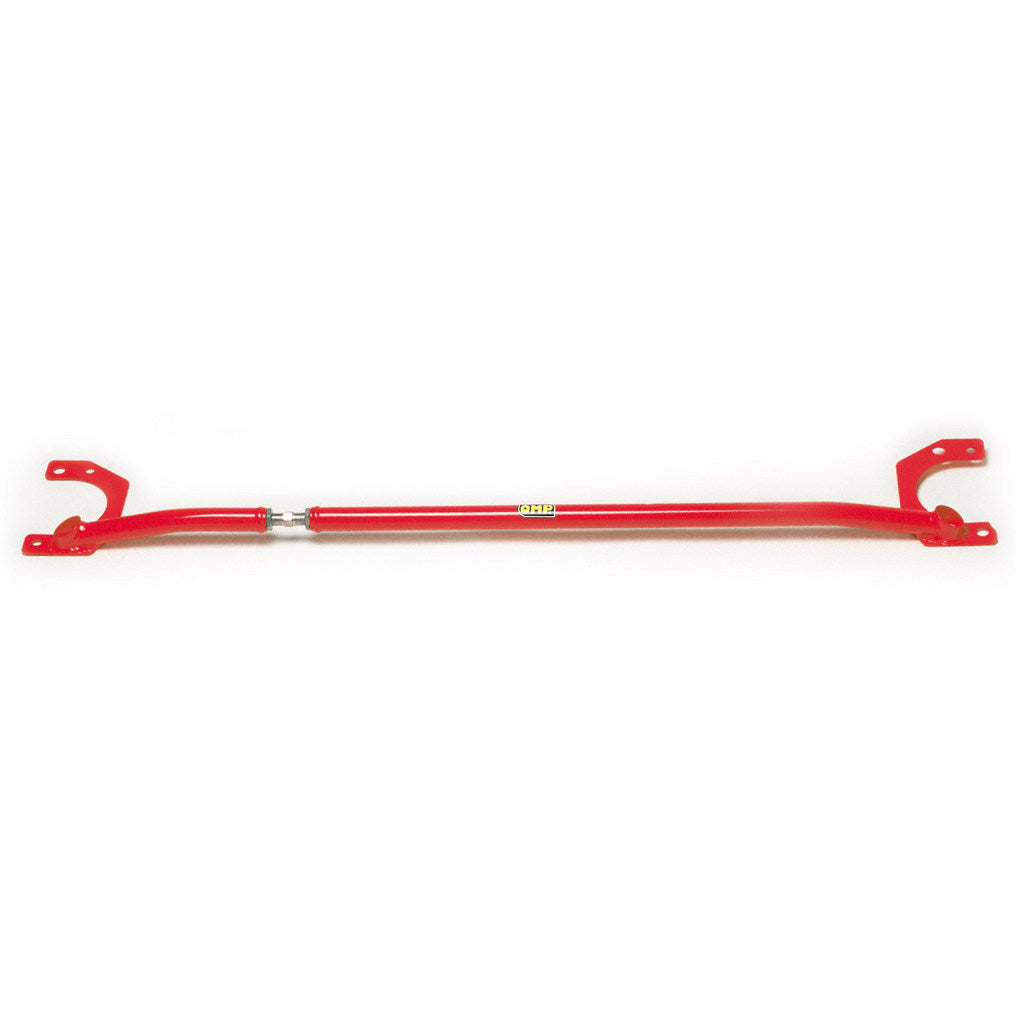
A strut brace is a rigid structural link installed between two suspension mounting points, most commonly the upper mounts of the shock absorbers. This configuration limits relative movement between the strut towers and increases rigidity in the front or rear section of the chassis.
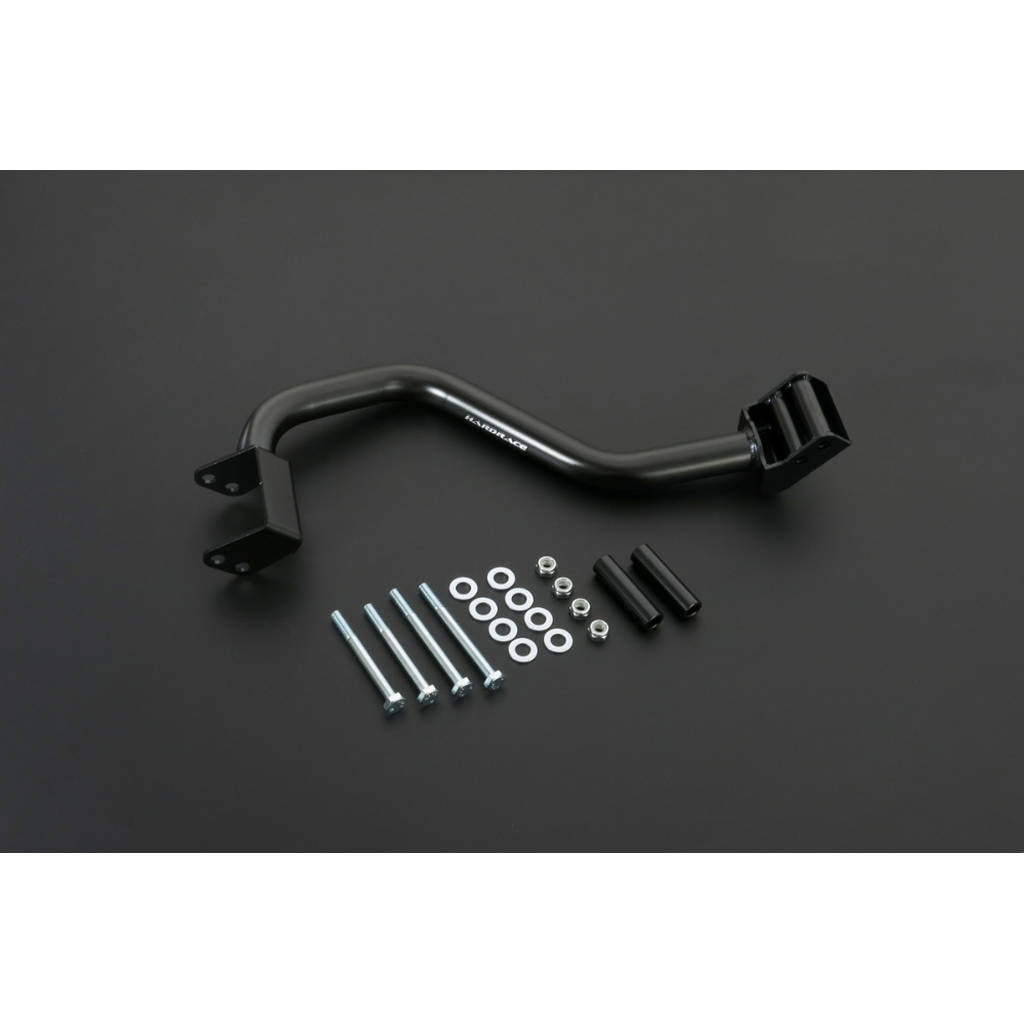
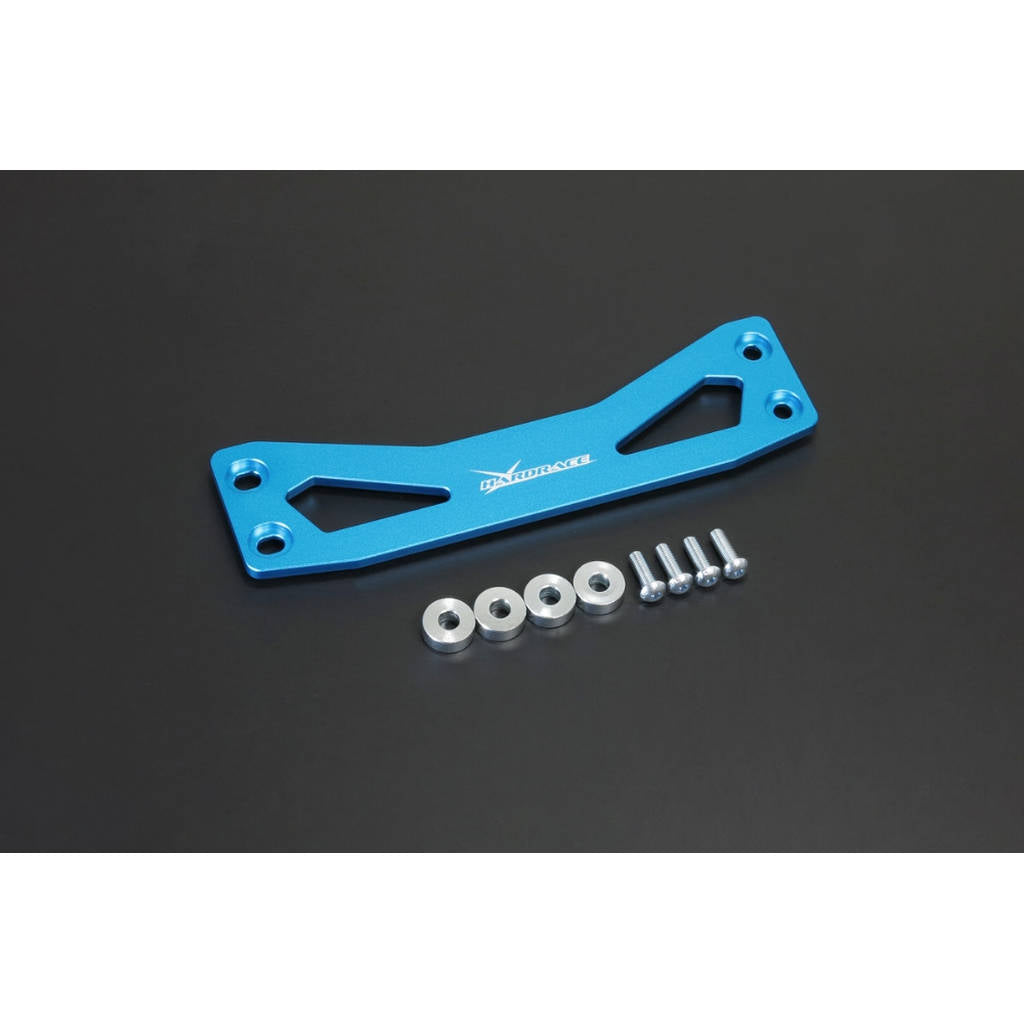
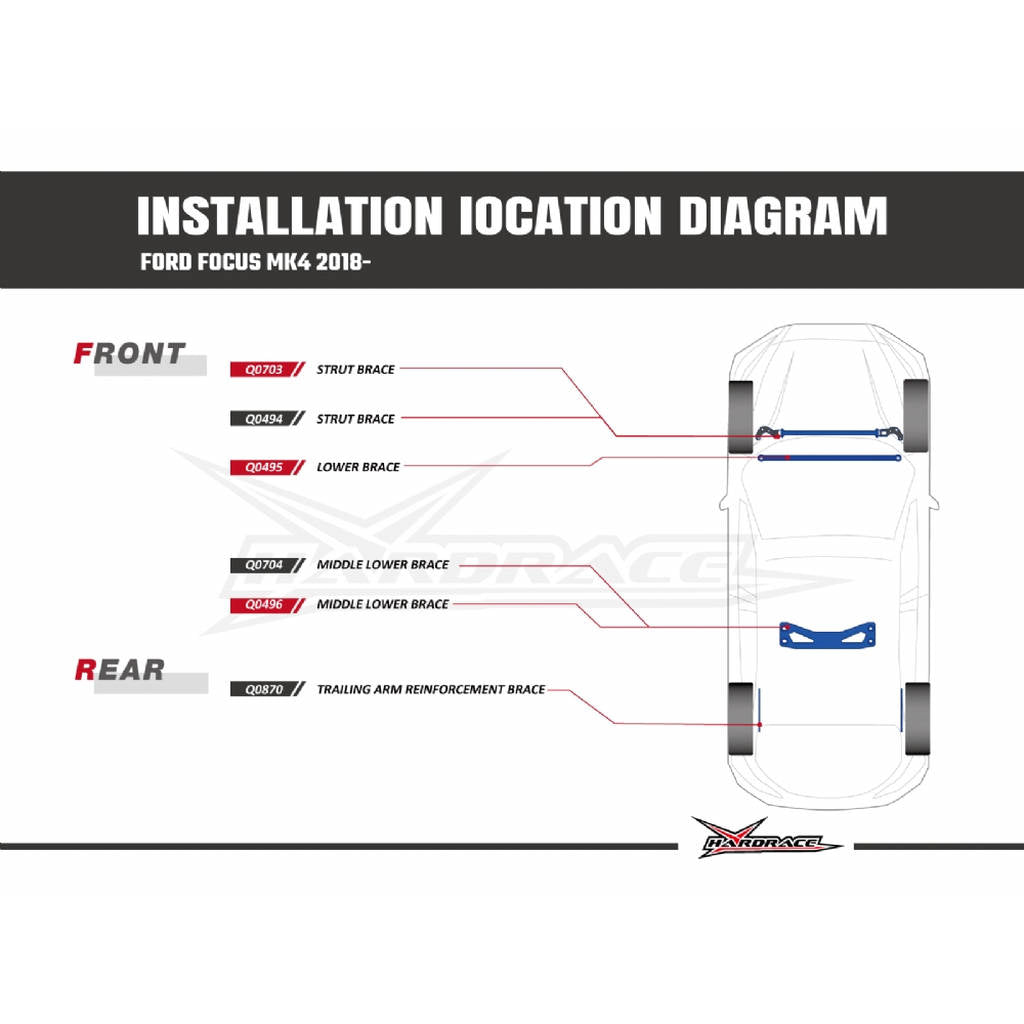
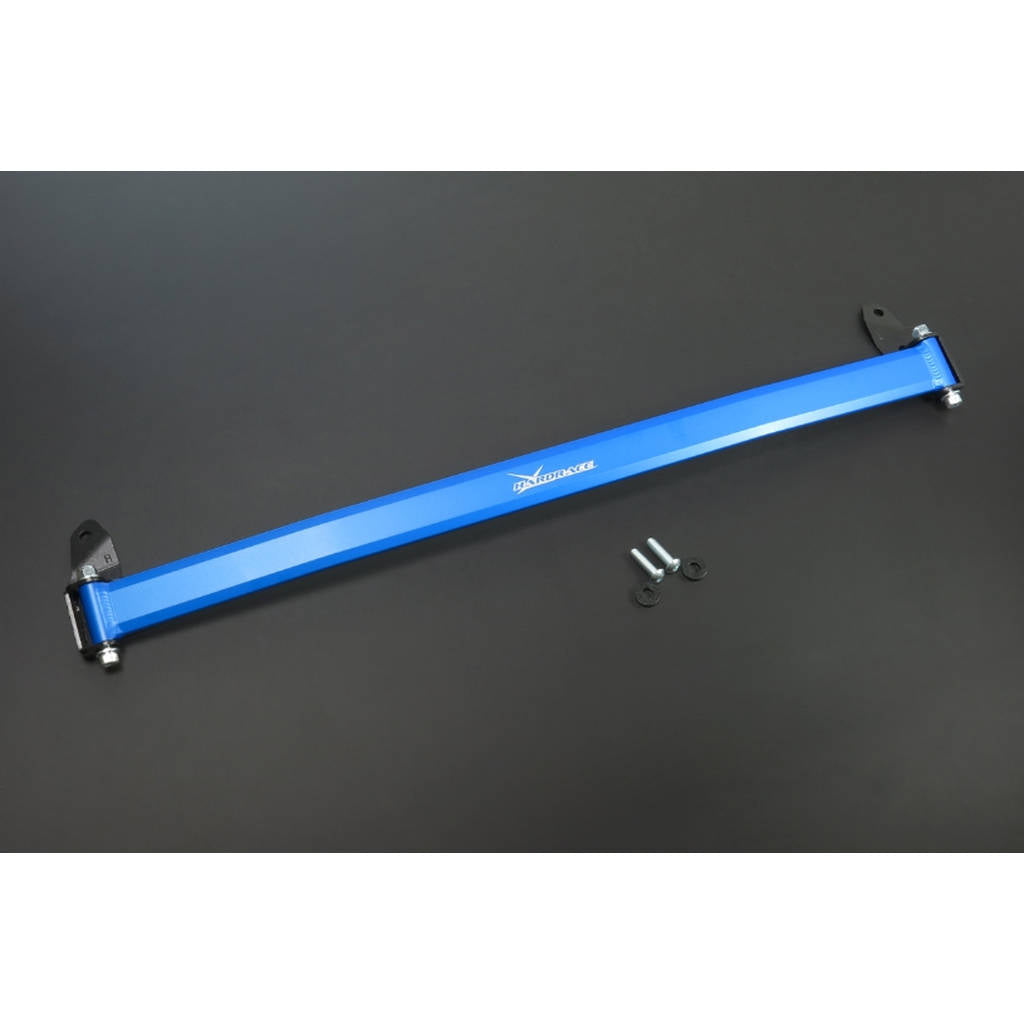
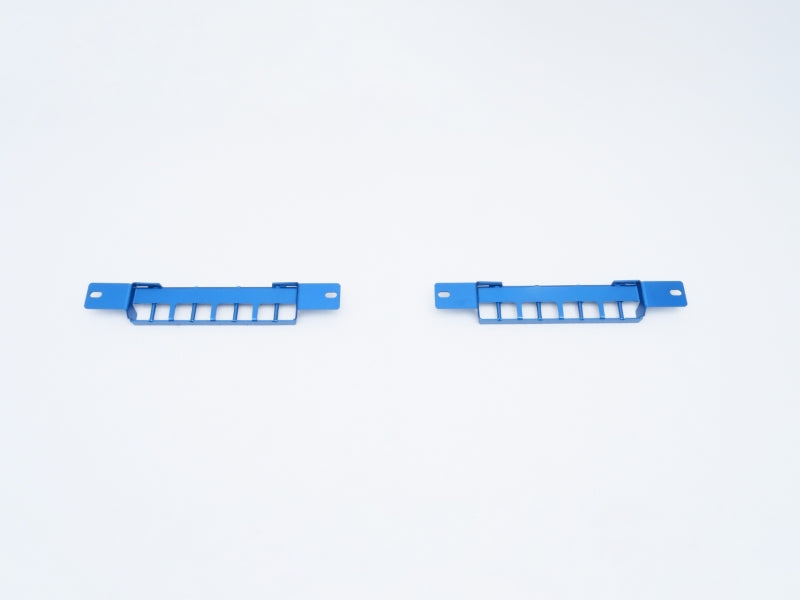
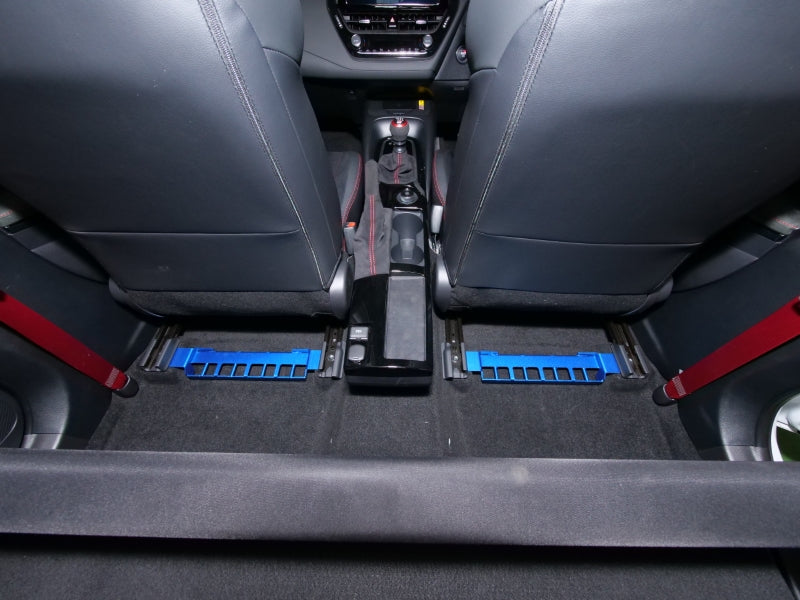
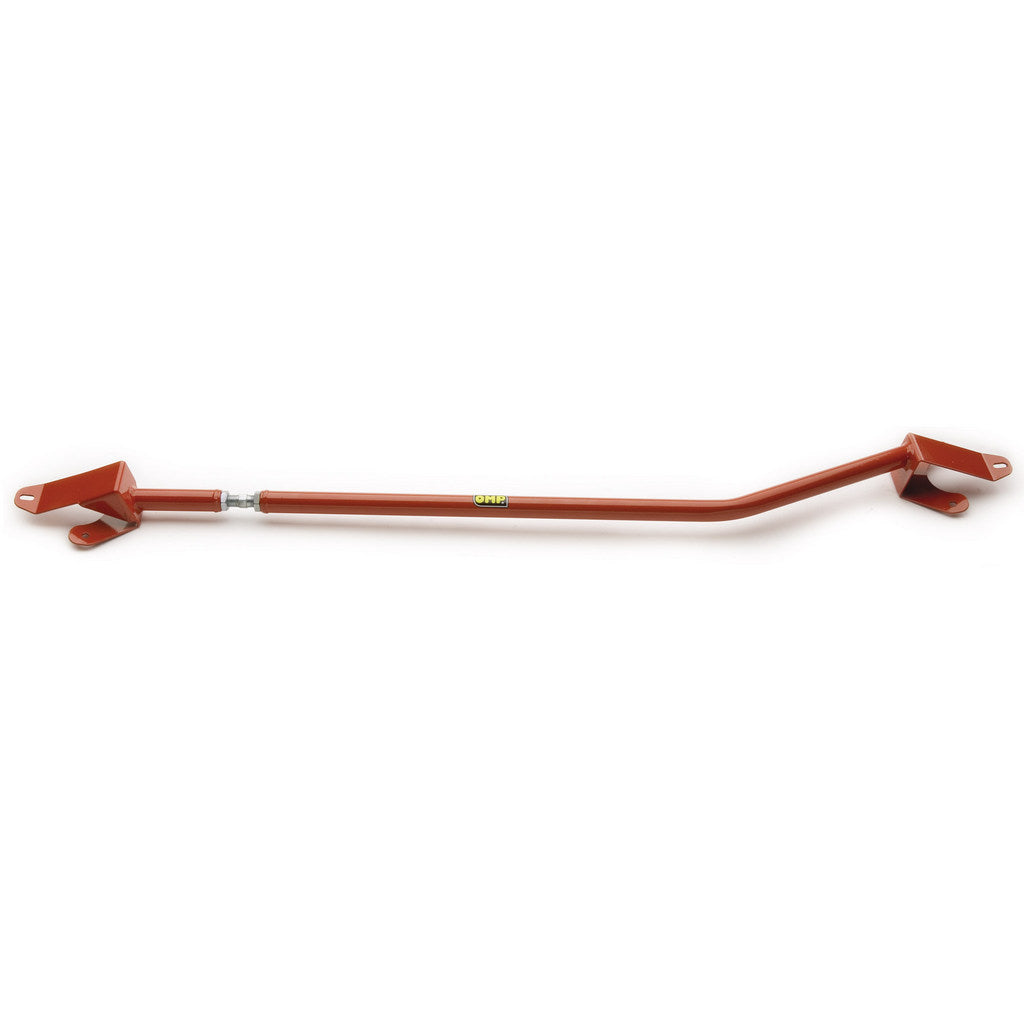
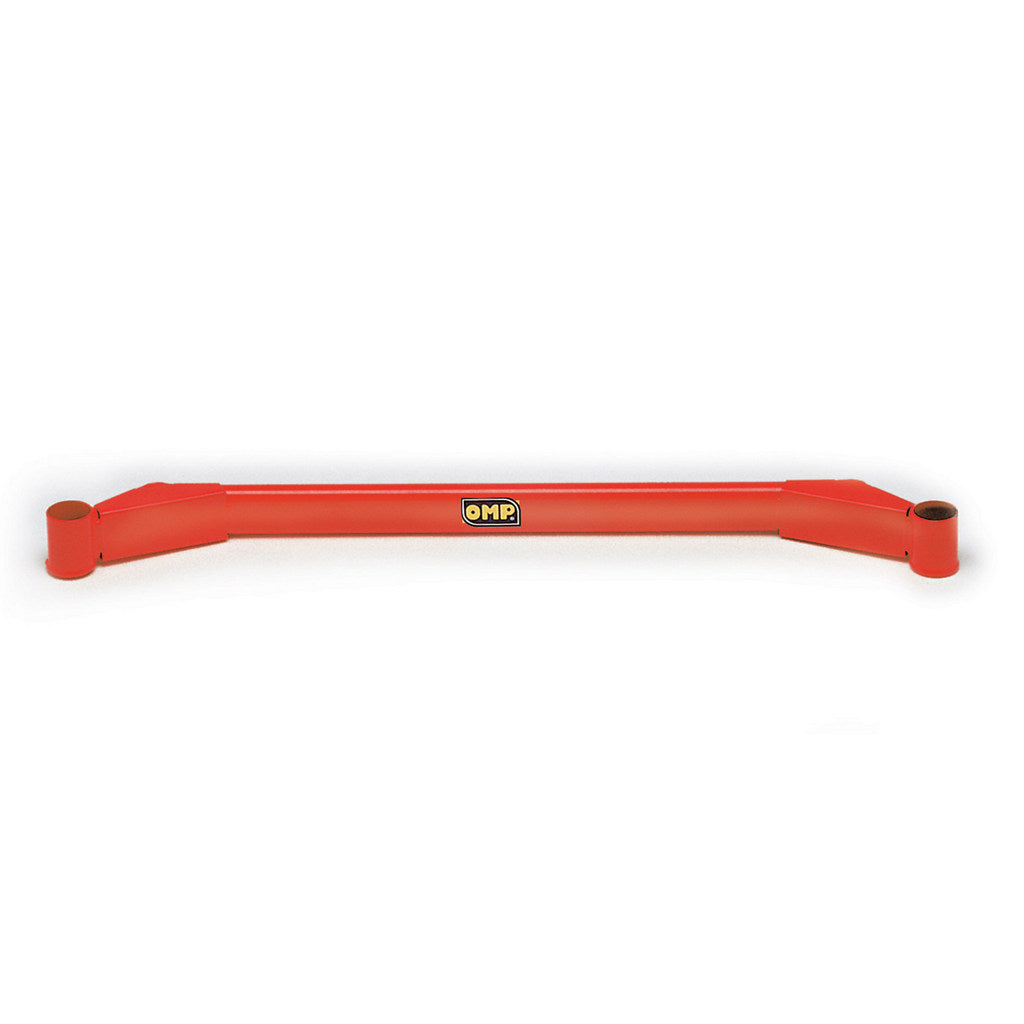
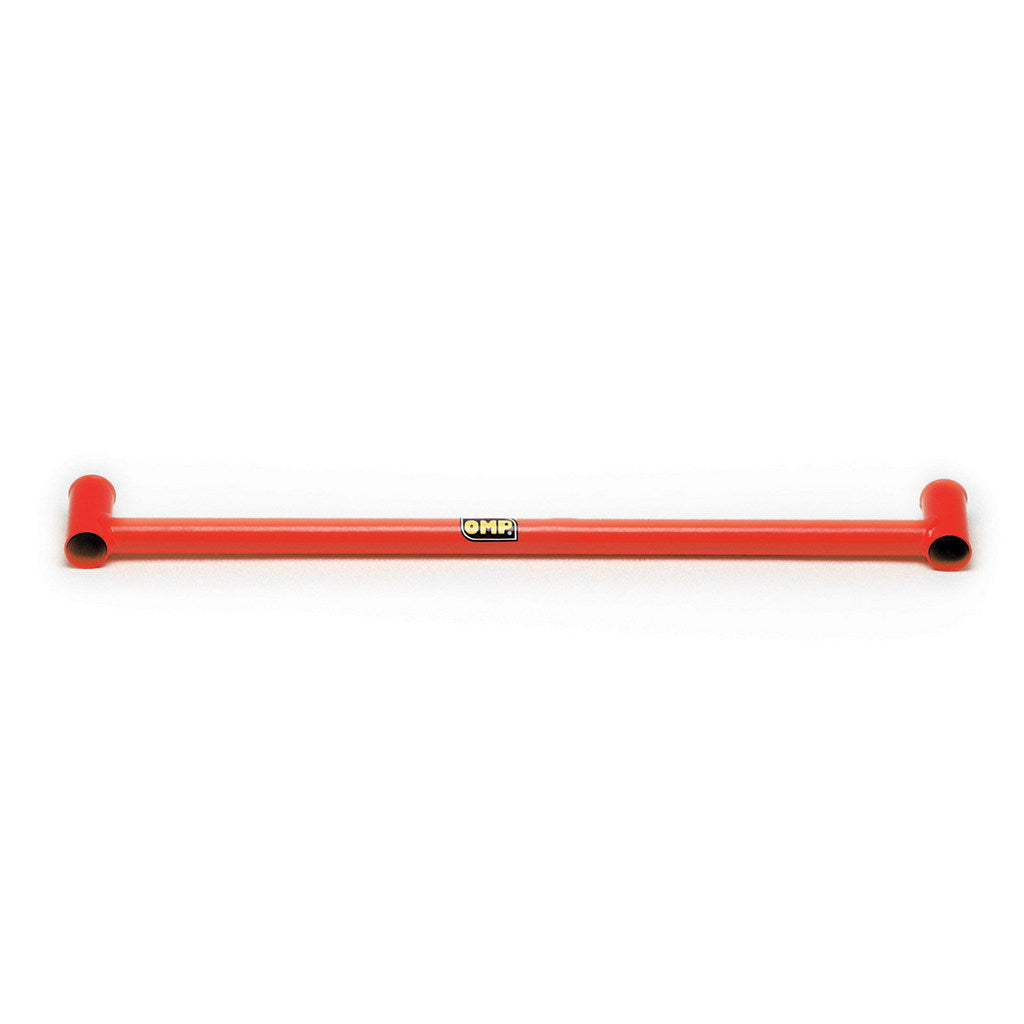
In addition to front strut braces, there are rear configurations, as well as other reinforcement elements such as lower braces or subframe supports. Each type serves a specific function in improving chassis stability depending on vehicle layout and intended use.
Most strut braces feature tubular or profile-based construction made from aluminum alloys or high-strength steel. These materials provide the required stiffness while keeping weight relatively low, which is essential in performance-oriented applications.
Some designs include adjustable elements, allowing fine-tuning of length or preload. This enables more precise installation and optimized load distribution across mounting points.
Engineering Principles of Chassis Stiffness Improvement
The vehicle body operates as a complex load-bearing structure. Even in modern platforms with high rigidity, small deformations occur under dynamic loads. These deformations can alter suspension geometry and affect handling characteristics.
Strut braces introduce additional structural links, reducing torsional flex in the chassis. As a result, suspension mounting points remain stable, allowing more consistent operation under load.
Engineering focus is placed on achieving the correct balance between stiffness and weight. A strut brace must be rigid enough to transfer loads effectively without introducing unnecessary mass or additional stress into the chassis.
In many setups, strut braces are combined with other reinforcement components such as subframe braces or structural brackets. Together, these elements significantly improve chassis rigidity and vehicle stability during aggressive driving.
Application in Road and Performance Vehicles
In road vehicles, strut braces are used to improve body rigidity, enhance steering stability, and reduce chassis flex during cornering. While the difference may be subtle during everyday driving, the effect becomes more noticeable under dynamic conditions.
In performance and track-focused vehicles, strut braces are used more extensively. Under high loads, even minor chassis flex can affect handling precision. For this reason, multiple reinforcement components are often installed to stabilize different sections of the chassis.
In tuning projects, strut braces are commonly used as part of suspension and chassis upgrades. They improve suspension efficiency and provide more consistent vehicle behavior at higher speeds.
Key Factors in Selecting Strut Braces
When selecting strut braces, it is important to consider body design and suspension layout. Not all vehicles respond equally to chassis reinforcement, so the brace must be designed specifically for the intended platform.
Material and installation accuracy are also critical. Aluminum braces reduce weight, while steel constructions typically provide higher rigidity. Manufacturers such as Cusco, Hardrace, OMP, and Whiteline offer different configurations depending on vehicle application.
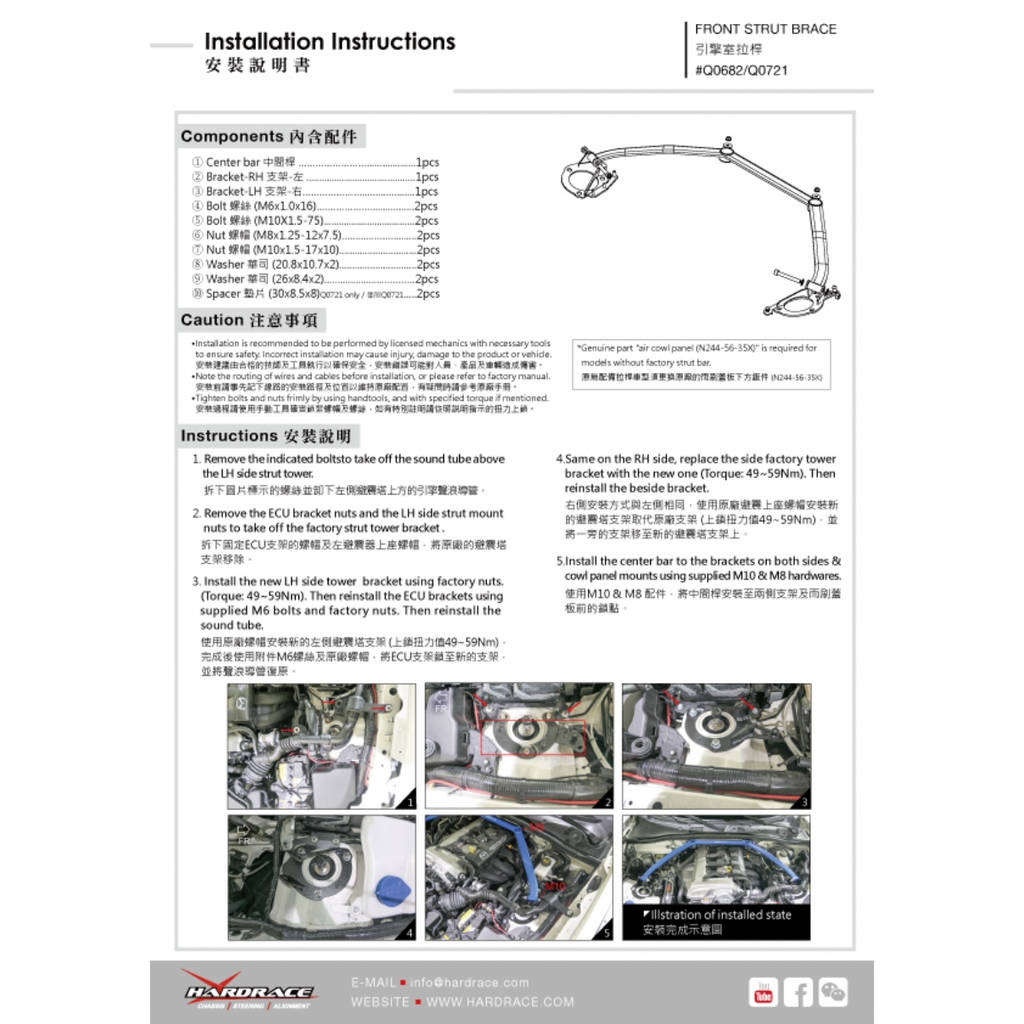
Installation method is another factor. Some strut braces are designed for direct bolt-on installation using factory mounting points, while others may require additional hardware or minor modifications.
Role of Strut Braces in Handling Precision and Stability
Strut braces increase overall structural rigidity, directly affecting suspension accuracy. When mounting points remain stable, dampers and suspension components operate more predictably.
This results in improved steering response, reduced unwanted chassis flex, and increased stability during cornering. The vehicle becomes more controllable and predictable under demanding driving conditions.
In performance builds and chassis development, strut braces are considered one of the most efficient ways to improve rigidity without significantly increasing vehicle weight. This makes them a widely used solution in both road and motorsport-oriented setups.