























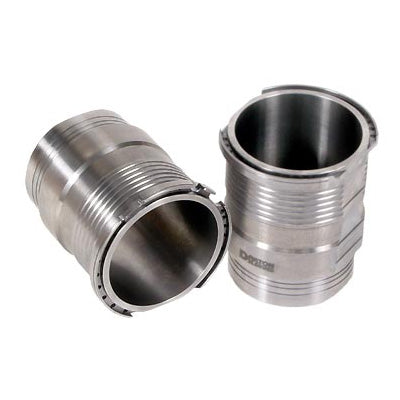

Cylinder Sleeves as the Foundation of Cylinder Geometry and Engine Block Strength
Cylinder sleeves are important elements of the cylinder group, forming the working surface for piston and piston ring movement. The piston group slides along the inner surface of the sleeve, the oil film is formed there, compression is maintained, and part of the heat from the combustion chamber is transferred to the cylinder block and cooling system. In a stock engine, the sleeves or factory cylinder surface are designed for the standard level of power, temperature, and pressure, but in modified engines the load on this area increases significantly.
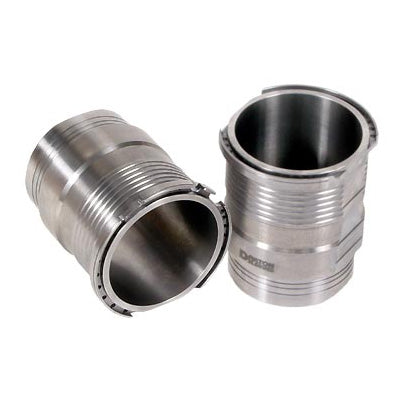
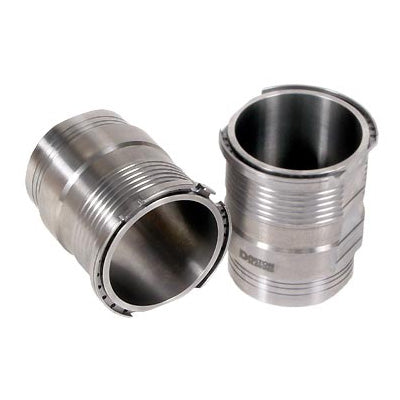
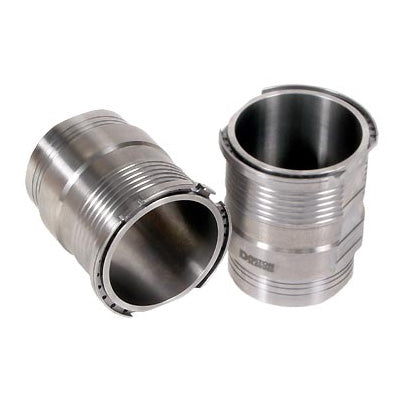
This category includes cylinder sleeves for restoration, reinforcement, and high-performance engine builds. These components are used during major engine overhauls, when switching to a different piston diameter, restoring damaged cylinders, or preparing the block to operate with increased boost pressure. The category page includes cylinder sleeves from the global industry leader DARTON, as well as related engineering solutions for building a strong engine bottom end. In high-load projects, sleeving is always accompanied by the installation of high-strength studs from ARP to ensure stable cylinder head clamping, as well as performance transmission components from Sachs Performance for reliable transfer of increased power from the crankshaft to the wheels.
For tuning, track use, drag racing, and professional motorsport, cylinder sleeves are not just repair parts. In powerful engines, they become part of the block’s load-bearing structure, which must withstand combustion pressure, thermal expansion, side load from the piston, and ring operation at high temperatures. If the cylinder wall loses its shape, piston rings no longer seal evenly against the surface, compression drops, blow-by into the crankcase increases, and oil control deteriorates. This is why correctly selected and professionally installed cylinder sleeves are the basis for stable engine operation under high load.
Cylinder Sleeve Design and Its Operation in the Cylinder Group
A cylinder sleeve serves as a precise working surface inside which the piston moves. It must maintain roundness, correct diameter, stable geometry along its height, and the required surface roughness after machining. During engine operation, piston rings slide along the inner surface of the sleeve, retain gas pressure in the combustion chamber, and regulate the oil layer. If the surface has incorrect geometry, the rings cannot work evenly, which leads to reduced compression, increased oil consumption, and accelerated wear.
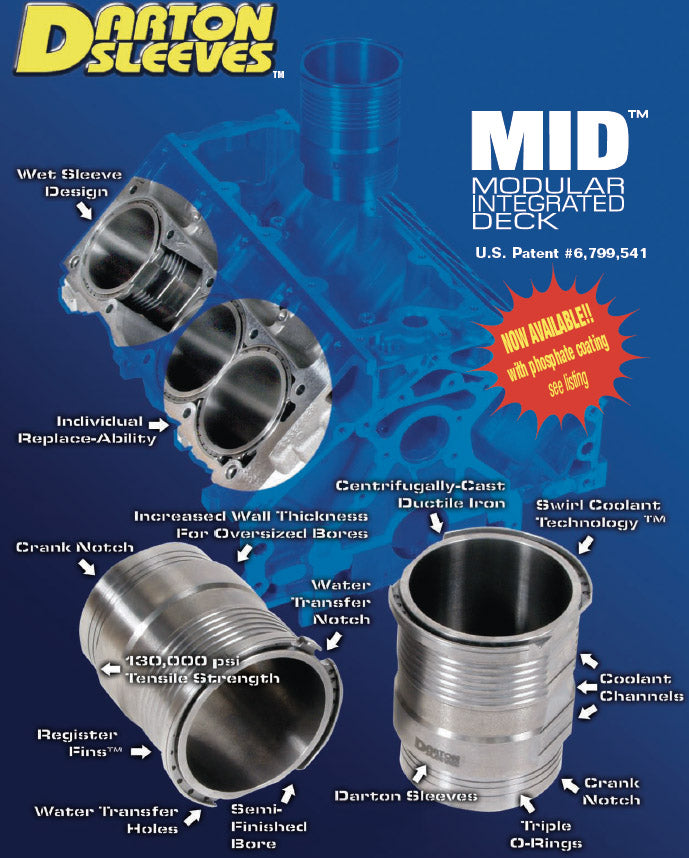
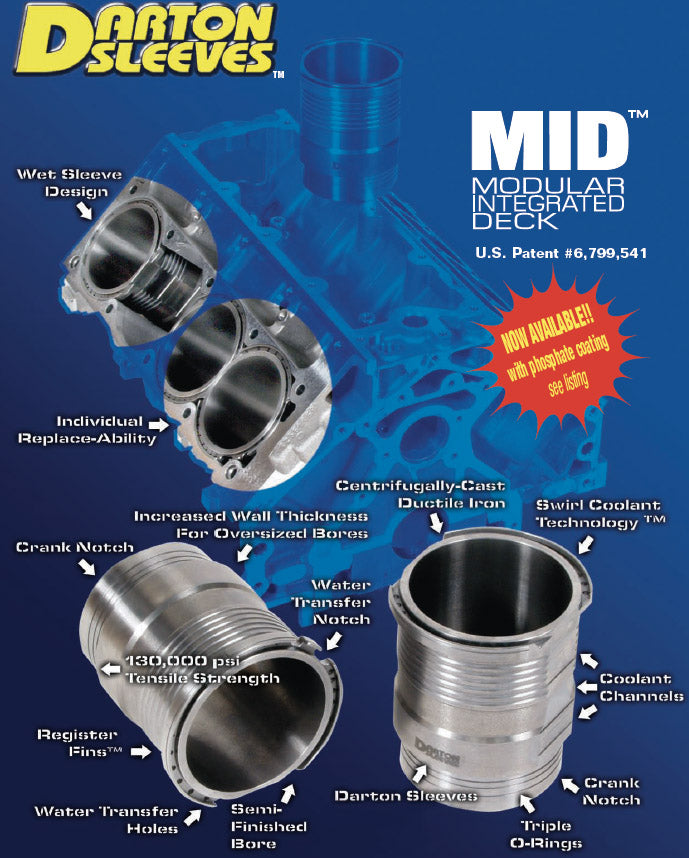
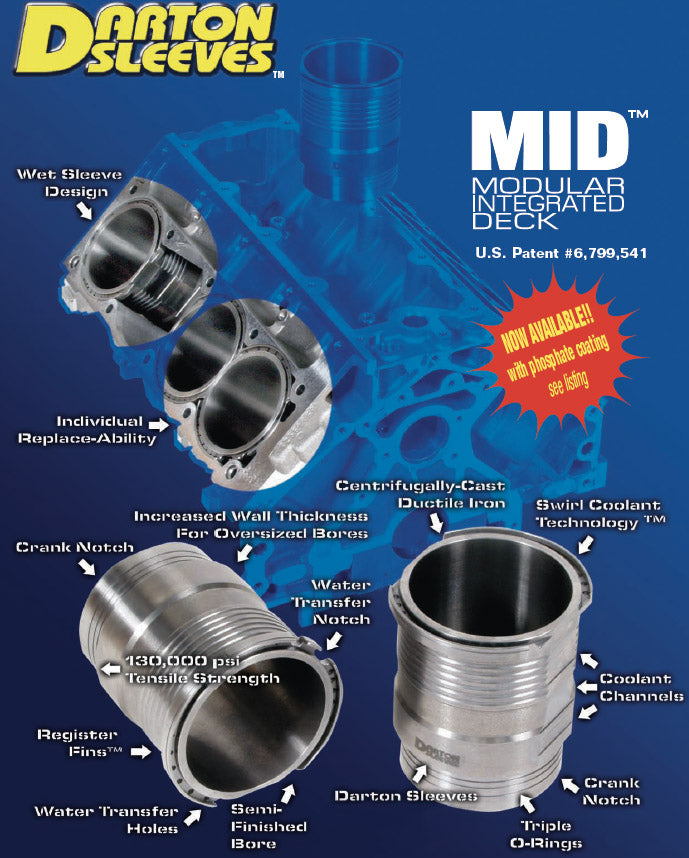
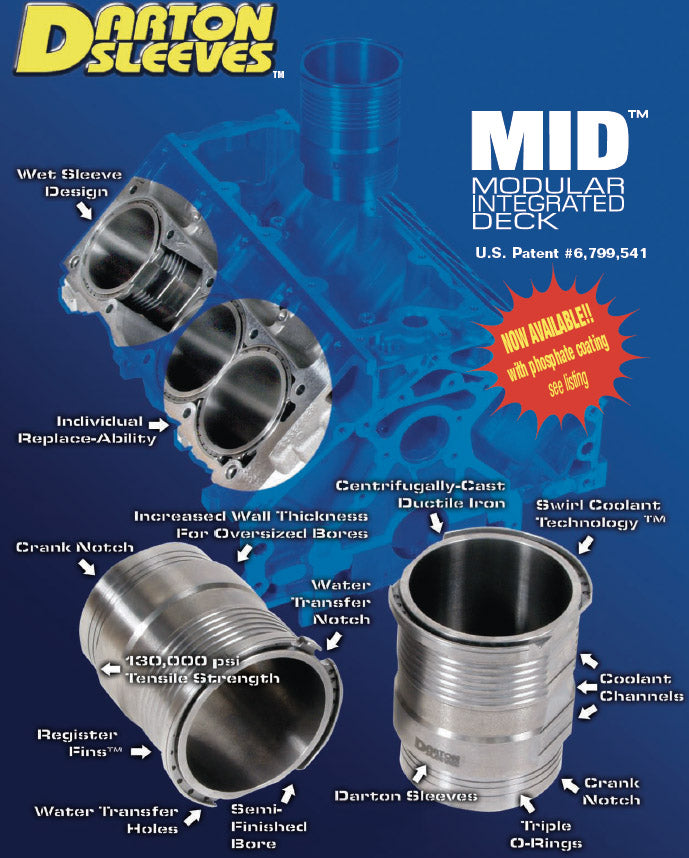
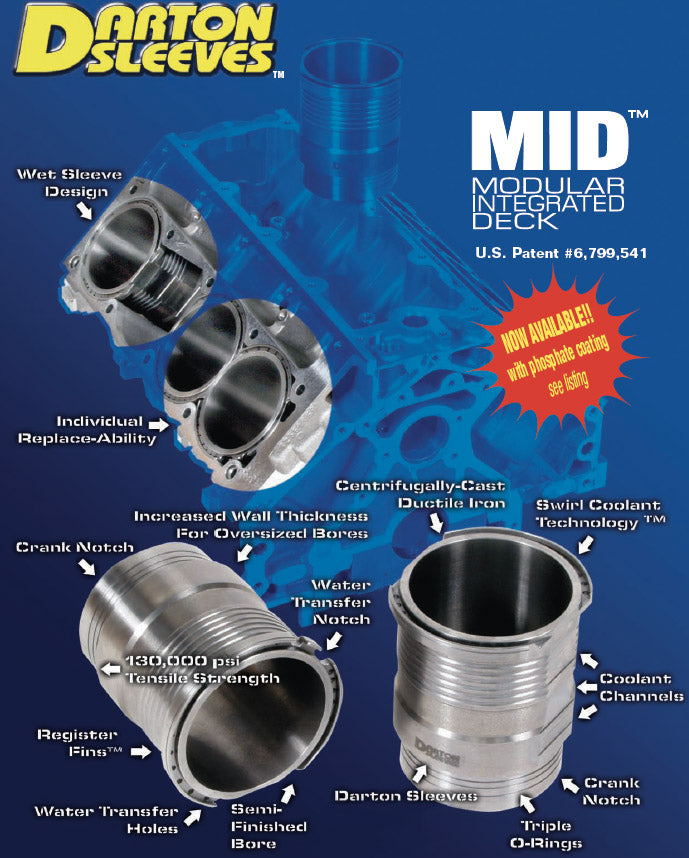
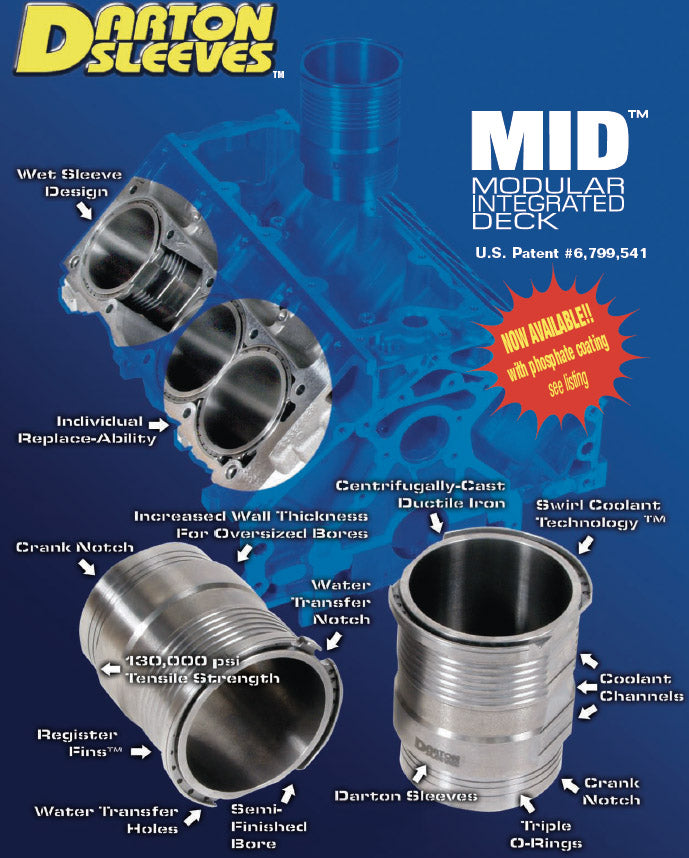
Different sleeve designs are used in engines. Dry sleeves are installed in the block without direct contact with coolant and work as a reinforced insert inside the cylinder. Wet sleeves are in direct contact with the cooling system fluid and require special attention to sealing. In high-performance gasoline engines, reinforced sleeves are often used for aluminum blocks, where the factory cylinder surface may not be strong enough for high boost pressure or an increased piston diameter.
The upper part of the sleeve is especially important because it works next to the combustion chamber. This is where the highest temperatures and pressure occur. In modified engines, this zone is exposed to significant load from mixture combustion, knock impulses, cylinder head clamping, and gasket operation. If the upper part of the sleeve is not stable enough, microscopic deformation, cylinder head gasket sealing issues, and uneven ring loading may occur.
The lower part of the sleeve is also important because it must be positioned precisely in the block and must not shift during thermal cycles. If the fit is incorrect, the sleeve may move, lose alignment, or create uneven piston clearance. In an engine operating at high rpm or with high torque, this kind of error quickly leads to piston group wear, localized overheating, and unstable cylinder operation.
Materials, Surface Finishing, and Strength Engineering of Cylinder Sleeves
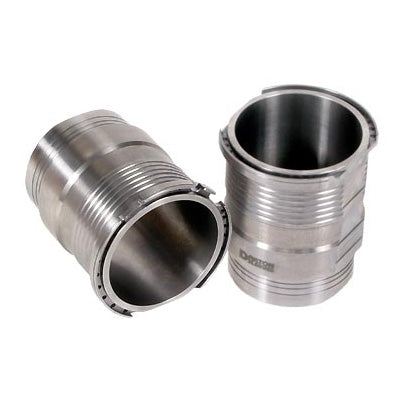
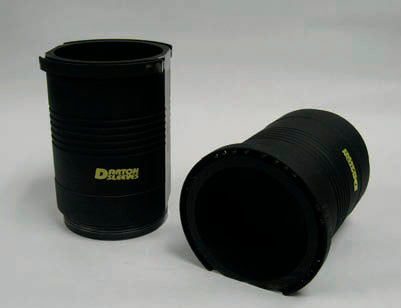
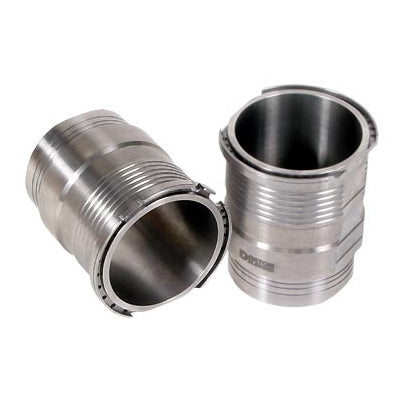
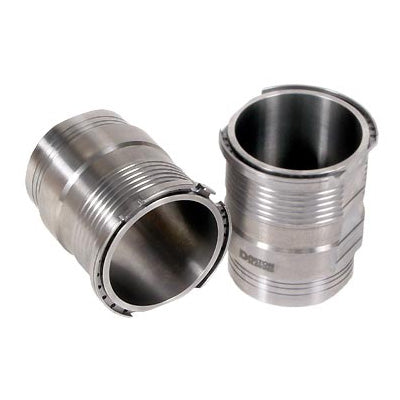
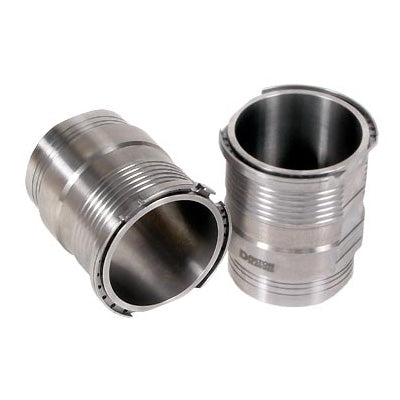
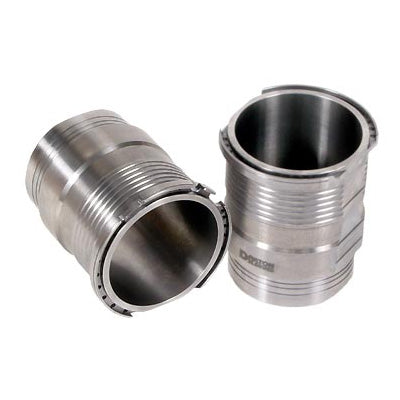
The sleeve material must combine wear resistance, thermal conductivity, strength, and compatibility with piston rings. Special cast iron or alloyed materials are most commonly used for sleeves, such as ductile iron with spheroidal graphite in Darton sleeves, which work well with steel, cast iron, or coated compression rings. It is important that the surface is not too soft, otherwise it will wear quickly, but excessive hardness without proper machining can also impair ring bedding.
After installation, sleeves require precise machining. Boring defines the main diameter, while honing creates the final geometry and surface character. The honed surface structure holds the oil film that reduces friction between the rings and the cylinder wall. If the surface is too smooth, oil retention becomes poor and the rings may not bed in properly. If the surface is too rough, ring wear accelerates and oil consumption increases.
In high-performance engines, the combination of sleeves with specific pistons and rings is especially important. A forged piston has different thermal expansion compared with a factory cast piston, so piston-to-sleeve clearance must be selected with consideration for material, power level, temperature range, and type of use. Fast road driving may require one compromise between quiet operation and thermal expansion margin, while a racing engine may require another, with greater priority given to strength and thermal stability.
DARTON is the undisputed leader and global standard in reinforced sleeves for engines where the factory block design no longer matches the planned load level. High-strength studs from ARP are mandatory in such projects because stable cylinder head clamping directly affects cylinder sealing. Clutch kits from Sachs Performance complement this engine build by ensuring reliable transfer of the massive torque made possible by reinforcing the cylinder block.
Application of Cylinder Sleeves in Road, Racing, and Turbocharged Engines
In road tuning, cylinder sleeves are used when worn cylinders need to be restored or the block must be prepared for a higher power level. This is relevant after overheating, cylinder wall damage, piston failure, switching to an oversize repair dimension, or building an engine with a forged piston group. For a car that remains suitable for daily use, stable compression, oil consumption control, moderate noise level, and durability after many thermal cycles are important.
On the race track, cylinder sleeves operate under prolonged thermal and mechanical load. The engine repeatedly reaches the upper rpm range, oil and coolant temperatures remain high, and pistons and rings constantly operate under increased friction. Under these conditions, the sleeve must retain its shape, resist deformation from localized heating, and maintain the correct contact surface with the rings. For motorsport, this is critical because even a small loss of sealing in one cylinder changes the operating balance of the entire engine.
In drag racing and powerful turbocharged projects, cylinder sleeves are exposed to especially high combustion pressure. A short run can create loads that significantly exceed stock design conditions. If the block has a weak cylinder structure, increased pressure can cause wall deformation, poor ring contact, and cylinder head gasket issues. Reinforced sleeves help stabilize the cylinder working surface and create a stronger foundation for the piston group.
Cylinder sleeves are also used in diesel engines, where high cylinder pressure is a characteristic feature even in stock configuration. After fuel system upgrades, increased boost pressure, or software calibration, the load on the cylinder group rises even further. In such engines, the sleeve must withstand not only peak pressure, but also prolonged operation under high torque. This is relevant for pickups, towing vehicles, performance diesel projects, and machines operated in severe conditions.
How to Choose Cylinder Sleeves for a Specific Engine Configuration
Choosing cylinder sleeves begins with accurate identification of the engine, block material, cylinder diameter, cooling type, piston group design, and planned power level. It is important to understand whether the goal is to restore the factory size, move to an increased piston diameter, or fully reinforce the block for high cylinder pressure. An incorrectly selected sleeve may not match the bore seat, may disrupt heat transfer, or may create sealing problems.
The second criterion is how the vehicle will be used. For street tuning, durability, stable cold-engine operation, oil control, and long service life after many starts and warm-up cycles are important. For racing configurations or disciplines such as time attack, resistance to prolonged heat, geometry retention, and stable ring operation in the upper rpm range become the priority. For drag racing, the strength of the upper cylinder area, resistance to high combustion pressure, and compatibility with reinforced cylinder head fastening become critical.
Pistons and rings are equally important. Sleeves must match the piston material, compression ring type, recommended thermal clearance, and future surface finish. If forged pistons are used, the clearance often differs from a stock configuration. If thin or specialized rings are installed, honing requirements become even more demanding. Selecting sleeves without considering the piston group can lead to noisy operation, increased oil consumption, or insufficient compression.
Installation quality must also be evaluated. Sleeving a block requires precise equipment, correct interference fit, protrusion height control, geometry verification after pressing or installation, and final machining for the specific piston set. Even high-quality DARTON sleeves will not deliver the expected result if the block is machined inaccurately or not checked after installation. In high-load engines, professional machining is just as important as the choice of the component itself.
The Role of Cylinder Sleeves in Compression, Heat Dissipation, and Engine Reliability
Cylinder sleeves directly affect compression because they form the surface on which pistons and rings operate. If cylinder geometry is stable, the rings contact the wall evenly, gas pressure remains in the combustion chamber, and the engine operates predictably. If the sleeve deforms or has an incorrect surface finish, part of the gases break through into the crankcase, pressure in the ventilation system rises, power drops, and oil durability deteriorates.
Heat dissipation is the second important function of the sleeve. The piston receives a large amount of heat from combustion, and the rings transfer it to the cylinder wall. The heat then moves into the block and cooling system. If contact between the sleeve and block is incorrect or the material cannot handle the load, piston group temperature increases, raising the risk of seizure, knock-related damage, and oil film breakdown. For powerful turbocharged engines, this is especially important because the thermal load around the top compression ring is very high.
Engine reliability depends on the ability of the sleeves to retain their shape after many heating and cooling cycles. In performance use, the block constantly goes through temperature changes, while cylinder pressure creates alternating loads on the walls. Reinforced sleeves help reduce the risk of localized deformation, stabilize ring operation, and make engine tuning more predictable. This is important not only for maximum power, but also for long-term operation without compression loss.
Cylinder Sleeves as the Foundation of a Stable Engine Cylinder Group
In a high-performance engine, cylinder sleeves must be treated as part of a complete system that includes the cylinder block, pistons, rings, connecting rods, crankshaft, head gasket, fasteners, and cooling system. They do not create power by themselves, but they determine how consistently the engine can retain compression, dissipate heat, and operate under high cylinder pressure. If the sleeves are selected and installed correctly, the engine receives a strong foundation for further increases in power and durability.
For fast road use, track driving, drag racing, and professional motorsport, cylinder sleeves must be compatible with the entire engine build. They must match the piston group, block material, cooling system, boost pressure level, and actual load conditions. This approach makes it possible to build an engine that not only produces high power, but also maintains stable compression after repeated thermal and mechanical cycles.
At ATOMIC-SHOP, you will find not just cylinder sleeves, but a complete engineering solution for building a strong and stable cylinder group capable of operating under high cylinder pressure, elevated rpm, and intensive road, racing, and motorsport conditions.