
















Shock Mounts in Vehicle Suspension Systems
Shock mounts are a critical structural element of the suspension system, responsible for securing the damper to the vehicle body or chassis components. Although often overlooked during suspension upgrades, these components directly influence damper precision, suspension geometry stability, and the level of noise and vibration transmitted to the cabin. In modern vehicles, shock mounts operate under significant load, transferring forces generated during braking, acceleration, and cornering.
The upper shock mount serves as the primary interface between the damper and the chassis, transmitting suspension loads into the vehicle structure. In many designs, it also functions as a pivot point, allowing the damper to change its angle during suspension travel. For this reason, manufacturing accuracy and structural rigidity have a direct impact on handling stability.
In addition to load transfer, modern shock mounts incorporate vibration isolation. Elastomer or rubber elements are used to reduce the transmission of high-frequency vibrations from the suspension to the body. This approach maintains a balance between ride comfort and chassis control.
ATOMIC-SHOP offers shock mounting components for both standard road vehicles and performance-oriented setups. Manufacturers such as Cusco, KW Automotive, Bilstein, Öhlins, Millway, and Hardrace develop solutions designed to improve damper precision and maintain stable suspension characteristics under dynamic conditions.
Construction and Function of Shock Mounts
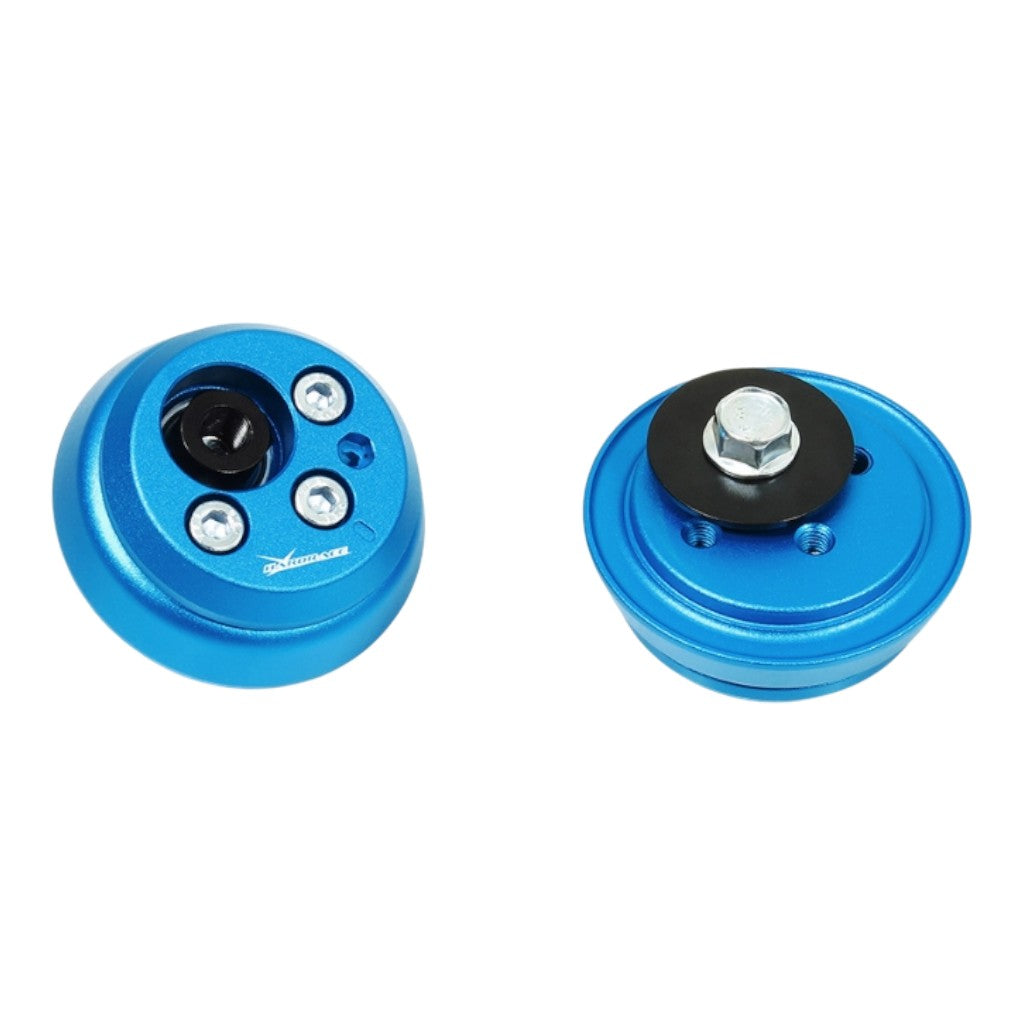
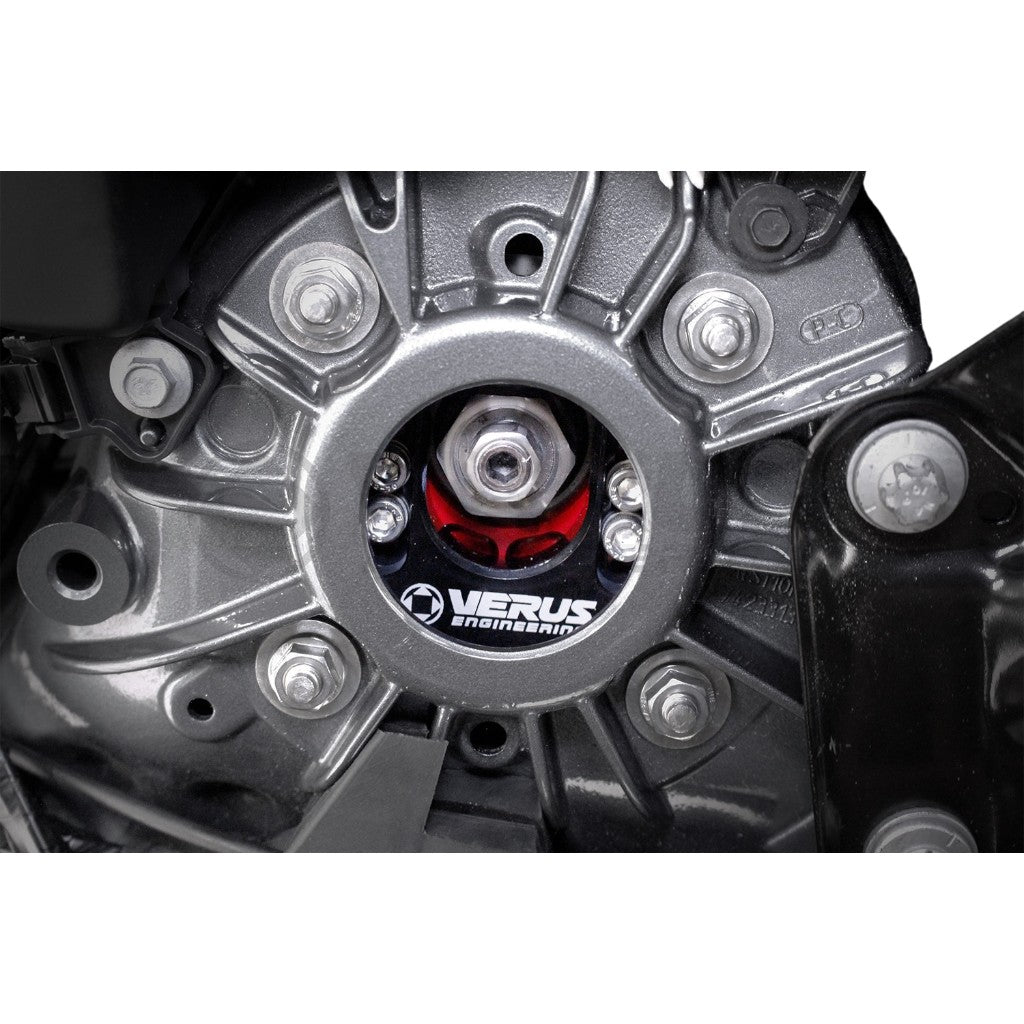
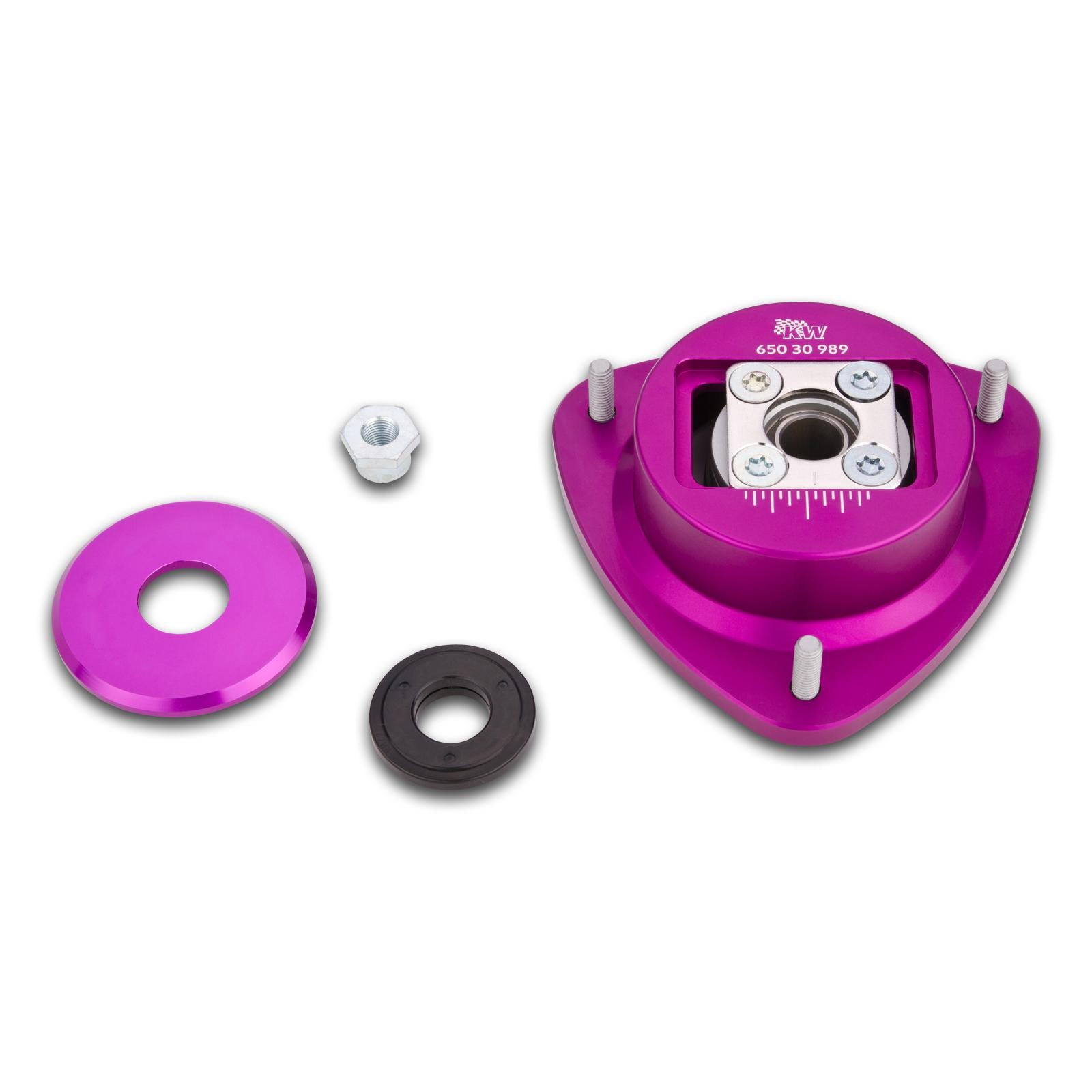
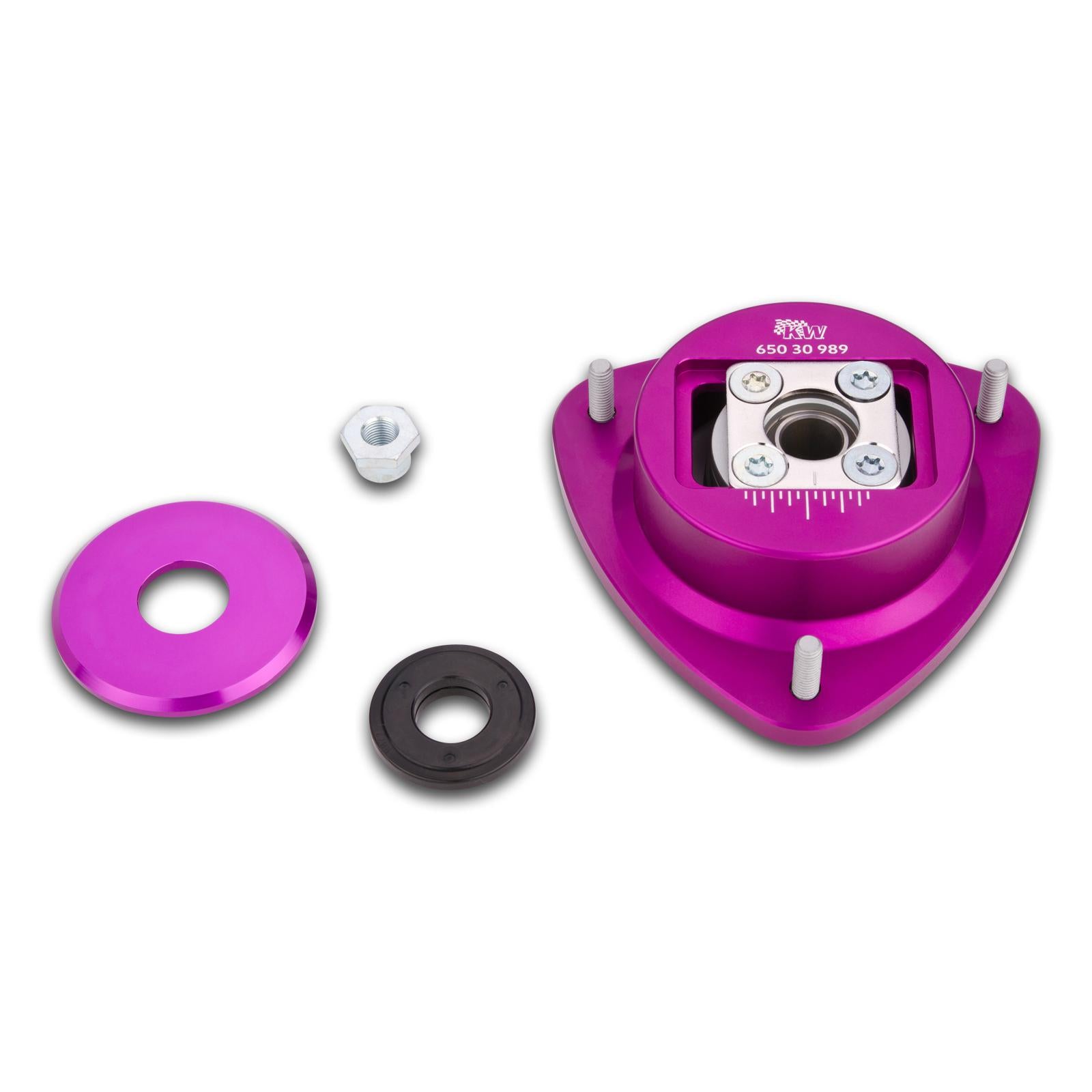
A shock mount is a mechanical assembly installed at the upper attachment point of the damper. In MacPherson strut suspensions, this component performs multiple functions simultaneously. It secures the damper in position, transfers loads to the chassis, and allows rotational movement during steering.
Standard mounts typically incorporate rubber or polyurethane elements to reduce vibration transfer. In performance applications, stiffer materials or solid metal joints are often used to minimize compliance and improve suspension response.
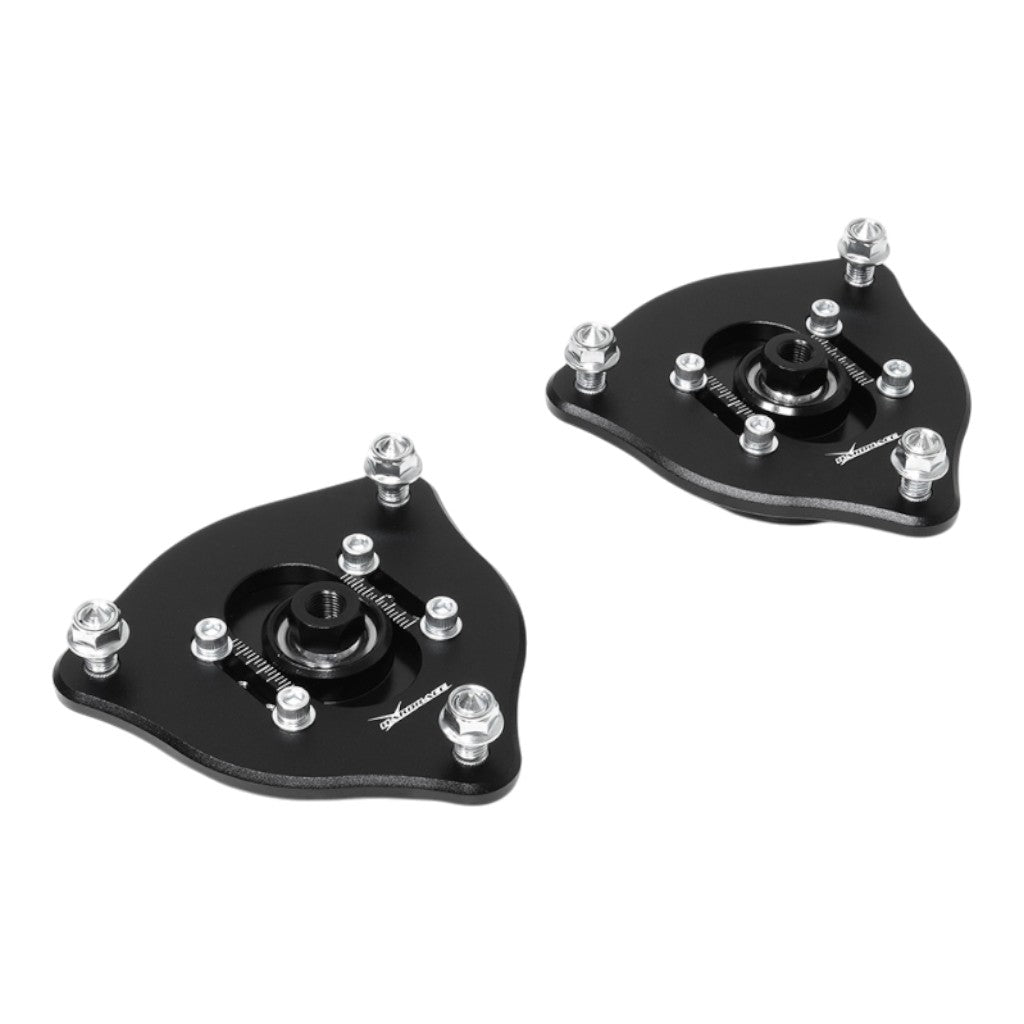
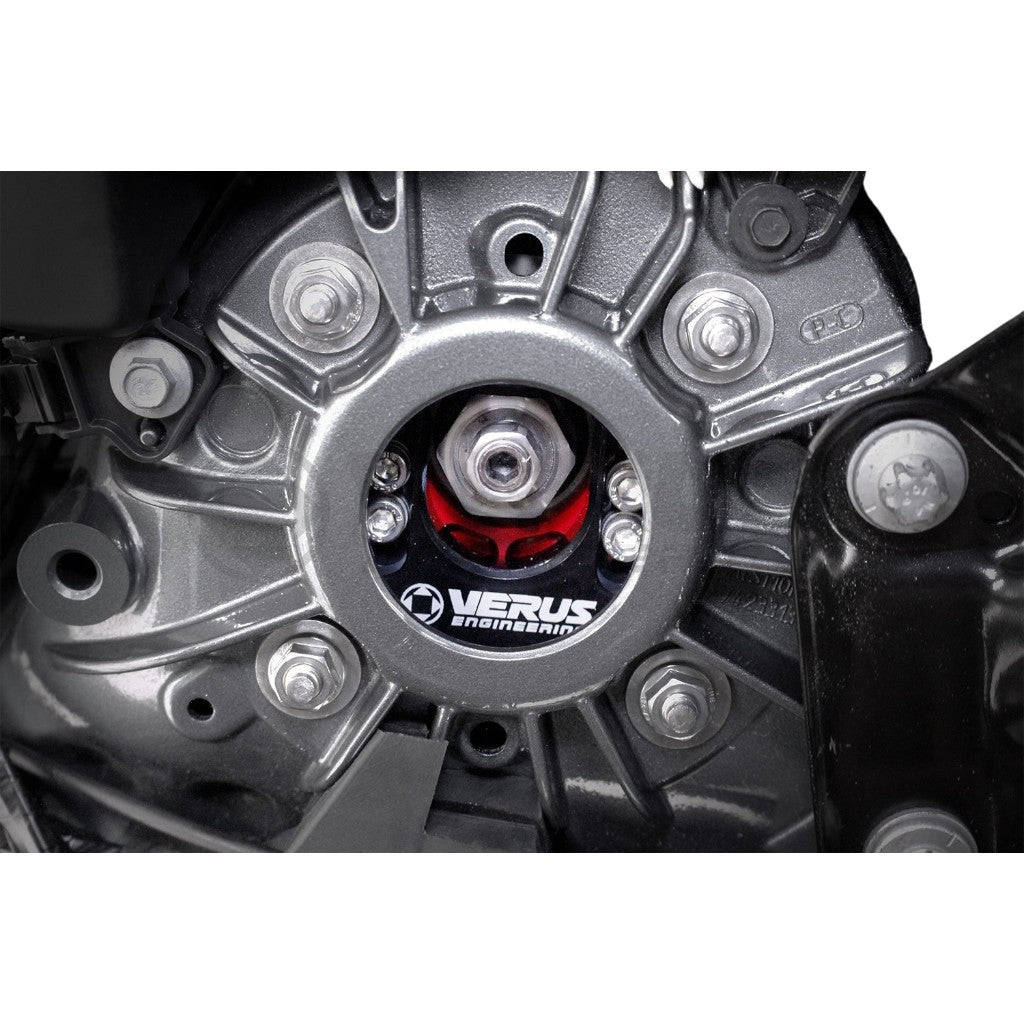
Many upgraded suspension systems utilize adjustable top mounts. These allow changes in damper angle, directly affecting suspension geometry and wheel alignment. Such solutions are commonly used in performance vehicles and tuning projects.
Some designs also include integrated bearings that reduce friction during steering input, improving suspension smoothness and steering precision.
Engineering Characteristics of Shock Mounts
Shock mounts must withstand significant mechanical stress. During operation, the suspension continuously cycles through compression and extension, transmitting forces through the mount into the chassis. For this reason, high-strength materials such as alloy steels and aluminum alloys are commonly used.
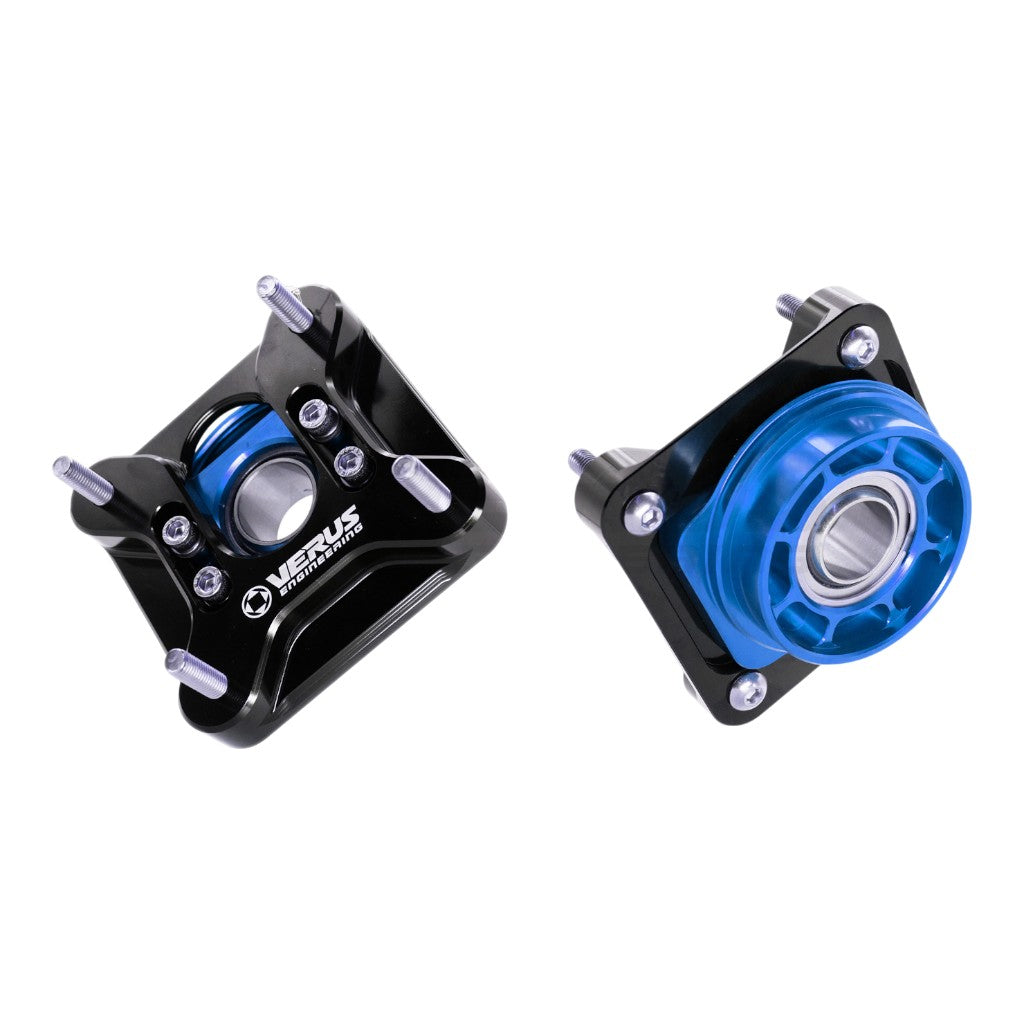
In performance configurations, spherical bearings are often used to eliminate the compliance found in rubber mounts. This allows more precise suspension movement and faster response to load changes, improving predictability during cornering.
Structural rigidity is a critical parameter. Even minor deformation in the mount can alter suspension geometry and affect wheel alignment. High-quality mounts are manufactured with tight tolerances and undergo precise machining processes.
Some manufacturers use anodized aluminum housings or reinforced steel structures to increase rigidity. These designs reduce micro-deflections under load and help maintain consistent suspension geometry during aggressive driving.
Application in Tuning and Motorsport
In suspension upgrades, replacing shock mounts is often performed alongside installing new dampers or complete suspension systems. Stiffer mounts reduce play within the suspension and improve steering response.
In performance vehicles, shock mounts become even more critical. Under high lateral loads during cornering, any compliance in the mounting points can affect stability. For this reason, track-focused setups frequently use rigid aluminum or steel mounts with spherical joints.
Systems developed by manufacturers such as Cusco, KW Automotive, and Öhlins often include adjustable geometry, allowing fine-tuning of chassis parameters based on track conditions or driving style.
Key Factors in Selecting Shock Mounts
Selecting the correct shock mounts requires compatibility with the vehicle’s suspension design and installed dampers. The mount must match the geometry and ensure correct positioning within the chassis.
Vehicle usage is also a determining factor. For daily driving, mounts with rubber or elastomer elements provide reduced noise and vibration. For performance applications, stiffer designs offer improved suspension accuracy.
Manufacturers such as Bilstein, Millway, Powerflex, and Whiteline offer a range of solutions tailored to different vehicle configurations and operating conditions.
Role of Shock Mounts in Chassis Stability
Shock mounts contribute directly to overall suspension rigidity and stability. They determine how accurately loads are transferred from the wheel to the chassis and how quickly the suspension responds to road inputs.
Excessive compliance or wear in the mount can introduce play in the suspension, reduce handling precision, and increase noise levels. For this reason, replacing or upgrading mounts is often an important step in restoring or improving suspension performance.
In performance builds, high-quality shock mounts enhance suspension accuracy and ensure more consistent vehicle behavior under dynamic driving conditions.