

























Shock Absorbers in Modern Vehicle Suspension Systems
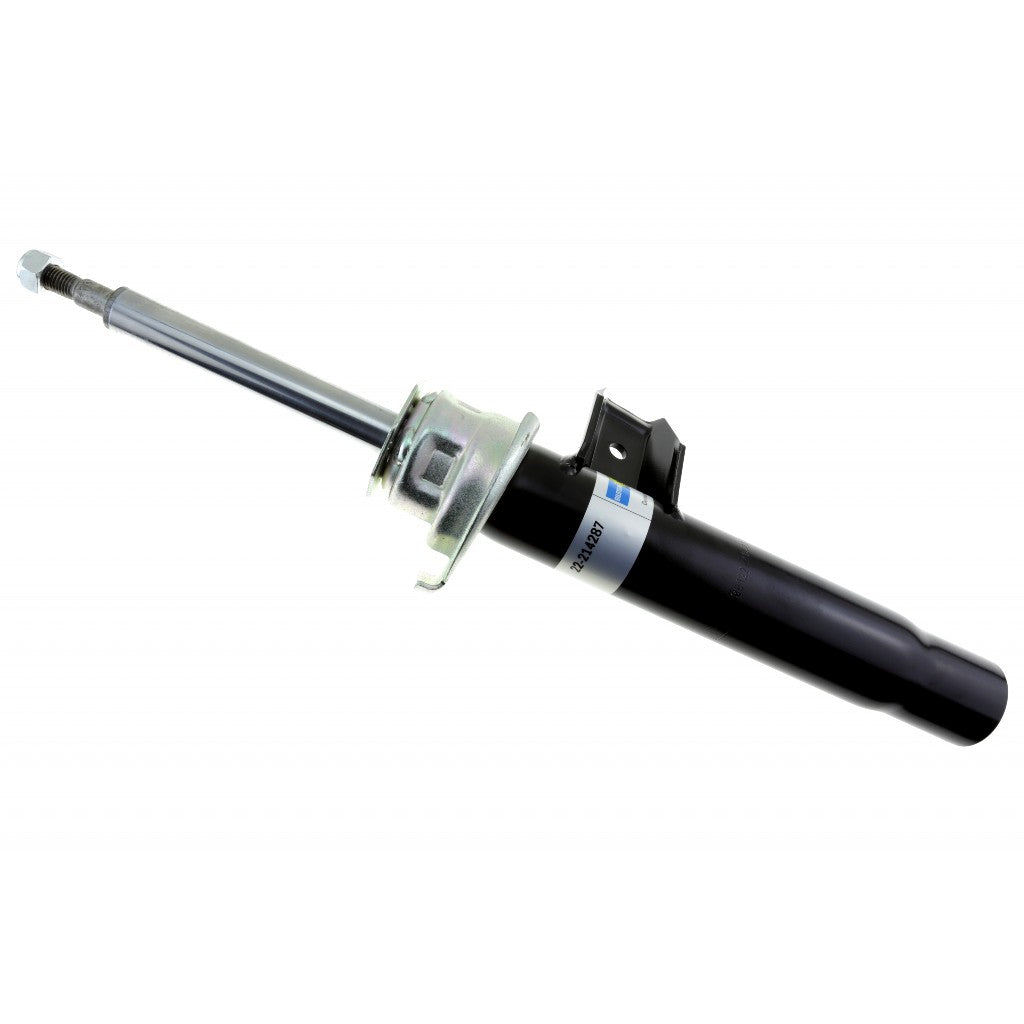
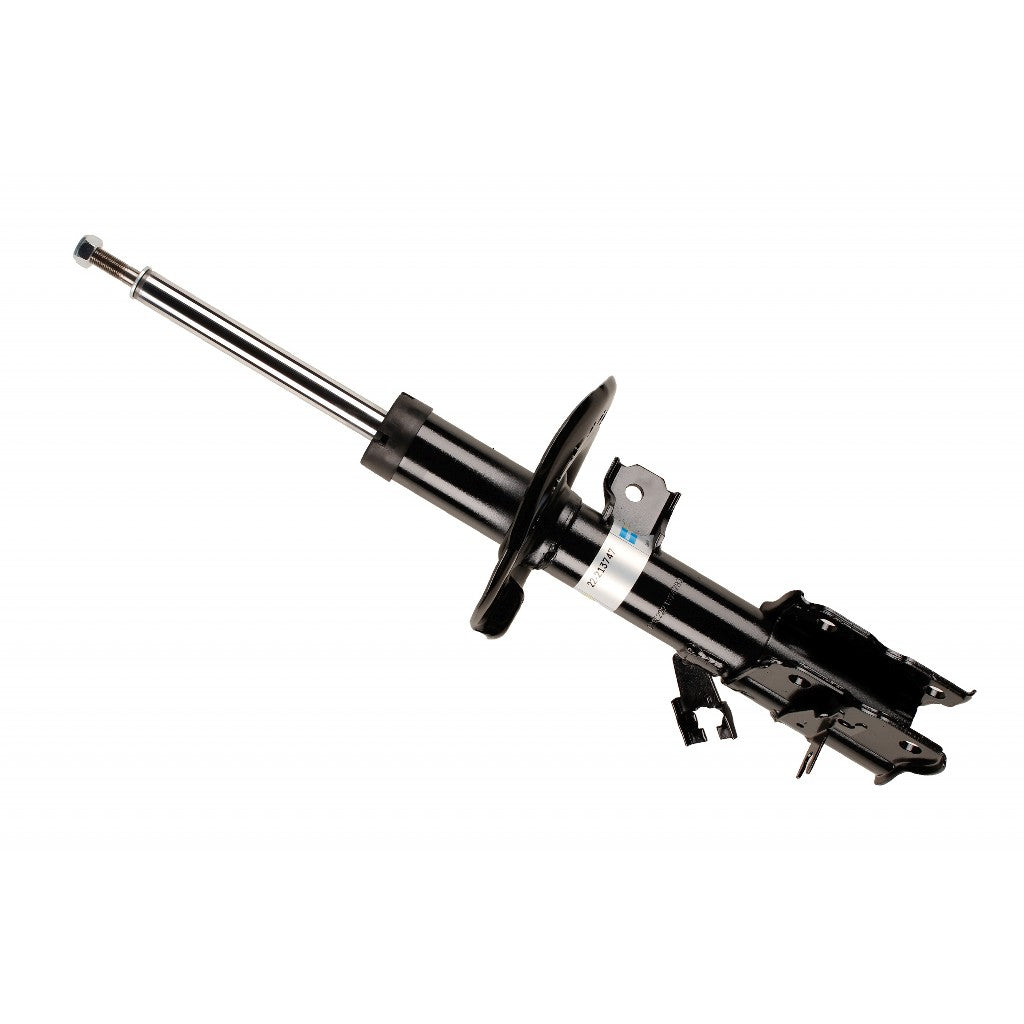
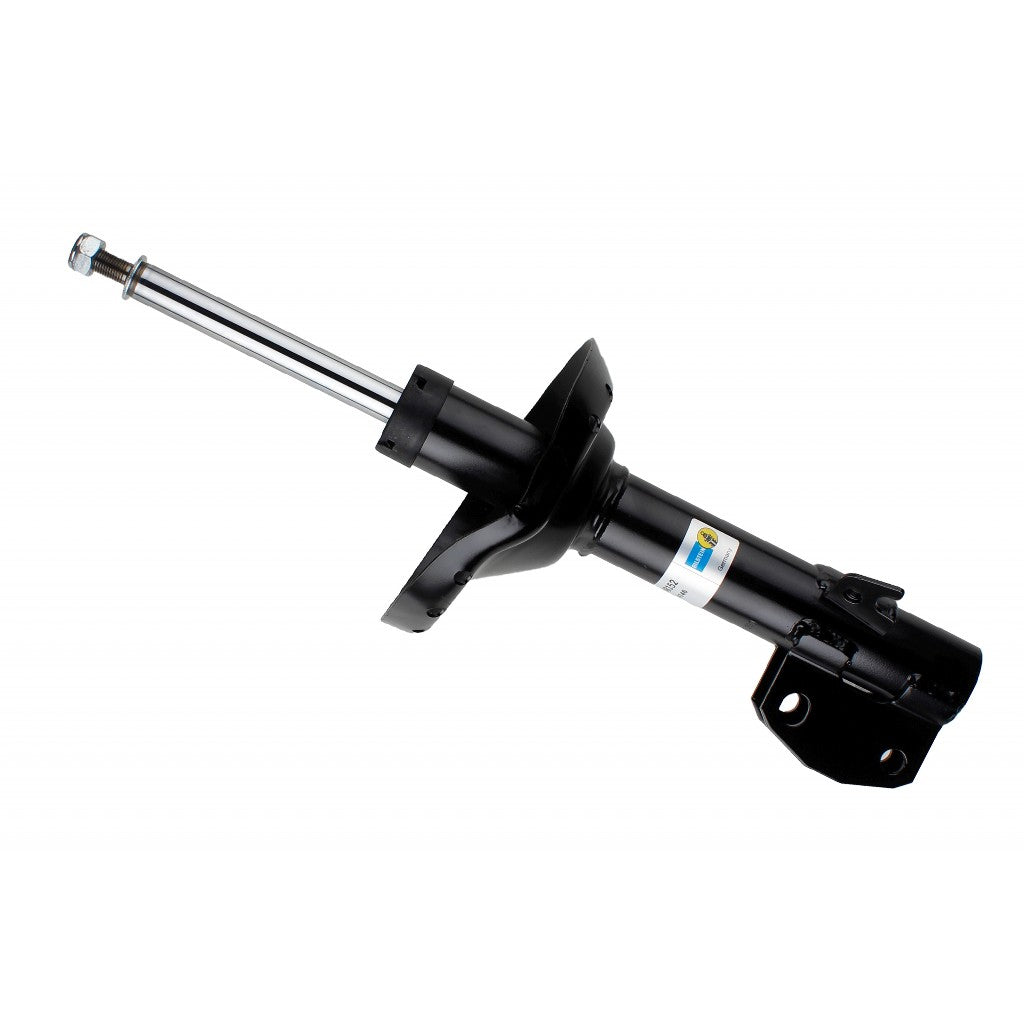
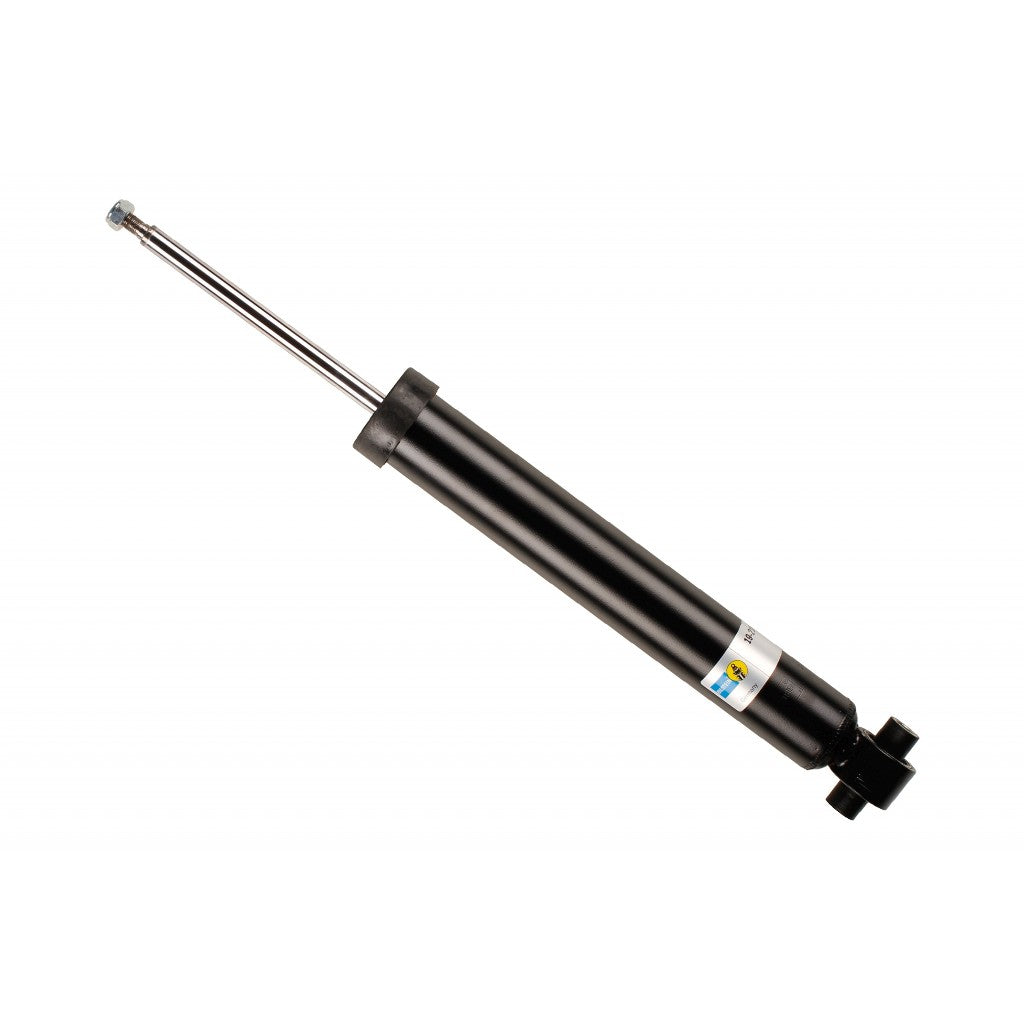
Shock absorbers are a fundamental component of a vehicle’s suspension system, responsible for controlling body movement and maintaining consistent tire contact with the road surface. While springs provide the primary elastic function, dampers regulate the speed of suspension movement, limiting oscillations and stabilizing vehicle behavior. Without effective damping, even a well-designed suspension cannot deliver predictable handling or reliable braking performance.
In modern chassis engineering, shock absorbers play a key role in managing dynamic loads. During operation, the suspension is constantly subjected to forces generated by acceleration, braking, directional changes, and road irregularities. Dampers control these forces by preventing excessive body movement and maintaining stability under varying conditions.
As the vehicle moves, springs compress and rebound in response to surface inputs, generating oscillations. Shock absorbers convert this kinetic energy into heat through hydraulic resistance, allowing the suspension to settle quickly and maintain control. This process ensures that the vehicle remains stable even under continuous load variations.
ATOMIC-SHOP offers components used in both standard vehicles and performance-oriented builds. Manufacturers such as Bilstein, Eibach, and Cusco develop solutions for a wide range of applications — from daily road use to track-focused configurations where chassis stability and response precision are critical.
Operating Principle of Shock Absorbers
The primary function of a shock absorber is to control the speed of suspension movement. When a wheel encounters an uneven surface, the spring compresses and stores energy. As it rebounds, the damper regulates this motion, preventing prolonged oscillations that would negatively affect stability and comfort.
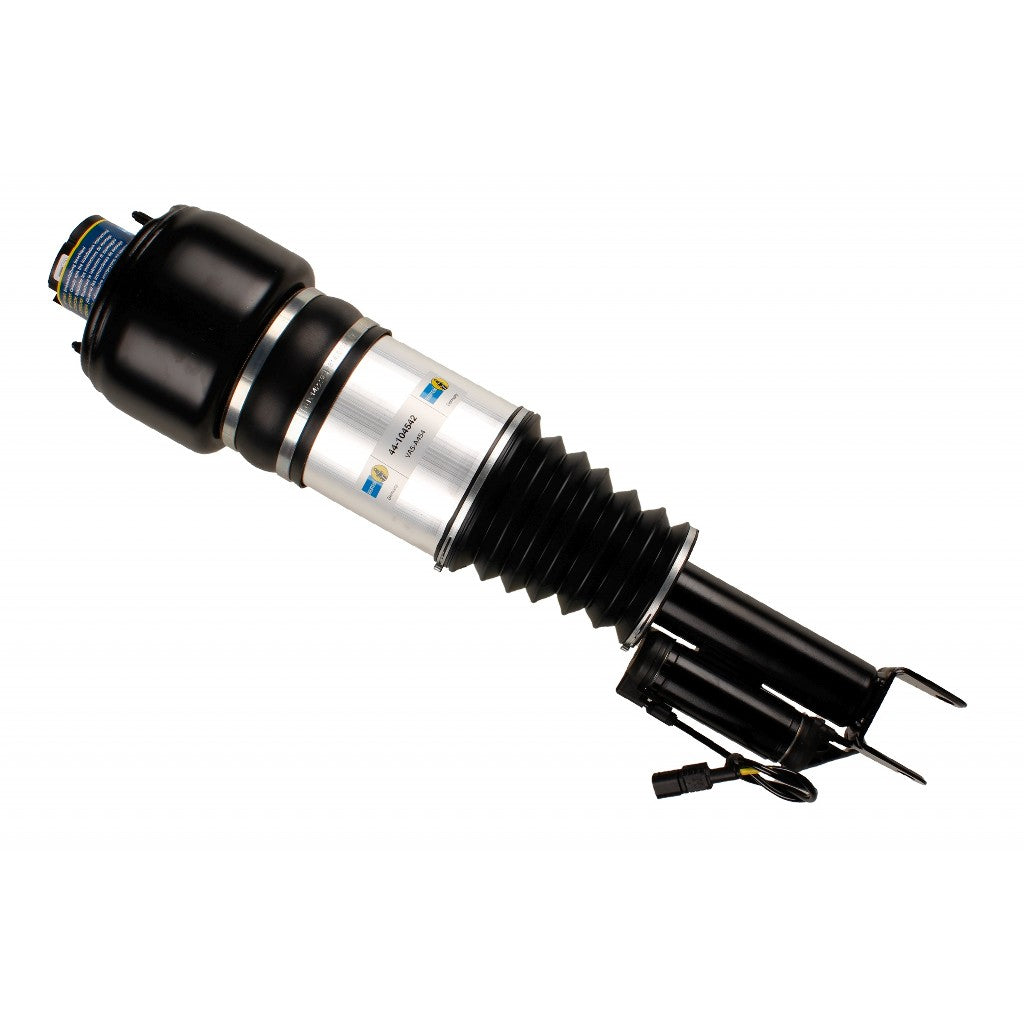
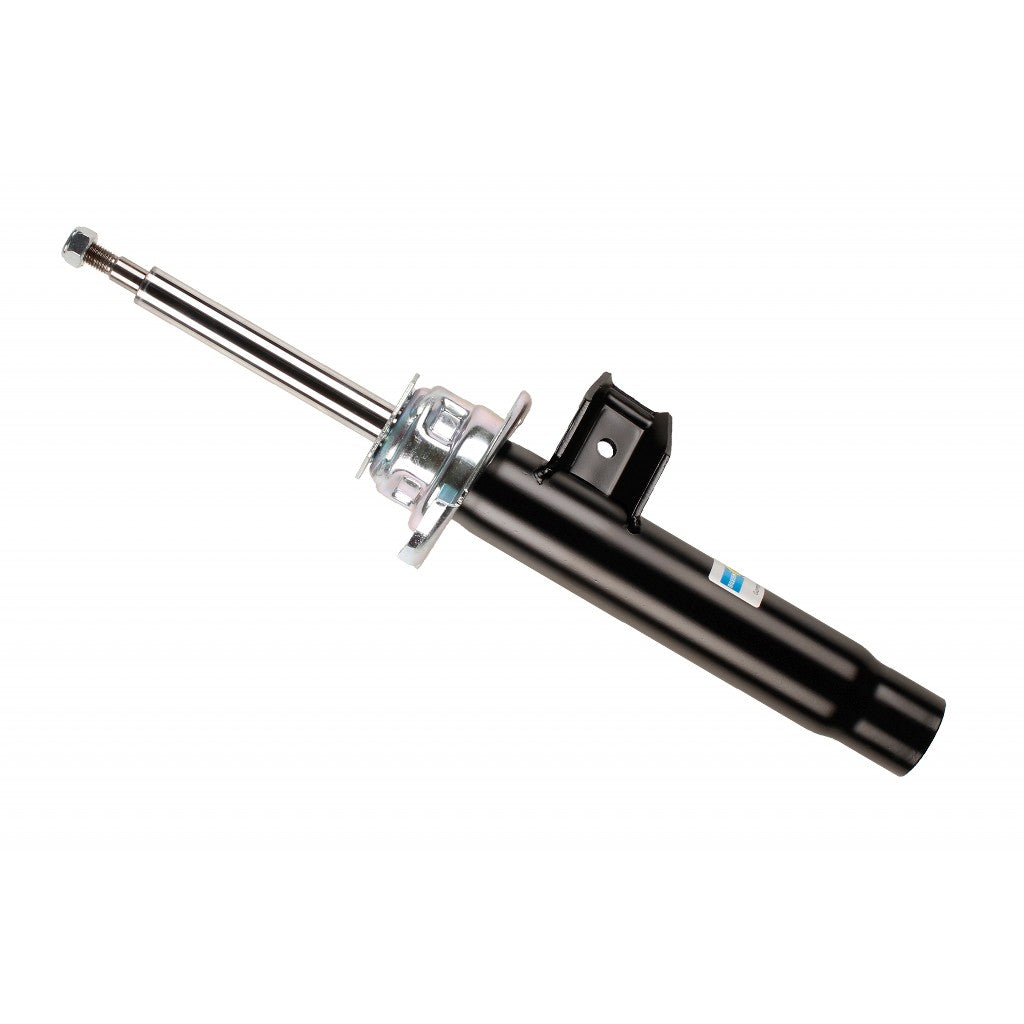
Inside the shock absorber, a piston moves within a fluid-filled cylinder. As the suspension compresses and rebounds, the piston forces fluid through a system of valves. This creates hydraulic resistance, which slows down suspension movement and dissipates energy.
Modern dampers use advanced valve systems to control both compression and rebound characteristics. These parameters determine how quickly the suspension responds to load changes and how stable the vehicle remains under dynamic driving conditions.
Properly calibrated damping allows the suspension to perform effectively across a wide range of road conditions, maintaining control during both minor surface imperfections and aggressive maneuvers.
Engineering Technologies and Damper Types
Shock absorbers are available in different designs depending on their intended use. The most common types are twin-tube and monotube dampers. Twin-tube designs are widely used in production vehicles, offering a balanced combination of comfort and performance.
Monotube dampers feature a more advanced construction and deliver more consistent performance under high load. In these systems, hydraulic fluid and pressurized gas are separated by a floating piston, reducing fluid aeration and improving damping efficiency.
Monotube designs also provide superior heat dissipation, which is critical in high-performance applications. During track use or aggressive driving, dampers operate under sustained load, making thermal stability a key factor.
Manufacturers such as Bilstein and Cusco implement precision valve technology to maintain consistent performance even under demanding conditions. Some models also include adjustable damping, allowing the suspension to be tuned for different driving styles and environments.
Application Across Different Driving Conditions
Shock absorbers play a crucial role in maintaining vehicle stability across varying road conditions. On uneven surfaces, they help keep the tires in contact with the road, directly affecting traction and braking efficiency.
In performance vehicles, dampers are subjected to significantly higher loads. During cornering and heavy braking, the chassis experiences substantial forces, and the suspension must respond quickly to maintain stability.
For this reason, upgraded dampers are commonly used in suspension modifications. Higher-performance units provide improved control over body movement and enhance steering response, particularly during dynamic driving.
Key Factors in Selecting Shock Absorbers
Selecting the correct shock absorbers requires consideration of suspension design, vehicle weight, and intended use. Dampers must be properly matched with spring characteristics, as both components function as a unified system.
For daily driving, moderate damping characteristics are typically preferred to maintain ride comfort. In performance applications, stiffer setups provide better control over suspension movement and improved chassis response.
Manufacturing quality is also critical. Brands such as Bilstein, Eibach, and Cusco use precision machining and specialized hydraulic fluids to ensure consistent performance and long-term durability under demanding conditions.
Impact of Shock Absorbers on Stability and Handling
Shock absorbers have a direct influence on vehicle dynamics. They control body movement relative to the wheels, helping maintain stability during aggressive maneuvers and braking.
When damping performance is properly optimized, the wheels return to contact with the road more quickly after disturbances. This improves traction and makes vehicle behavior more predictable.
In suspension upgrades, high-performance dampers are often one of the most effective ways to improve handling characteristics. By providing more precise control over suspension movement, they enhance driver feedback and overall chassis stability in a wide range of conditions.