










Radiators as the Foundation of Stable Engine Thermal Management
Radiators are key components of the cooling system, removing excess heat from the engine, transmission, or auxiliary circuits and transferring it to the airflow. In a modern vehicle, thermal load constantly changes: the engine operates in city traffic, during intense acceleration, on the race track, in traffic jams, at high rpm, and under increased boost pressure. If the cooling system cannot handle these operating conditions, temperature quickly moves beyond the working range, affecting power, oil durability, ignition stability, and mechanical engine reliability.
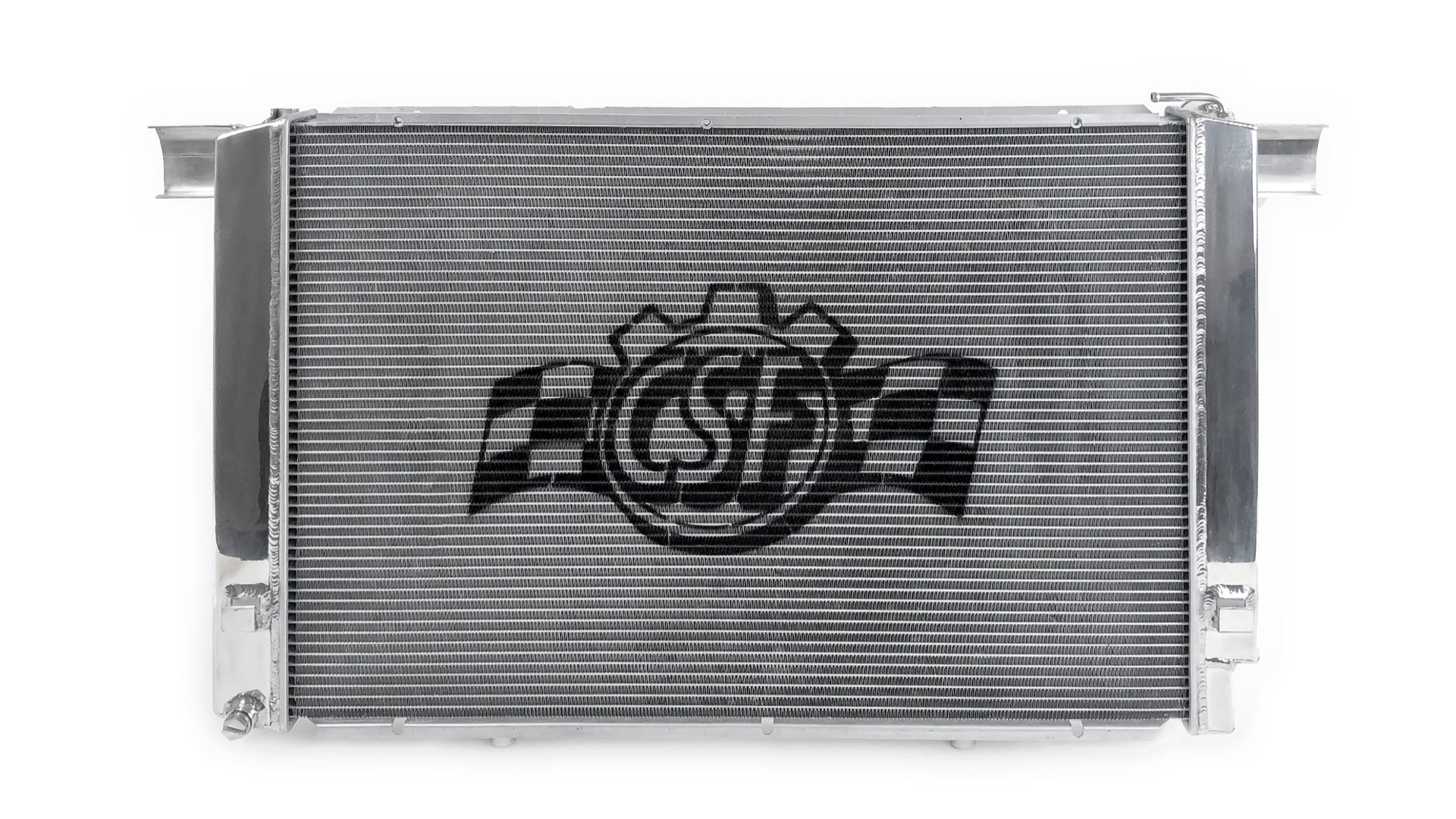
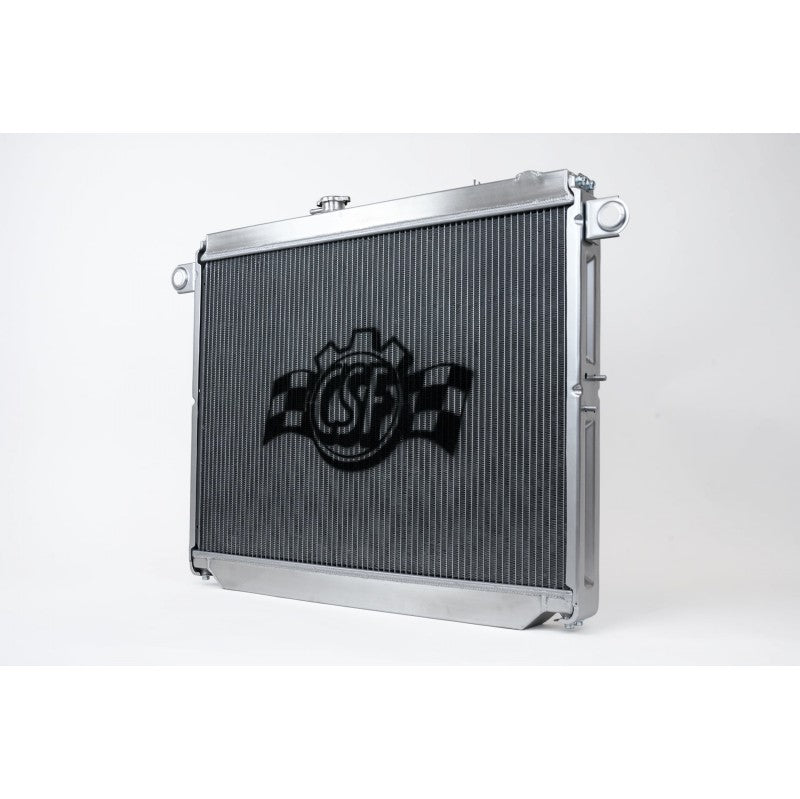
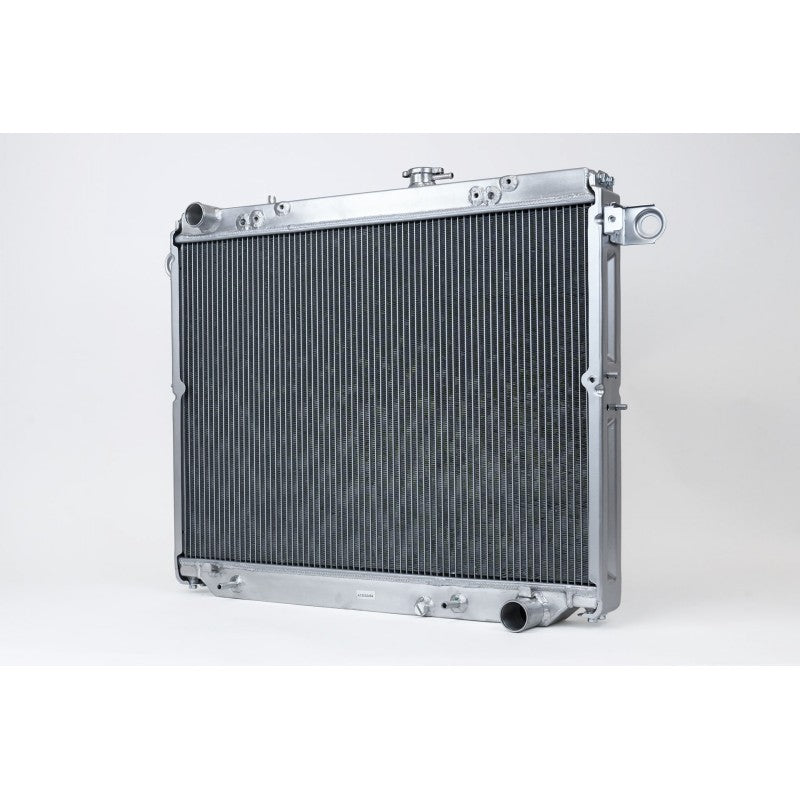
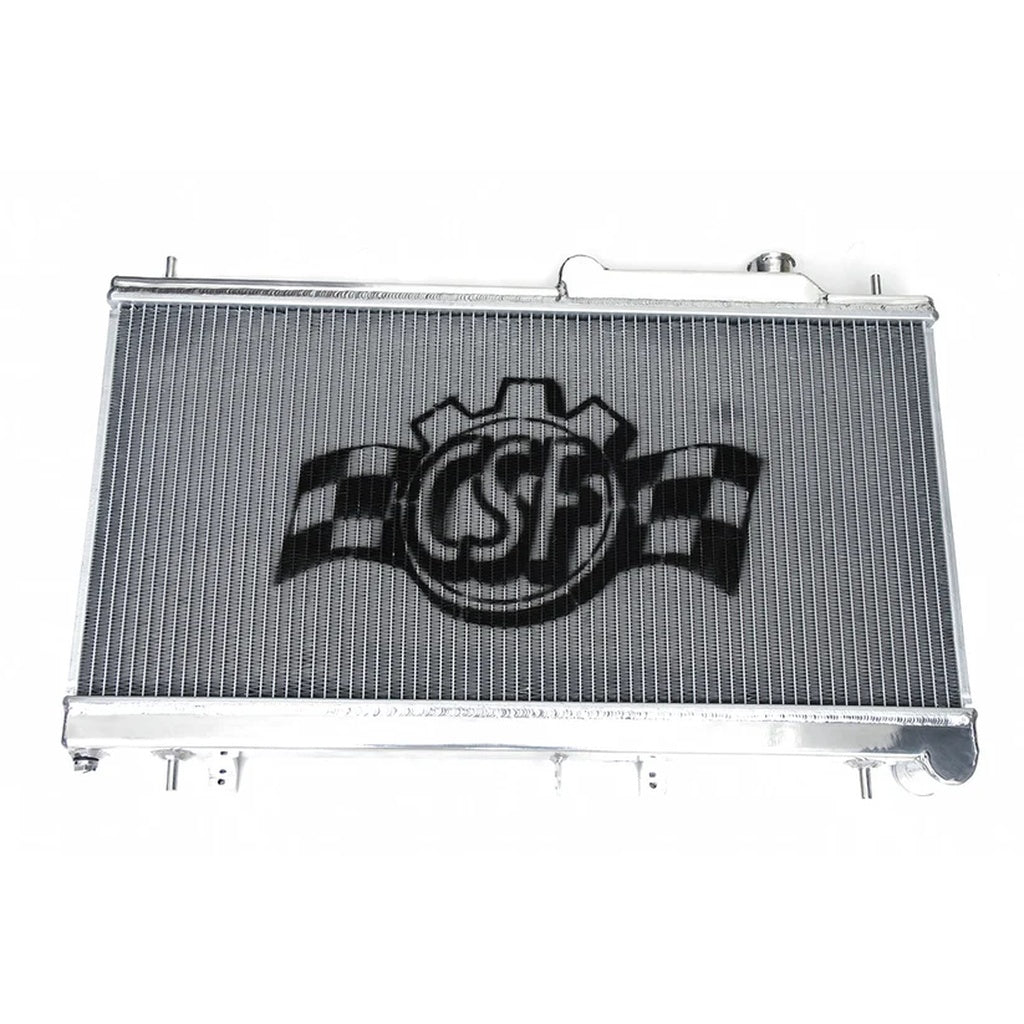
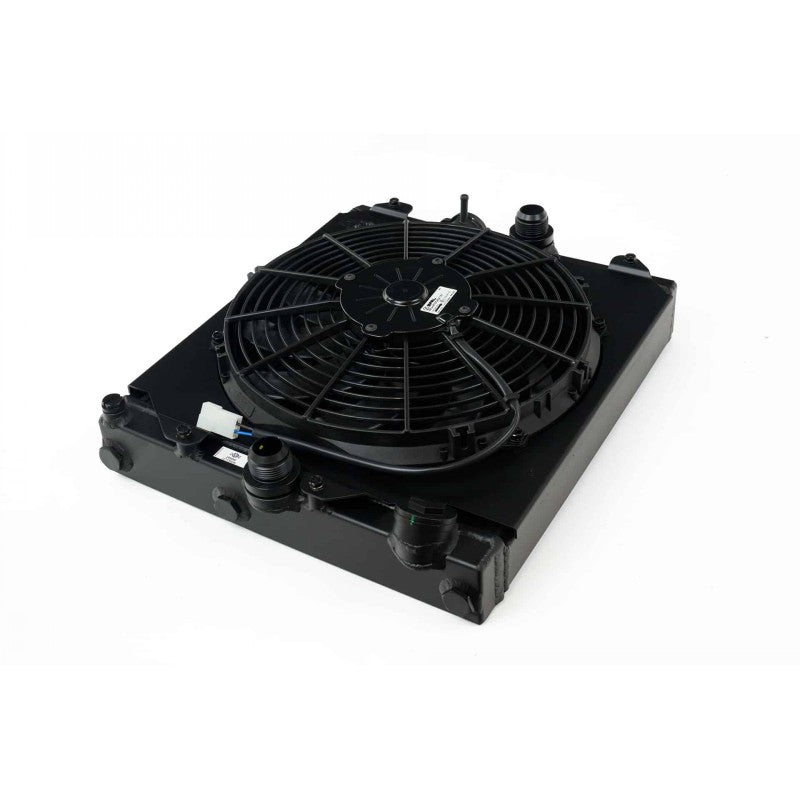
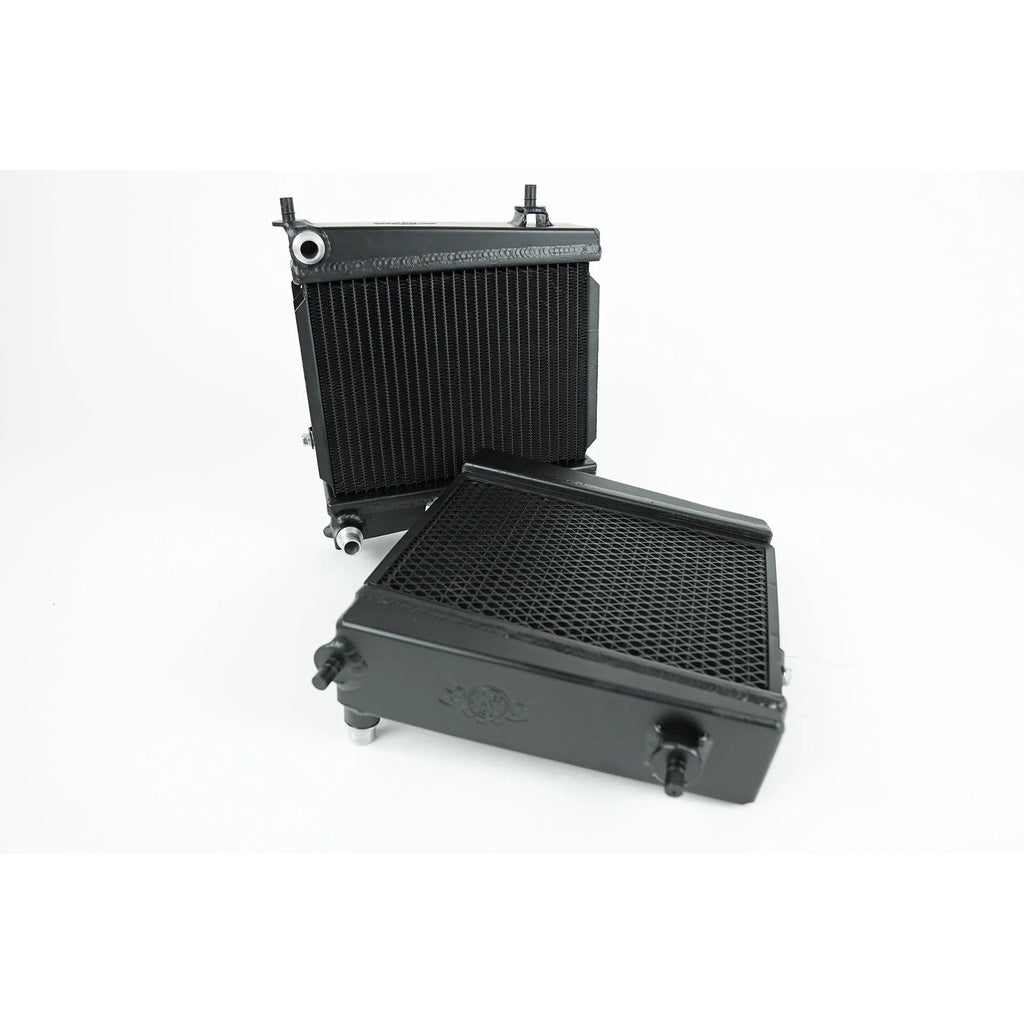
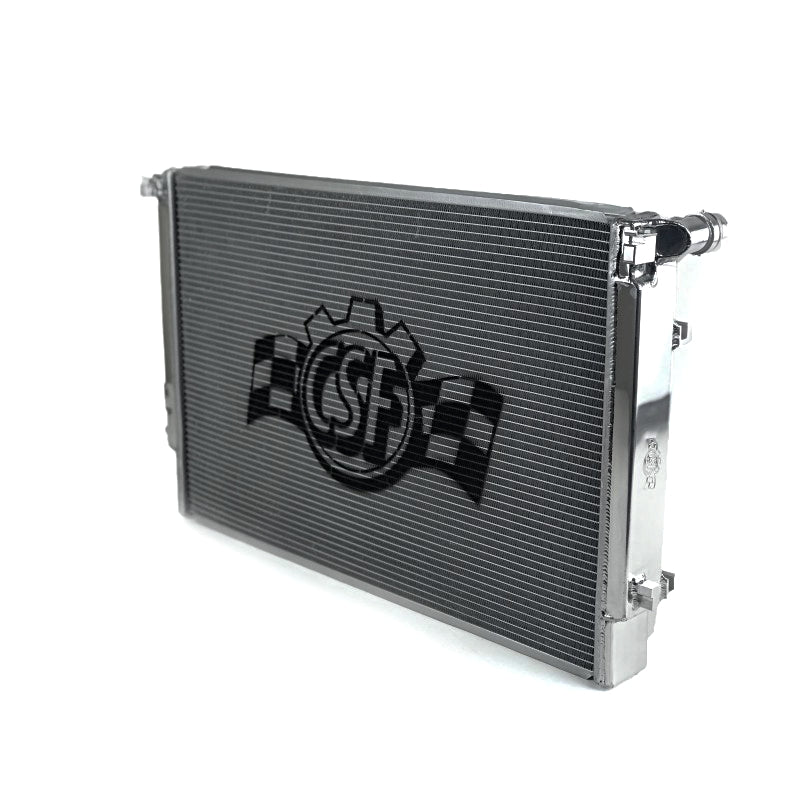
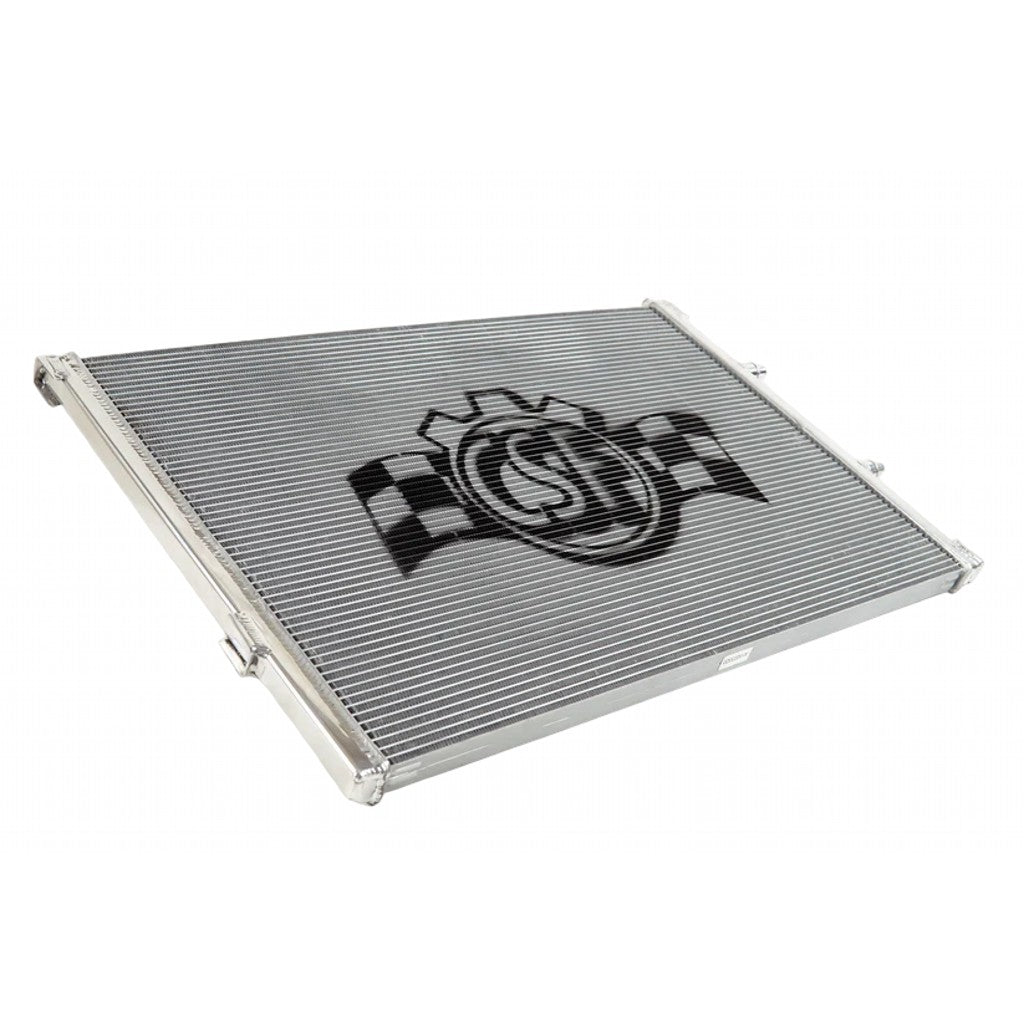
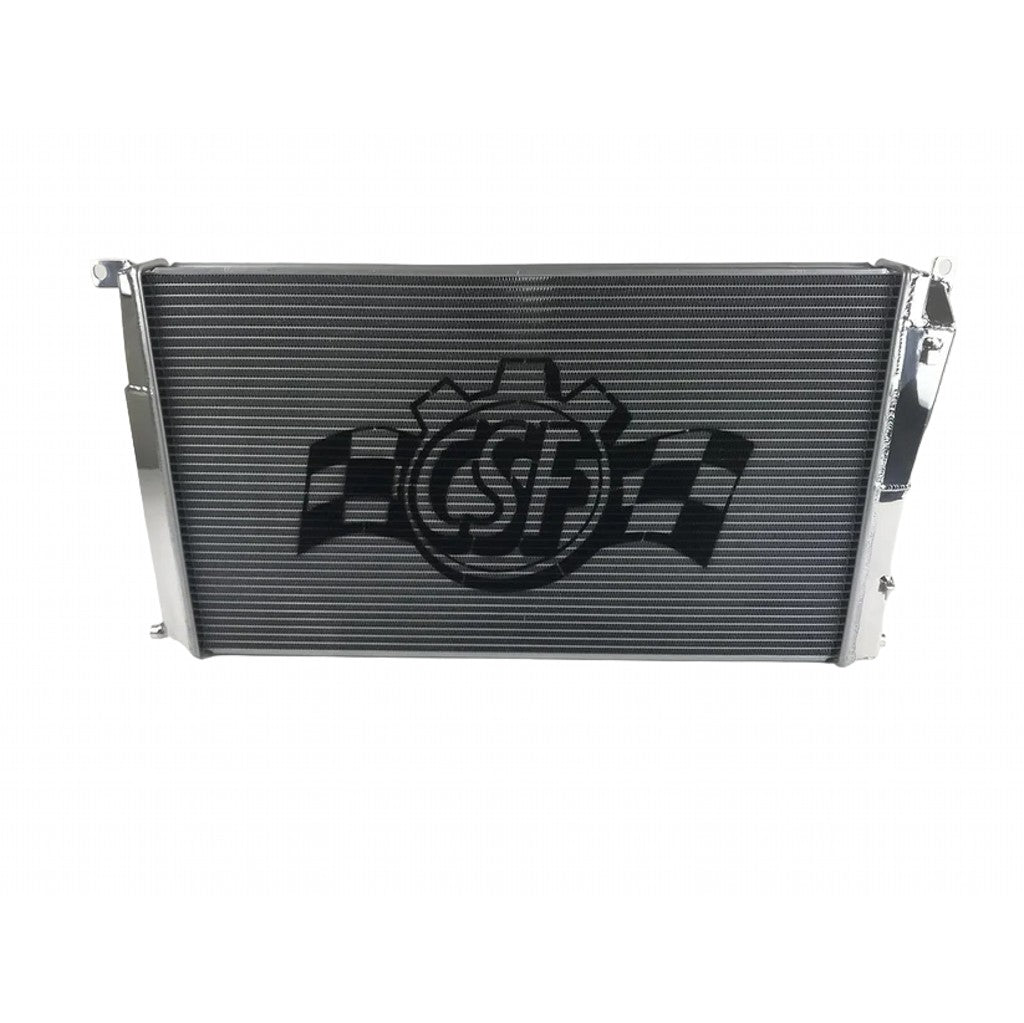
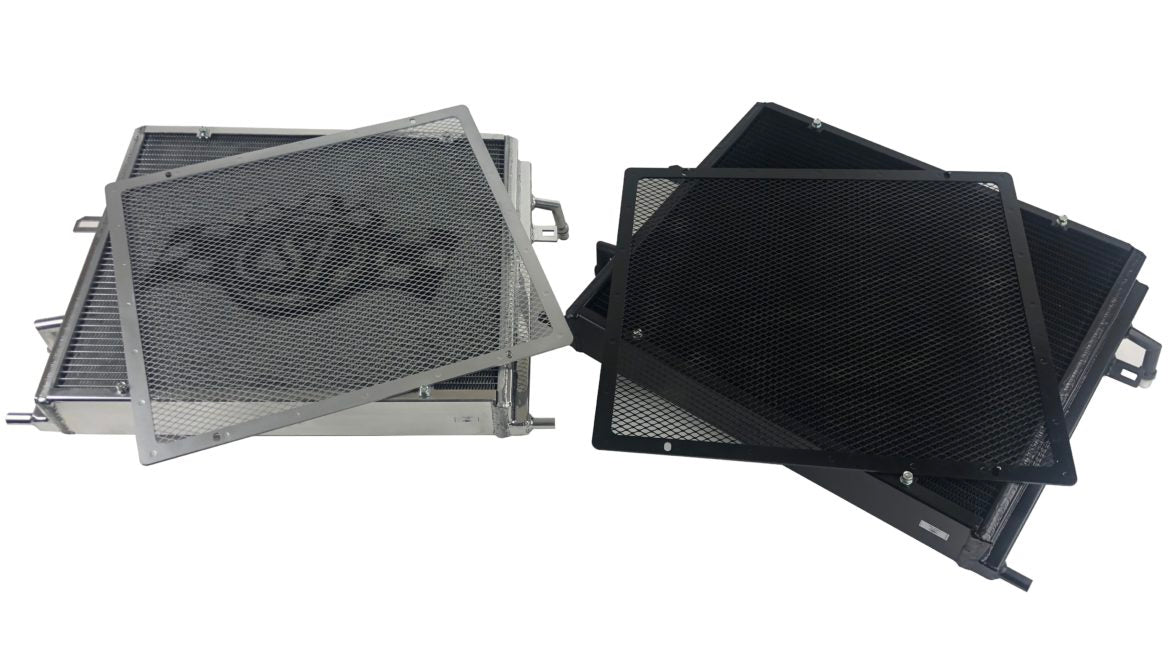
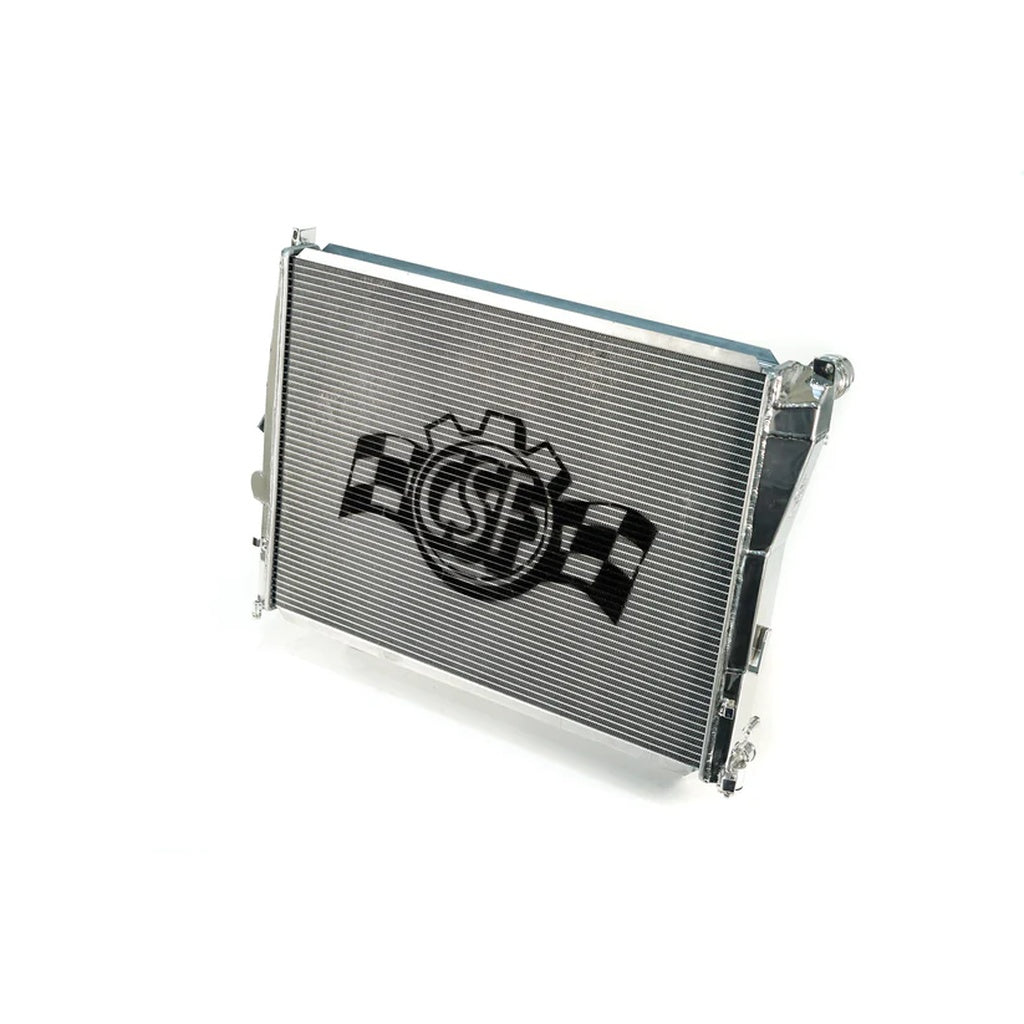
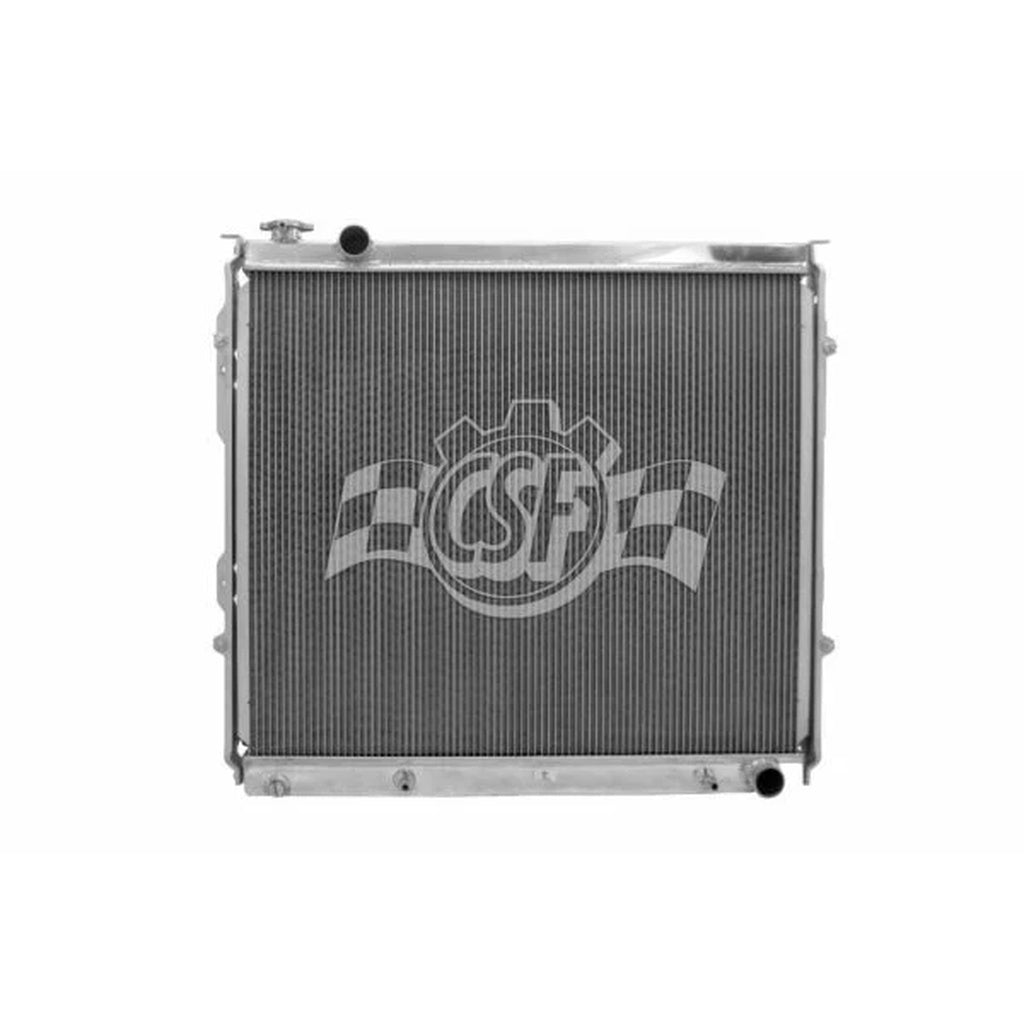
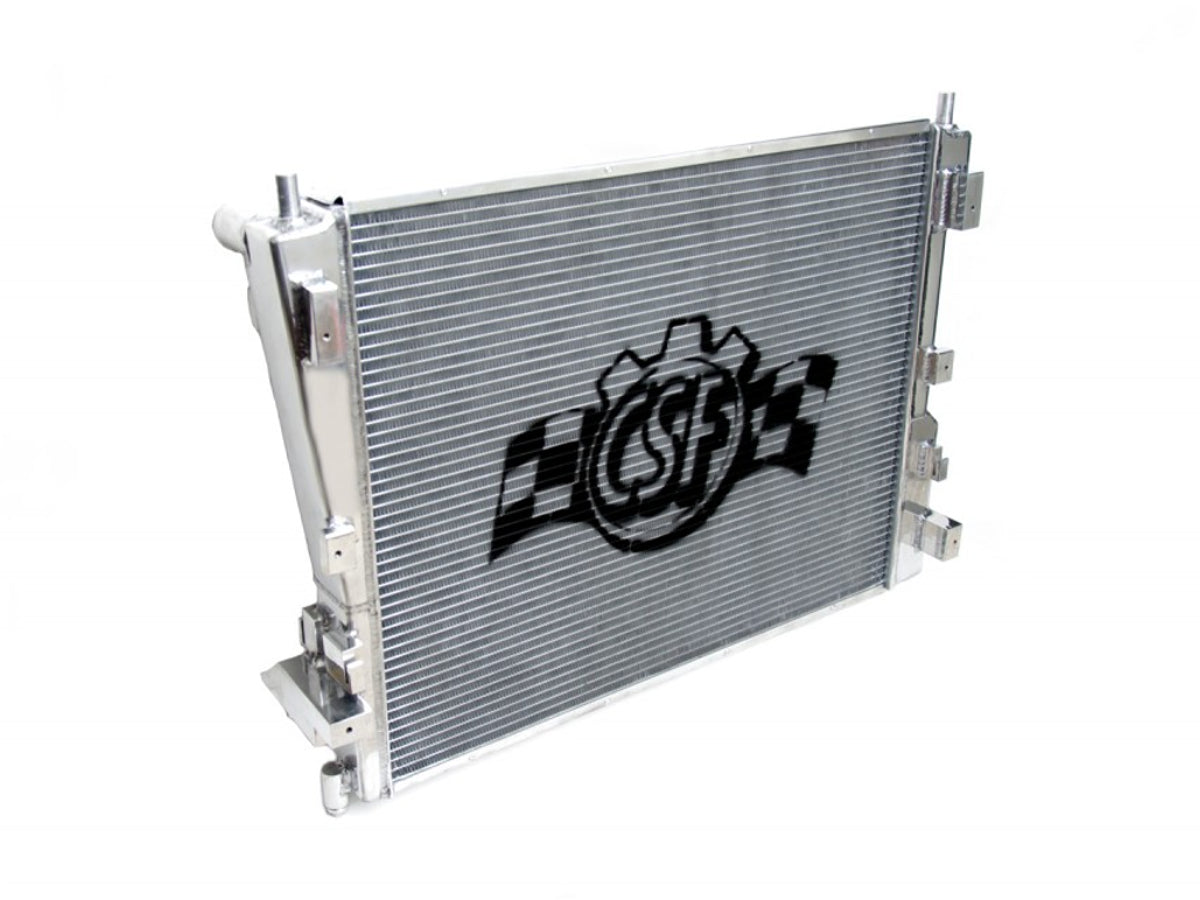
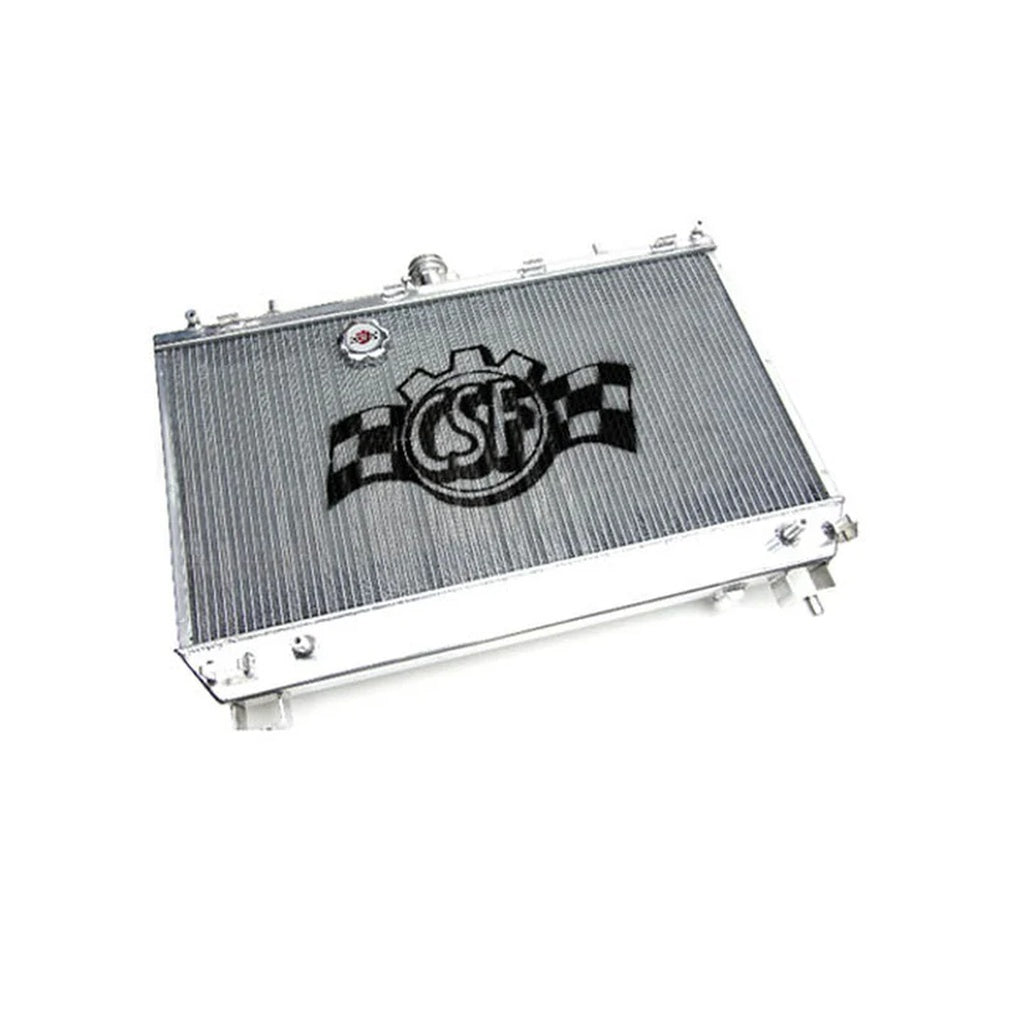
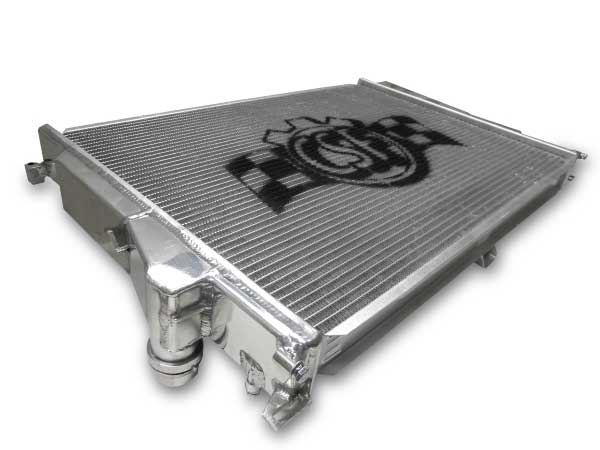
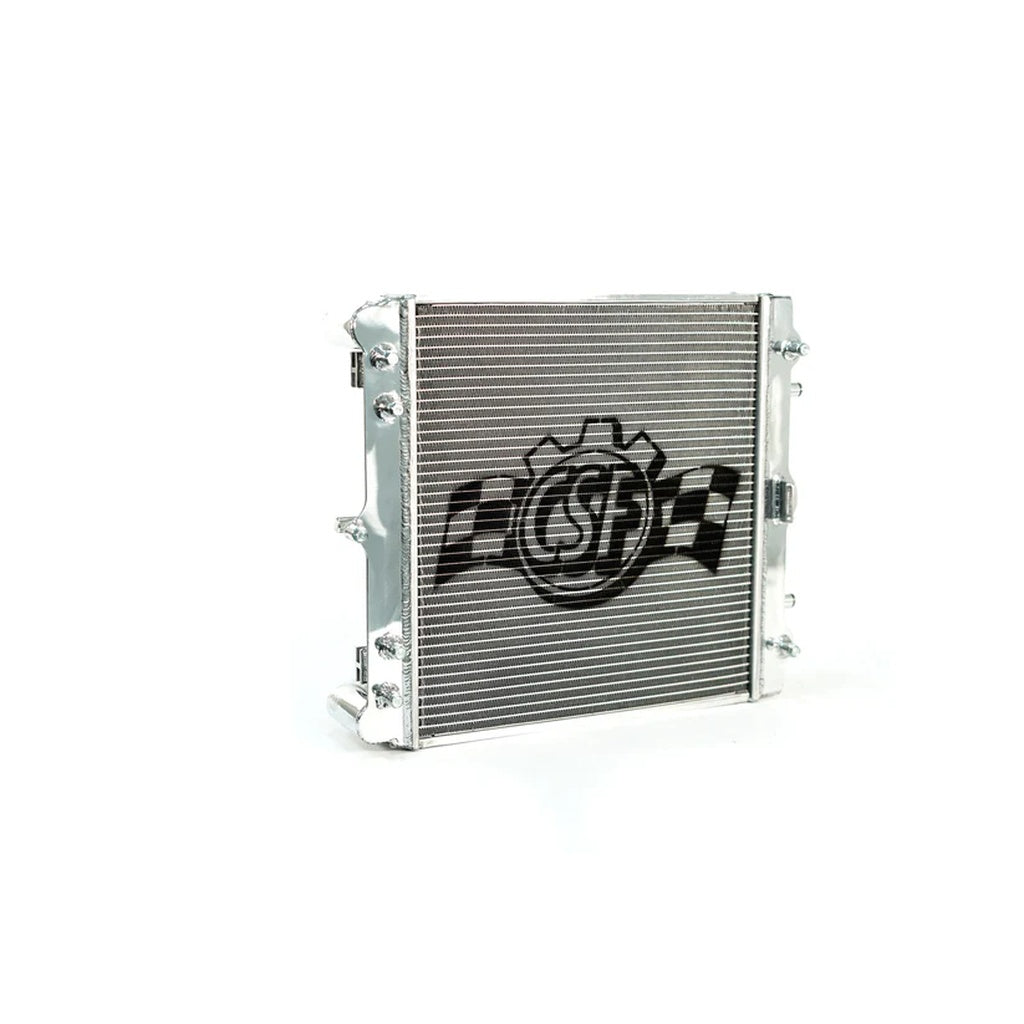
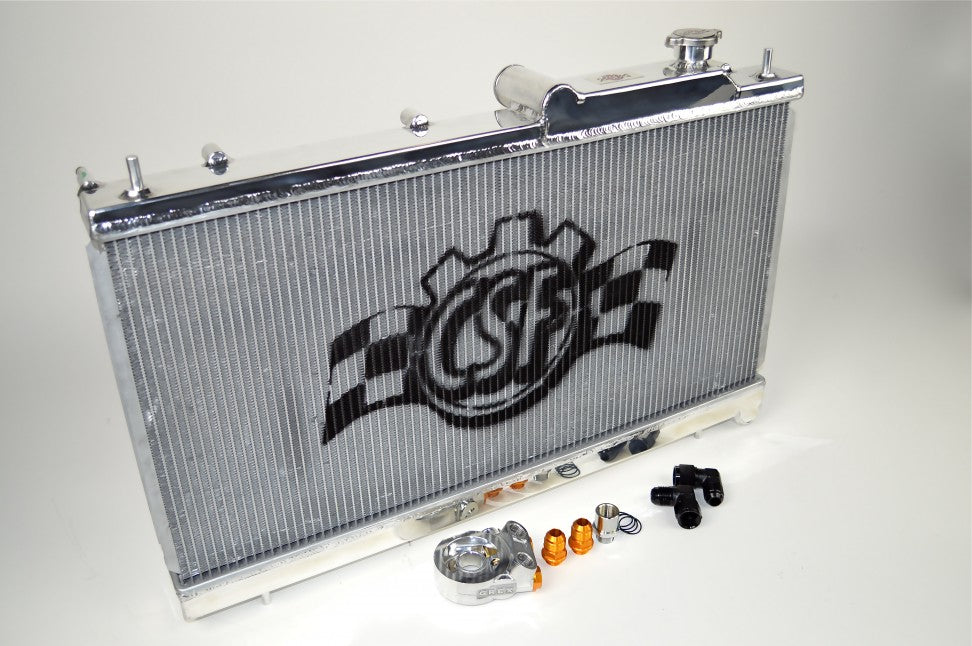
This category includes radiators, radiator hoses, cooling system components, and accessories for stock, tuned, and performance vehicles. These are not only main coolant radiators, but also solutions for upgrading coolant lines, increasing flow capacity, improving heat dissipation, and stabilizing temperature under load. Brands represented in the category include MISHIMOTO, CSF, GReddy, Forge Motorsport, COBB Tuning, AMS Performance, CUSCO, Wagner Tuning, PERRIN Performance, Radium Engineering, Verus Engineering, Design Engineering (DEI), ATOMIC, and other manufacturers connected with cooling systems, thermal protection, and high-load automotive configurations.
For tuning, fast road use, track driving, and motorsport, radiators are more than just replacements for factory parts. They become part of the vehicle’s overall thermal strategy. Increased power raises the amount of heat that must be removed from the engine, turbocharger, engine oil, transmission, and engine bay. If a radiator has insufficient surface area, a weak core, restrictive hoses, or poor airflow, the engine may lose power due to overheating, increased intake temperature, unstable ignition system operation, and accelerated aging of technical fluids.
How a Radiator Works in a Vehicle Cooling System
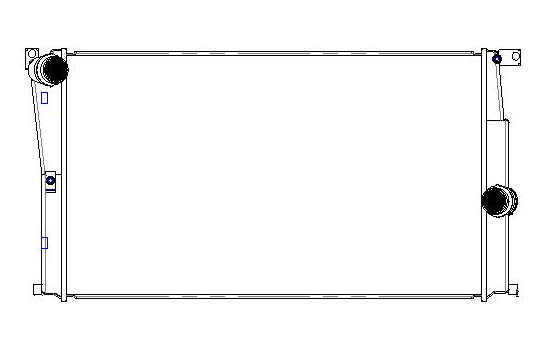
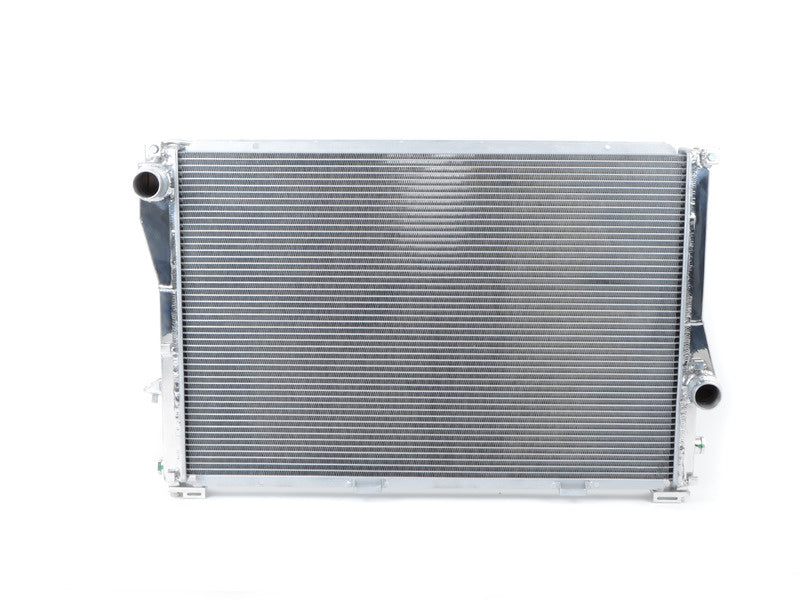
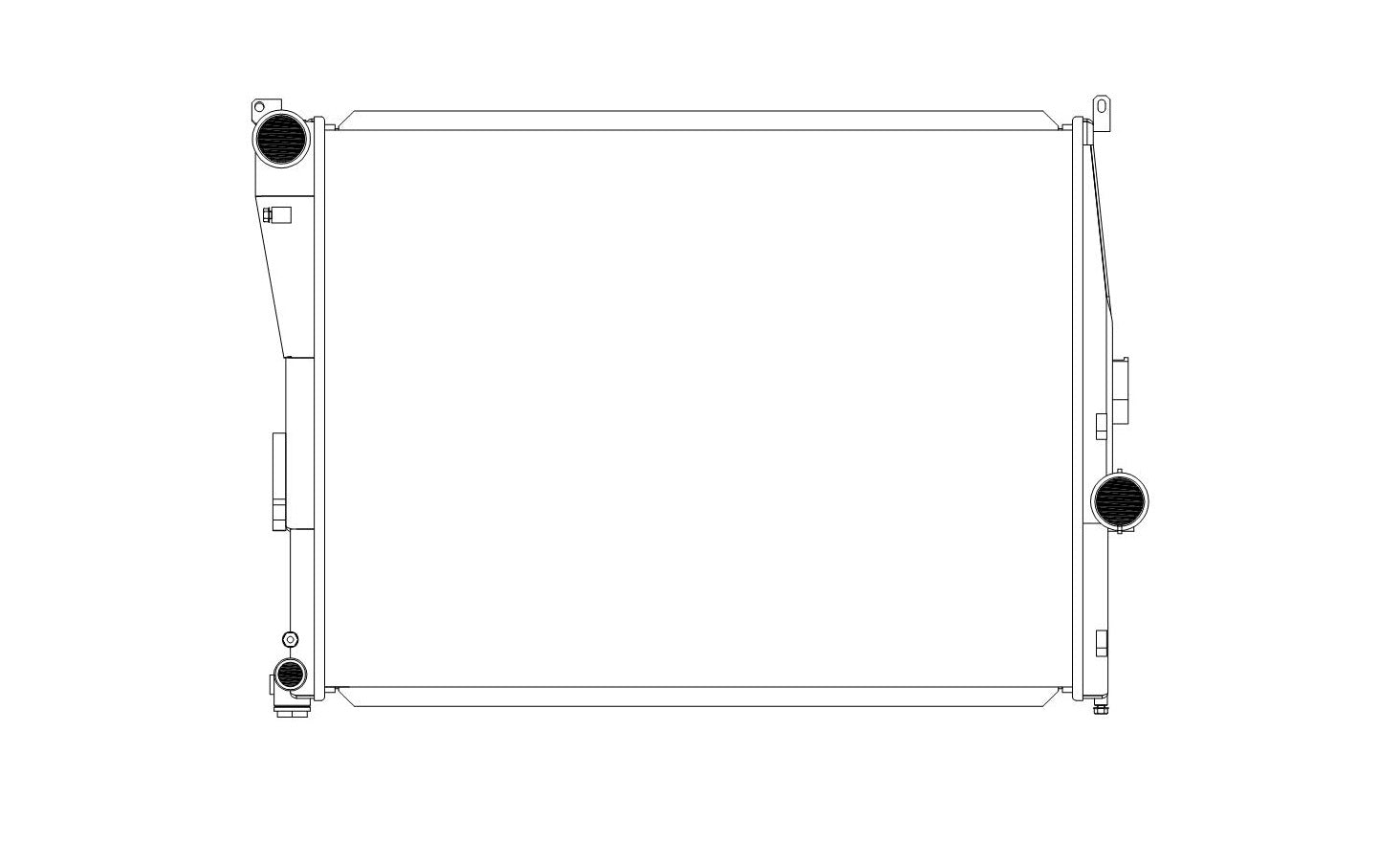
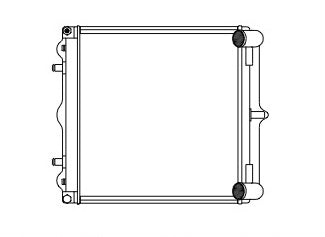
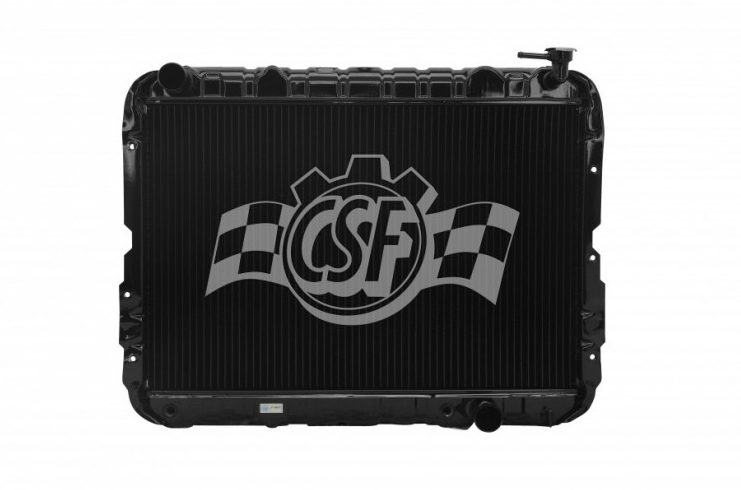
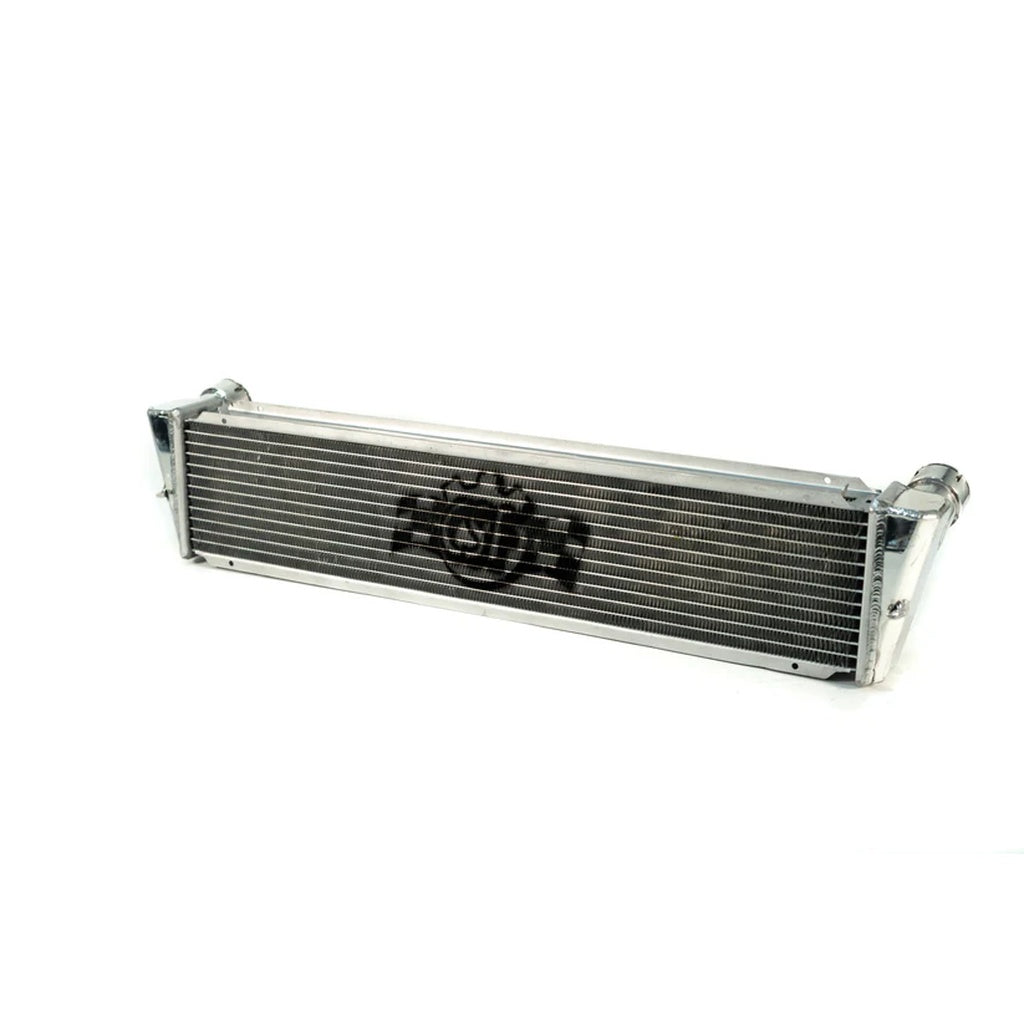
The main engine radiator works as a heat exchanger. Heated coolant leaves the engine, passes through the radiator passages, transfers heat to thin tubes and fins, and then the cooled fluid returns to the circuit. Air passing through the radiator core absorbs this heat and carries it out of the engine bay. The efficiency of this process depends on heat exchange area, core design, coolant flow speed, air speed, fan operation, hose condition, and correct radiator placement at the front of the vehicle.
A radiator does not operate separately from the other components. Its efficiency is connected to the water pump, thermostat, cooling system cap, expansion tank, fans, air ducts, and hoses. If any of these elements creates a restriction, even a high-performance radiator may not deliver the expected result. For example, old or soft hoses can deform under pressure, the thermostat may open at the wrong time, and insufficient airflow through the core reduces cooling efficiency at low speed.
In high-load vehicles, the relationship between flow capacity and coolant residence time inside the radiator is especially important. If the flow is too weak, heat is not removed from the engine quickly enough. If the design creates uneven flow distribution, part of the core may work less effectively. High-quality radiators and hoses must provide stable coolant movement without localized stagnation, air pockets, or sharp pressure drops.
Materials, Core Design, and Heat Dissipation Engineering
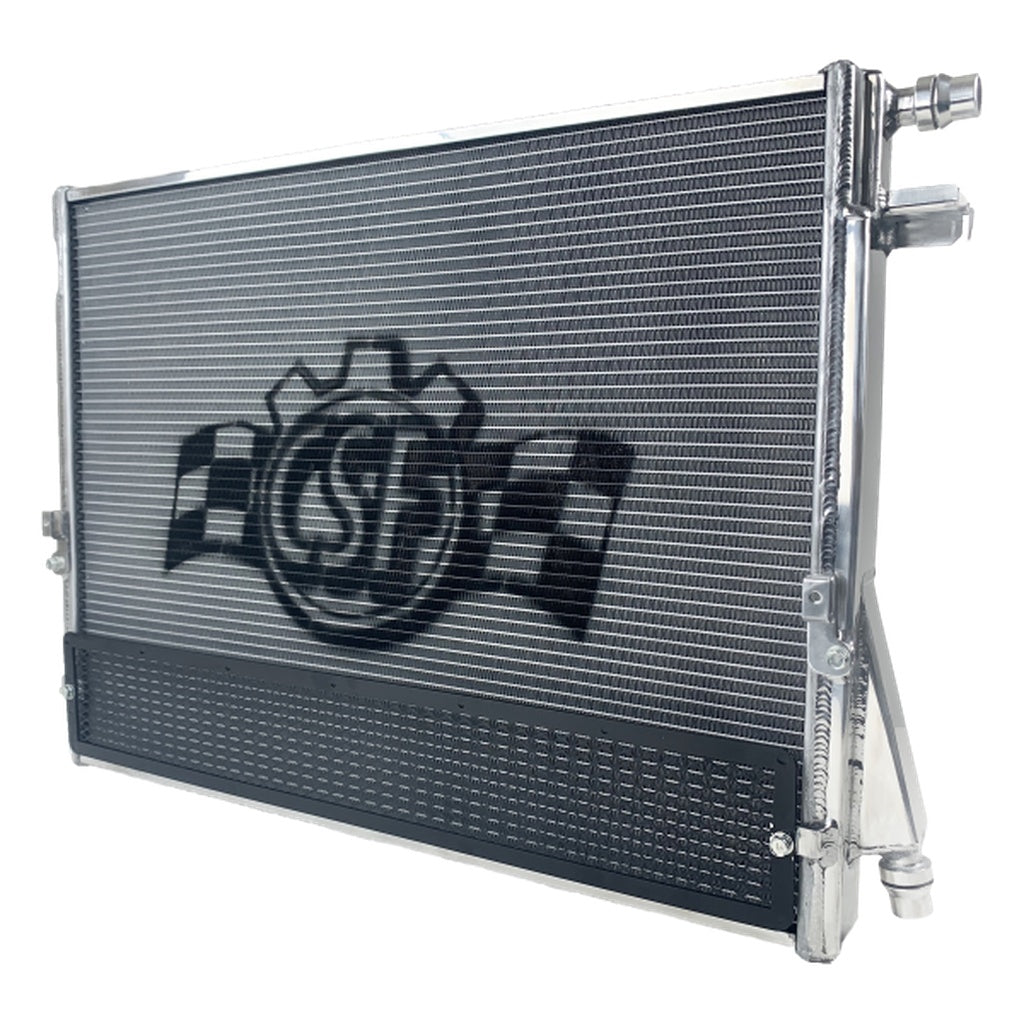
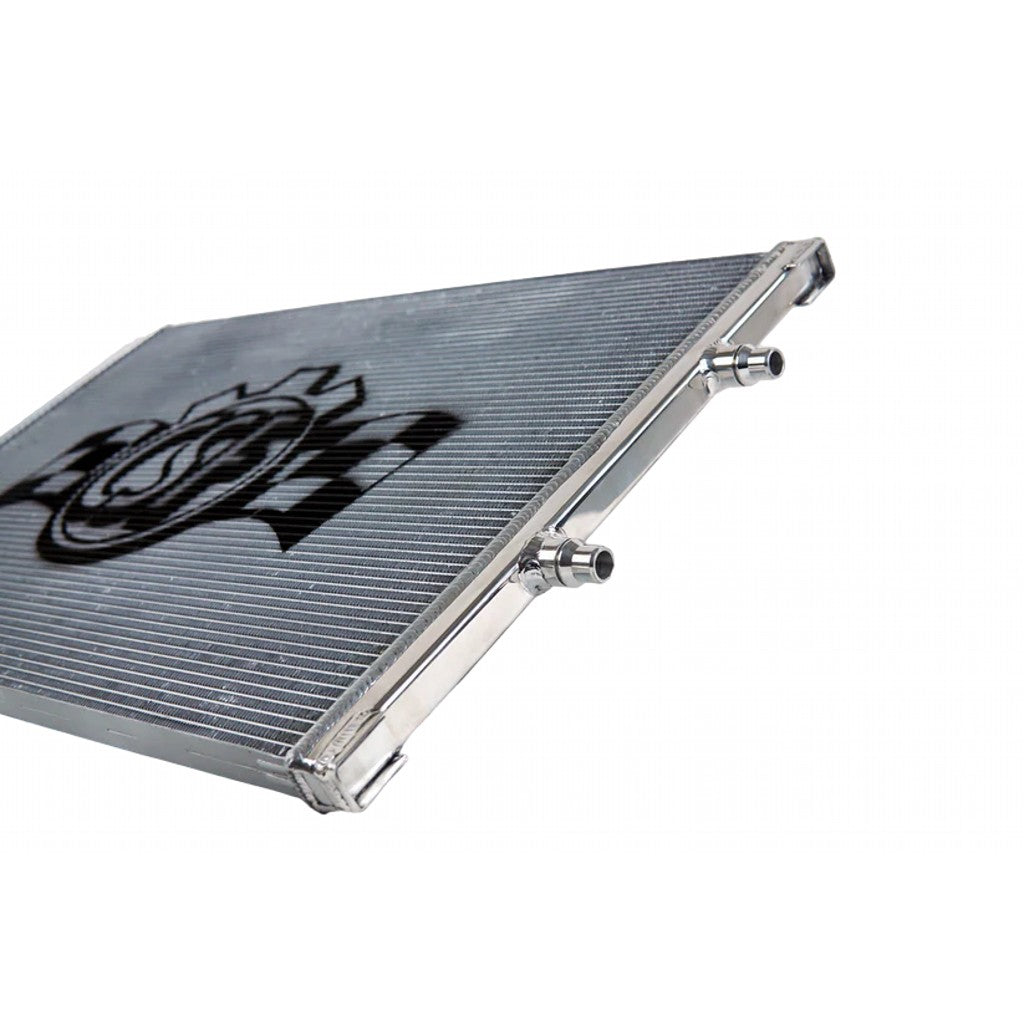
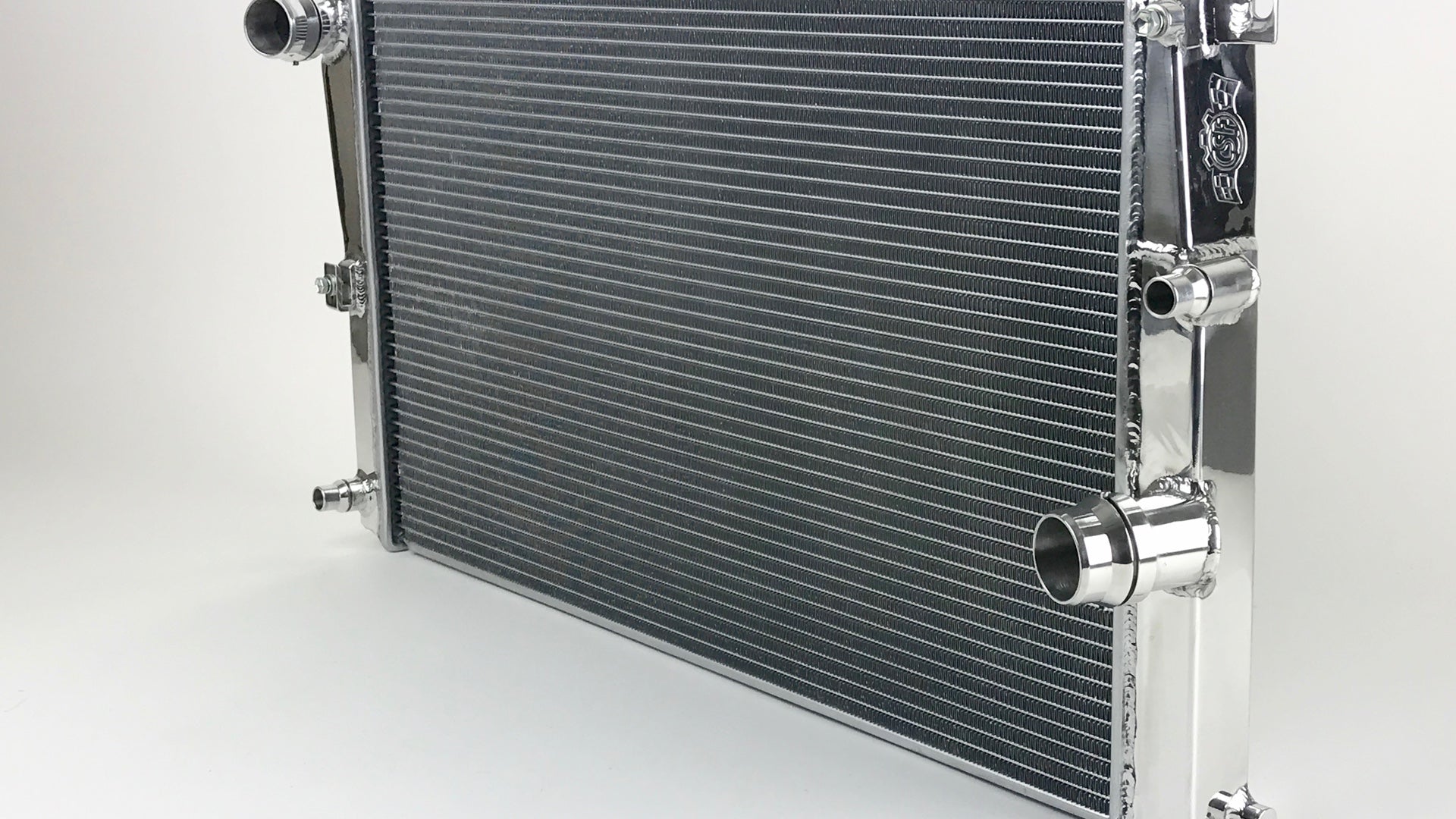
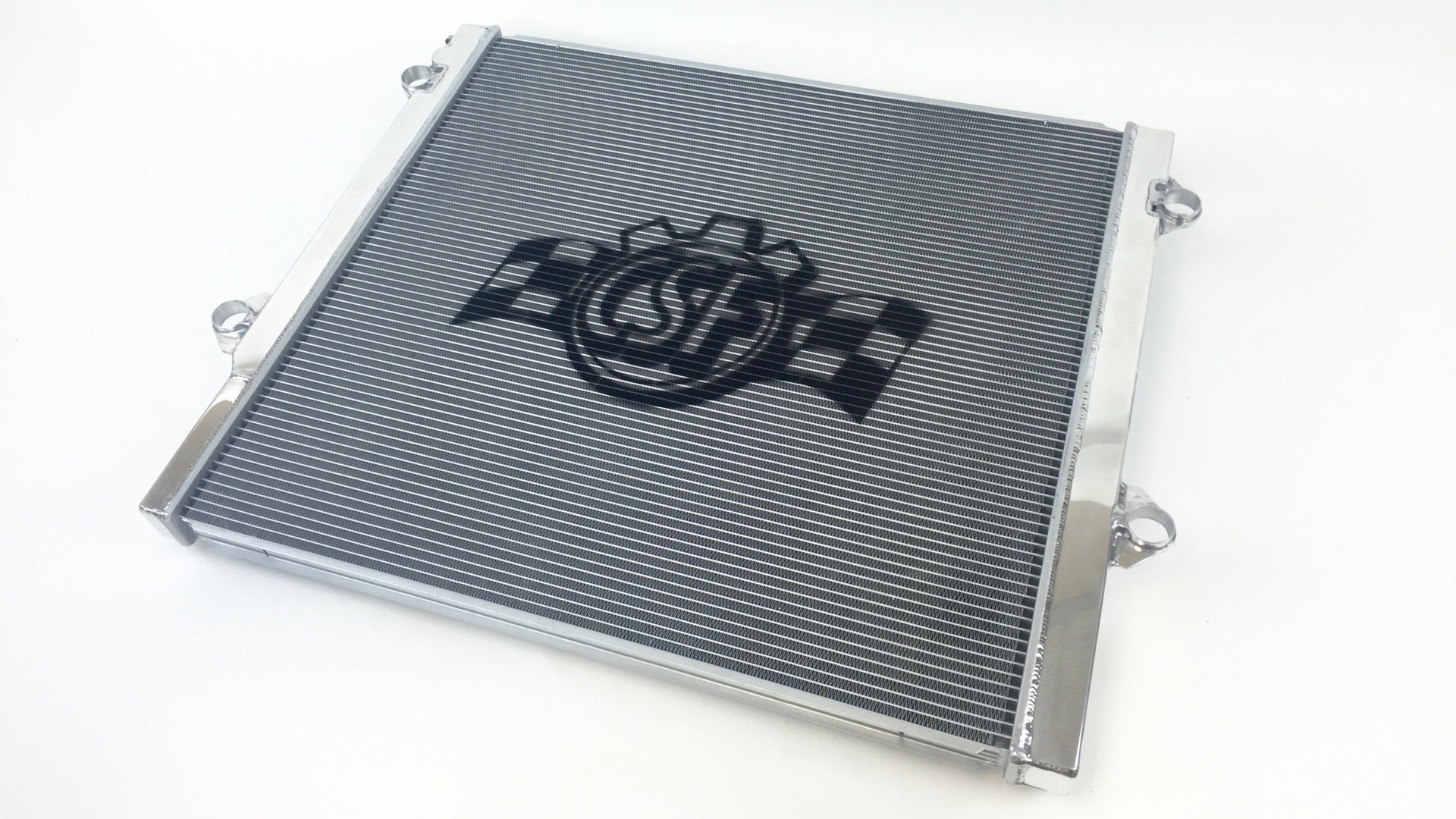
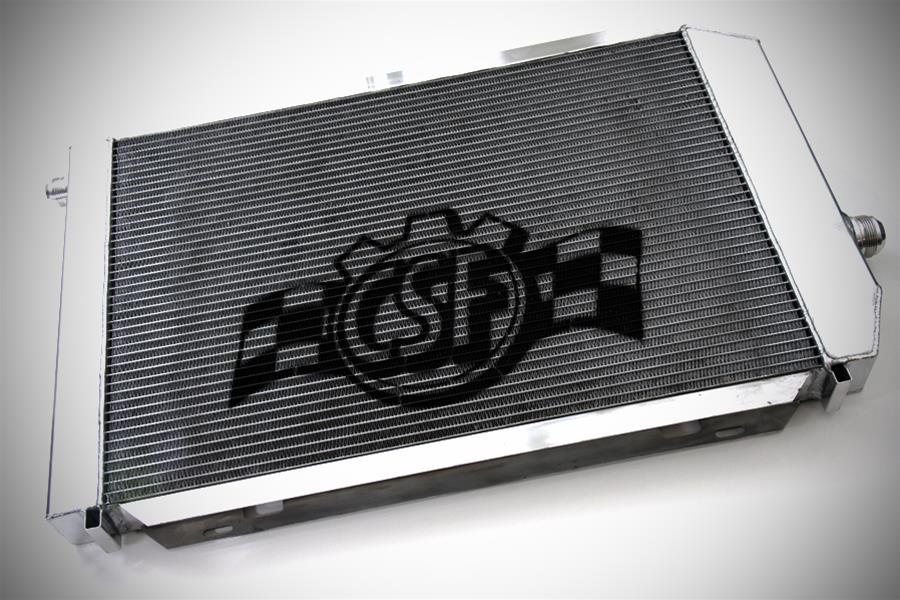
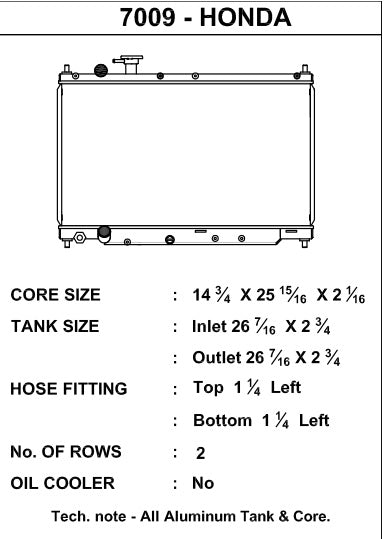
Radiator design determines its ability to remove heat under load. Tank material, core thickness, number of rows, tube shape, fin density, and joint quality all matter. Aluminum radiators are often used in tuning and motorsport because they combine thermal conductivity, strength, and relatively low weight. Compared with factory solutions, they can offer a larger heat exchange area, reinforced tank construction, and better resistance to high system pressure.
The radiator core should not simply be thick — it must work correctly with airflow. Excessive thickness without proper ventilation can worsen air penetration, especially if an air conditioning condenser, charge air cooler, or oil cooler is already installed in front of the radiator. In such conditions, not only surface area matters, but also the aerodynamics of airflow through the core. This is why performance cars often use guide shrouds, air ducts, and seals that force air to pass through the core rather than around it.
Radiator and cooling hoses also have technical importance. Silicone or reinforced hoses withstand temperature, pressure, and aging better than worn rubber components. In engines with high thermal load, a hose must not swell, soften, or create internal restrictions. Brands such as MISHIMOTO, Forge Motorsport, COBB Tuning, PERRIN Performance, and GReddy are often associated with cooling system upgrades, where not only the radiator core itself matters, but also the reliability of all connecting elements.
In complex configurations, heat shields, insulation materials, and aerodynamic components also become important. Design Engineering (DEI) develops solutions for thermal protection of lines and components, Verus Engineering creates engineered elements for airflow management and engine bay aerodynamics, while Wagner Tuning specializes in high-efficiency charge air cooling systems. These components should not be confused with main engine radiators, but in a complete vehicle build they help control engine bay temperature and stabilize thermal circuit operation.
Application of Radiators in Road, Racing, and Turbocharged Vehicles
In road tuning, radiators are most often replaced after increasing engine power, installing a more efficient turbocharger, switching to a more aggressive driving style, or encountering temperature problems in city traffic. For daily use, the cooling system must operate reliably not only at high speed, but also in traffic jams, during summer driving, with air conditioning on, and after prolonged load. In this scenario, the radiator must combine effective heat dissipation with correct operation of the factory fans and thermostat.
On the race track, the radiator operates under prolonged high thermal load. The engine repeatedly reaches the upper rpm range, oil and coolant temperatures gradually rise, and short braking zones do not always give the system enough time to stabilize. If the radiator is not efficient enough, each following lap may come with higher temperatures, power loss, and increased overheating risk. In such conditions, solutions from CSF, MISHIMOTO, CUSCO, or GReddy are often considered part of a complete cooling package for a performance vehicle.
In powerful turbocharged vehicles, thermal load increases not only in the engine cooling system, but throughout the entire engine bay. The turbocharger, exhaust manifold, charge air cooler, oil circuit, and transmission can all become additional heat sources. This means the engine radiator must operate with limited airflow and high temperatures around nearby components. In such configurations, the cooling system should be viewed as one integrated thermal network rather than a single separate part.
For drag racing, the main challenge is rapid heat accumulation during short but extremely intense loads. The engine may operate at high boost pressure, and after the run it requires quick temperature stabilization. For these vehicles, not only a large radiator matters, but also proper circulation, high-quality hoses, system pressure control, and effective post-load cooling. In professional configurations, developments from AMS Performance and Radium Engineering become part of a broader temperature management system for the engine, fuel, transmission, or auxiliary units.
How to Choose a Radiator for a Specific Vehicle Configuration
Radiator selection begins with accurate identification of the vehicle, engine, transmission type, presence of air conditioning, front-end layout, and available installation space. It is important to consider not only physical compatibility, but also which heat exchangers are already installed in front of or near the radiator. If a large charge air cooler is positioned ahead of the main radiator, the air reaching the radiator may be warmer, making heat removal more difficult.
The second criterion is the real thermal load. For a stock vehicle or moderate street tuning, a quality high-efficiency radiator and new hoses may be sufficient. For a vehicle regularly used on track, greater heat dissipation reserve, stable fan operation, proper air guides, and oil temperature control are required. For high-boost engines, not only coolant temperature must be considered, but also intake temperature, engine bay heat, and post-load operating behavior.
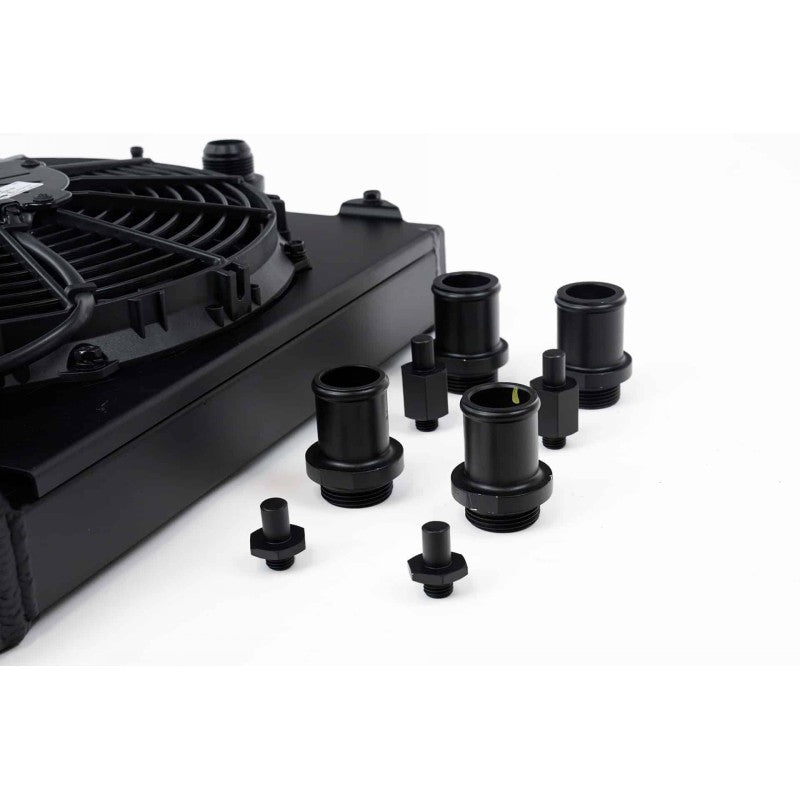
Hoses and connections should be evaluated separately. Even a high-performance radiator will not operate consistently if old hoses have lost rigidity, clamps do not hold pressure, or leaks and air pockets appear in the system. For a performance vehicle, not only peak efficiency matters, but also sealing stability after many thermal cycles. This is why radiator replacement is often combined with hose upgrades, a new cooling system cap, thermostat replacement, and water pump inspection.
When choosing a brand, it is important to understand the manufacturer’s actual role within the system. MISHIMOTO, CSF, GReddy, Forge Motorsport, COBB Tuning, and CUSCO are associated with radiators, hoses, and cooling components for different platforms. Design Engineering (DEI) products are relevant for thermal protection, Verus Engineering components are relevant for airflow management, and Wagner Tuning is focused on charge air cooling systems. This distinction is important because a vehicle cooling system consists of different assemblies, and each brand should be considered within its specific technical role.
The Role of Radiators in Power, Temperature, and Reliability
Radiators do not increase power by themselves, but they allow the engine to realize its power consistently without overheating or losing efficiency. When coolant temperature moves beyond the optimal range, the engine control unit can reduce power, change ignition timing, or switch the system into protective modes. Overheating also affects oil, gaskets, plastic elements, rubber hoses, and internal engine clearances.
A correctly selected radiator helps keep temperature within the working range even when the vehicle operates under intensive load. This is important for turbocharged engines, high-rpm naturally aspirated engines, performance diesel configurations, and vehicles regularly used on the race track. Stable thermal behavior allows more precise engine calibration, reduces knock risk, protects oil from overheating, and increases powertrain durability.
At ATOMIC-SHOP, you will find not just radiators, but a complete engineering solution for stable engine cooling, thermal management, and reliable vehicle operation under fast road use, track driving, and professional motorsport conditions.