





















Pistons and Rings as the Foundation of Engine Strength, Compression, and Efficiency
Pistons and rings are among the engine components that directly convert the energy of fuel combustion into mechanical motion. The piston receives gas pressure in the combustion chamber, transfers force through the wrist pin to the connecting rod and then to the crankshaft, while the piston rings seal the cylinder, control the oil film, and transfer part of the heat from the piston to the cylinder wall. In a standard engine, these parts already operate under demanding conditions, but in modified engines their loads increase many times over.
This category includes piston group components for stock, upgraded, and motorsport engines: piston rings, forged pistons, wrist pins, retaining elements, and related parts used during the assembly or modernization of the engine’s bottom end. The page includes a wide range of items for different platforms, including ring sets, upper and lower compression rings, steel rings, coated wrist pins, and components for popular gasoline and diesel engines. Brands represented in this category include JE Pistons, MAHLE, CP-Carrillo, and MANLEY, which are frequently used in high-load engine configurations.
For tuning, circuit racing, drag racing, rally, and powerful road cars, pistons and rings are critically important. They determine whether the engine can withstand increased boost pressure, a higher compression ratio, high rpm, aggressive ignition timing, and prolonged operation under load. Even the most efficient turbocharger, fuel system, or electronic management cannot compensate for a weak piston group. If the piston overheats, the rings lose sealing ability, or the clearances are selected incorrectly, the engine quickly loses compression, stability, and durability.
Piston Design and the Operation of Piston Rings Inside the Cylinder
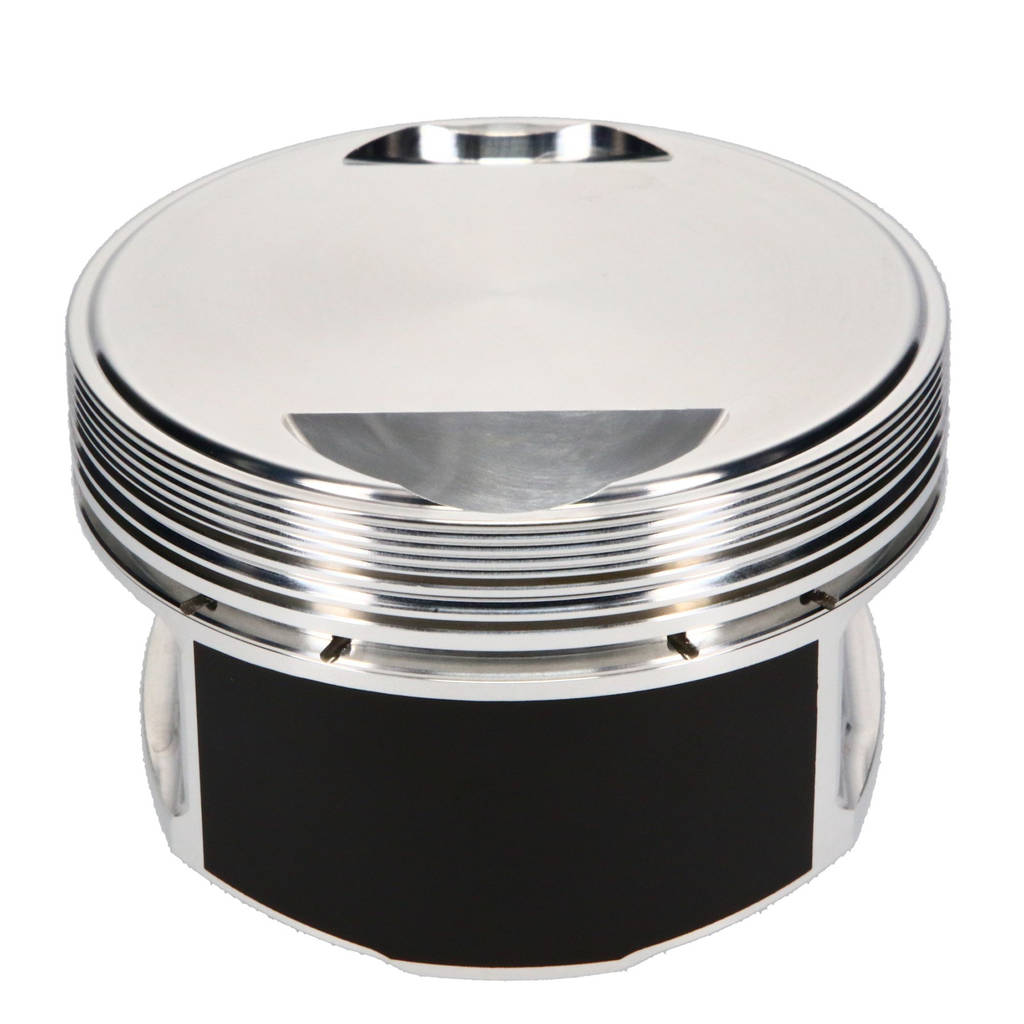
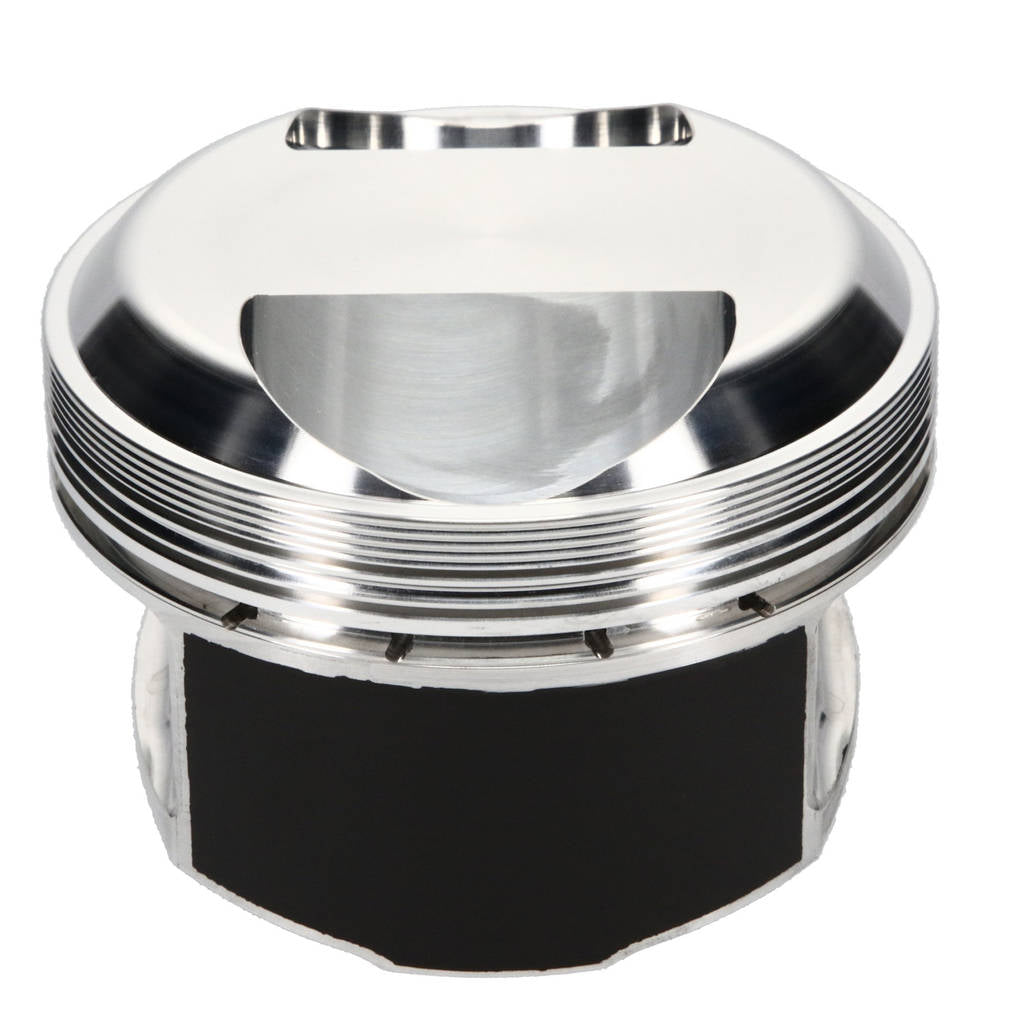
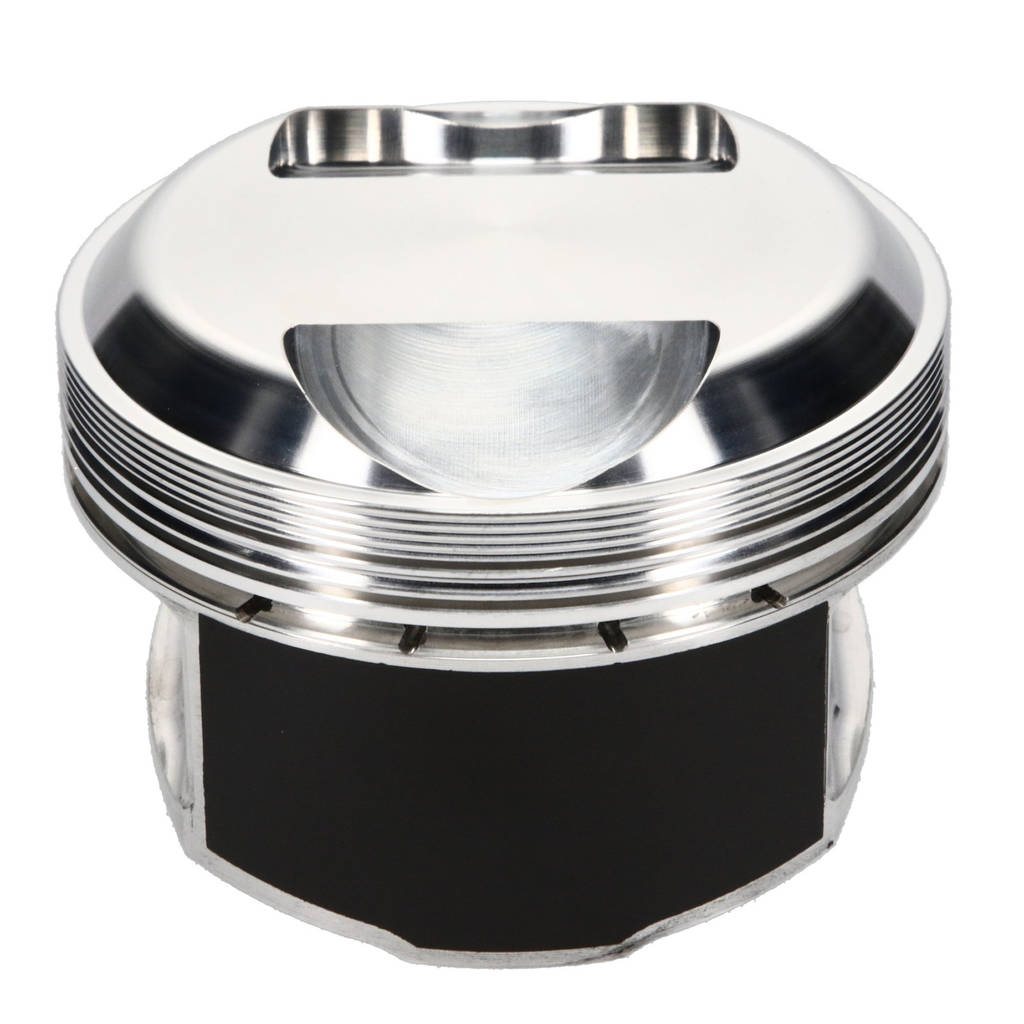
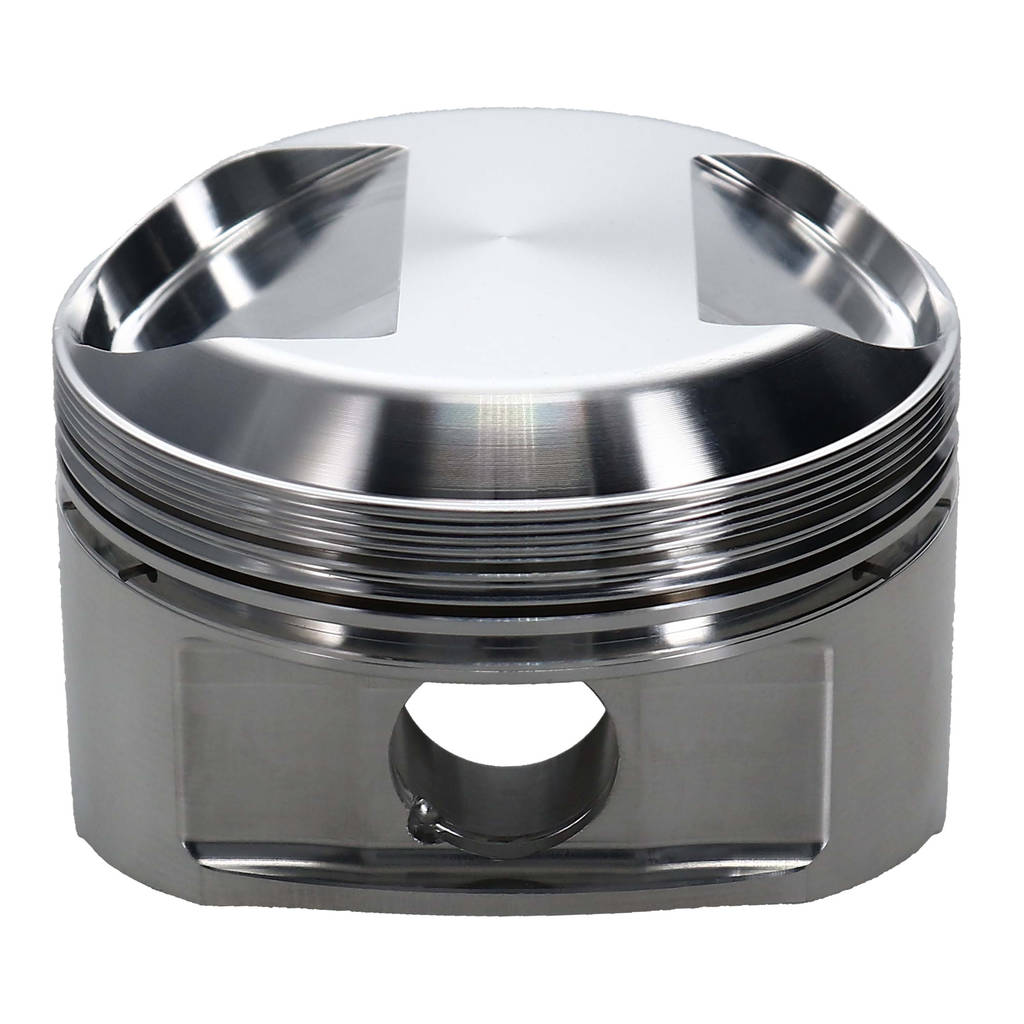
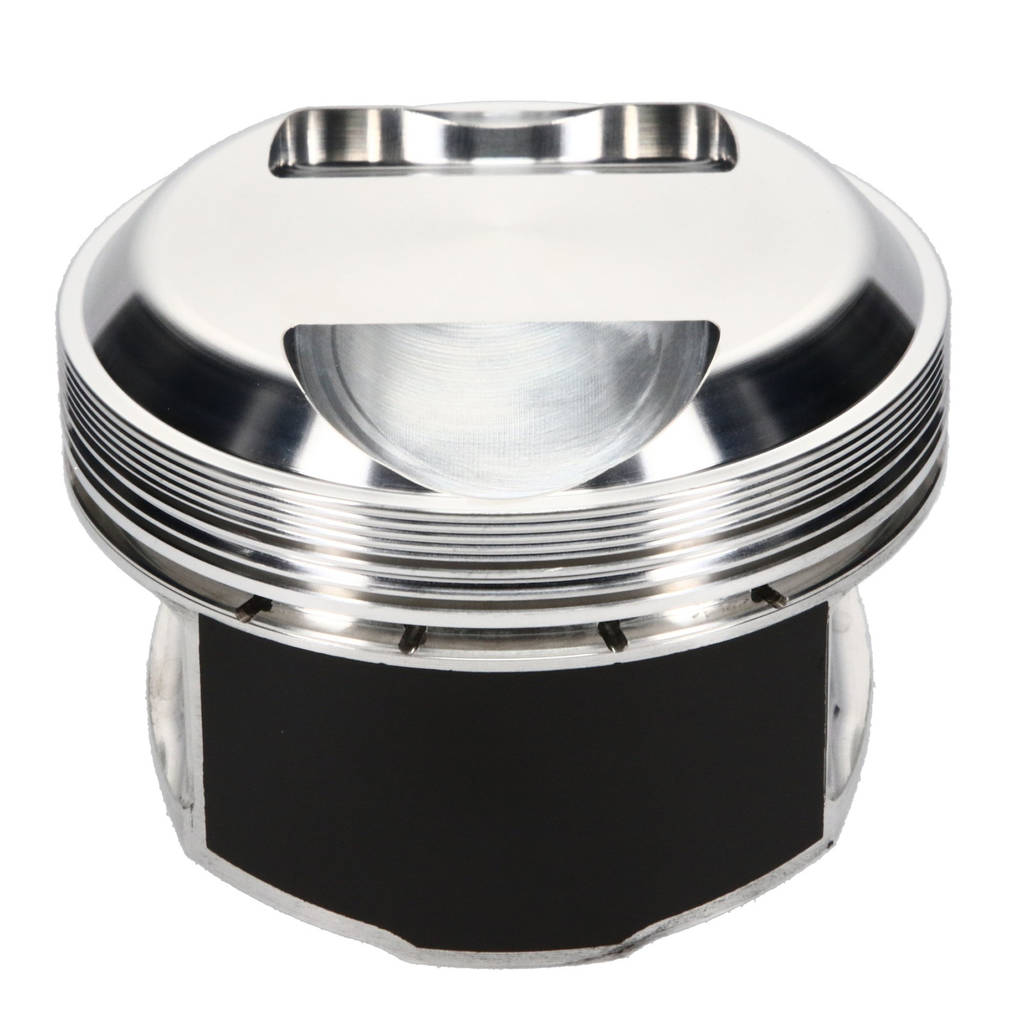
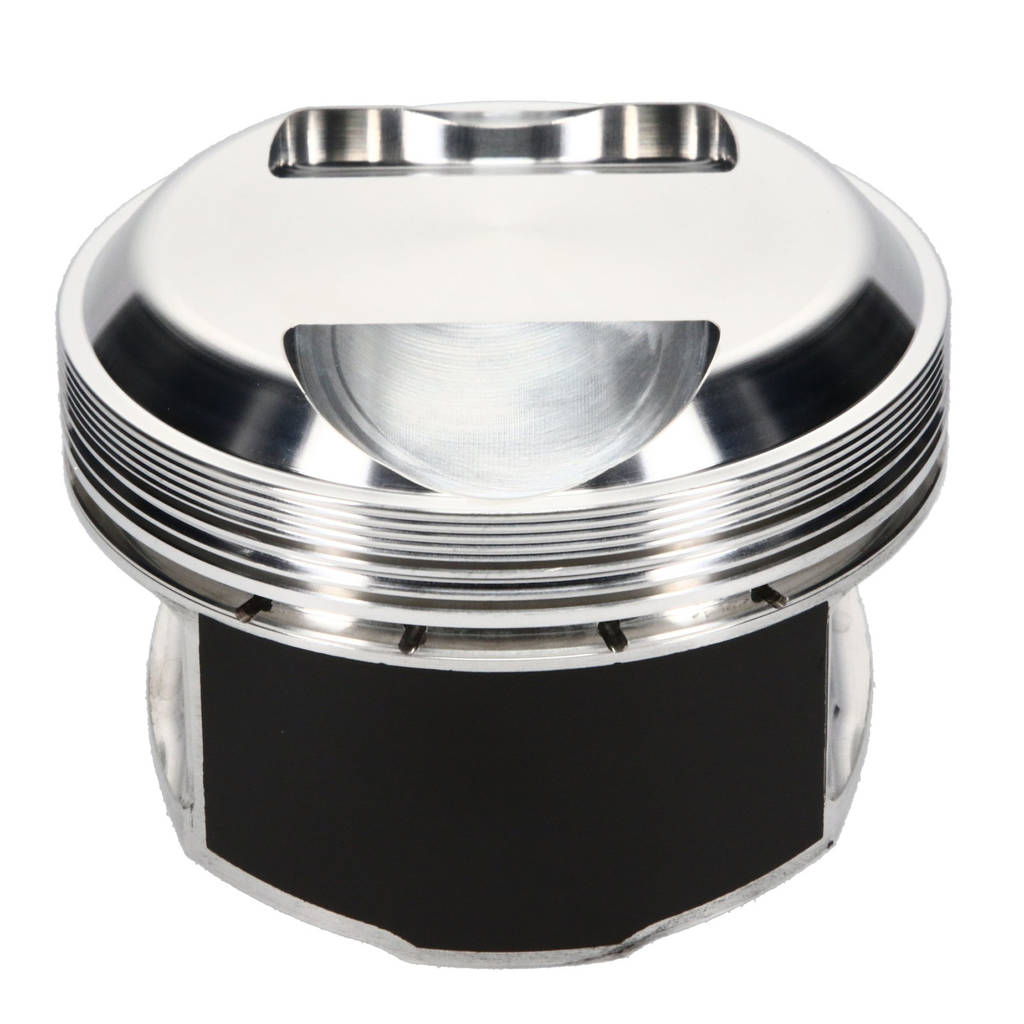
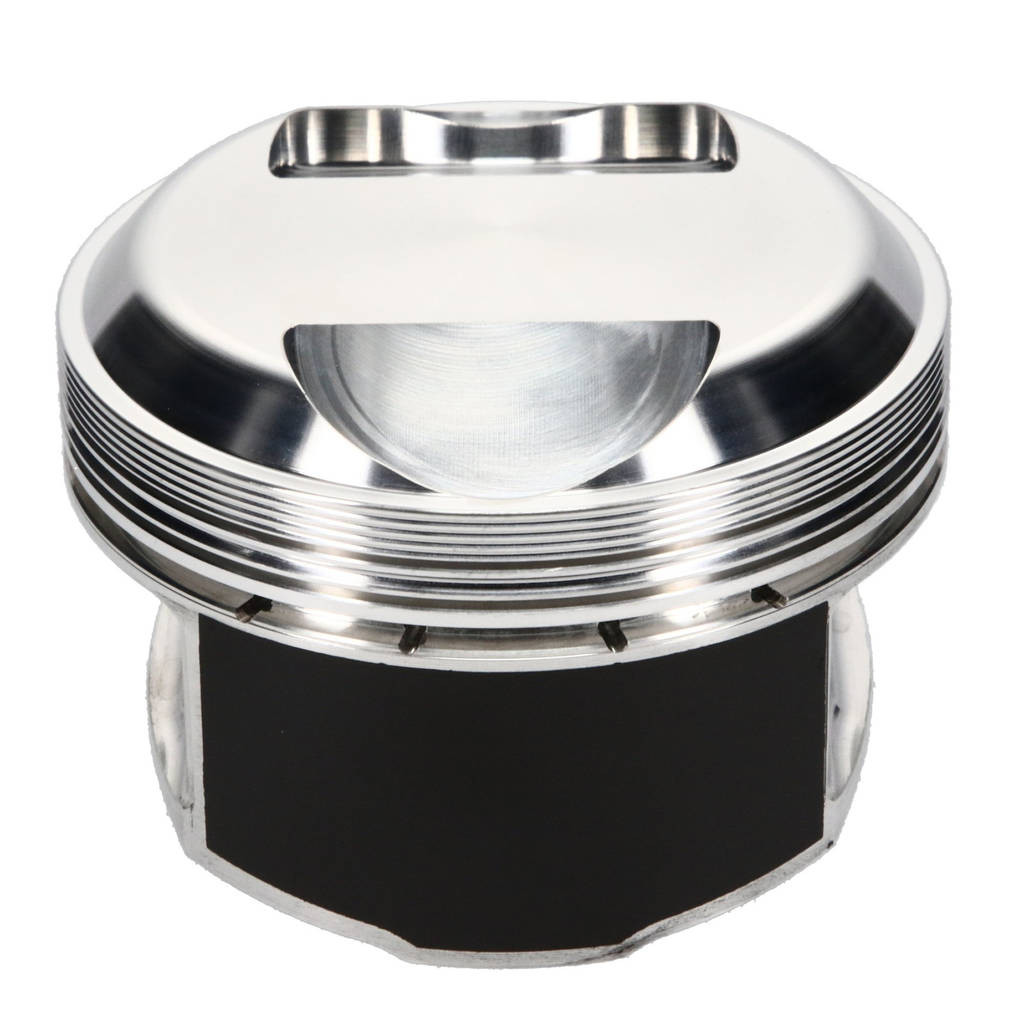
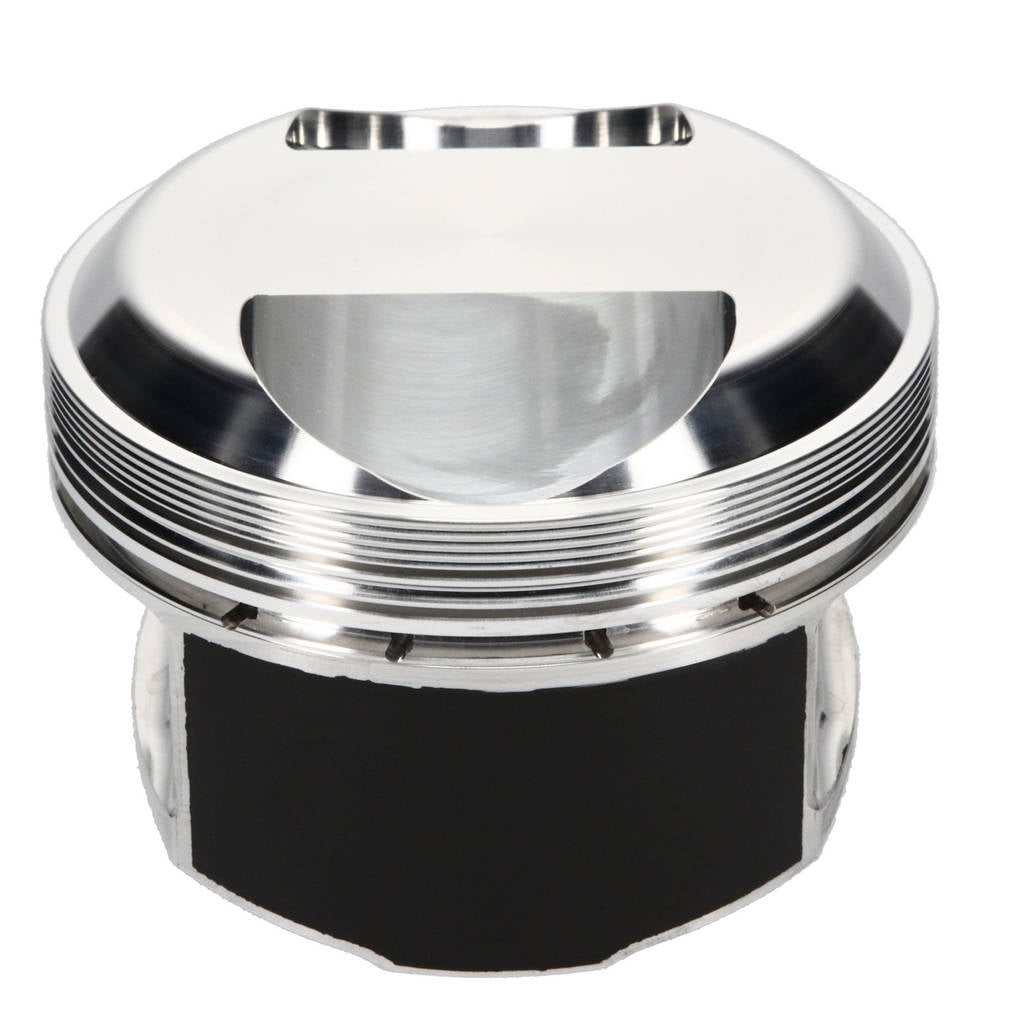
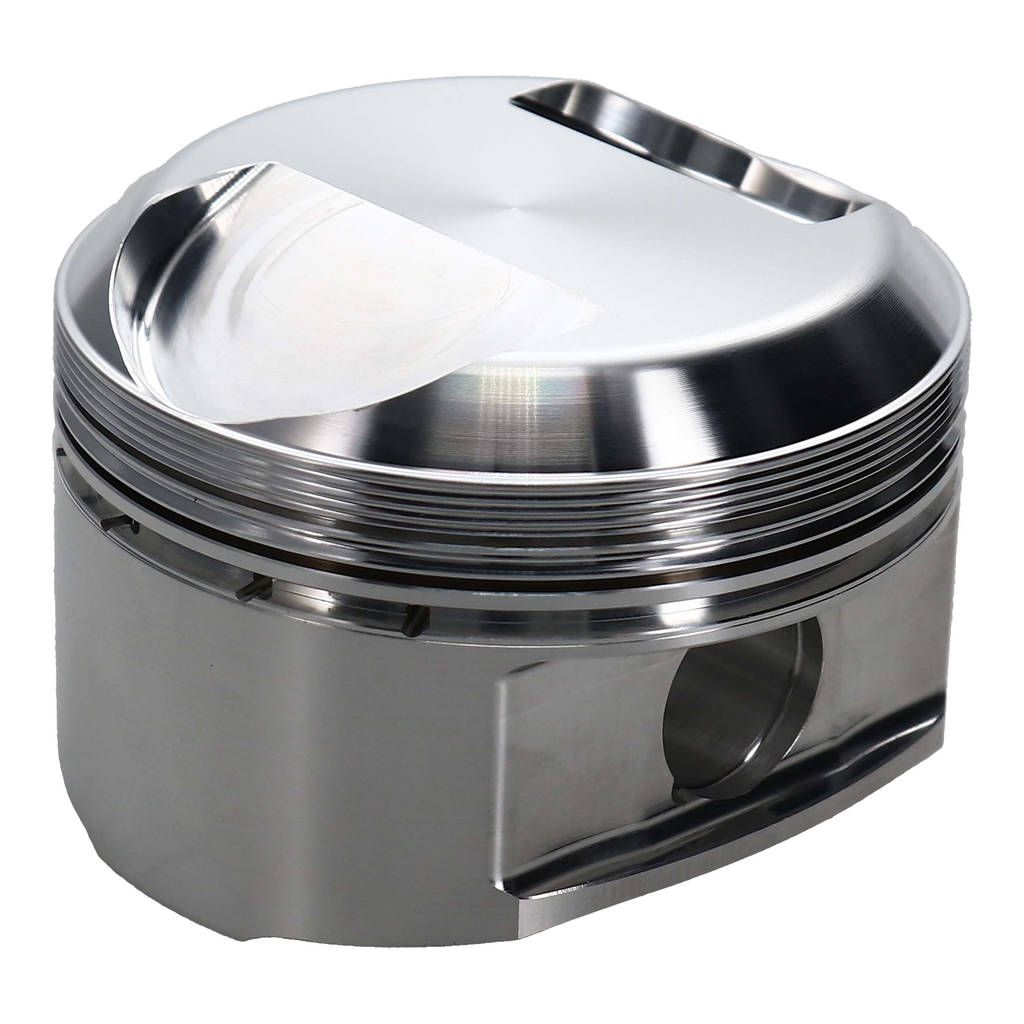
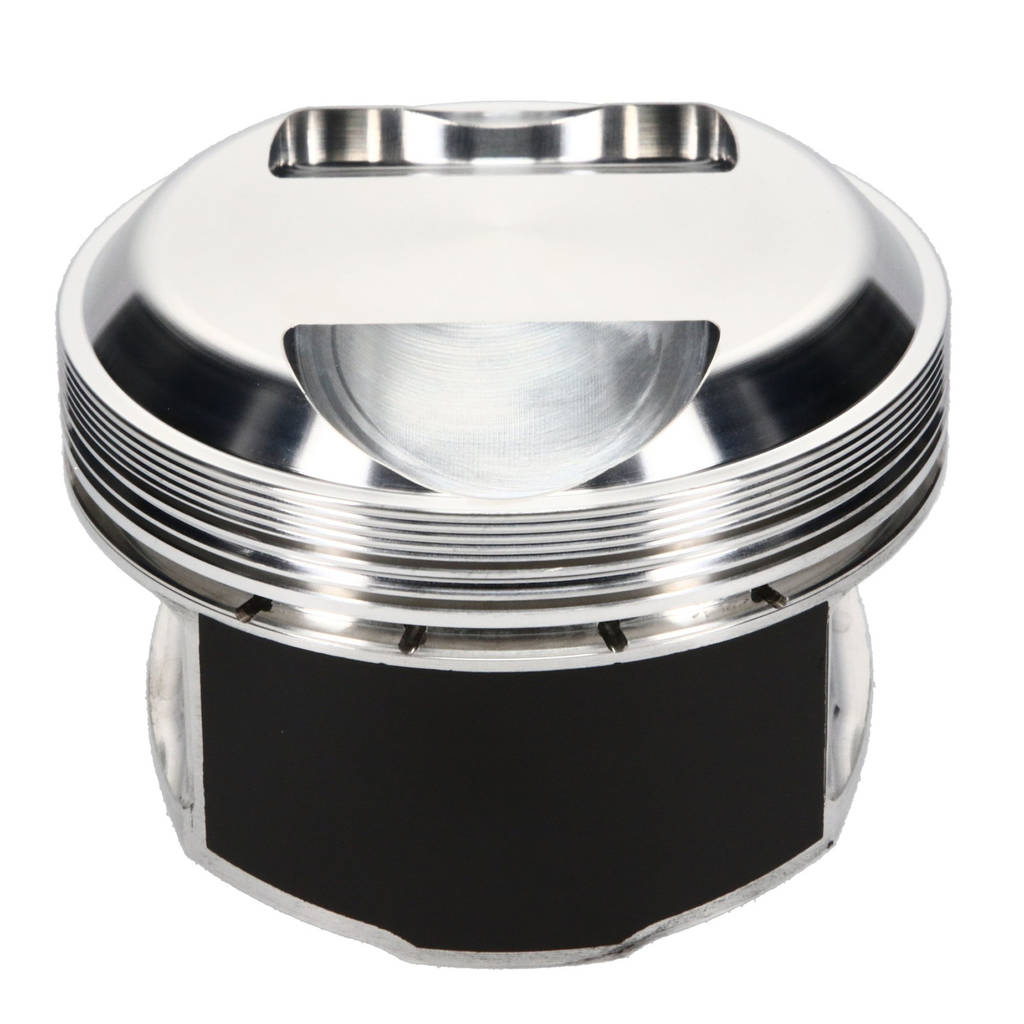
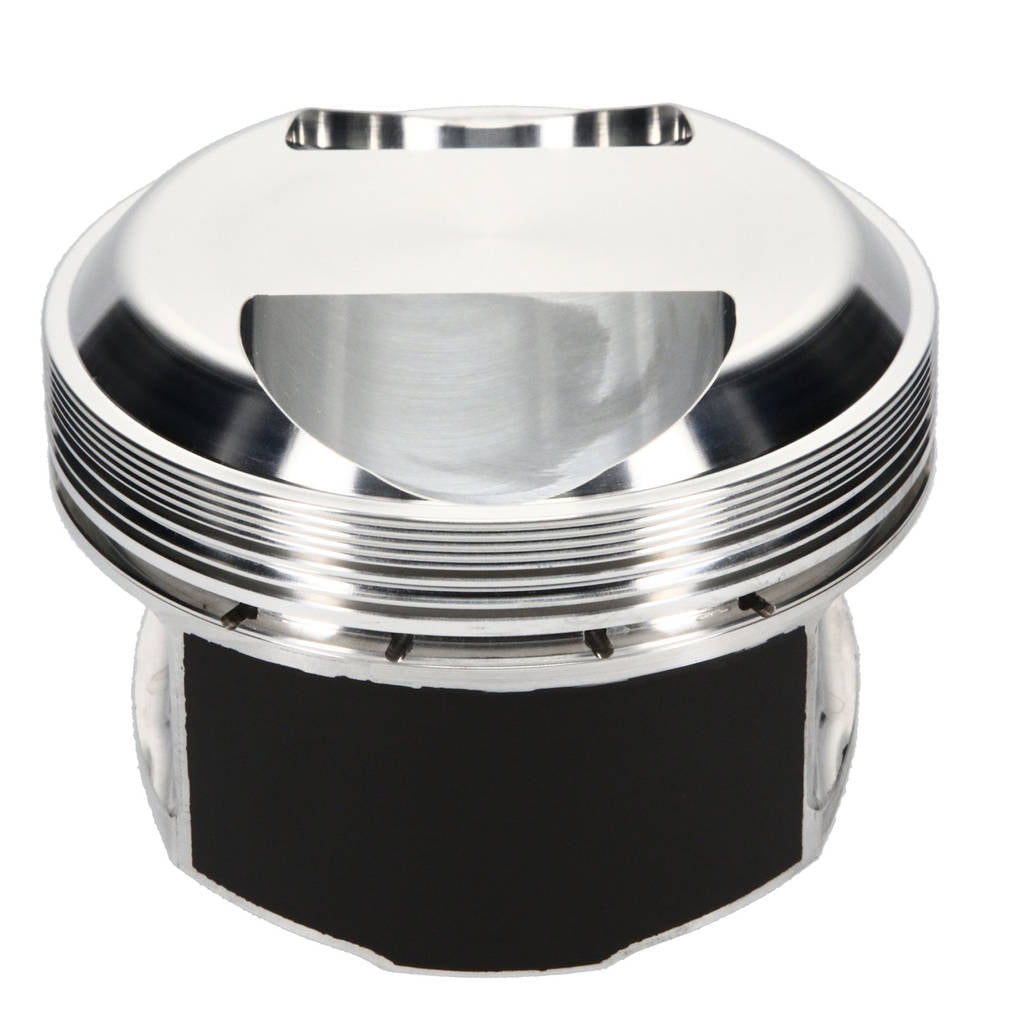
A piston operates under constantly changing speed, temperature, and pressure. During each working cycle, it moves from top dead center to bottom dead center, changes direction, receives the impact load from mixture combustion, and transfers that load through the wrist pin to the connecting rod. The upper part of the piston, often referred to as the crown, is directly exposed to the thermal flow of the combustion chamber. Its shape affects compression ratio, mixture turbulence, knock resistance, and valve clearance compatibility.
The piston skirt stabilizes piston movement inside the cylinder and reduces rocking during direction changes. In high-performance engines, skirt shape, side profile, and material thermal expansion are highly important. If the clearance between the piston and cylinder wall is too small, the risk of seizure increases as the engine heats up. If the clearance is too large, the engine may become noisy, blow-by into the crankcase may increase, and oil control may deteriorate. For this reason, forged pistons must always be selected with consideration for material, operating temperature, target load, and manufacturer recommendations.
Piston rings perform several functions at once. The top compression ring retains gas pressure in the combustion chamber and operates in the hottest area. The second compression ring further stabilizes sealing and helps control gas pressure between the rings. The oil control ring regulates the amount of oil on the cylinder wall, preventing excessive oil from entering the combustion chamber. In modern performance and modified engines, ring profile, material, coating, and end gap are just as important as the piston itself.
The wrist pin also plays a separate role. It connects the piston to the connecting rod and operates under high alternating loads. This category includes coated wrist pins, including hard anti-friction coatings that reduce friction and improve surface wear resistance. For engines with high rpm and significant cylinder pressure, wrist pin strength, weight, wall thickness, and retention quality have a direct effect on the reliability of the entire crank and connecting rod assembly.
Materials, Thermal Expansion, and Engineering of the Forged Piston Group
Pistons for production engines are often made by casting, because this technology provides stable geometry, low noise, and good suitability for daily use. However, in modified engines, a cast piston can become a limitation due to lower material ductility and a smaller strength margin under knock-related loads. Forged pistons are made from aluminum alloys, most commonly based on high-silicon 4032 alloy for street tuning or low-silicon 2618 alloy for extreme racing loads. This pressure-forming method creates a denser material structure and improves the part’s ability to withstand high mechanical loads.
In performance and tuning configurations, pistons are often made from alloys that behave differently when heated. Some materials have lower thermal expansion and are better suited for road cars with mixed operating conditions. Others provide higher strength for extreme loads, but require larger operating clearances and more careful engine warm-up. This is why piston selection cannot be reduced only to cylinder diameter or claimed power level. Fuel type, boost pressure, exhaust gas temperature, usage pattern, and intended service life must all be considered.
The shape of the piston crown is also an engineering tool. A flat, dished, or domed crown changes combustion chamber volume and, therefore, compression ratio. The correct shape depends on cylinder head design, combustion chamber profile, valve position, and engine type. In turbocharged configurations, compression ratio control is often required to reduce knock risk under high boost pressure. In naturally aspirated performance engines, by contrast, increasing compression ratio may be important for better thermal efficiency and faster throttle response.
Piston rings differ not only in size, but also in material, tension, working edge profile, and coating. Steel compression rings better withstand high temperatures and loads, thin rings reduce friction, and specialized second-ring profiles help control oil and gas pressure more effectively. Products from JE Pistons, MAHLE, CP-Carrillo, and MANLEY often include solutions designed for specific tasks: from restoring engine sealing performance to building a high-load piston group for motorsport.
Application of Pistons and Rings in Road, Racing, and Turbocharged Engines
In road tuning, pistons and rings are most often replaced during a major engine rebuild, a move to higher boost pressure, or the construction of an engine with a larger strength margin. For a car used every day, peak power is not the only priority: cold starts, stable idle, moderate oil consumption, low mechanical noise, and service life in city driving are also important. In this case, the piston group must balance strength with normal usability, without requiring constant service checks after every drive.
For circuit racing, track driving, and endurance disciplines, piston loads are different. The engine operates for long periods in the upper rpm range and repeatedly goes through cycles of acceleration, engine braking, and renewed acceleration. Under these conditions, pistons must dissipate heat consistently, retain their geometry, and withstand prolonged operation at high oil and coolant temperatures. Rings, in turn, must preserve sealing after many thermal cycles, while clearances, oil film, and cylinder shape are constantly changing.
In drag racing and powerful turbocharged builds, very high cylinder pressure becomes the main factor. During a short run, the engine may experience extreme loads far beyond factory design conditions. Here, piston crown thickness, ring land design, strength of the material between ring grooves, wrist pin quality, and correct ring end gap are especially important. If the gap is too small, the ring can butt together when heated, damaging the groove or cylinder wall. If the gap is too large, blow-by increases and compression is lost.
Pistons and rings are also important for diesel engines, especially in heavy-duty or high-torque configurations. A diesel engine operates with a high compression ratio and significant cylinder pressure, so the piston group must withstand intense thermal load and maintain stable oil control. This category includes rings for large-displacement engines and platforms where durability under load is just as important as power. This is relevant for pickups, diesel-based performance projects, and vehicles where the engine operates under high torque conditions.
How to Choose Pistons and Rings for a Specific Engine Configuration
Choosing pistons and rings begins with accurate engine parameters. It is necessary to know the engine code, cylinder bore, stroke, connecting rod length, piston compression height, wrist pin type, cylinder head design, combustion chamber volume, and desired compression ratio. Even a small error in these parameters can change piston position at top dead center, disrupt valve clearance, or make correct compression ratio setup impossible.
The second important criterion is the real load level. For moderate street tuning, the most extreme piston group is not always necessary. An overly aggressive racing configuration may require larger thermal clearances, longer warm-up, and more frequent engine condition checks. For a car that regularly goes to the track or competes, strength margin becomes more important than acoustic comfort. This is why pistons and rings should be selected not by the highest advertised power rating, but by suitability for the specific operating conditions.
Fuel type must also be considered separately. Gasoline, race fuel, high-ethanol blends, and diesel all have different combustion temperatures, knock resistance, and tuning requirements. An engine running on an ethanol blend may support higher boost pressure or more aggressive ignition timing, but this does not remove the need for correct ring thermal clearance, oil quality, and cooling. For a gasoline turbo engine, sufficient knock safety margin is essential, especially if the car is operated on different fuel qualities.
When choosing rings, it is important to understand their thickness, material, profile, and recommended end gap. Thinner rings reduce friction and can improve engine response, but they require high-quality cylinder geometry and precise assembly. Wider or stronger rings may be more appropriate for high-load engines where durability is the priority. The oil control ring must match the type of operation: excessive oil control can impair lubrication, while insufficient control can lead to oil consumption and carbon buildup in the combustion chamber.
The condition of the cylinder block cannot be ignored. Even the highest-quality pistons from JE Pistons, MAHLE, CP-Carrillo, or MANLEY will not work correctly if the cylinders have poor geometry, wear, ovality, or low-quality surface finishing. Honing must match the ring material and the recommended surface roughness. Incorrect machining can prevent the rings from bedding in properly, increase oil consumption, or accelerate wear. Therefore, piston group selection is always connected to the quality of block machining and professional engine assembly.
The Role of the Piston Group in Engine Power, Compression, and Reliability
Pistons and rings affect power not only through strength, but also through cylinder sealing. If the rings retain pressure effectively, combustion energy is used to rotate the crankshaft instead of being lost through blow-by into the crankcase. Stable compression provides predictable ignition tuning, even cylinder operation, and better repeatability on the dyno and track. In a highly modified engine, even a small loss of sealing can increase crankcase pressure, push oil through the ventilation system, and reduce power.
Piston group reliability depends on the coordination of many factors. The piston must withstand combustion pressure, the rings must retain their shape and tension, the wrist pin must resist deformation under alternating loads, and the lubrication system must consistently remove heat and reduce friction. In performance engines, these processes occur close to the limits of the materials. Knock, overheating, incorrect air-fuel mixture, or insufficient clearance can damage the piston faster than almost any other component in the lower part of the engine.
A high-quality piston group also makes it possible to build an engine with future development in mind. If the bottom end has sufficient strength margin, it becomes easier to move to a more efficient turbocharger, a different fuel composition, a higher boost level, or a more aggressive calibration. If the pistons and rings remain the weak link, every power increase becomes a risk. This is why, in serious engine builds, the piston group is often upgraded before the factory components reach their absolute limit.
Pistons and Rings as the Foundation of a Stable Performance Engine Build
In a properly engineered engine, pistons and rings do not operate separately from the other components. They work together with the connecting rods, crankshaft, cylinder head, head gasket, cooling system, lubrication system, fuel system, and electronic engine management. When this system is balanced, the engine not only produces high power, but also remains stable under load. For motorsport, fast road driving, and powerful turbocharged configurations, this stability is the main sign of a properly engineered build.
Correctly selected pistons and rings make it possible to control compression, temperature, oil consumption, and mechanical strength. They determine how safely the engine can handle increased cylinder pressure, whether it will maintain sealing after many thermal cycles, and whether it can operate without losing durability in conditions for which factory components were no longer designed. In this sense, the piston group is not just part of a repair, but the foundation of long-term reliability for any serious tuning project.
At ATOMIC-SHOP, you will find not just pistons and rings, but a complete engineering solution for building a strong, well-sealed, and heat-resistant piston group capable of operating under fast road use, track loads, and professional motorsport conditions.