
















Brake Cooling in High-Load Automotive Braking Systems
Brake cooling is a critical part of a vehicle’s engineering architecture, especially in dynamic driving conditions or performance applications. During braking, a significant portion of kinetic energy is converted into heat, which is concentrated at the interface between the brake disc and friction pads. If this heat is not dissipated efficiently, the temperature of braking components can rise rapidly, directly affecting the stability and consistency of the entire braking system.
In modern vehicles, engineers place strong emphasis on thermal management of braking components. Even under standard road conditions, brake discs and calipers are subjected to substantial thermal loads, particularly during sudden deceleration or driving in mountainous terrain. For this reason, brake cooling is considered a key factor in maintaining stable braking performance.
In production vehicles, basic cooling is achieved through ventilated brake discs and natural airflow during motion. However, under repeated heavy braking or track use, this may not be sufficient. Performance vehicles and tuning projects therefore utilize specialized cooling solutions designed to control component temperatures and maintain consistent braking efficiency.
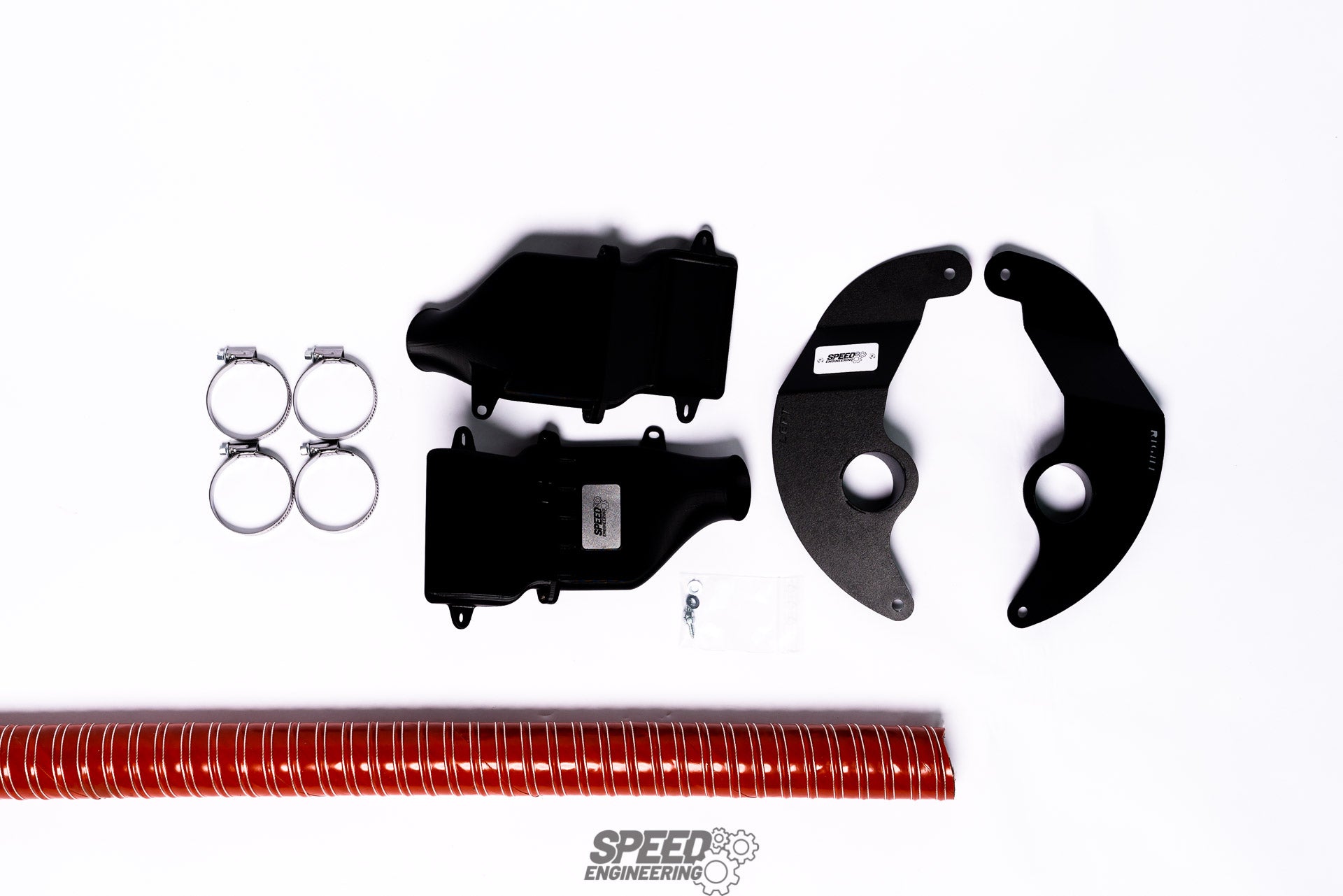
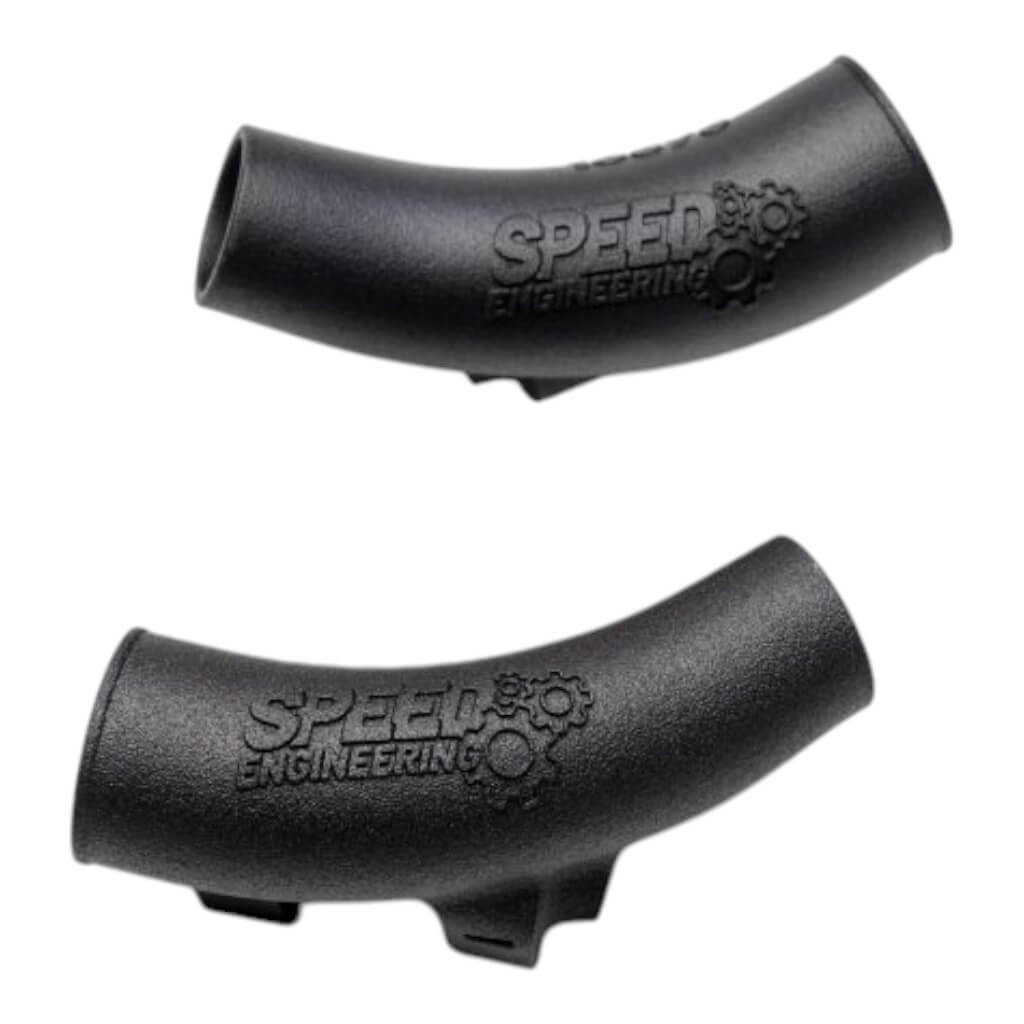
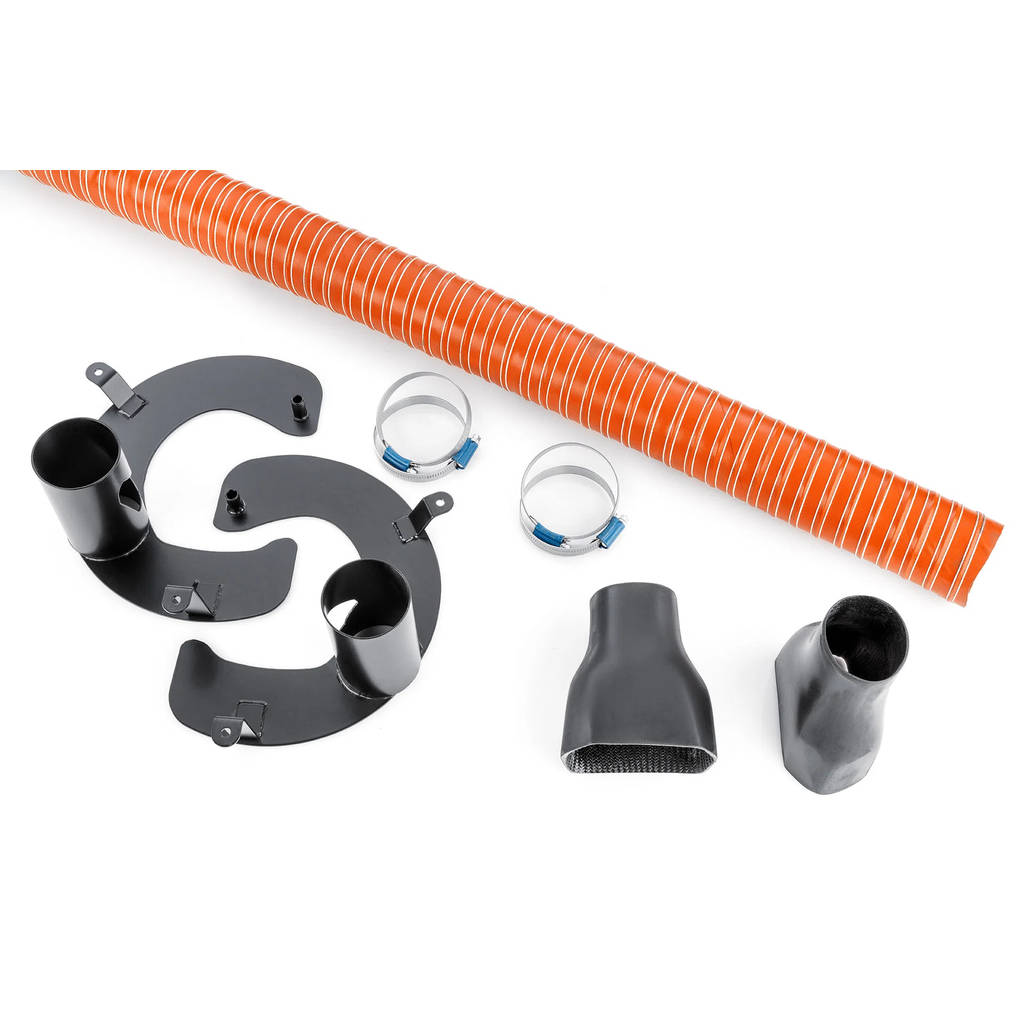
ATOMIC-SHOP offers components that optimize airflow in the brake area. These include brake ducts, deflectors, air guides, and aerodynamic elements designed to direct cool air toward brake discs. Solutions from manufacturers such as Verus Engineering, Speed Engineering, Cusco, and ATOMIC are commonly used in high-performance and track-oriented applications.
Thermal Processes in Automotive Braking Systems
During braking, energy conversion occurs at a high rate. When brake pads are pressed against the disc surface, friction generates braking torque. As a result, the vehicle’s kinetic energy is converted into thermal energy concentrated in the brake disc, pads, and caliper assembly.
Temperatures in the braking zone can rise rapidly. During aggressive deceleration from speeds above 120 km/h, brake discs can reach several hundred degrees. If heat accumulates faster than it is dissipated, brake fade may occur — a reduction in braking performance caused by overheating of friction materials.
Excessive heat also affects other components within the system. Elevated temperatures can lead to brake fluid boiling or rotor deformation. Effective heat dissipation is therefore essential for maintaining consistent braking performance.
For this reason, thermal control is a fundamental aspect of braking system design. Engineers use various methods to improve heat dissipation, including ventilated disc structures, aerodynamic deflectors, and dedicated air duct systems that direct cooling airflow to braking components.
Engineering Solutions for Efficient Brake Cooling
Brake cooling systems operate by directing airflow toward brake discs and calipers. In many performance vehicles, dedicated air channels are integrated into the front of the vehicle, guiding cool air directly to the braking components.
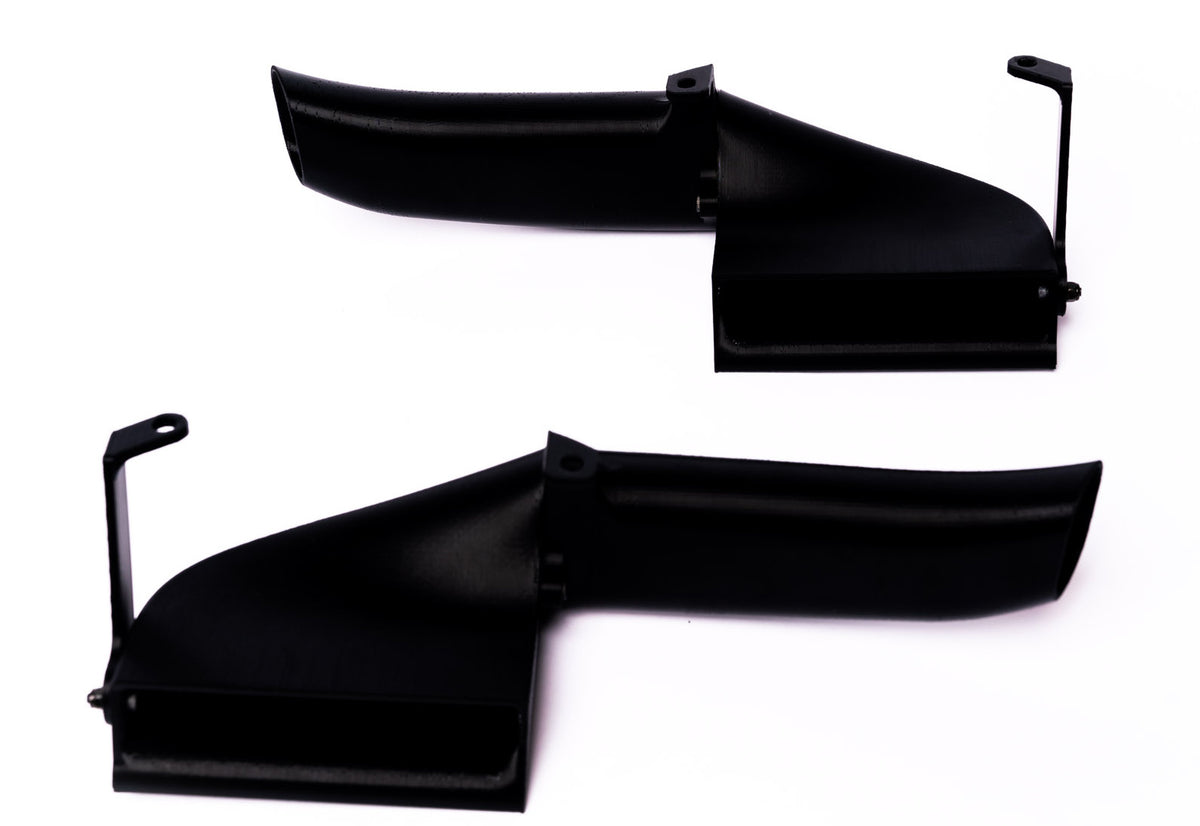
In addition to ducts, deflectors and airflow guides are used to modify airflow under the vehicle. These components increase the volume of air passing through the ventilation channels of the brake discs, improving cooling efficiency during intensive driving.
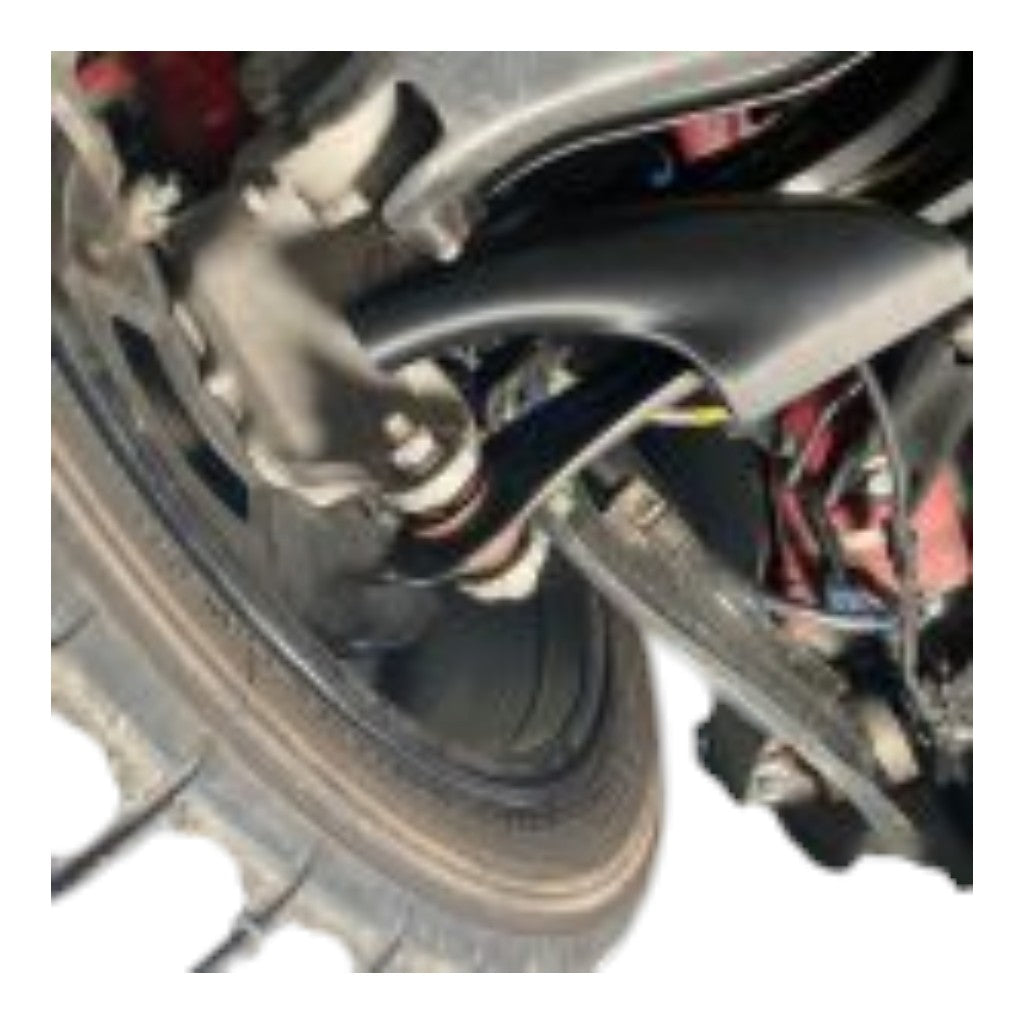
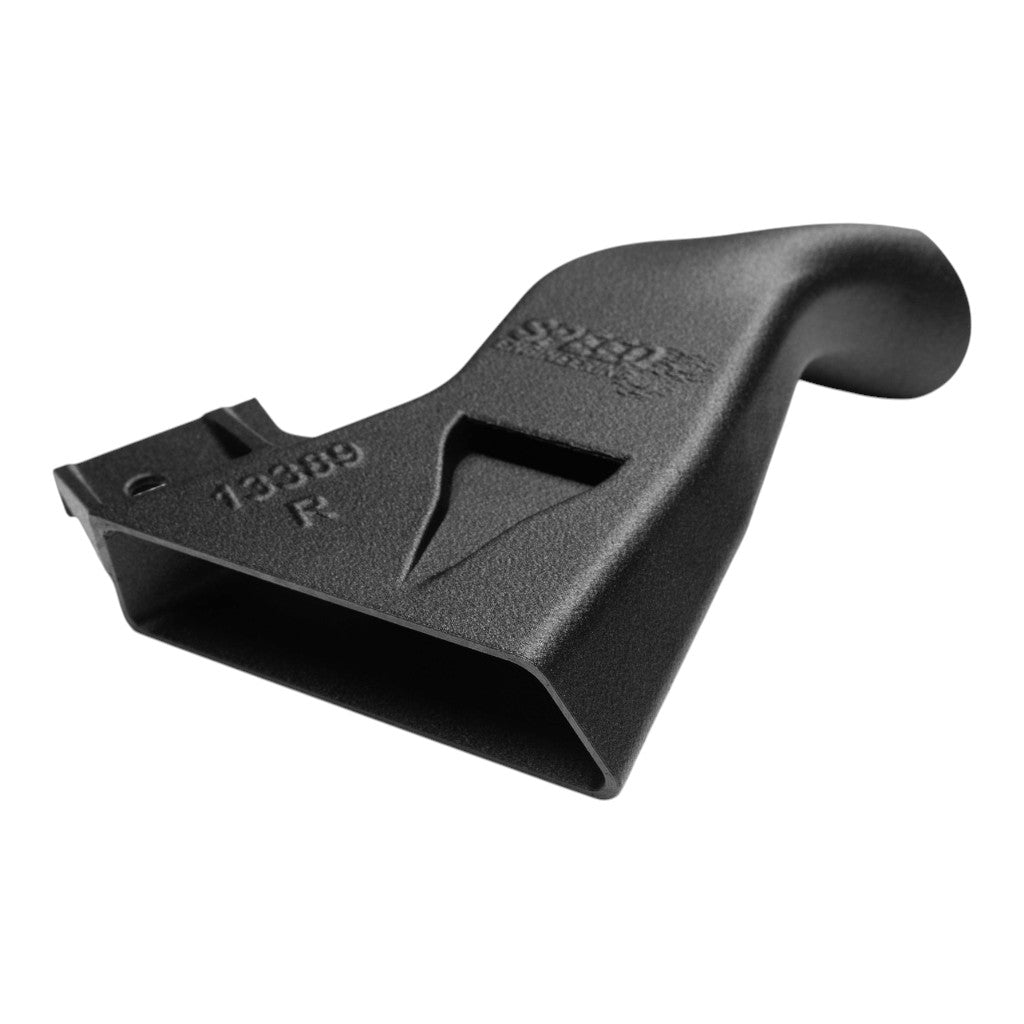
Products from Verus Engineering and Speed Engineering often incorporate aerodynamically optimized deflectors positioned near suspension and brake assemblies. These components direct airflow into the center of the brake disc, where internal ventilation channels are located, significantly improving cooling performance compared to standard configurations.
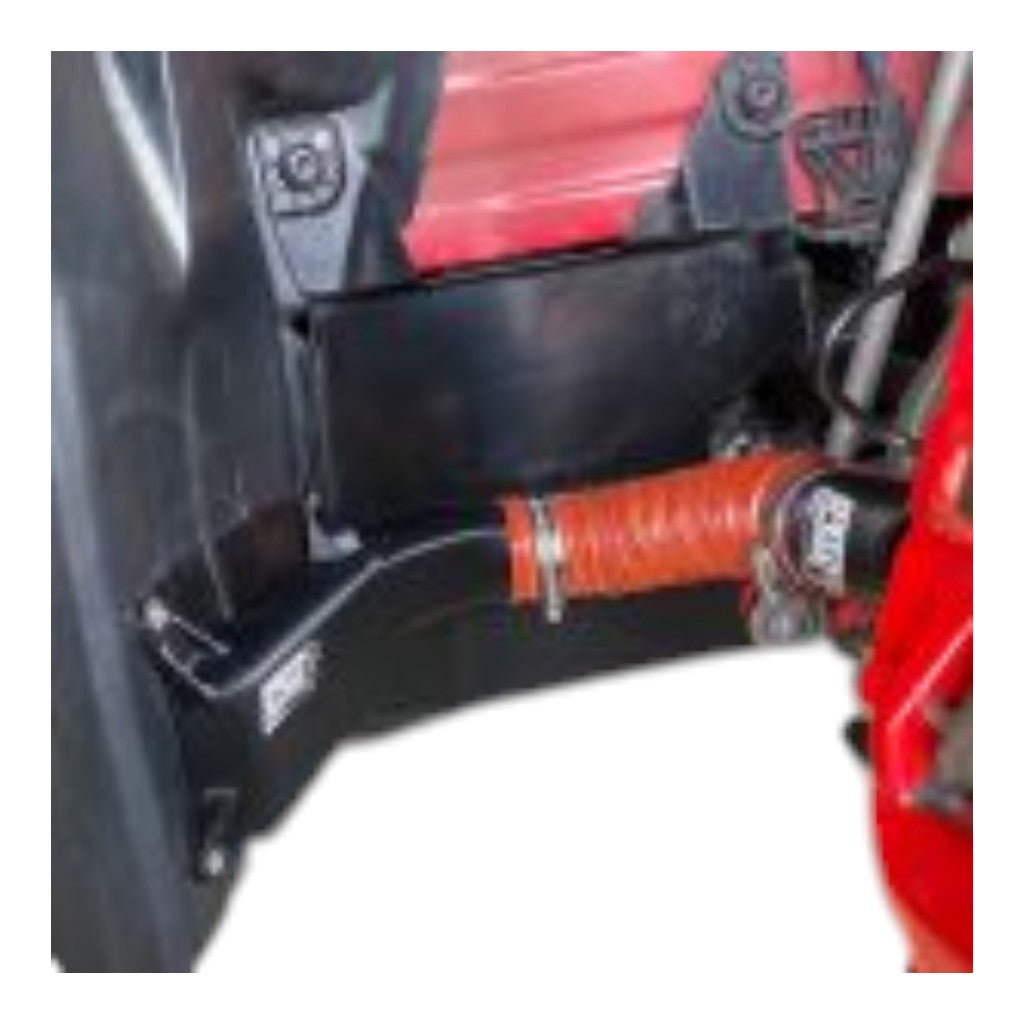
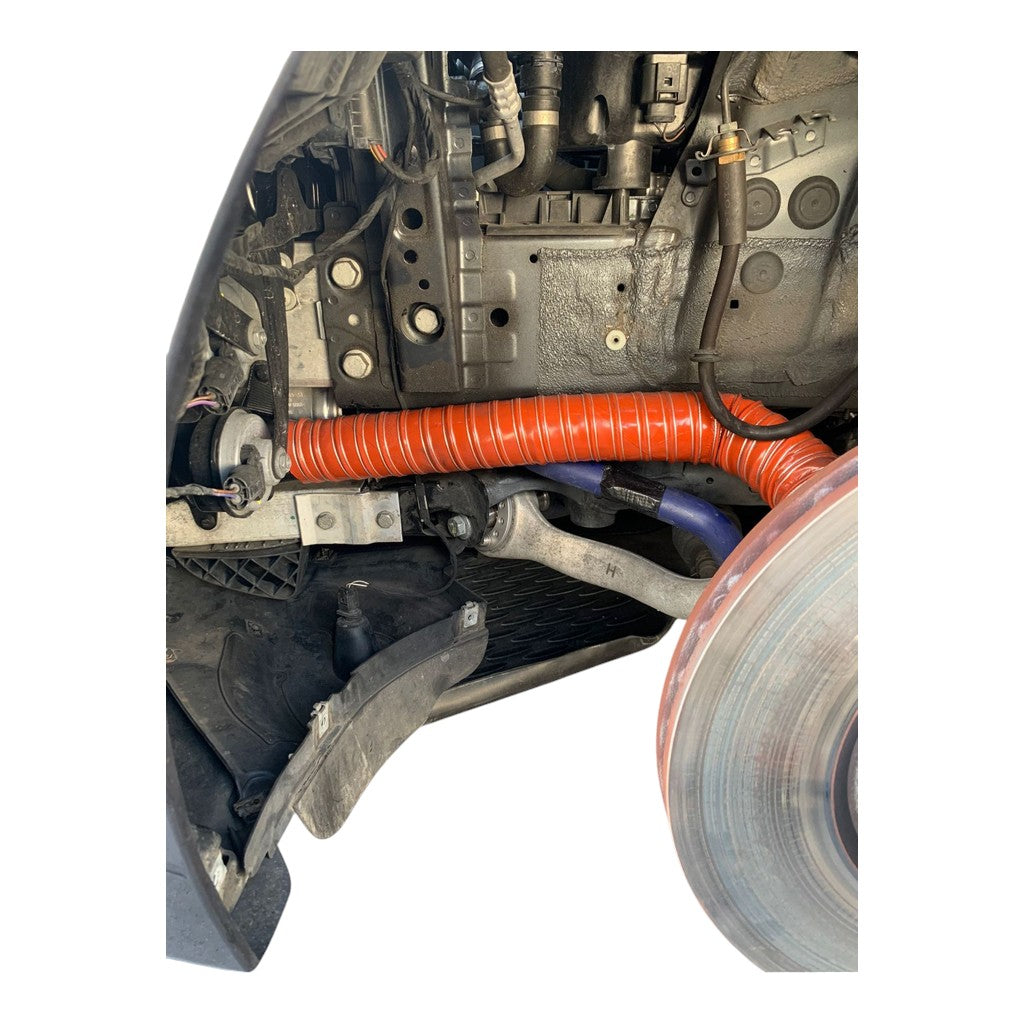
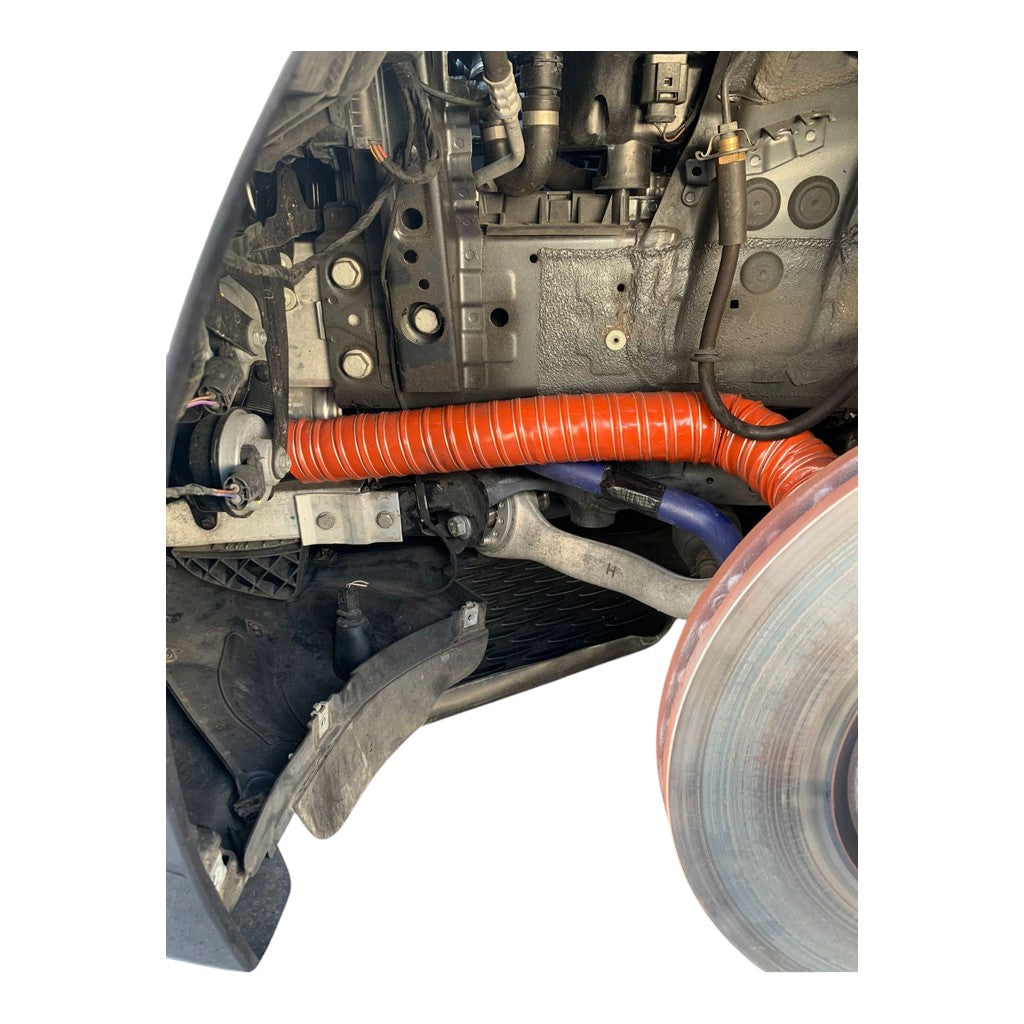
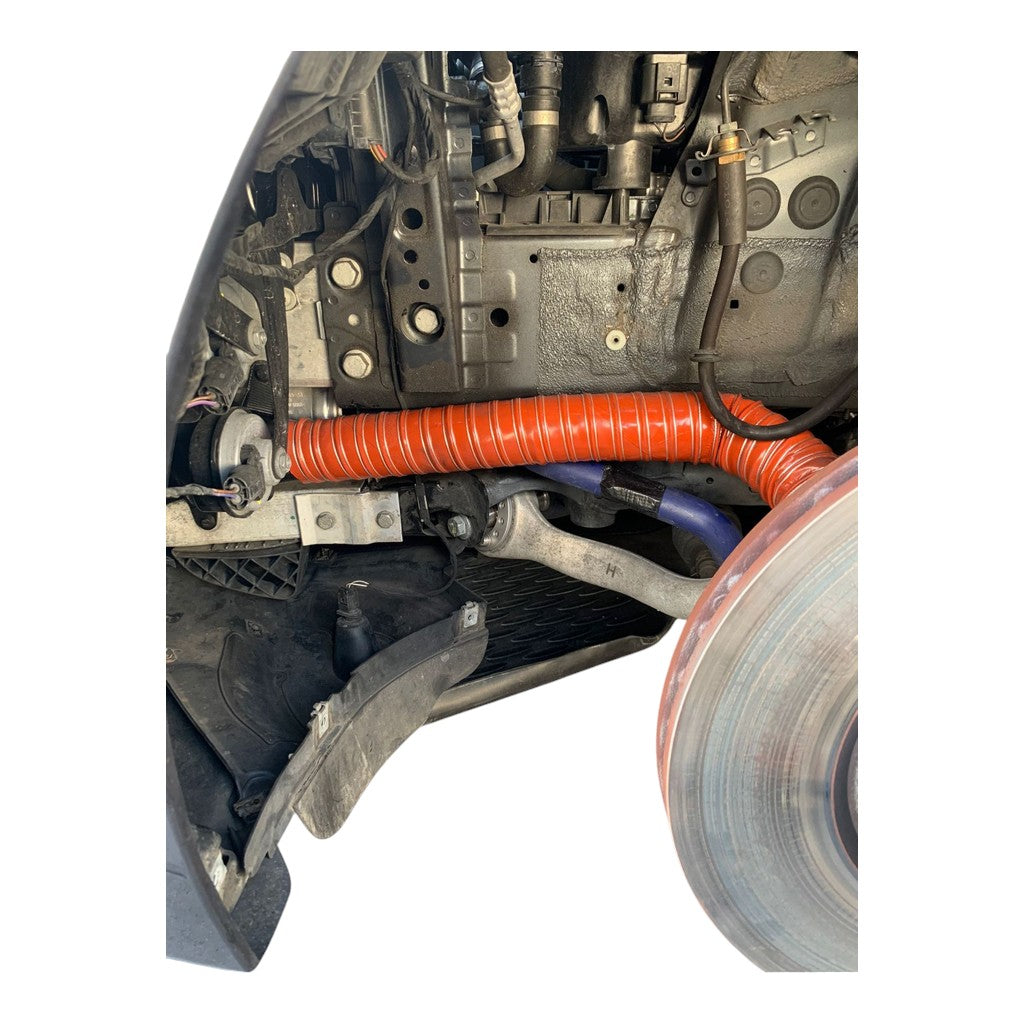
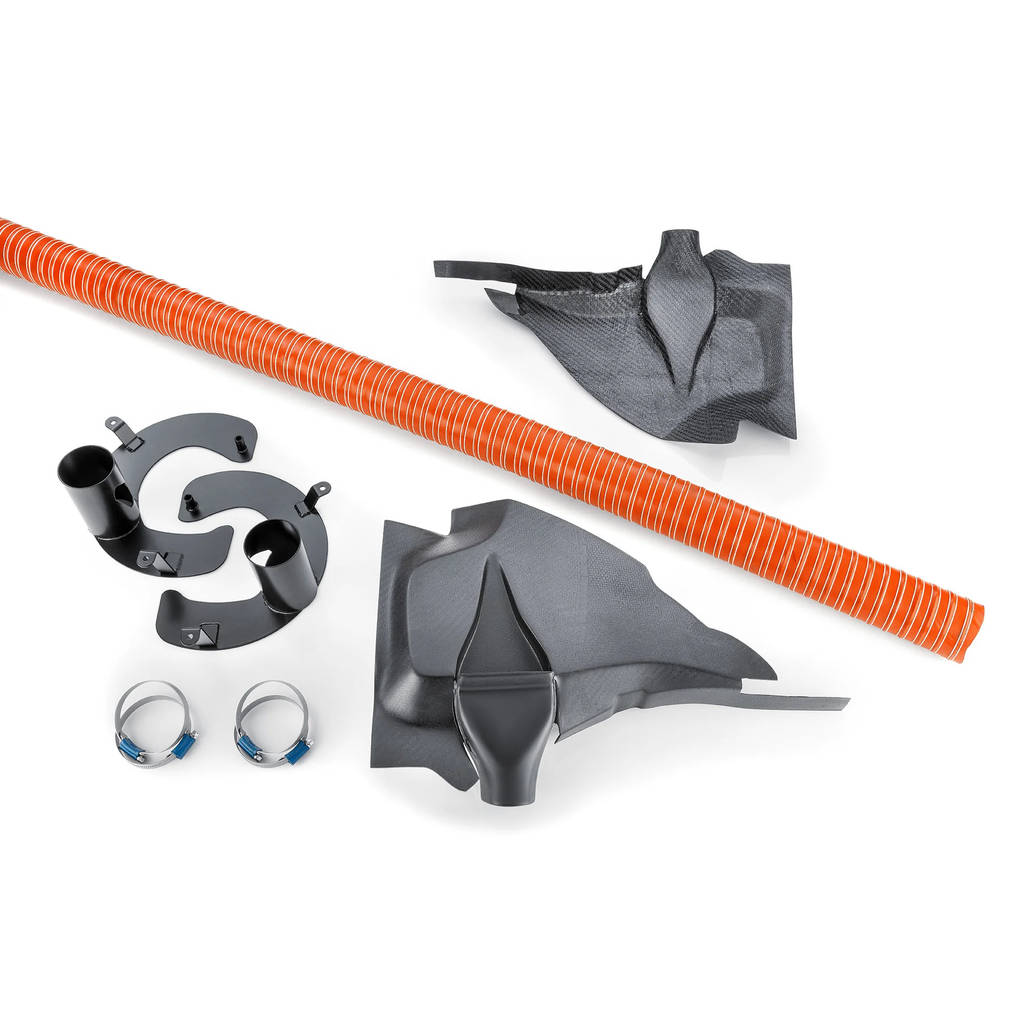
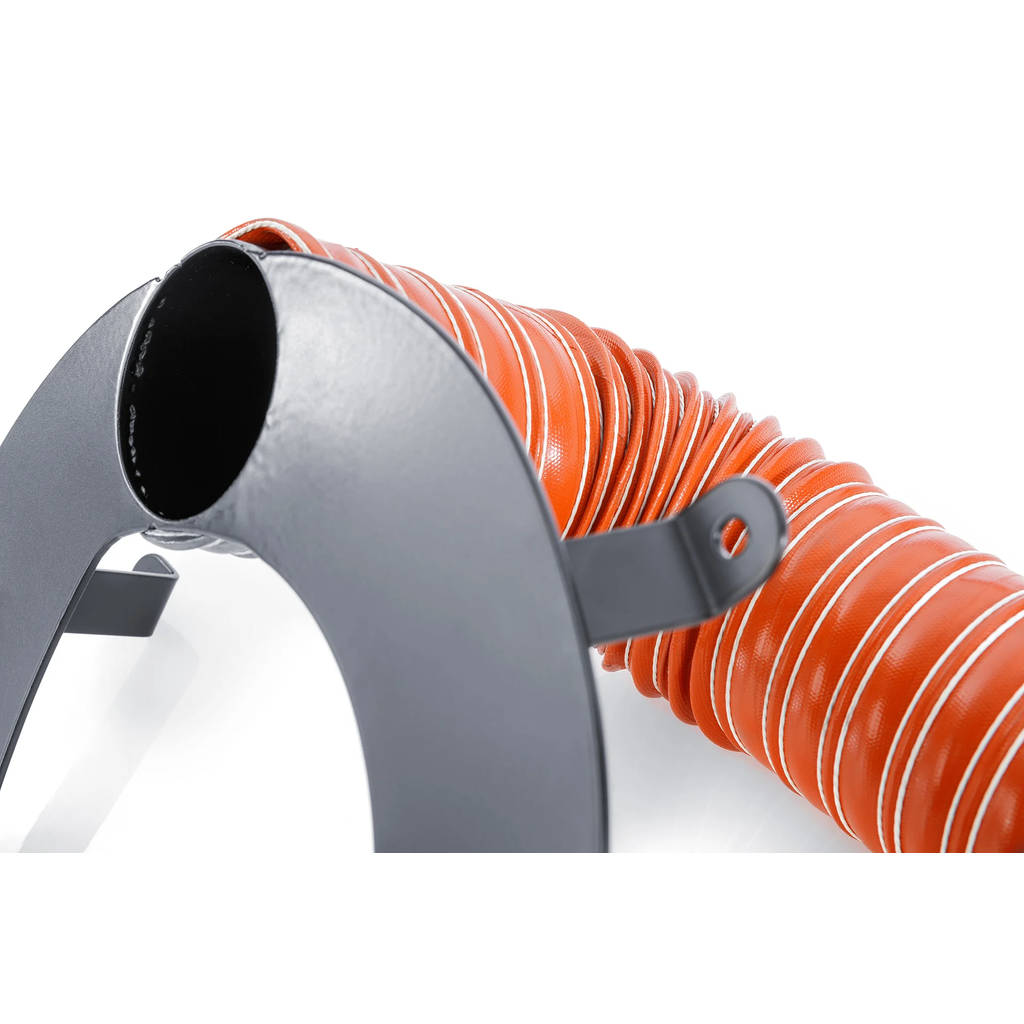
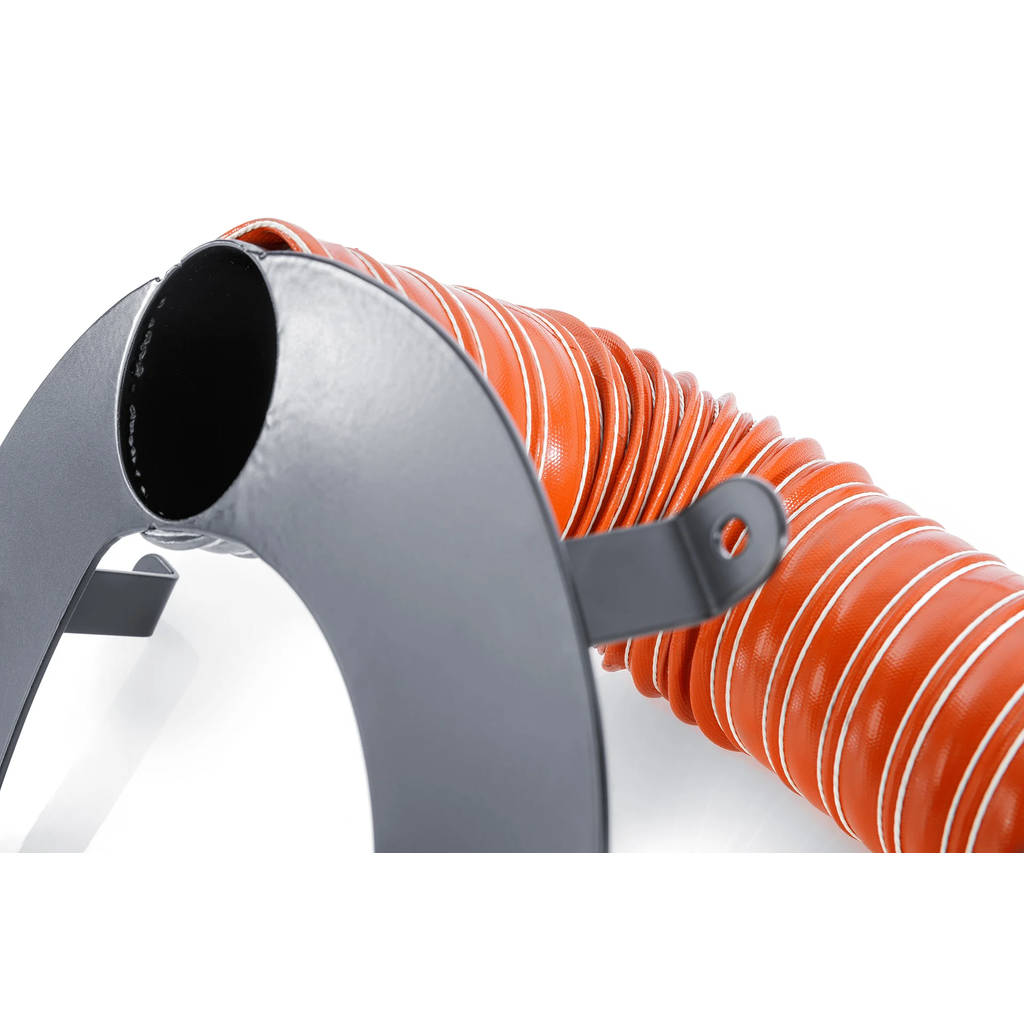
Some systems also use flexible ducting connected to front bumper inlets or dedicated air intakes. These ducts deliver airflow directly to the rotor center, where cooling efficiency is most effective.
Application of Brake Cooling Systems in Different Driving Conditions
Under normal road conditions, most vehicles do not require additional brake cooling, as standard disc ventilation and natural airflow provide sufficient heat dissipation. However, during performance driving or heavy use, brake component temperatures can exceed typical operating ranges.
On track, vehicles repeatedly decelerate from speeds above 150–200 km/h. In these conditions, brake discs and pads operate under extreme thermal нагрузках, and even minor improvements in cooling can significantly affect system stability. This is why brake cooling systems are standard in track-focused vehicles.
Such solutions are also used in tuning projects where larger brake discs and multi-piston calipers are installed. In these configurations, effective cooling helps maintain consistent braking characteristics and prevents overheating during aggressive driving.
Selecting Components for Brake Cooling Systems
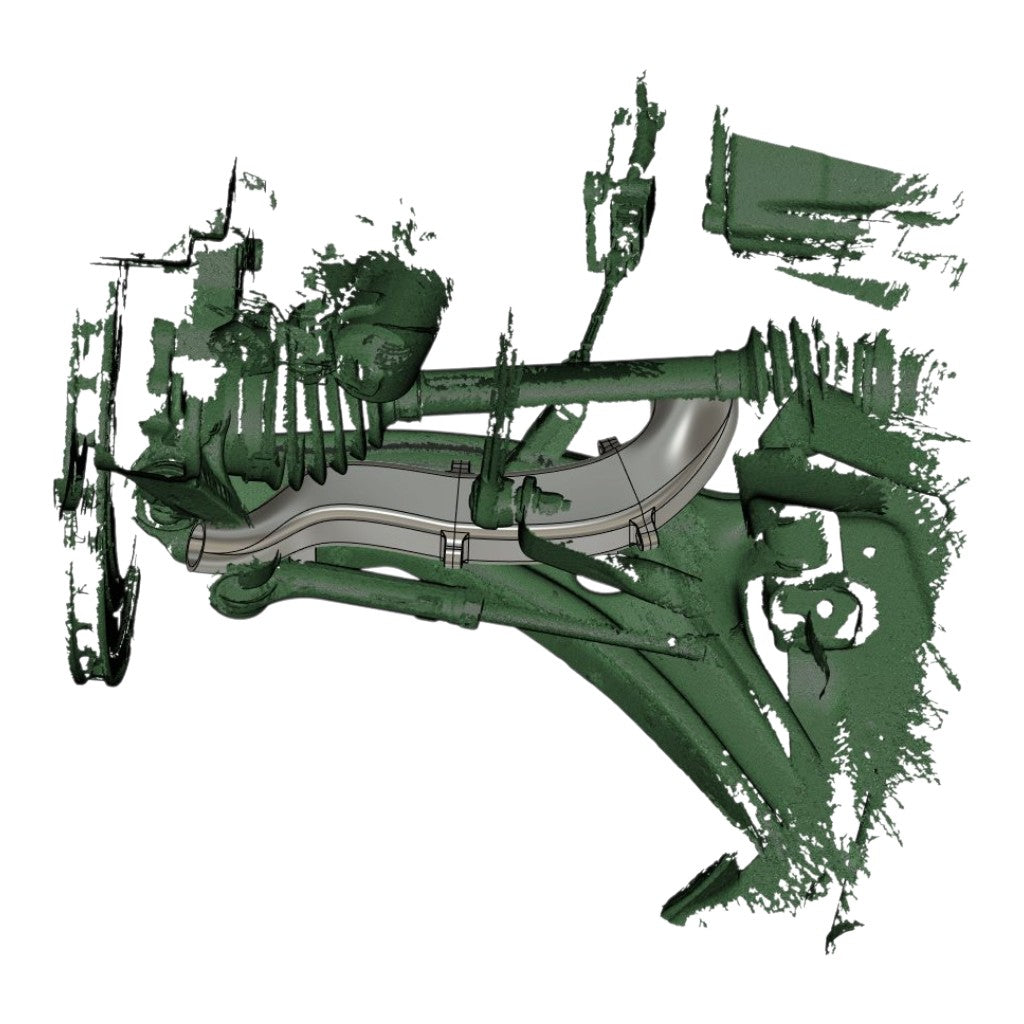
When selecting brake cooling components, it is important to consider vehicle design and suspension geometry. Air ducts and deflectors must align correctly with brake discs, calipers, and suspension elements to ensure proper airflow direction.
Material selection is also a key factor. Most deflectors are made from lightweight metal alloys or composite materials that provide strength without adding unnecessary weight. In some cases, aluminum or carbon components are used to combine low mass with high thermal resistance.
Vehicle usage is another important consideration. For performance road cars, simple deflectors may be sufficient to improve airflow. For track applications, full ducting systems that route air from the front bumper directly to the brake assembly are typically used.
Importance of Stable Temperature Control in Braking Performance
Effective brake cooling is essential for maintaining consistent braking performance. When temperatures remain within an optimal range, friction materials retain a stable coefficient of friction, and brake fluid operates without risk of overheating.
Thermal control also reduces uneven wear of brake discs and pads. With proper cooling, the braking system maintains stable behavior even during repeated high-load braking cycles.
In performance vehicles and upgraded braking systems, cooling components play a key role in balancing engine output with braking capability. A properly engineered cooling system ensures predictable and stable braking performance under demanding operating conditions.