










Suspension Springs in Vehicle Handling and Stability Systems
Suspension springs are one of the primary components of a vehicle’s chassis, directly influencing the balance between ride comfort, body stability, and steering precision. In modern vehicle design, the suspension must perform a complex engineering function — isolating the chassis from road irregularities while maintaining consistent tire contact with the surface. Springs define the primary elastic characteristics of the suspension, determining how the vehicle responds to load transfer, acceleration, and changes in direction.
Within the suspension system, springs operate in conjunction with shock absorbers, control arms, and anti-roll bars. Together, these components form a system that controls vertical wheel movement and ensures predictable vehicle behavior. As a result, spring parameters play a critical role in overall vehicle dynamics and handling response.
In production vehicles, suspension parameters are selected as a compromise between comfort and stability. However, when a vehicle is modified or used in performance driving conditions, these characteristics often need to be adjusted. Springs with different stiffness rates or geometry can significantly alter vehicle behavior, improving predictability in cornering or stability under braking.
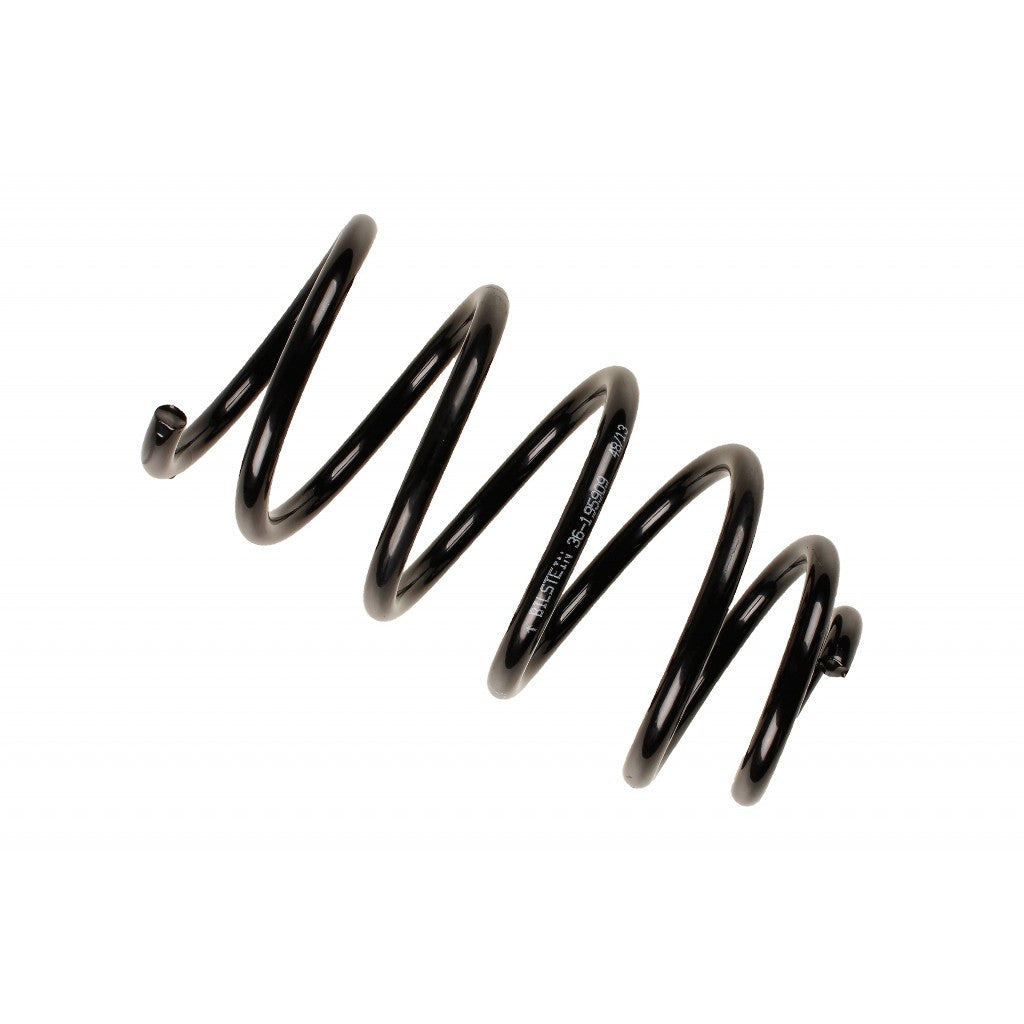
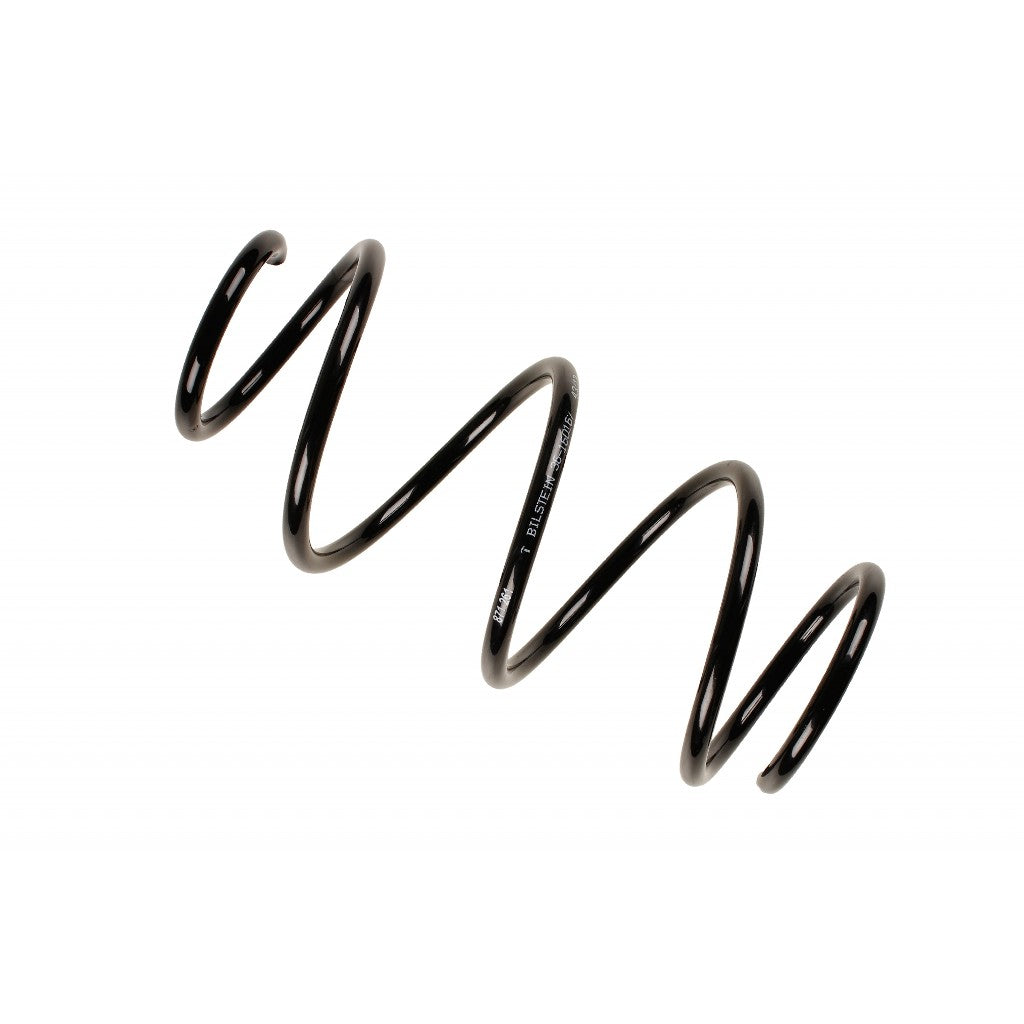
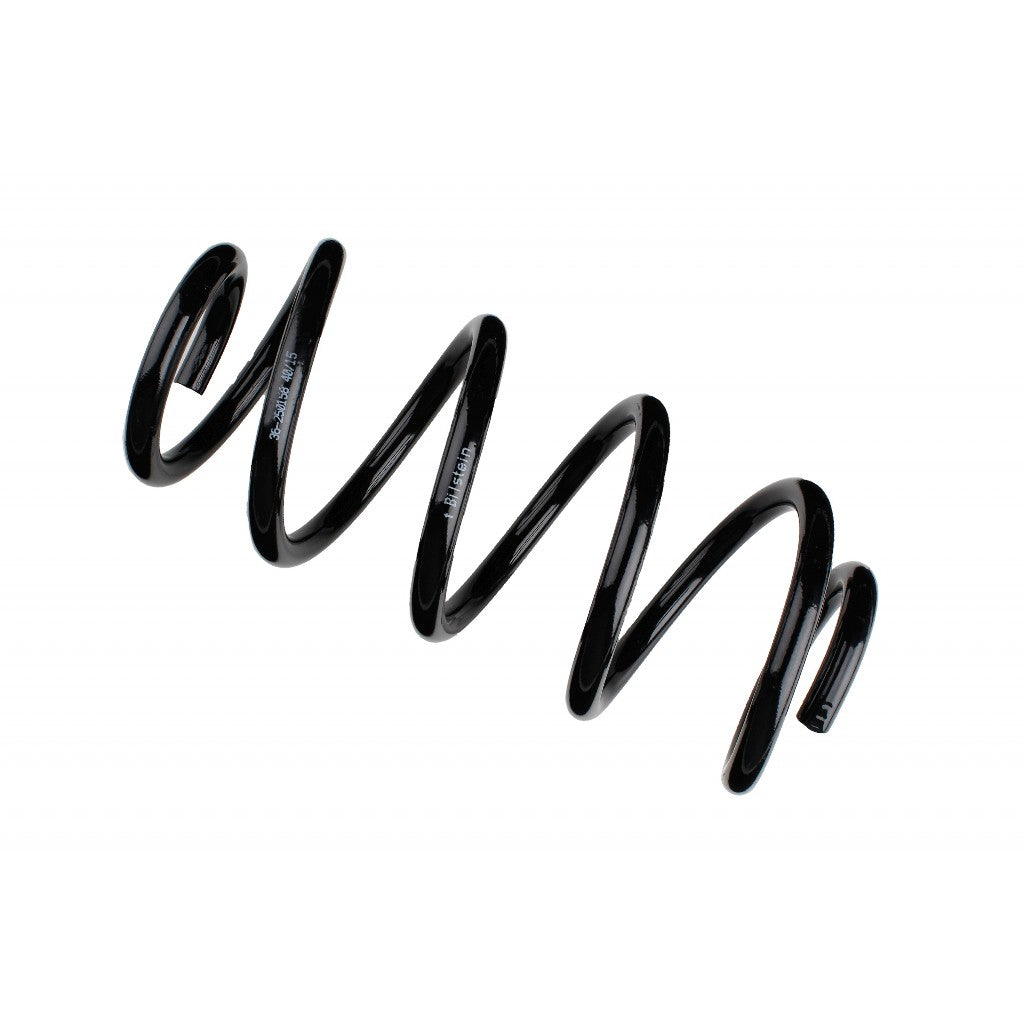
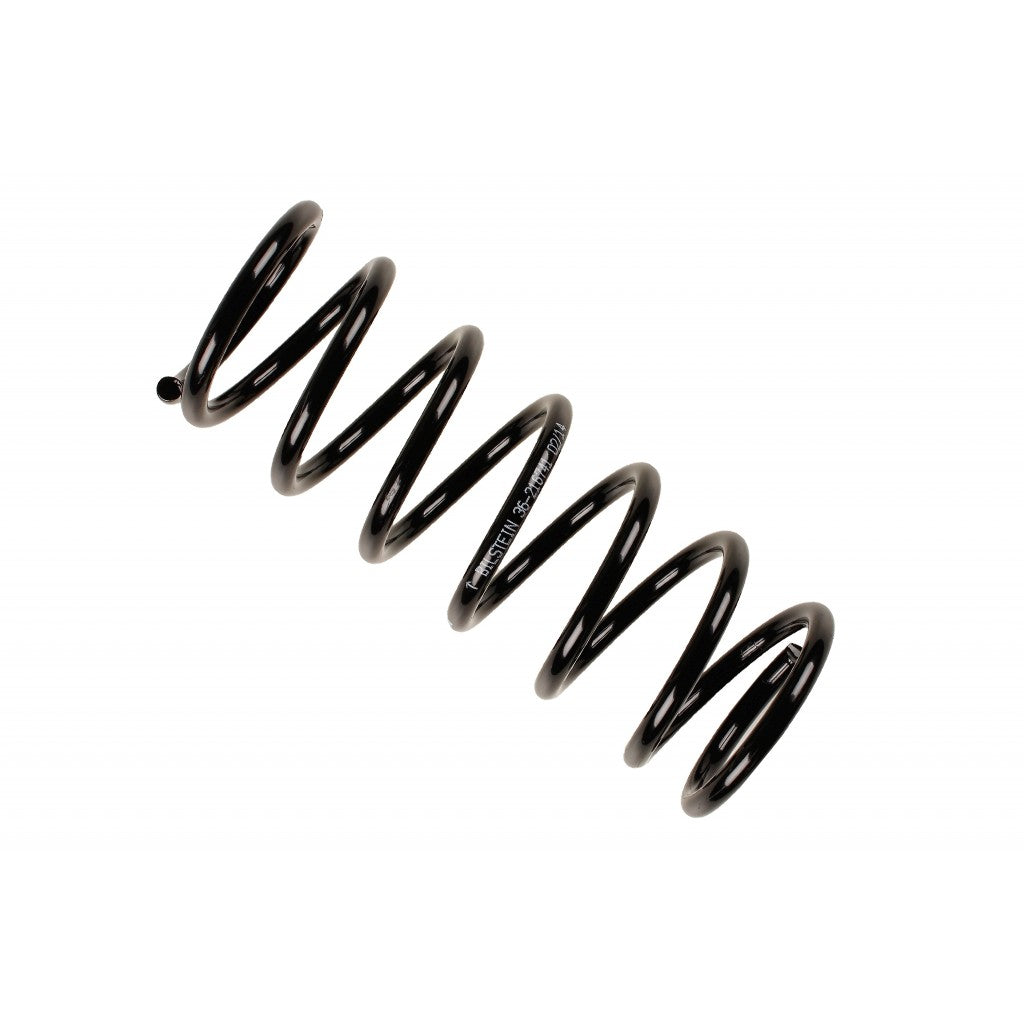
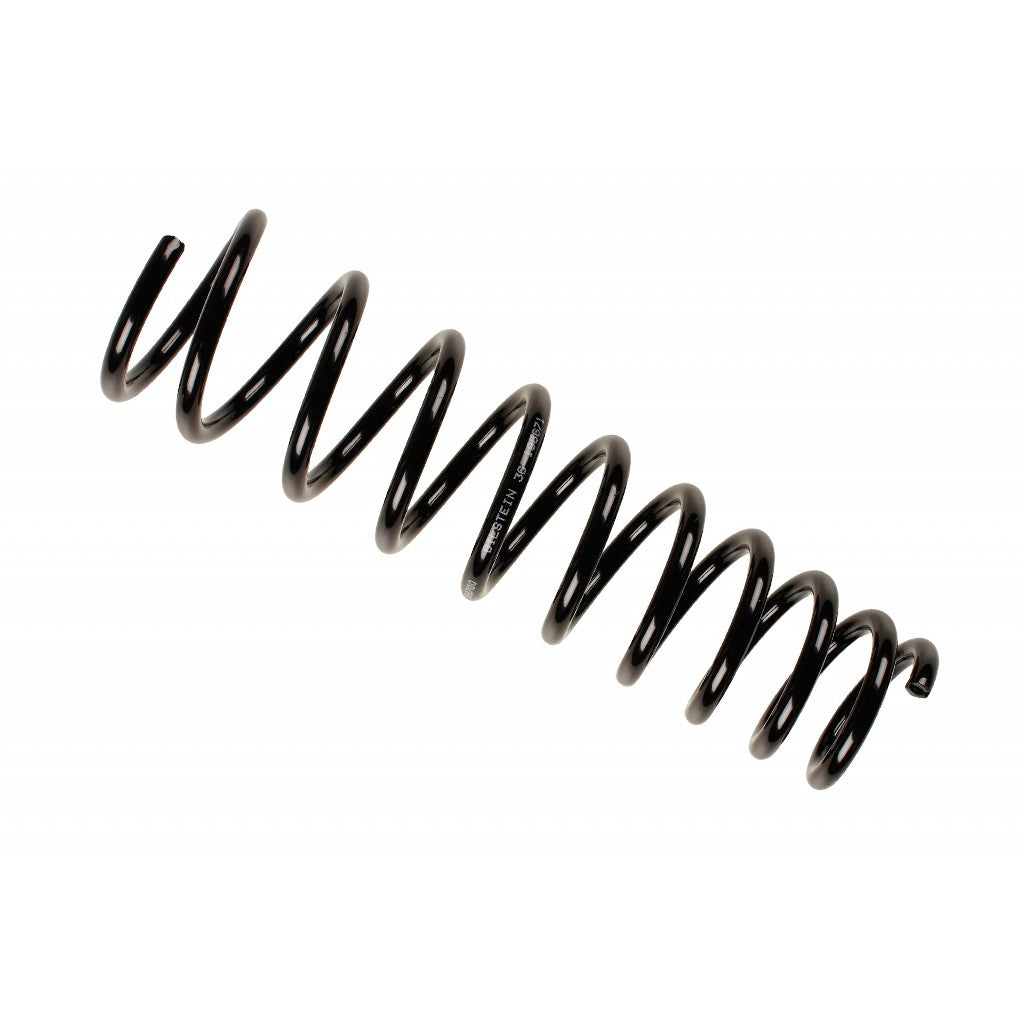
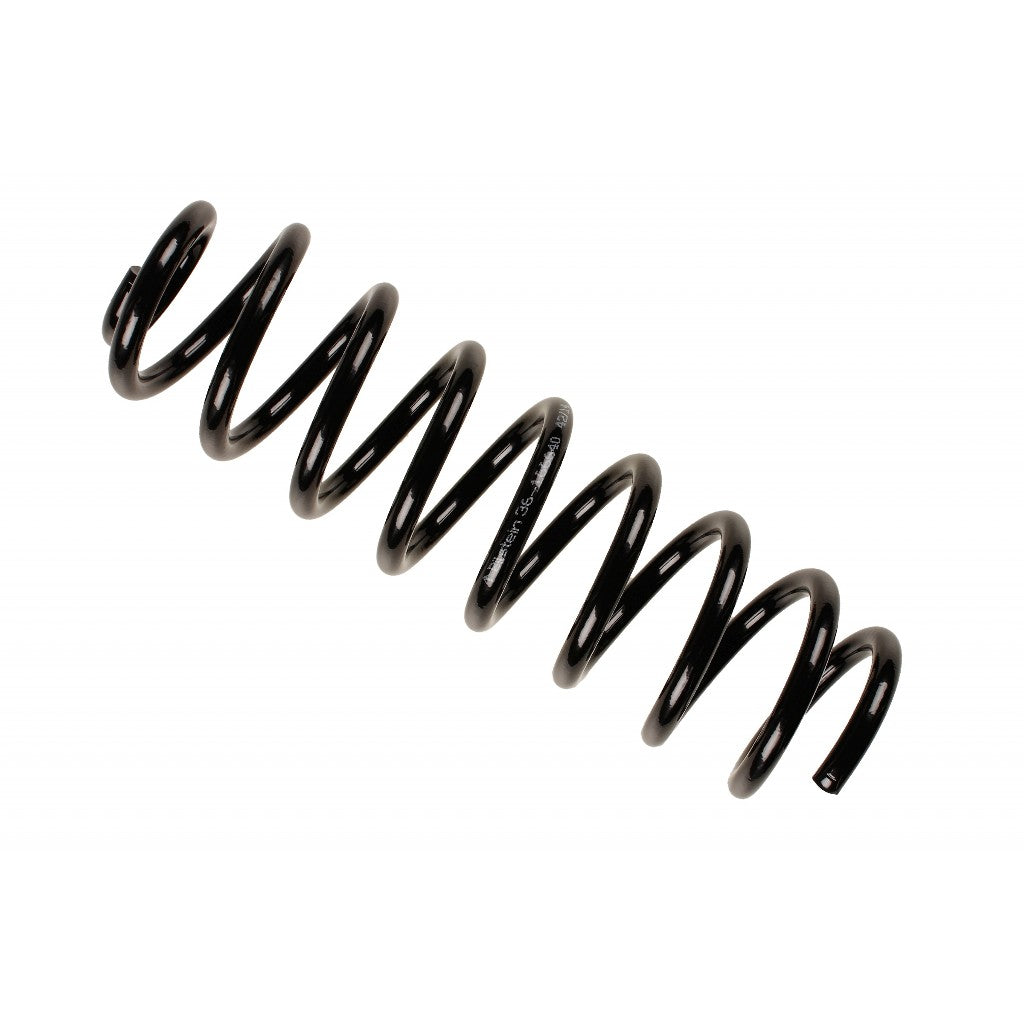
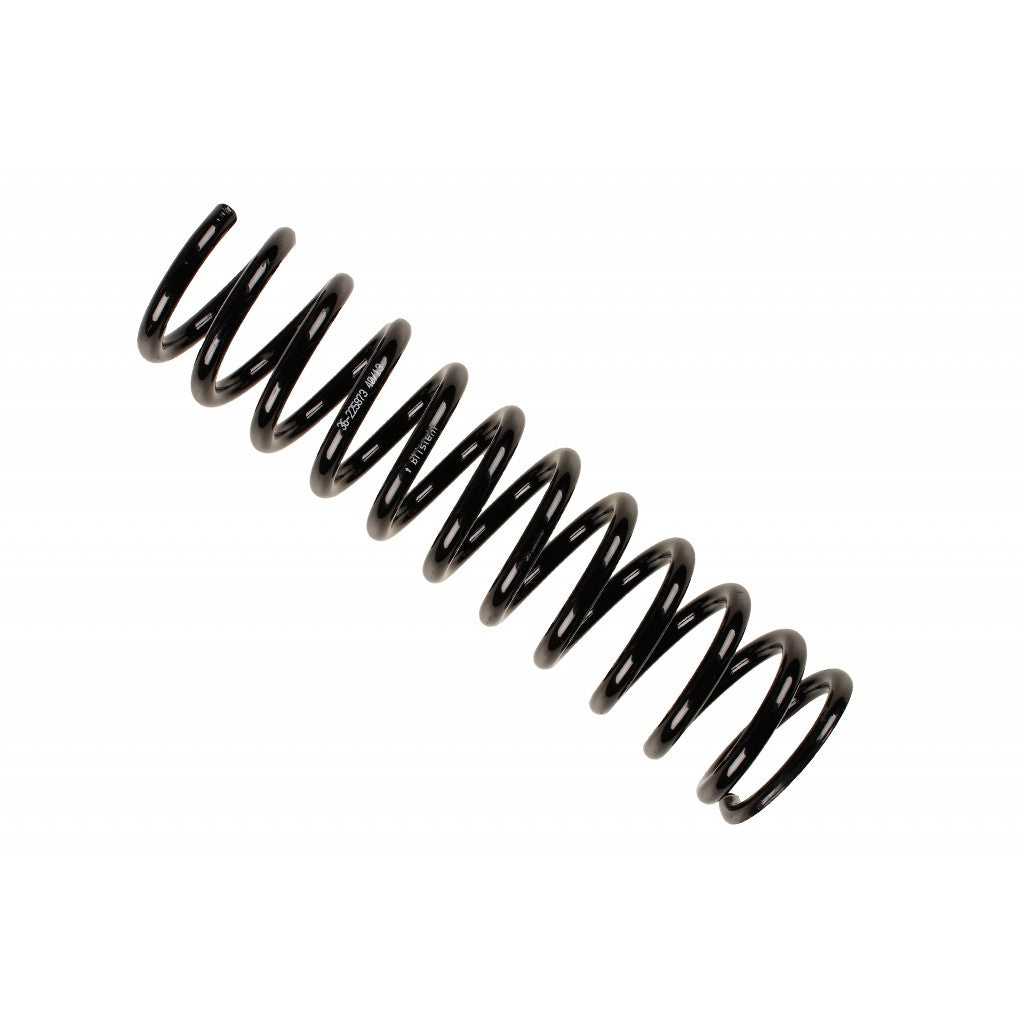
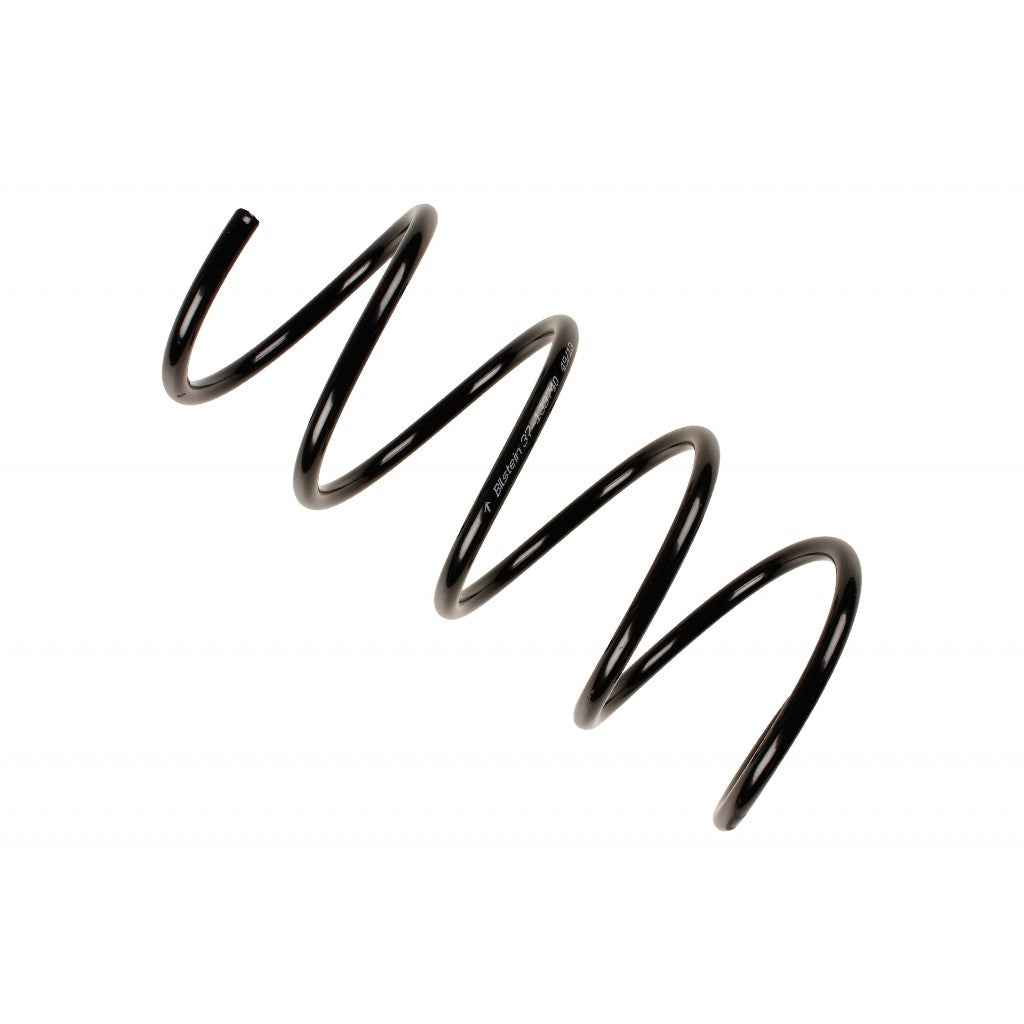
For this reason, springs are often among the first suspension components upgraded in tuning projects. This category includes solutions from manufacturers specializing in suspension engineering, such as Eibach, KW, Bilstein, and Unplugged Performance. These companies develop components for performance road cars, track setups, and high-output electric vehicle platforms.
Function of Springs in Suspension Operation
The primary function of a suspension spring is to absorb impact energy generated when the vehicle travels over uneven surfaces. When a wheel encounters a bump, the spring compresses and stores energy through elastic deformation. Once the obstacle is passed, this energy is gradually released, returning the suspension to its original position.
Working together with the damper, the spring forms a dynamic system that controls vertical wheel movement. The shock absorber limits the speed of motion, while the spring defines the force opposing compression. The relationship between spring rate and damping characteristics determines overall suspension behavior.
In addition to absorbing road irregularities, springs influence load distribution across the vehicle. During acceleration and braking, the suspension shifts its position, and springs control these movements. This helps maintain tire contact with the road and improves vehicle control under dynamic conditions.
In performance vehicles, springs typically have higher stiffness compared to standard setups. This reduces body roll in corners, improves steering response, and limits unwanted suspension geometry changes under load.
Engineering Characteristics and Materials
Modern suspension springs are manufactured from high-strength alloy steels designed to withstand repeated cyclic loading without loss of elasticity. During operation, springs undergo continuous compression and extension, requiring high fatigue resistance and structural stability.
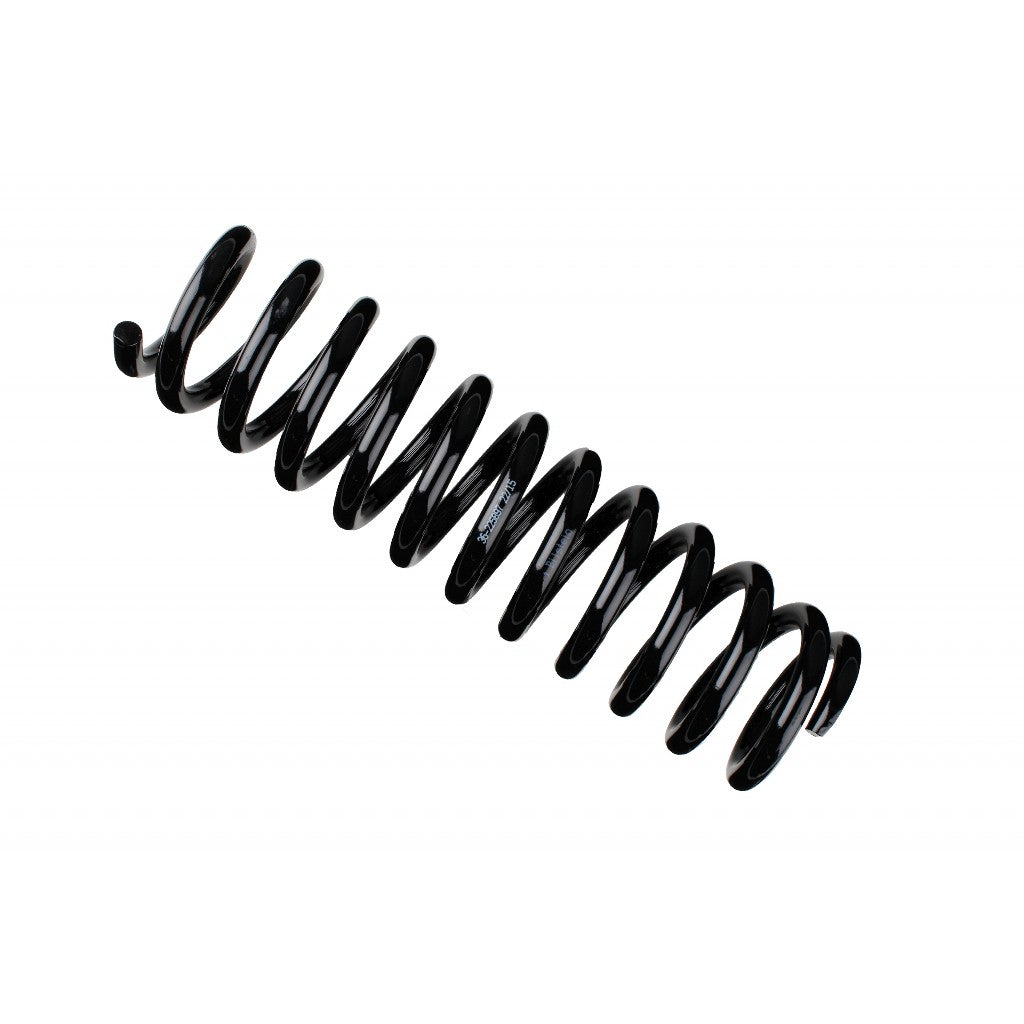
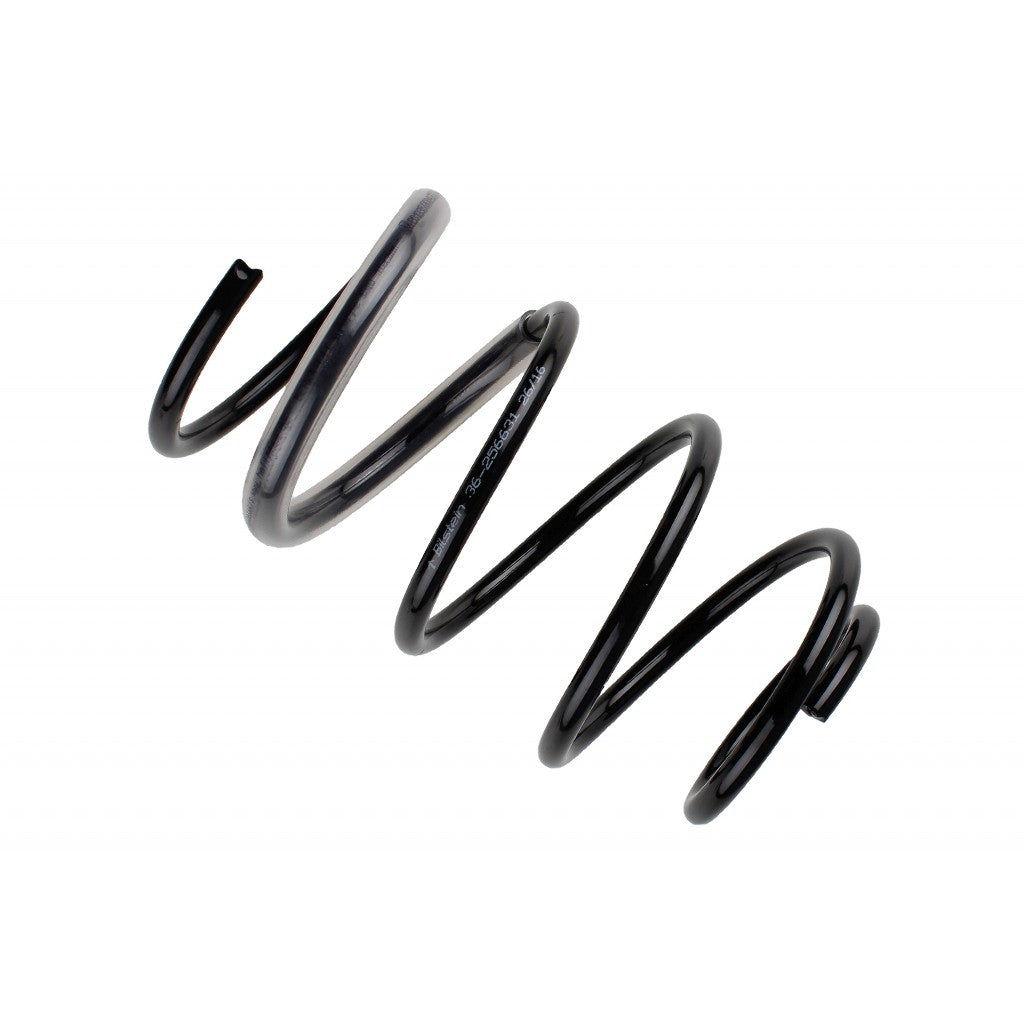
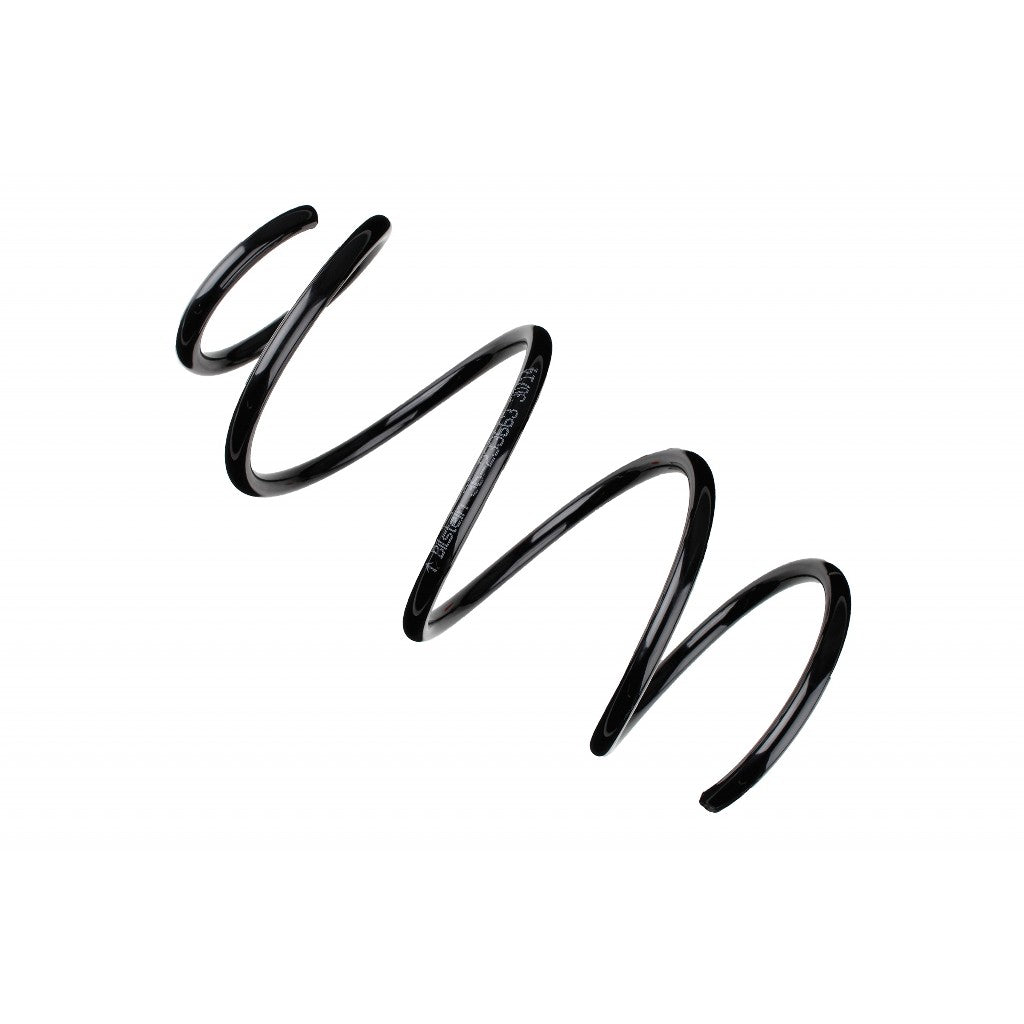
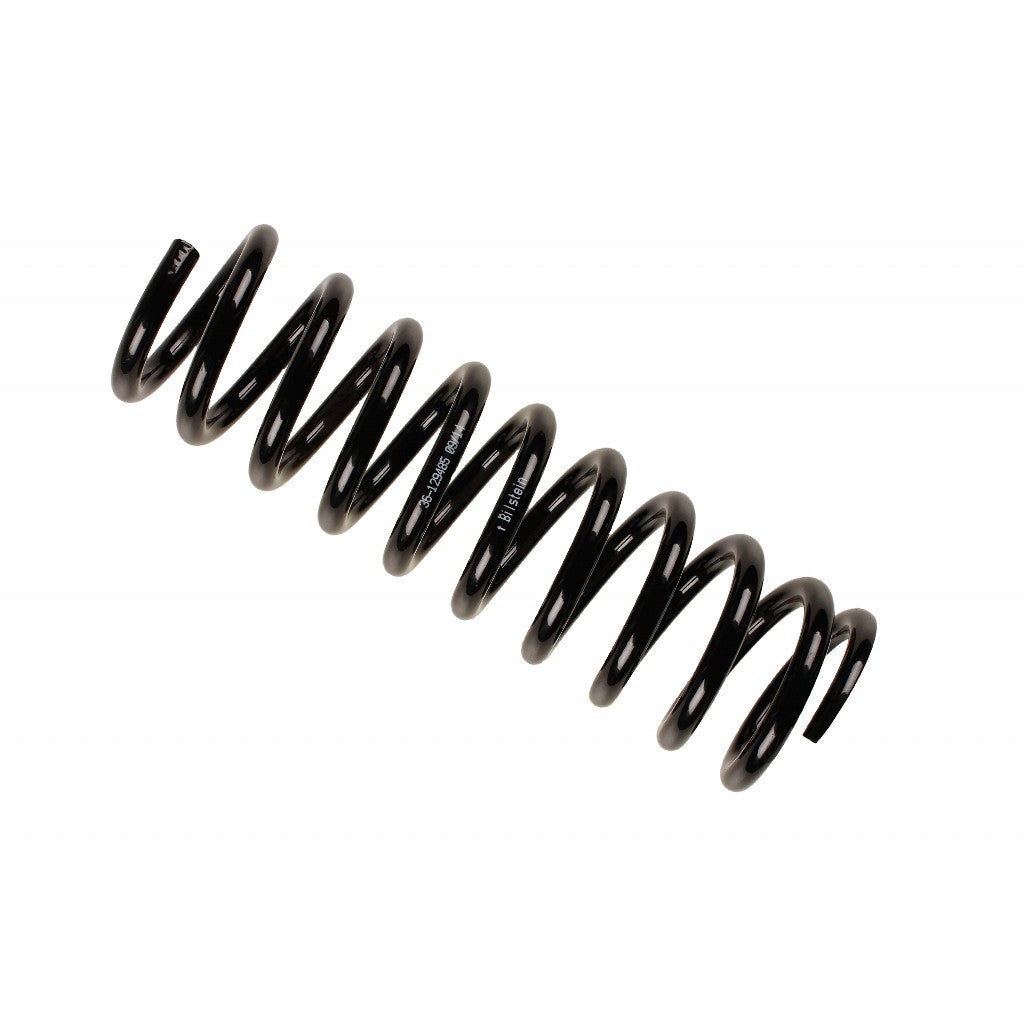
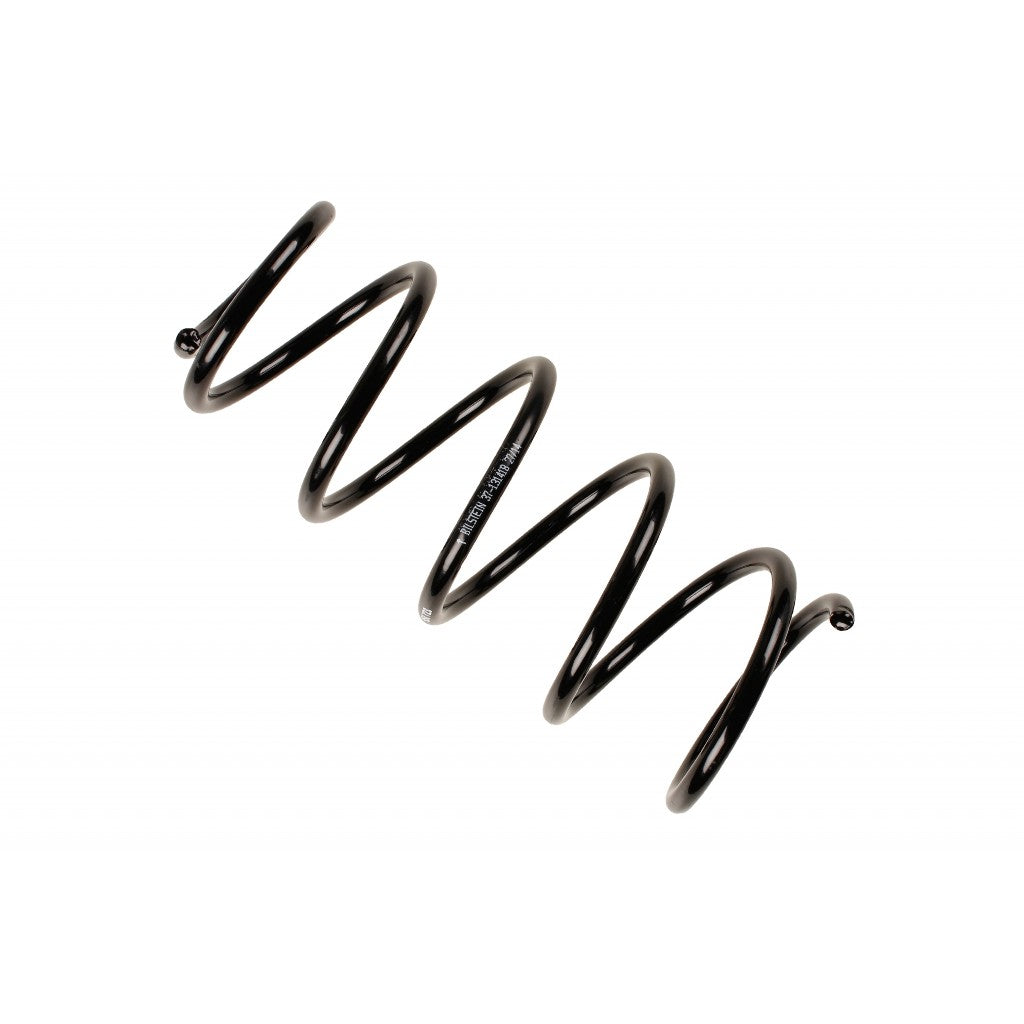
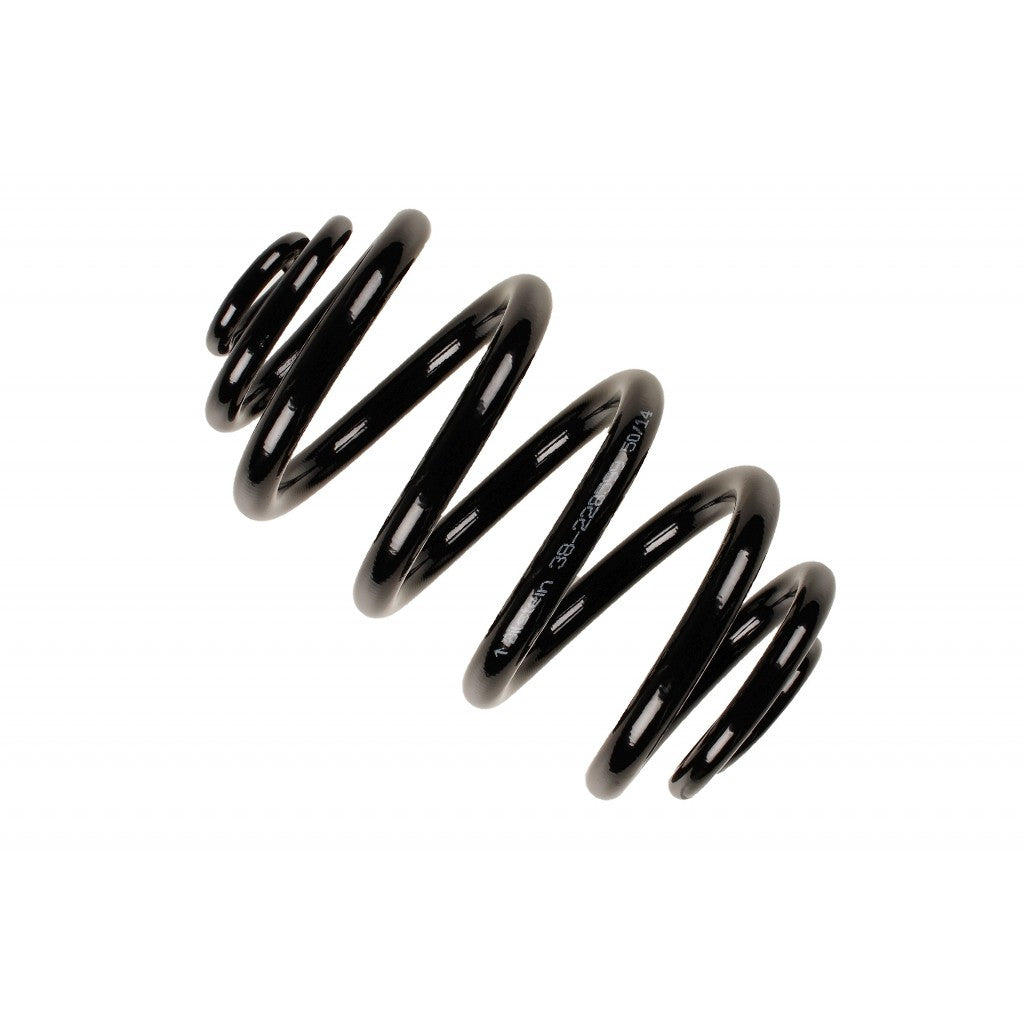
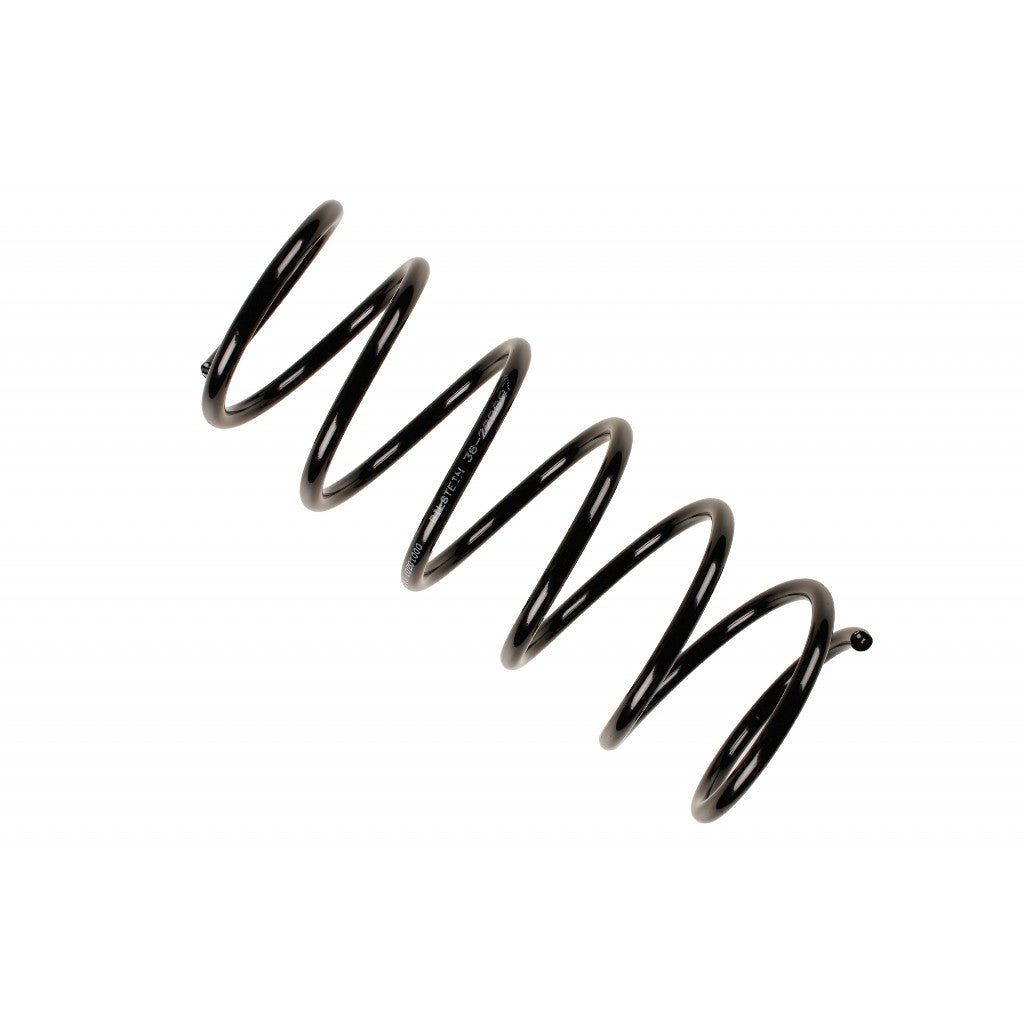
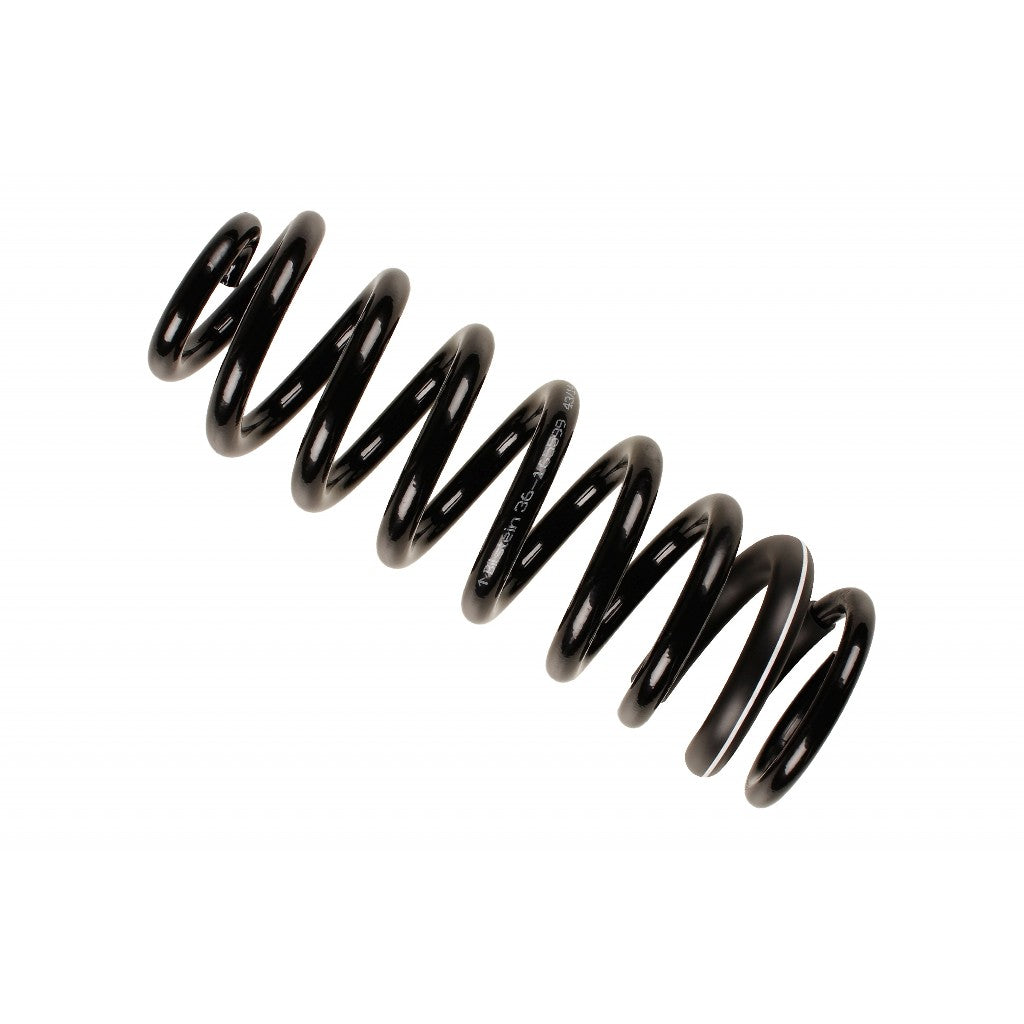
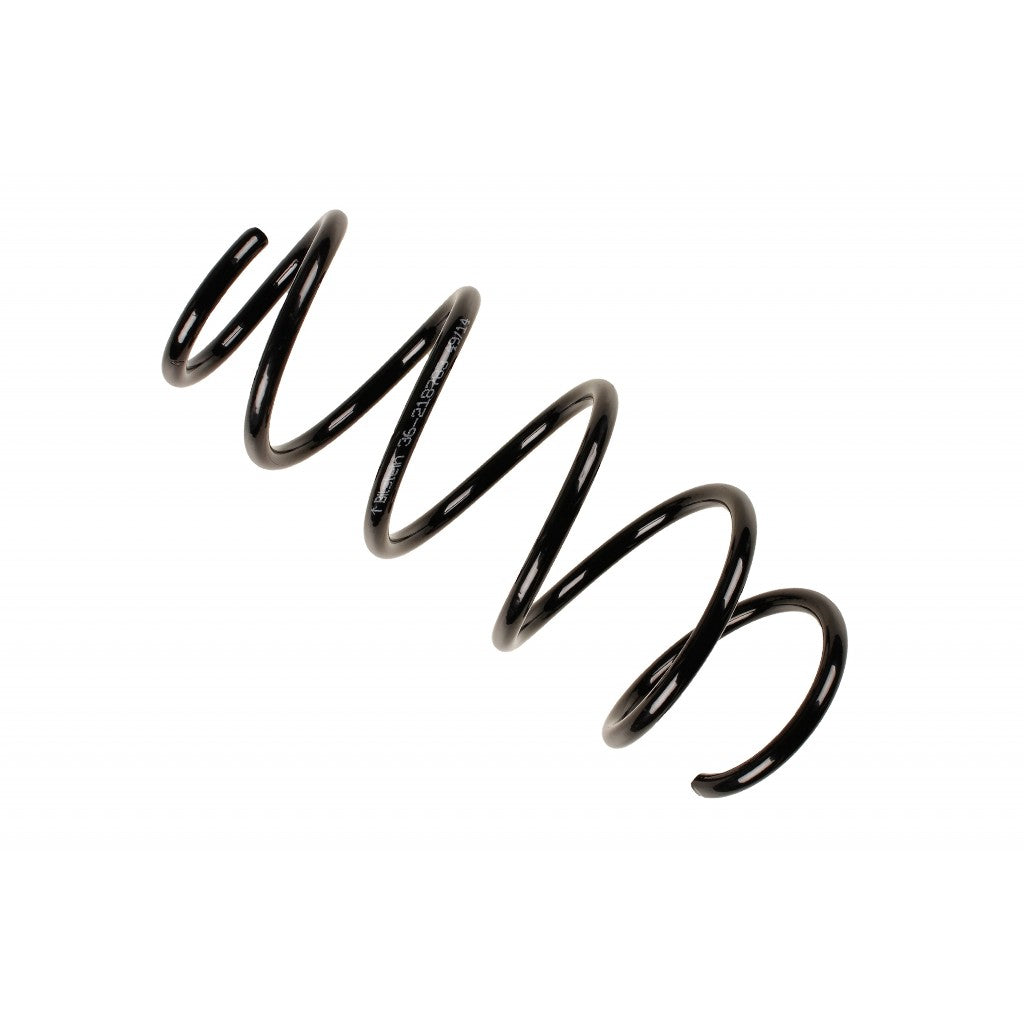
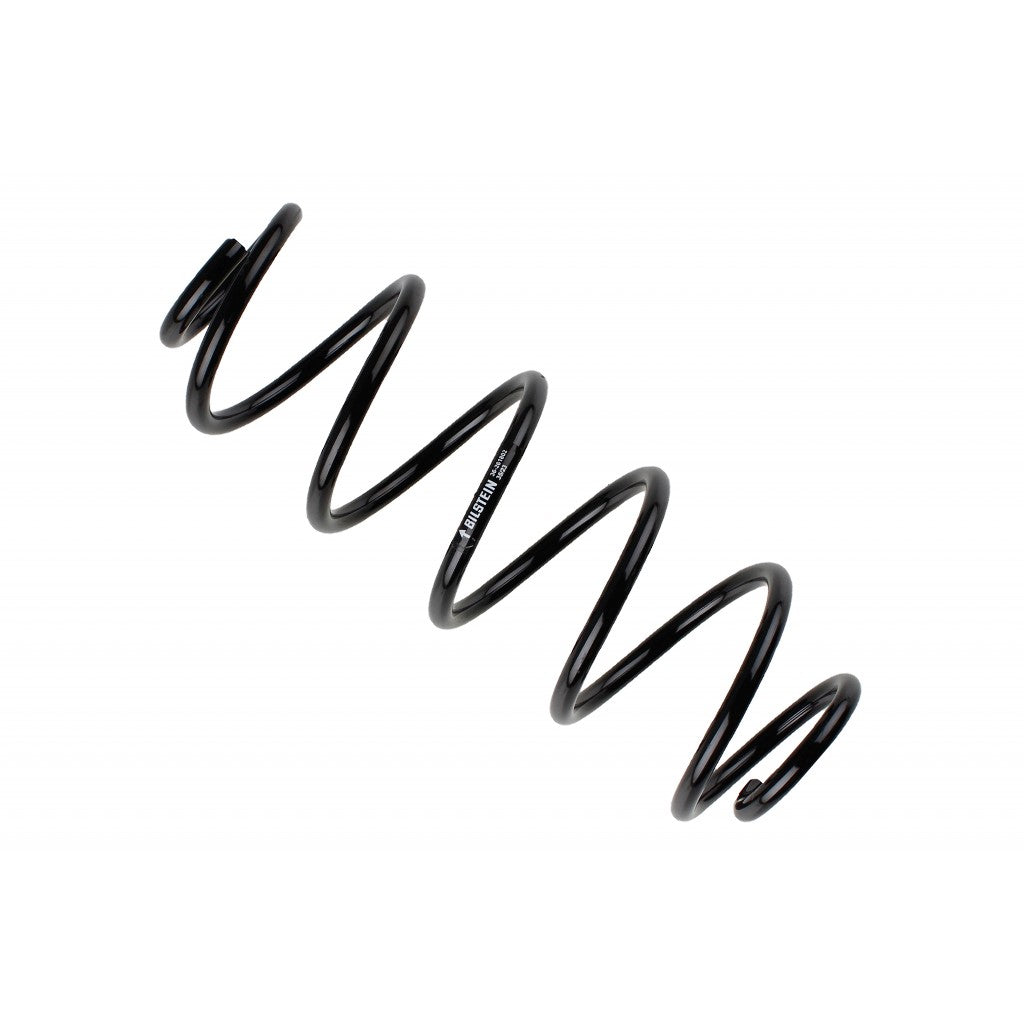
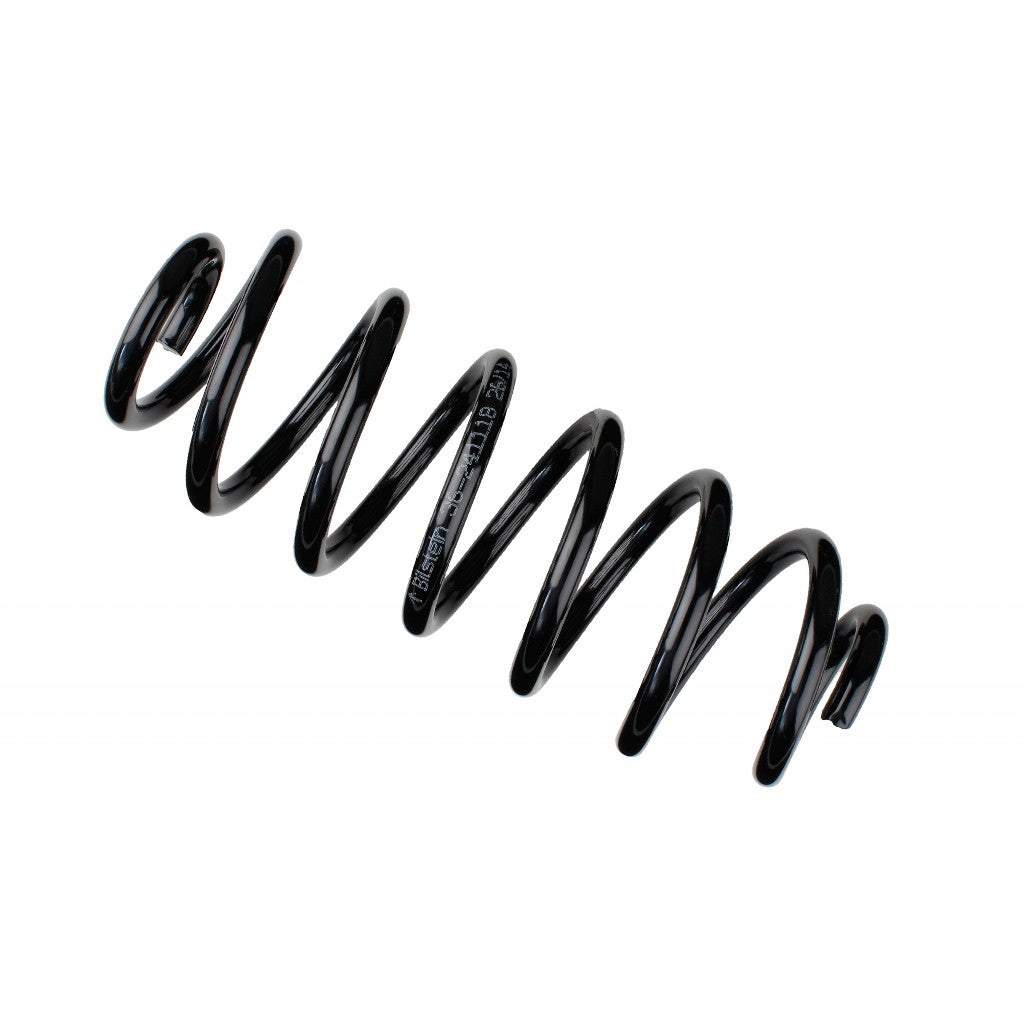
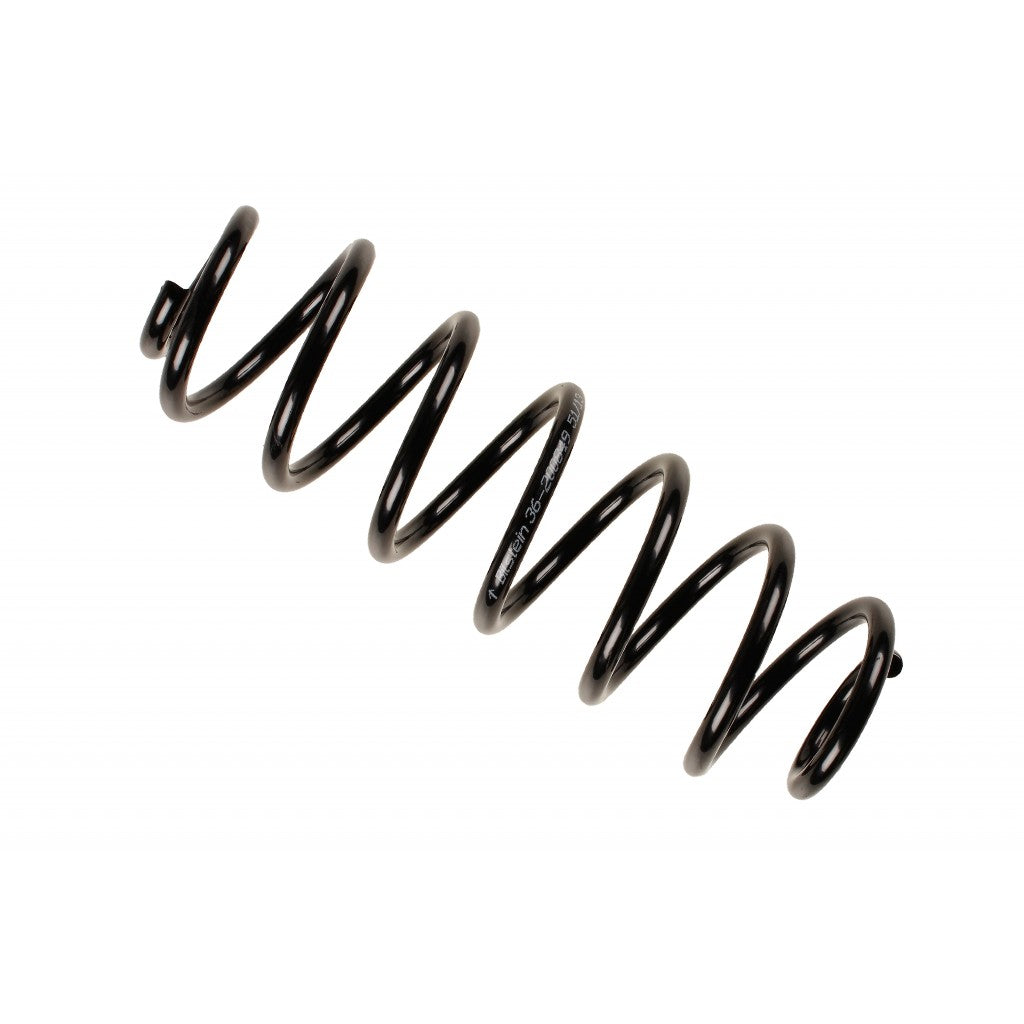
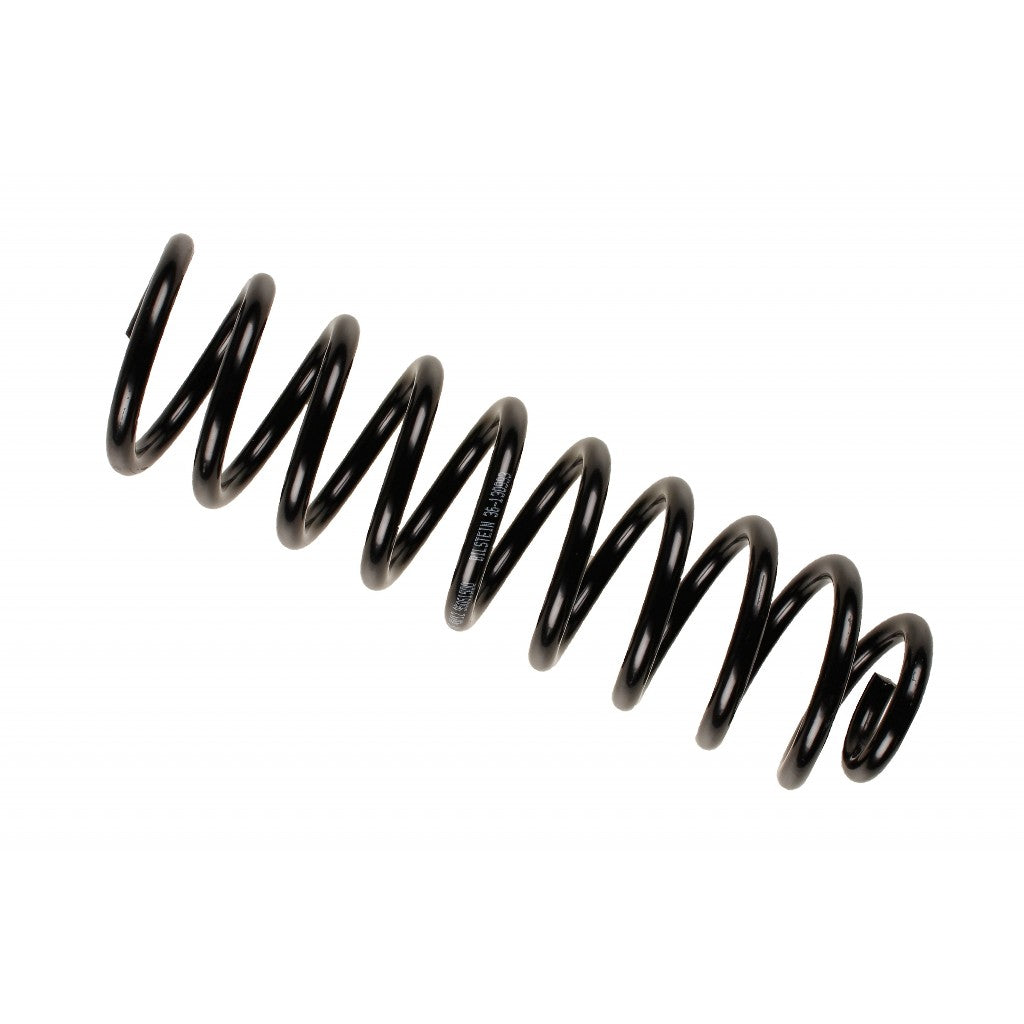
Key engineering parameters include spring length, wire diameter, number of coils, and winding geometry. Changes to any of these parameters directly affect stiffness. For example, thicker wire or fewer coils increases stiffness, while longer springs with more coils provide a softer response.
To improve durability, springs undergo heat treatment and surface strengthening processes. Some manufacturers apply shot peening to reduce the risk of microcracks and improve fatigue resistance under long-term use.
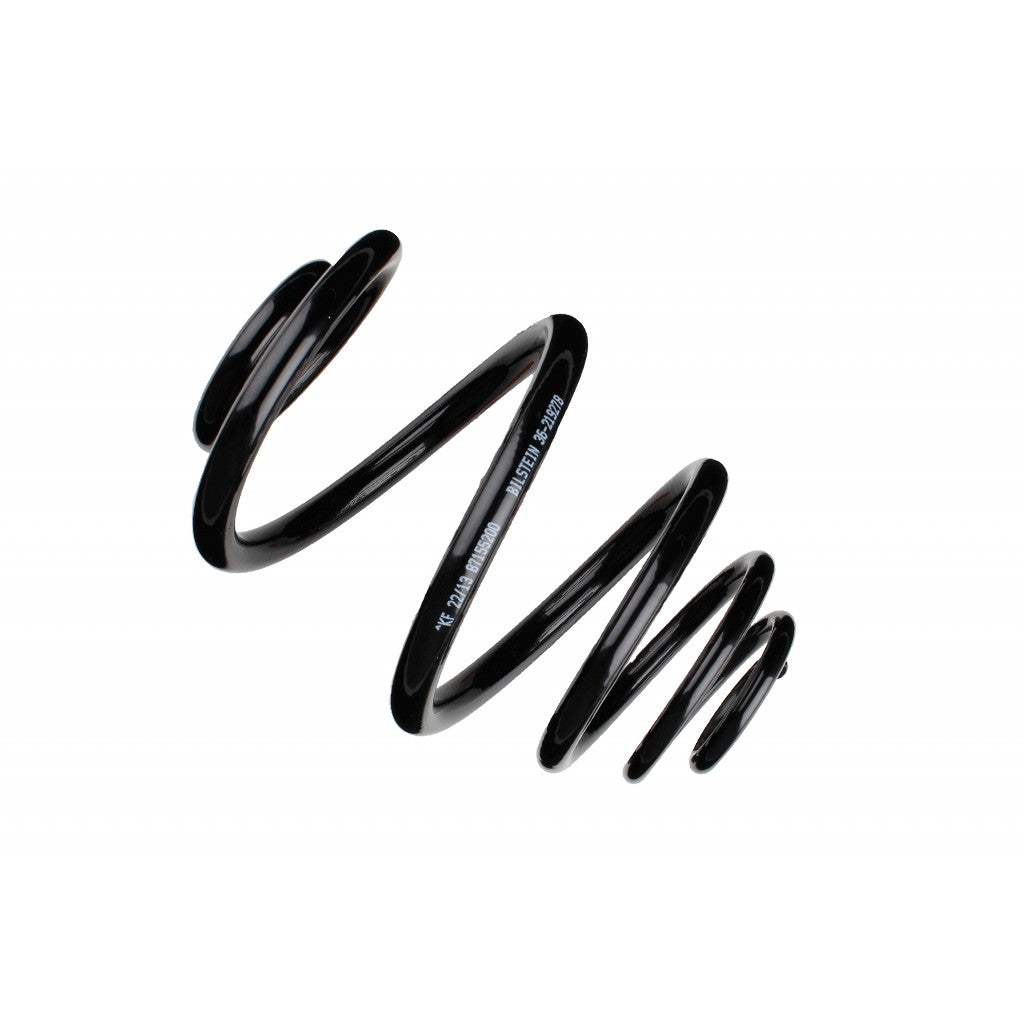
In performance applications, progressive-rate springs are often used. These springs vary in stiffness along their length, allowing a relatively soft response during normal driving while becoming significantly stiffer under higher loads. This approach maintains usability while improving stability during aggressive driving.
Application in Road Tuning and Motorsport
Suspension springs are widely used in vehicle suspension upgrades. One of the most common modifications is the installation of lowering springs, which reduce ride height. Lowering the center of gravity improves cornering stability and can also enhance aerodynamic characteristics.
In performance-oriented road vehicles, these modifications improve responsiveness and predictability. However, lowering ride height also affects suspension geometry, so spring parameters must be carefully selected to maintain balance between handling and component longevity.
In motorsport applications, spring rates are selected based on track layout, vehicle weight, and damper setup. Technical circuits with frequent direction changes often require stiffer configurations to maintain precise body control.
Key Factors in Selecting Suspension Springs
Selecting springs requires consideration of both the vehicle platform and overall suspension setup. Spring stiffness must be matched with damper characteristics to ensure the system functions correctly.
Vehicle usage is another critical factor. For daily driving, springs with moderate lowering and balanced stiffness are typically preferred. For performance applications, stiffer configurations provide improved control under dynamic conditions.
Manufacturing quality is also essential. Brands such as Eibach, KW, and Bilstein use advanced heat treatment and coating technologies to ensure long service life even under demanding conditions.
Impact of Suspension Springs on Vehicle Dynamics
Suspension springs have a direct effect on vehicle behavior during acceleration, braking, and cornering. They control body movement relative to the wheels and determine how quickly the suspension responds to load changes.
Properly selected springs reduce body roll, improve braking stability, and enhance steering precision. As a result, the vehicle becomes more predictable and responsive, which is particularly important in performance driving scenarios.
Combined with properly matched dampers, upgrading suspension springs can significantly transform vehicle dynamics, improving both control and stability across a wide range of driving conditions.