


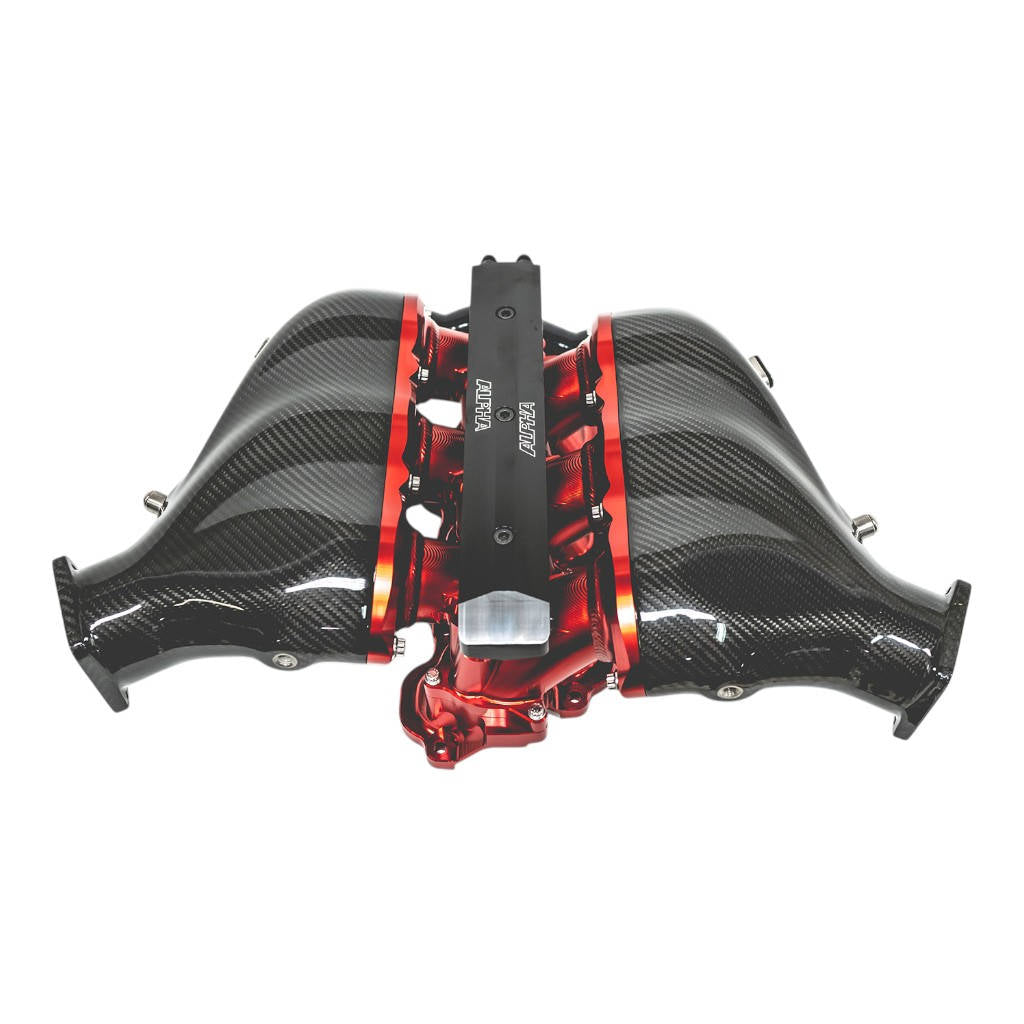
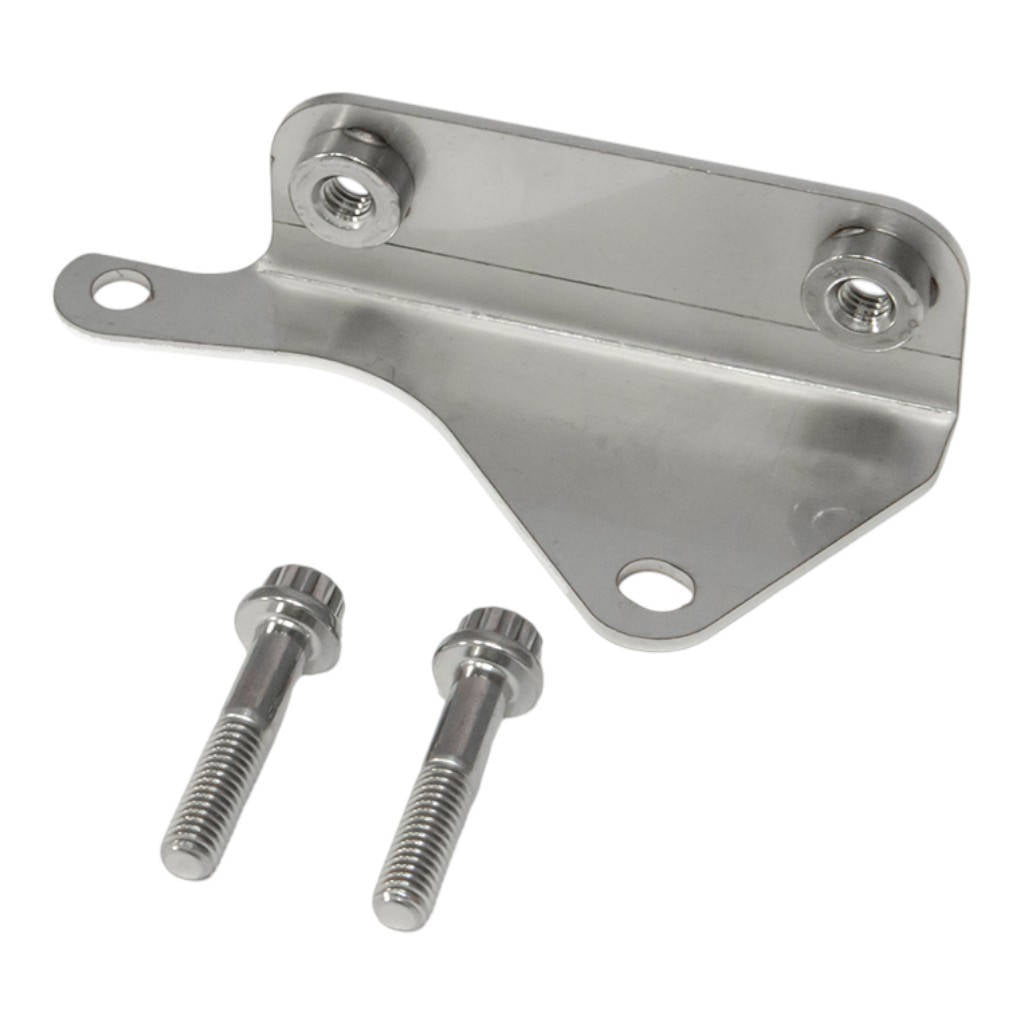
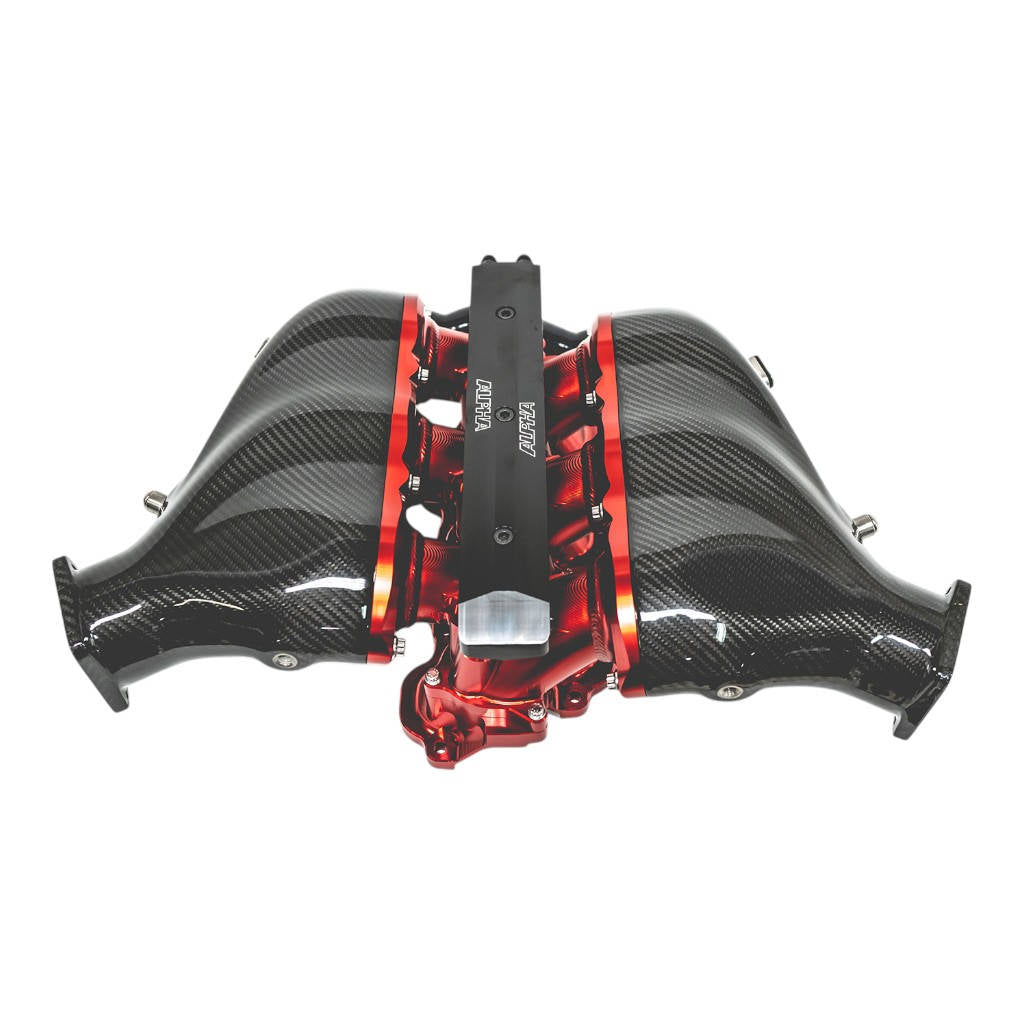
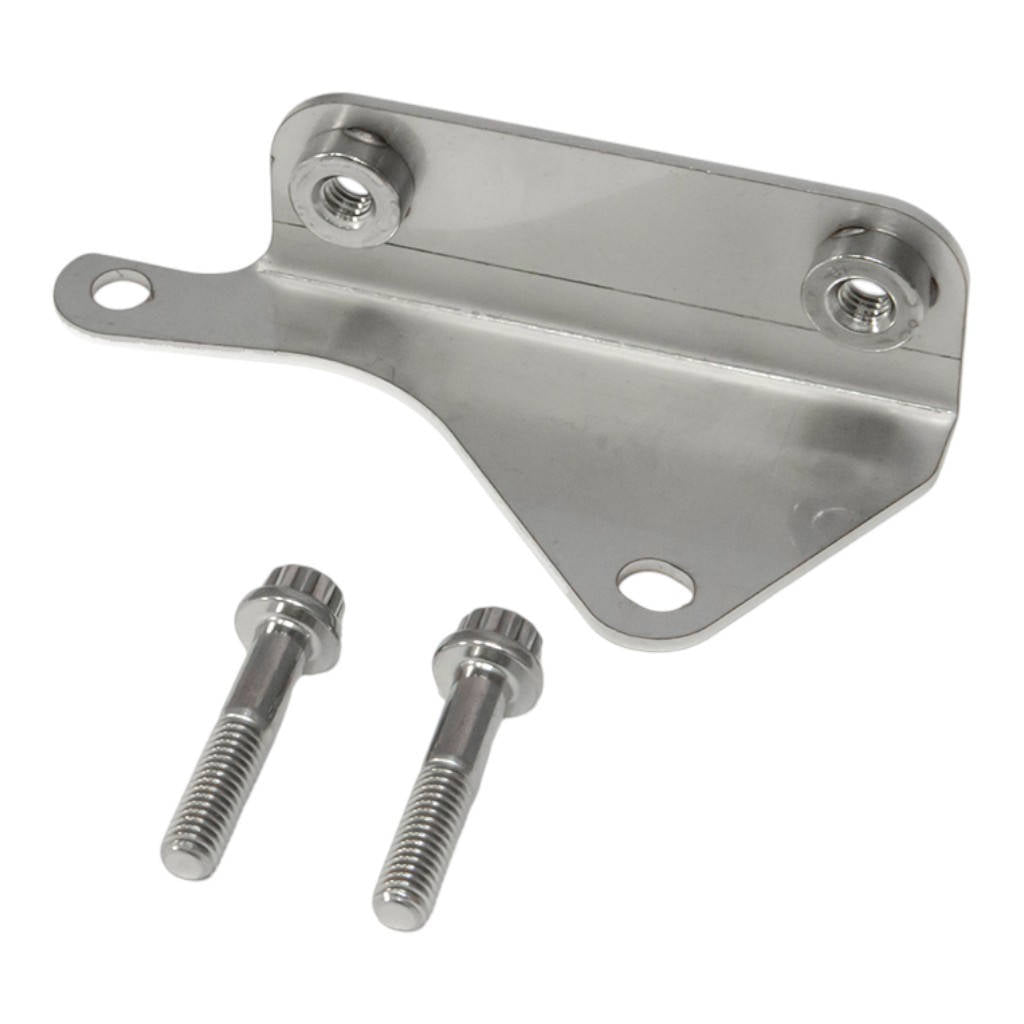
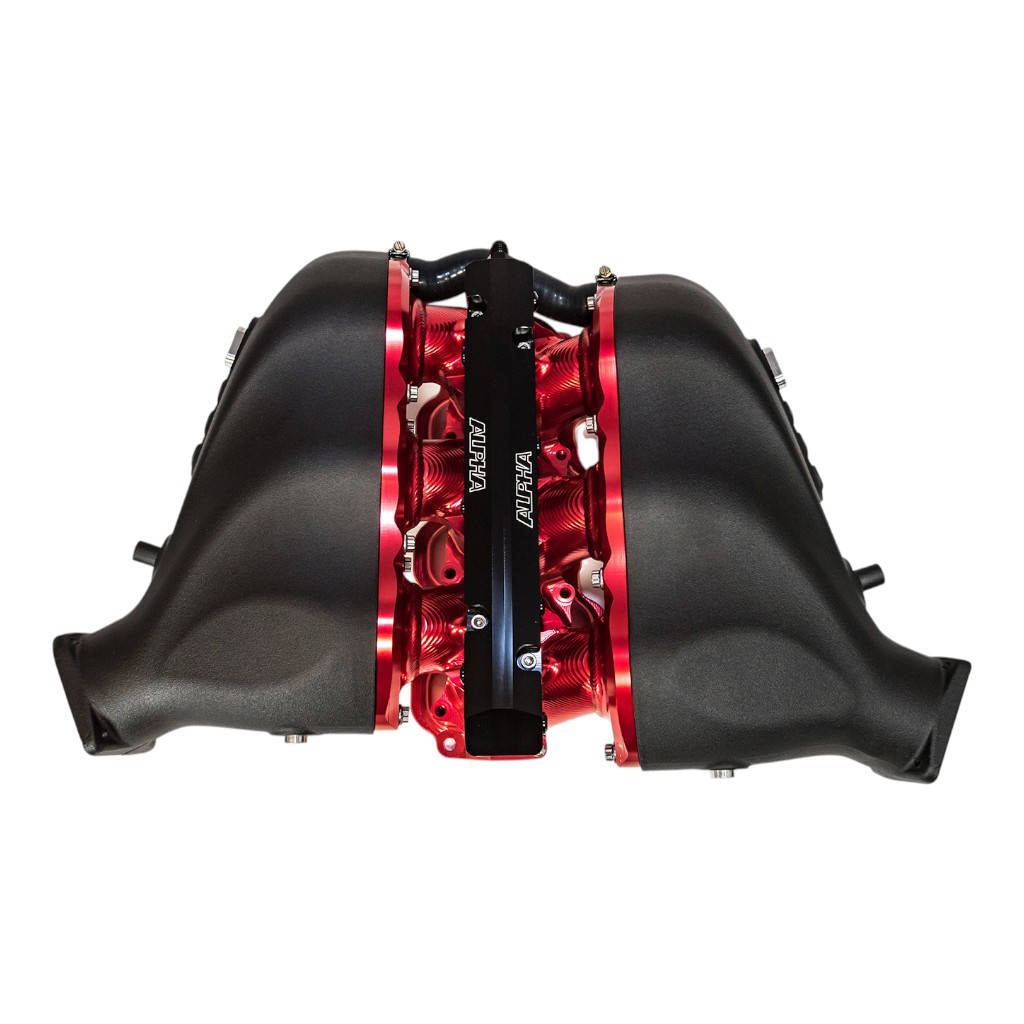
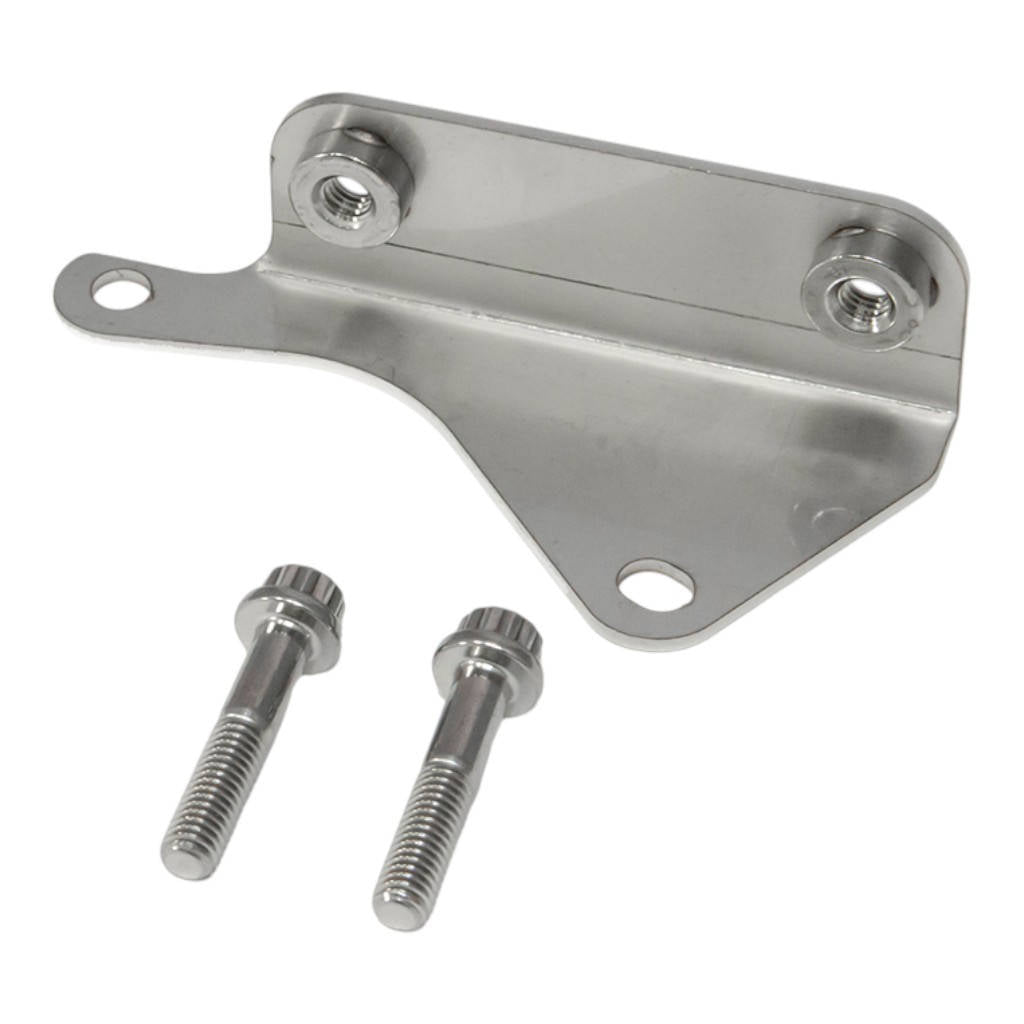
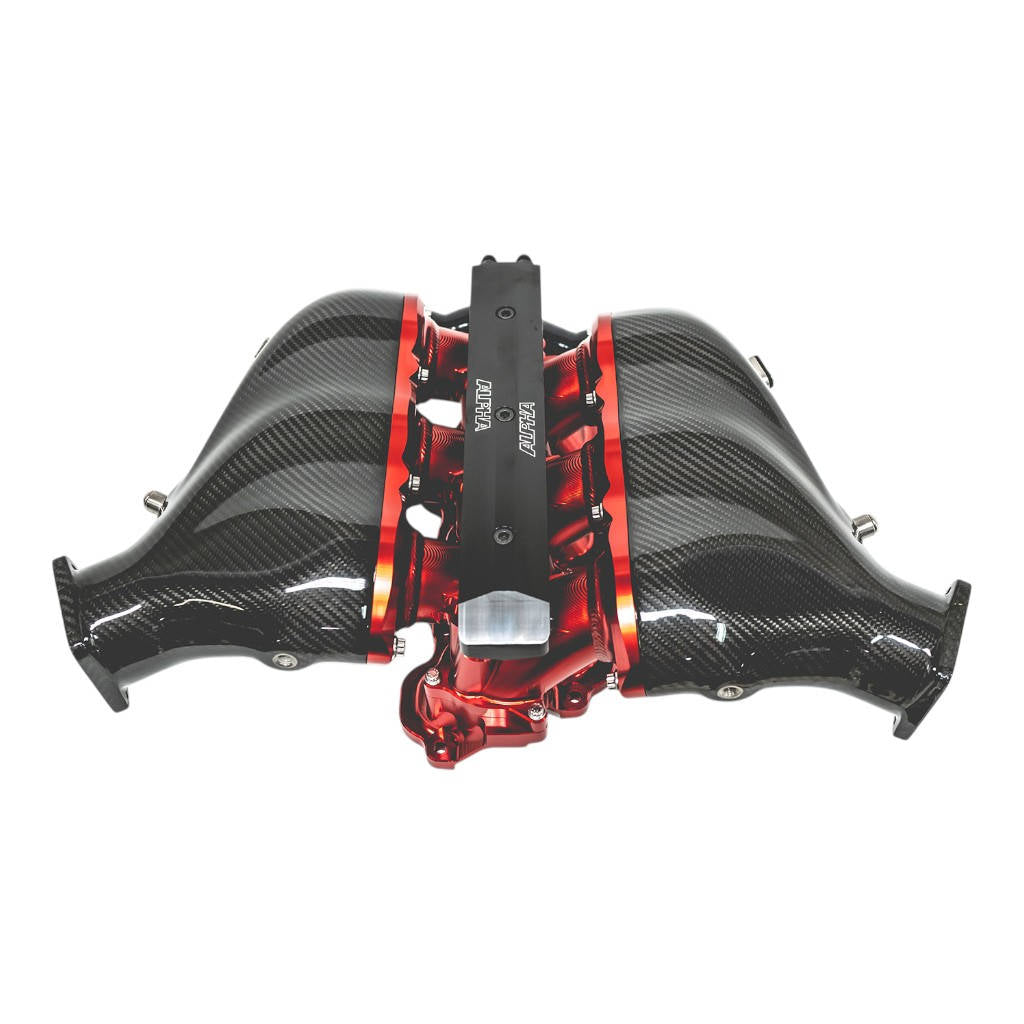
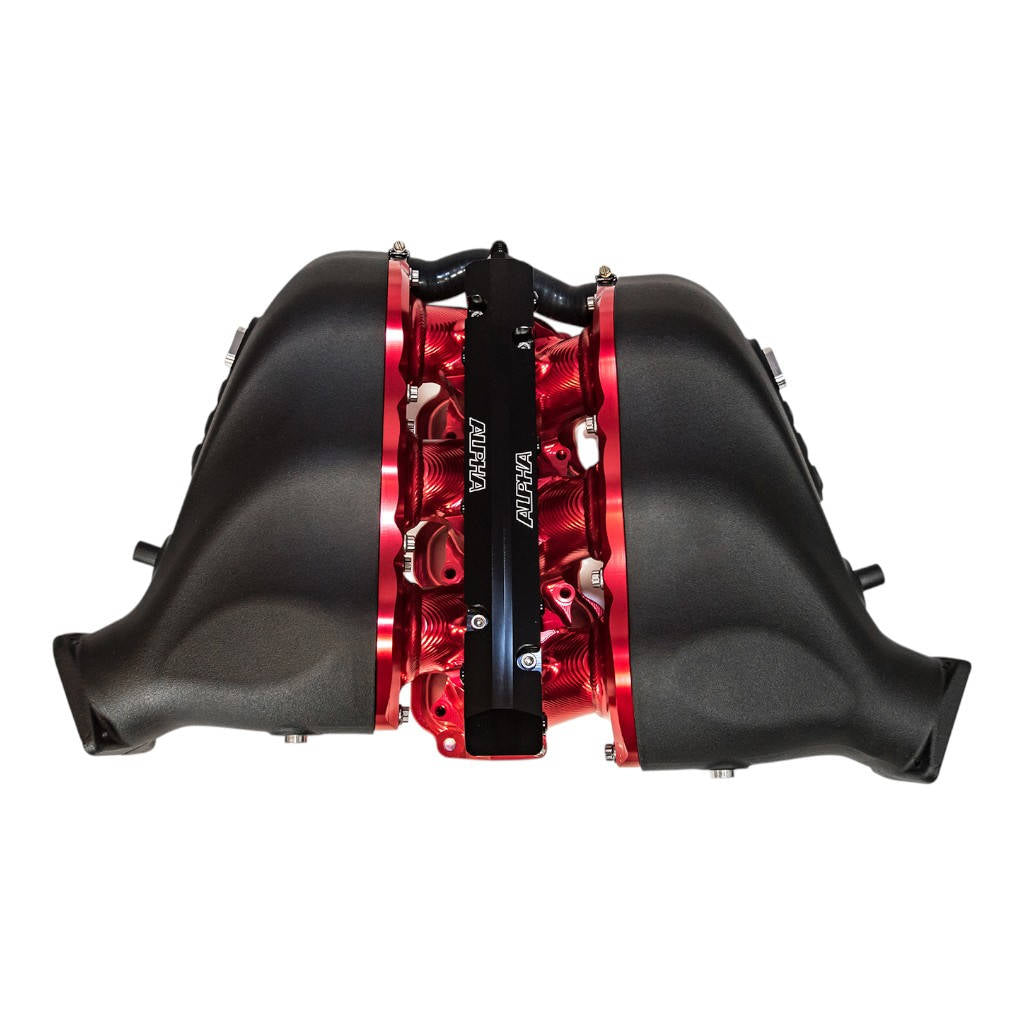
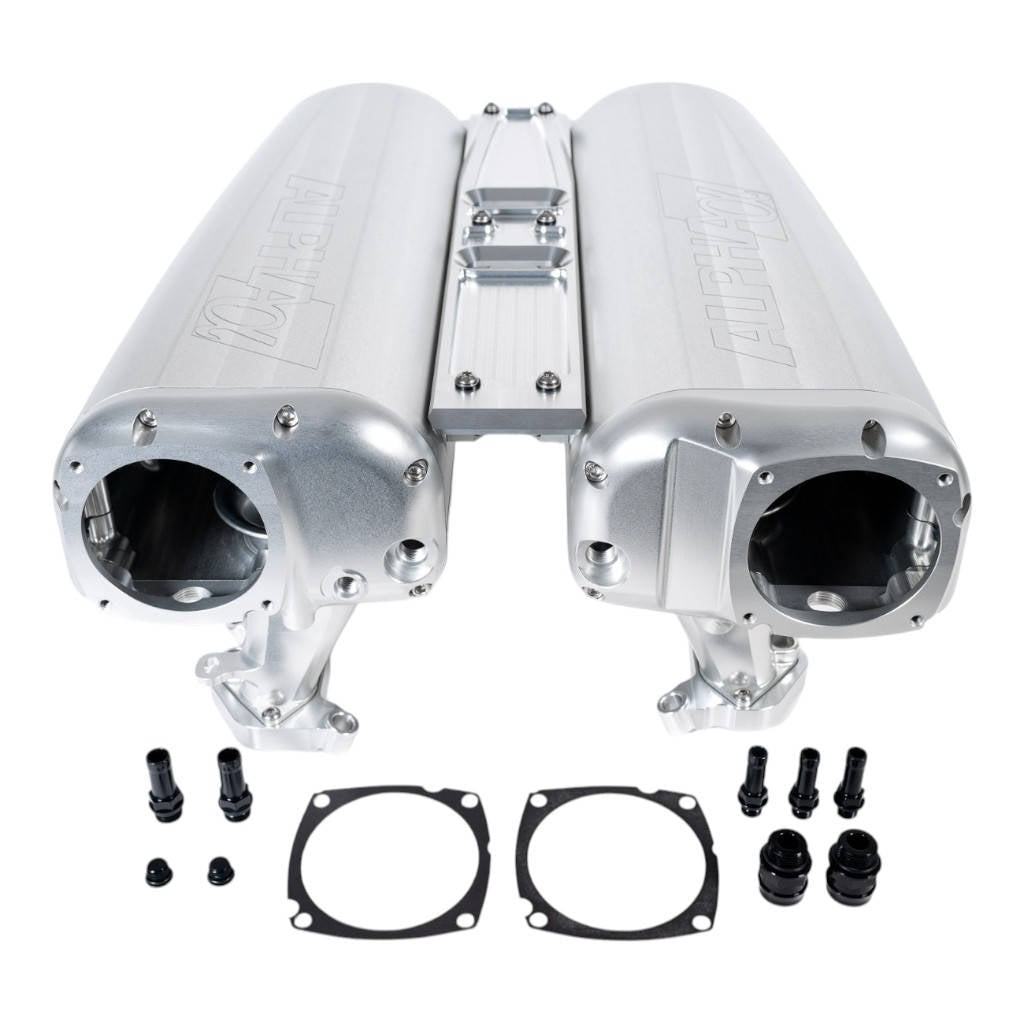
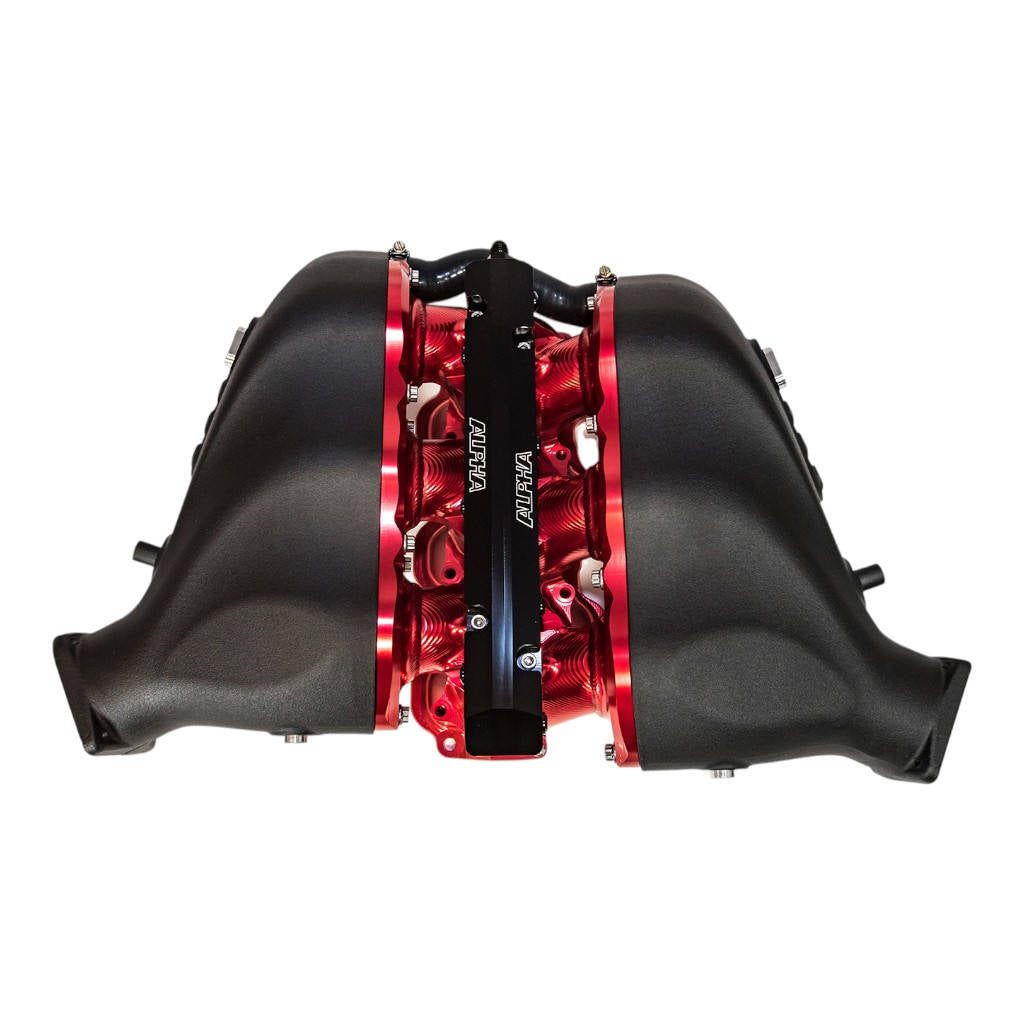
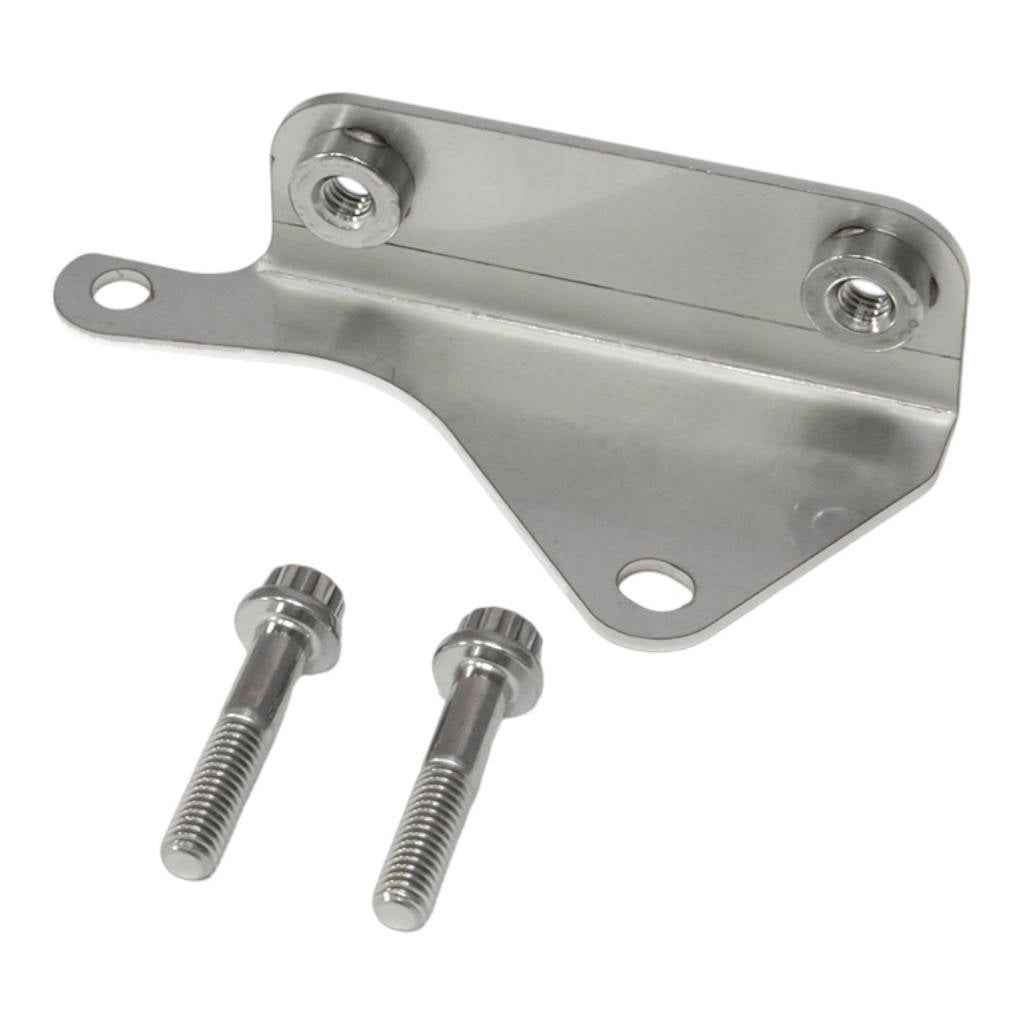
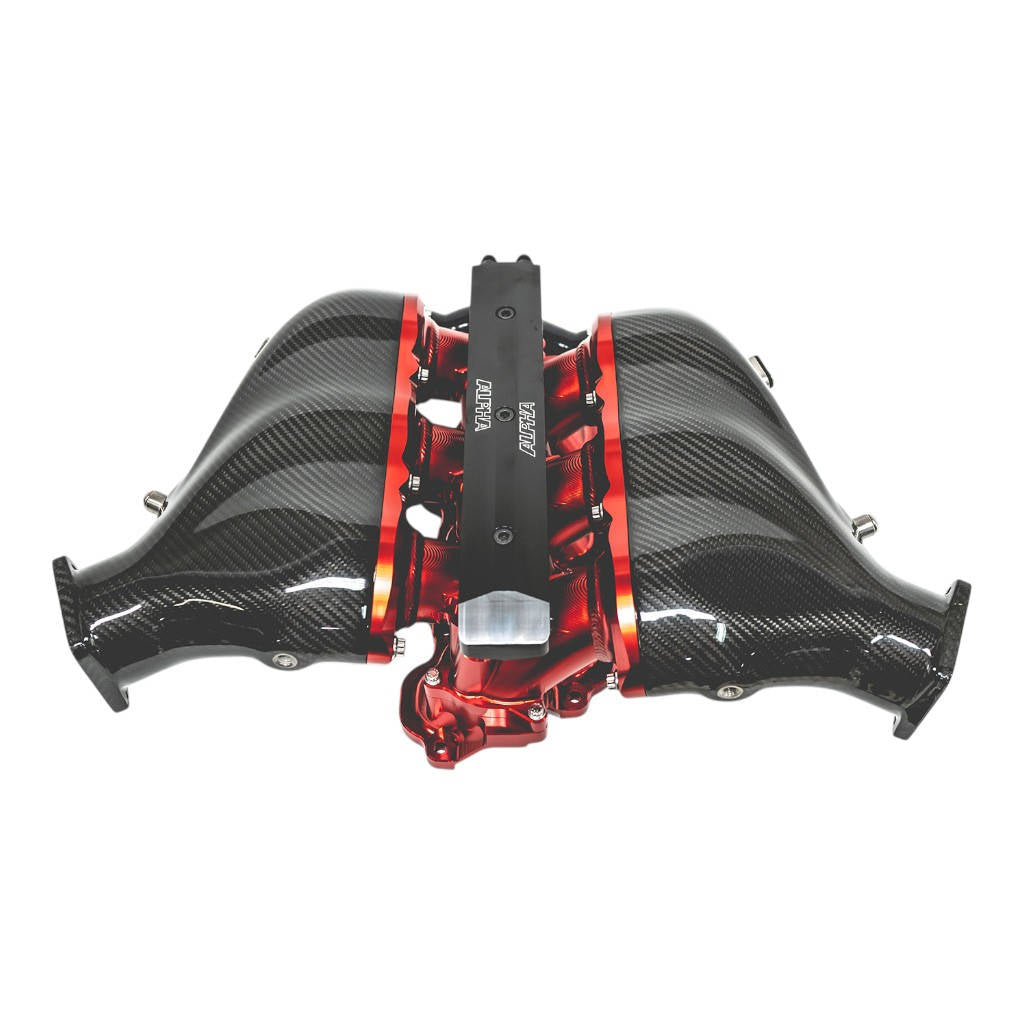
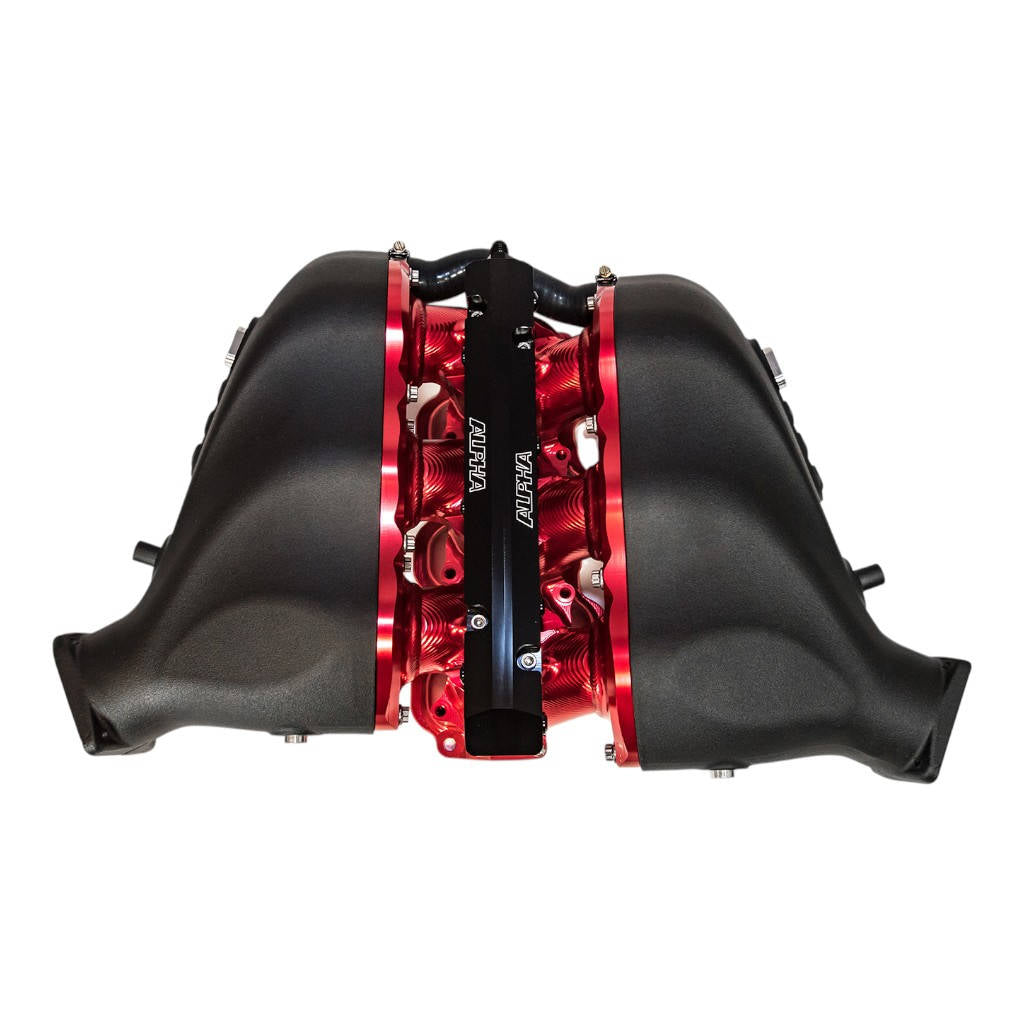
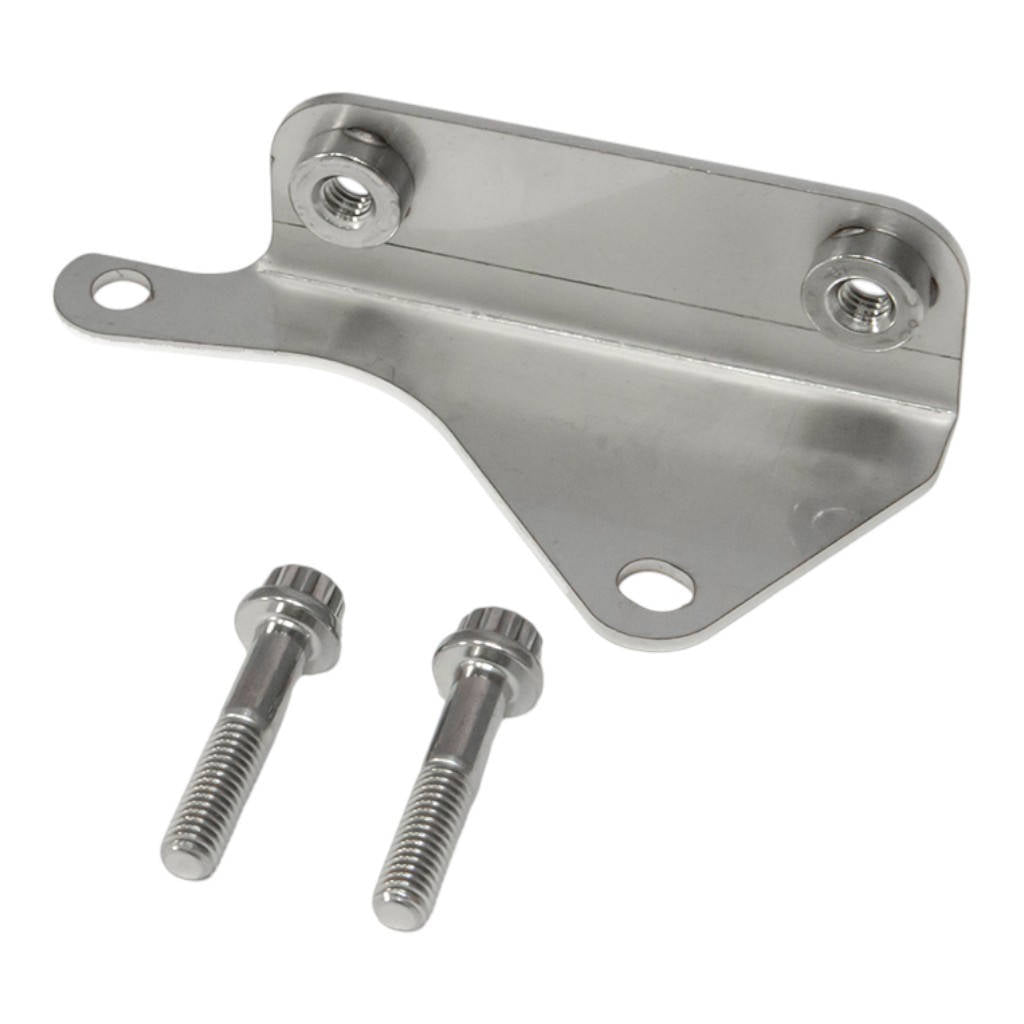
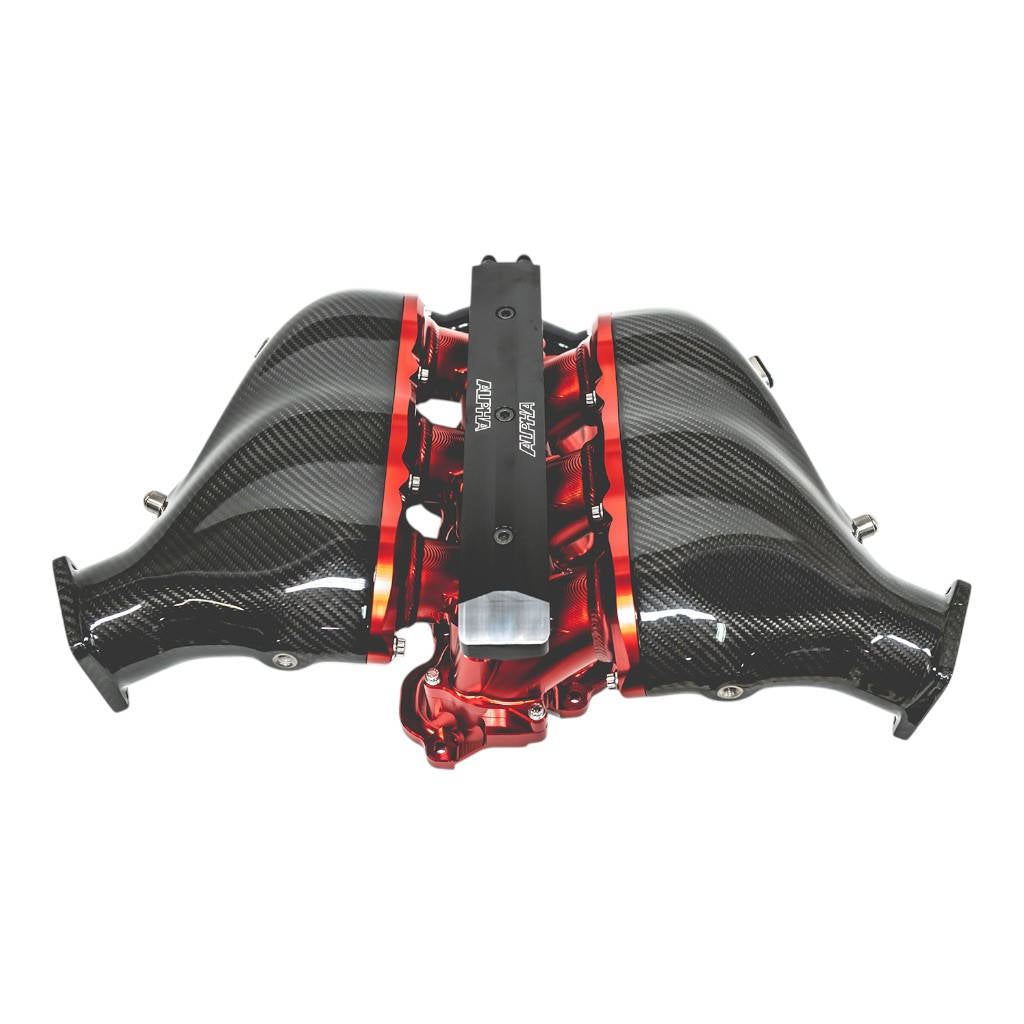
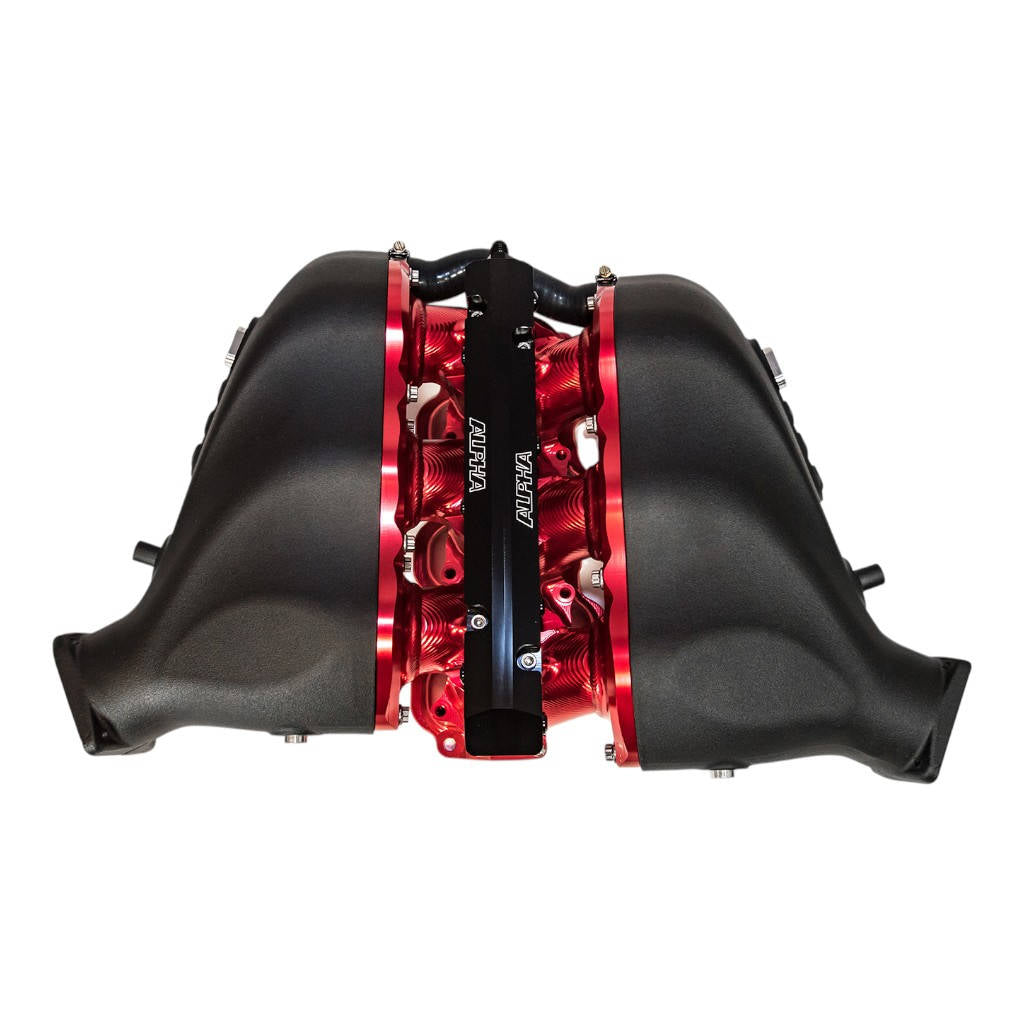
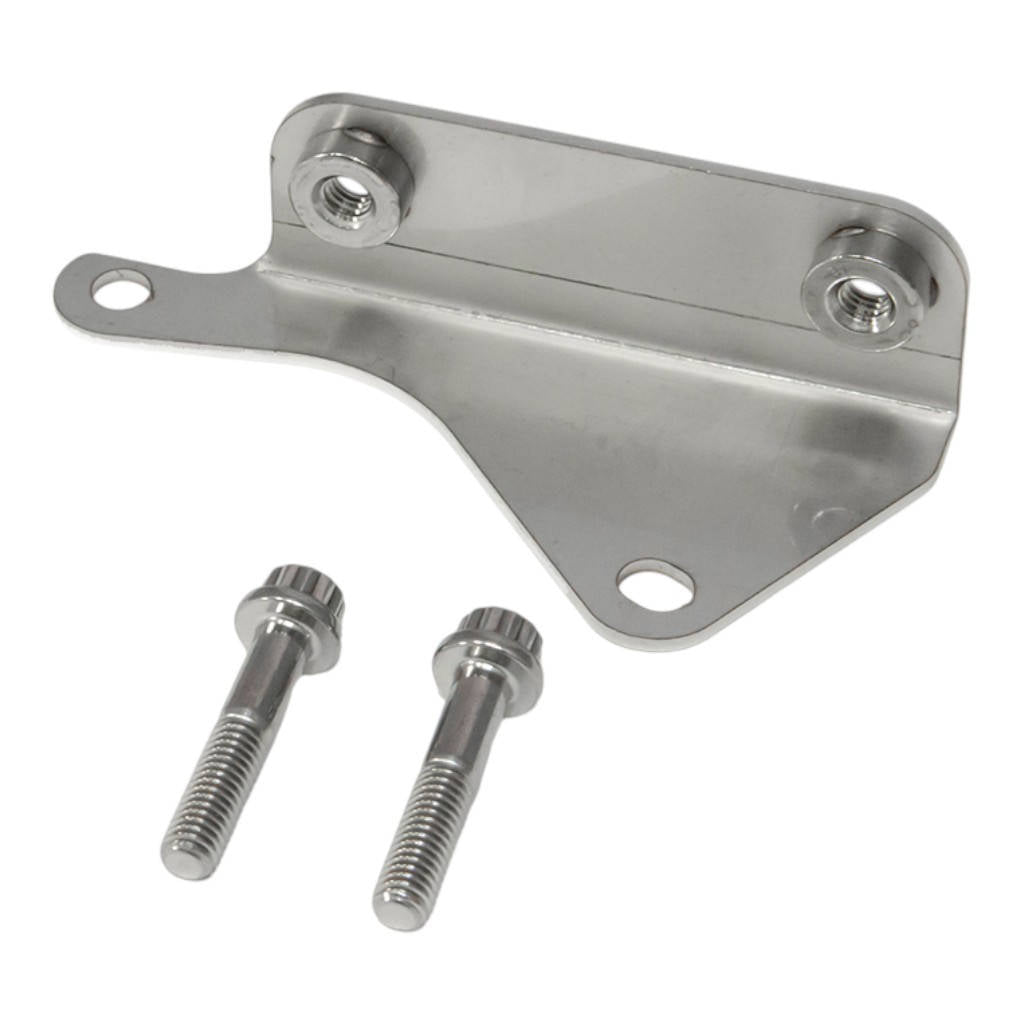

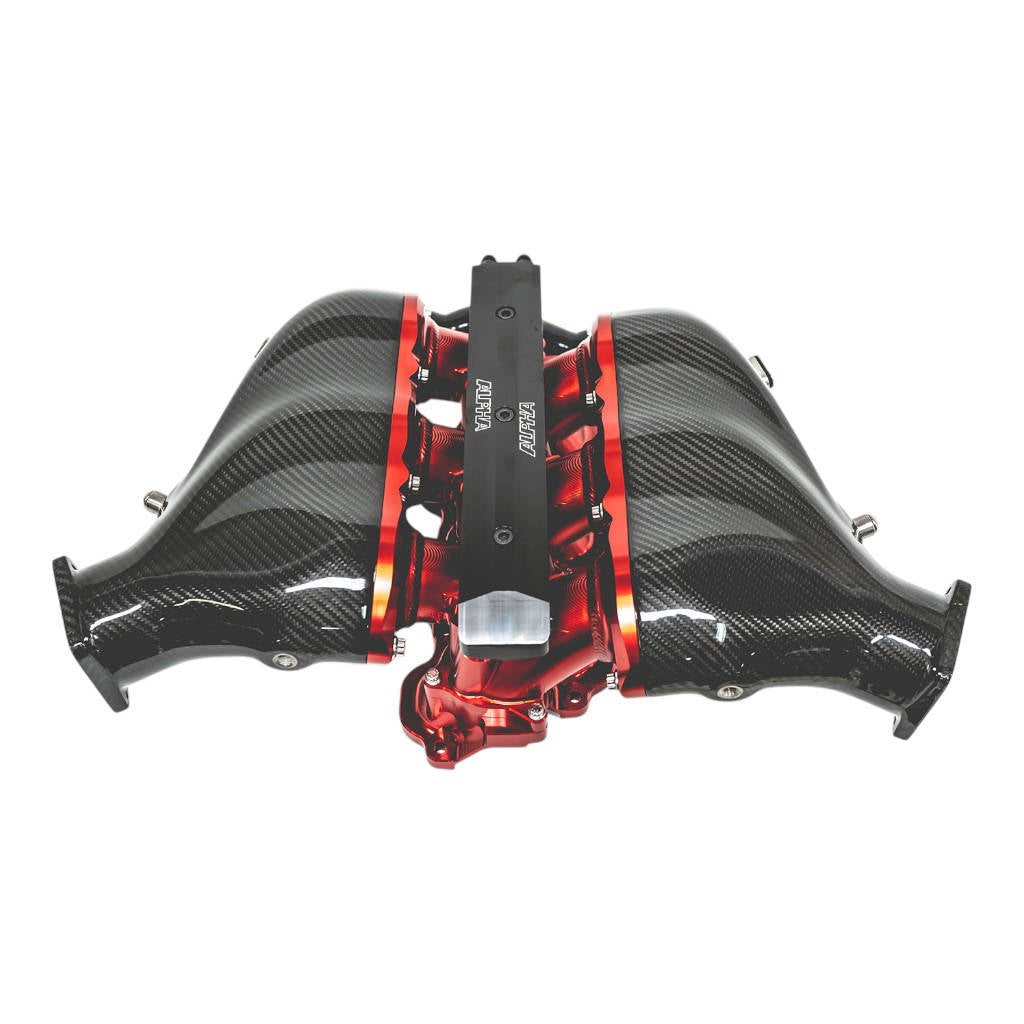
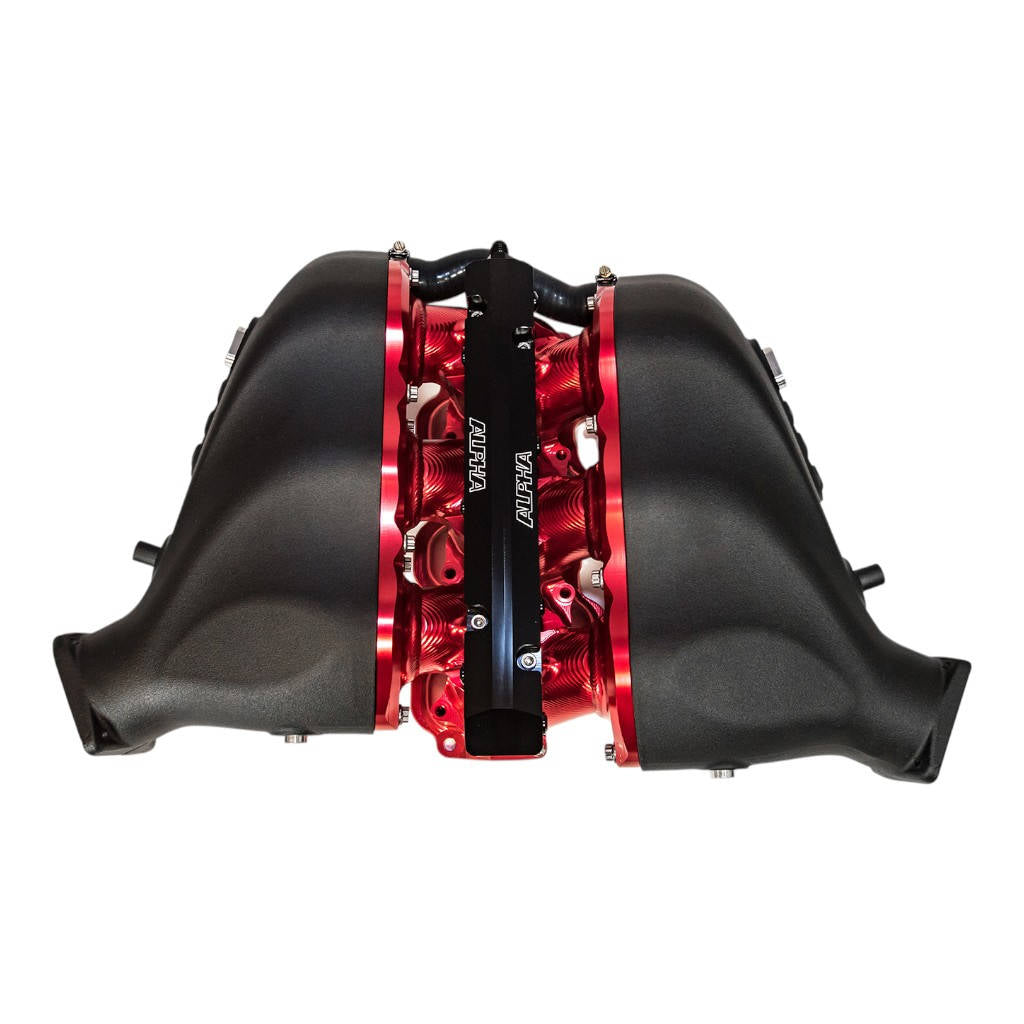
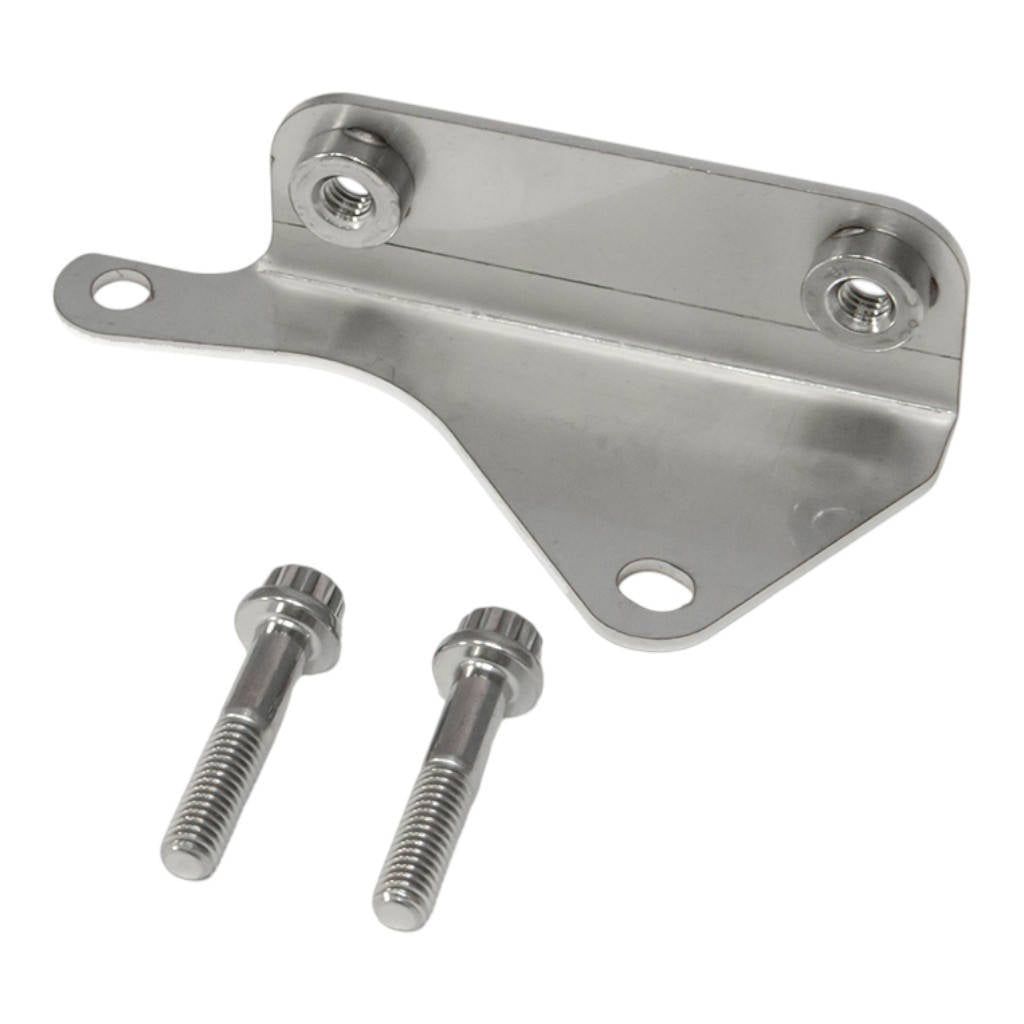
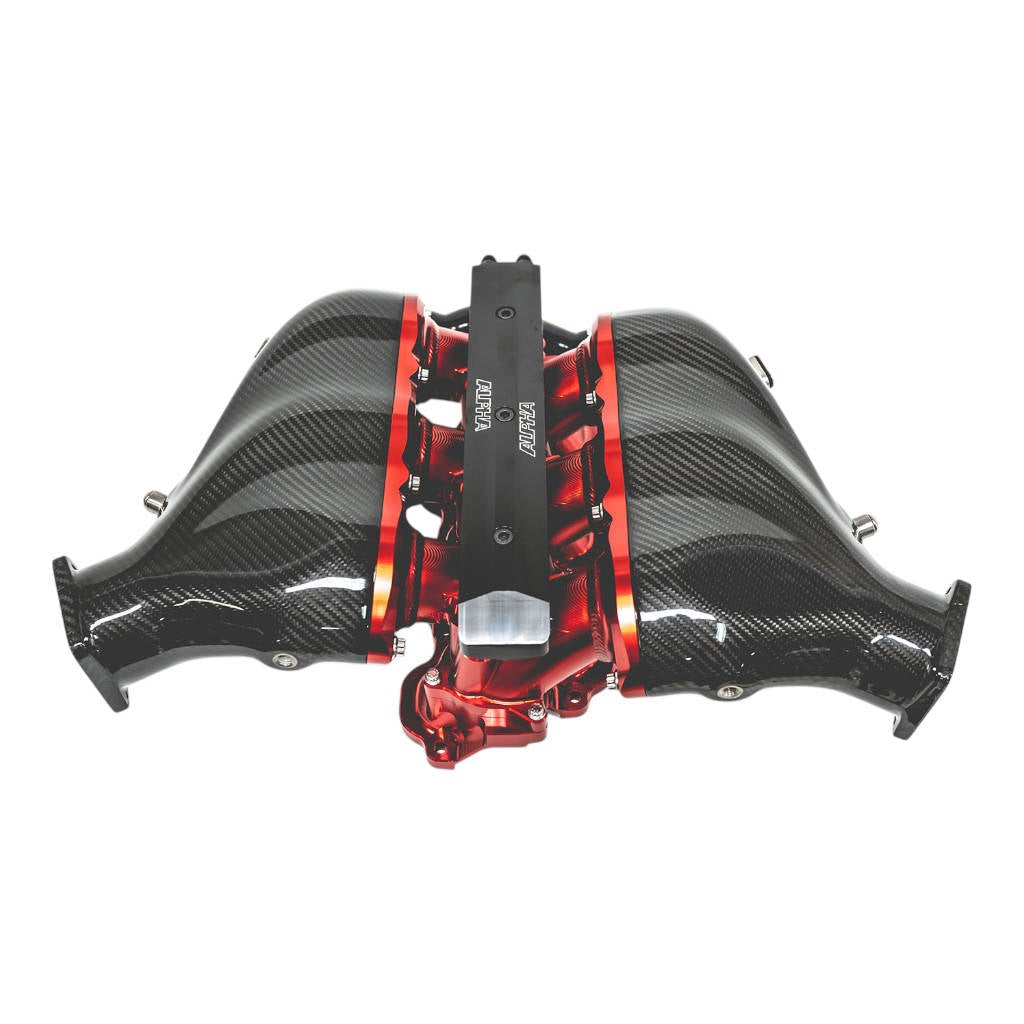
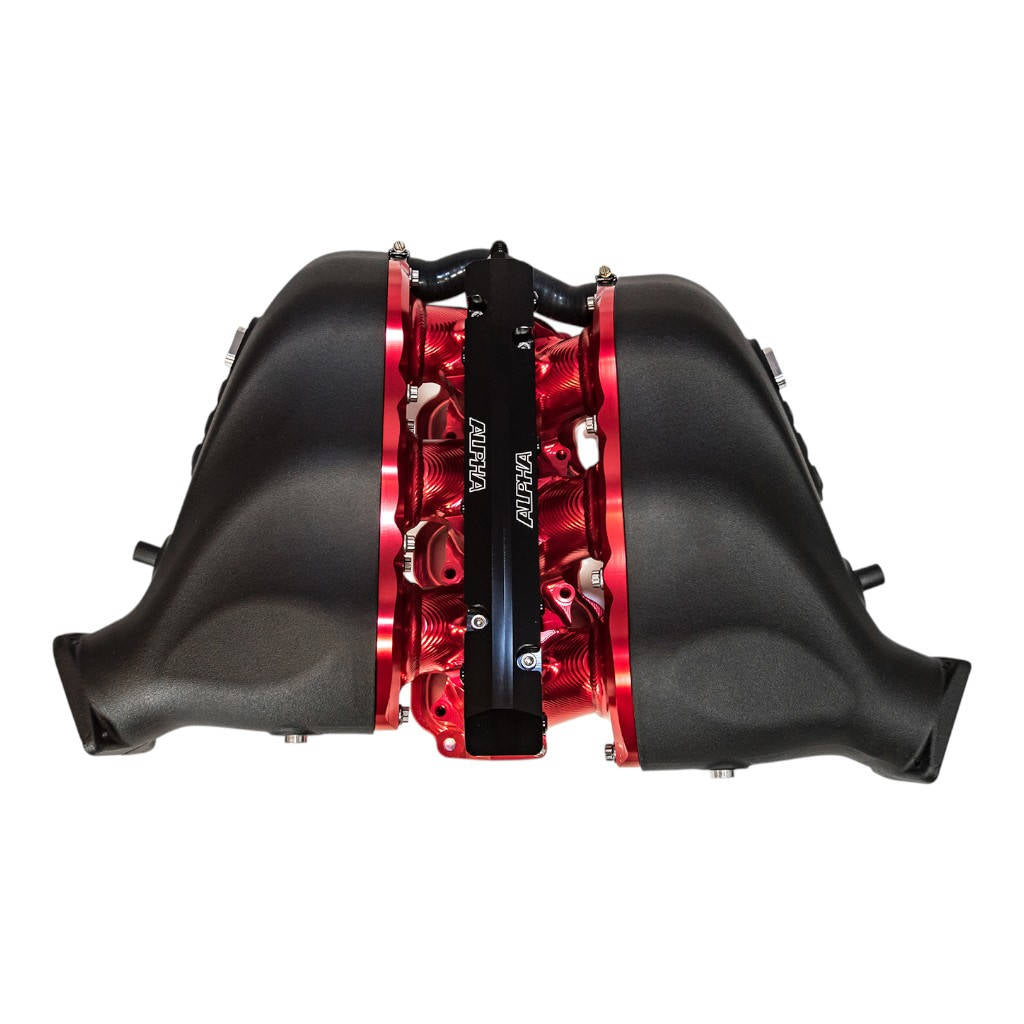
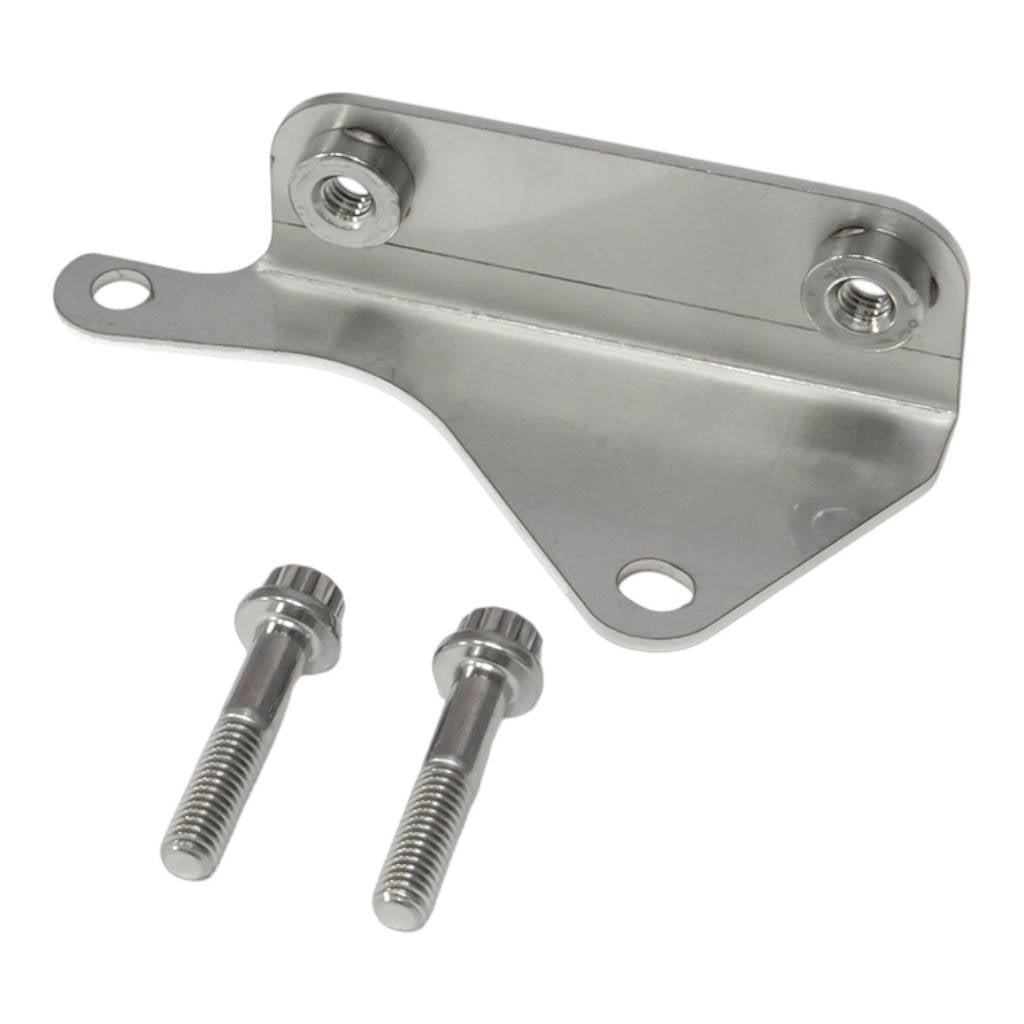
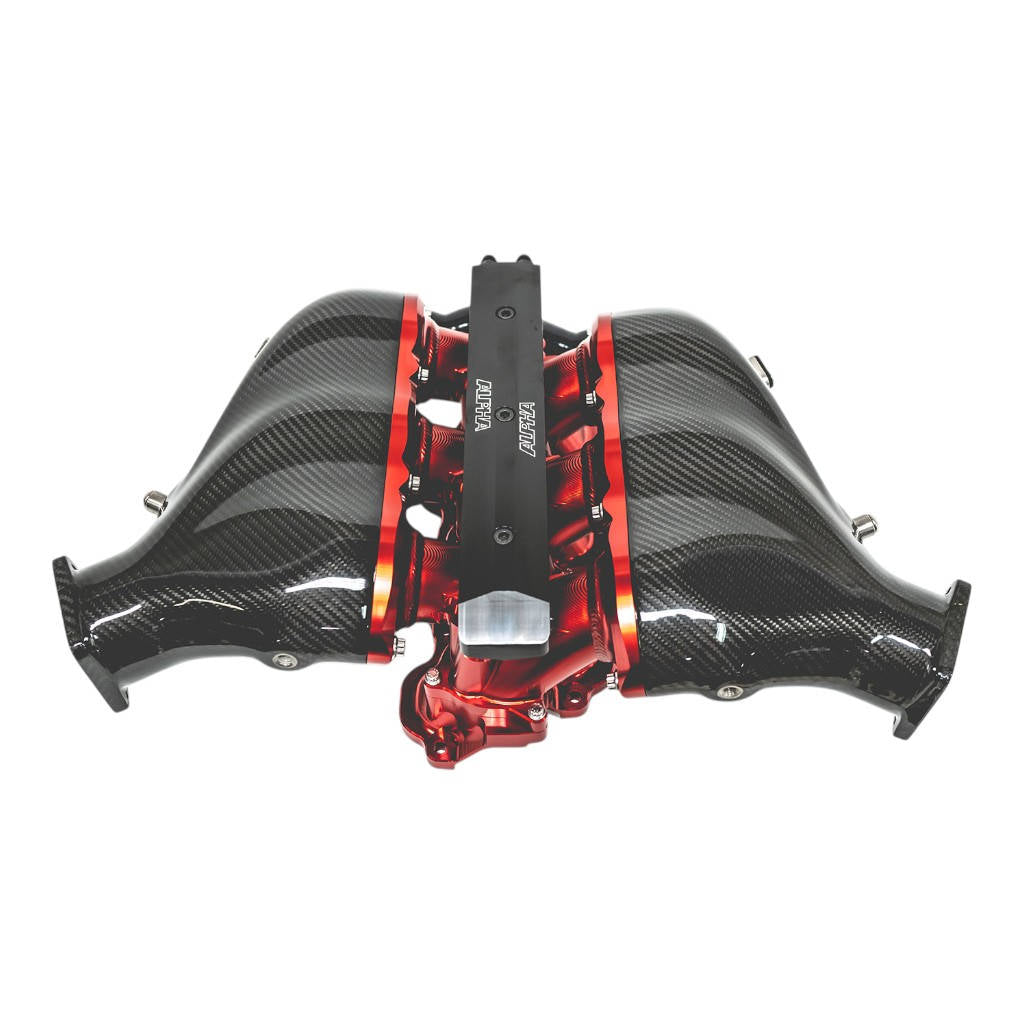
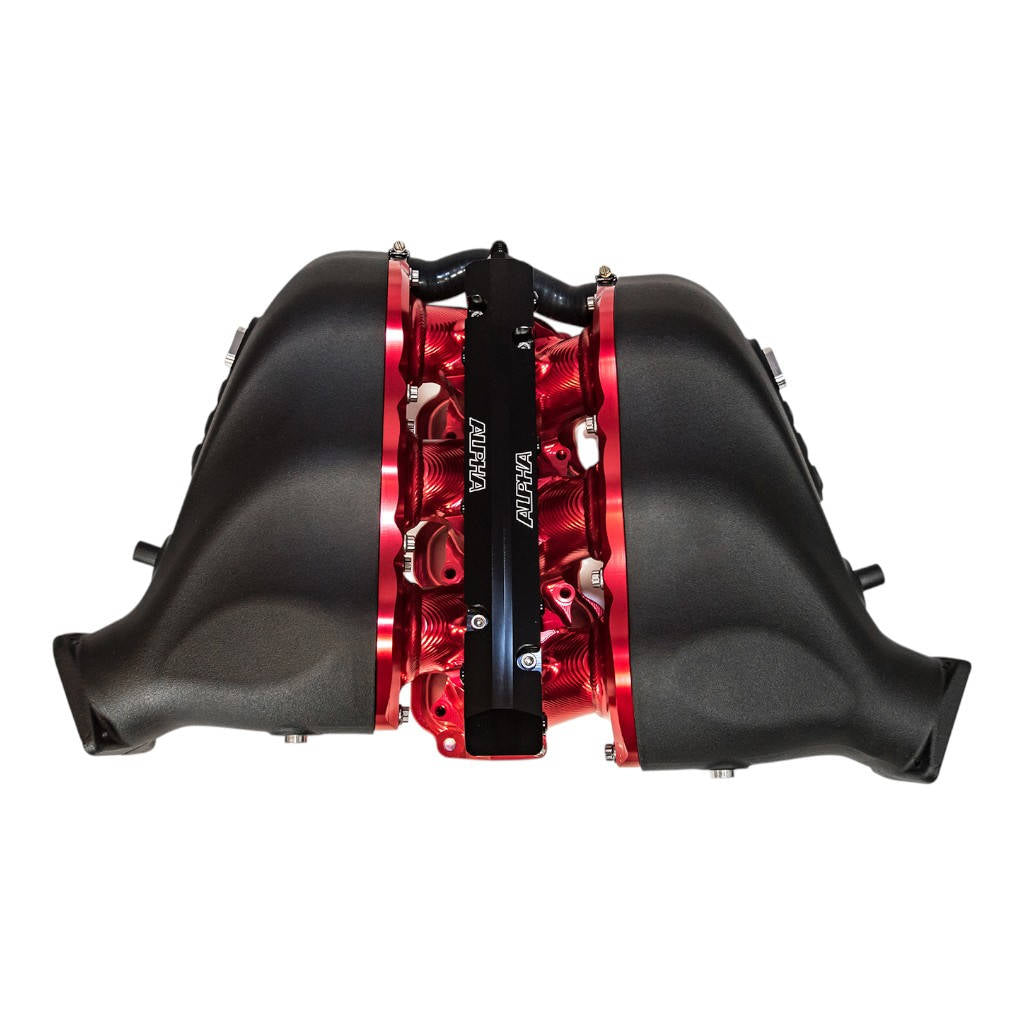
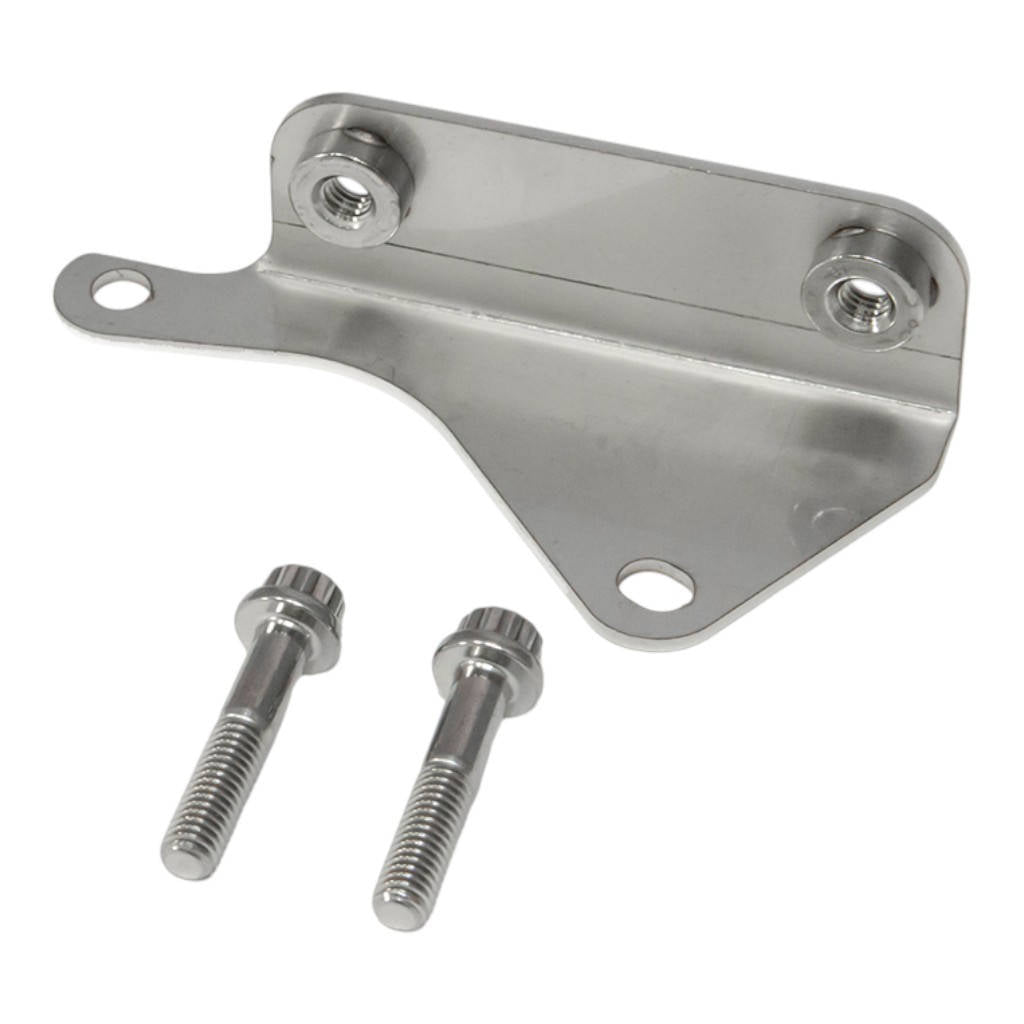
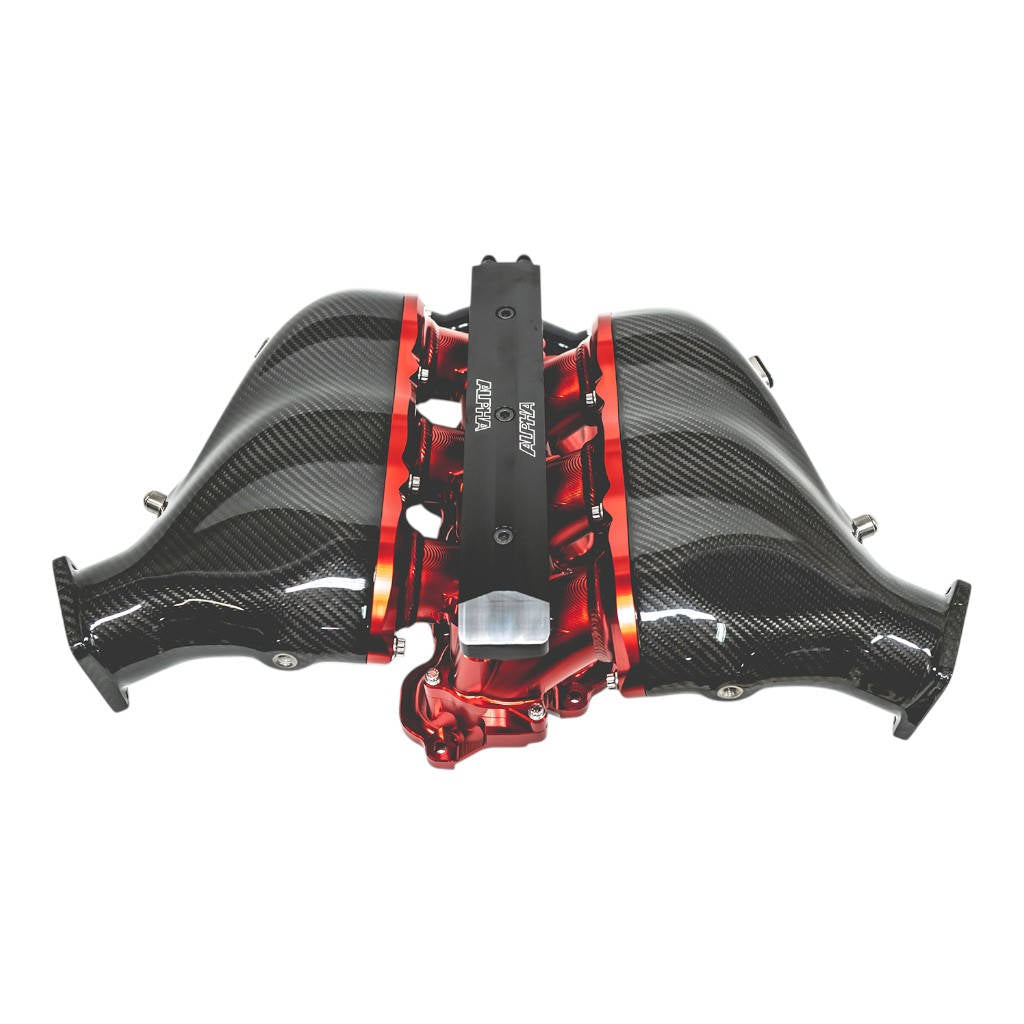


Intake Manifold as the Central Air Distribution Component in the Engine
The intake manifold is one of the key components of the air delivery system, directly determining cylinder filling efficiency and overall engine behavior across different operating conditions. Its primary function is to distribute airflow evenly and rapidly between cylinders, taking into account velocity, pressure, and temperature. In modern powertrains, the geometry of the intake manifold plays a crucial role in balancing low-end torque and peak power output.
In production vehicles, intake manifolds are designed as a compromise between fuel efficiency, noise levels (NVH), and manufacturing cost, which often limits engine performance potential. In tuned and performance applications, this component undergoes significant upgrades. Even minor changes in runner length, plenum volume, or cross-sectional area can dramatically alter engine characteristics, shifting the power curve to the desired RPM range.
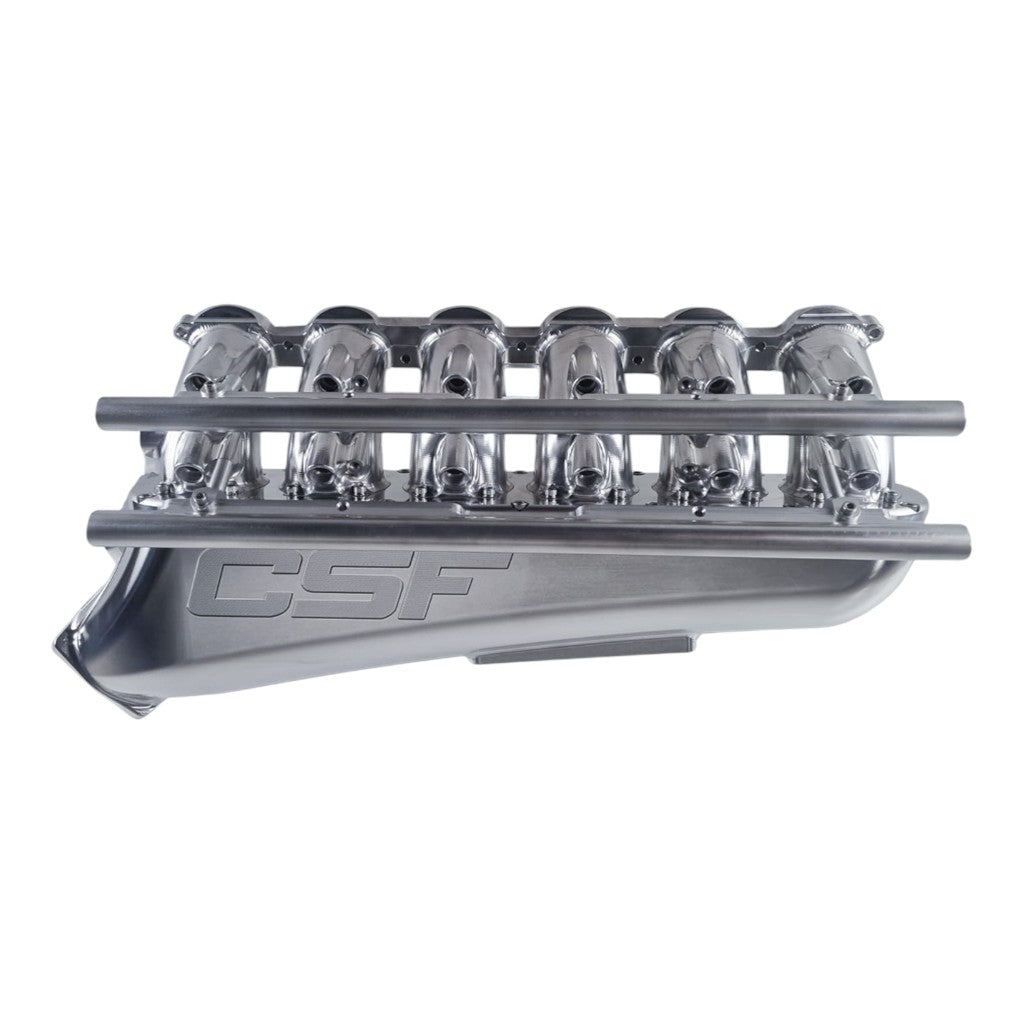
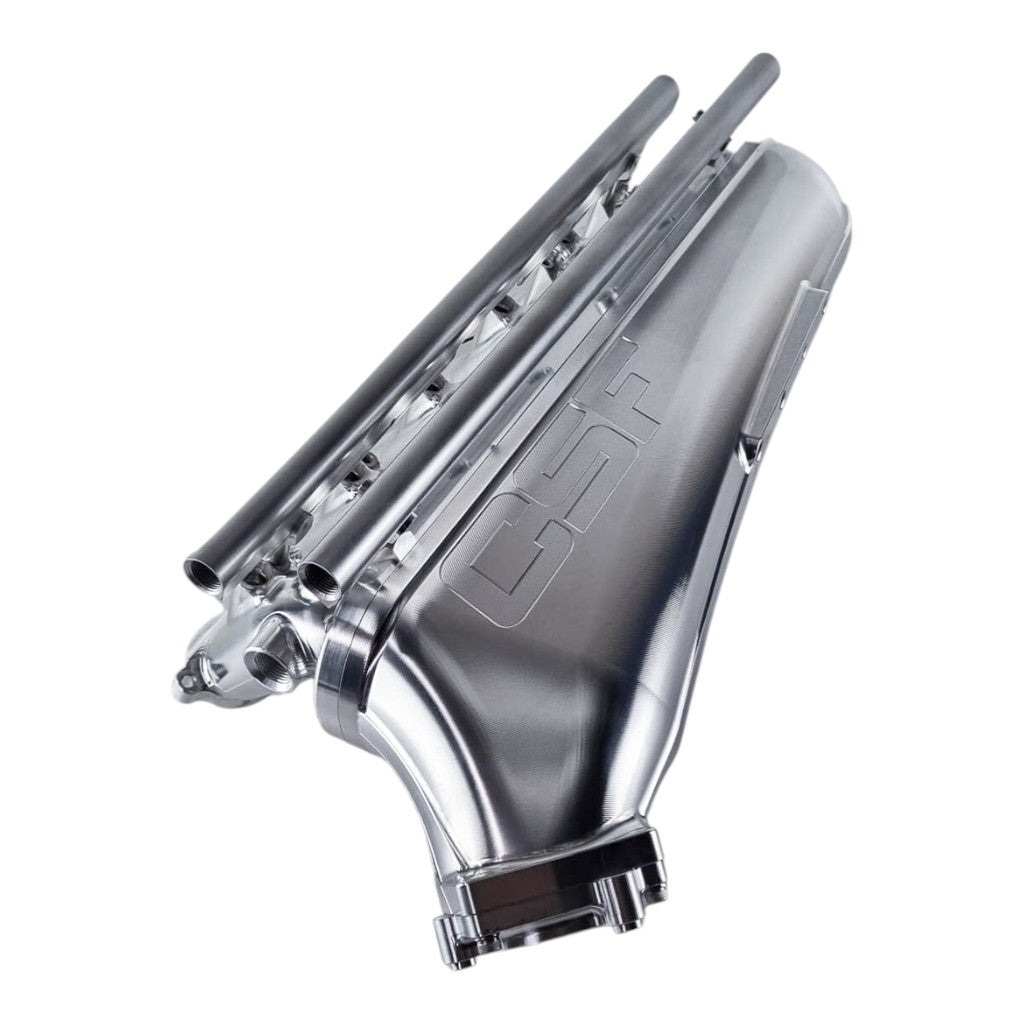
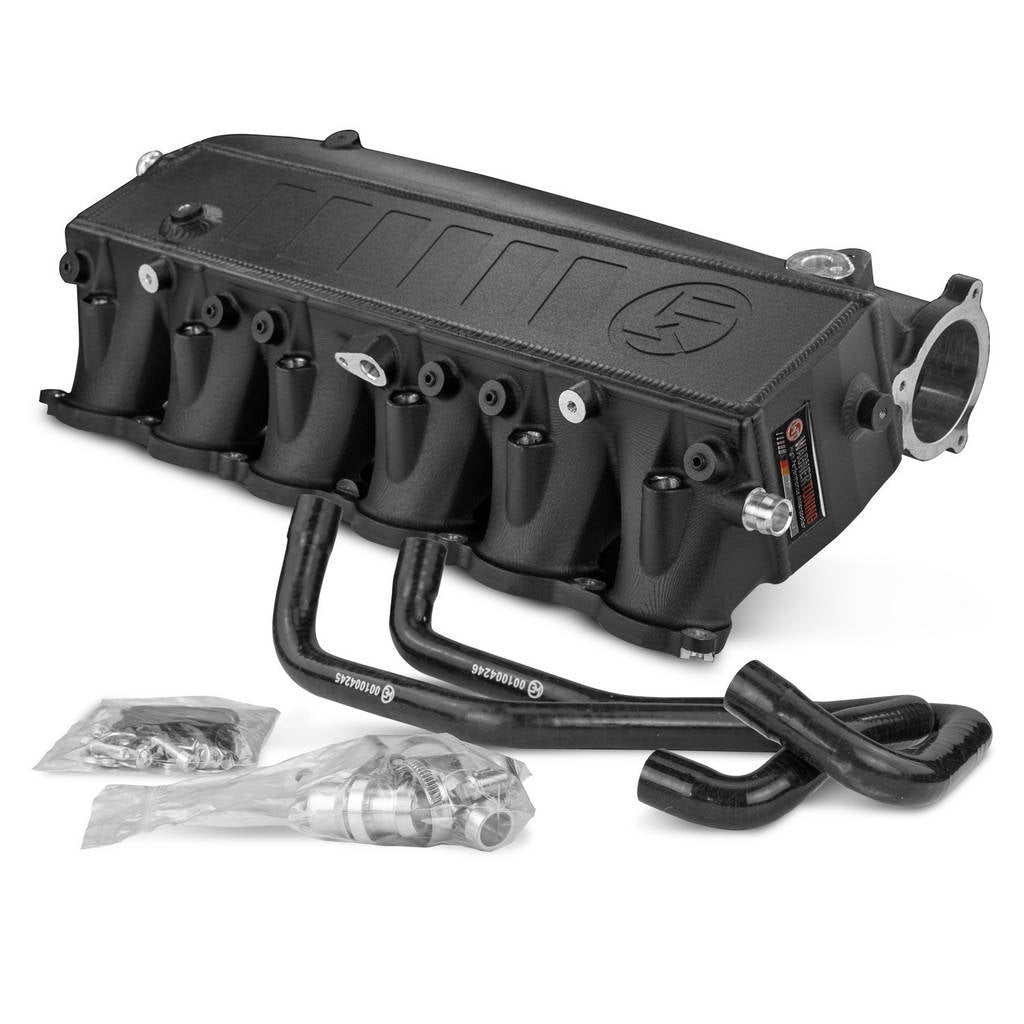
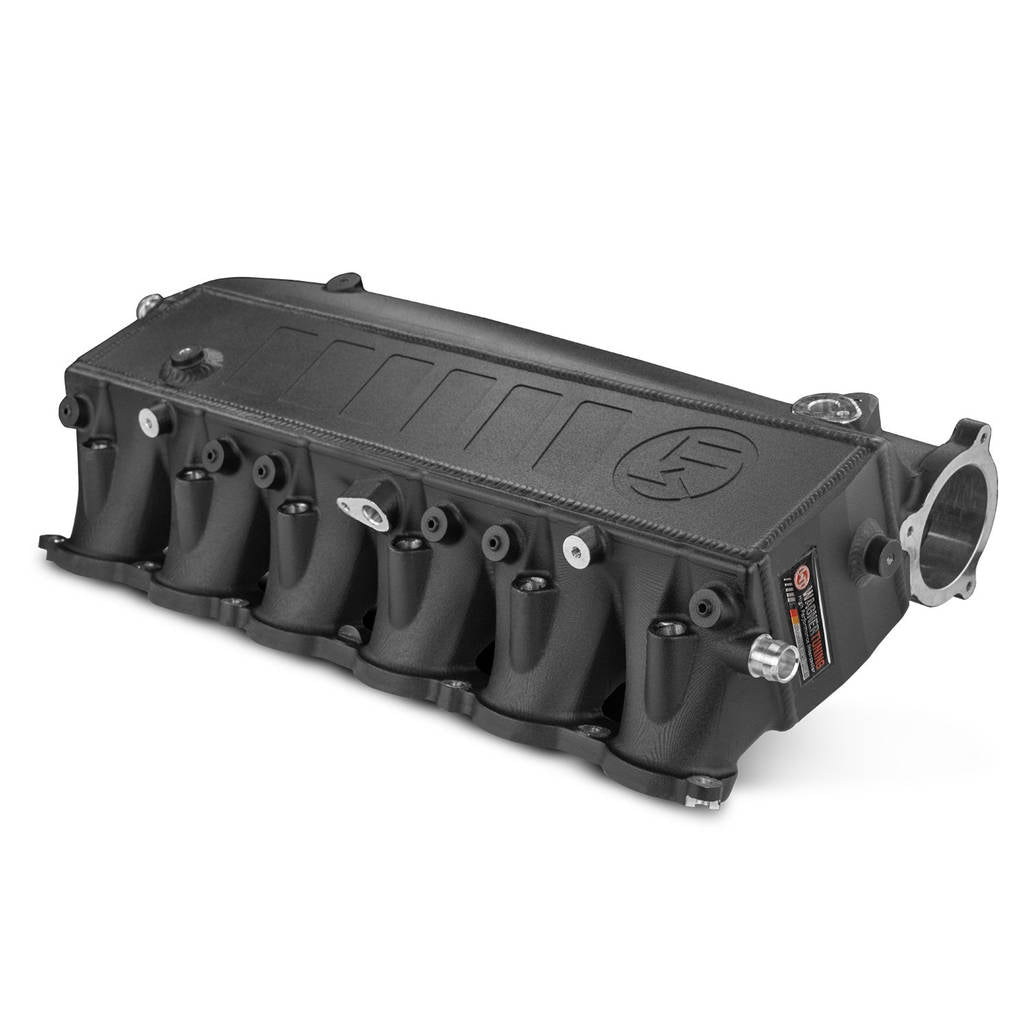
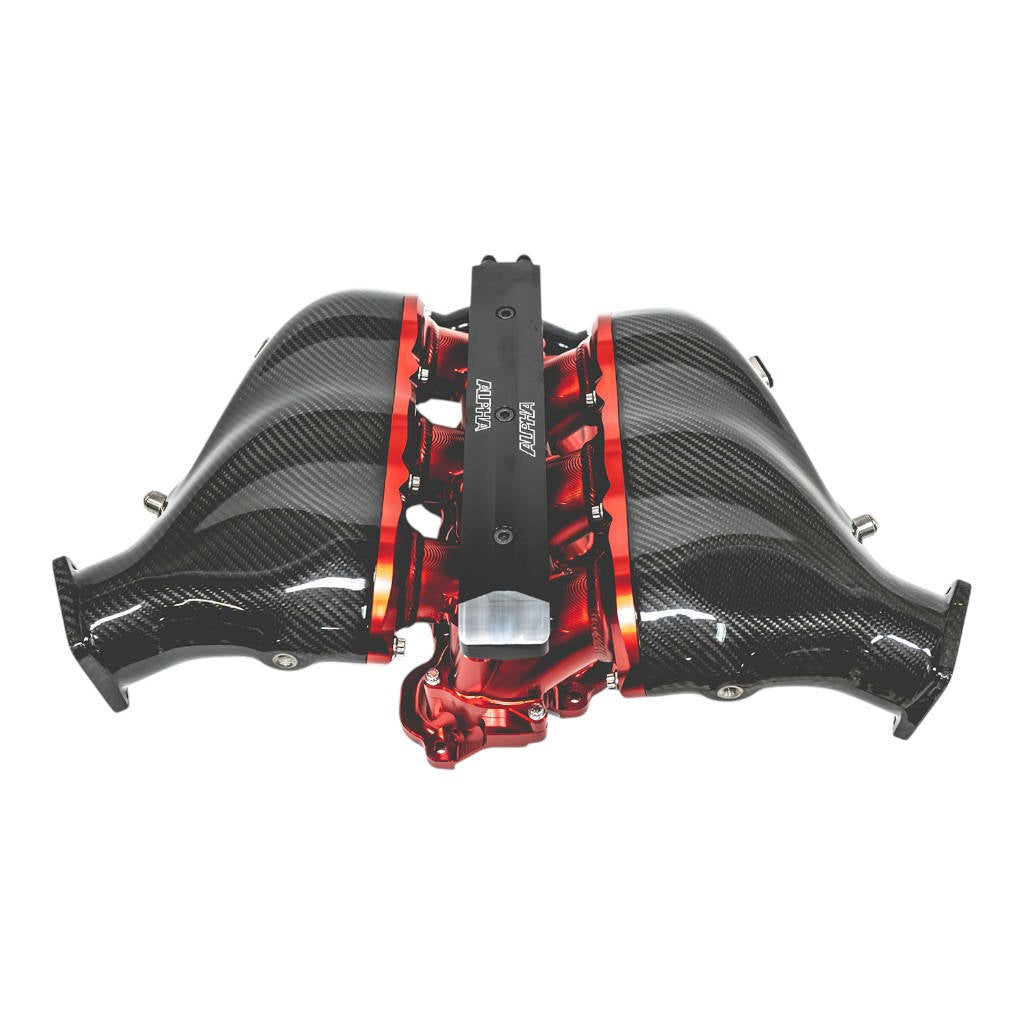
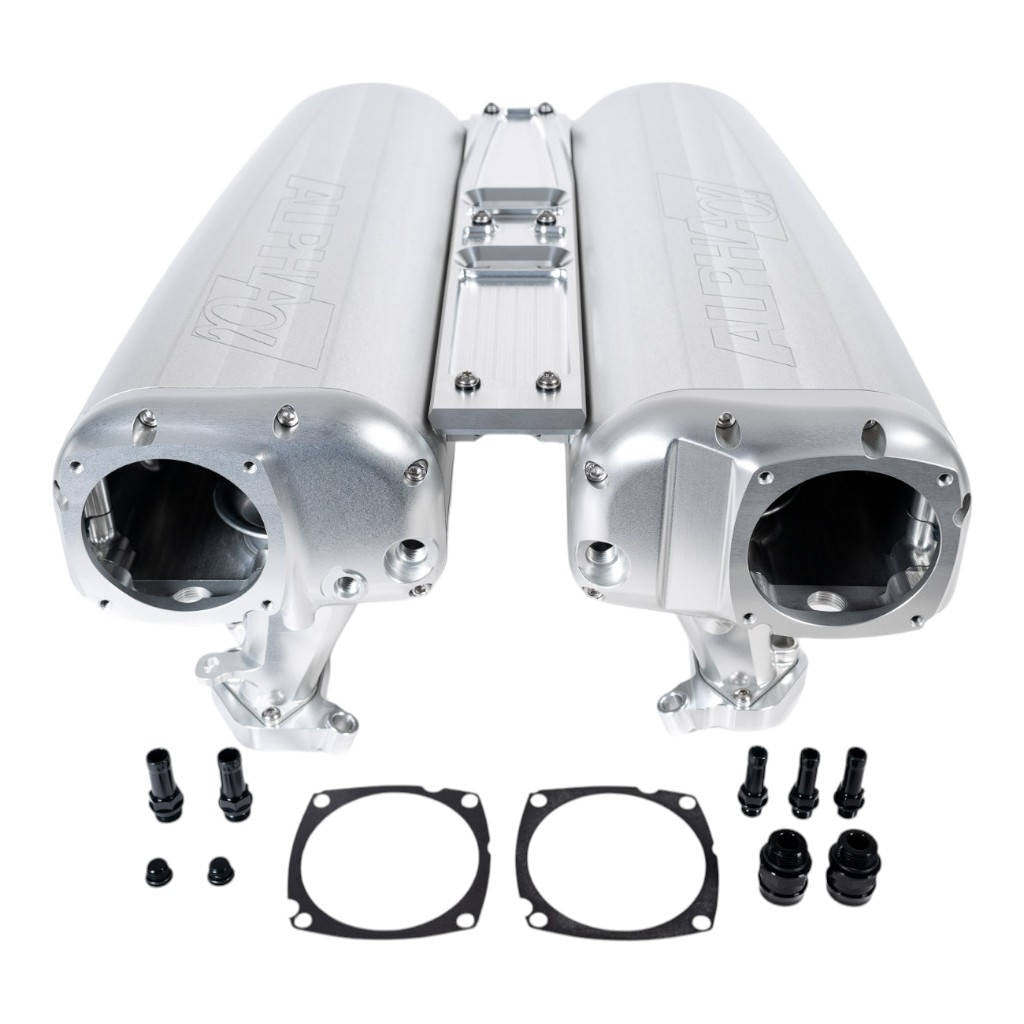
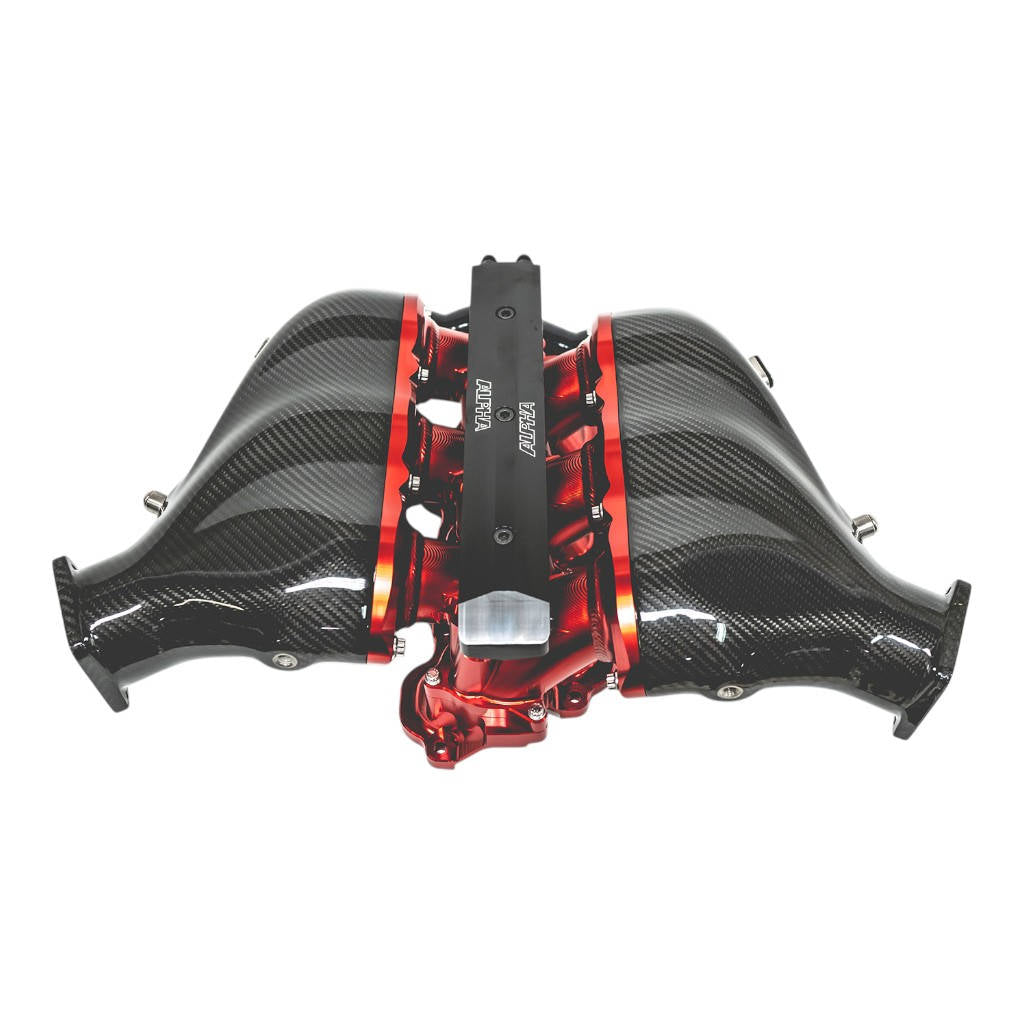
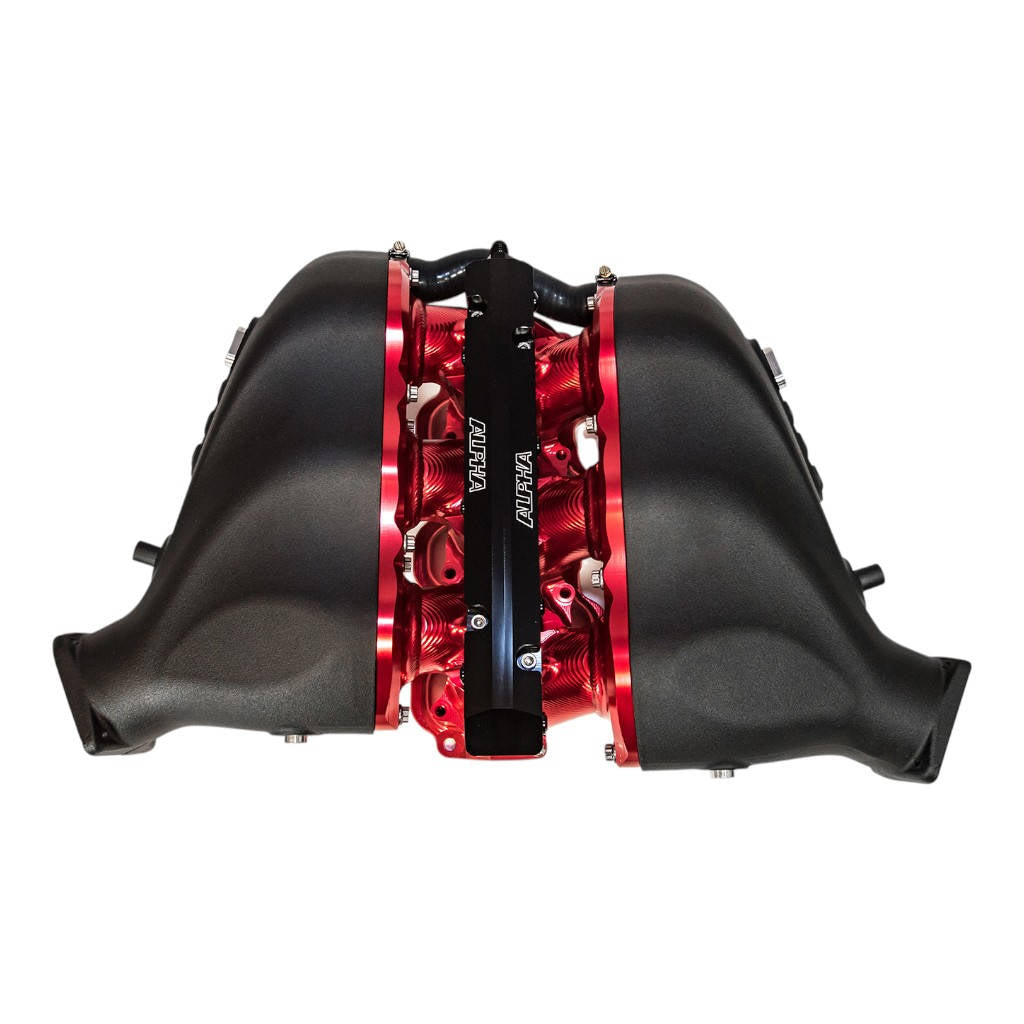
The intake manifold category at ATOMIC-SHOP includes solutions for various configurations — from improved OEM replacements to fully redesigned systems for high-performance engines. Products from manufacturers such as AMS Performance, GReddy, Eventuri, Wagner Tuning, and Skunk2 demonstrate different engineering approaches to optimizing airflow dynamics and thermal management.
Functional Role and Structure of the Intake Manifold
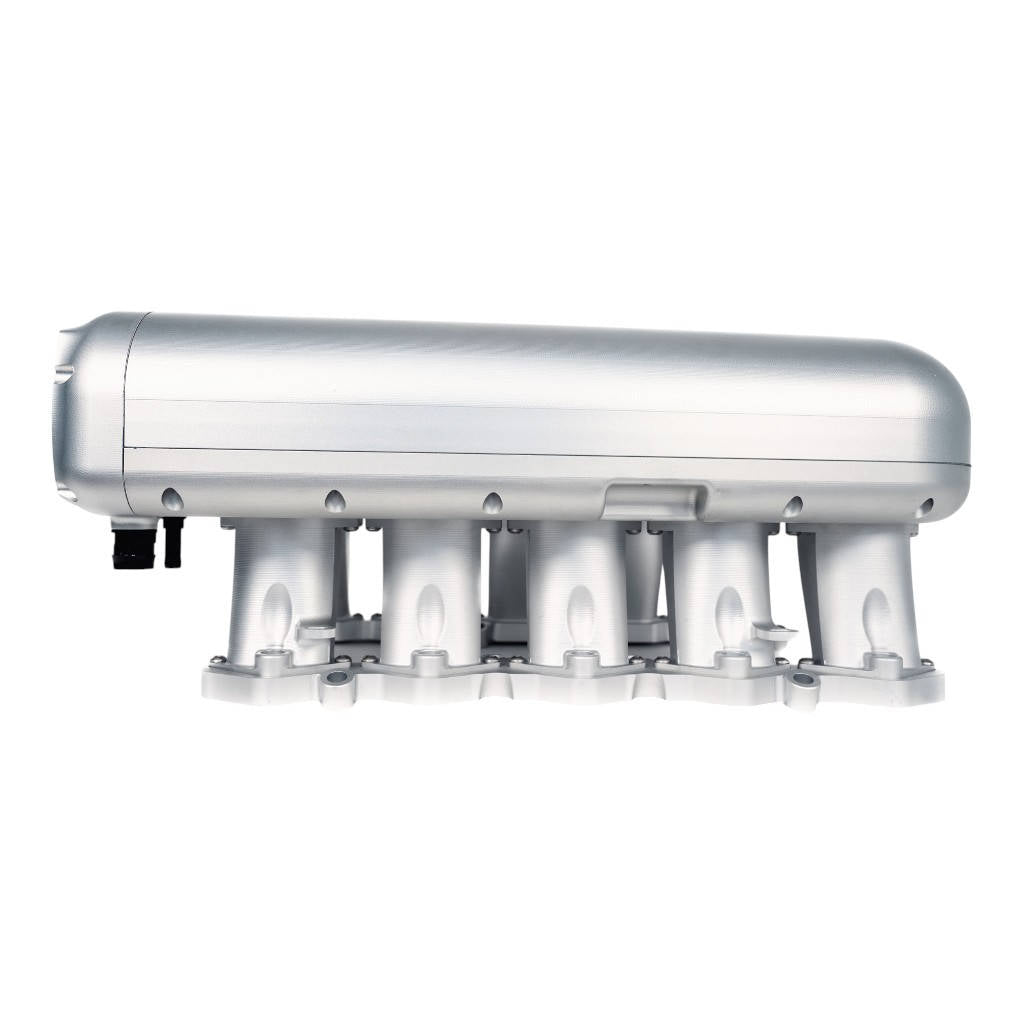
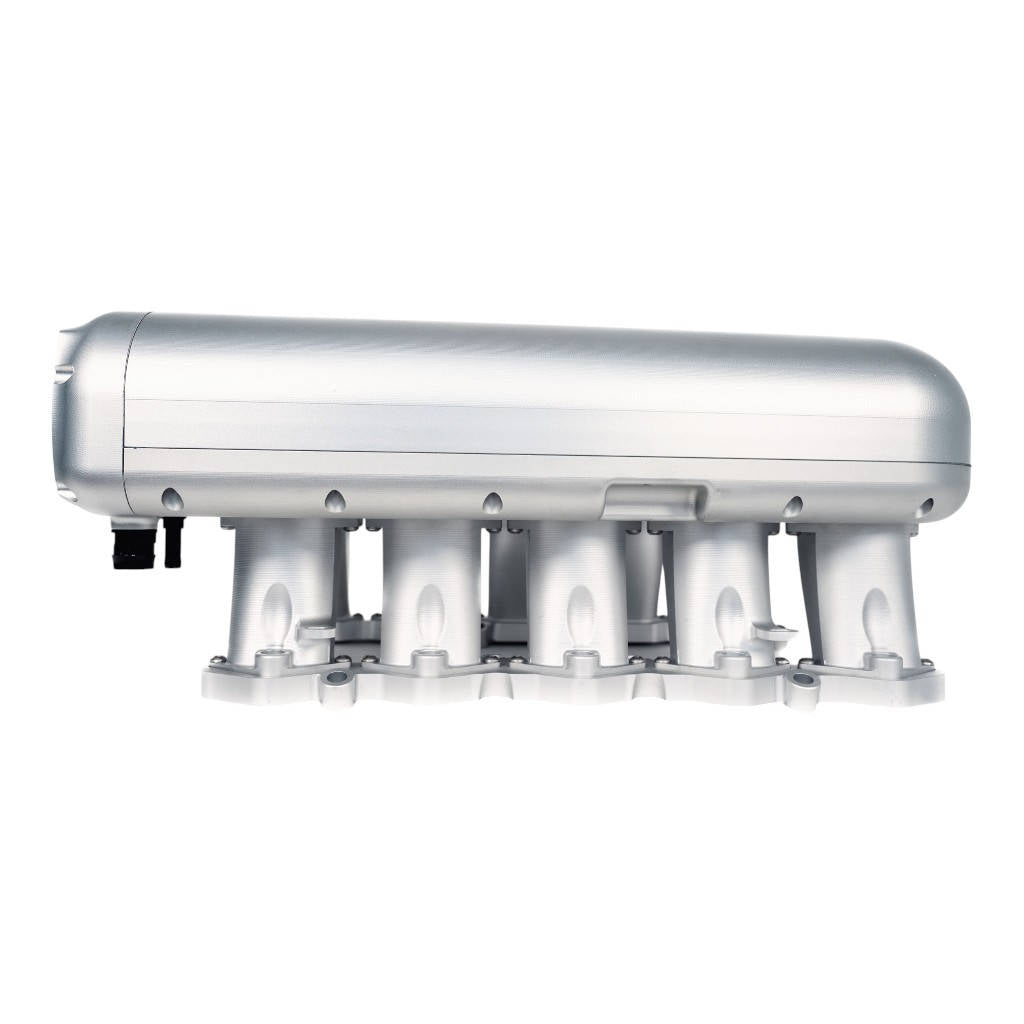
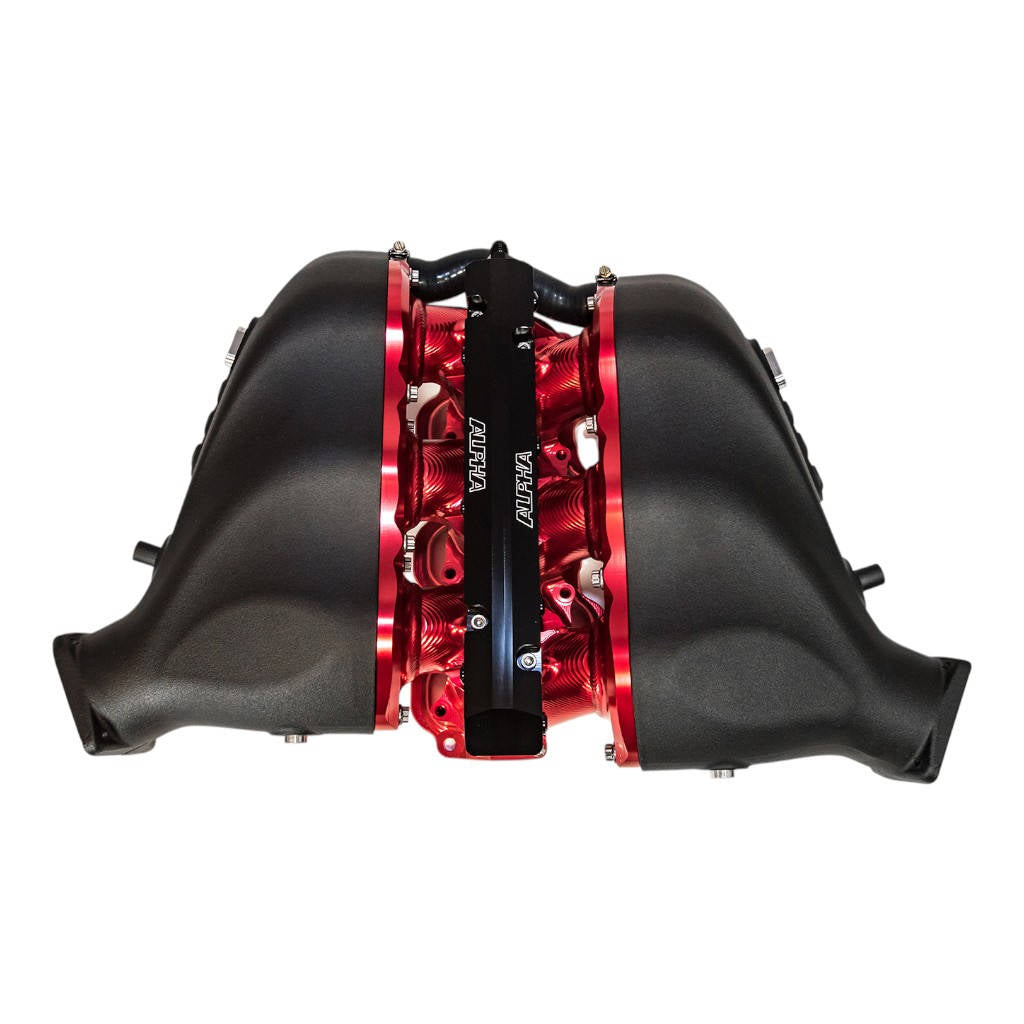
The intake manifold consists of two main components: a common chamber (plenum) and individual channels (runners) leading to each cylinder. The plenum acts as an air reservoir, smoothing pressure pulsations that occur during intake valve operation. The runners direct airflow and control its velocity as it enters the combustion chamber.
The manifold design largely depends on the engine type:
- Naturally aspirated engines: Rely heavily on inertial and resonance effects (Helmholtz resonance). Properly tuned runner length enhances cylinder filling through pressure wave dynamics.
- Turbocharged engines: Focus on structural strength and even air distribution between cylinders to maintain a consistent air-fuel mixture under high boost conditions and prevent localized overheating.
Engineering Aspects of Geometry and Flow Dynamics
Intake manifold geometry directly influences engine dynamics. Long runners improve low-end torque by increasing airflow inertia, while short, large-diameter runners reduce flow resistance and maximize high-RPM performance — critical for drift and drag racing applications.
Material choice also affects intake air temperature. Aluminum manifolds from GReddy or AMS provide high strength and resistance to extreme pressure. Composite and carbon fiber solutions (such as those from Eventuri) offer superior thermal insulation, reducing heat transfer from the engine. Additional insulation is often achieved using thermal gaskets, which limit heat transfer from the cylinder head to the manifold.
Applications in Performance Tuning and Motorsport
When upgrading forced induction systems, the stock manifold often becomes a bottleneck. Poor geometry creates turbulence, reducing overall performance. Performance manifolds are designed using CFD (Computational Fluid Dynamics) modeling to ensure perfectly even airflow distribution. In extreme builds, manifolds may include ports for secondary fuel injection or methanol systems.
In drift and circuit racing, throttle response is a key performance factor. Manifolds with optimized inlet shapes (velocity stacks) promote laminar airflow and provide immediate engine response to throttle input, allowing precise control of power delivery.
Selection Criteria and Component Compatibility
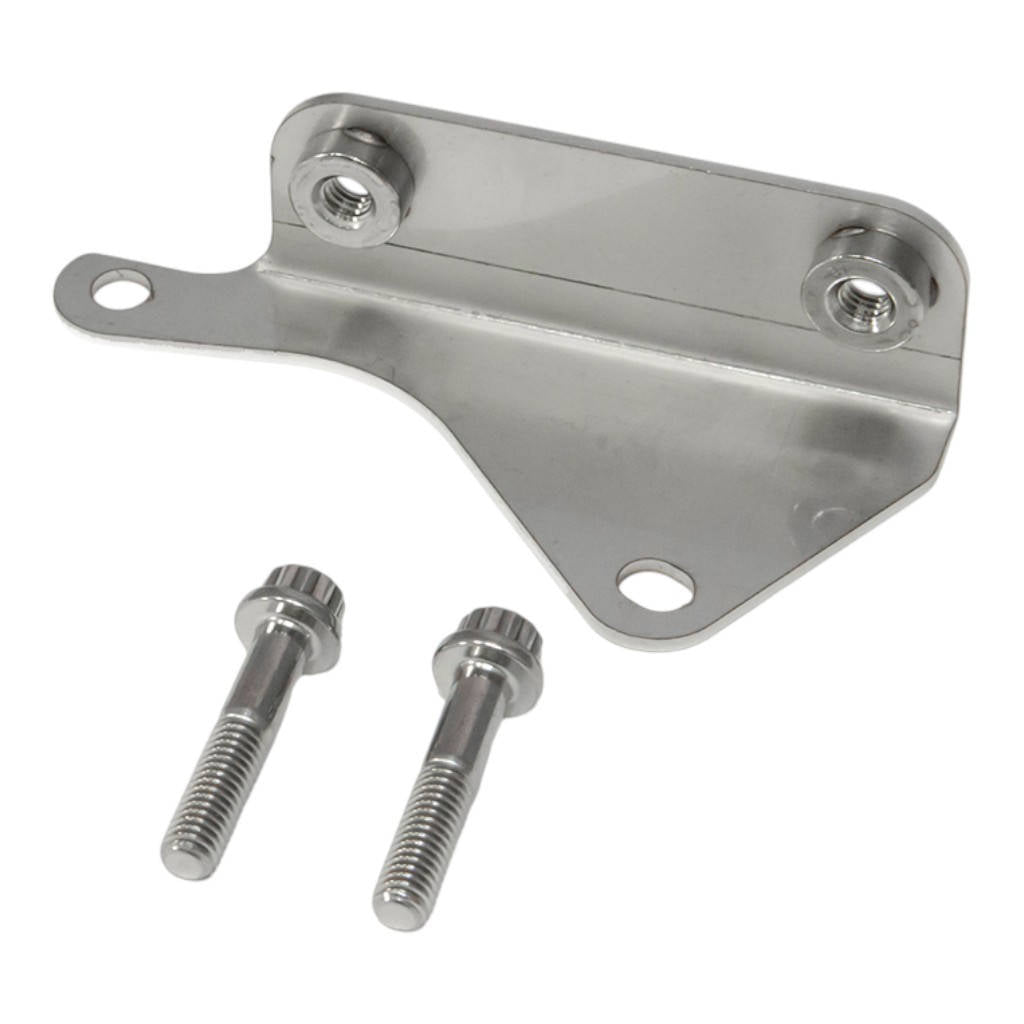
When selecting an intake manifold, it is essential to consider the project goals. For street-driven Stage 2 builds, manifolds that preserve low-end torque are preferred. For racing applications, large plenum designs optimized for 8000+ RPM are commonly used. Compatibility with larger throttle bodies and the availability of necessary vacuum ports for MAP sensors and boost controllers must also be verified.
Impact on Engine Longevity and Stability
A high-quality intake manifold ensures a stable air-fuel ratio (AFR) across all cylinders. This helps prevent detonation and localized overheating of pistons, which is critical for engine durability under load. At ATOMIC-SHOP, you will find proven engineering solutions that eliminate the limitations of factory designs and maximize the efficiency of your intake system.