










Turbo Heat Insulation as a Key Element of Thermal Management in Boost Systems
Turbo heat insulation is a critical component of modern forced induction systems, directly affecting the thermodynamic efficiency of the engine and the stability of all auxiliary components. During turbocharger operation, the hot side (turbine housing) becomes a source of intense thermal radiation, as exhaust gas temperatures can reach 950–1050°C. Without proper control, this heat spreads throughout the engine bay, heating the intake manifold, electronics, brake lines, and battery, leading to power loss and accelerated component wear.
The primary function of professional thermal insulation is to localize heat energy within the turbine housing. From a physics perspective, retaining heat inside the turbine “scroll” maintains high exhaust gas velocity and energy. Hot gases have lower density and expand faster, allowing them to spin the turbine wheel more efficiently. This significantly improves spool-up, enabling the turbocharger to reach target boost pressure faster and reducing turbo lag.
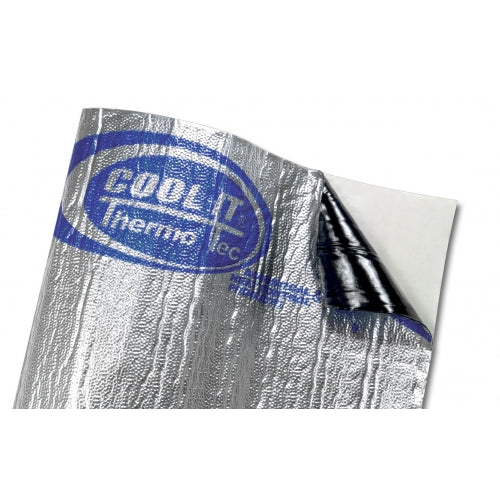
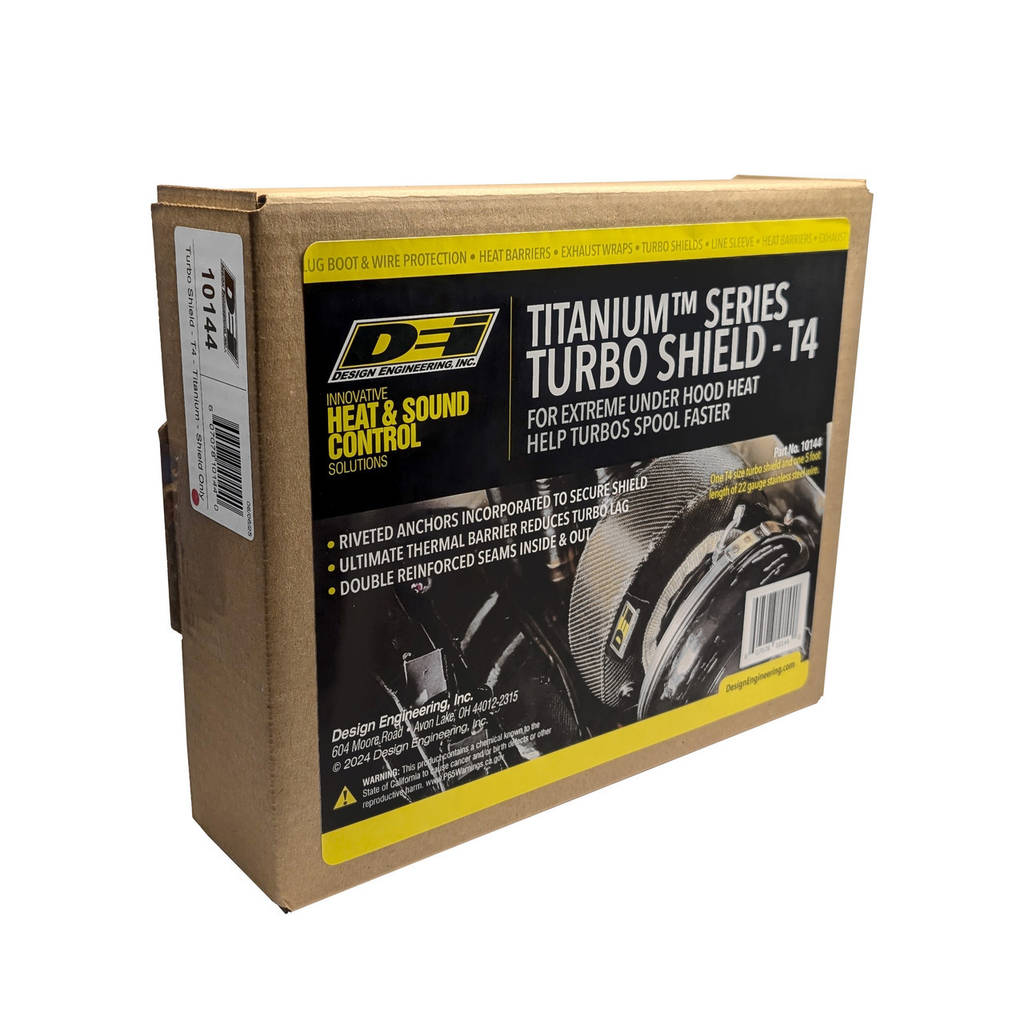
The ATOMIC-SHOP heat insulation category includes advanced solutions from industry leaders such as DEI (Design Engineering Inc), Thermo-Tec, Mishimoto, Forge Motorsport, and Verus Engineering. These products are designed for both street and professional racing vehicles, where thermal management is a key factor in performance.
Design and Types of Thermal Insulation Components
Modern thermal protection systems include several specialized solutions, each addressing specific high-temperature zones:
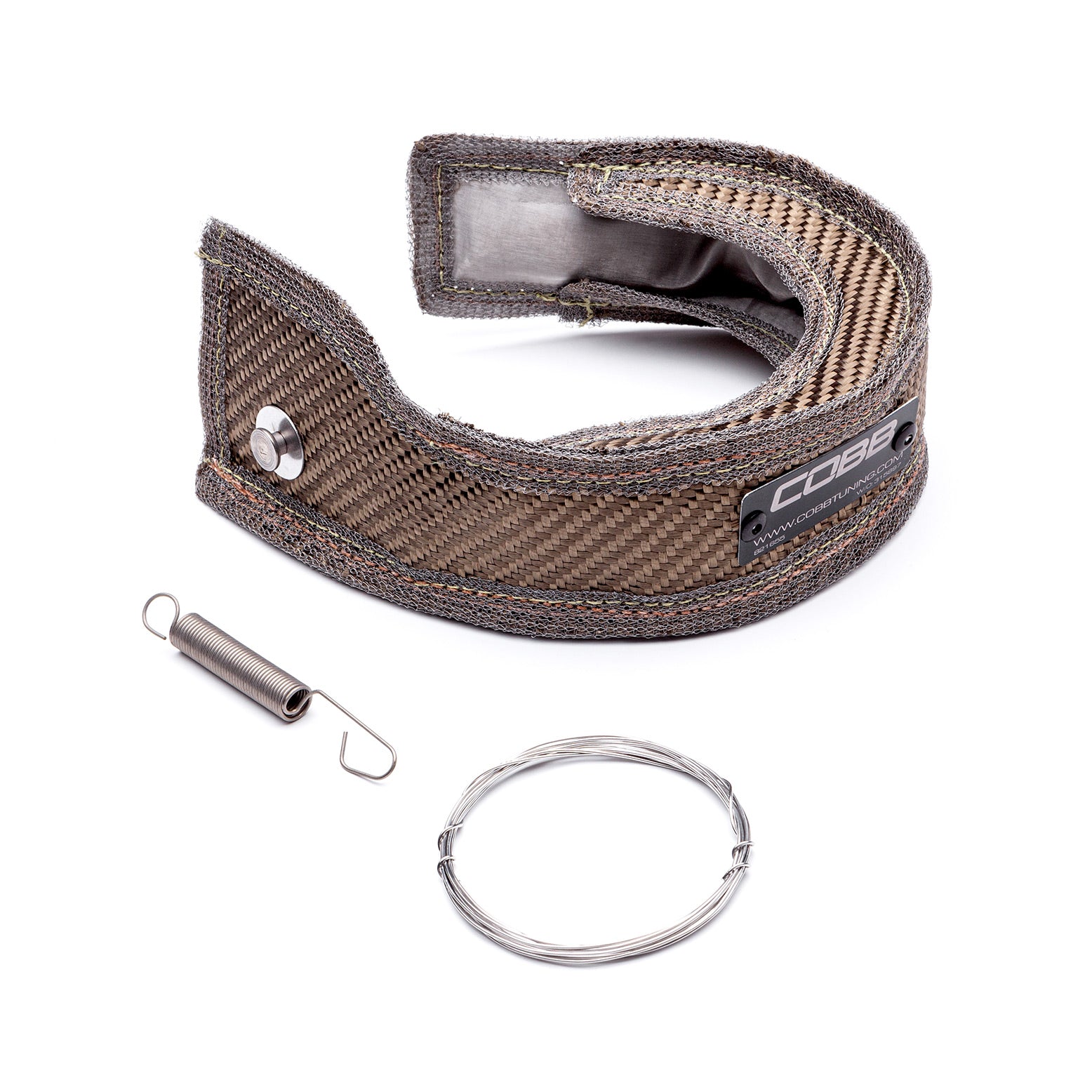
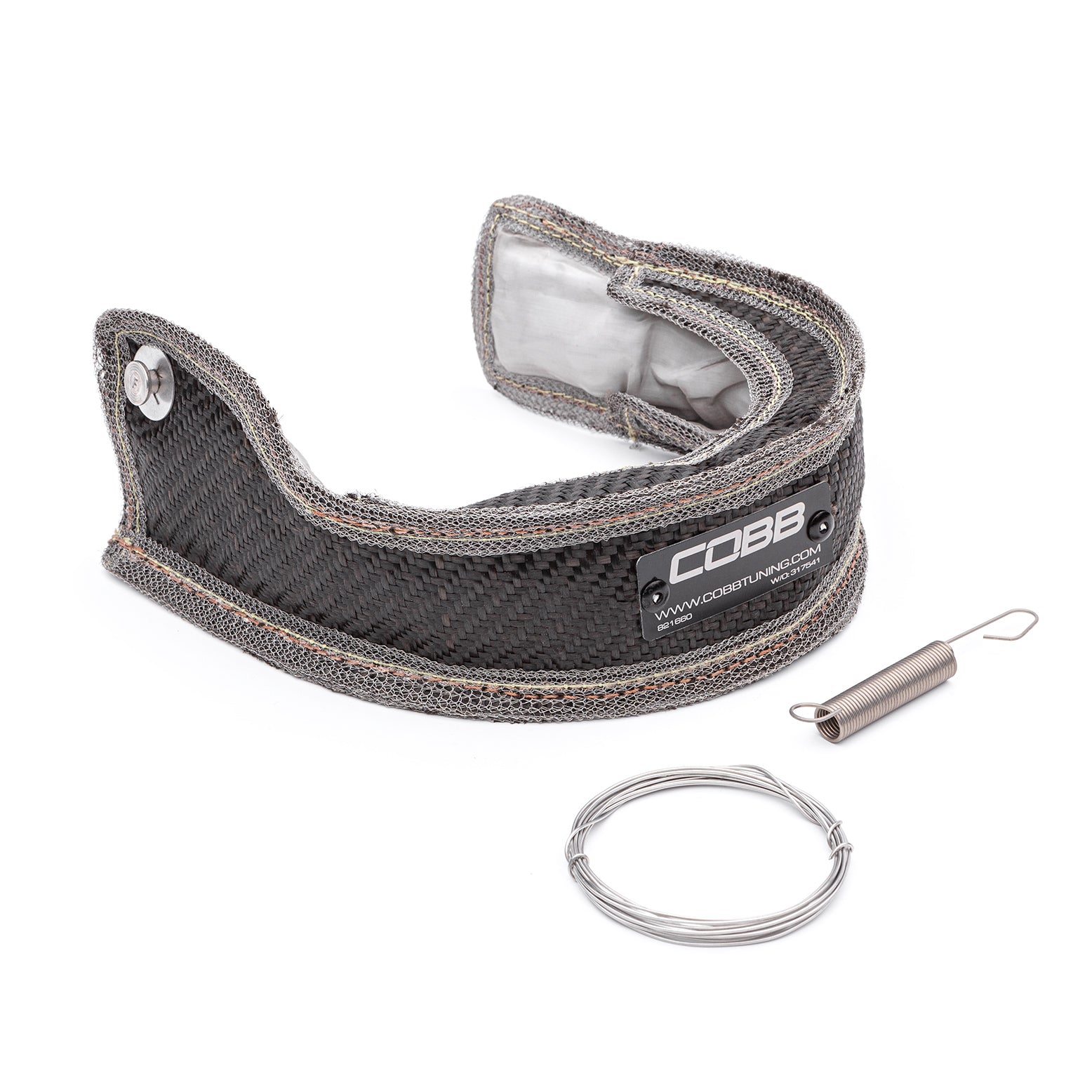
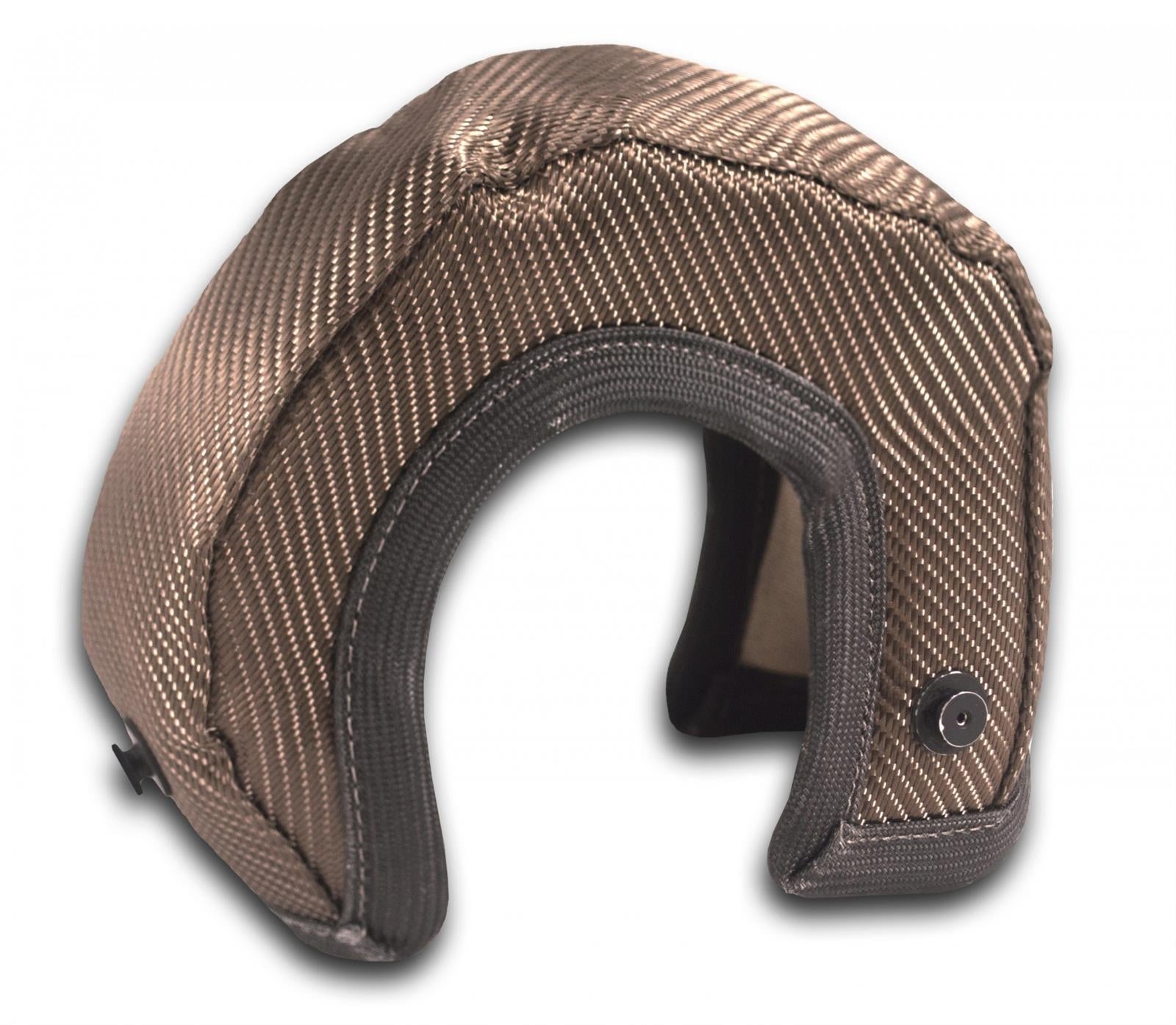
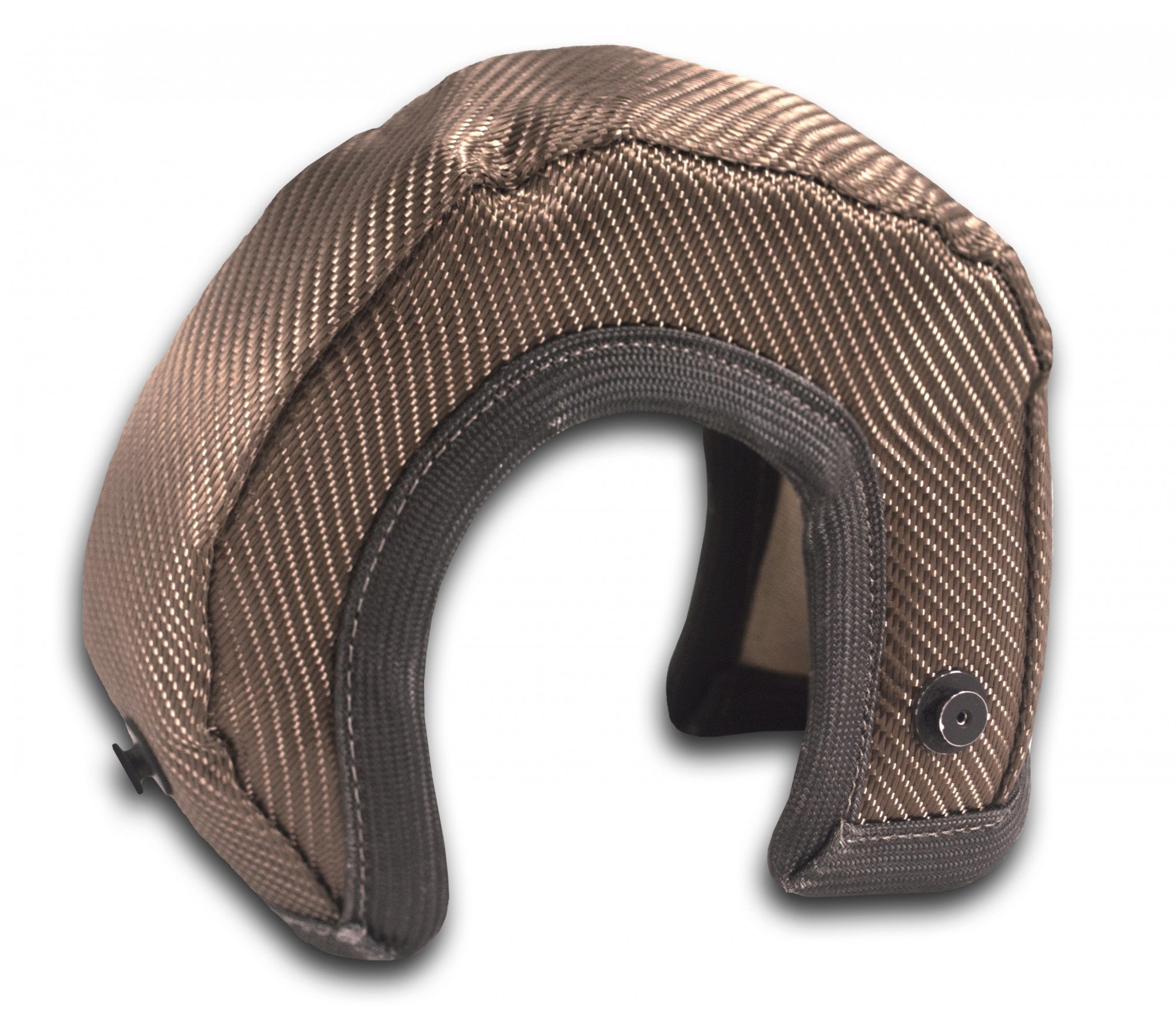
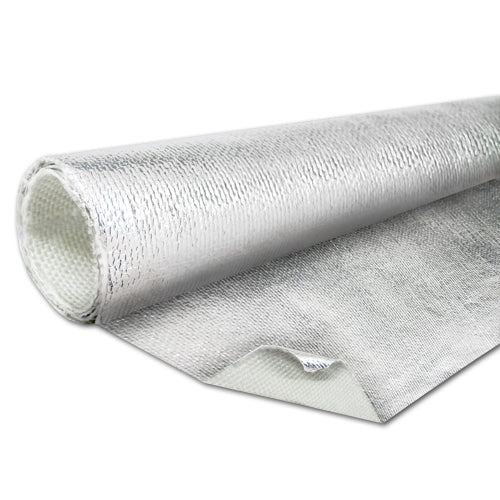
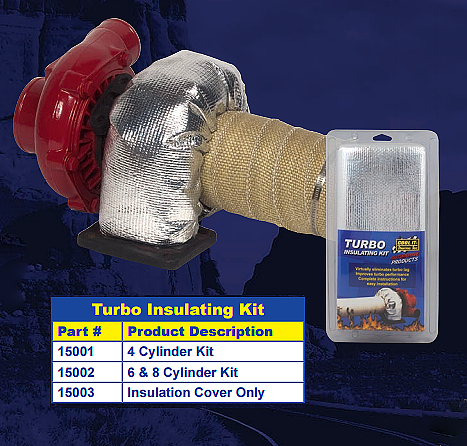
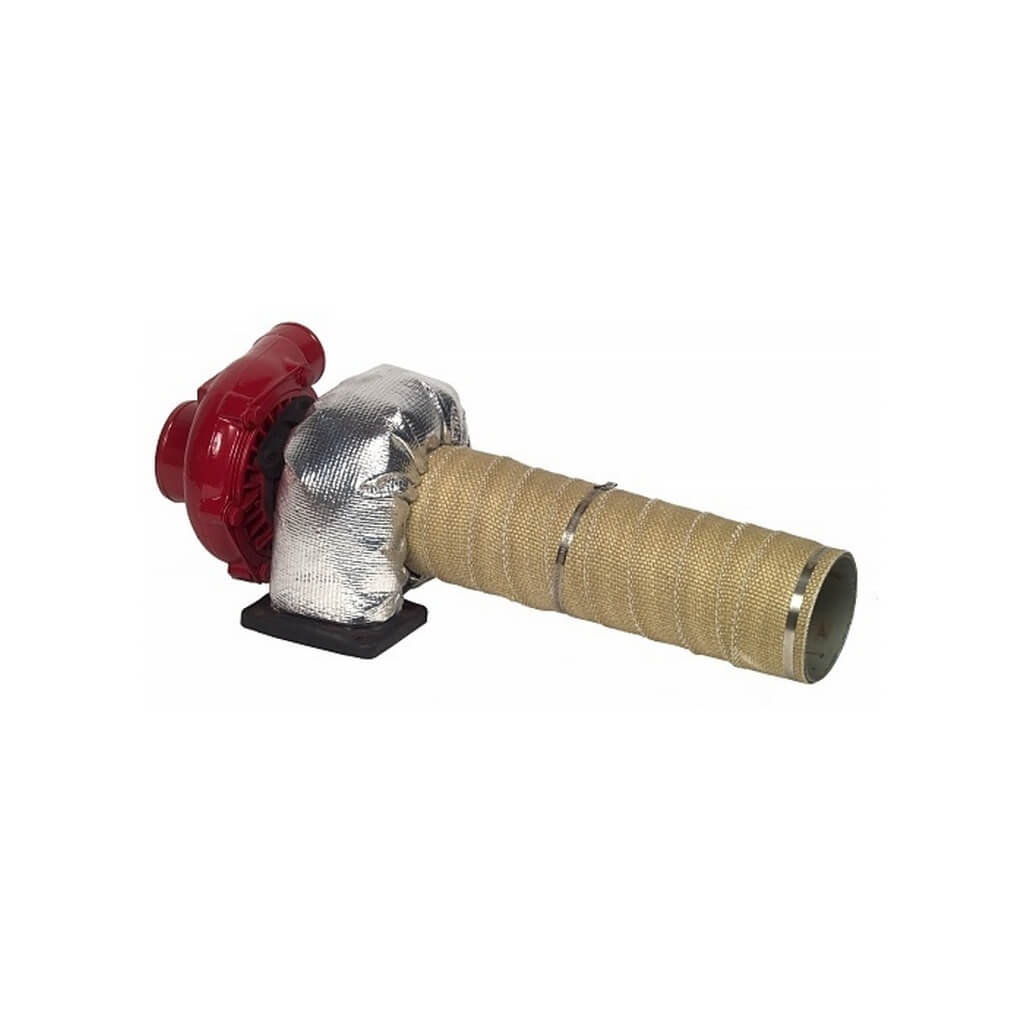
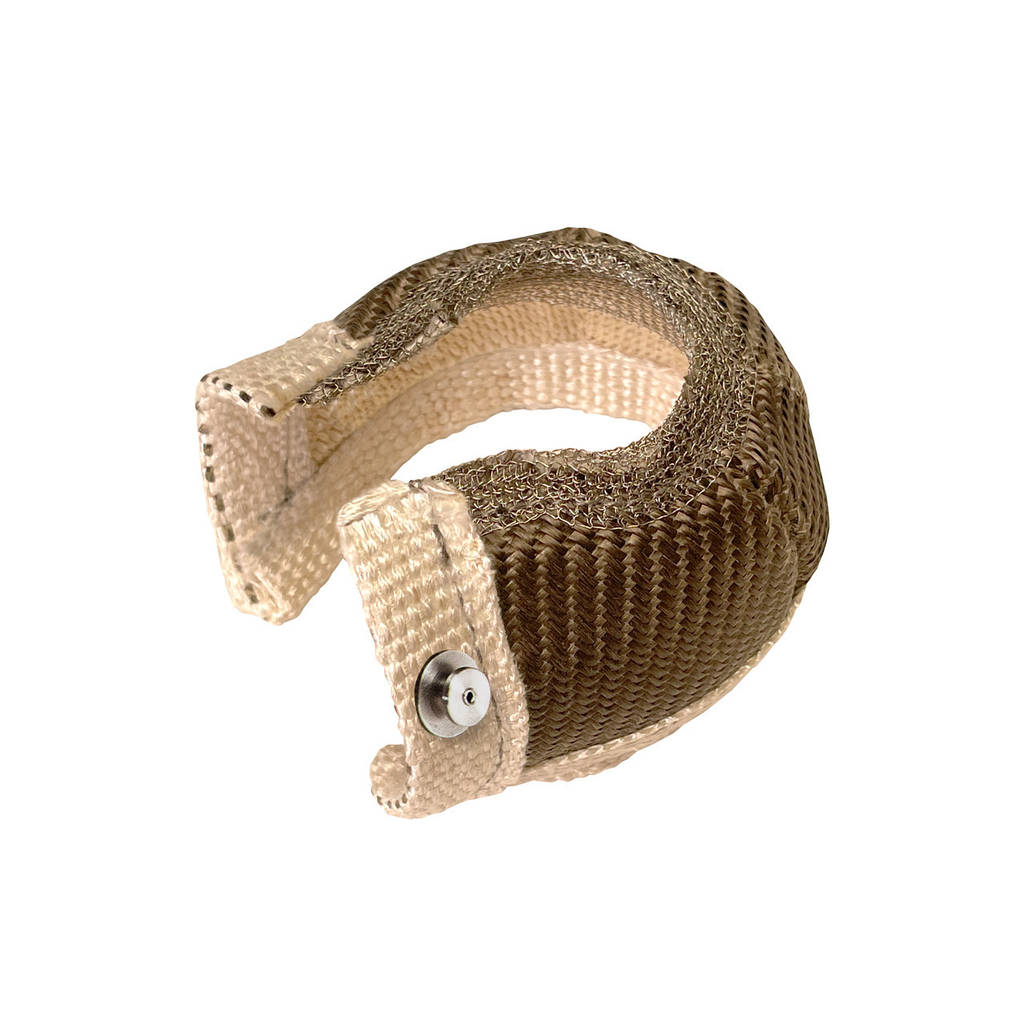
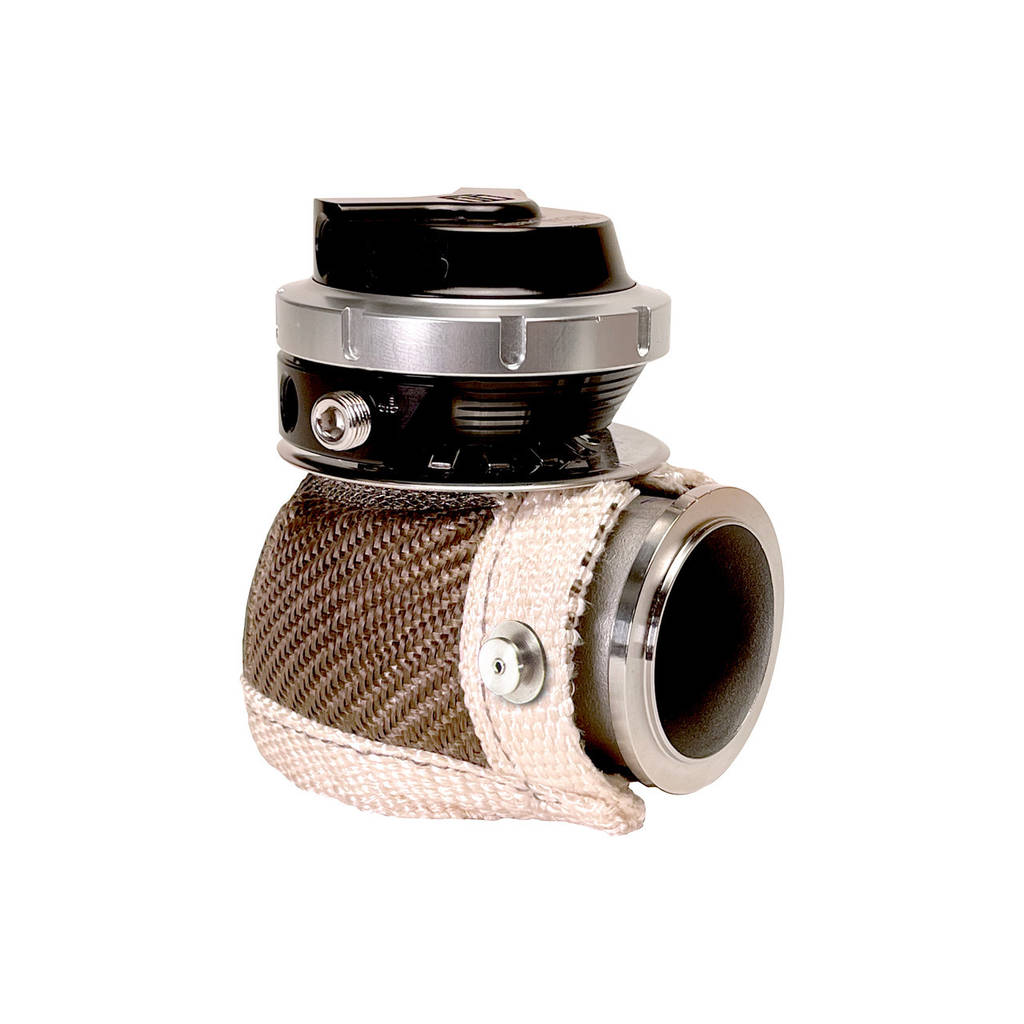
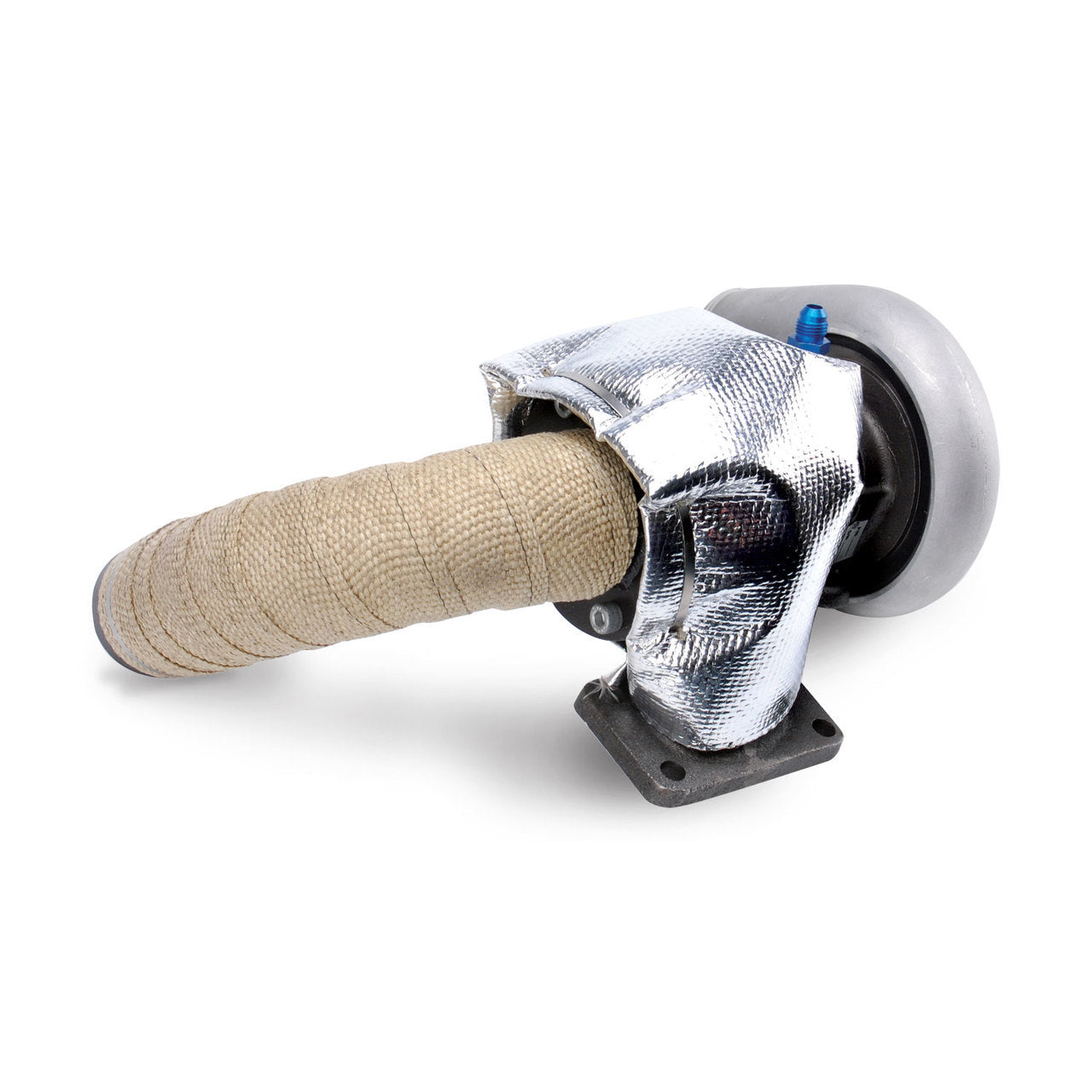
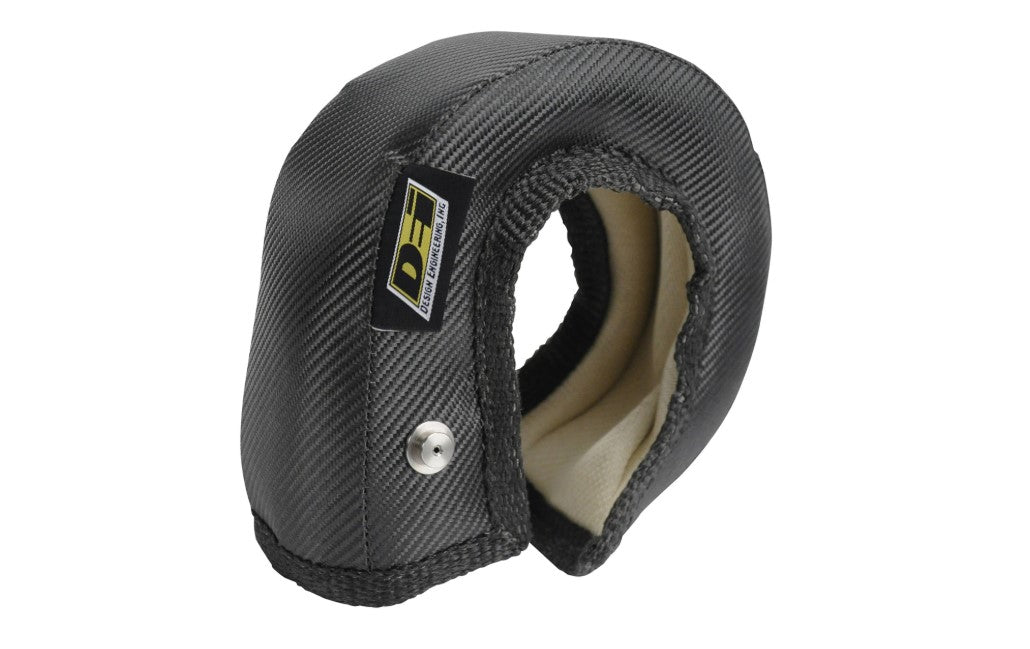
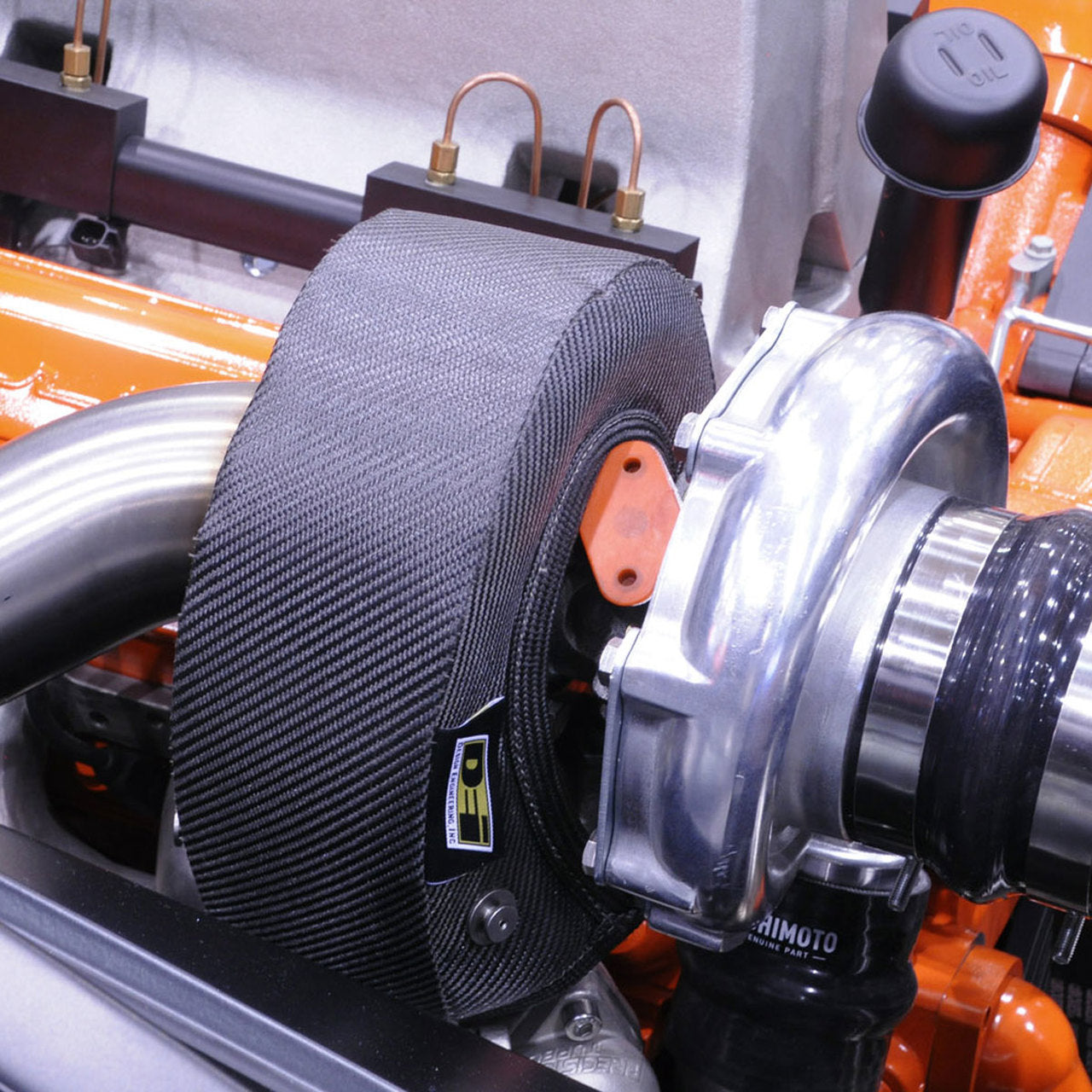
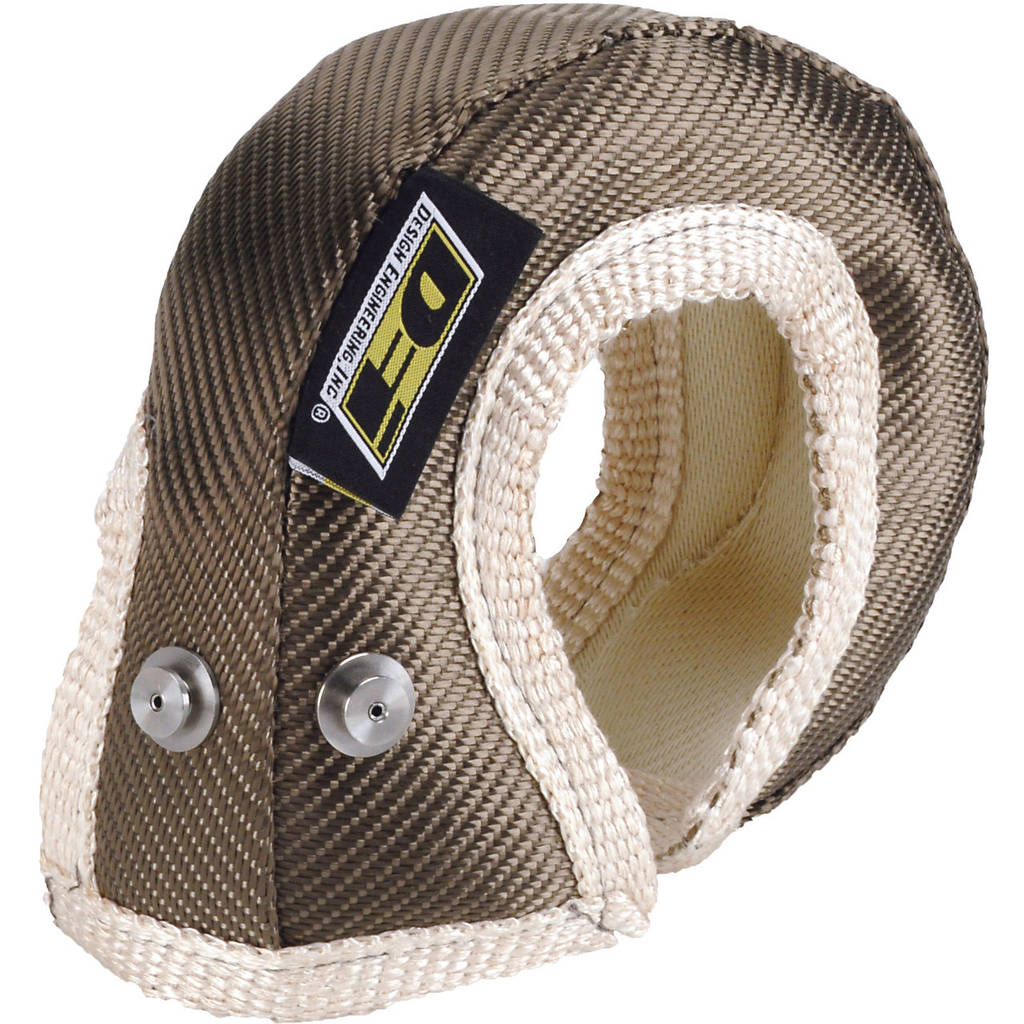
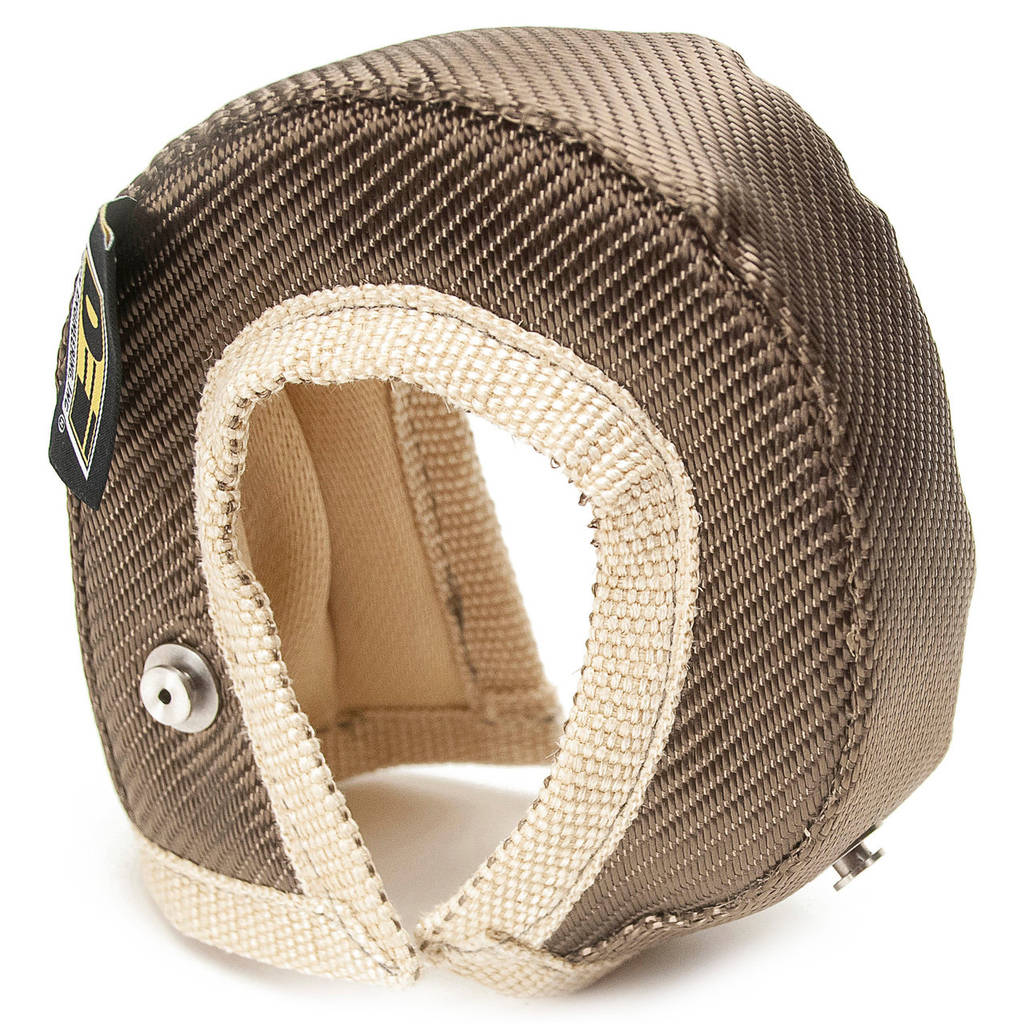
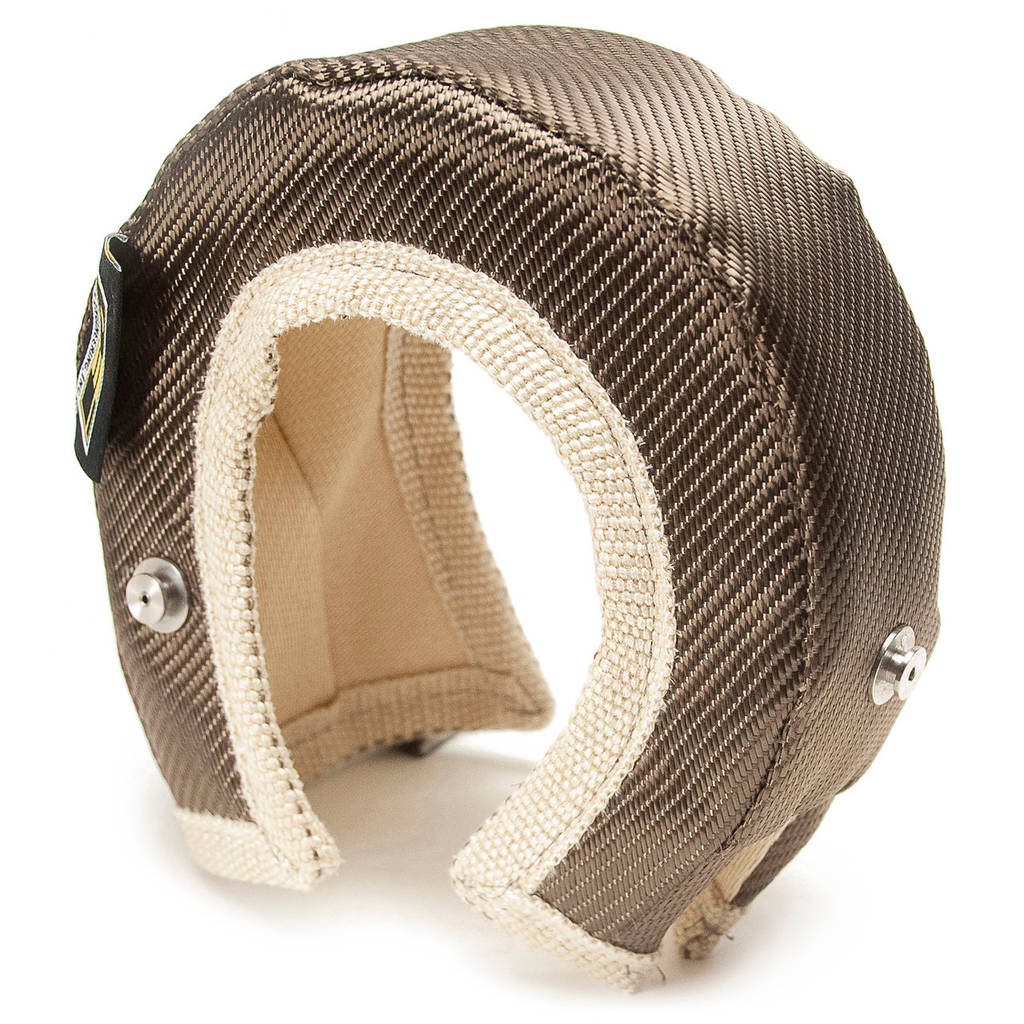
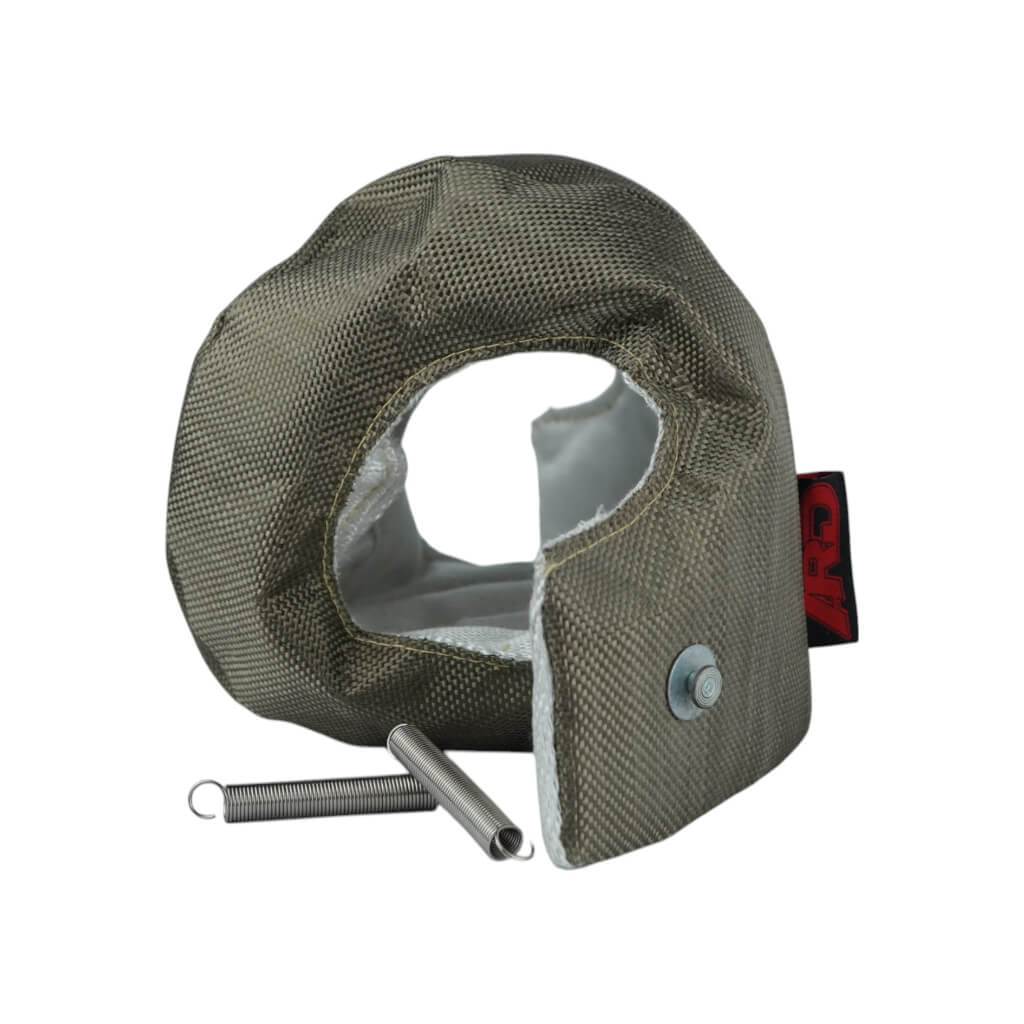
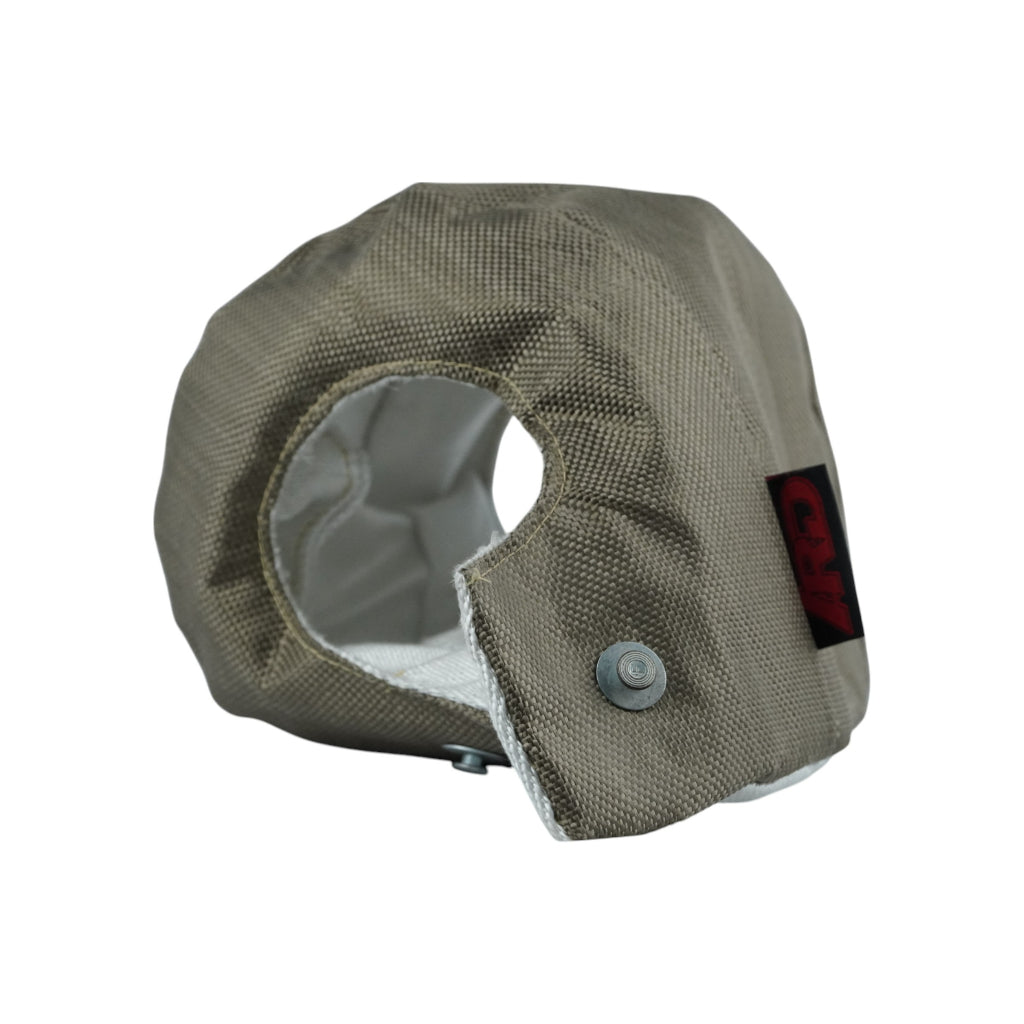
- Turbo blankets: Multi-layer covers that tightly wrap the turbine housing. The outer layer is typically made of crushed lava rock (titanium fiber) or silicone-coated fiberglass, while the inner layer consists of ceramic wool and stainless steel mesh. This construction can reduce engine bay temperatures by 40–60%.
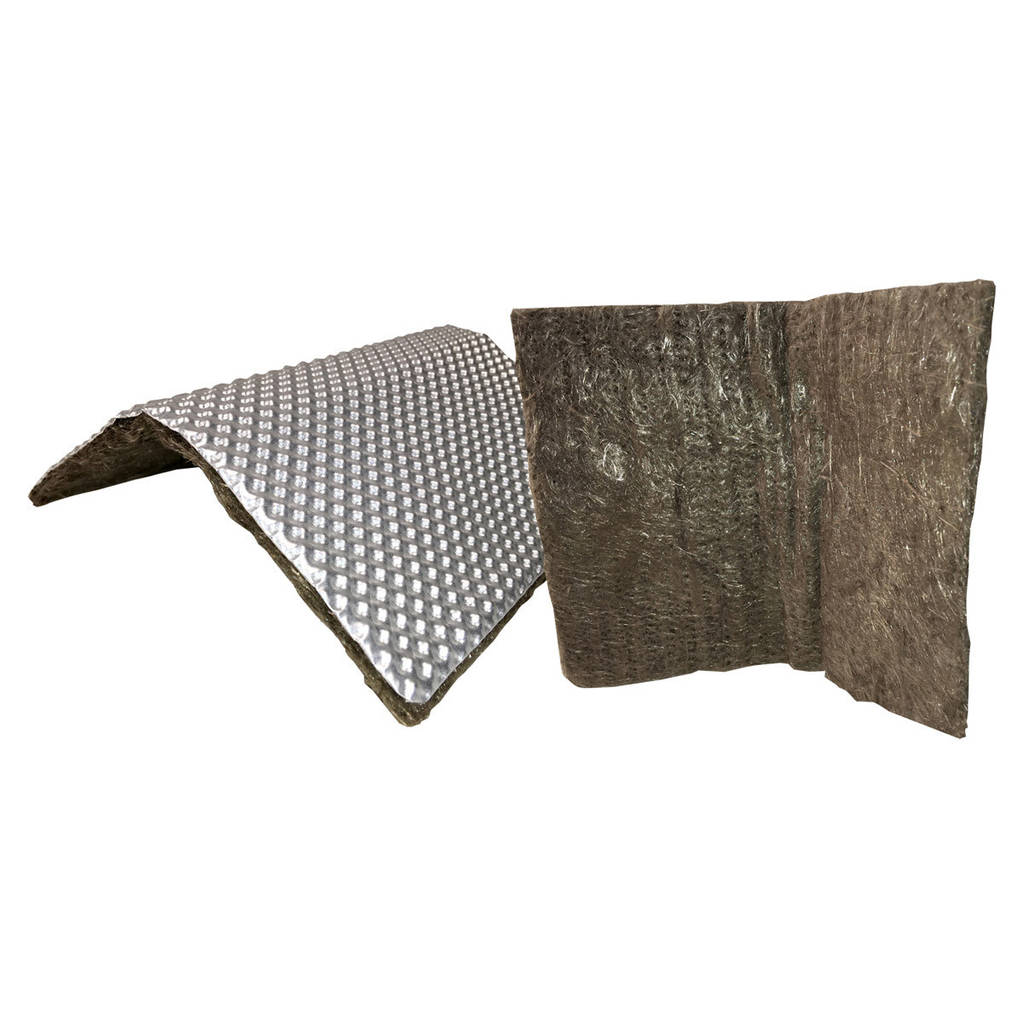
- Heat shields: Rigid structures made of stainless steel or aluminum that act as a physical barrier against infrared radiation. Brands such as Verus Engineering offer optimized designs that help redirect hot air away from intake components.
- Thermal wraps and sleeves: Used to insulate downpipes and oil lines, preventing heat transfer to the engine block and protecting fluids from overheating.
Engineering Aspects: Impact on IAT and Gas Energy
Effective thermal management directly impacts IAT (Intake Air Temperature). When engine bay temperatures are reduced, the intercooler operates more efficiently, cooling intake air more effectively. Every 5–10°C reduction in IAT increases air density and allows the ECU to run more aggressive ignition timing.
Using products from DEI Titanium or Thermo-Tec helps eliminate the heat soak effect — a condition where, after idling or slow traffic, the intake system becomes overheated and temporarily reduces engine performance. With proper insulation, this heat remains contained within the turbocharger.
Applications in Street and Motorsport Builds
In street vehicles, heat insulation is often installed to protect sensitive plastic components and wiring from thermal degradation. In motorsport disciplines such as drifting and circuit racing, insulation is essential for fire safety, preventing ignition of oil or fuel in case of contact with hot exhaust components.
In Stage 2 and Stage 3 builds, where high-performance turbochargers from brands like Garrett or Precision are used, heat output increases proportionally with power. In such cases, turbo blankets become an essential part of the installation, ensuring consistent performance throughout extended track sessions.
Selection Criteria and Installation Considerations
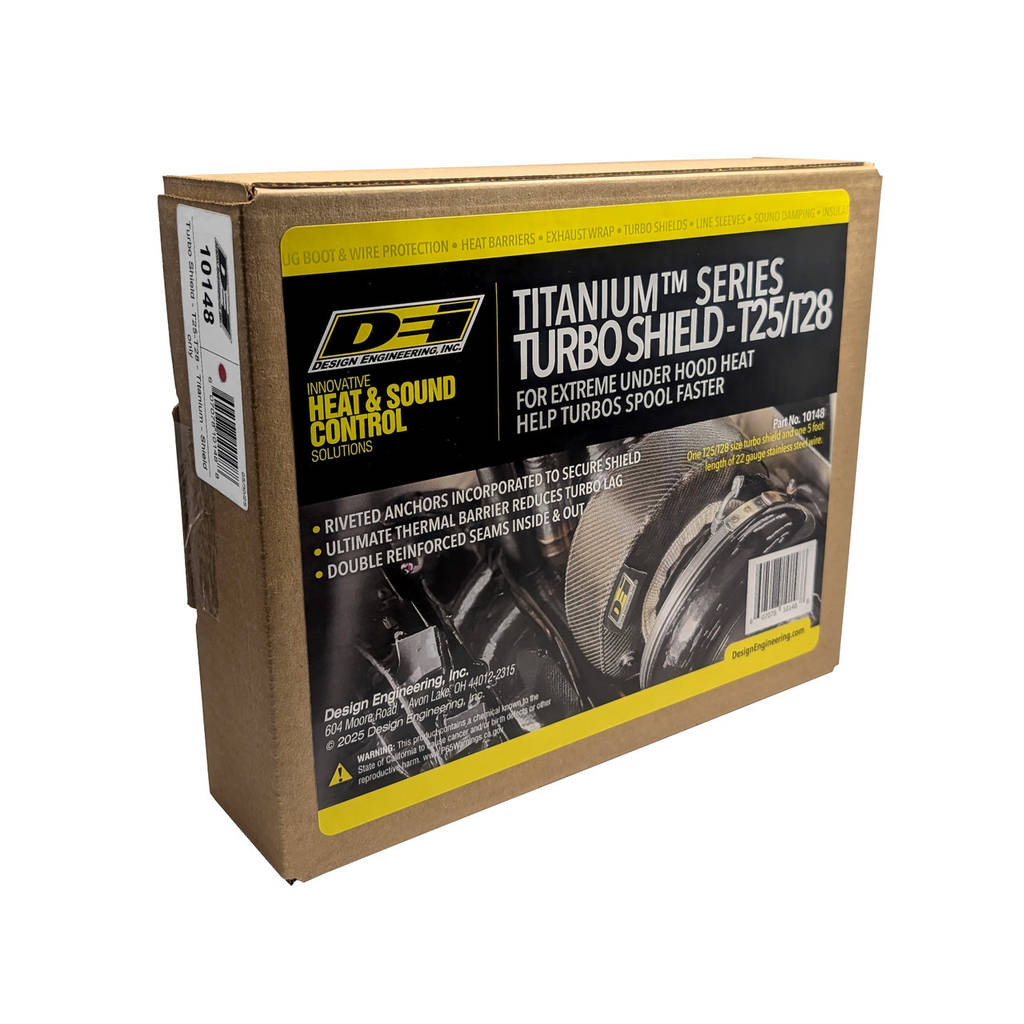
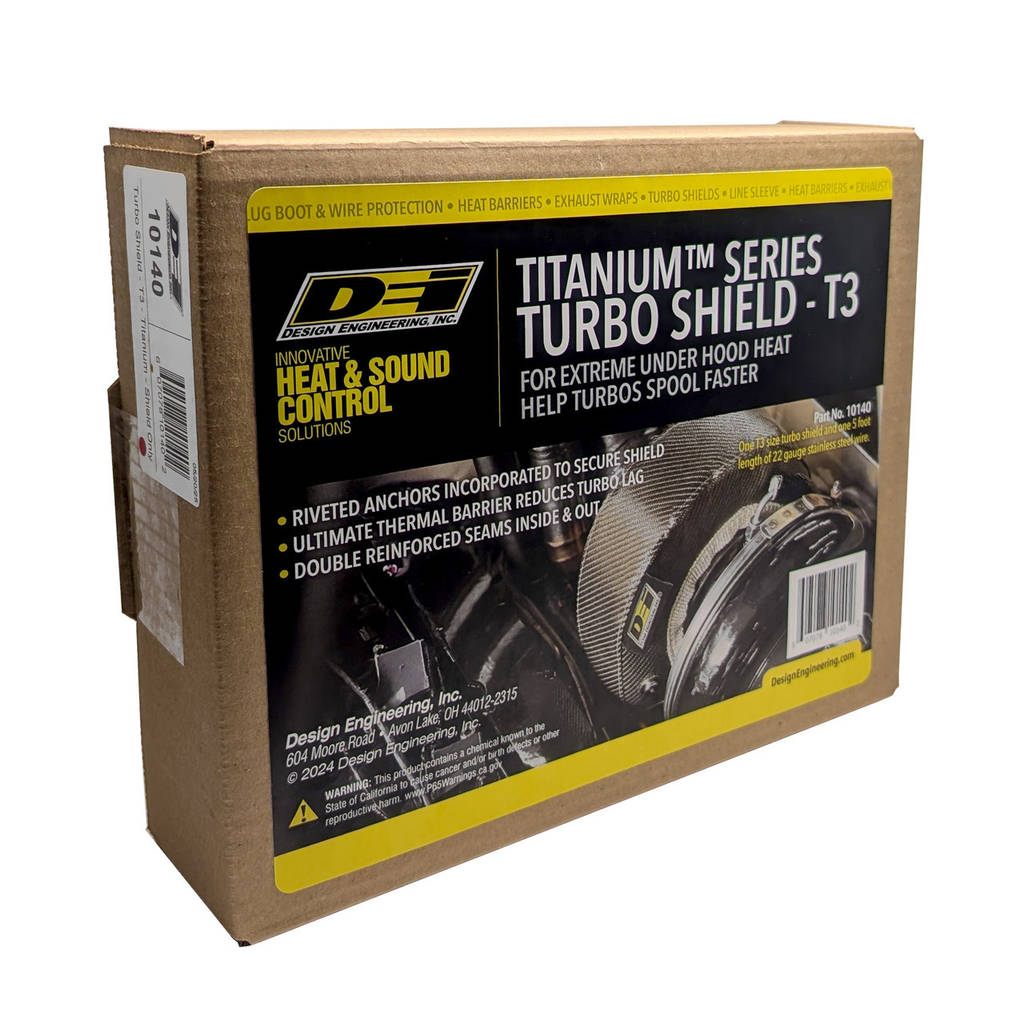
When selecting a turbo blanket, it is important to know the size of your turbine housing (T25, T3, T4, T6). The blanket must fit tightly to ensure maximum effectiveness. High-quality products from Forge include durable spring fasteners that prevent movement under vibration.
Note: After installation, it is normal for new insulation materials to produce smoke and odor during the first heat cycles. This is a standard curing process, as indicated by manufacturers such as Mishimoto.
Impact on Turbo System Longevity
Proper thermal insulation is an investment in engine longevity. By reducing temperature fluctuations in the engine bay, it protects rubber components and sensors. At the same time, the turbocharger operates in a more stable thermal environment, reducing the risk of microcracks in the turbine housing.
At ATOMIC-SHOP, you can purchase turbo heat insulation and receive professional consultation. Our specialists will help calculate the required materials and select components that ensure the ideal balance between performance and reliability for your vehicle.