















Gaskets and Seals as Sealing Elements for the Engine and Transmission
Gaskets and seals are among the vehicle components that are rarely visible from the outside, but directly affect the service life of the engine, crank and rod assembly, valvetrain, and transmission. Their task is to seal joints, passages, shafts, housings, and mating surfaces through which engine oil, coolant, fuel, or exhaust gases pass under pressure. In a production vehicle, these components operate within standard calculated load limits, but in high-load and motorsport projects their reliability determines the viability of the entire powertrain.
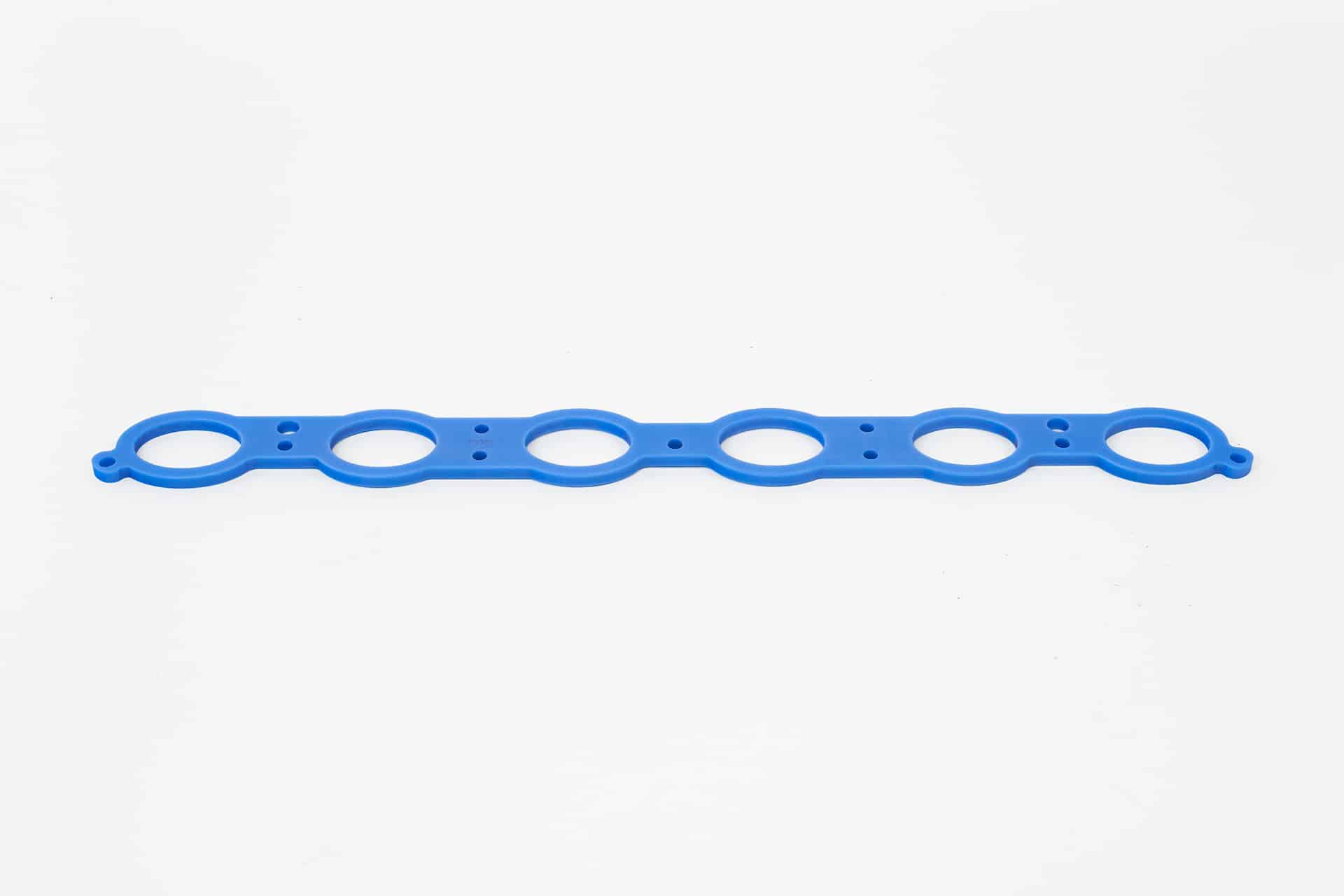
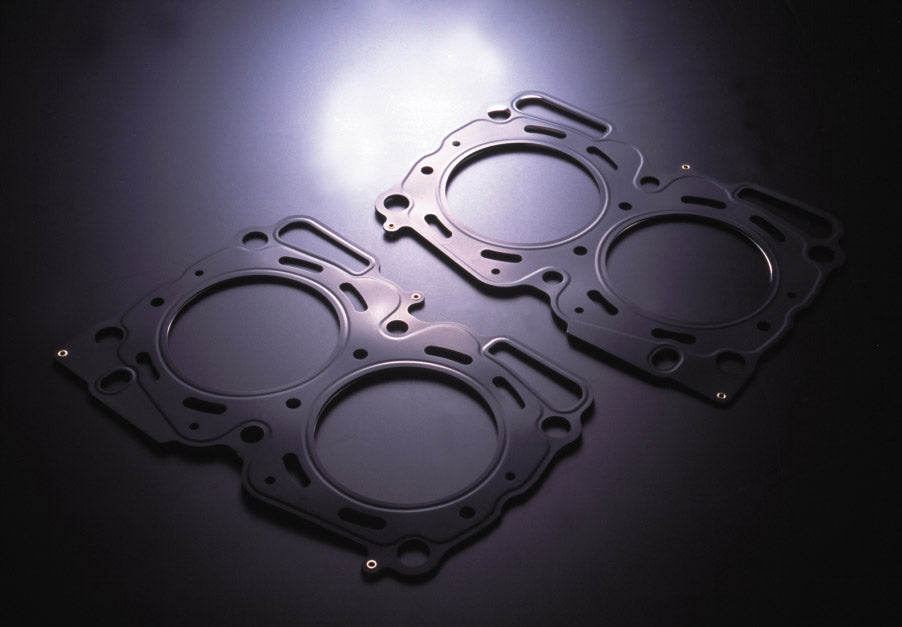
This category includes gaskets, seals, timing system guide rollers, and related sealing components for engines, transmissions, and specialized automotive systems. The main part of the assortment is formed by engineering solutions from the American brand COMETIC, which specializes in multi-layer metal cylinder head gaskets, intake gaskets, and exhaust connection gaskets. The category also includes products from TOMEI, GReddy, COBB Tuning, DODSON, SUBARU OEM, and CSF, which integrate into the overall sealing strategy according to their specific specialization.
For engine builds, performance street configurations, or professional motorsport, sealing elements are not simply consumable parts. They determine whether the powertrain can maintain pressure, oil supply, and stable compression under high thermodynamic loads. The slightest gas breakthrough through a gasket or loss of elasticity at a seal lip can lead to oil gallery pressure loss, lubrication failure, and localized overheating of critical assemblies.
How Gaskets and Seals Work in Automotive Systems
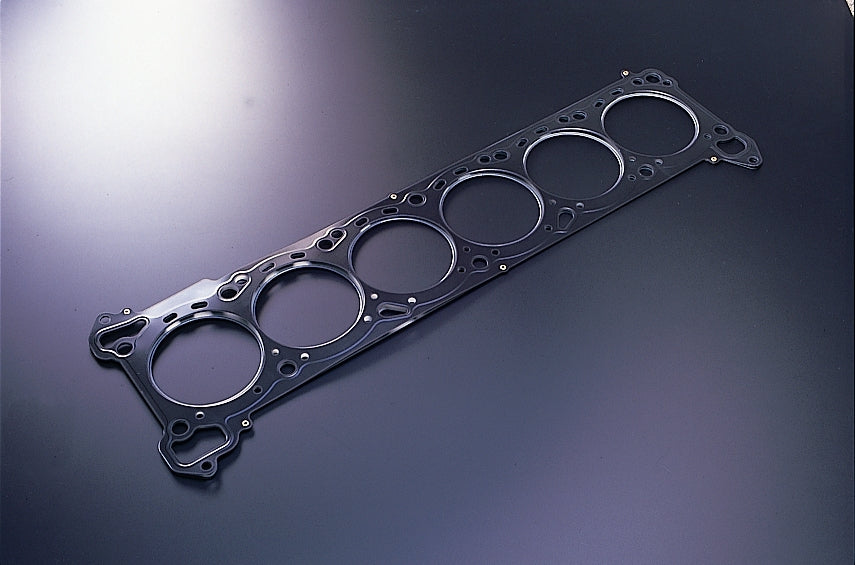
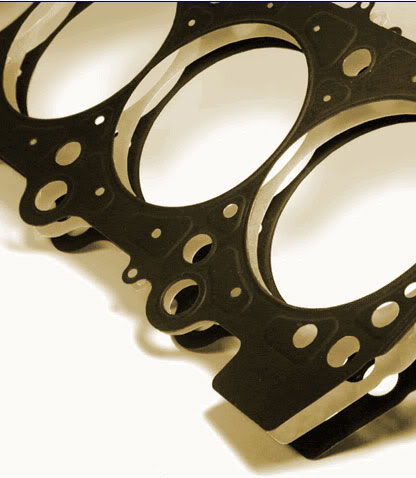
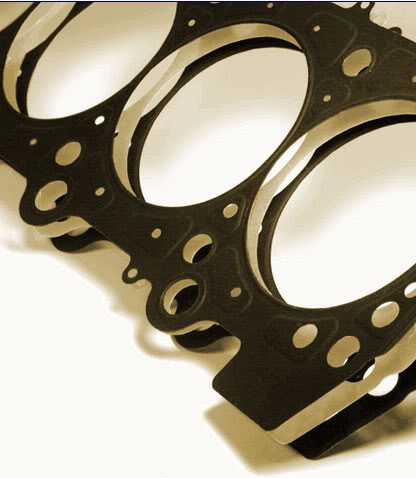
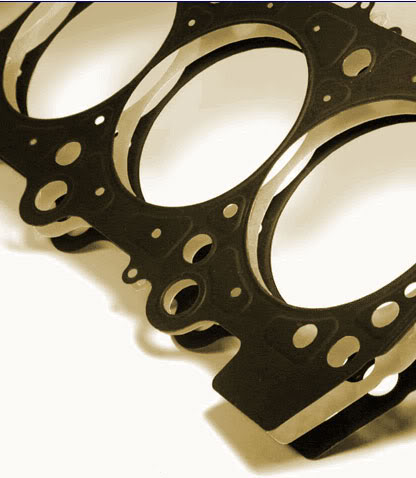
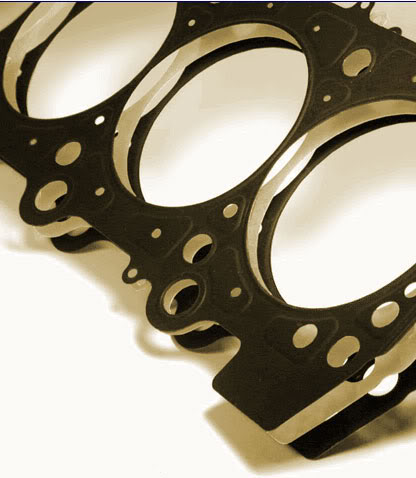
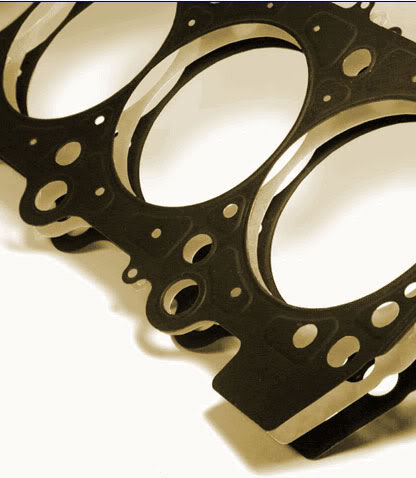
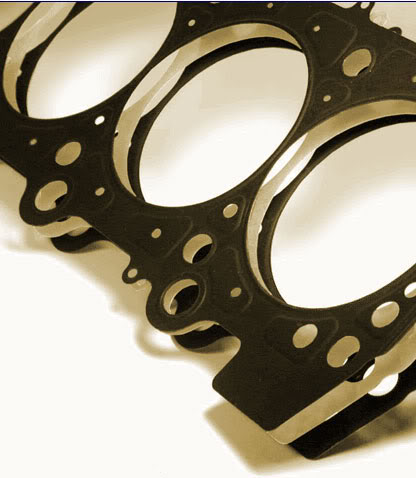
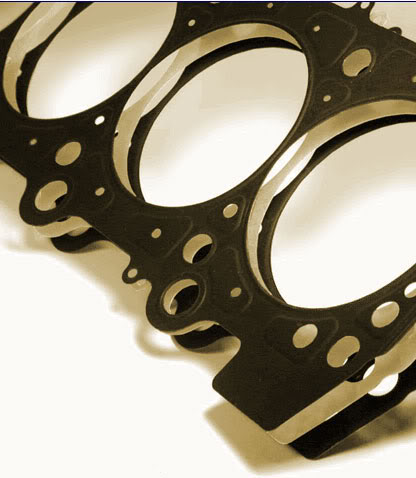
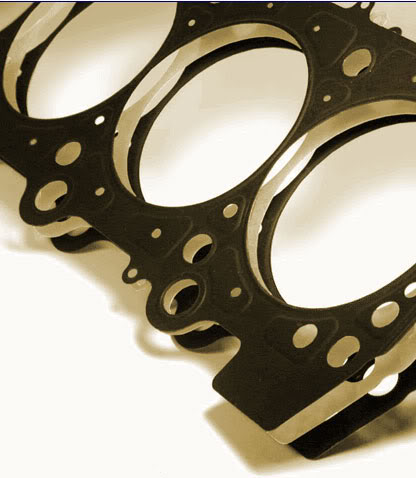
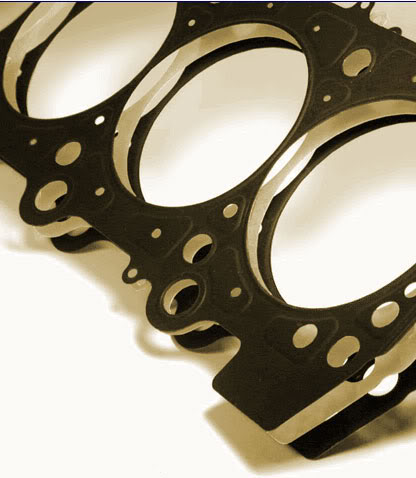
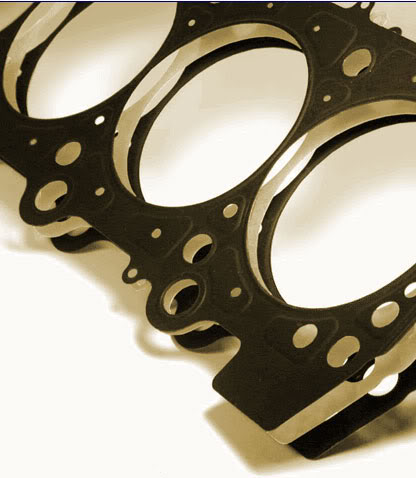
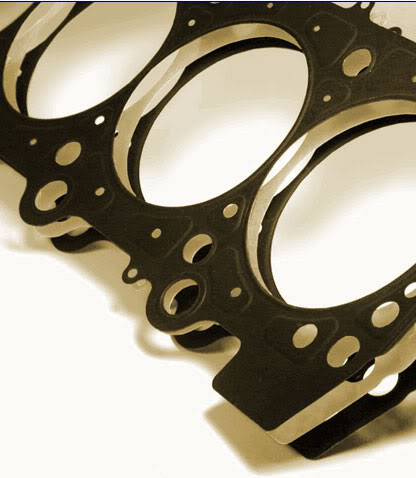
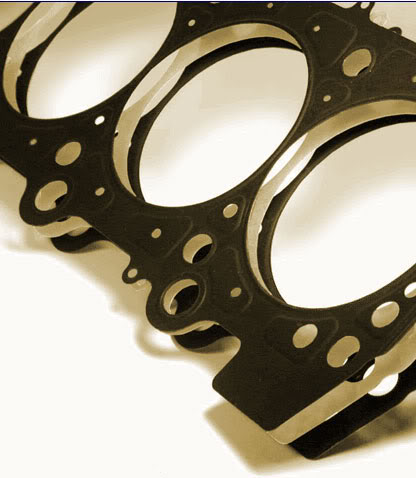
A gasket is installed between two stationary mating surfaces, compensating for microscopic irregularities, differences in alloy thermal expansion, and deformation loads during tightening. The main example is the cylinder head gasket, which isolates the combustion chambers from the cooling system fluid passages and oil circuit. In turbocharged engines with high boost pressure, it operates in a zone of sharp pressure pulses and must maintain sealing in the controlled clearance area between the piston and cylinder head without the risk of burn-through.
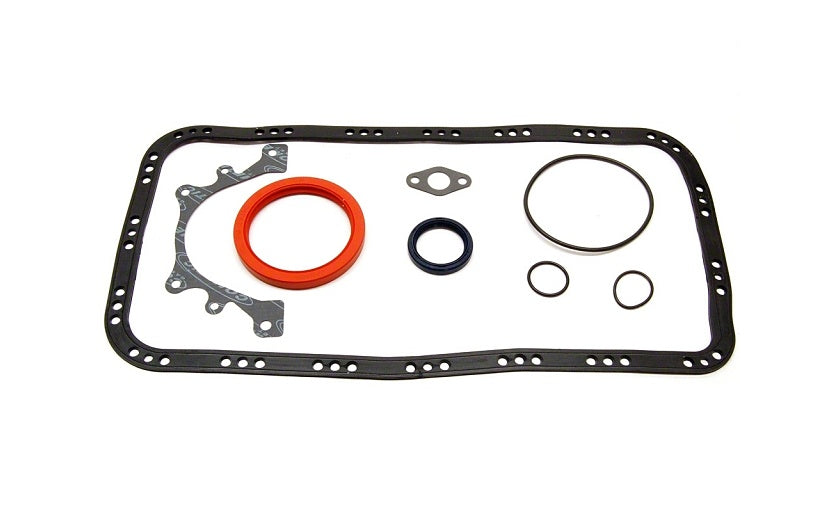
Seals provide dynamic sealing where rotating shafts, including the crankshaft, camshafts, and drive shafts, exit the housings of engines or gearboxes. The working lip of the seal interacts with the shaft surface, creating a stable hydrodynamic oil wedge that prevents fluid from leaking outward. The design and preload of the tension spring are calculated to retain oil under high shaft angular speed while preventing localized overheating and metal wear.
Guide and tension rollers, which accompany sealing components in this category, are elements of the timing system drive or auxiliary drive systems. They do not directly participate in sealing, but their replacement is mandatory during a complete rebuild or scheduled service of the front section of the engine. Installing new gaskets and seals together with new rollers reduces the risk of having to disassemble the assembly again due to sudden bearing wear or belt misalignment.
Materials, Multi-Layer Designs, and Temperature Resistance
The sealing material determines its resistance to aggressive chemical compounds, pressure, and thermal cycles. In performance engines, composite materials are often replaced with multi-layer steel gaskets. These consist of several sheets of stainless steel covered with a heat-resistant sealing layer, where the outer layers feature formed elastic profiles that work like springs when the block and cylinder head are compressed by high-strength fasteners.
COMETIC manufactures multi-layer steel gaskets that allow engineers to precisely select component thickness in order to change combustion chamber volume and adjust compression ratio. For exhaust manifolds, metal-graphite gaskets are used because they resist constant thermal expansion and exposure to extremely hot exhaust gases. Using these materials minimizes the risk of flange deformation and gas leakage into the area where oxygen sensors are located.
High-quality seals are produced from modern elastomers, including polyacrylic rubber or fluororubber. These materials can retain elasticity at high temperatures and resist synthetic transmission oils, additives, and oxidation products. Maintaining the geometry of the working lip prevents air from being drawn into vacuum systems and prevents oil leakage at high rpm.
Installation requires strict compliance with engineering procedures, clean surfaces, and precise machining to achieve the required flatness. Seals are installed using special drivers to avoid folding the working lip or damaging the dust lip. Uneven tightening or scratches on shafts completely negate the advantages of even the most expensive and technologically advanced sealing components.
Application of Gaskets and Seals in Tuning and Motorsport
In road tuning, gasket and seal replacement is a mandatory stage when switching to a forged piston group, installing a more efficient turbocharger, or upgrading the fuel system. For daily-driven vehicles, it is critically important that sealing elements maintain integrity during frequent cold starts, long warm-up periods, and sharp temperature changes. Reliable isolation prevents technical fluids from reaching hot exhaust system components, reducing the risk of fire in the engine bay.
In circuit racing and time attack, sealing components are exposed to prolonged thermal and vibration fatigue. Heating of engine oil in the sump and transmission fluid in gearboxes requires seals to withstand vacuum conditions and increased internal pressure inside housings. Specialized TOMEI and GReddy gaskets are designed for Japanese performance platforms, where fluid circulation circuits are optimized for demanding oil pump operating conditions.
In drag racing, the main factor is the ability to withstand extreme peak cylinder pressure at launch. When boost pressure exceeds standard values, there is a risk of microscopic cylinder head lift relative to the block. Multi-layer metal COMETIC gaskets combined with high-strength studs compensate for this effect, blocking gas breakthrough into the coolant jacket and preventing coolant from being pushed out through the expansion tank.
In performance vehicle transmission assemblies, sealing loads increase due to higher torque and operation of differential locking systems. The Australian brand DODSON develops sealing rings, gaskets, and seals for reinforced dual-clutch gearboxes and transmissions, where precise hydraulic pressure retention directly affects shift speed and clutch pack durability. To preserve factory parameters in standard assemblies, original SUBARU OEM components are used.
How to Choose Gaskets and Seals for a Specific Assembly
Selecting sealing elements begins with a detailed analysis of the specific powertrain or transmission parameters. When choosing a cylinder head gasket, the key factors are cylinder bore diameter, including any repair boring of the block, the block material, the condition of the cylinder head, and the required final gasket thickness. For seals, geometric dimensions, oil return groove type, shaft rotation direction, and working temperature range must all be considered.
The next step is to evaluate the vehicle configuration and intended use. For restoring a road engine, original-quality SUBARU OEM components are appropriate when dealing with the relevant platform. However, engines operating under a programmable engine control unit with a high degree of modification require reinforced solutions from COMETIC or TOMEI. In the modernization of dual-clutch gearboxes, DODSON components are the standard for high-load solutions designed for increased hydraulic system pressure.
It is important to clearly distinguish brand specialization to avoid technical mistakes when ordering. COMETIC, TOMEI, and GReddy are appropriate in the field of engine gaskets and sealing components for the cylinder head, intake, exhaust, and related engine assemblies. COBB Tuning focuses on complete upgrade kits for fuel and intake systems, where gaskets are part of the overall engineered assembly. CSF is an expert in radiators, so its mention is connected with integrating cooling elements into the system rather than manufacturing engine seals.
The effectiveness of any seal depends on the condition of the mating parts. A new gasket cannot compensate for cylinder head mating surface distortion that exceeds allowable hundredths of a millimeter. Similarly, a new seal will quickly lose sealing ability if the camshaft or crankshaft surface has a wear groove left by the old lip. Before installing sealing components, instrumental geometry inspection and defect checking of related metal surfaces are mandatory.
The Role of Sealing in Power, Temperature, and Reliability
Gaskets and seals do not generate additional power by themselves, but they create the conditions for the engine to realize its potential without restriction. Complete combustion chamber sealing eliminates compression losses, ensuring correct thermodynamic processes in every cylinder. Reliable sealing of oil passages supports stable operation of hydraulic lifters, cam phasers, and continuous oil supply to crankshaft bearings.
In high-performance vehicles, quality sealing ensures repeatable results run after run, protecting assemblies from cascading overheating. The absence of coolant and oil leaks guarantees stable operation of radiators and heat exchangers without reduced flow capacity caused by contamination. Stable pressure inside all circuits allows engine management systems to be calibrated for high operating parameters without the risk of sudden powertrain failure.
At ATOMIC-SHOP, you will find not just gaskets and seals, but a complete engineering solution for stable sealing of the engine, transmission, and auxiliary systems, capable of operating under fast road use, track driving, and professional motorsport conditions.