























Mufflers as a Key Element of Exhaust Flow and Acoustic Control
Mufflers are the final and one of the most complex components of the exhaust system, responsible not only for reducing sound pressure levels but also for shaping the gas dynamic characteristics of the exhaust flow. In modern vehicles, this component performs a dual function: ensuring compliance with acoustic standards (NVH) while simultaneously minimizing backpressure. The balance between flow capacity and noise attenuation efficiency directly affects both driving comfort and the engine’s ability to deliver power across the entire RPM range.
In production vehicles, factory mufflers often act as a restrictive element within the system. Their multi-chamber design with numerous internal baffles creates significant resistance to exhaust gas flow, leading to increased energy losses at high RPM — the so-called “bottleneck effect.” Professional tuning solutions optimize internal geometry, enabling maximum exhaust flow while maintaining acceptable noise levels for everyday driving conditions.
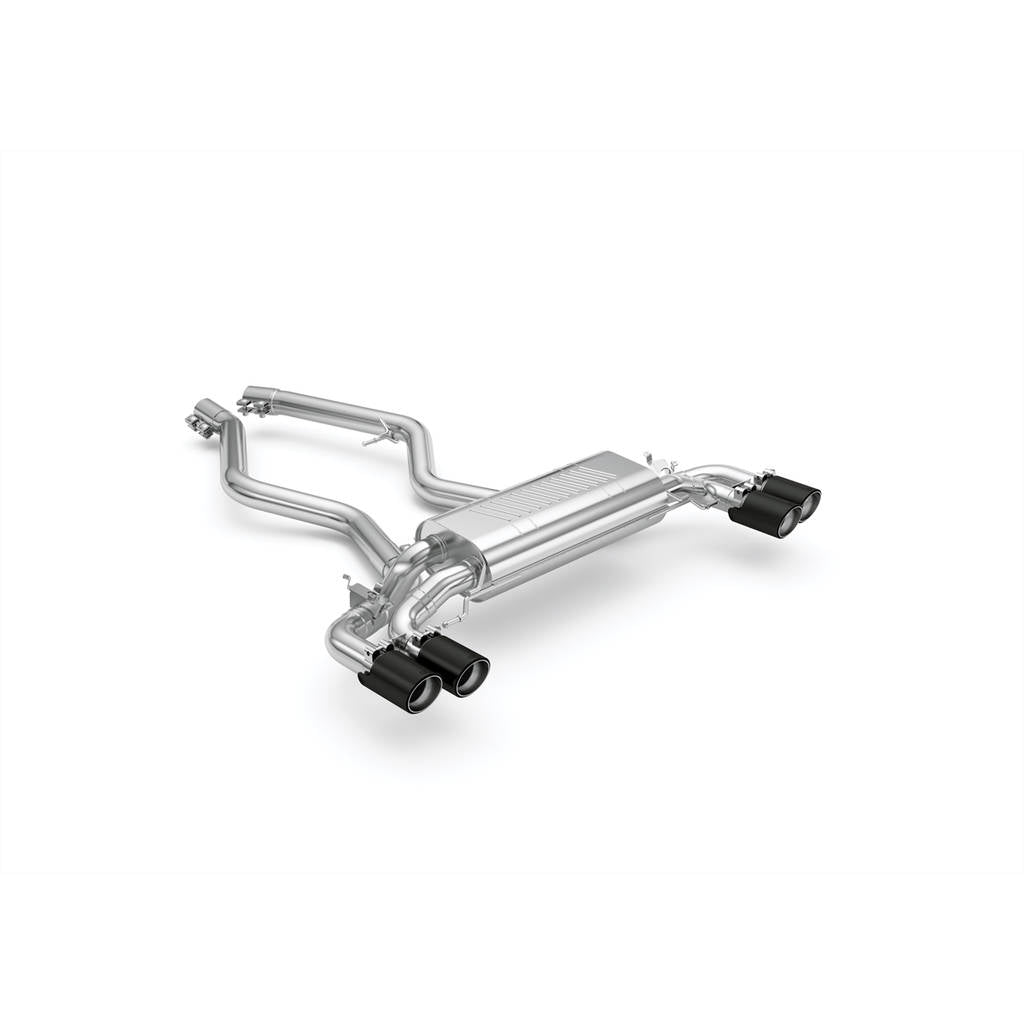
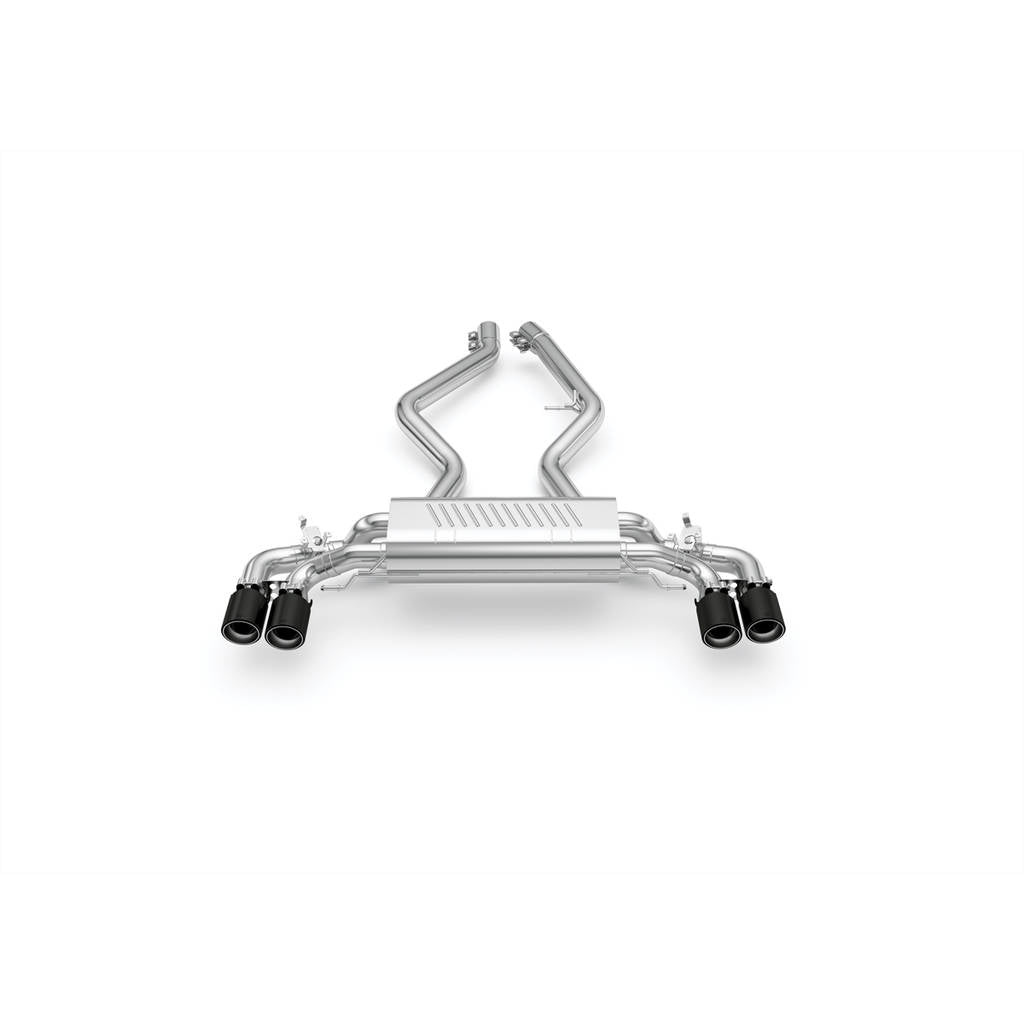
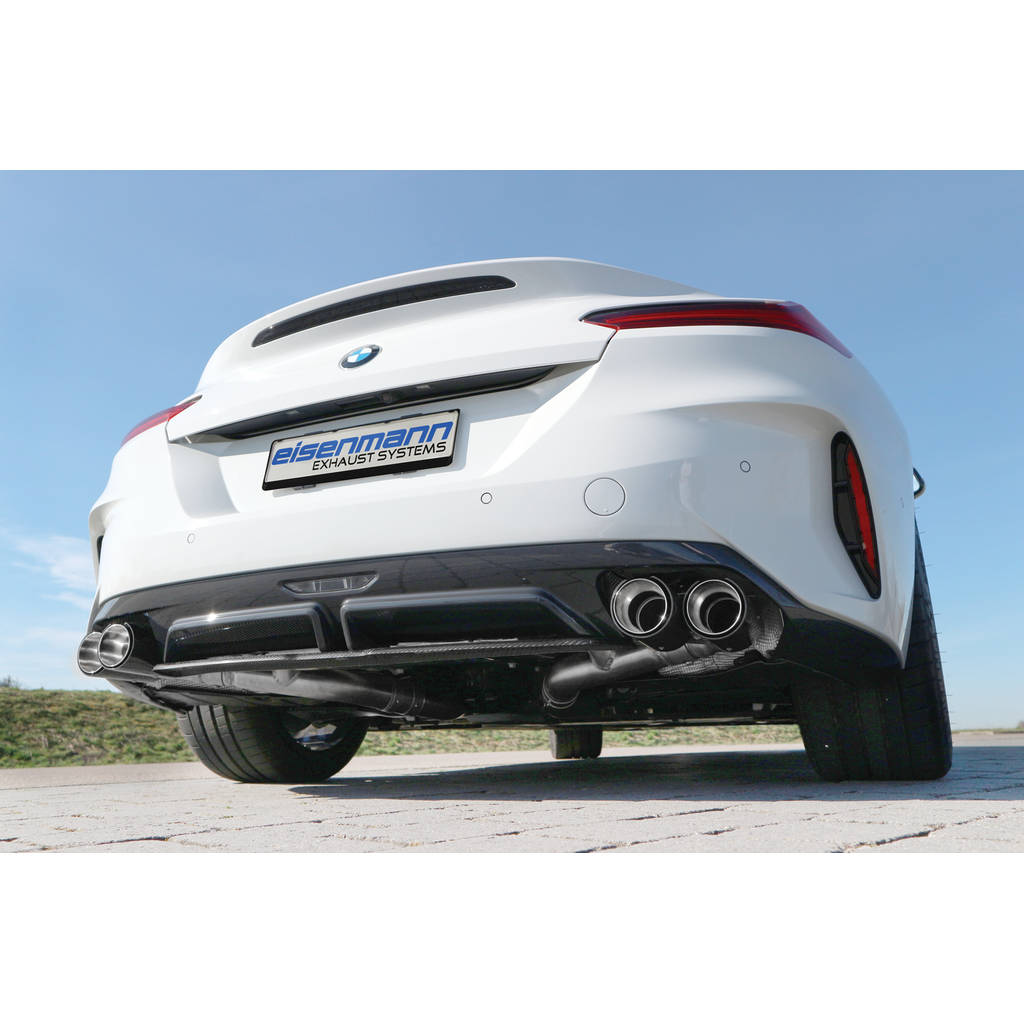
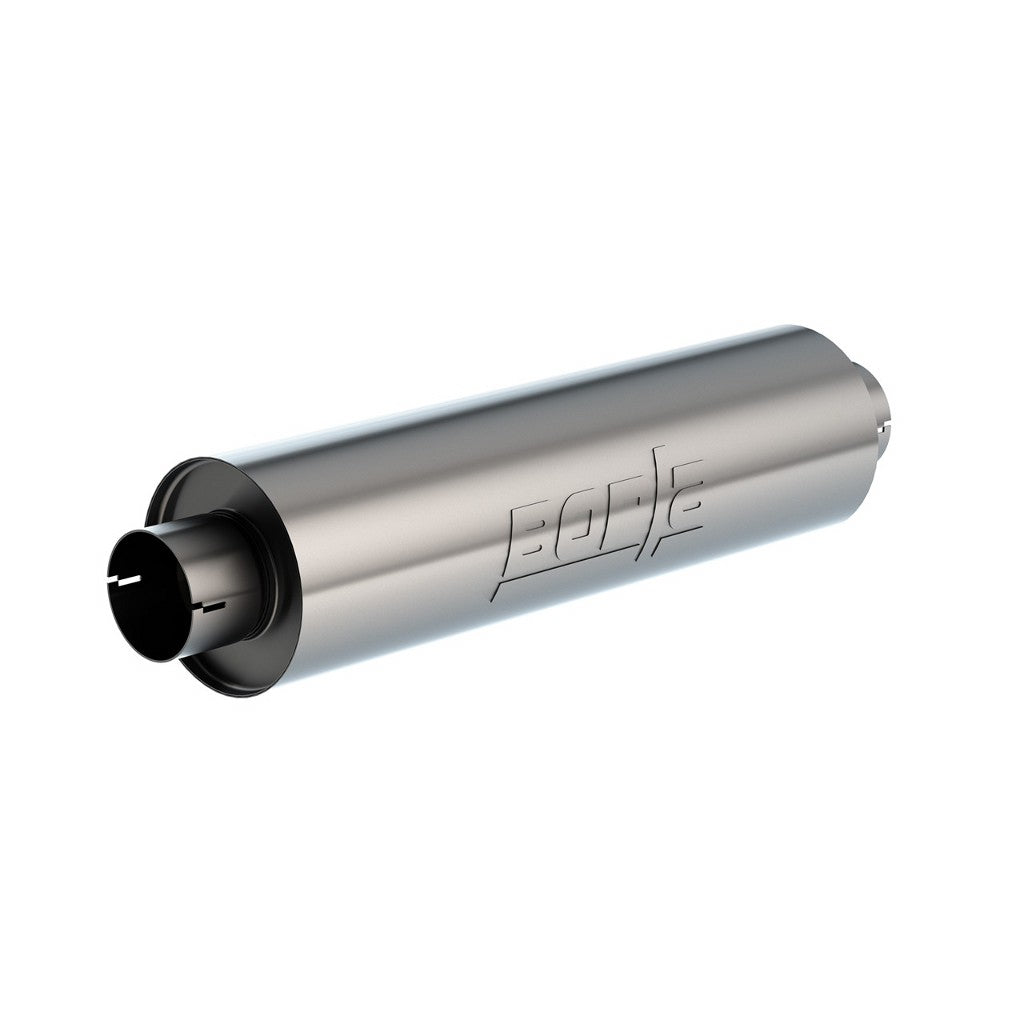
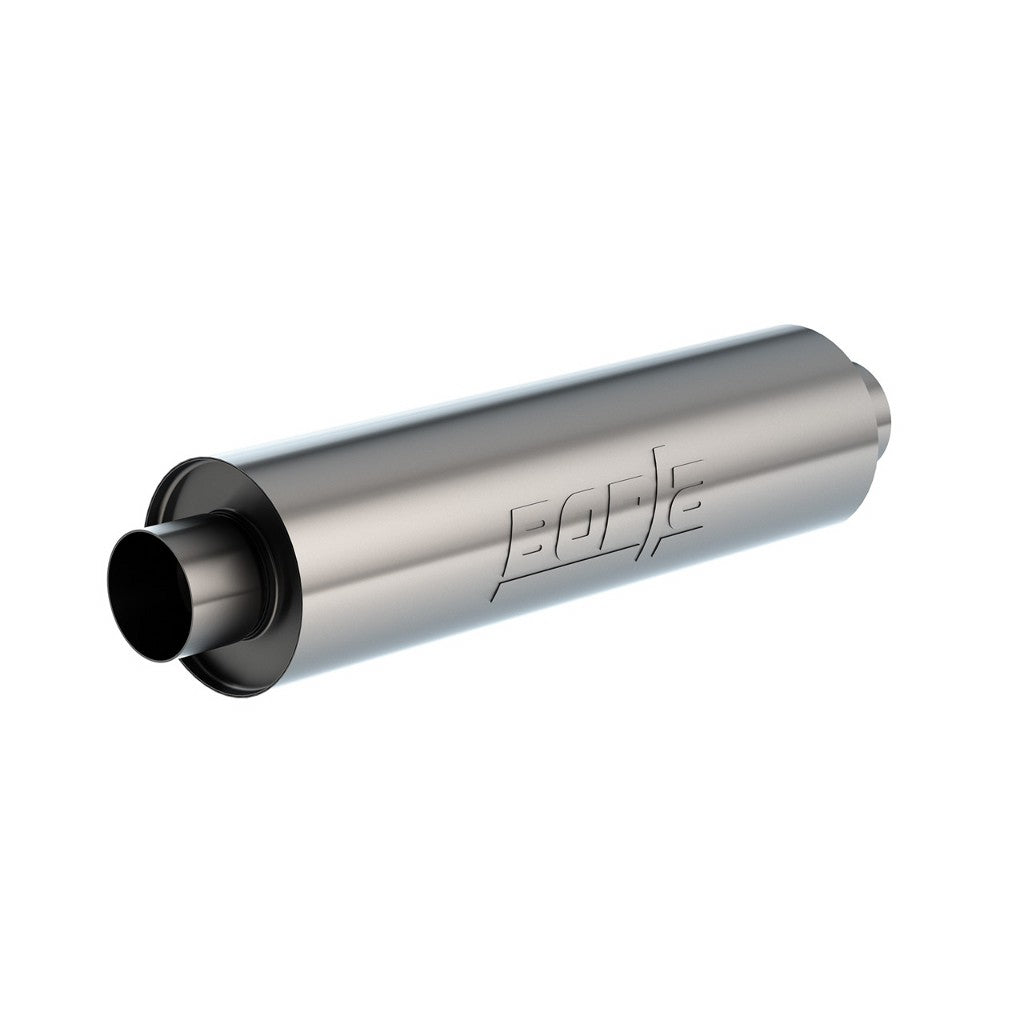
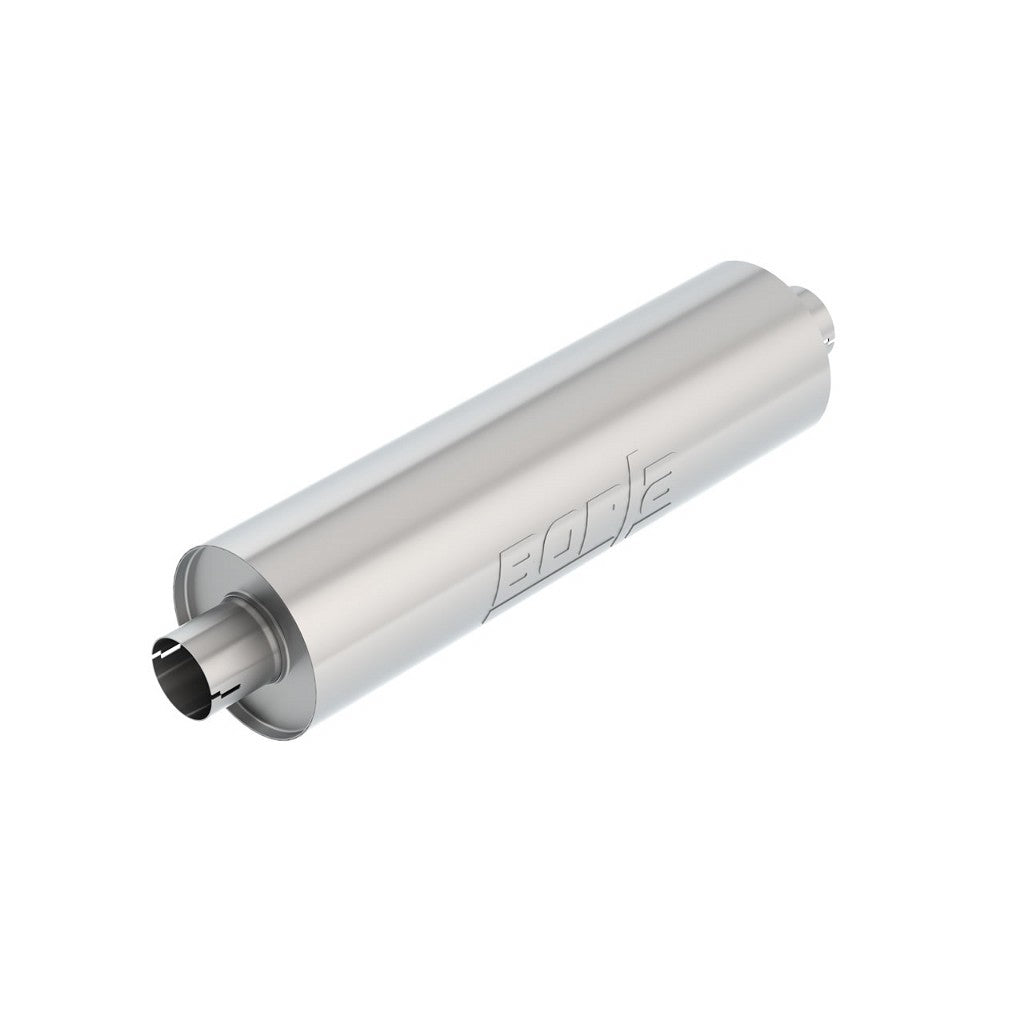
This category features mufflers from leading global manufacturers, including Borla, Milltek Sport, Kline Innovation, Eisenmann, and GReddy. Each brand applies its own patented engineering approaches — from classic straight-through designs to advanced valved flow-control systems.
Muffler Design and Sound Attenuation Mechanisms
Mufflers operate through a combination of complex physical processes: interference, absorption, and dispersion of sound waves. The main design types include:
- Chambered mufflers: Utilize a system of baffles and resonance chambers where sound waves reflect and cancel each other out. They provide excellent noise reduction but may increase backpressure.
- Straight-through mufflers: Feature a perforated core surrounded by heat-resistant sound-absorbing material (such as basalt fiber or stainless steel wool). They maintain linear flow velocity and are ideal for turbocharged engines.
- Valved systems (Valvetronic): Use vacuum or electronic actuators to alter the exhaust flow path, allowing the driver to switch between quiet comfort mode and aggressive track-oriented sound.
Gas Dynamics and Impact on Engine Thermodynamics
The muffler directly influences exhaust gas temperature (EGT) and cylinder scavenging efficiency. Reducing flow restriction allows exhaust gases to exit the combustion chamber more quickly, improving cylinder filling with fresh charge and significantly reducing thermal load on the cylinder head and turbocharger.
In solutions from Borla or Eisenmann, internal geometry is optimized to minimize turbulence at junctions and maintain laminar flow. This is especially critical for turbocharged engines, where any excess resistance in the exhaust system directly slows turbo spool and increases turbo lag.
The material of the muffler also plays a crucial role. Titanium mufflers from Kline Innovation significantly reduce weight over the rear axle and offer unique acoustic properties, producing a sharper, higher-frequency sound signature. High-quality T304 stainless steel ensures corrosion resistance and delivers a deep, classic exhaust tone.
Applications in Street and Motorsport Environments
For daily driving, a key factor is the absence of drone — low-frequency resonance that can cause driver fatigue. Systems from Milltek are engineered using frequency analysis tailored to specific vehicle platforms, ensuring acoustic comfort at cruising speeds.
In motorsport disciplines such as Time Attack and drifting, mufflers must withstand extreme vibrations and exhaust backfires (afterfire). Straight-through systems from GReddy are designed for high-stress conditions, while precision TIG welding ensures structural integrity even at exhaust temperatures exceeding 800°C.
Selection Criteria and Bolt-On Installation
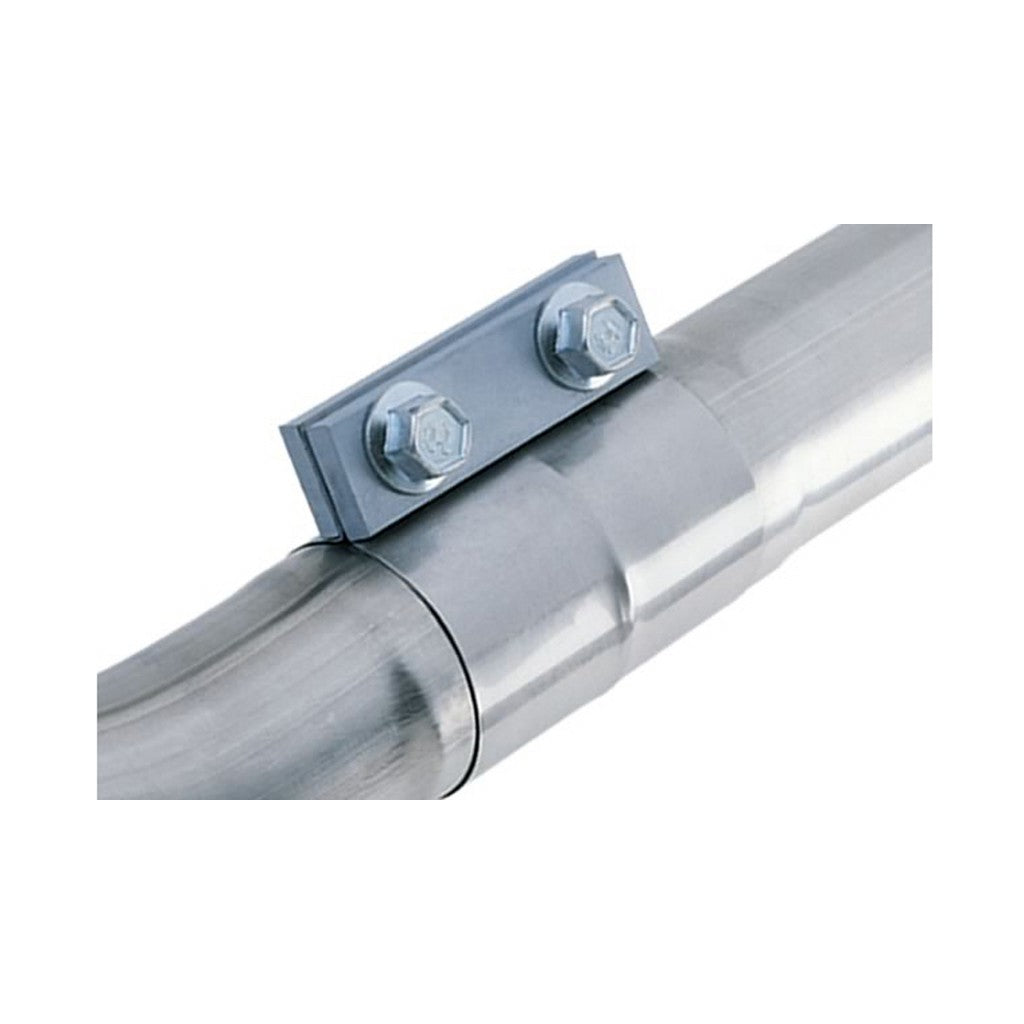
When selecting a muffler, it is important to consider inlet diameter, available underbody space, and mounting configuration. Most solutions at ATOMIC-SHOP are designed as bolt-on systems, allowing installation on factory mounts without welding.
Key selection criteria include:
- Flow capacity: Diameter should match the target power output (2.5", 3", 3.5").
- Acoustic profile: Deep, aggressive, or close to OEM sound.
- Exhaust tip design: Carbon fiber, polished stainless steel, or burnt titanium — the final visual accent of your vehicle.
Impact on Durability and System Longevity
Using a high-quality muffler from a reputable brand ensures that internal components will not burn out or begin to rattle after short-term use. Advanced sound-absorbing materials in straight-through systems are resistant to condensation and extreme temperatures, maintaining consistent acoustic performance over time.
At ATOMIC-SHOP, you are choosing more than just a component — you are selecting a professional engineering solution. Our specialists will help you find the ideal muffler that delivers the perfect balance between engine performance and refined exhaust sound.