





















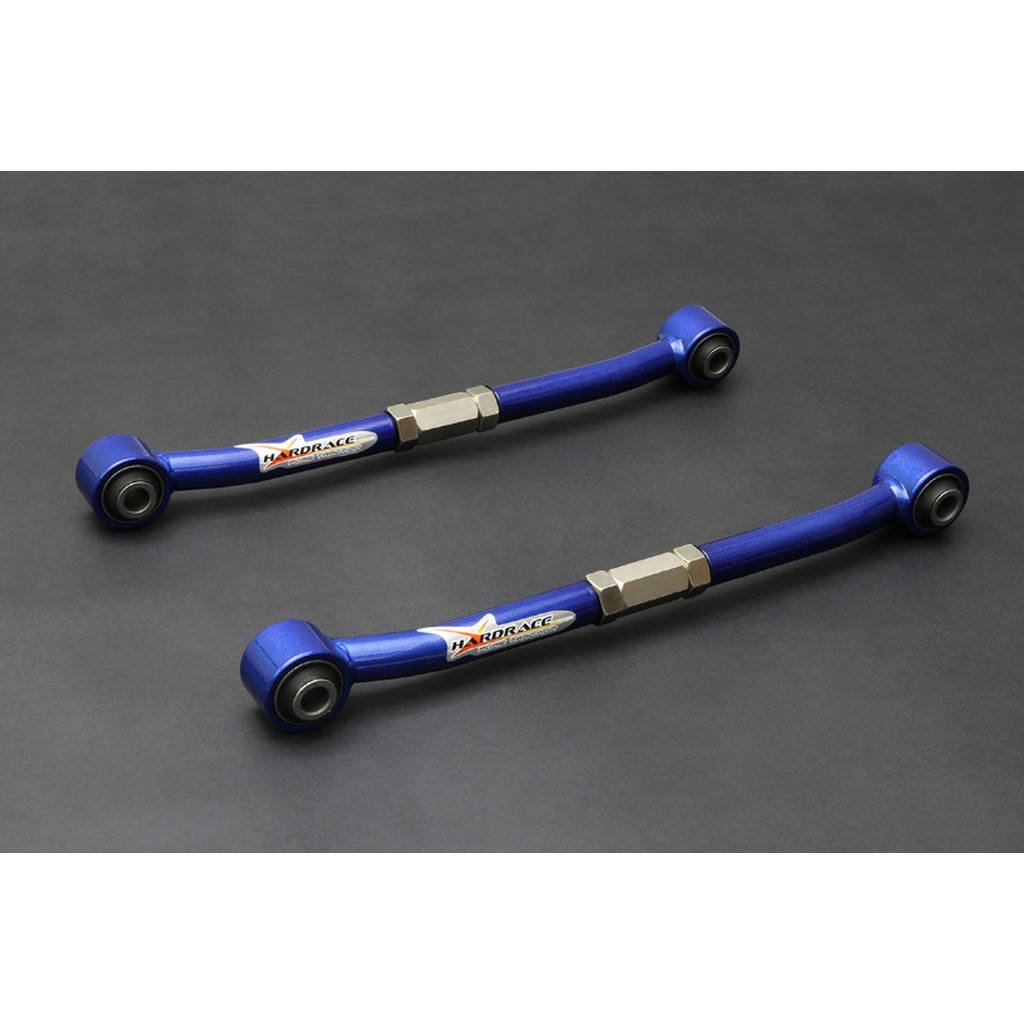



Suspension Control Arms in Vehicle Geometry and Handling
Suspension control arms are a fundamental structural element of the vehicle chassis, defining wheel position relative to the body and controlling its motion throughout suspension travel. In any modern suspension design — whether MacPherson strut, multi-link, or double wishbone — control arms establish the kinematic geometry of wheel movement.
During vehicle operation, wheels constantly move relative to the chassis, responding to road irregularities, acceleration loads, and directional changes. Control arms determine how this motion occurs — how wheel angle changes, how camber evolves under load, and how forces are distributed across suspension components. Their design directly affects stability, steering precision, and chassis behavior in cornering.
In modern vehicles, control arms operate alongside dampers, springs, anti-roll bars, and joint assemblies. Together, these components form a system that governs wheel movement in both vertical and lateral planes. Any change in control arm geometry or stiffness can influence vehicle handling, which is why their design is carefully engineered.
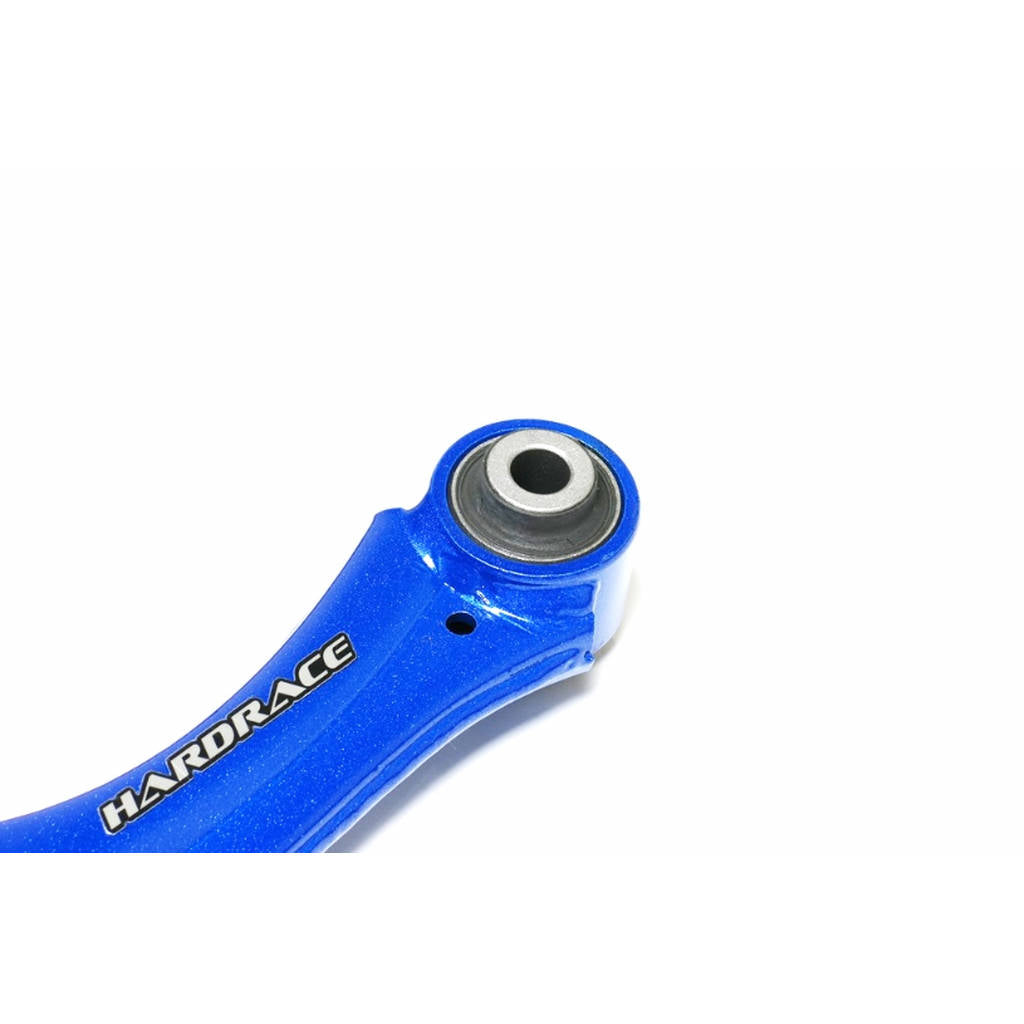
ATOMIC-SHOP offers components for suspension upgrades and geometry correction after intensive use. Manufacturers such as Hardrace, Cusco, and Verus Engineering develop solutions that increase chassis rigidity, improve steering precision, and maintain consistent suspension performance in performance builds and track-oriented setups.
Construction and Role of Control Arms in Suspension Systems
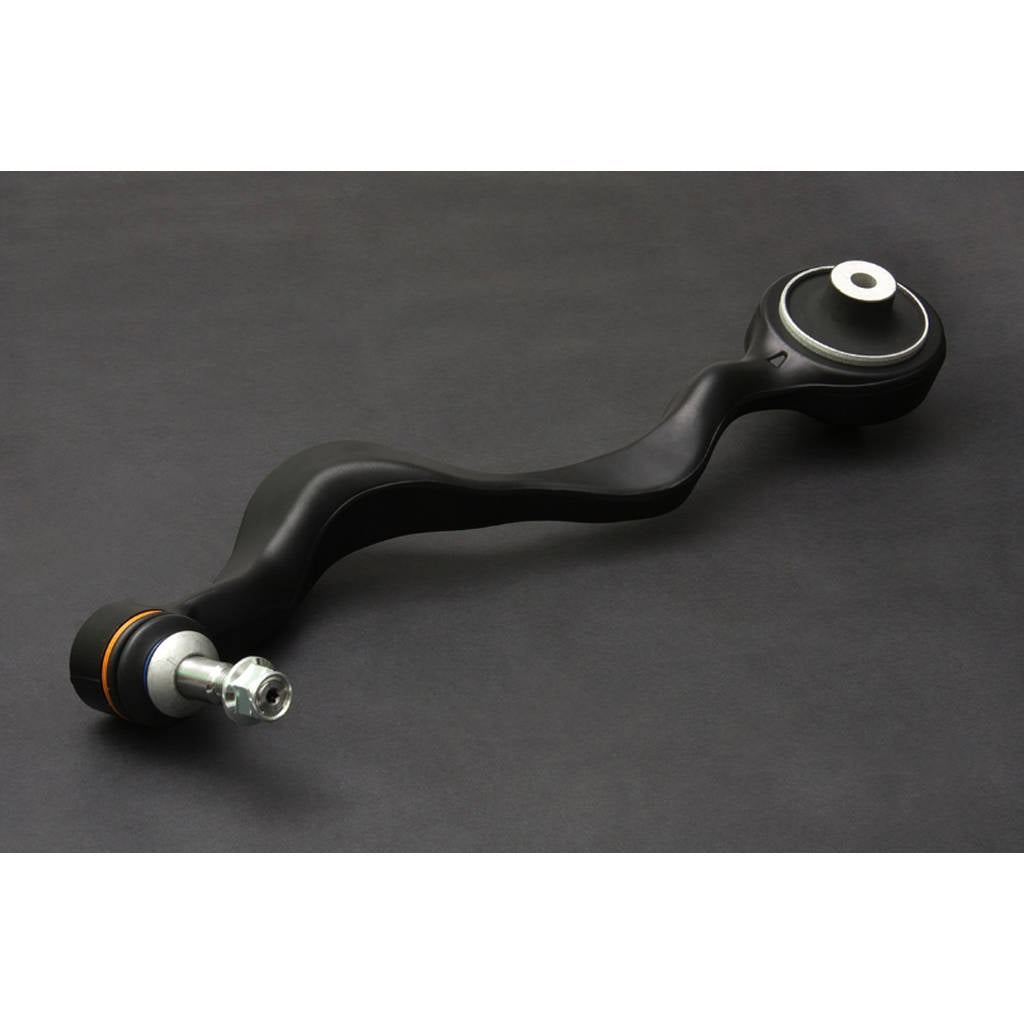
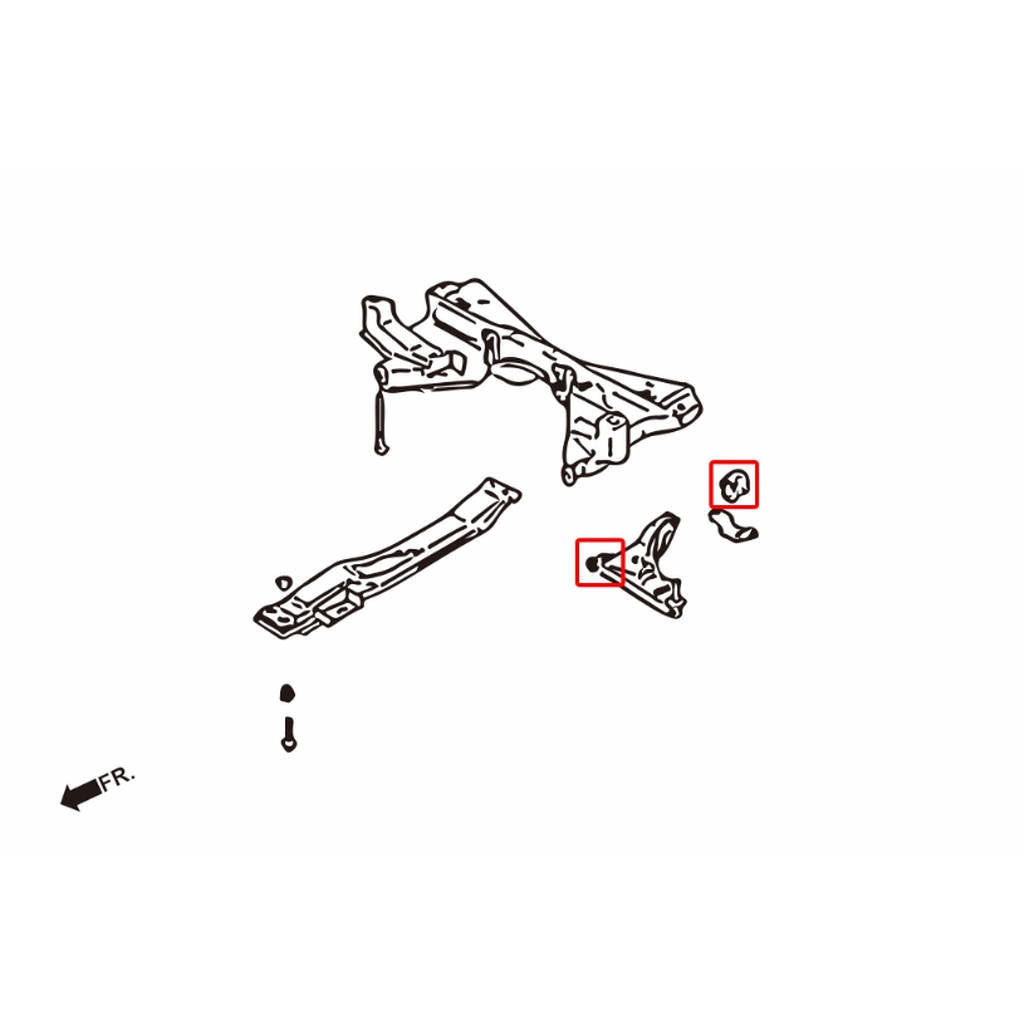
A control arm is a rigid mechanical link that connects the wheel assembly to the chassis or subframe. It transmits forces generated during driving, including vertical loads from the road surface, lateral forces during cornering, and longitudinal forces under acceleration and braking.
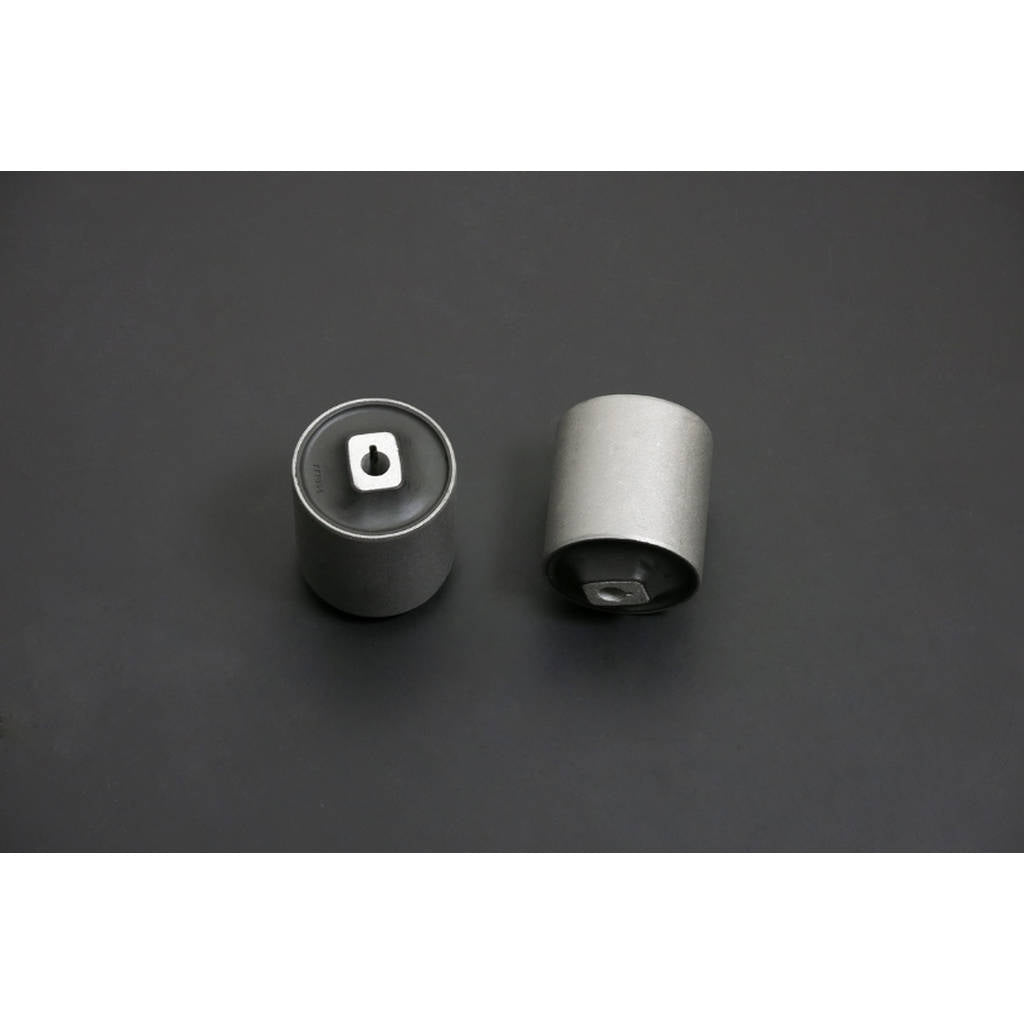
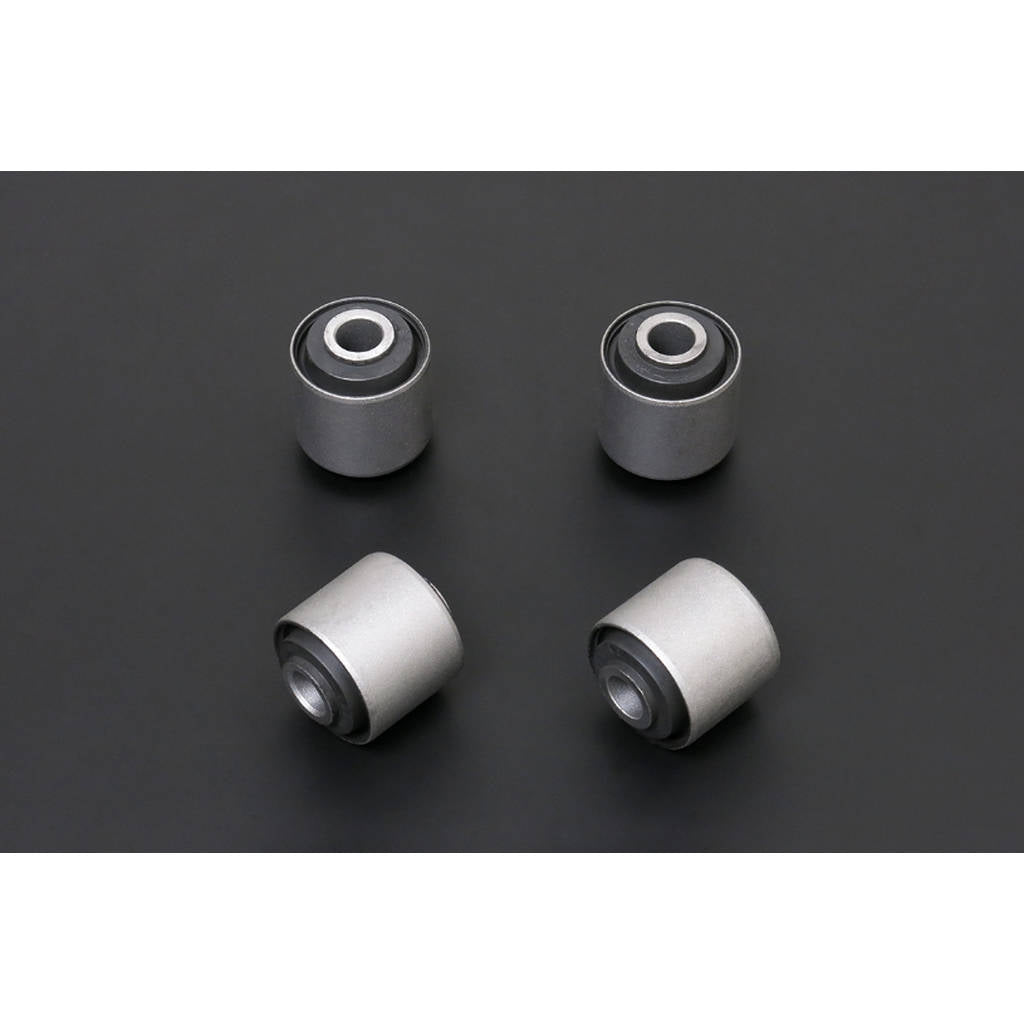
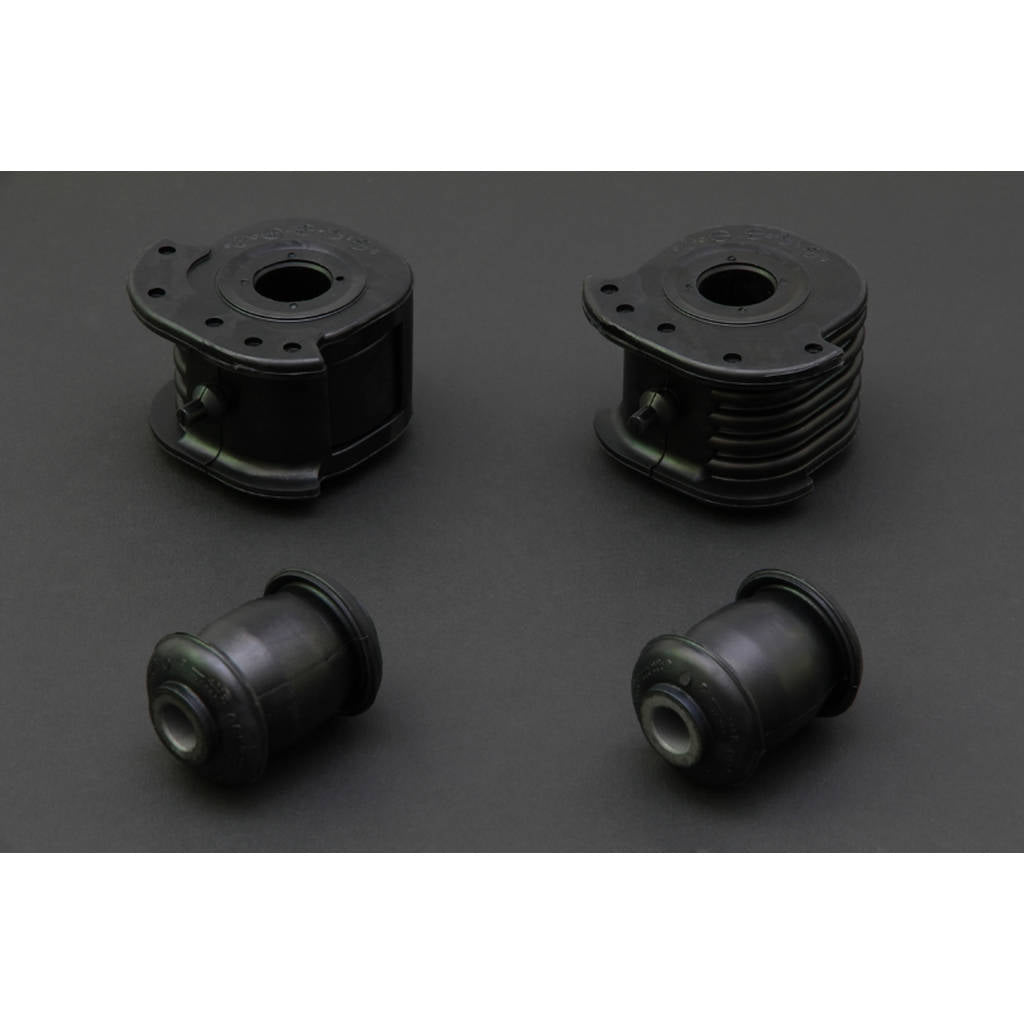
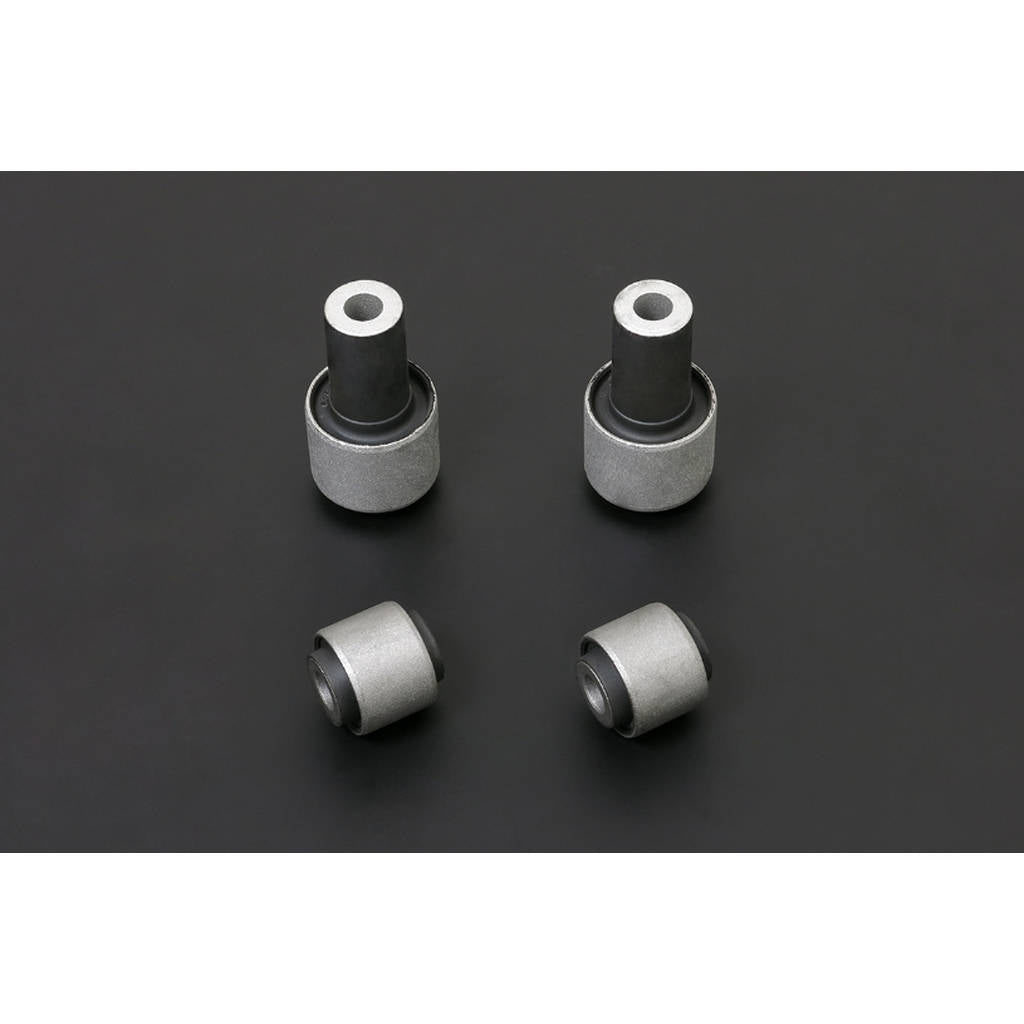
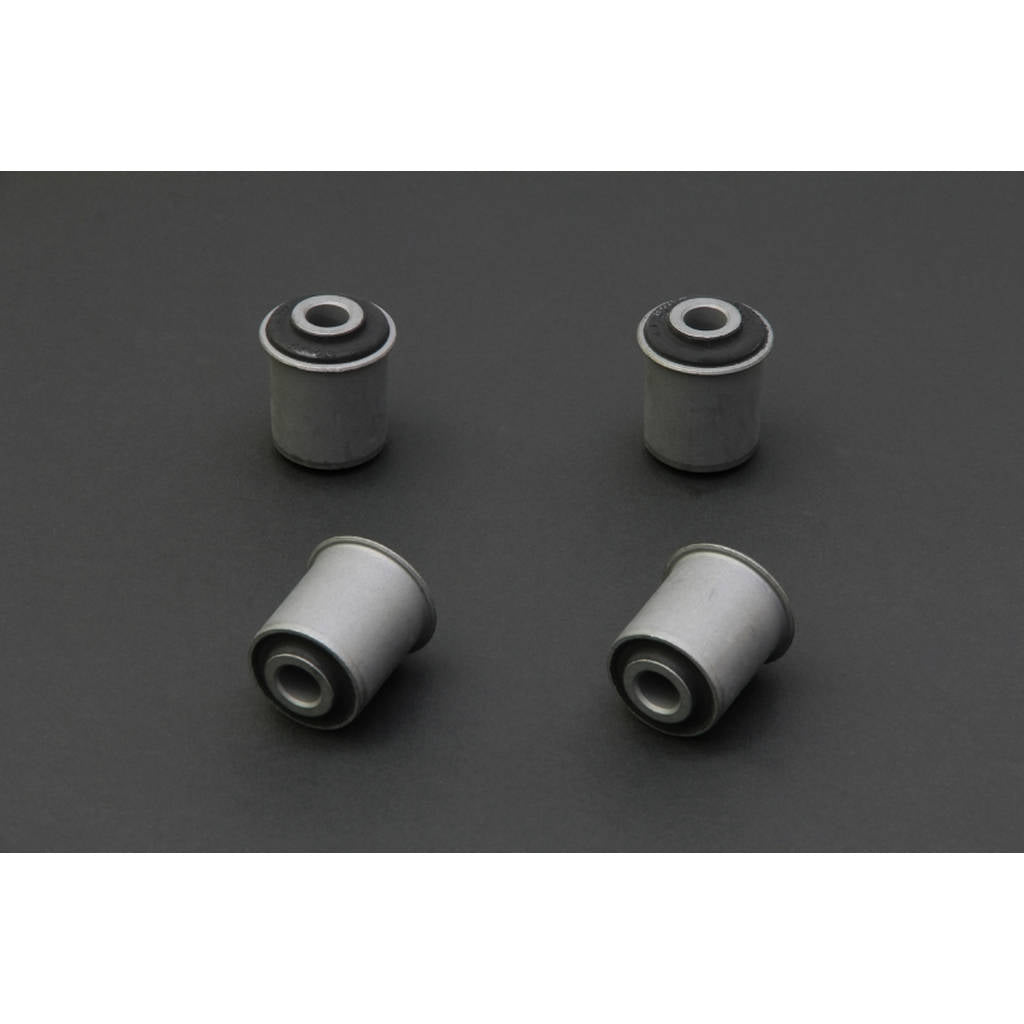
Most control arms are designed with two or three mounting points. One end connects to the chassis through a bushing or joint, while the other connects to the steering knuckle. This configuration allows controlled wheel movement along a defined path.
In more complex designs, such as multi-link suspension systems, multiple control arms are used per wheel. This allows precise control over wheel alignment changes during suspension travel, improving handling and cornering stability.
Some configurations include both upper and lower control arms working together to define suspension geometry. This setup allows engineers to control camber changes dynamically and maintain consistent tire contact with the road surface.
Engineering Parameters and Materials
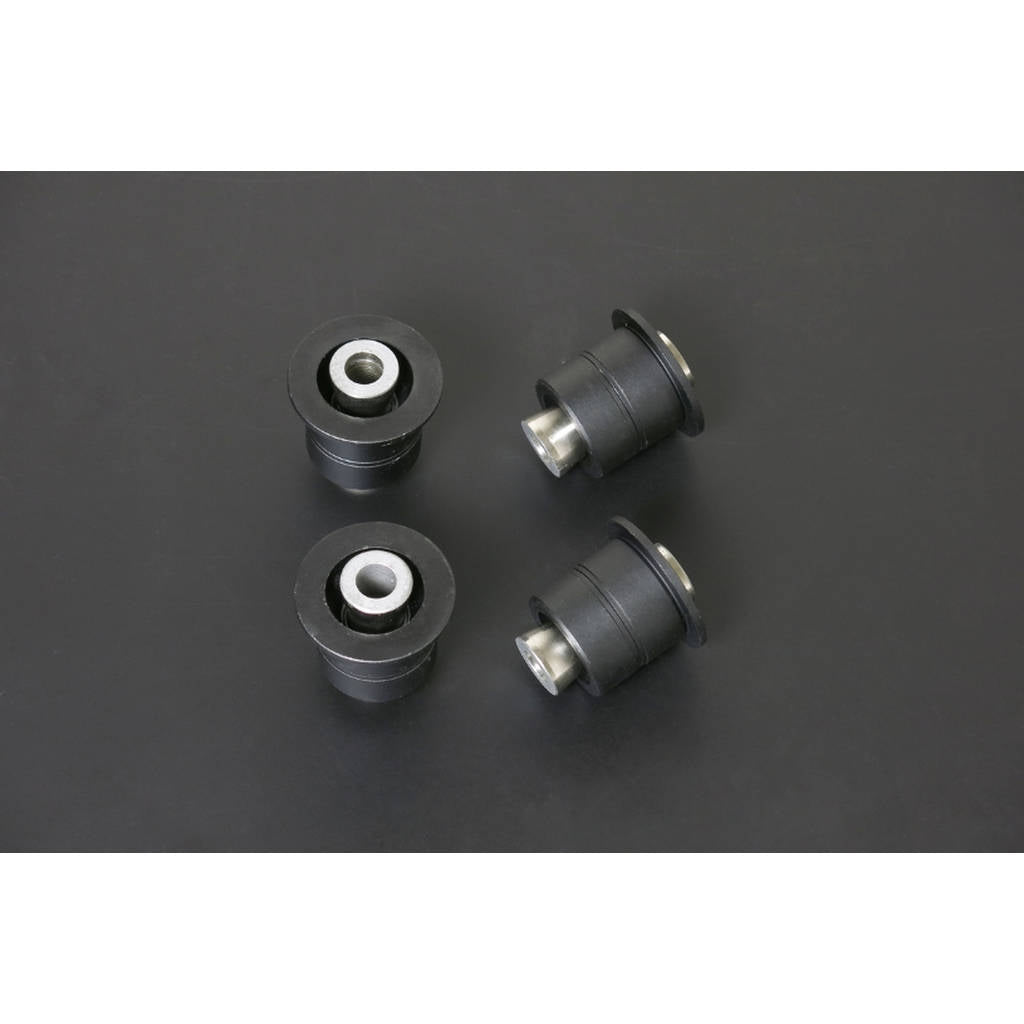
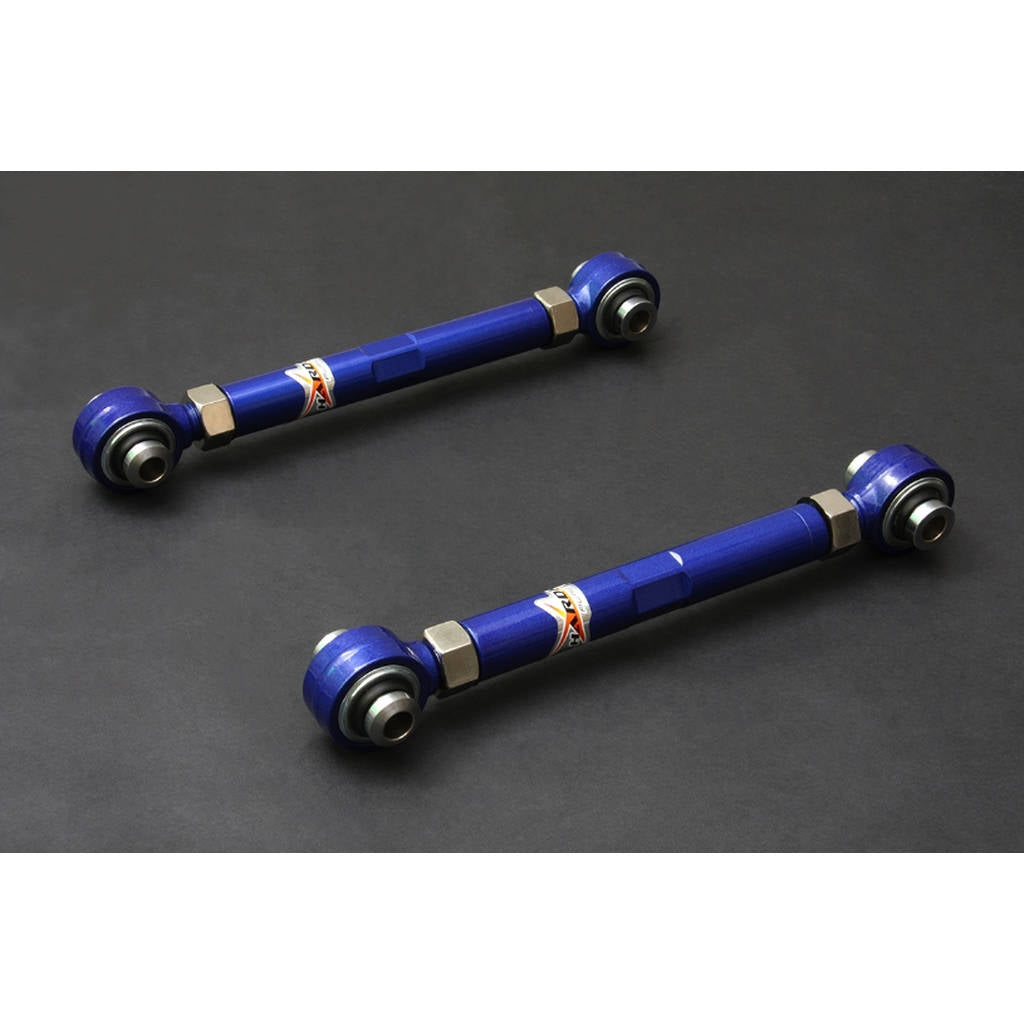
Control arms are subjected to high mechanical loads, which is why they are typically manufactured from high-strength steel or aluminum alloys. In performance applications, forged or CNC-machined aluminum arms are commonly used to achieve high rigidity with reduced weight.
Structural stiffness is a critical factor, as any deformation can alter suspension geometry. Production vehicles may allow a certain level of compliance for comfort, while performance setups prioritize rigidity to maintain precise alignment under load.
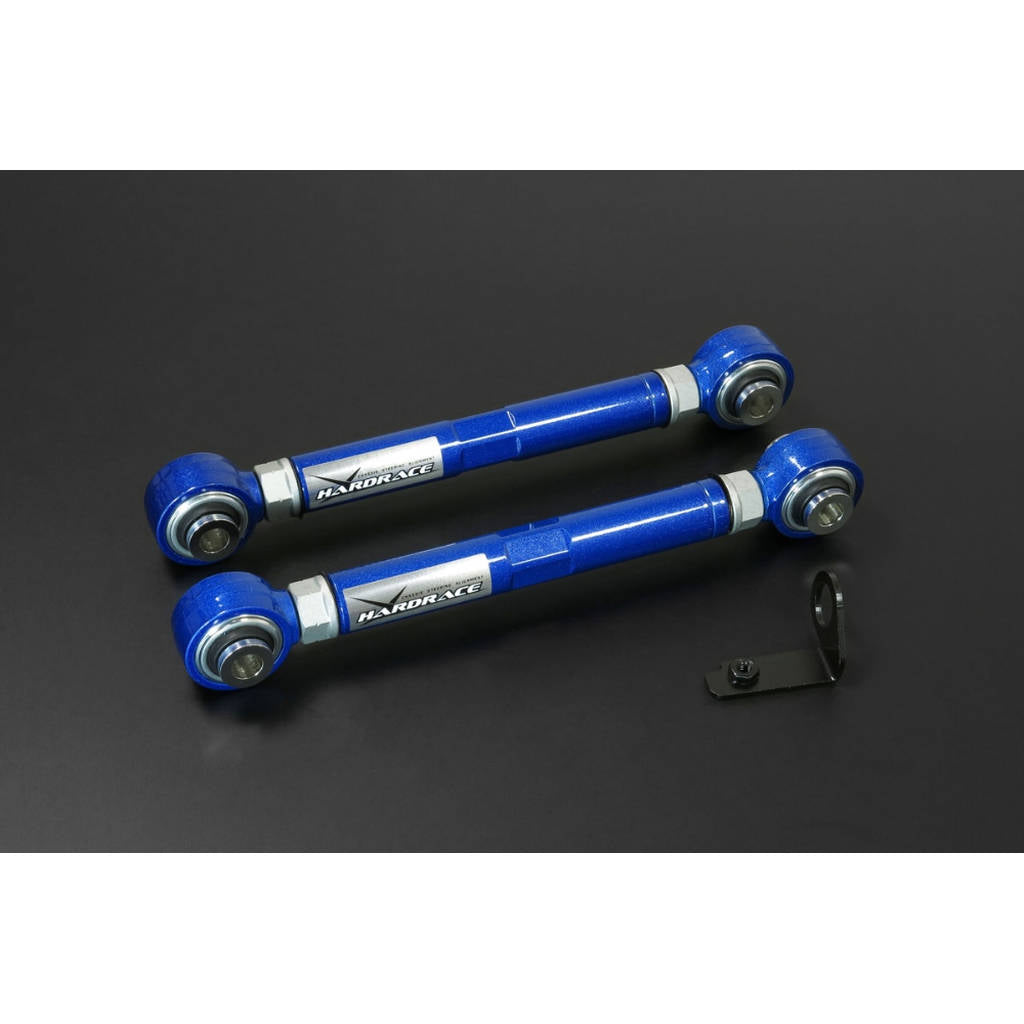
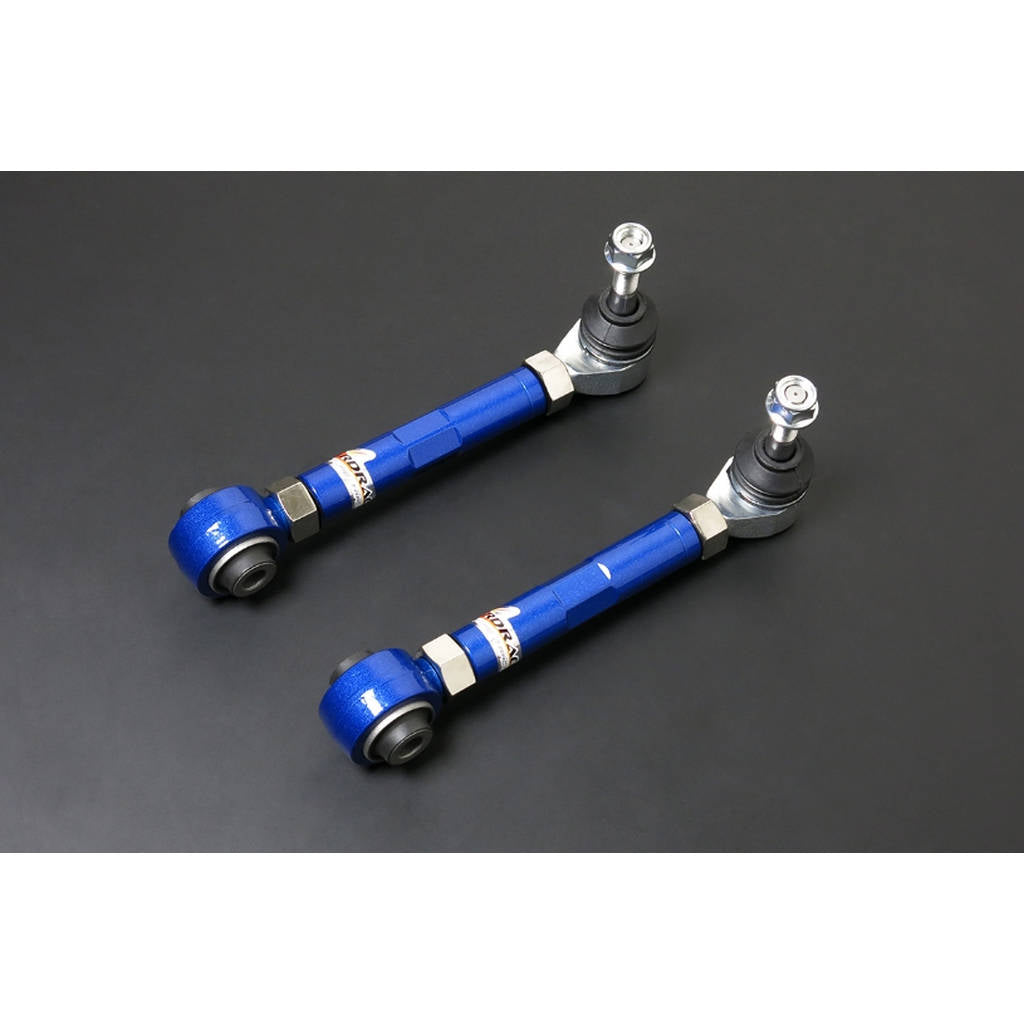
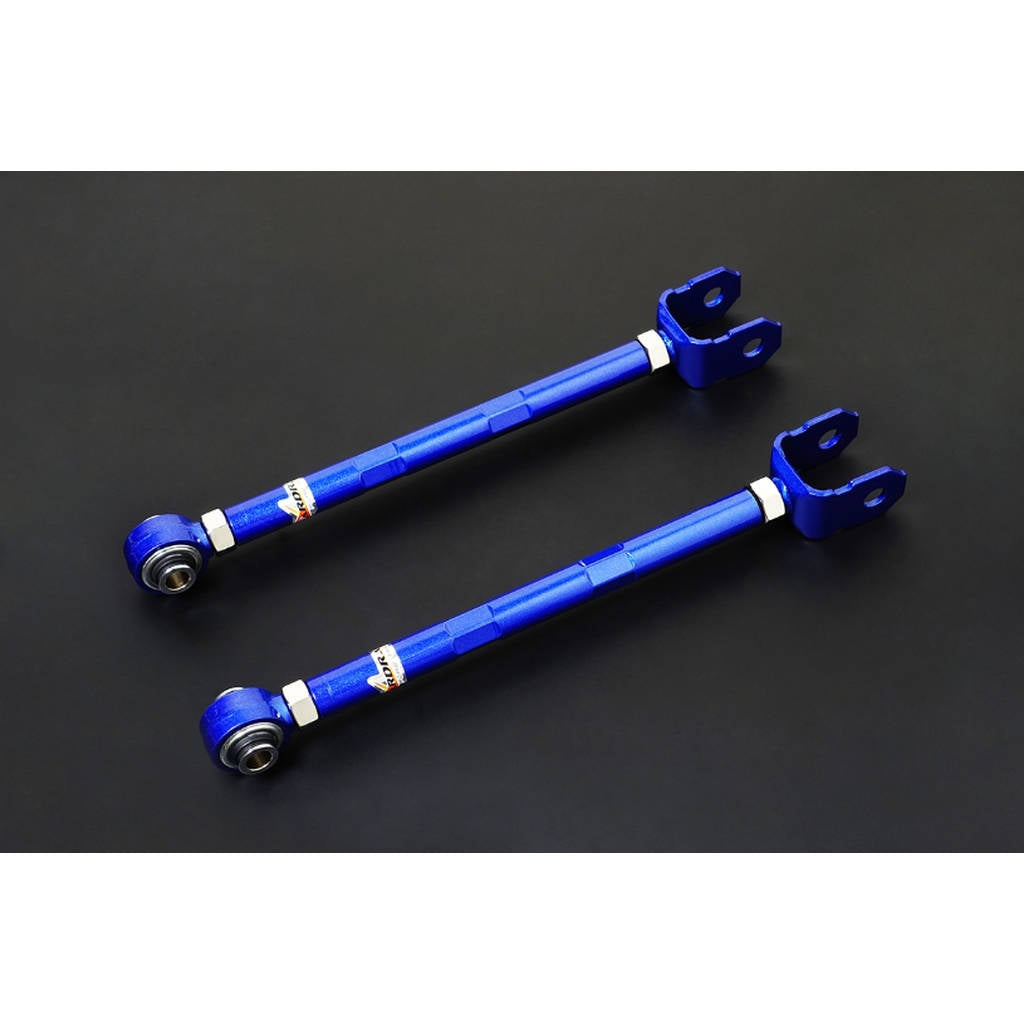
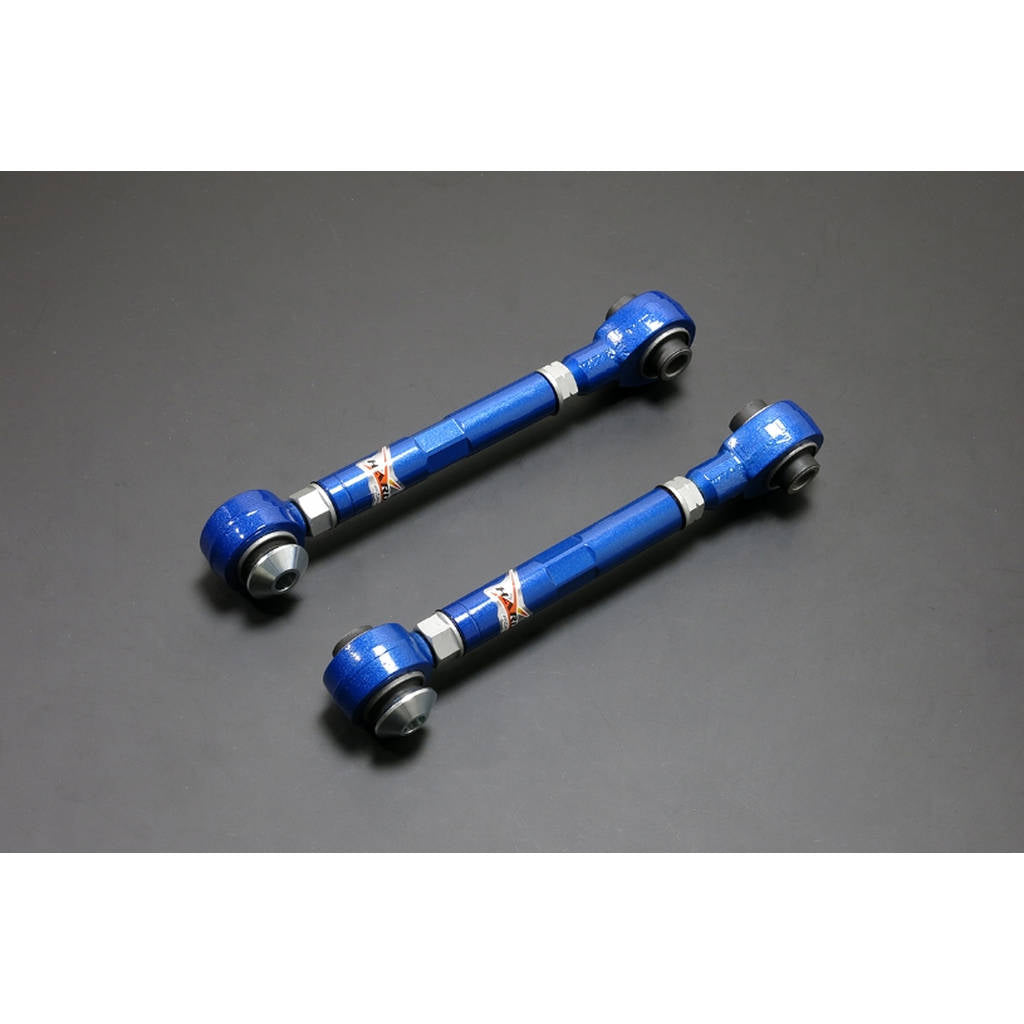
Many upgraded control arms incorporate adjustable joints or threaded sections, allowing changes in arm length. This enables precise adjustment of camber and toe, which is essential in performance tuning and track preparation.
To improve durability, control arms often feature protective coatings or anodized finishes. These treatments help maintain structural integrity under harsh operating conditions, including exposure to moisture, road debris, and high stress cycles.
Application in Road and Performance Vehicles
In standard vehicles, control arms are designed to provide a balance between comfort and stability. However, when vehicle performance is increased or suspension is upgraded, the limitations of factory components can become evident.
In tuning applications, reinforced or adjustable control arms allow modification of suspension geometry, improving control over wheel positioning. Even small changes in camber can significantly affect tire grip during dynamic driving.
In motorsport, control arms play a critical role in maintaining stability under high loads. Stiffer конструкции reduce unwanted geometry changes and provide more predictable behavior during cornering.
Key Factors in Selecting Control Arms
Selecting control arms requires compatibility with the vehicle’s suspension design. Geometry must match OEM specifications or integrate correctly with upgraded suspension components.
Vehicle usage is another important factor. For daily driving, components that maintain a balance between comfort and rigidity are typically preferred. For performance and track applications, stiffer arms with adjustable joints provide greater precision.
Manufacturers such as Hardrace, Cusco, and Verus Engineering offer solutions tailored to different driving scenarios. Their designs focus on maintaining suspension geometry accuracy and long-term durability under high loads.
Impact on Suspension Geometry and Vehicle Stability
Control arms define the path of wheel movement, making them a key factor in overall vehicle behavior. Any deformation or wear can disrupt load distribution and reduce handling precision.
Properly designed and installed control arms help maintain consistent suspension geometry even under aggressive driving conditions. This ensures improved tire contact and more predictable handling characteristics.
In performance builds, upgrading control arms allows for better chassis balance, improved steering response, and greater stability during dynamic driving.