
Connecting Rods as a Strength-Critical Element of the Engine Crank and Rod Assembly
Connecting rods are among the key components of the engine’s bottom end, connecting the pistons to the crankshaft and transferring the force generated by gas pressure in the cylinder into the rotational movement of the crankshaft. During every working cycle, the connecting rod operates under tensile, compressive, bending, and inertial loads. In a stock engine, these loads are already significant, but in modified engines, motorsport vehicles, and builds with increased boost pressure, they rise to the point where factory components can quickly become the weak link in the entire structure.
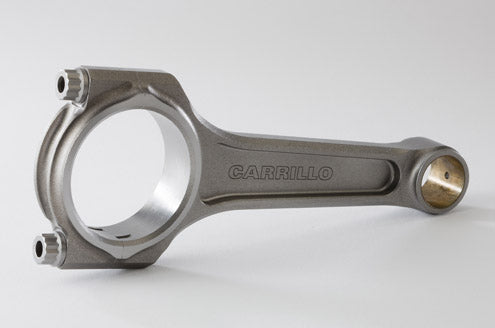
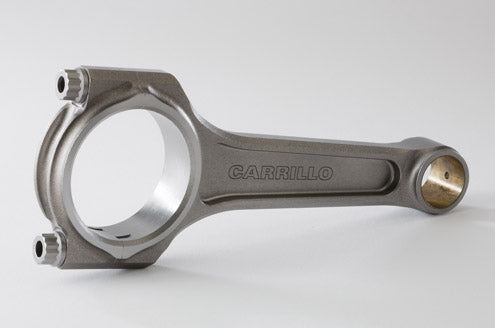
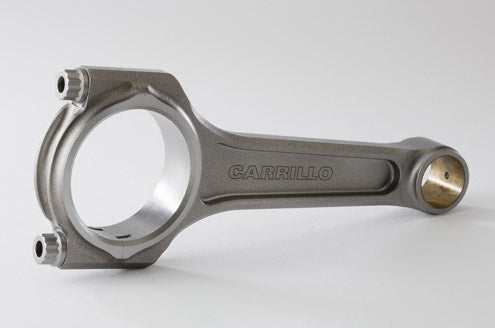
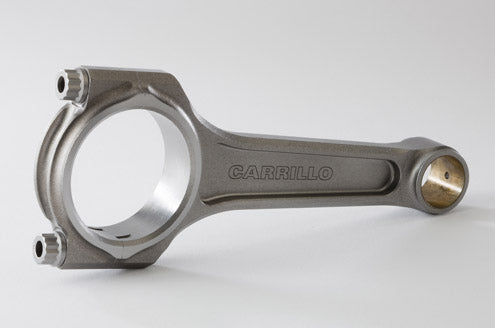
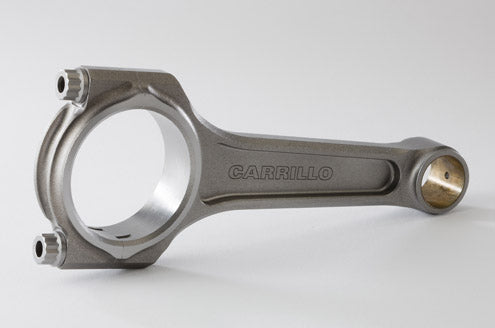
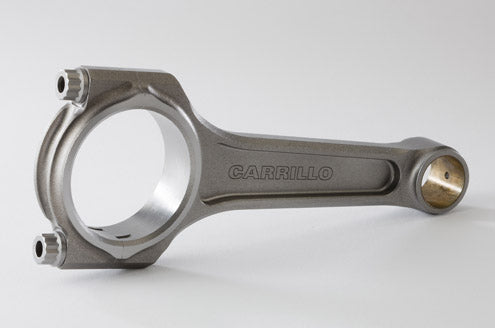
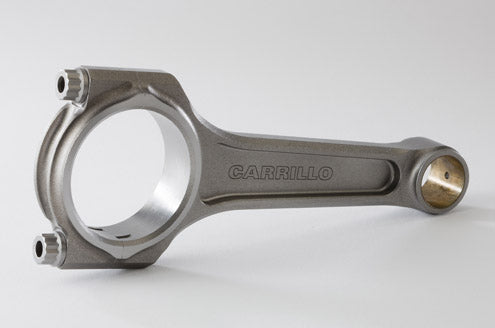
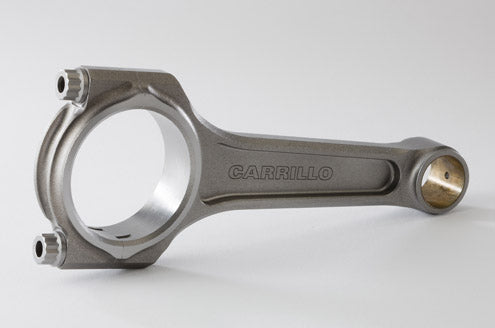
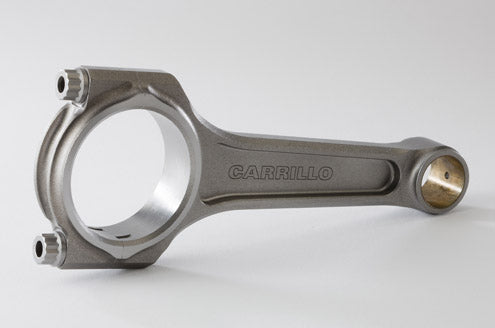
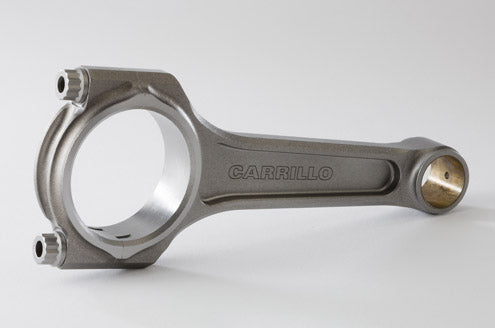
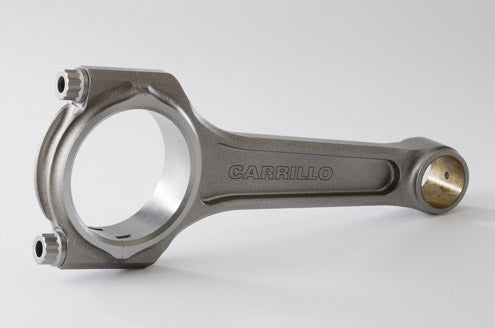
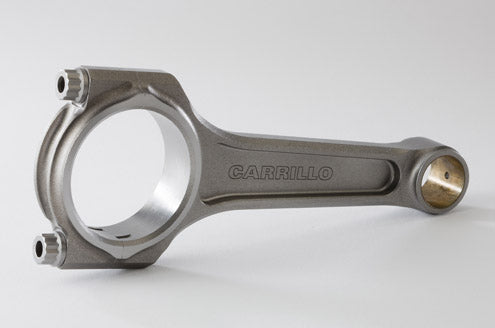
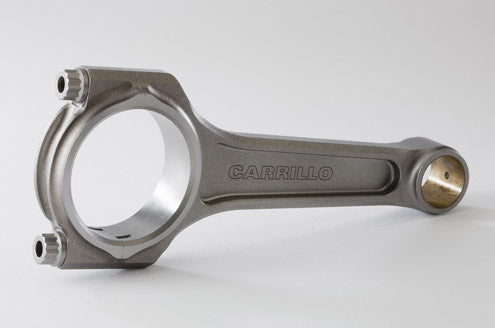
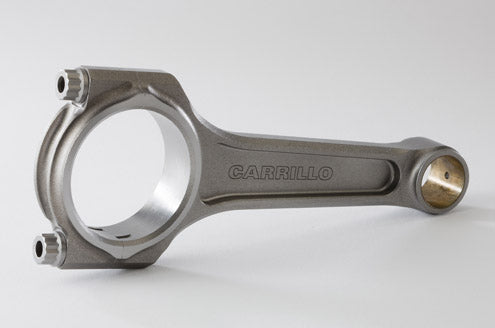
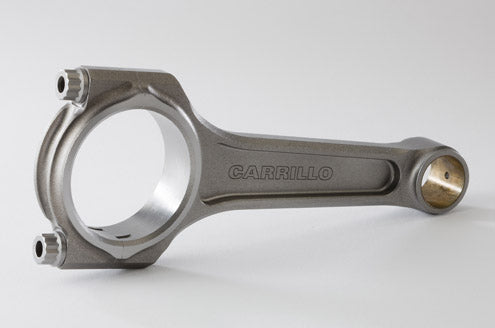
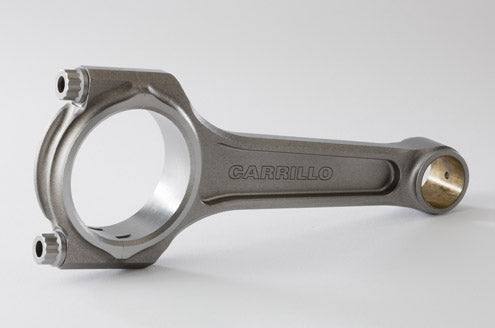
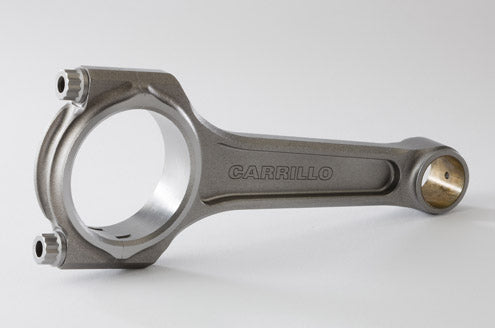
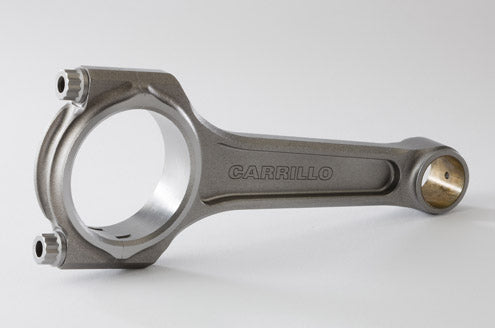
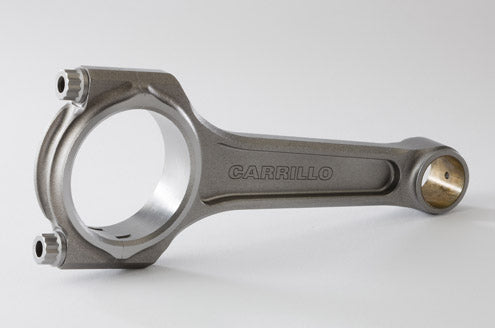
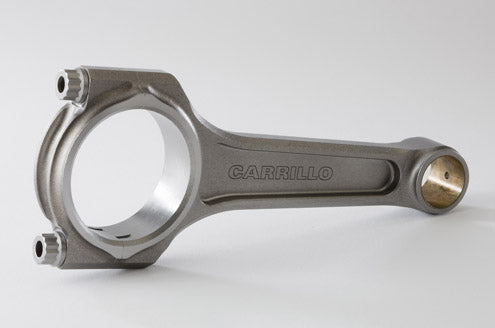
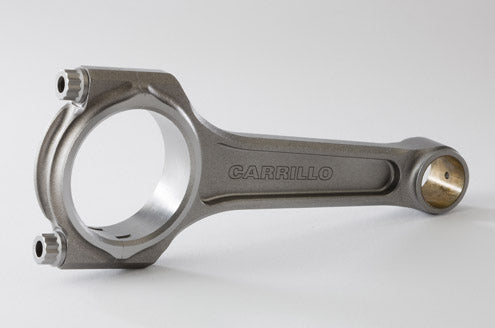
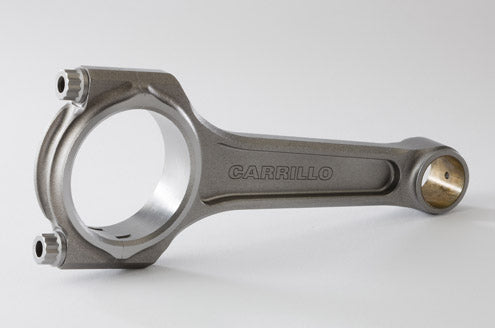
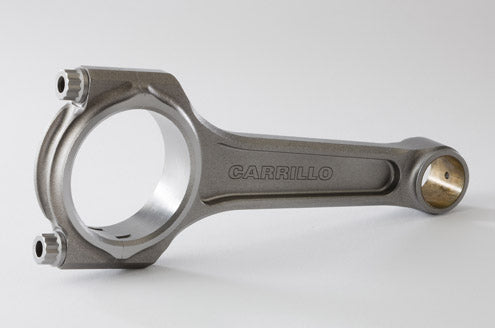
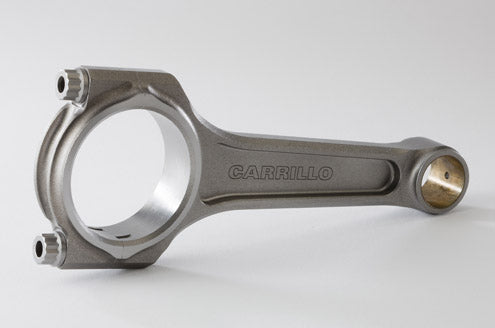
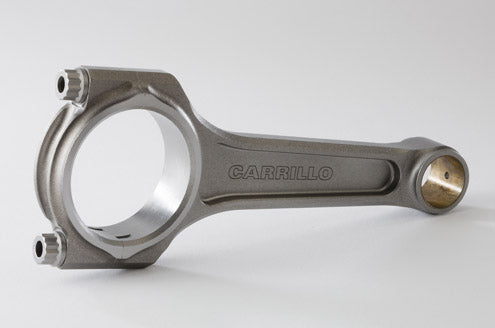
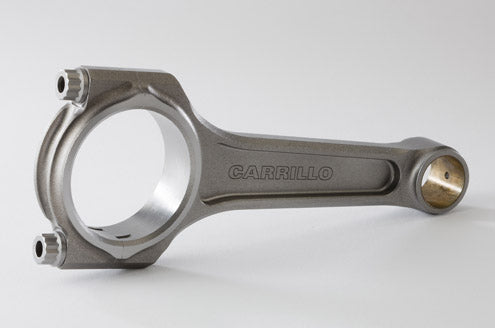
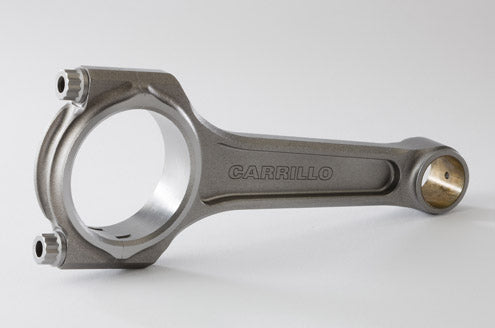
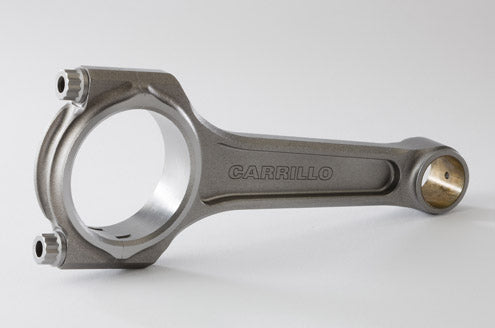
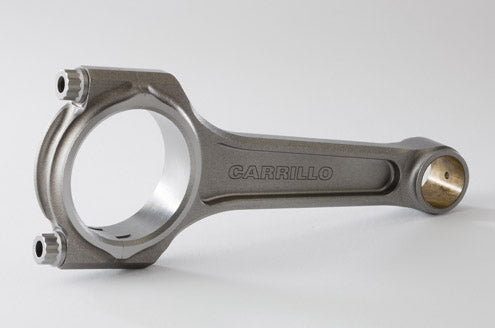
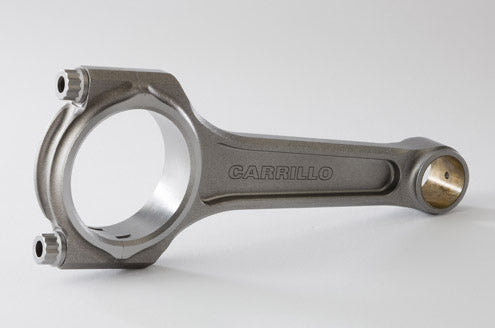
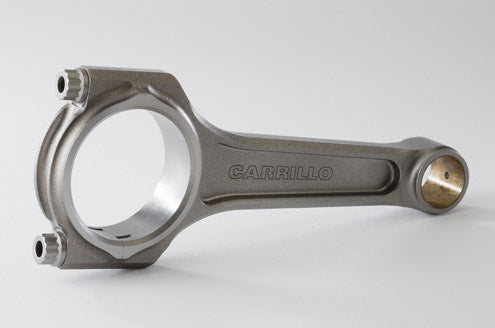
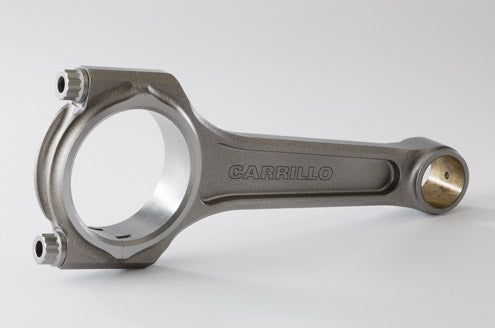
This category includes connecting rods for a wide range of engines and platforms, including reinforced sets for building high-performance gasoline and diesel engines. The main product type in this category is connecting rods themselves, used during engine overhauls, bottom-end reinforcement, preparation for track use, drag racing, or intensive fast road driving. Brands represented in the category include ARP, CP-Carrillo, Manley Performance, and Tomei, which are well known in the field of building strong crank and rod assemblies for high-load applications.
For engine tuning, connecting rods are fundamentally important because they absorb sudden load changes between the piston and the crankshaft. If the piston receives combustion pressure, the connecting rod converts that force into mechanical work while also withstanding piston inertia at high rpm. As engine power, boost pressure, compression ratio, or maximum engine speed increases, the load on the connecting rod does not rise linearly — it rises very quickly. This is why, in serious performance and high-output configurations, reinforced connecting rods are treated not as a secondary part, but as the foundation of the entire engine’s reliability.
Connecting Rod Design and Its Operation in the Crank and Rod Assembly
A connecting rod appears relatively simple at first glance, but from an engineering standpoint it is a highly complex component. Its small end connects to the piston through the wrist pin, the big end surrounds the crankshaft rod journal, and the beam between them carries the main load. During engine operation, the connecting rod constantly changes its angle relative to the cylinder axis, so it is exposed not only to compression and tension forces, but also to side loads associated with piston movement inside the cylinder.
The big end of the connecting rod works together with the bearings, rod bolts, and crankshaft journal. This is where precise geometry, shape stability under load, and correct fastener tightening torque are critically important. If the big end deforms, the oil clearance changes, oil film formation deteriorates, and the risk of bearing rotation increases. In engines with high torque or frequent operation near the rpm limit, this can happen very quickly, especially if the rods, bolts, or lubrication system do not match the load level.
The small end of the connecting rod operates around the wrist pin and receives inertial forces from piston movement. At high rpm, tensile load in the upper part of the cycle becomes one of the most dangerous forces for the connecting rod. When the piston reaches top dead center and changes direction, the rod must control the mass of the piston, wrist pin, and rings without allowing stretching, microcracking, or loss of geometry. For engines operating at elevated rpm, not only material strength matters, but also connecting rod weight, machining quality, and set balancing.
The connecting rod beam can have different profiles, including an I-beam shape, a profile with wider reinforced shoulders, or other strengthened configurations that combine stiffness, strength, and weight control. The engineer’s task is to provide resistance to bending and tension without unnecessary weight increase. An overly heavy connecting rod raises inertial load on the crankshaft, bearings, and wrist pin, while a rod that is too light but insufficiently strong may fail under cylinder pressure or high rpm. In high-quality connecting rods, this balance is the result of precise calculation, materials engineering, and mechanical machining.
Materials, Forging, and the Role of Rod Bolts in Assembly Strength
For high-load engines, forged connecting rods made from steel alloys are most commonly used, including 4340 chromoly steel, which withstands alternating loads better than most factory cast or powdered-metal components. Forging creates a denser metal structure and directional material grain, increasing resistance to tensile forces, fatigue cracks, and localized overloads. Fatigue strength is especially important because a connecting rod does not simply experience one high-load event — it goes through millions of load cycles during engine operation.
In performance and tuning configurations, the choice of connecting rod material depends on target power, rpm, piston group weight, and how the vehicle will be used. For a powerful turbocharged build, the rod must withstand high cylinder pressure and a sharp rise in torque. For a naturally aspirated engine operating at very high rpm, low weight, geometric stability, and the ability to withstand inertial tensile loads become just as important. In competition vehicles where the engine often works close to its limit, connecting rod strength margin directly affects the durability of the entire bottom end.
Rod bolts deserve separate attention. They hold the cap of the big end in place and operate under very high alternating loads. If the bolts stretch beyond the allowable limit or lose clamping force, the big end can deform and the bearing may lose its stable position. The category includes ARP, a brand specializing specifically in high-quality engine fasteners. In the context of connecting rods, this is important because even a strong rod beam will not provide reliability if the big-end fasteners cannot operate consistently at high rpm and high cylinder pressure.
Machining quality also determines connecting rod durability. Bearing seats must have precise roundness, correct sizing, and stable geometry after bolt tightening. The wrist pin bore must match the bushing type or small-end design, and the weight of each connecting rod in the set must be as close as possible for proper engine balancing. Products from CP-Carrillo, Manley Performance, and Tomei use solutions focused specifically on geometric stability, weight control, and operation under high mechanical loads.
Application of Connecting Rods in Road, Racing, and Turbocharged Engines
In road tuning, connecting rods are most often replaced when the engine is planned to operate above the factory strength margin. This may involve switching to higher boost pressure, installing a more efficient turbocharger, upgrading the fuel system, increasing torque, or building a complete high-performance engine. For a car used every day, reinforced connecting rods must not only withstand load, but also operate without unnecessary vibration, balance issues, or accelerated bearing wear.
On the race track, connecting rod operating conditions differ from short acceleration runs. The engine spends long periods in the high-rpm range, repeatedly going through sudden load changes, engine braking, and renewed acceleration after corners. In these modes, connecting rods must remain stable not only under peak load, but throughout long thermal and mechanical cycles. Oil quality, stable oil pressure, correct bearing clearance, and the ability of the big end to maintain shape under load become especially important.
In drag racing, connecting rods experience short but extremely intense loads. Powerful turbocharged or supercharged engines create very high cylinder pressure, while torque delivery happens abruptly with minimal time for temperature stabilization. In such configurations, the connecting rod must have a substantial strength margin for both compression and tension, along with high-quality big-end fastening. Any weakness in this assembly can lead not merely to power loss, but to complete engine failure.
Connecting rods are also important for diesel engines, especially when torque is increased. Diesel engines operate with high cylinder pressure even in stock configuration, and after fuel system upgrades, higher boost levels, or software calibration, the load on the bottom end increases even further. For such builds, connecting rods must withstand not only peak power, but also prolonged operation under heavy pulling load. This is relevant for pickups, performance diesel projects, fast road vehicles, and machines operating in severe conditions.
How to Choose Connecting Rods for a Specific Engine Configuration
Choosing connecting rods begins with the exact engine parameters. It is necessary to know the engine code, connecting rod length, big-end diameter, wrist pin diameter, big-end and small-end width, crankshaft type, piston design, and the planned configuration of the crank and rod assembly. Even if connecting rods look visually similar, a difference of a few millimeters or a different fastening type can make them incompatible with a specific engine.
The second important criterion is the level of power and torque. For moderate street tuning, reinforced connecting rods with a margin for future power increases may be enough. For an engine regularly used on track, it is important to consider not only maximum load, but also the duration of high-rpm operation. For drag racing, the key factor is the ability to withstand sudden load from high cylinder pressure. Therefore, the same connecting rod set can be a logical choice for one build and either excessive or insufficient for another.
Piston group weight is also very important. The connecting rod works together with the piston, wrist pin, rings, and bearings, so the total mass of moving parts affects inertial loads. If heavy pistons are installed or the engine is intended to operate at high rpm, the requirements for connecting rod strength and quality increase. In high-performance engines, it is advisable to evaluate not only claimed strength, but also set weight, balancing accuracy, and compatibility with the specific pistons.
When choosing rods, attention should also be paid to the type of rod bolts and assembly requirements. Some bolts require not only tightening torque control, but also measurement of actual bolt stretch during installation, which allows clamping force to be assessed more accurately. This is especially important for powerful engines where the load on the big end is very high. Incorrect tightening can eliminate the advantages of even a very high-quality set. This is why CP-Carrillo, Manley Performance, Tomei connecting rods or sets with ARP fasteners must be installed with strict adherence to the manufacturer’s technical recommendations.
The condition of the crankshaft, bearings, oil system, and cylinder block must also be evaluated separately. New connecting rods will not solve problems if the crankshaft journals are worn, oil passages are contaminated, oil pressure is unstable, or the block requires machining. In an engine build, all these elements work together. A reliable result is possible only when reinforced connecting rods are combined with correctly selected bearings, high-quality oil, precise machining, and professional assembly.
The Role of Connecting Rods in Engine Power, Durability, and Stability
Connecting rods do not add power by themselves, but they determine whether the engine can safely handle increased load. As cylinder pressure rises, the force transmitted through the piston to the connecting rod increases. If the connecting rod is not strong enough, it can deform, lose its geometry, or fail. In the worst case, this leads to serious damage to the block, crankshaft, cylinder head, and the entire piston assembly. This is why reinforced connecting rods are often installed not after the factory limit is reached, but in advance, when a significant power increase is planned.
Engine durability depends not only on connecting rod strength, but also on its ability to work consistently with the bearings and crankshaft. If the big end maintains the correct shape, oil clearance remains stable, the oil film does not break down, and the bearing does not overheat. For vehicles that frequently operate at high rpm or under high torque, this is critically important. Geometric stability is what allows the engine to withstand not just one peak-power run, but many repeated load cycles.
Correctly selected connecting rods also provide a margin for future project development. If the bottom end is already prepared for high loads, it becomes easier to move to a more efficient turbocharger, raise boost pressure, change fuel, or optimize electronic engine management calibration. If the connecting rods remain the weak link, any increase in torque creates a risk of mechanical failure. In this sense, reinforced connecting rods are not a tool for instant power gain, but an engineering safeguard for the entire engine build.
Connecting Rods as the Basis of a Strong Engine Bottom-End Build
In a high-performance engine, connecting rods operate at the center of the force chain between the pistons and the crankshaft. They must withstand combustion pressure, the inertia of moving parts, high rpm, alternating loads, and thermal cycles. If this assembly is selected correctly, the engine receives a reliable mechanical foundation for increased power, stable operation under load, and long-term durability in demanding conditions. If the connecting rods do not match the project’s level, even the highest-quality pistons, turbocharger, fuel system, or calibration cannot guarantee engine life.
For fast road driving, track use, drag racing, and professional motorsport, connecting rods must be treated as part of an integrated system. They must match the pistons, crankshaft, bearings, oil system, rpm range, and real engine load. This approach makes it possible to build an engine that not only produces high power, but also remains stable after repeated load cycles. In a properly engineered engine build, connecting rods are among the components that should not be compromised when the project involves a serious increase in torque and engine speed.
At ATOMIC-SHOP, you will find not just connecting rods, but a complete engineering solution for building a strong engine bottom end capable of operating under high cylinder pressure, elevated rpm, and intensive road, racing, and motorsport conditions.