


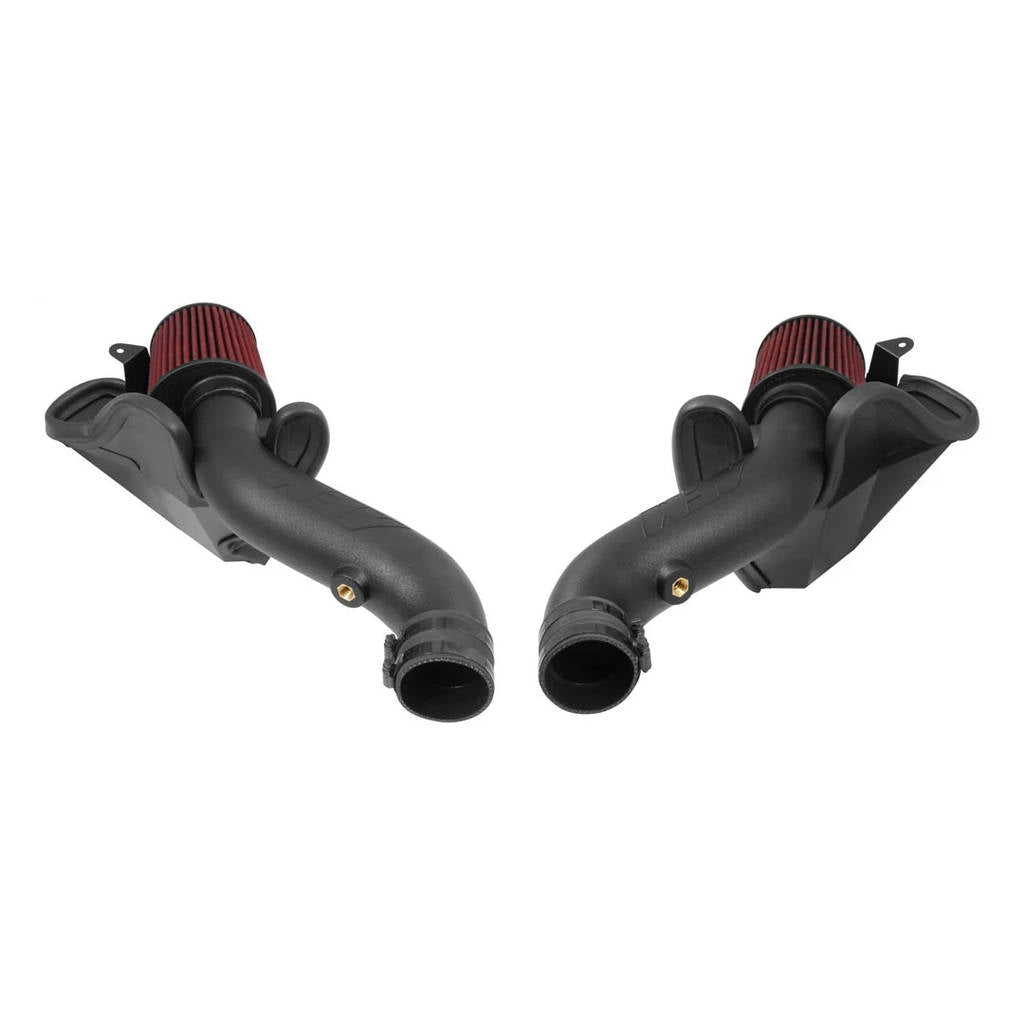
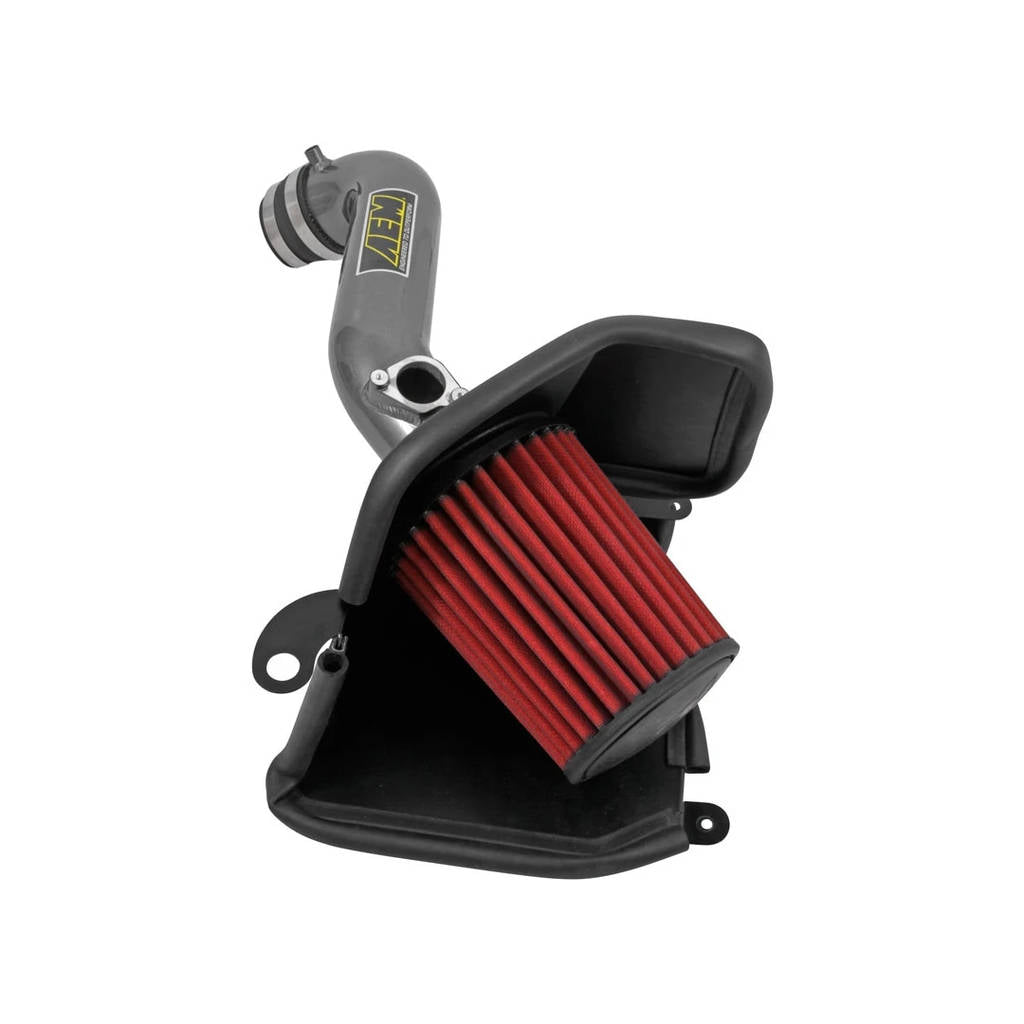
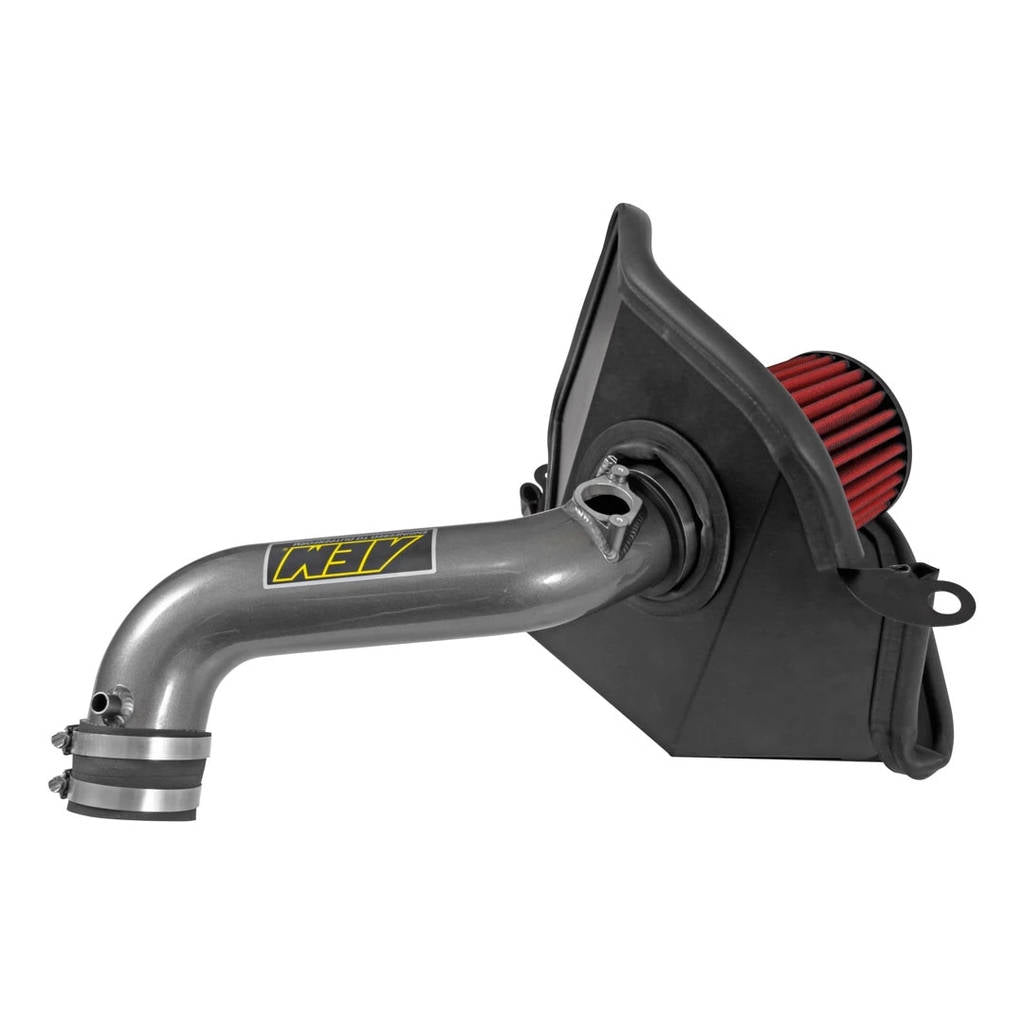


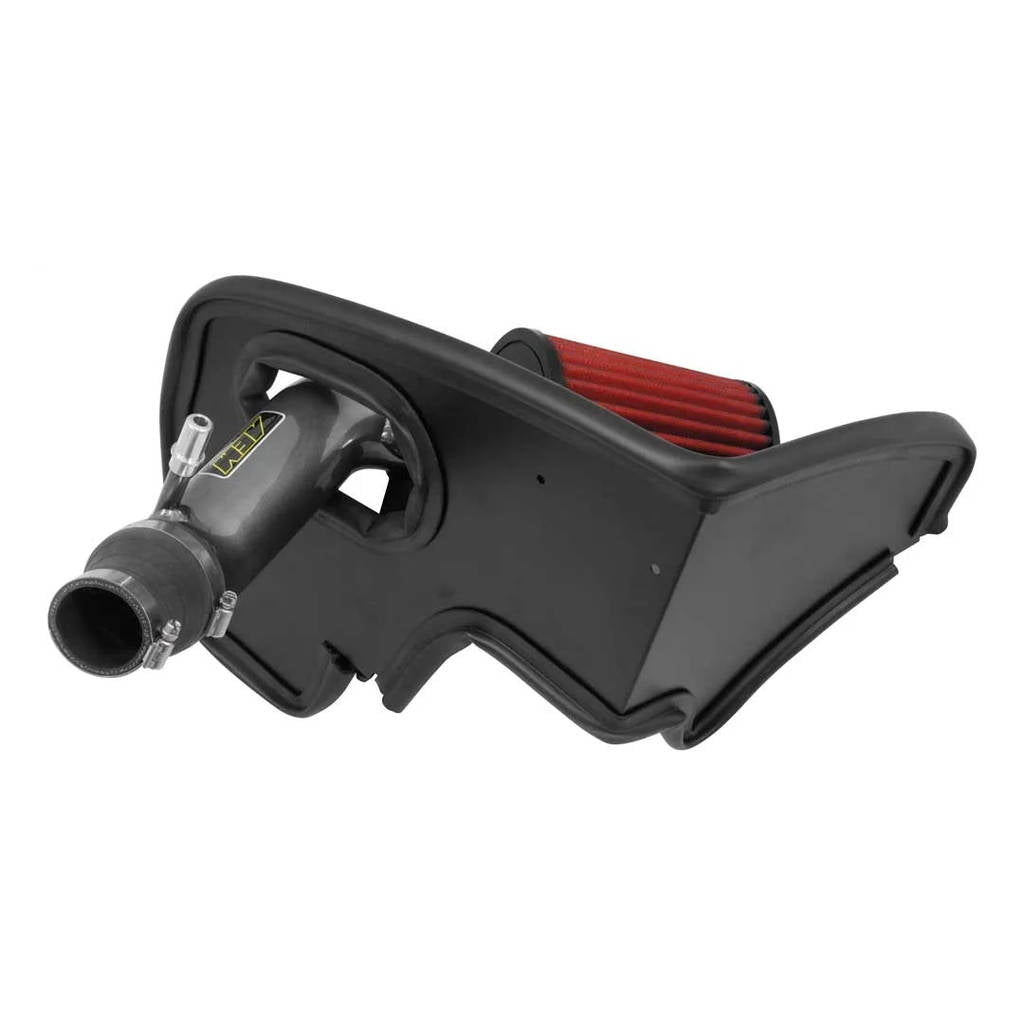





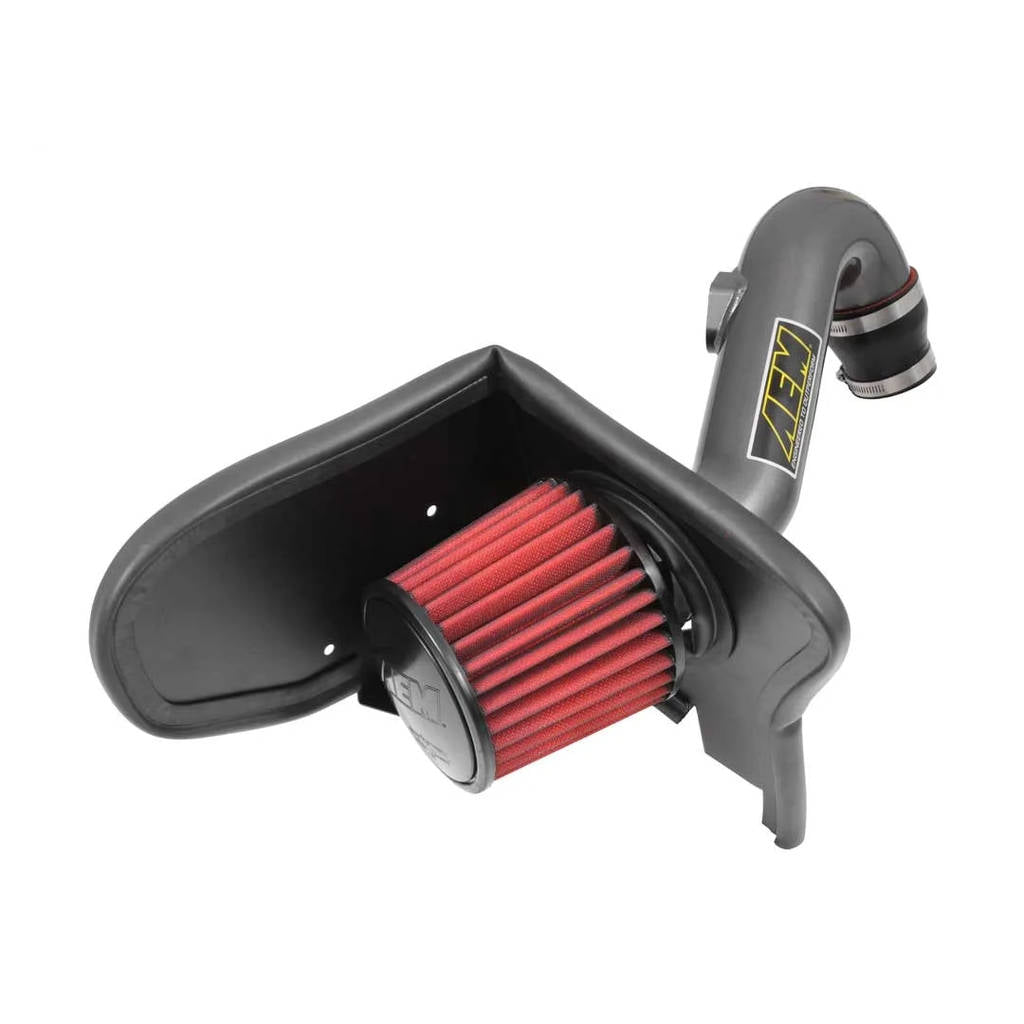
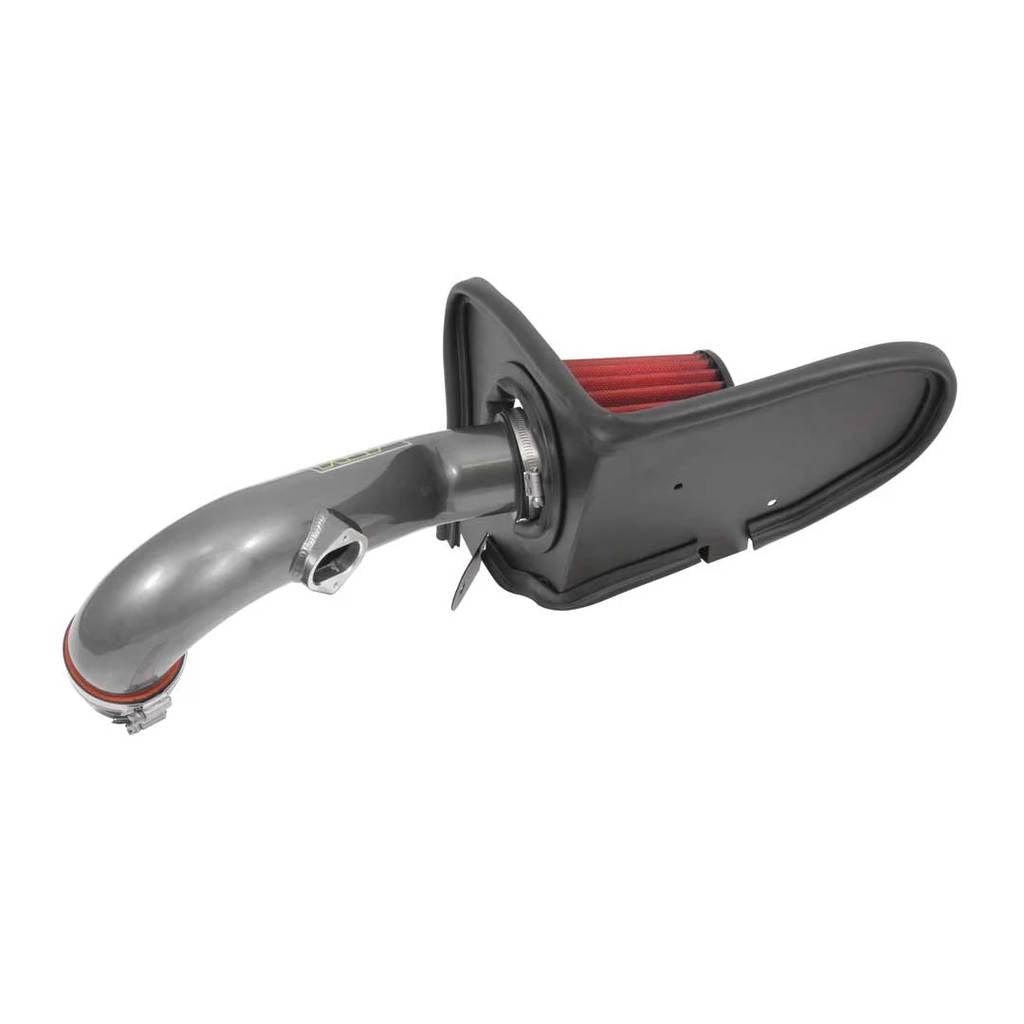



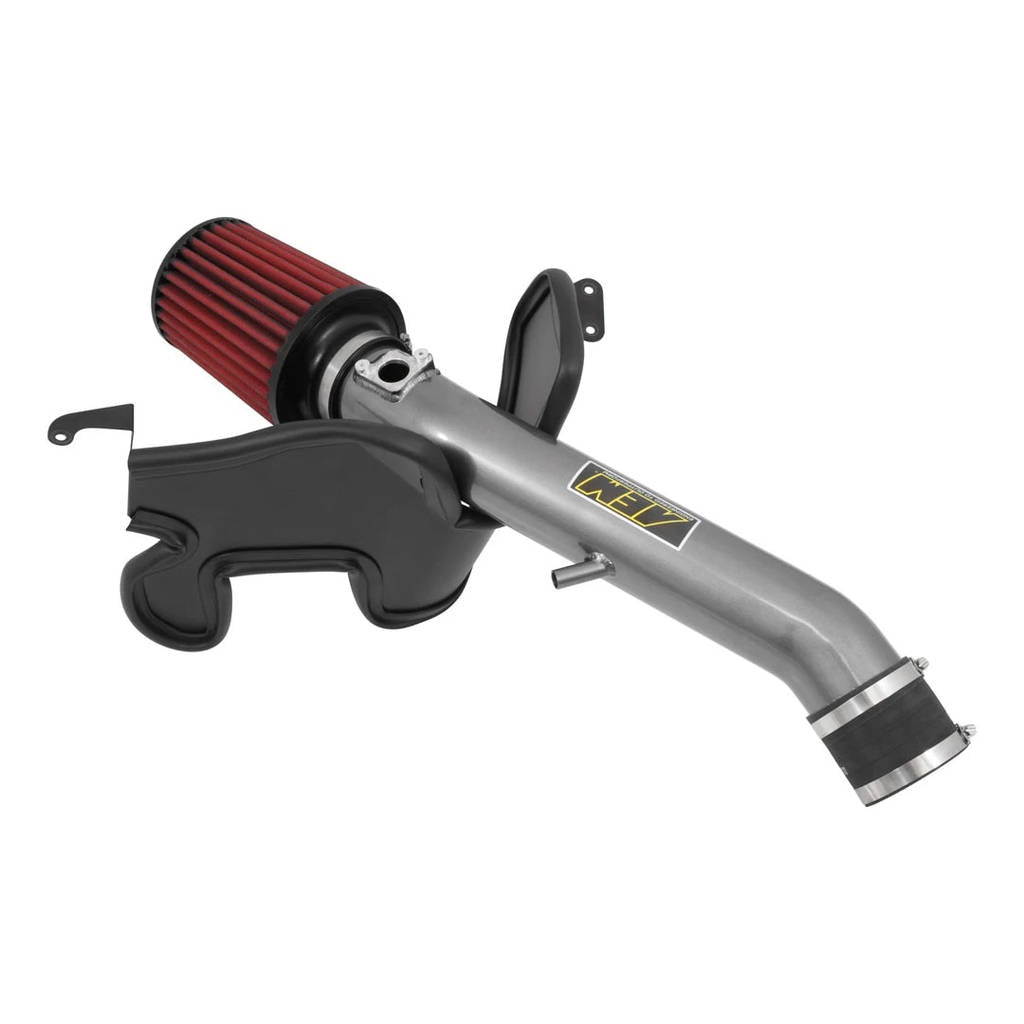

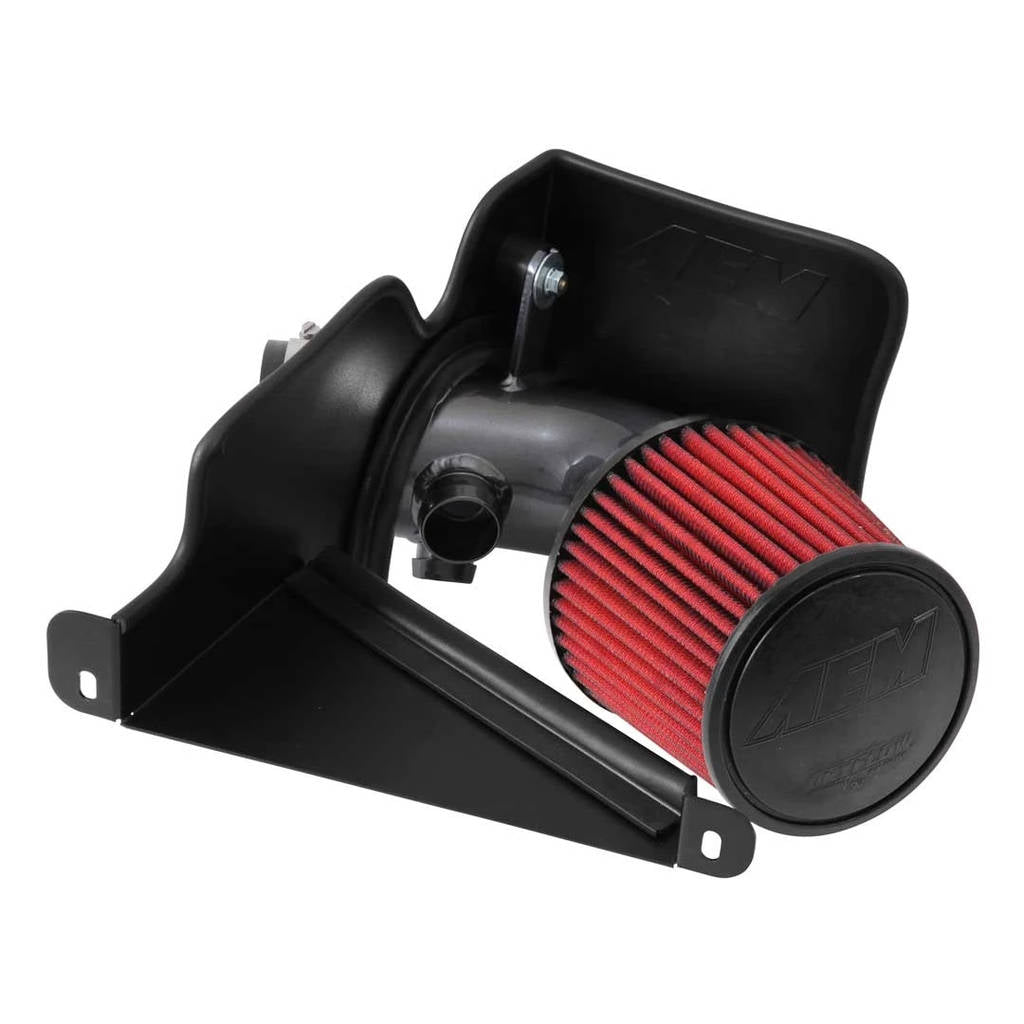



Cold Air Intake as a Key Element of Airflow Optimization in the Engine
Cold Air Intake systems are one of the key components in upgrading the engine’s air supply system, aimed at significantly improving the efficiency of internal combustion engines. Their primary function is to deliver maximum cooled and dense air to the intake manifold. According to the laws of thermodynamics, colder air contains a higher oxygen density per unit volume, allowing more fuel to be burned per cycle and, consequently, significantly increasing engine output. In stock configurations, air is often drawn from the engine bay, where temperatures can reach 60–80°C, resulting in reduced air density and a noticeable loss in engine performance.
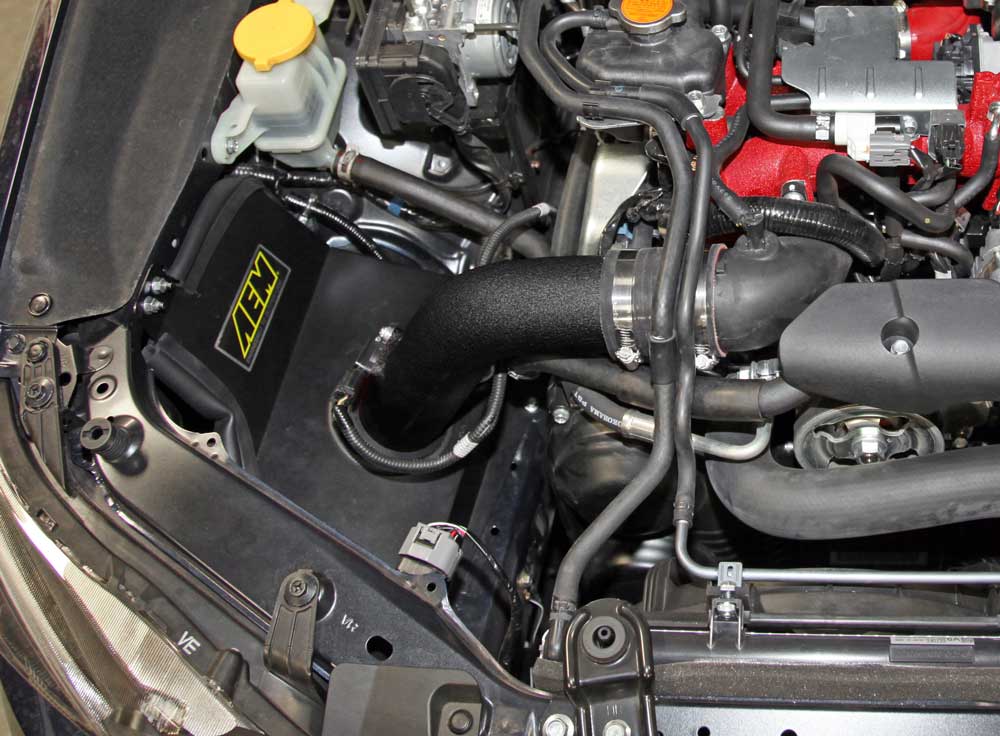
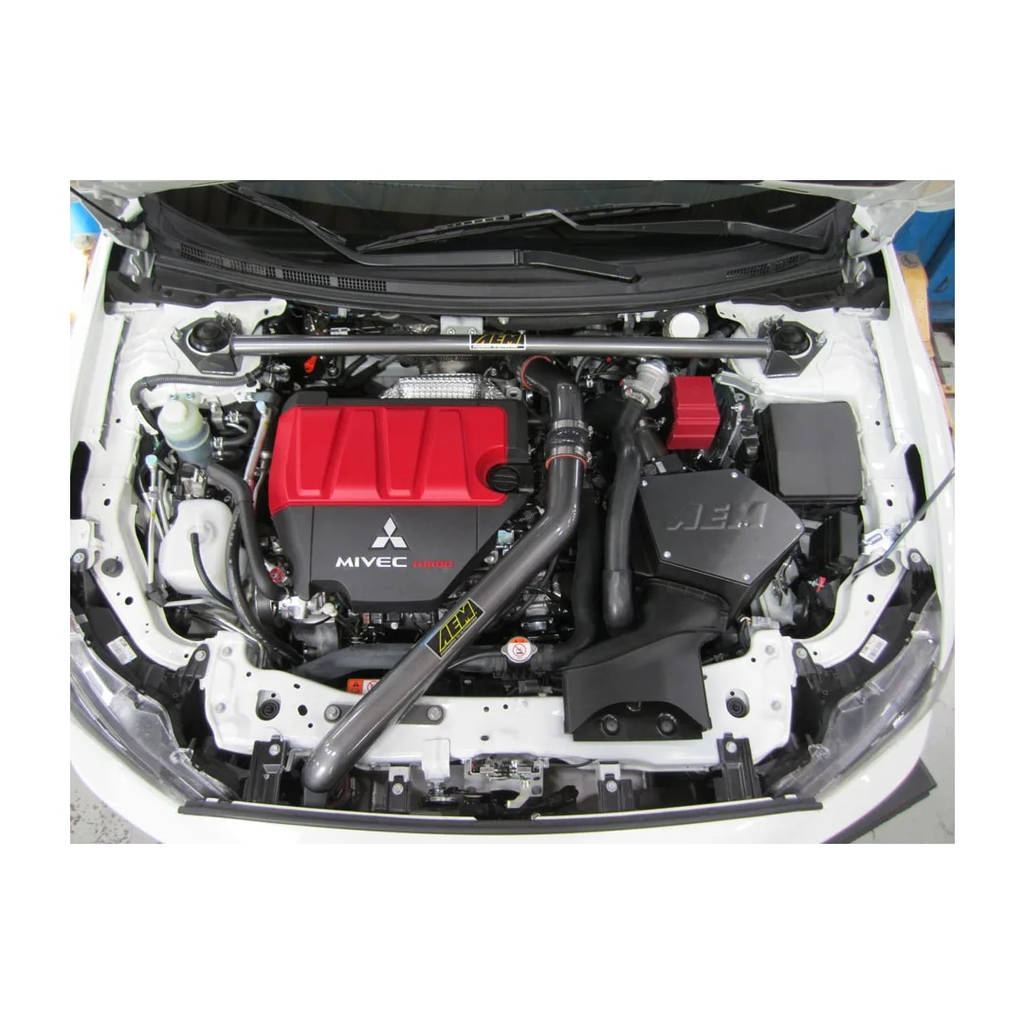
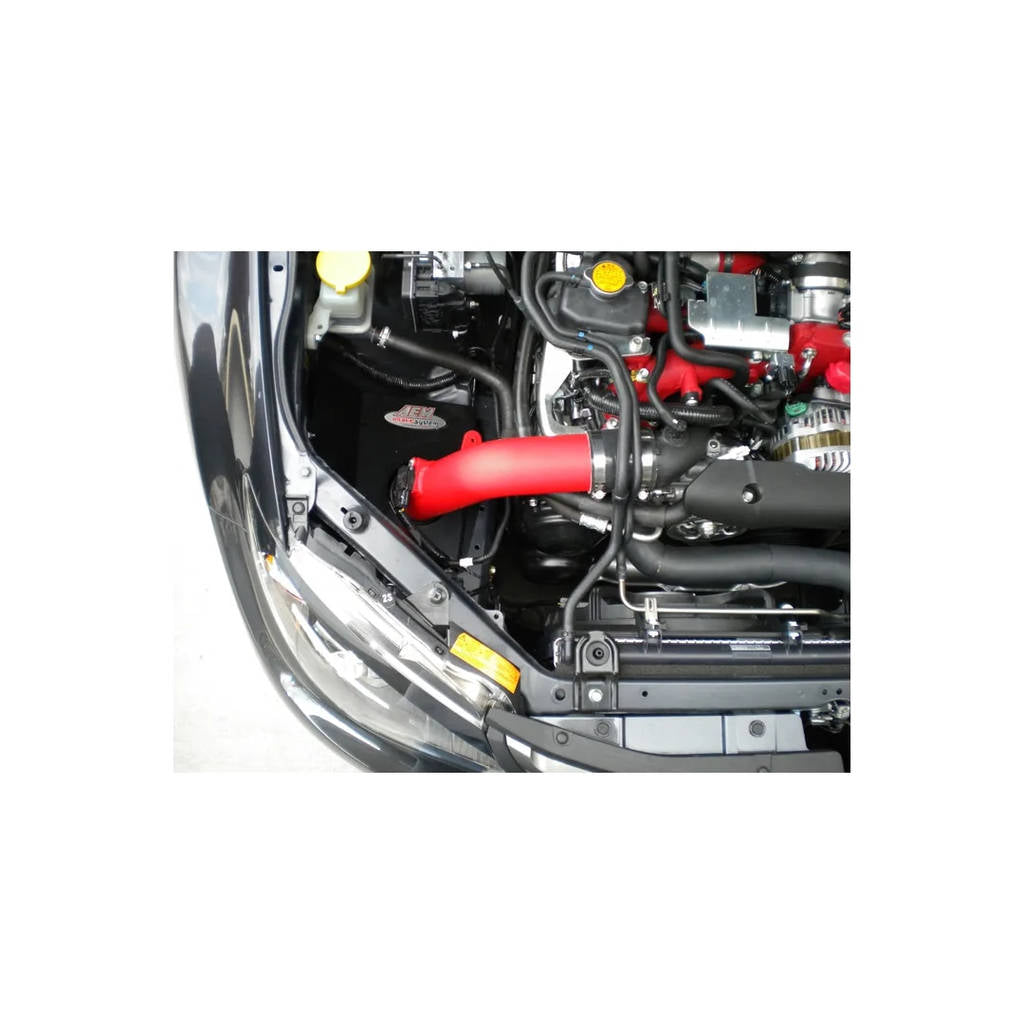
Professional cold air intake systems completely redesign the airflow architecture, relocating the air intake point away from hot zones of the engine bay — typically to the front of the vehicle, behind the bumper, or into the fender area. This ensures stable intake air parameters even under extreme thermal loads. In performance tuning, installing a Cold Air Intake is considered a fundamental Stage 1 upgrade, forming the engineering foundation for further power increases, higher boost levels, and proper ECU tuning.
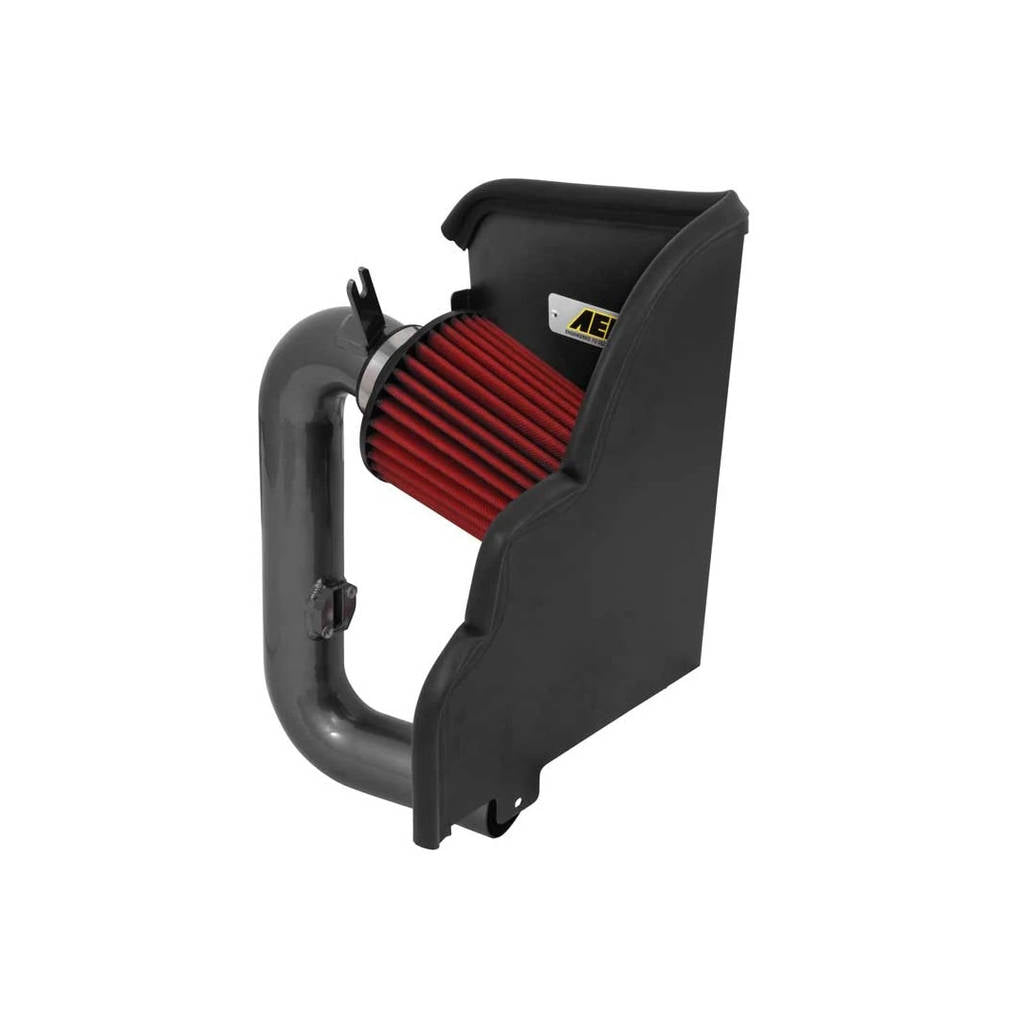
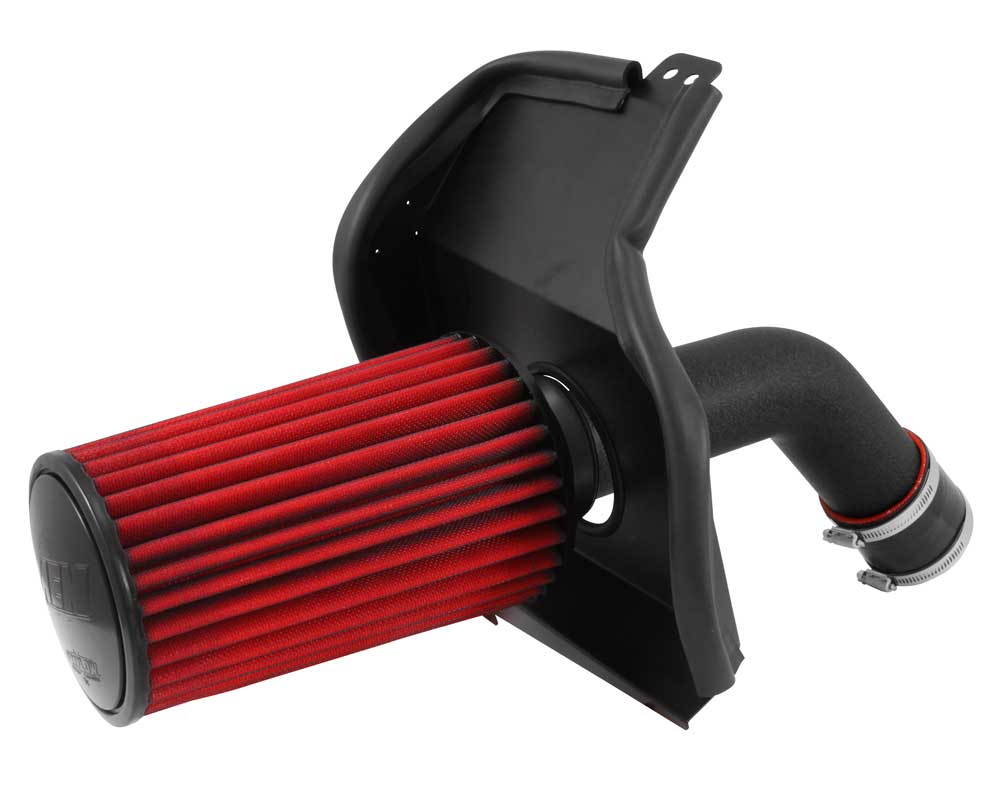
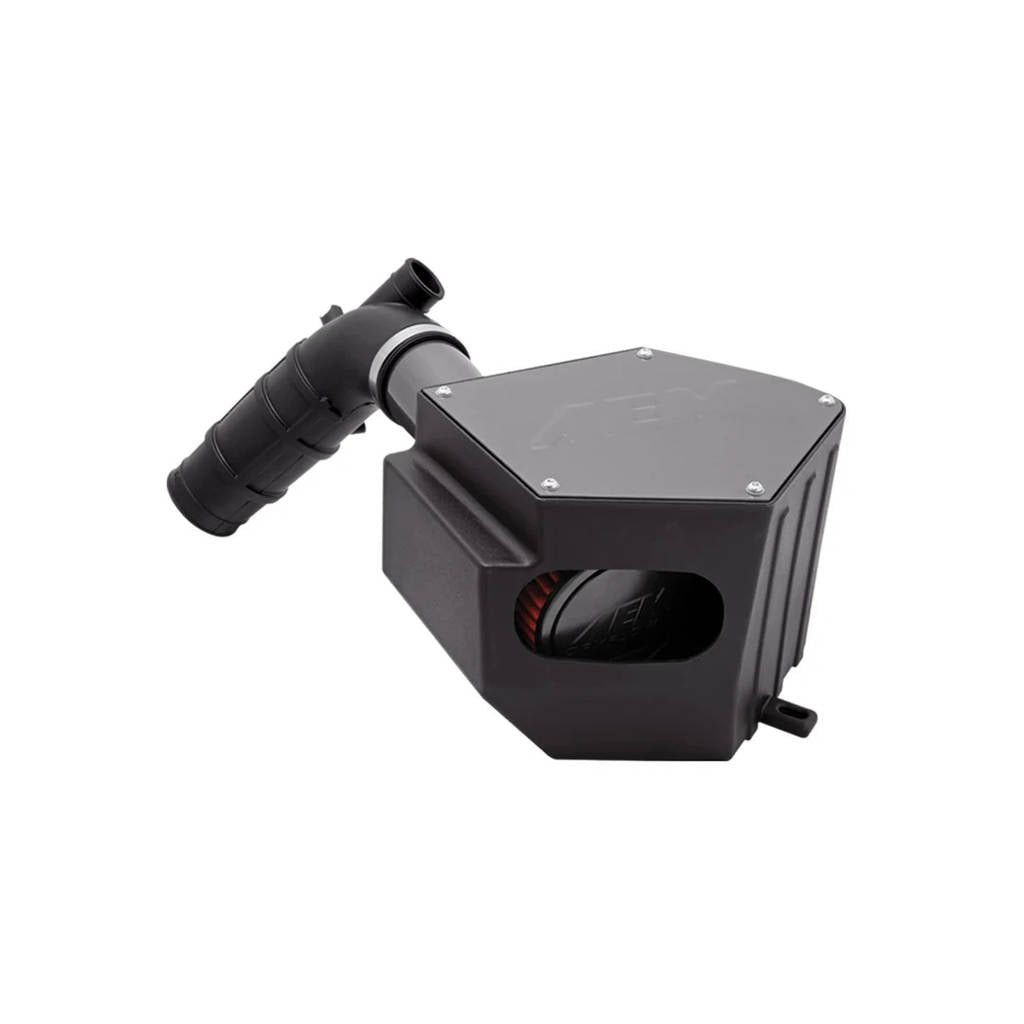
The intake systems category at ATOMIC-SHOP features solutions from leading global manufacturers such as Eventuri, COBB Tuning, AEM, K&N, Mishimoto, Forge Motorsport, and Racingline. These systems include both open configurations for maximum airflow and aggressive sound, as well as enclosed carbon airboxes with advanced thermal insulation for absolute stability under all operating conditions.
Design Features and Materials of Cold Air Intake Systems
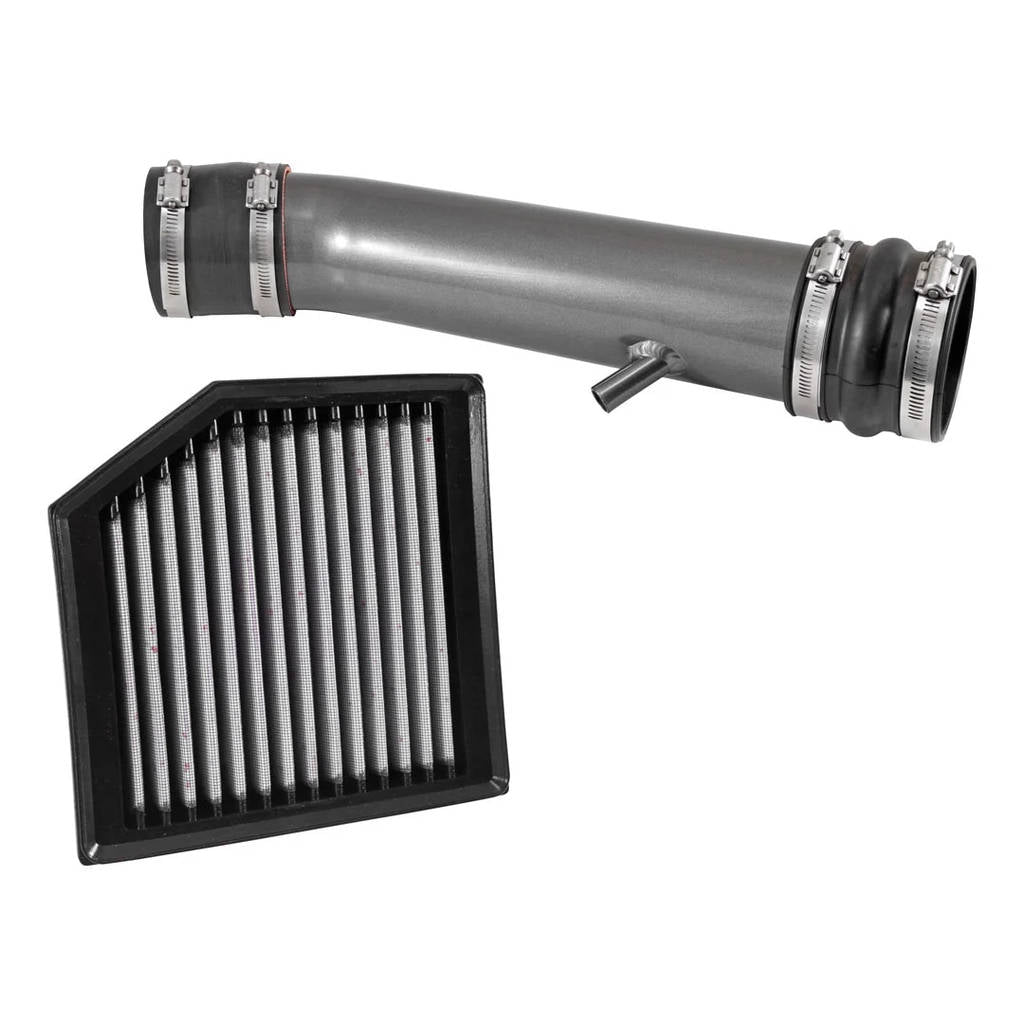
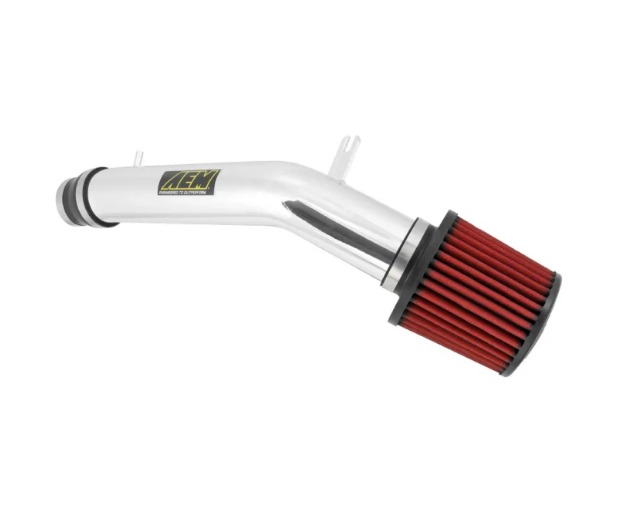
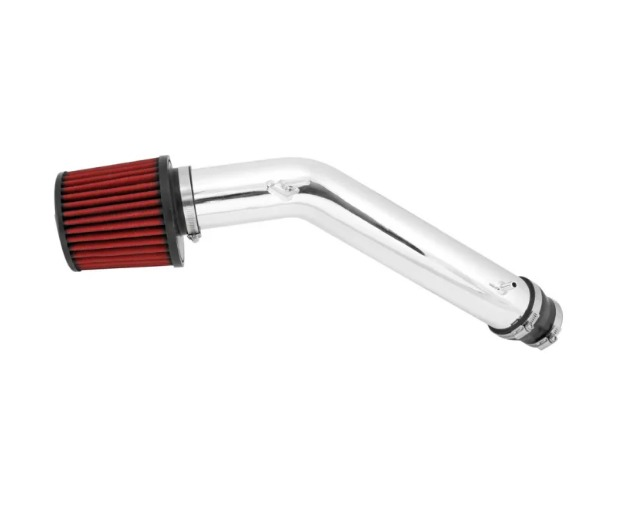
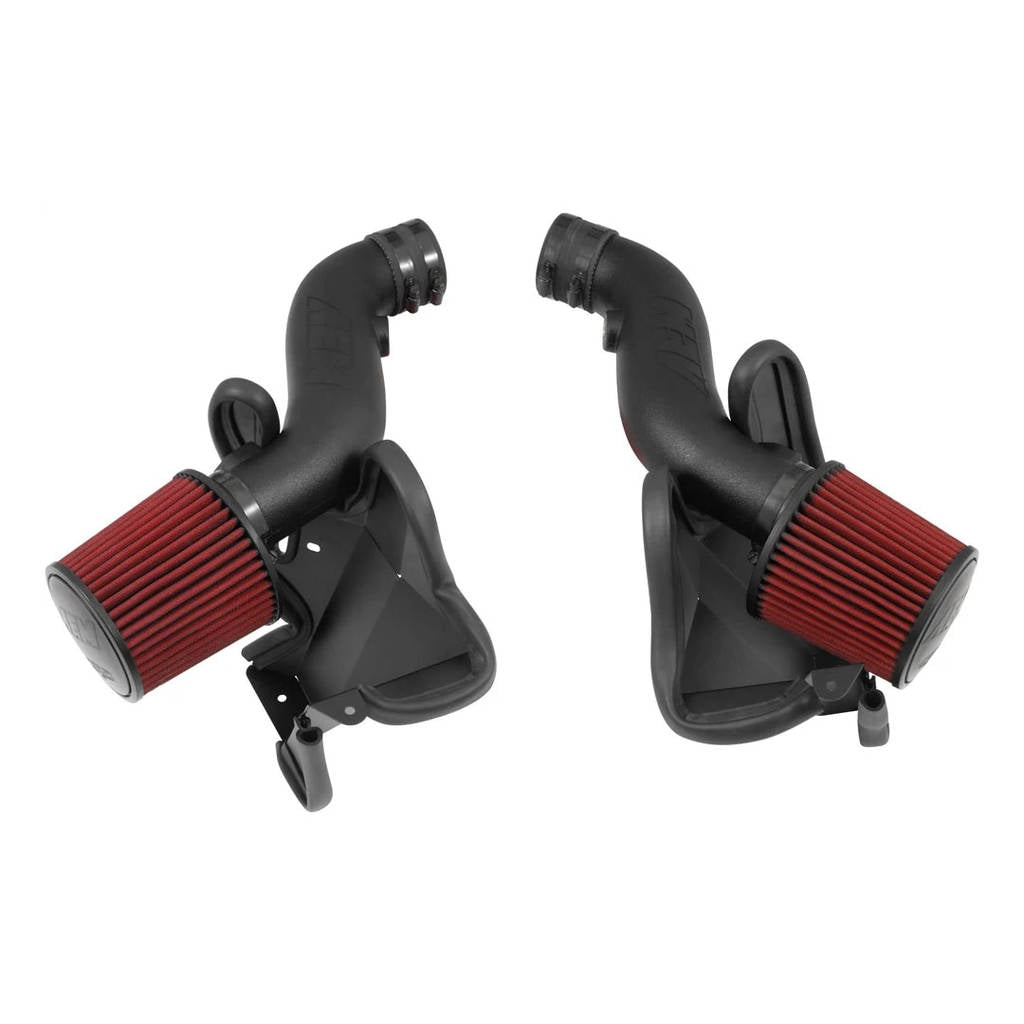
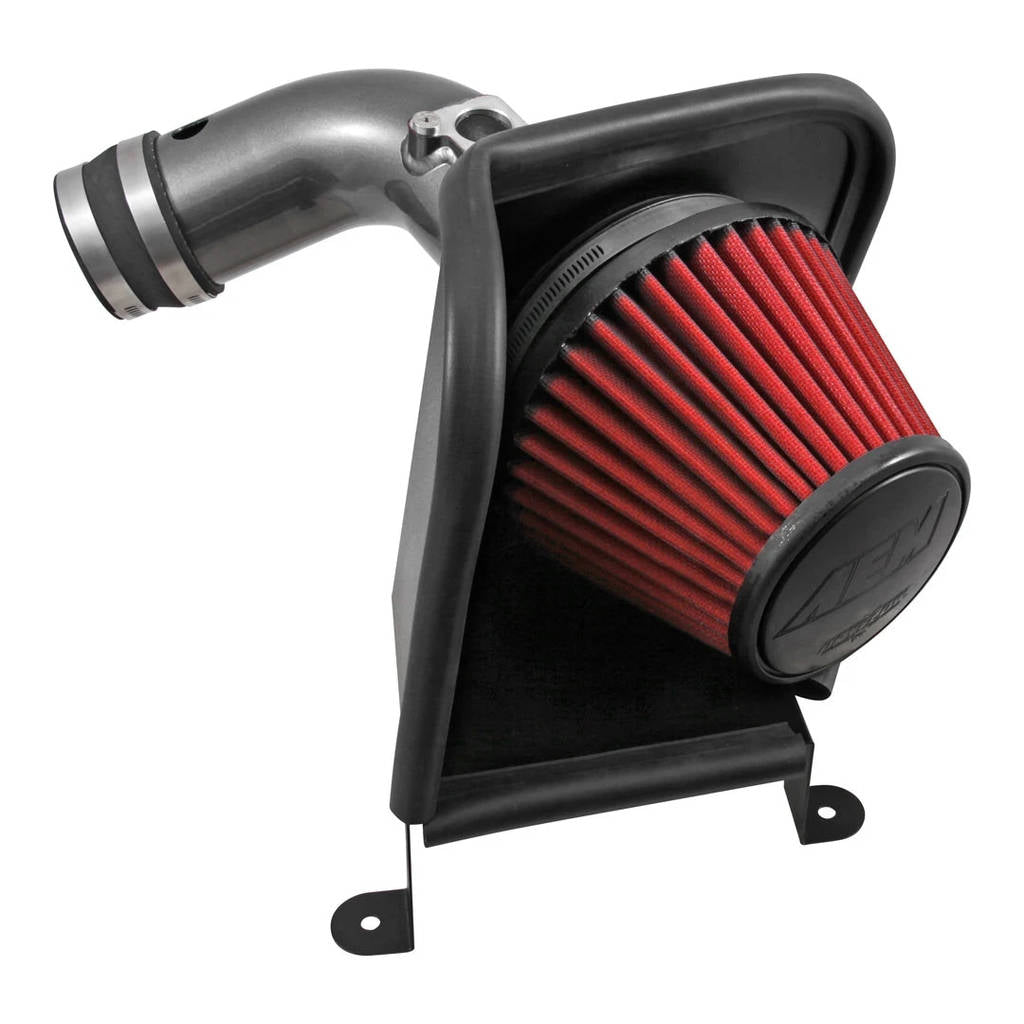
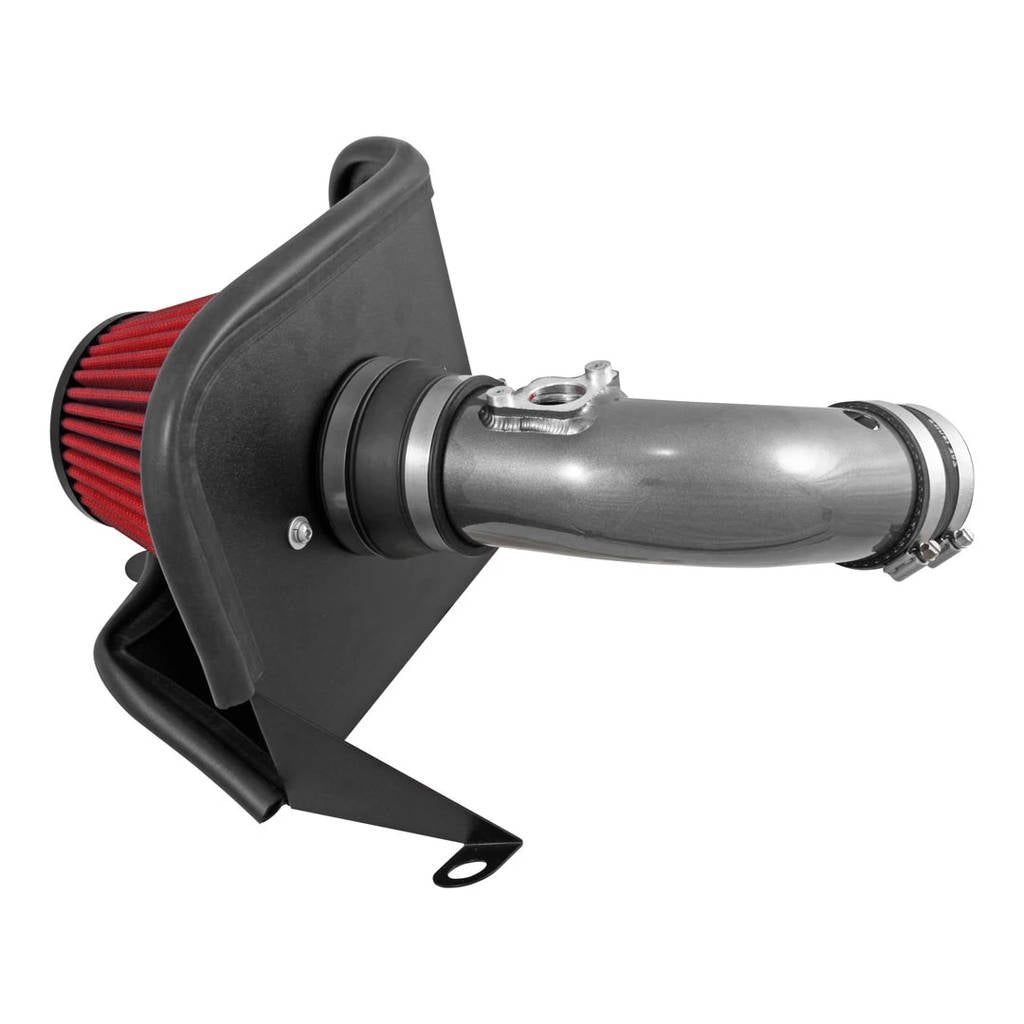
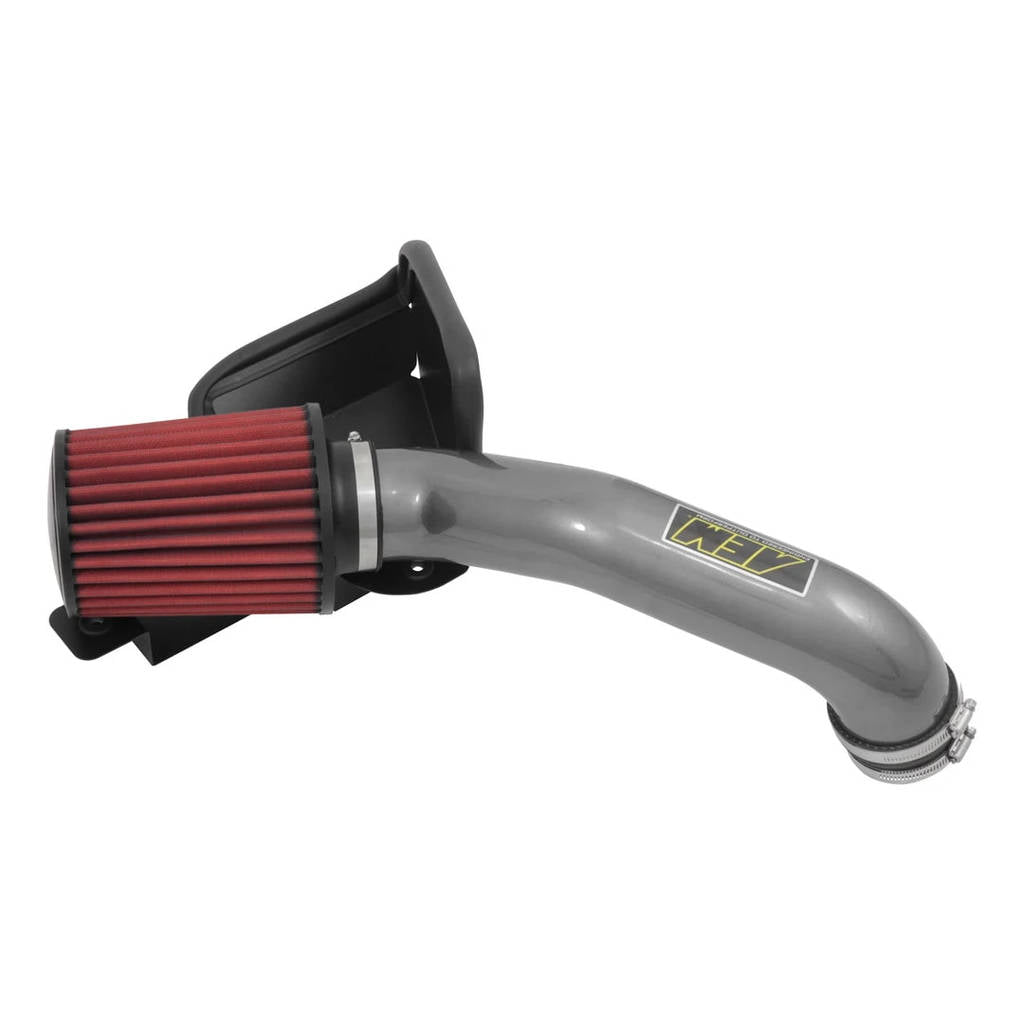
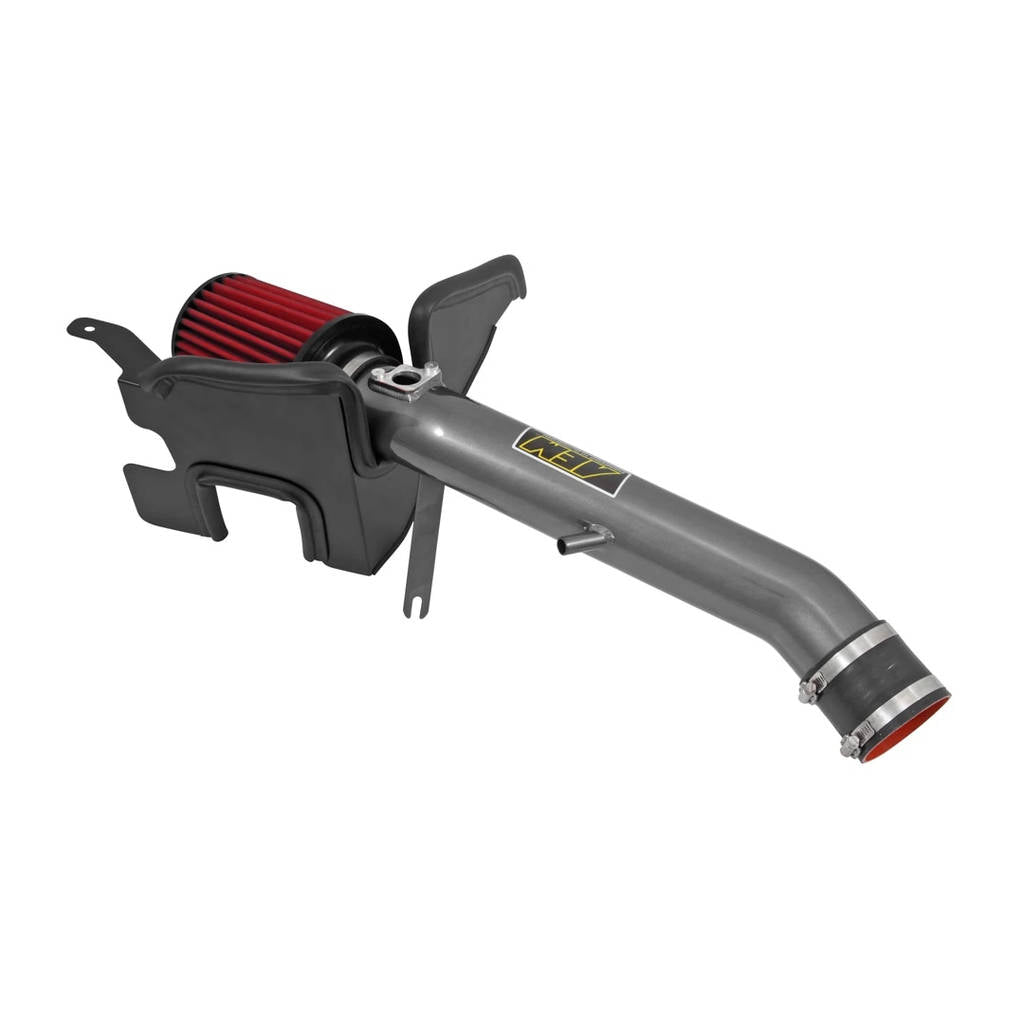
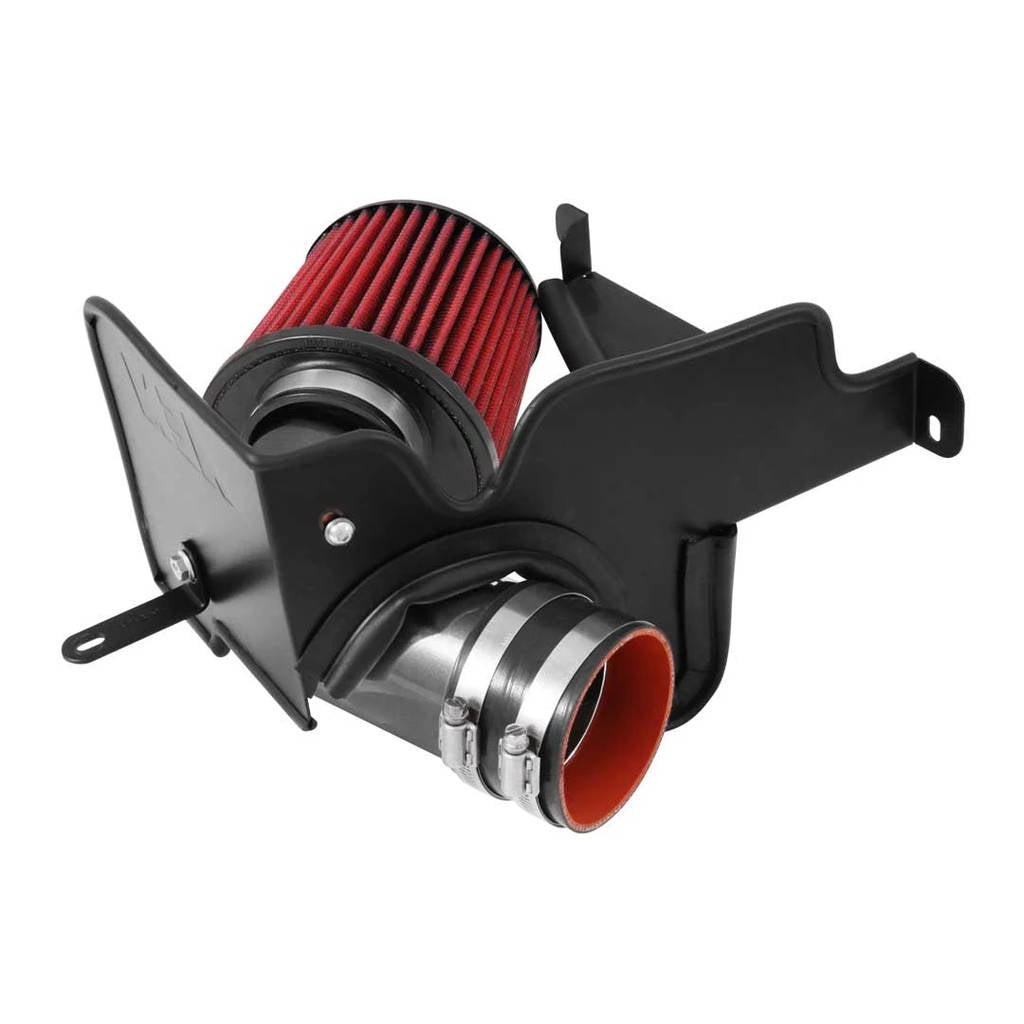
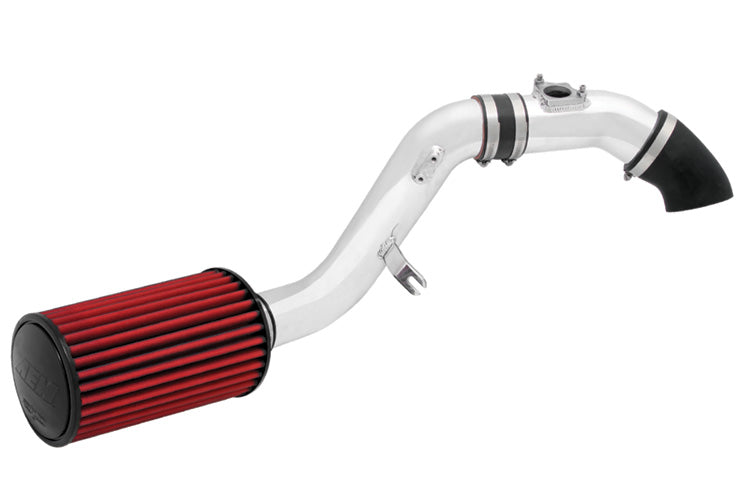
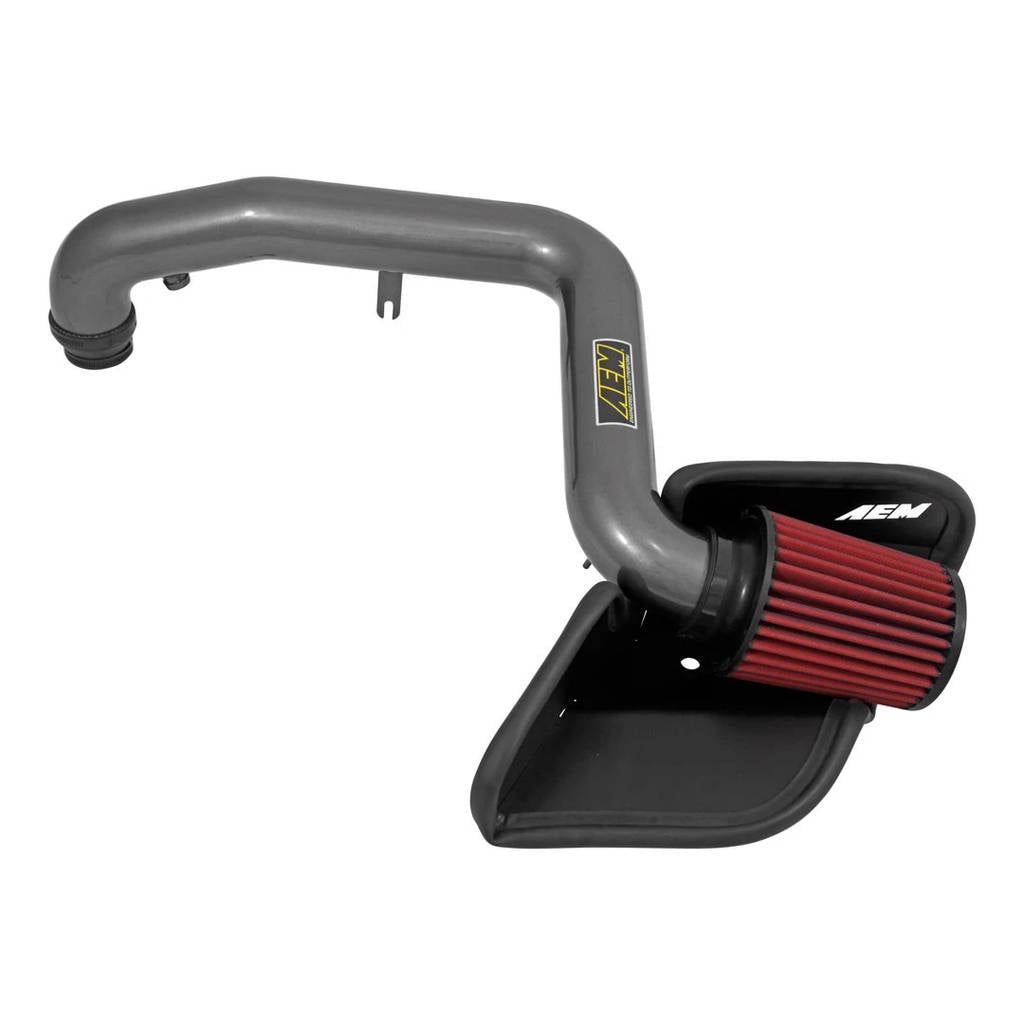
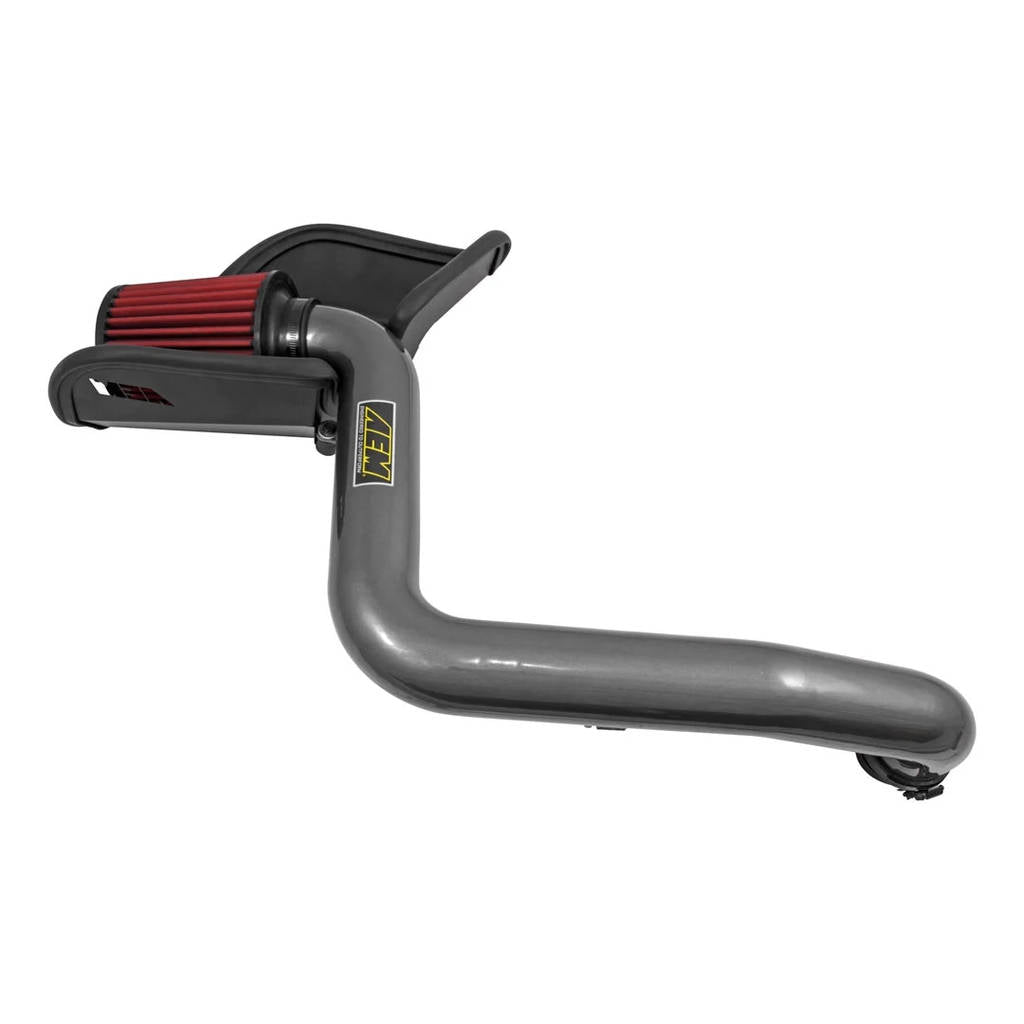
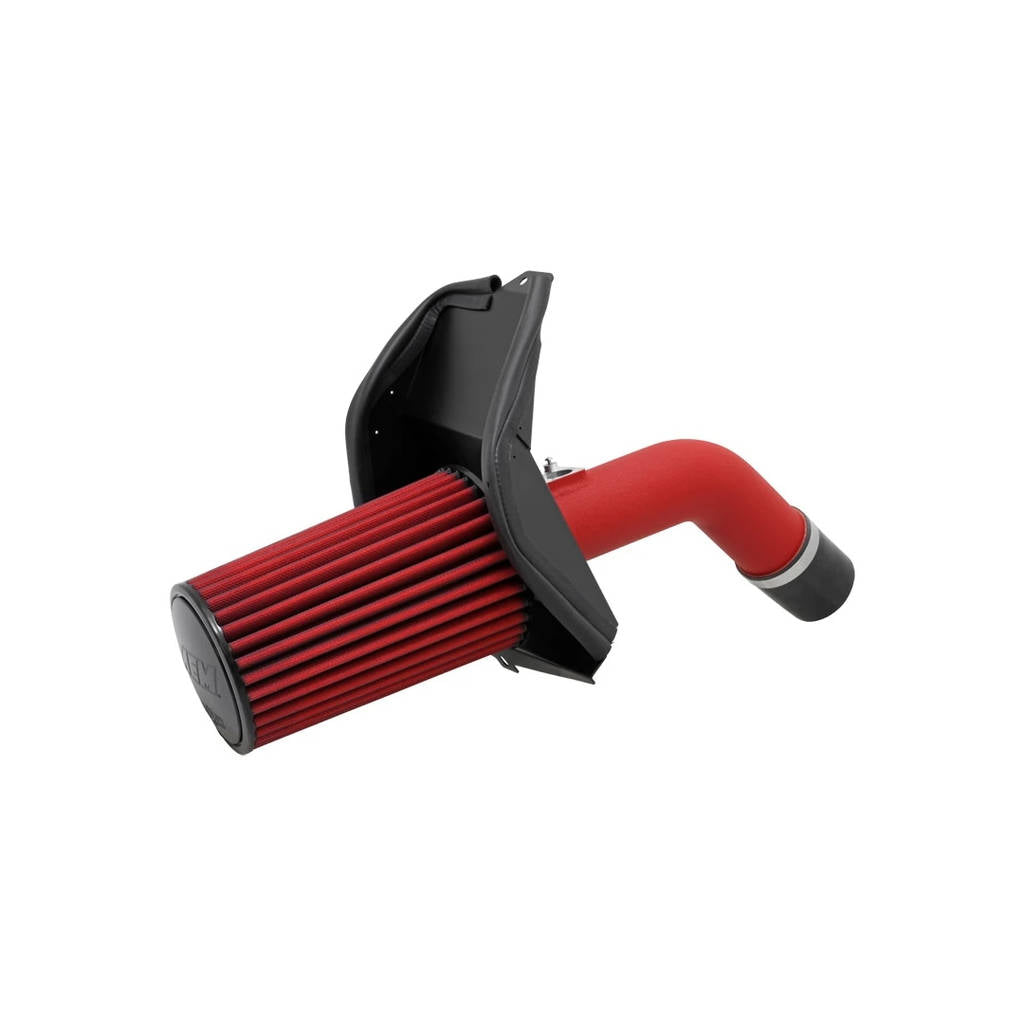
A modern Cold Air Intake is not just a pipe with a filter, but a fully engineered system consisting of several high-performance components:
- High-performance filter: High-flow filters with a large surface area that provide minimal airflow restriction while maintaining excellent filtration efficiency.
- Intake piping: Tubes made from powder-coated aluminum, multi-layer reinforced silicone, or carbon fiber. Carbon systems from Eventuri stand out for their extremely low thermal conductivity and perfectly smooth internal geometry.
- Heat shield or enclosed airbox: Physically isolates the filter from engine heat and significantly reduces the heat soak effect, especially in traffic or at low speeds.
Airflow Aerodynamics and Temperature Factors
The key objective of any intake system is to maintain laminar airflow. Factory systems often include corrugated sections, restrictions, and sharp bends that create turbulence, acting as additional airflow resistance. Systems from COBB and Racingline are designed using CFD (Computational Fluid Dynamics) modeling, allowing airflow to be straightened and directed efficiently into the turbo inlet or throttle body with minimal energy loss.
Intake Air Temperature (IAT) directly affects engine management algorithms. A reduction of just 5–10°C allows the ECU to run more aggressive ignition timing without the risk of detonation. This is especially critical in turbocharged engines, where air is already heated during compression.
Real-World Applications: From Daily Driving to Track Use
In everyday driving conditions, cold air intake systems significantly improve throttle response and overall engine stability. The vehicle becomes more responsive under load, while air-fuel mixture parameters remain consistent even in hot weather.
On the racetrack, intake efficiency becomes a decisive factor. Under prolonged load, stock plastic components quickly absorb heat, leading to a sharp drop in performance (heat soak). Professional systems utilizing the Ram Air effect take advantage of dynamic air pressure at higher speeds, improving cylinder filling and creating a mild inertial boost effect.
Selection and Installation of Bolt-On Systems
System selection depends on engine architecture. For turbocharged vehicles, maximizing airflow volume before the compressor is crucial, while naturally aspirated engines rely more on intake runner length and resonance tuning. Most manufacturers, including AEM and Mishimoto, offer bolt-on kits that install directly into factory mounting points without cutting or welding.
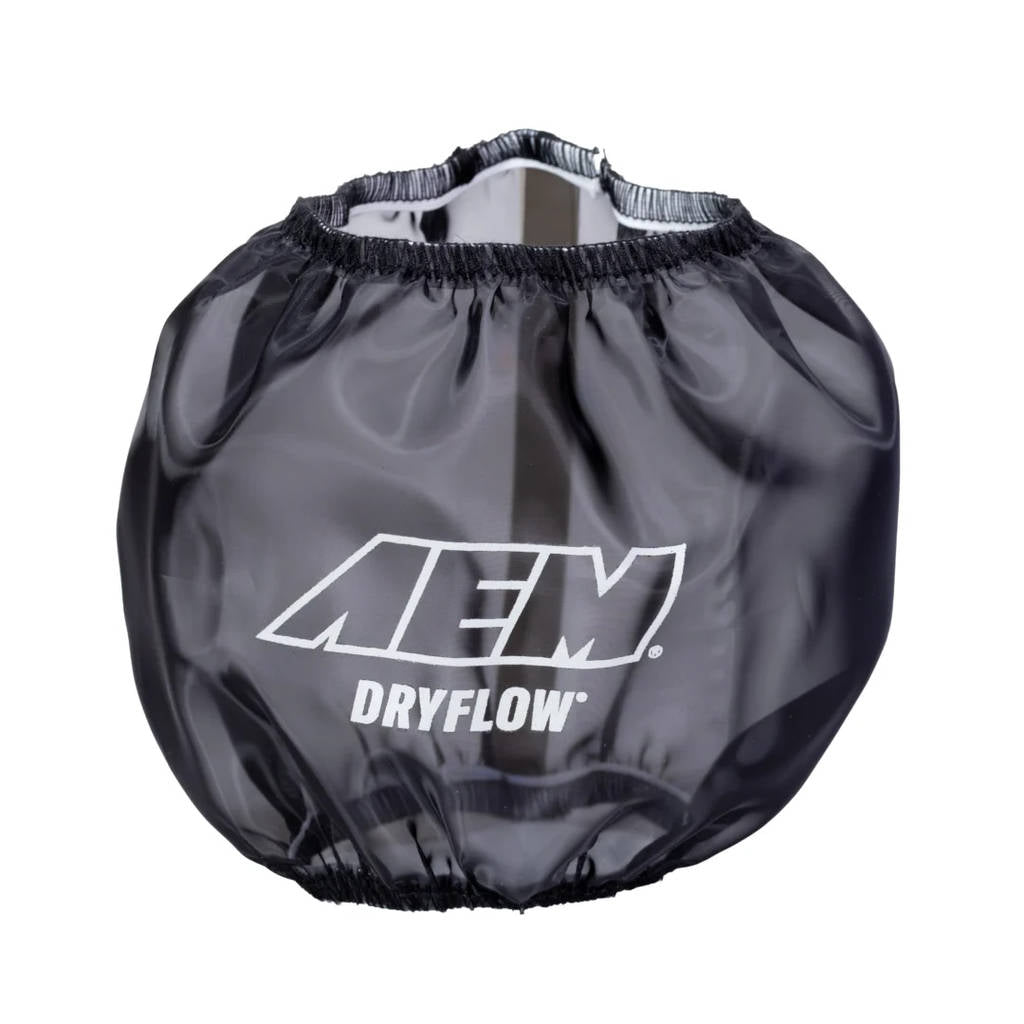
Important: For systems with very low-mounted air intakes, it is recommended to use protective solutions such as pre-filters or hydroshields to prevent water ingestion, effectively eliminating the risk of hydrolock during wet conditions.
Impact on Engine Longevity and Reliability
Lower intake temperatures are an investment in engine longevity. Reduced thermal stress decreases the risk of detonation and prevents premature wear of internal components. High-quality systems from brands like K&N or Eventuri ensure reliable filtration, protecting turbo compressor blades and sensitive sensors (MAF/MAP) from abrasive contamination and erosion.
At ATOMIC-SHOP, you’ll find more than just parts — you’ll find proven engineering solutions for optimizing your vehicle’s intake system. A properly selected cold air intake ensures stable airflow, improves engine efficiency, and allows your engine to reach its full performance potential under any operating conditions.