





















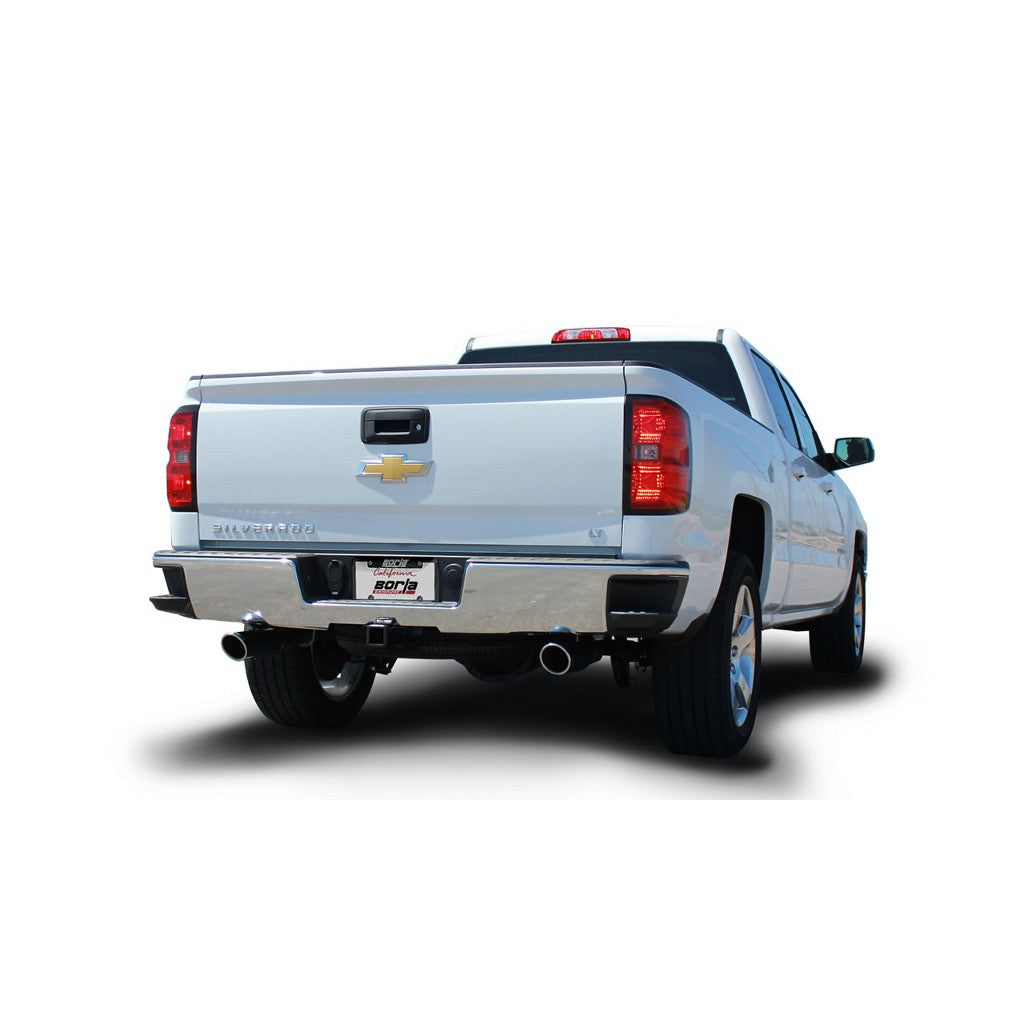

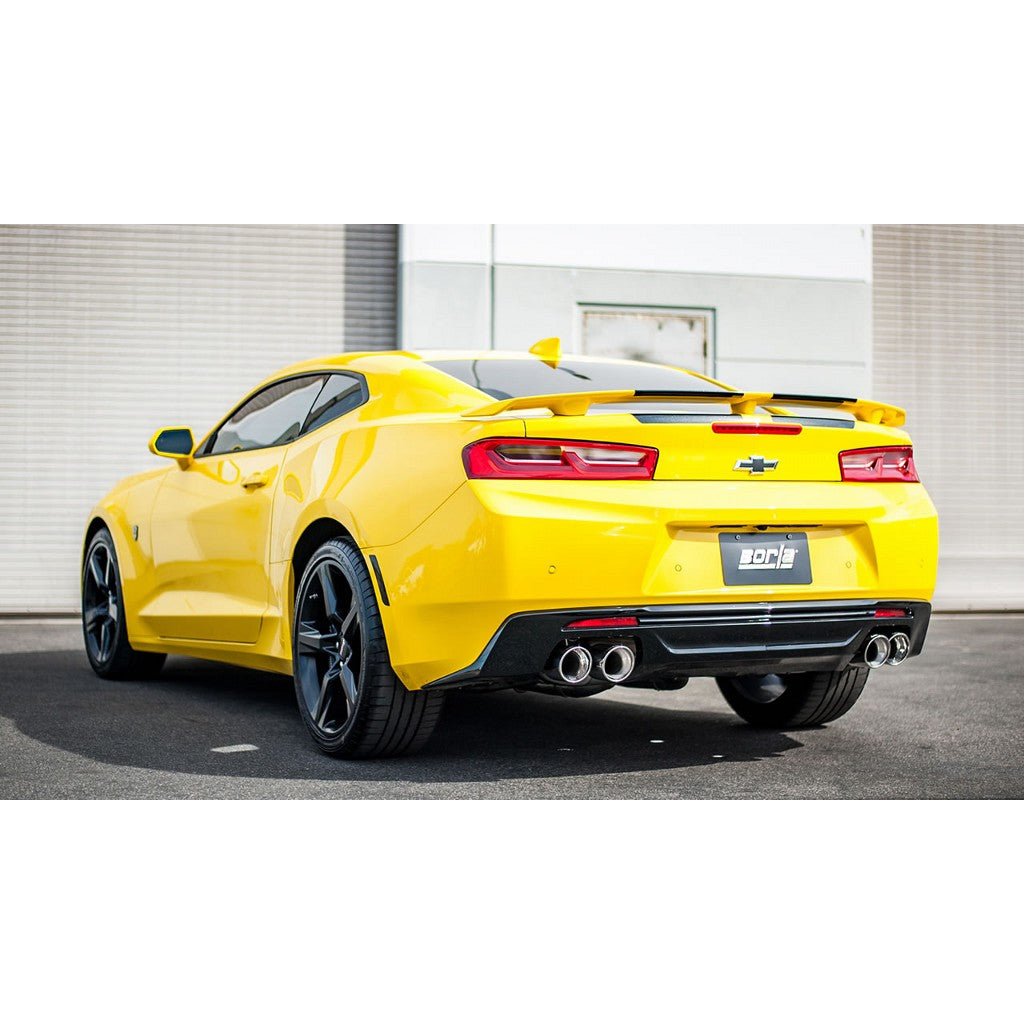
Cat-Back Exhaust Systems as a Key Element of Exhaust Gas Flow Control
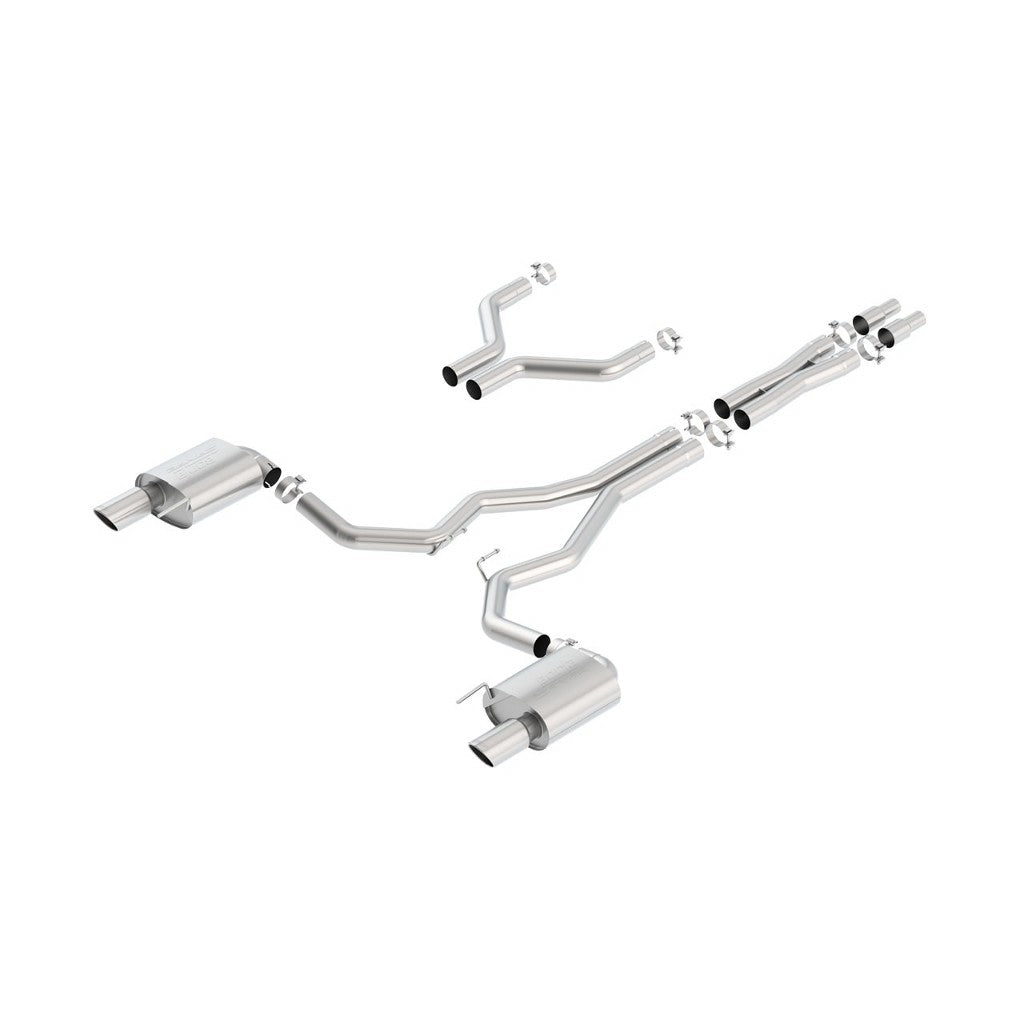
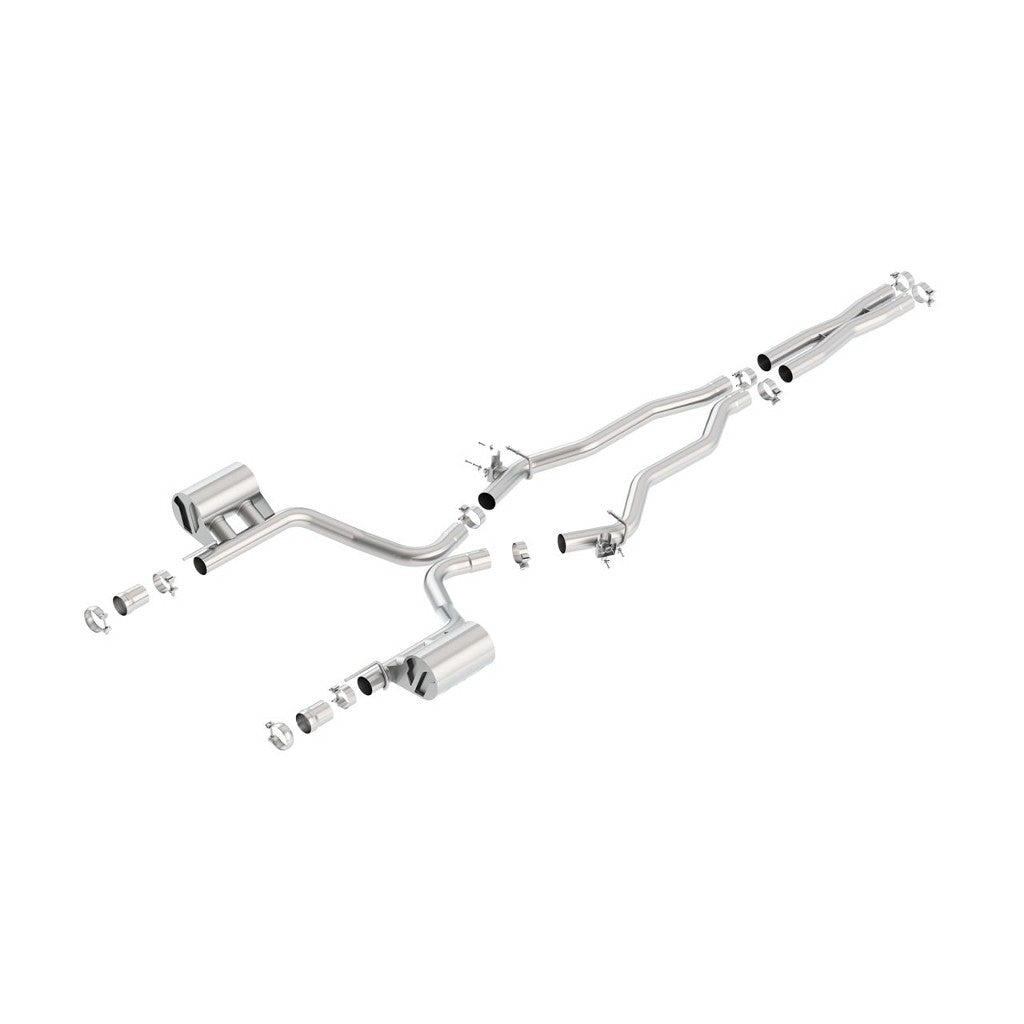
Cat-Back exhaust systems are one of the most common upgrades to the exhaust system, covering the section from the catalytic converter outlet to the exhaust tips. Unlike a full exhaust replacement, a Cat-Back configuration focuses on optimizing the rear section of the system, where key flow parameters are formed — gas velocity, turbulence level, and backpressure. These characteristics directly influence cylinder scavenging efficiency, determining engine responsiveness, volumetric efficiency, and the turbocharger’s ability to quickly reach target boost.
In production vehicles, exhaust systems are designed under strict constraints related to noise levels (NVH), emissions regulations, and manufacturing cost. This often results in small-diameter piping, complex multi-chamber mufflers, and resonators that create significant flow resistance. As a result, the engine must expend part of its energy overcoming this restriction, which becomes especially noticeable at higher RPMs. Cat-Back systems from leading brands eliminate these losses by optimizing exhaust gas dynamics and improving engine “breathing” across the entire load range.
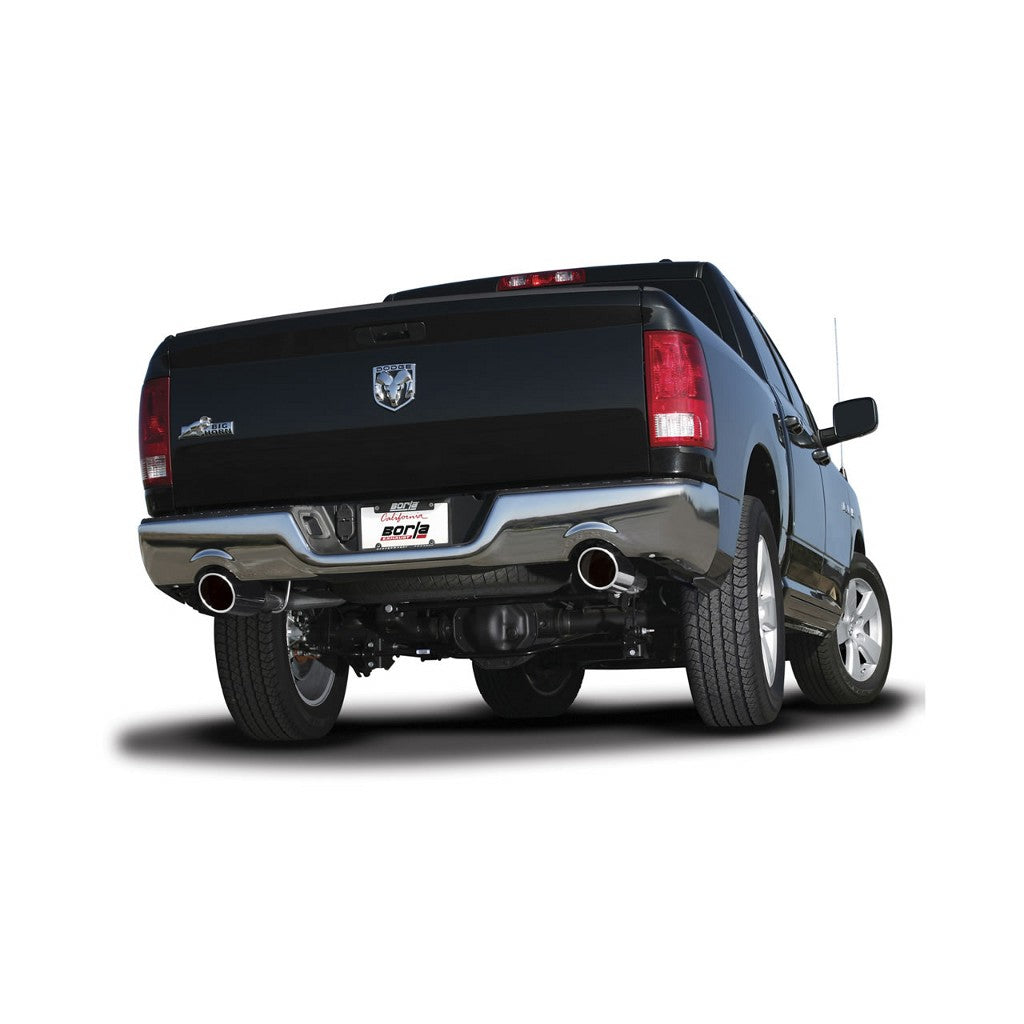
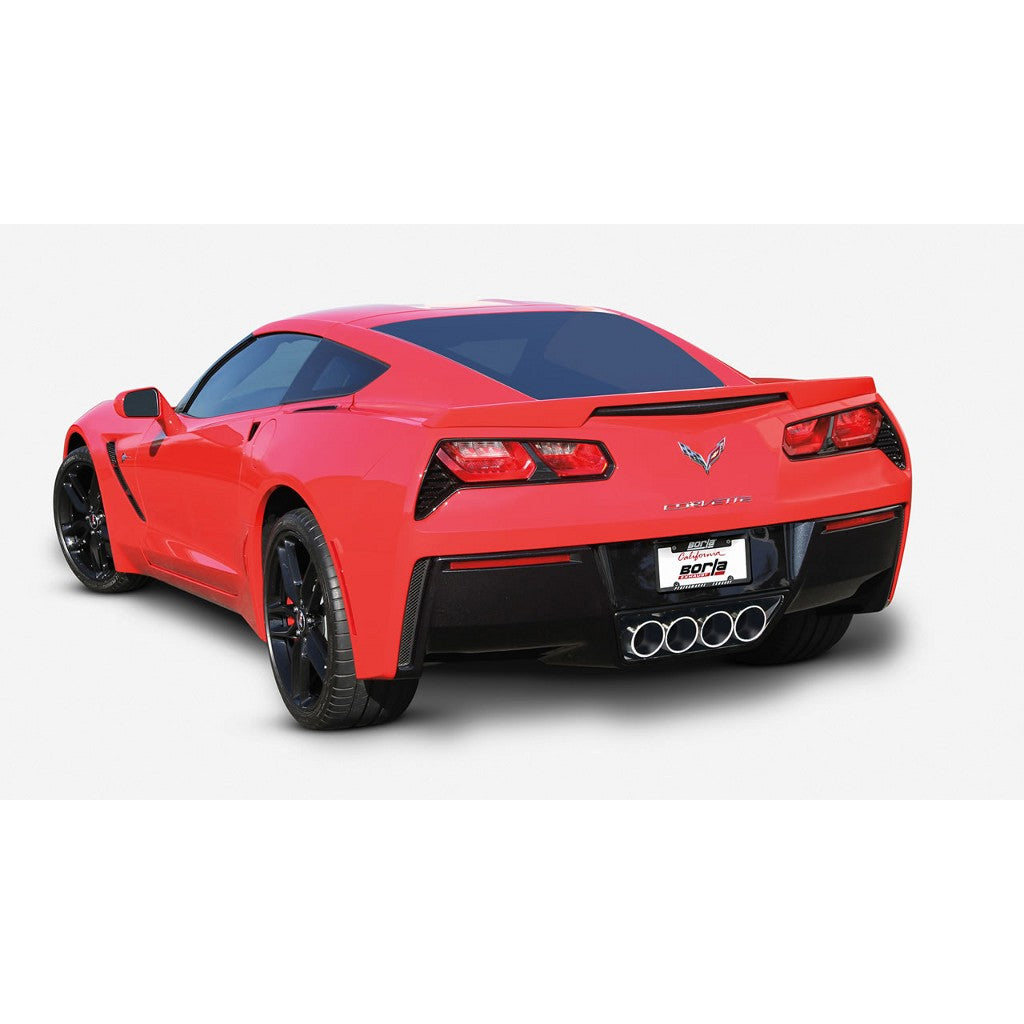
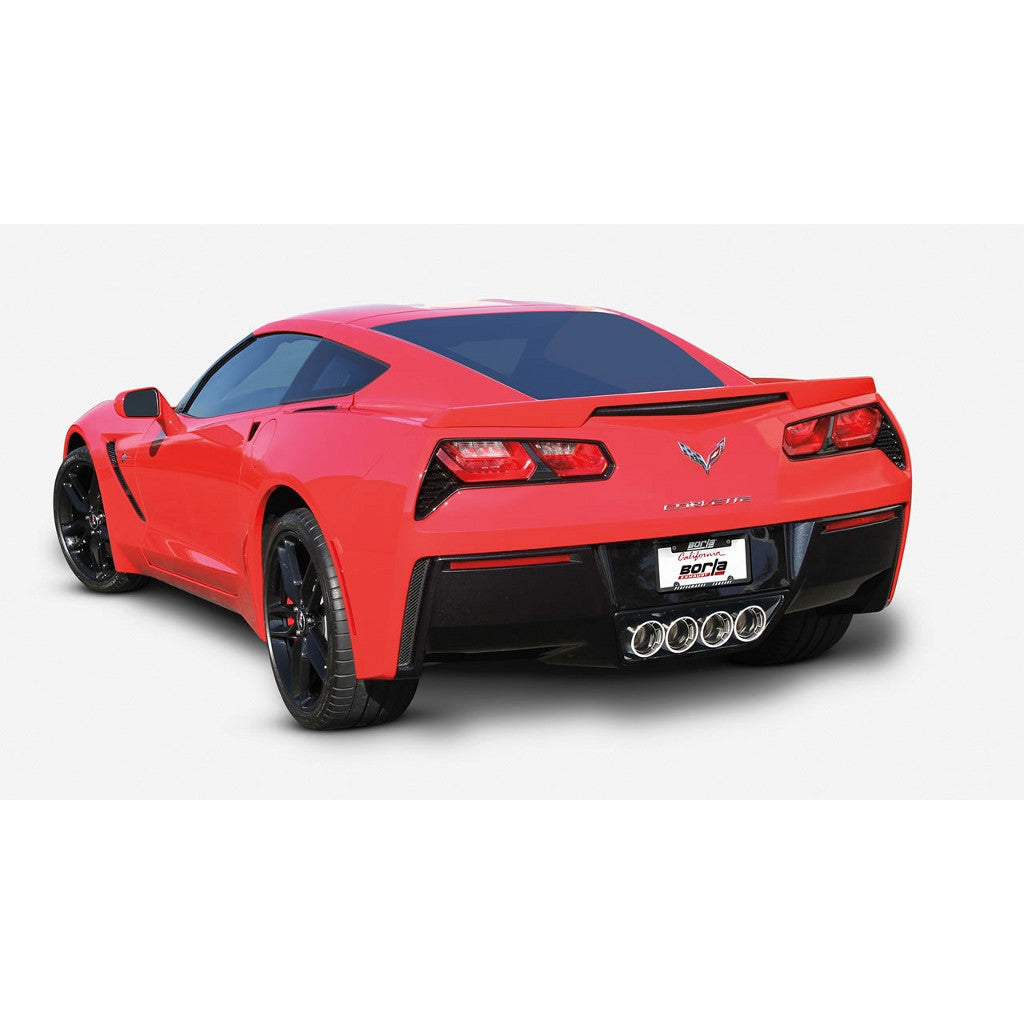
The Cat-Back category at ATOMIC-SHOP includes solutions from global leaders such as Akrapovic, Borla, Milltek Sport, Invidia, Supersprint, and Kline Innovation. These systems combine optimized flow geometry, aerospace-grade materials, and precisely tuned acoustic characteristics for each specific vehicle.
Design and Operating Principles of Cat-Back Systems
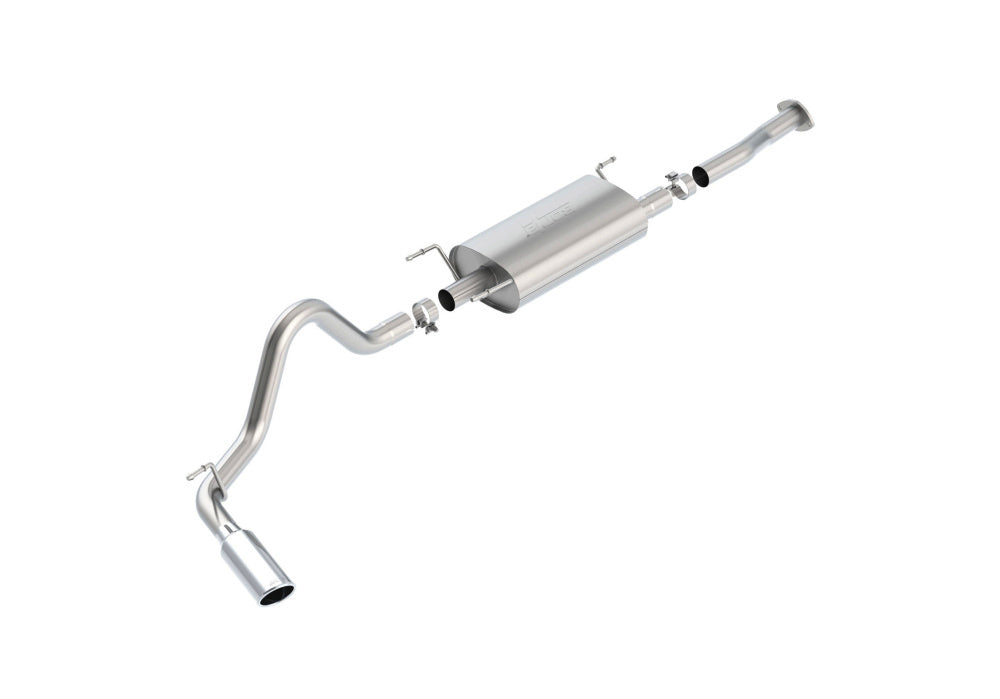
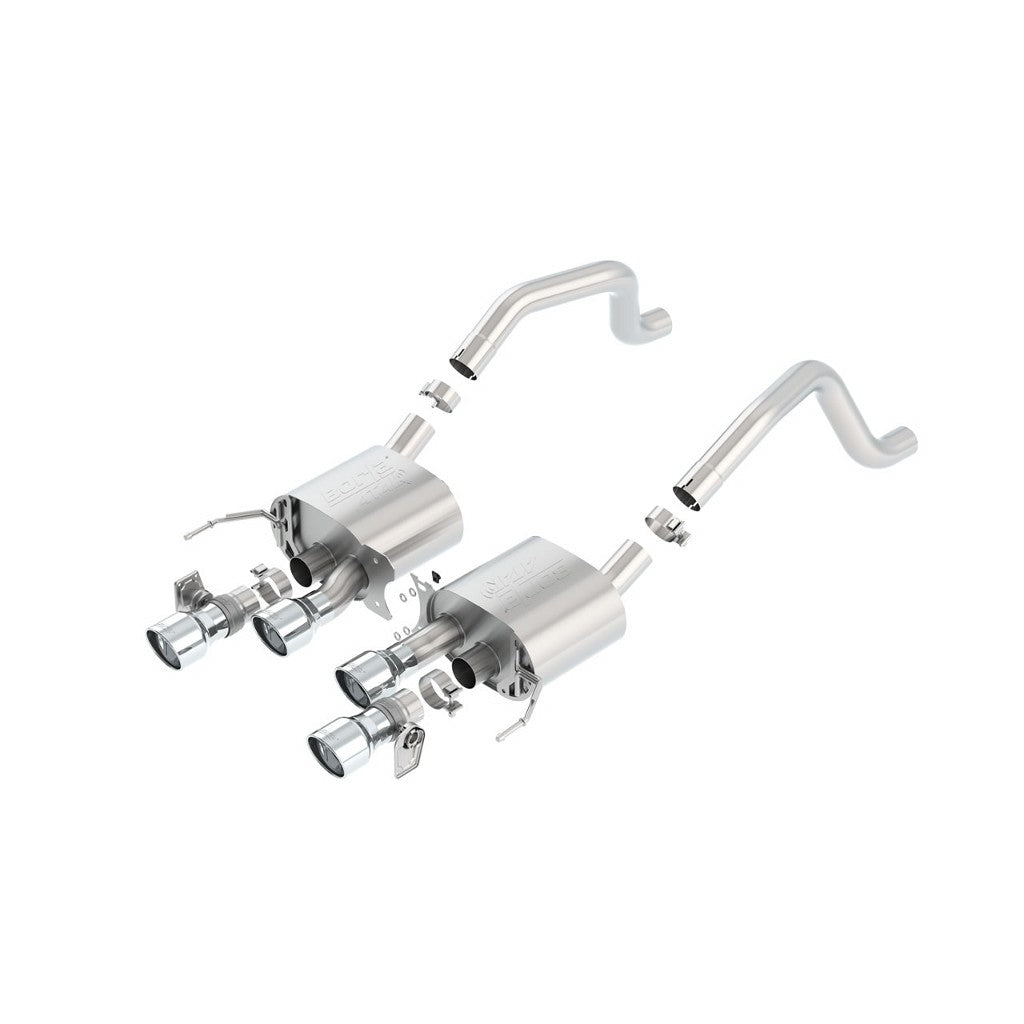
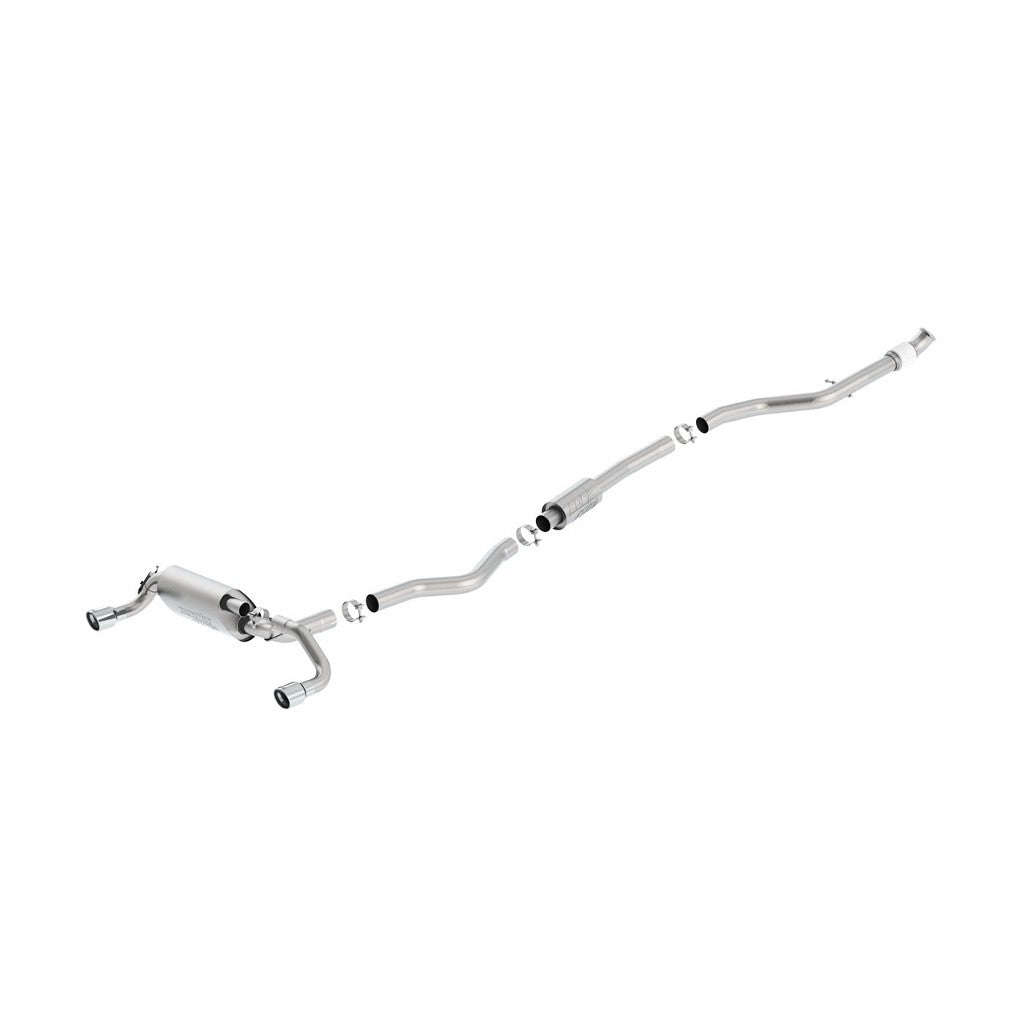
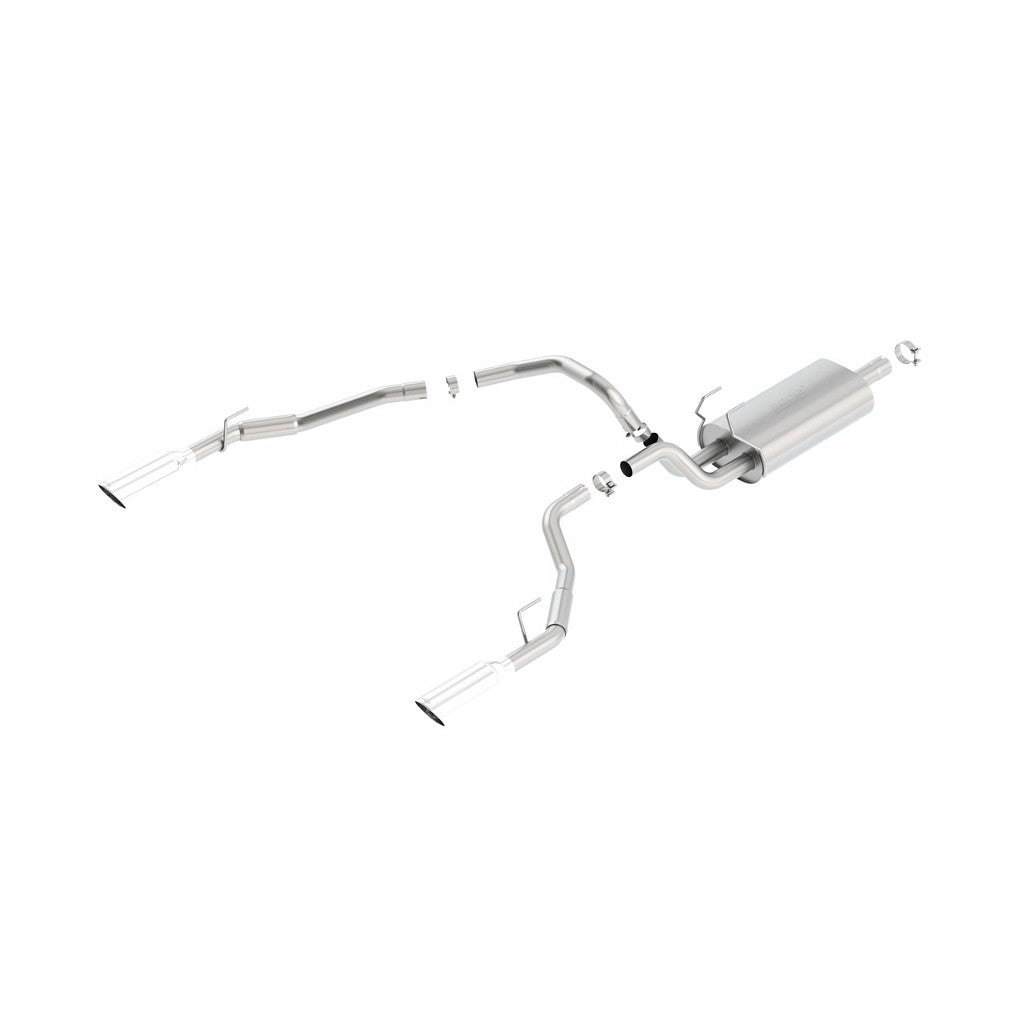
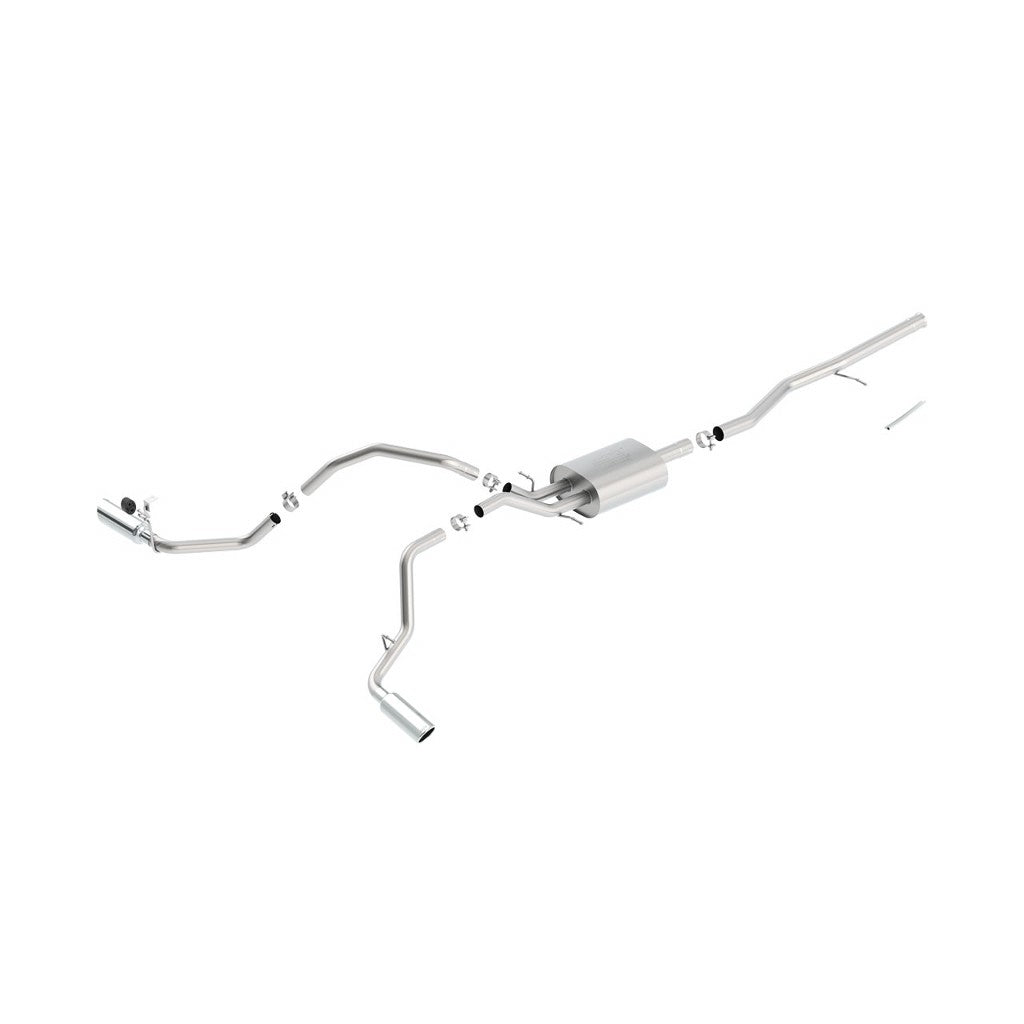
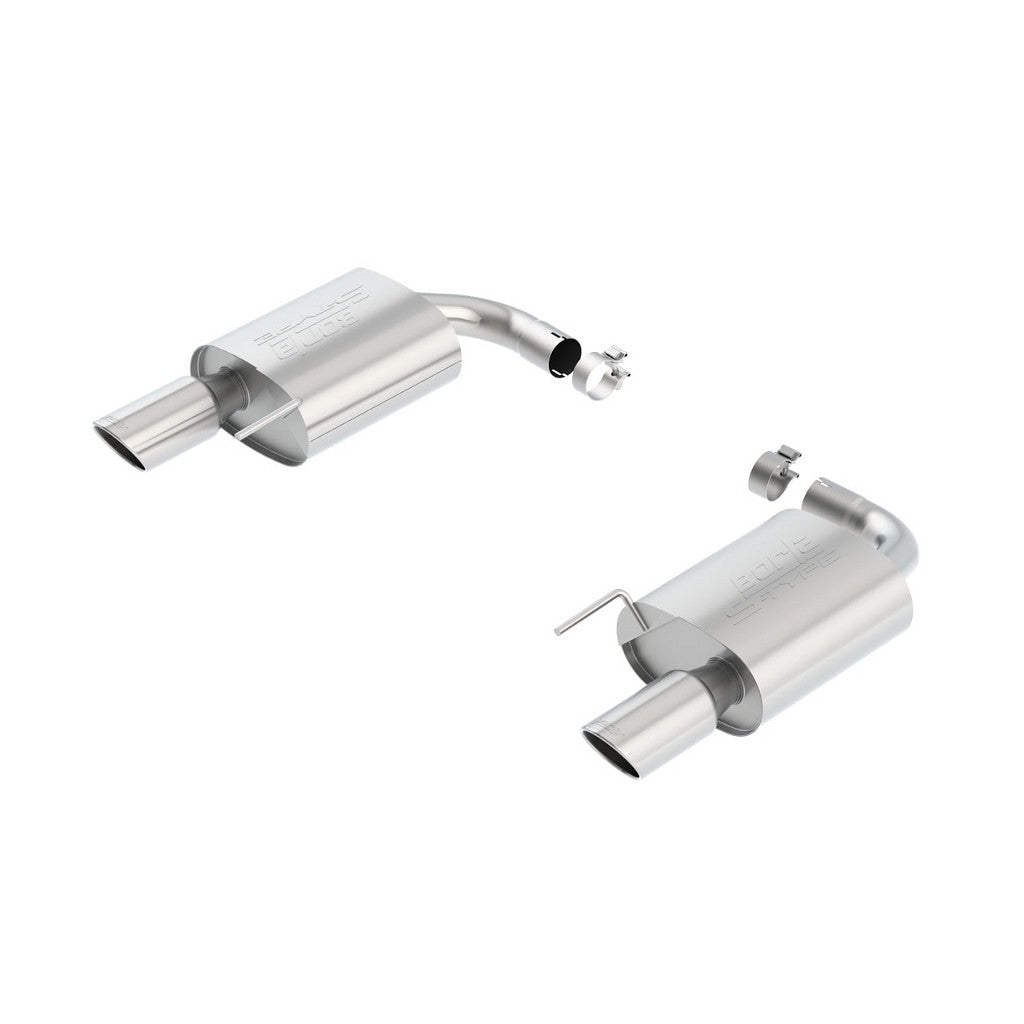
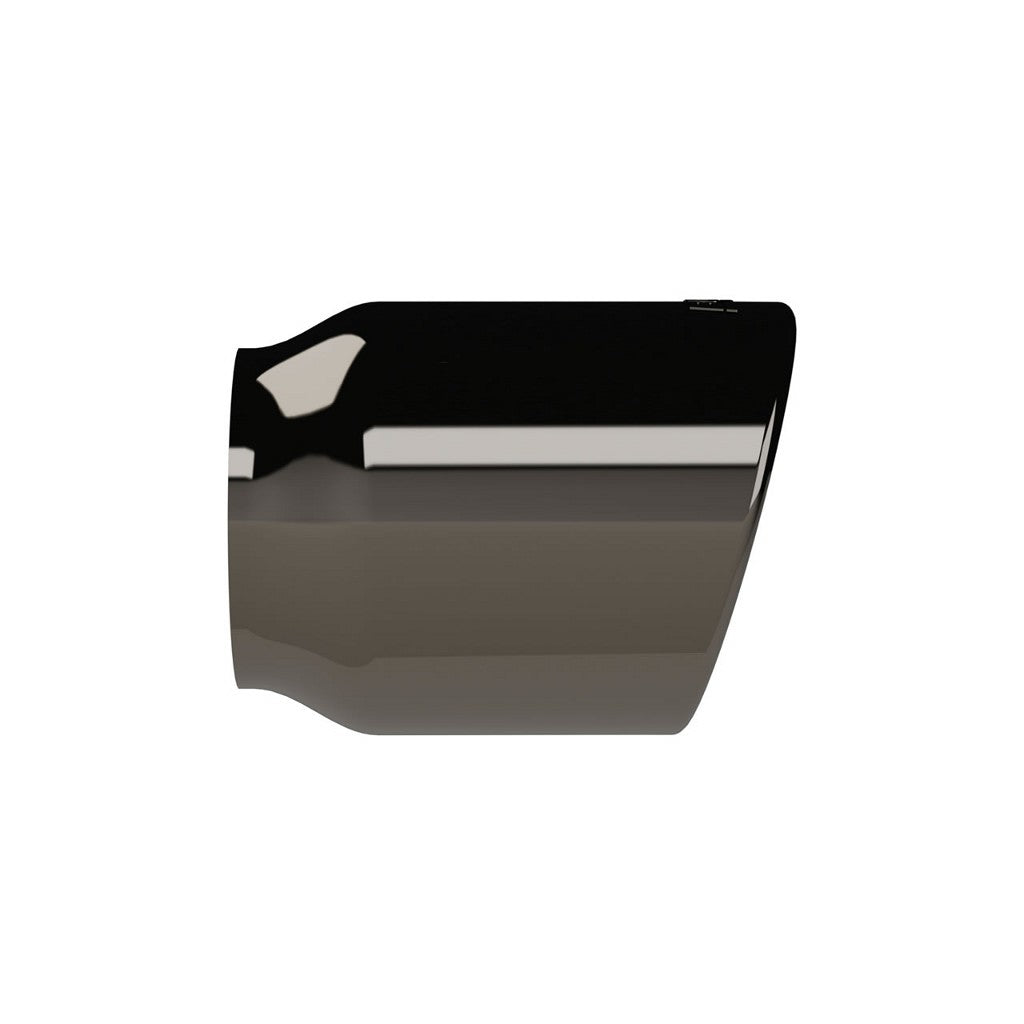
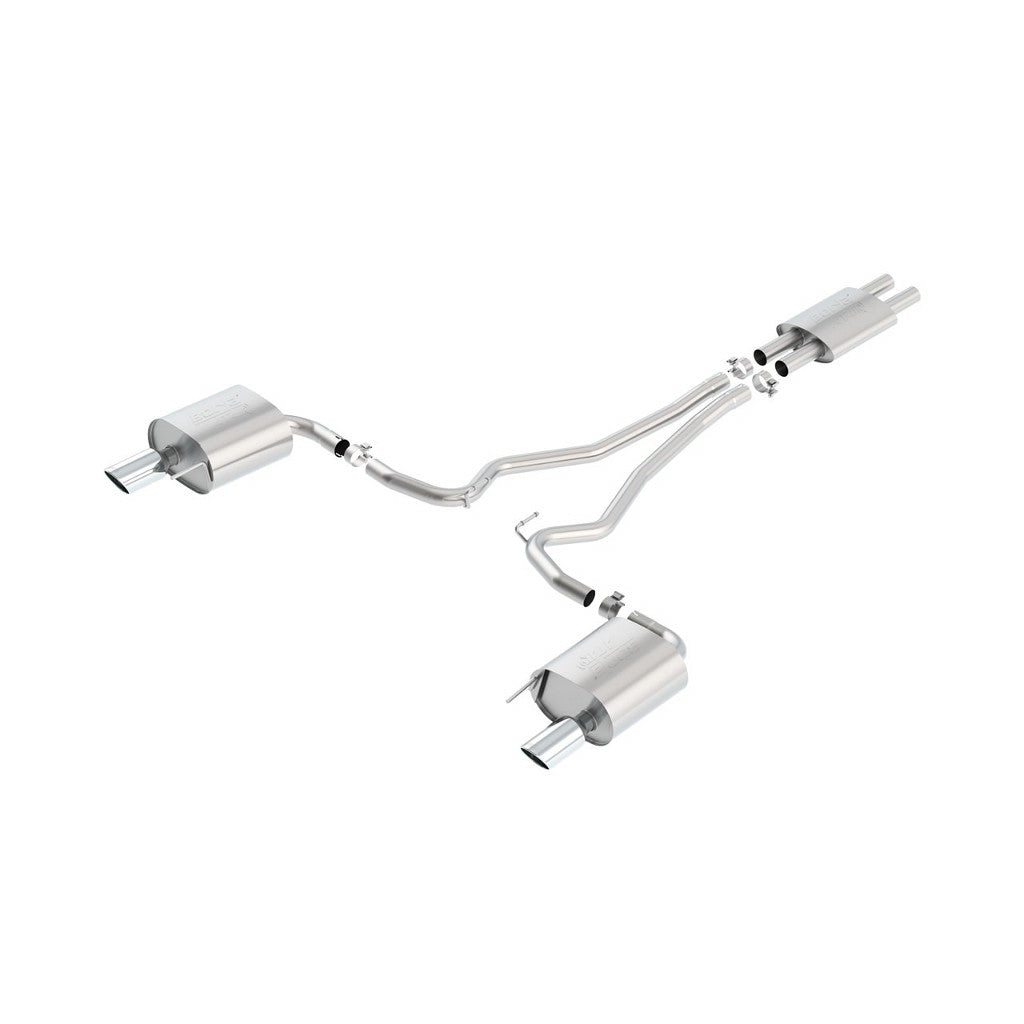
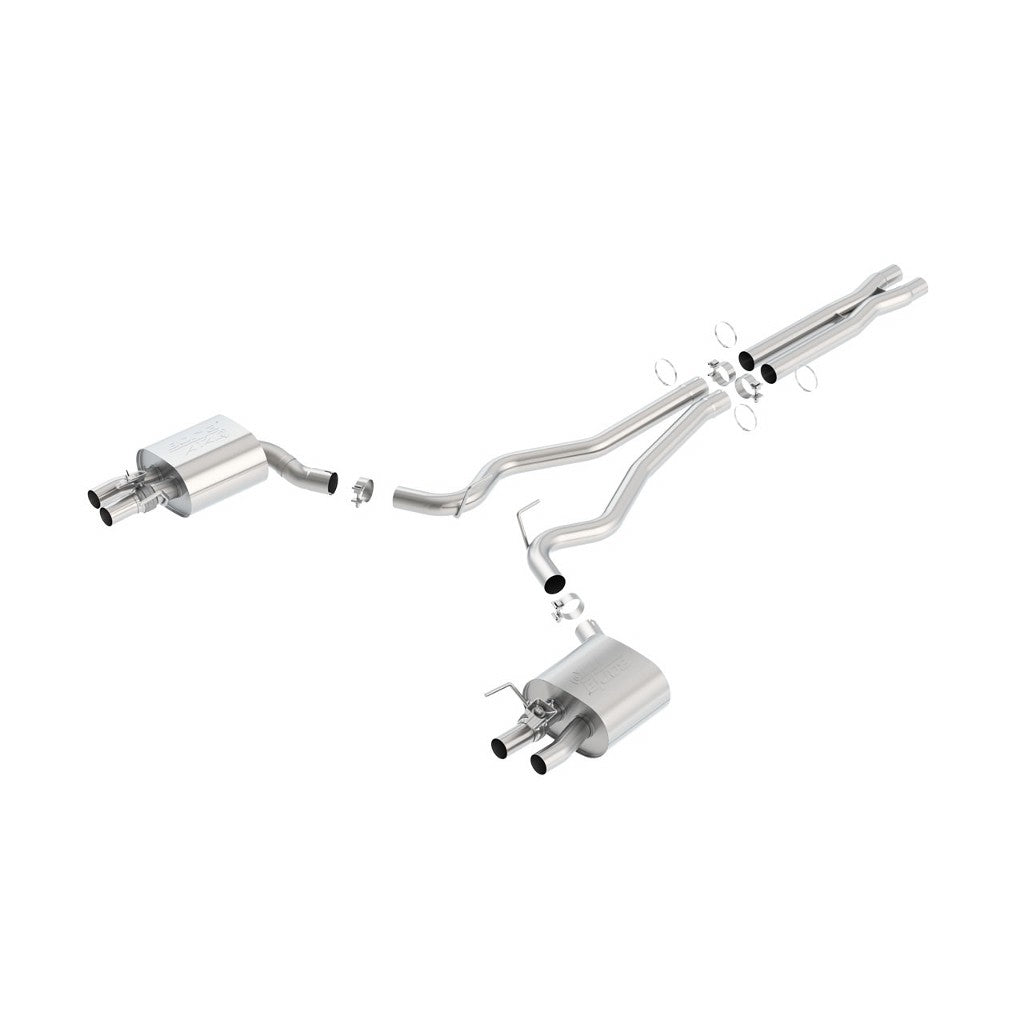
A typical Cat-Back system consists of a mid-pipe, resonator, main muffler, and exhaust tips. A key feature of high-quality systems is the use of mandrel bending technology, which maintains a constant internal diameter through bends. This eliminates restrictions and turbulence zones that would otherwise act as bottlenecks for exhaust gases.
By design, systems are generally classified into:
- Straight-through systems: Utilize a perforated inner core with high-temperature sound-absorbing material. This provides minimal restriction and maximum flow capacity, making them ideal for Stage 2+ performance builds.
- Valved systems (Valvetronic): Equipped with electronically or vacuum-controlled valves that allow adjustment of sound level and exhaust flow path at the push of a button. This enables a balance between quiet daily driving and aggressive track performance.
Materials and Their Impact on Performance
The material of an exhaust system determines its weight, thermal stability, and durability. Stainless steel grade T304, used by brands such as Milltek and Borla, offers excellent corrosion resistance and long-term reliability. However, for high-performance builds and supercars, titanium and Inconel are often used (for example, in Akrapovic and Kline systems).
Titanium exhaust systems can be 40–50% lighter than stock steel systems, significantly improving handling by reducing weight over the rear axle. Additionally, titanium has unique acoustic properties, producing a sharp, high-frequency metallic tone that cannot be replicated with steel.
Sound Engineering and Drone Control
One of the biggest challenges in Cat-Back design is eliminating drone — a low-frequency resonance that occurs in the cabin during steady-state driving. Leading manufacturers use advanced simulation to design resonator chambers that cancel unwanted frequencies while preserving the engine’s natural sound.
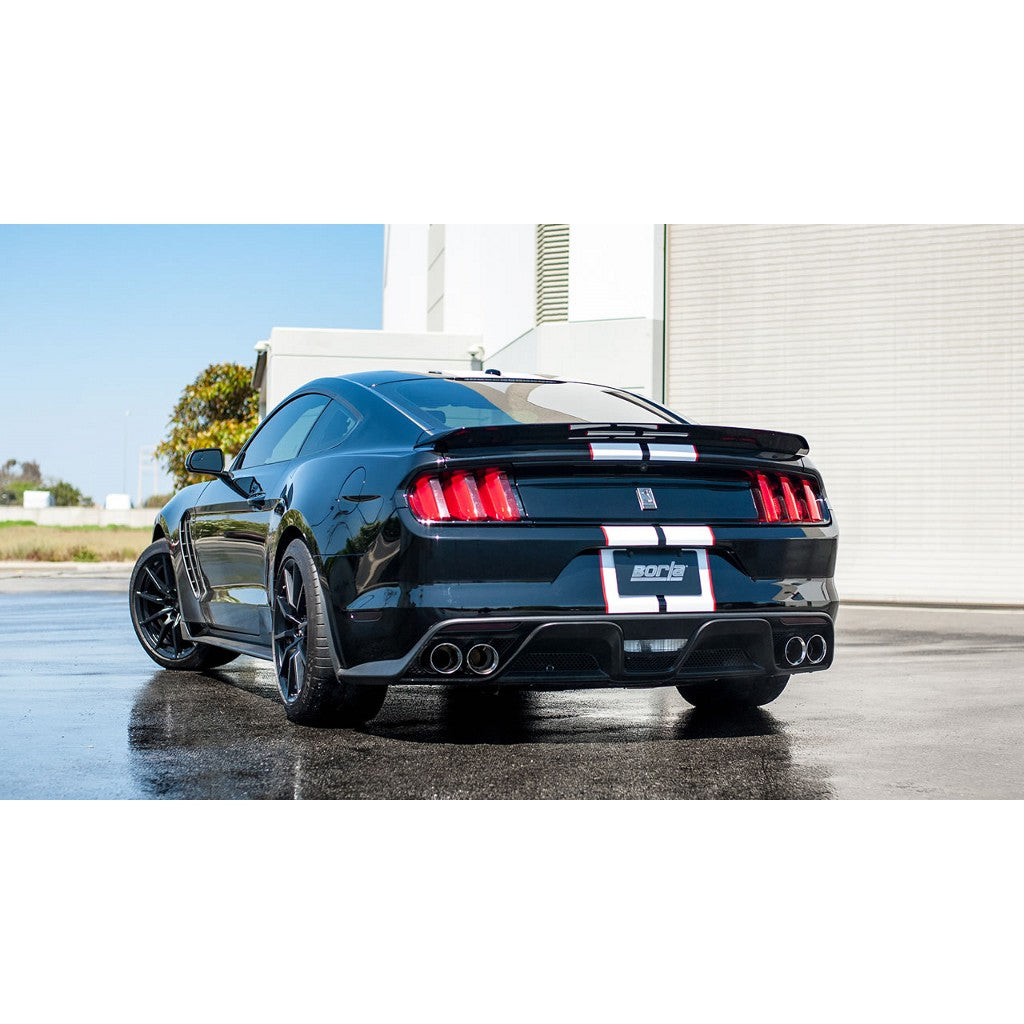
A Cat-Back system unlocks the acoustic character of the engine, from the deep rumble of a V8 to aggressive turbocharged pops and crackles, while maintaining comfort during long drives.
Applications in Performance Tuning and Motorsport
In street performance tuning, a Cat-Back system is a logical upgrade following intake modifications. Reduced backpressure allows the turbocharger to spool faster (reducing turbo lag) and improves throttle response.
In motorsport disciplines such as Time Attack, an optimized exhaust system helps lower exhaust gas temperatures (EGT), enabling more stable engine operation during extended sessions. In drifting, where exhaust systems endure extreme vibration, special attention is given to TIG welding quality and mounting durability — a hallmark of brands like Supersprint and Invidia.
Selection Criteria and Bolt-On Installation
When selecting a system, it is important to consider target power levels. For Stage 1 builds, a 2.5–3 inch diameter is typically sufficient, while large turbo setups may require 3.5 inches or more. Most systems in our range are bolt-on, meaning they install directly onto factory mounting points without cutting or welding.
At ATOMIC-SHOP, you are choosing more than just an exhaust — you are investing in a complete engineering solution that transforms your vehicle, delivering the perfect balance of performance, sound, and long-term reliability.