


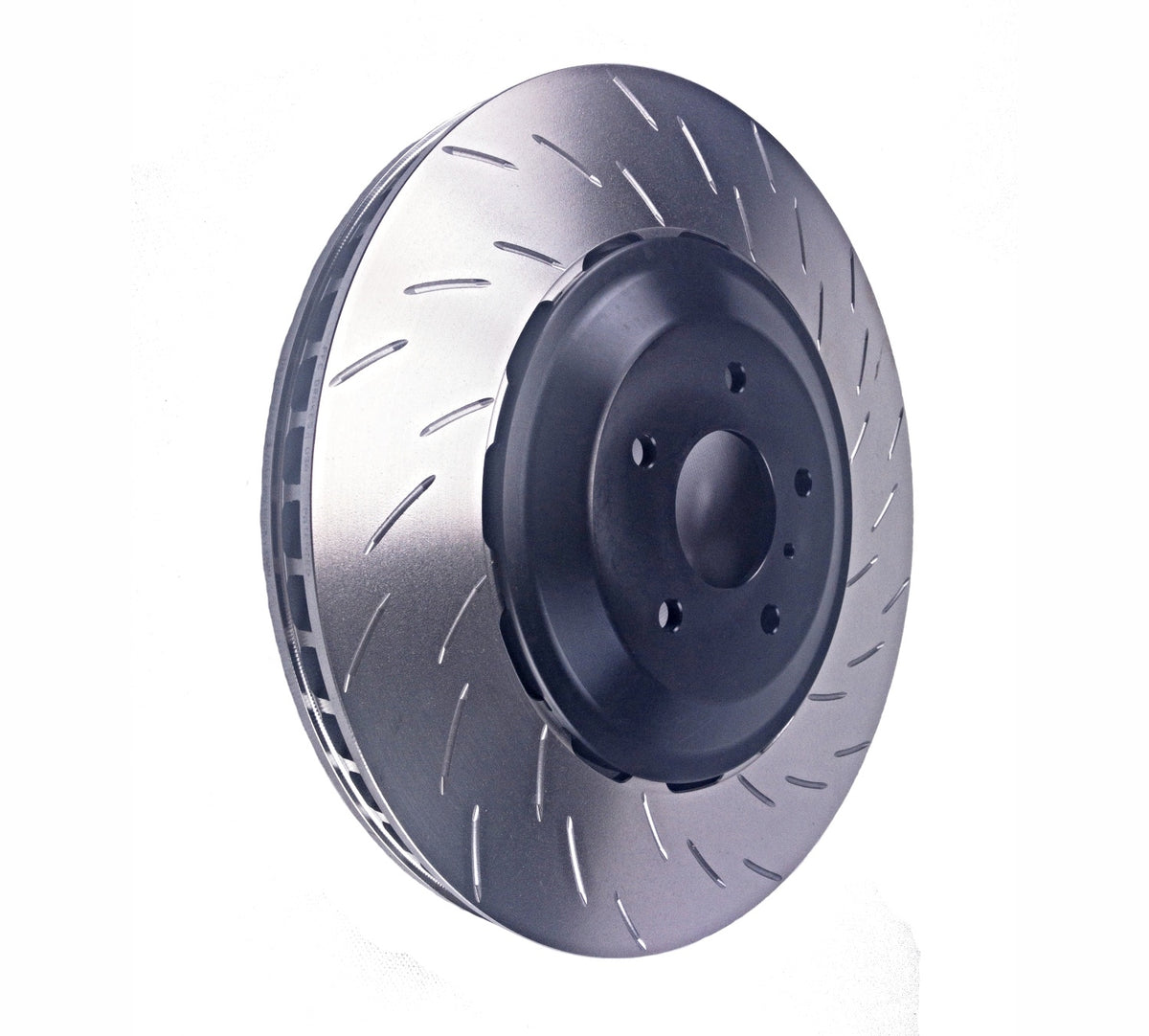


Brake Rotors in Modern Automotive Braking Systems
Brake rotors are one of the key components of a vehicle’s disc braking system, directly responsible for effective deceleration. During motion, the rotor rotates together with the wheel, and when the brake pedal is applied, the brake pads are pressed against its working surface. This interaction generates friction, converting the vehicle’s kinetic energy into heat, which reduces speed or brings the vehicle to a complete stop. Although brake rotors may appear relatively simple externally, their design and material composition are the result of complex engineering calculations aimed at ensuring stable operation across a wide range of loads.
In modern vehicles, disc braking systems are used on nearly all wheels, particularly in higher-powered applications. Together with brake pads, rotors form the primary mechanism responsible for speed control. Their characteristics directly influence braking stability, response predictability, and overall system performance. The rotor must maintain a consistent friction surface capable of withstanding high thermal and mechanical stress without deformation or loss of efficiency.
During operation, brake rotors are subjected to significant mechanical and thermal loads. Under heavy braking, surface temperatures can reach several hundred degrees. In performance driving or track use, these values can increase even further. For this reason, manufacturers place strong emphasis on material selection, internal ventilation design, and geometric optimization to ensure consistent braking performance under demanding conditions.
The ATOMIC-SHOP catalog includes brake rotors used in both powerful street vehicles and track-oriented setups where braking consistency is critical. In such systems, it is not only braking performance that matters, but also the ability to withstand repeated heating and cooling cycles without degradation. Manufacturers such as GIRODISC, PFC, AP Racing, and StopTech are widely recognized for developing braking components for performance vehicles, motorsport applications, and tuning projects.
Design and Technical Characteristics of Brake Rotors
A brake rotor is a metal component mounted to the wheel hub. Its primary function is to provide a stable friction surface for interaction with brake pads. The rotor must ensure uniform heat distribution, high structural strength, and resistance to deformation. Most modern vehicles use ventilated brake rotors, consisting of two friction surfaces separated by internal cooling channels.
These ventilation channels play a critical role in heat management. As the rotor rotates, air flows through the internal structure, helping dissipate heat generated by friction. This reduces the risk of overheating and ensures consistent braking performance during repeated deceleration. Effective cooling also minimizes thermal distortion, which can otherwise affect braking precision.
In high-performance braking systems, two-piece brake rotors are often used. In this configuration, the friction ring is made from high-strength cast iron or specialized alloys capable of withstanding extreme temperatures, while the central hat section is typically made from aluminum. This design reduces rotational mass and improves thermal expansion behavior, contributing to more stable braking performance.
Reducing rotating mass also has a direct impact on vehicle dynamics. Lower inertia allows the suspension to respond more effectively to road irregularities, improving handling and stability during aggressive driving. This is why two-piece brake rotors are commonly used in performance vehicles and motorsport applications.
Engineering Principles and Thermal Load Management
Brake rotor operation is based on the conversion of kinetic energy into thermal energy through friction. When brake pads are pressed against the rotor surface, microscopic contact occurs, involving complex mechanical and thermodynamic processes. This interaction generates braking torque, slowing wheel rotation.
Temperature control is one of the most critical engineering factors. During hard braking from speeds above 100 km/h, a large amount of heat is generated within the braking system. If the rotor cannot dissipate this heat efficiently, overheating may occur, leading to reduced braking performance and brake fade.
For this reason, performance braking systems often use rotors with advanced ventilation geometry, drilled holes, or slotted surfaces. These design features improve heat dissipation, remove debris from the friction surface, and stabilize pad-to-rotor contact. Manufacturers such as GIRODISC, PFC, and AP Racing actively implement such technologies in motorsport-oriented braking systems.
Additionally, the shape of ventilation channels plays a significant role in cooling efficiency. Some designs use directional vanes that create a turbine-like effect, actively drawing hot air away from the rotor center. This helps maintain stable operating temperatures even during repeated high-load braking cycles.
Brake Rotors in Road and Performance Driving
Brake rotors are used across a wide range of vehicles, from standard road cars to high-performance machines. In everyday driving conditions, the main requirements include reliability, durability, and predictable braking behavior. Under these conditions, the system operates within moderate temperature ranges.
In performance driving and track environments, operating conditions change significantly. Brake rotors must withstand repeated high-speed deceleration, with surface temperatures exceeding those seen in normal road use. As a result, performance vehicles use rotors with enhanced cooling capabilities, increased strength, and optimized friction characteristics.
In tuning and brake system upgrade projects, larger brake rotors are often combined with multi-piston calipers. This increases contact area with the pads and improves heat dissipation. Components from manufacturers such as StopTech and GIRODISC are commonly used in such configurations, where braking performance must match increased engine output.
Selecting Brake Rotors for a Vehicle
Choosing the correct brake rotors depends on several technical factors, including vehicle type, braking system design, and operating conditions. Compatibility with the specific caliper and wheel assembly is critical. Rotor geometry must match OEM specifications or be appropriate for the upgraded braking configuration.
Another important factor is rotor design. Standard road vehicles typically use ventilated rotors with conventional geometry, while performance applications may use drilled or slotted rotors to improve cooling and braking consistency under heavy use.
Material selection is also essential. High-quality cast iron alloys provide excellent thermal properties and durability under cyclic loading. In some cases, lightweight two-piece rotors with aluminum hats are used to reduce rotating mass and improve suspension response.
Impact of Brake Rotors on Vehicle Dynamics and Reliability
Brake rotors have a direct impact on vehicle dynamics and braking system performance. High-quality rotors maintain a stable friction coefficient between the pad and rotor surface, reducing stopping distance and improving vehicle control. This is particularly important in performance vehicles, where braking precision plays a key role in cornering performance.
Properly selected brake rotors also contribute to the longevity of the entire braking system. Stable thermal behavior reduces the risk of overheating calipers, brake fluid, and other components. As a result, the vehicle maintains predictable braking performance even under demanding conditions.
In high-performance vehicles, the balance between engine output and braking capability is critical. Brake rotors are therefore considered a fundamental part of the vehicle’s engineering architecture, influencing not only safety but also overall driving dynamics.