










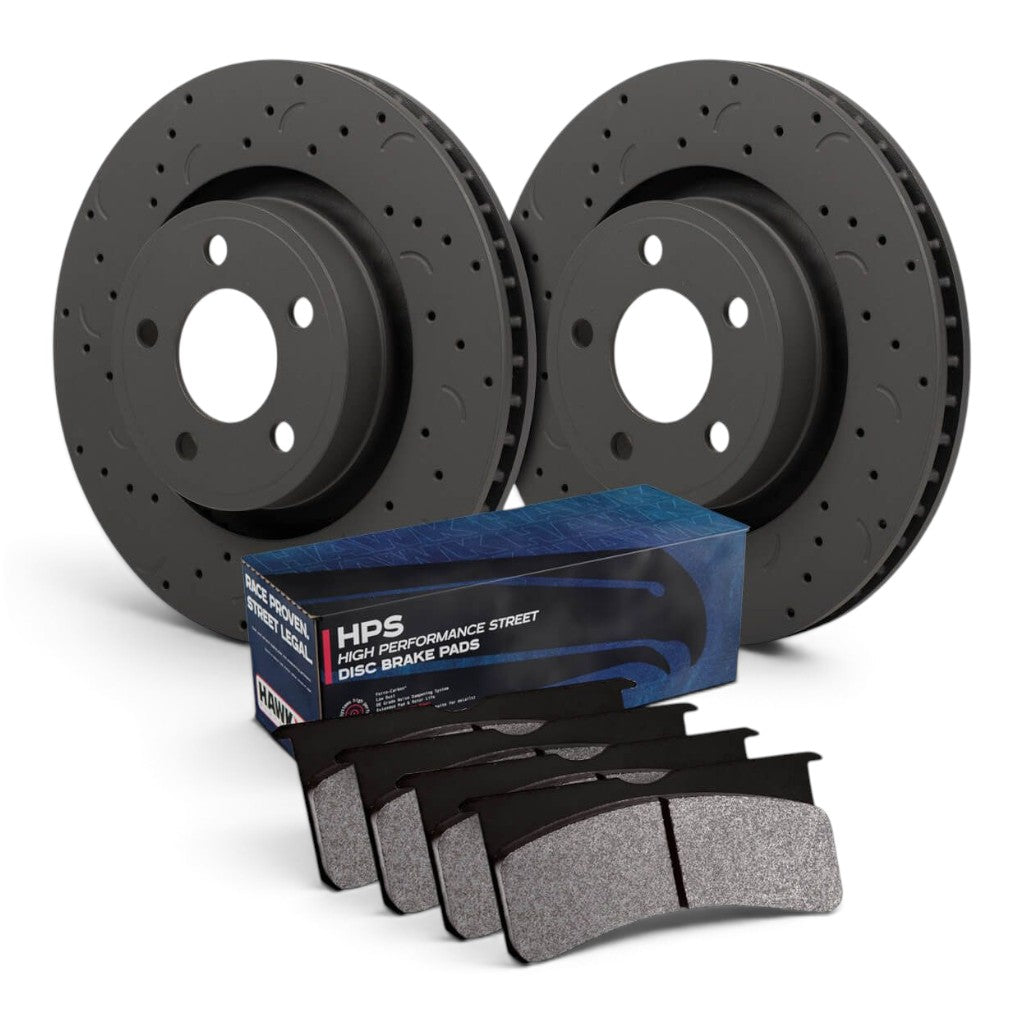


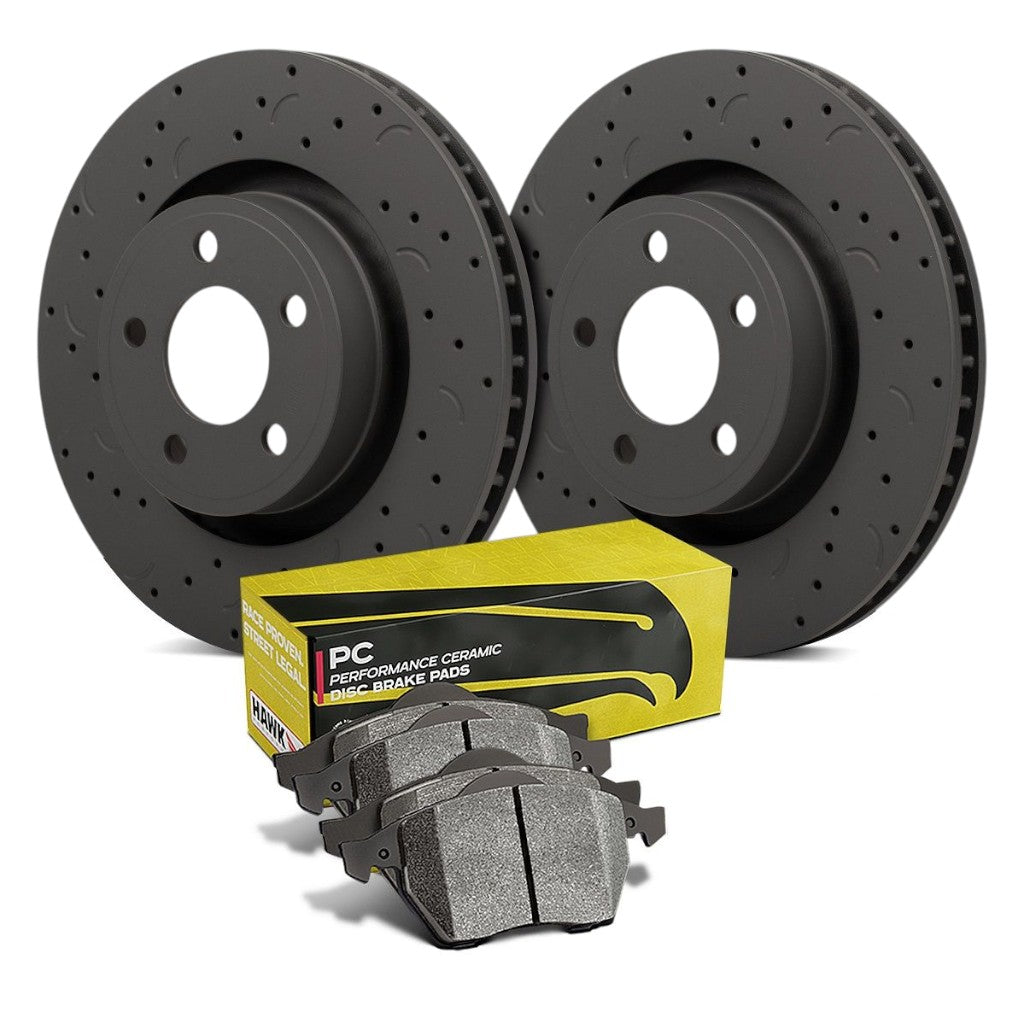


Brake Kits for Upgrading Vehicle Braking Systems
Brake kits are used for комплексного upgrading of a vehicle’s disc braking system. Unlike replacing individual components such as brake pads or rotors, a complete kit includes a matched set of elements designed to operate as a unified system. These kits typically consist of larger ventilated brake discs, multi-piston calipers, mounting brackets, performance brake pads, and additional hardware required for proper integration into a specific vehicle platform.
In automotive engineering, such systems are commonly referred to as big brake kits. Their primary objective is to increase braking efficiency by improving braking torque, enhancing thermal stability, and providing more precise control over braking force. Due to the coordinated interaction of all components, an upgraded system performs more consistently than individually replaced parts within a standard braking setup.
In production vehicles, braking systems are designed around factory engine output, vehicle weight, and typical driving conditions. However, when a vehicle is modified with increased power, higher-grip tires, or used in performance driving scenarios, the stock braking system can operate at its limits. In such cases, brake kits provide a significant improvement in braking performance, thermal capacity, and consistency during repeated high-load deceleration.
ATOMIC-SHOP offers brake kits used in performance street vehicles, tuning projects, and track-focused builds. These systems are engineered for high-load environments where braking precision, heat dissipation, and repeatable performance are critical. Manufacturers such as AP Racing, StopTech, DBA, Hawk, RacingLine, PFC Brakes, Forge, AMS, Verus Engineering, Unplugged Performance, Verkline, and Wilwood develop solutions specifically for high-performance braking applications.
Structural Architecture of Modern Brake Kits
A brake kit functions as an integrated system in which each component is designed to work in coordination with the others. One of the primary elements is the increased-diameter brake disc. A larger rotor provides a greater contact area with the brake pads, increasing braking torque. Additionally, the larger surface area improves heat dissipation, allowing the system to maintain стабильные characteristics under repeated braking cycles.
Another critical component is the multi-piston caliper. Unlike standard two-piston designs, performance brake kits often use four-, six-, or even eight-piston calipers. This configuration allows for more uniform pressure distribution across the pad surface, improving braking efficiency and maintaining consistent pad-to-disc contact.
Many kits also include two-piece brake rotors, where the friction ring is made from high-strength cast iron while the central hat is constructed from aluminum. This design reduces rotational mass and improves thermal expansion behavior. Mounting adapters are also included to ensure precise installation of upgraded calipers within the factory suspension mounting points.
Engineers уделяют особое внимание геометрии компонентов. The caliper, rotor, and pads must operate in correct alignment, as even minor deviations can affect contact uniformity and braking stability. For this reason, brake kits are developed specifically for individual vehicle platforms, taking into account suspension geometry and hub design.
Braking Physics and Thermal Load Management
Braking system performance is defined by the physical processes occurring at the interface between the brake pads and the disc. When hydraulic pressure is applied, the caliper presses the pads against the rotating disc, generating friction. This friction produces braking torque, converting kinetic energy into heat.
Under heavy braking, a significant amount of energy is transformed into thermal energy. During deceleration from speeds above 120 km/h, rotor temperatures can reach several hundred degrees. If heat is not dissipated efficiently, brake fade may occur, reducing braking effectiveness due to overheating of friction materials.
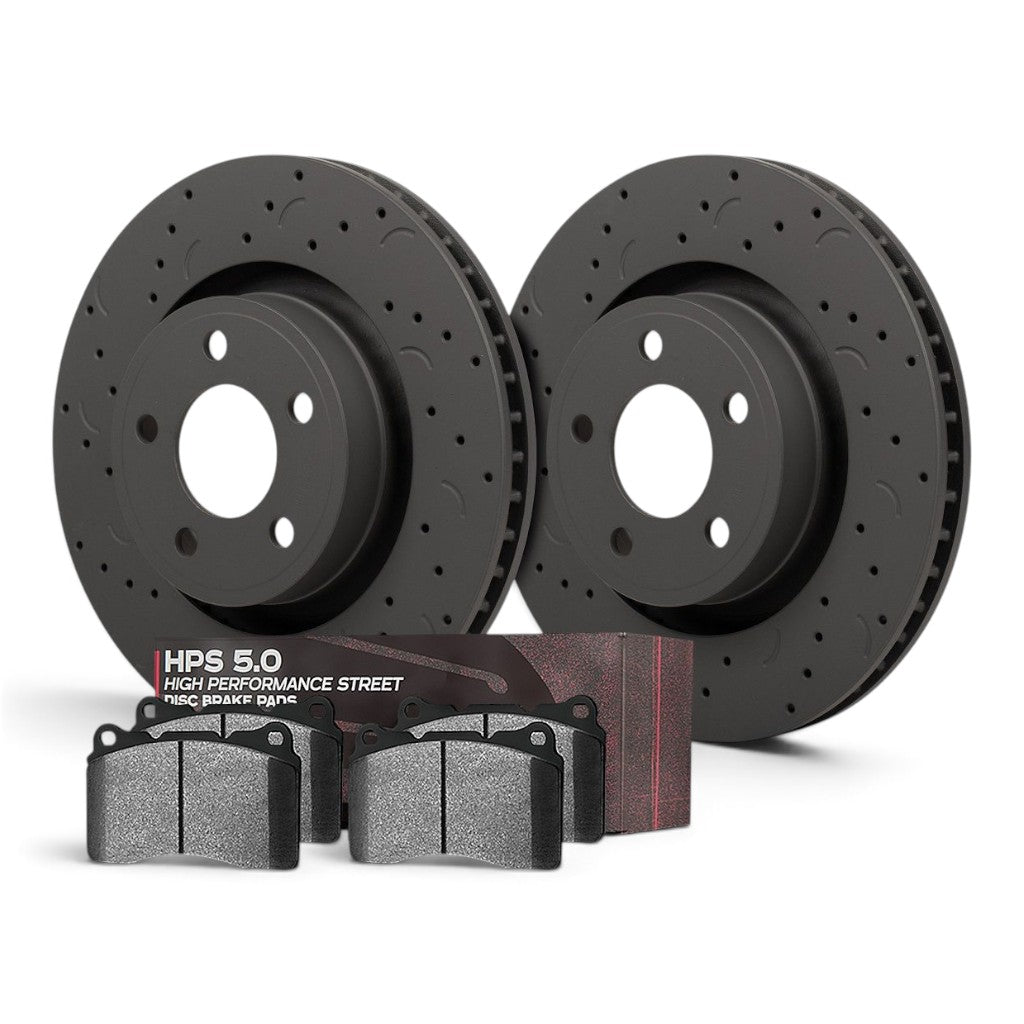
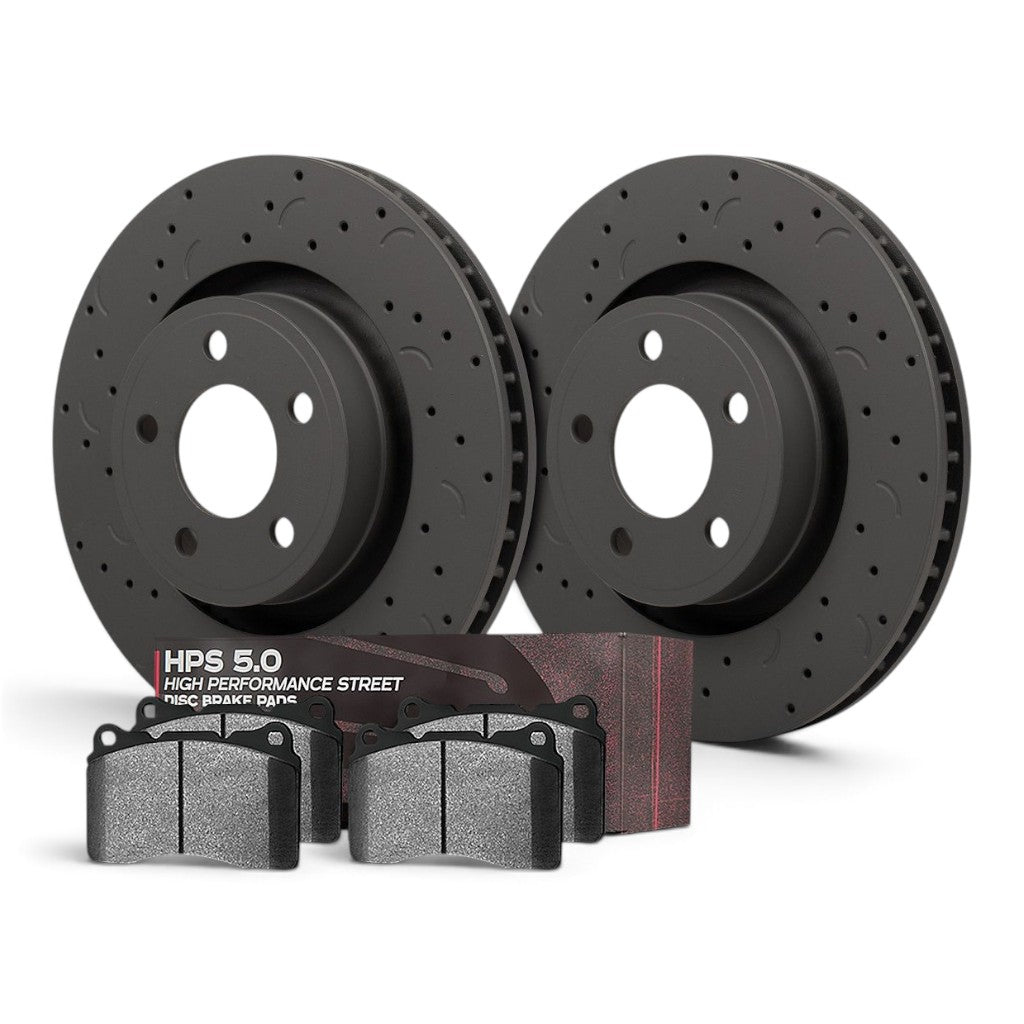
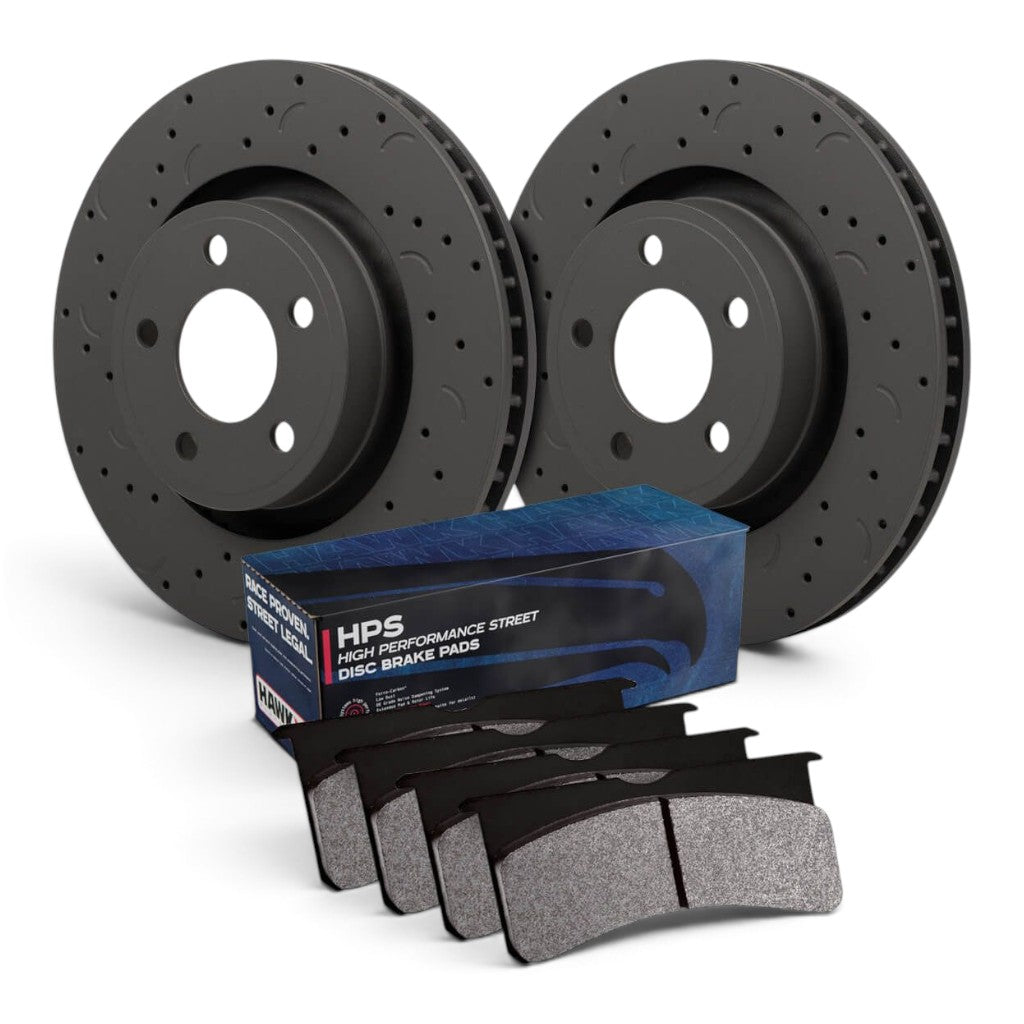
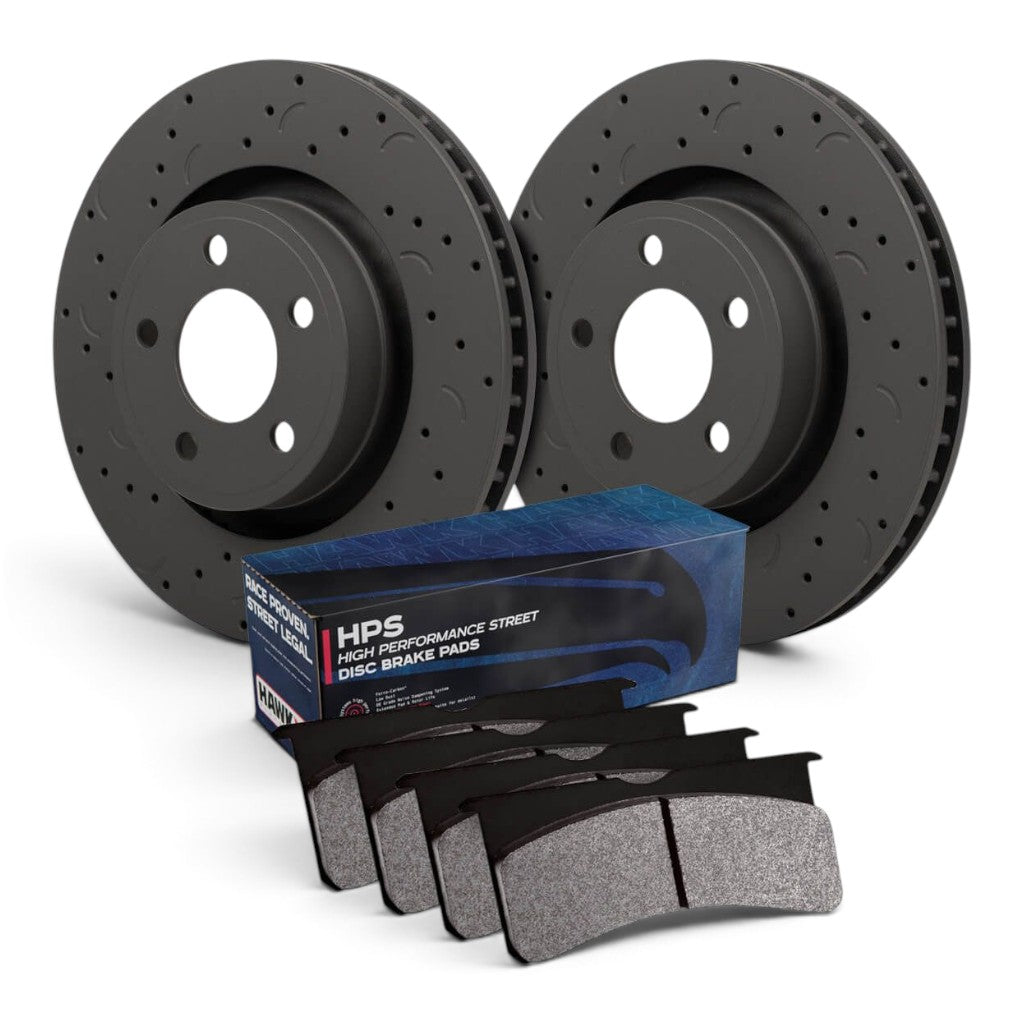
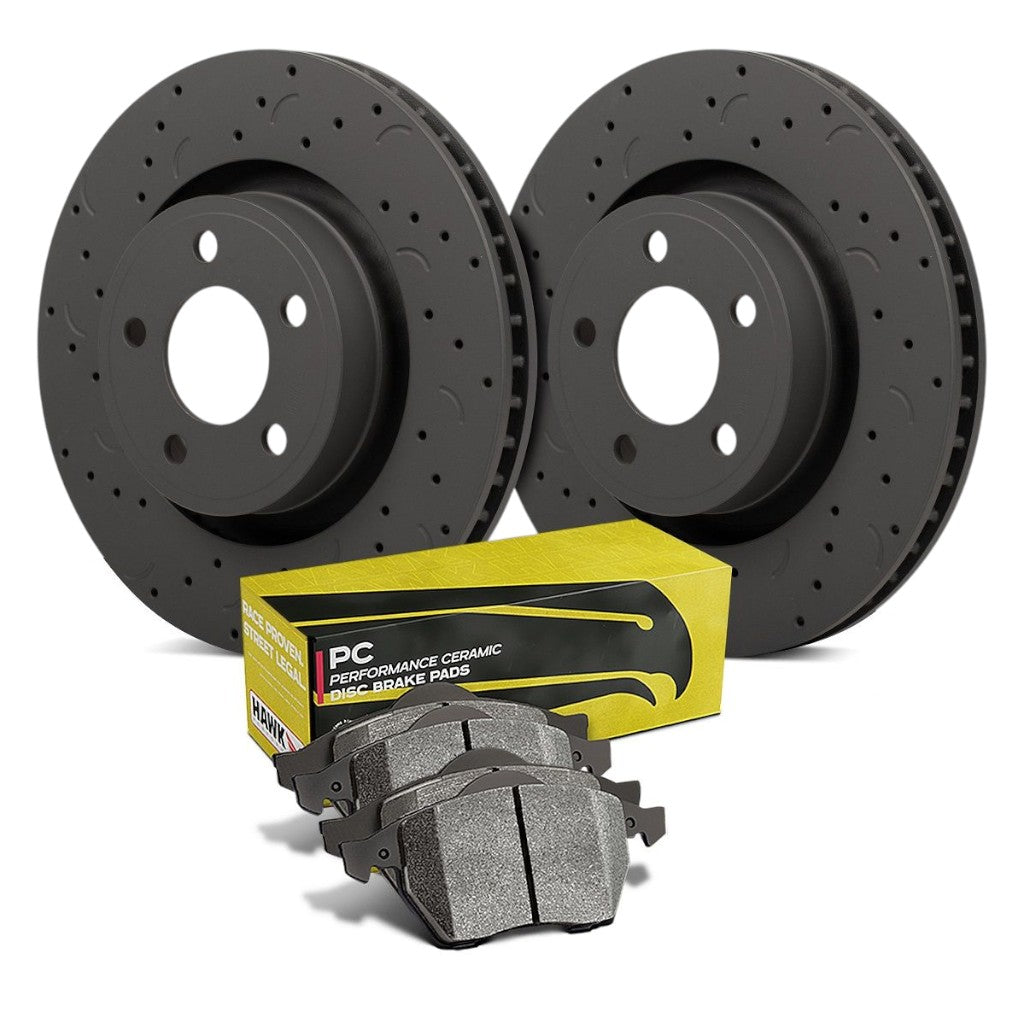
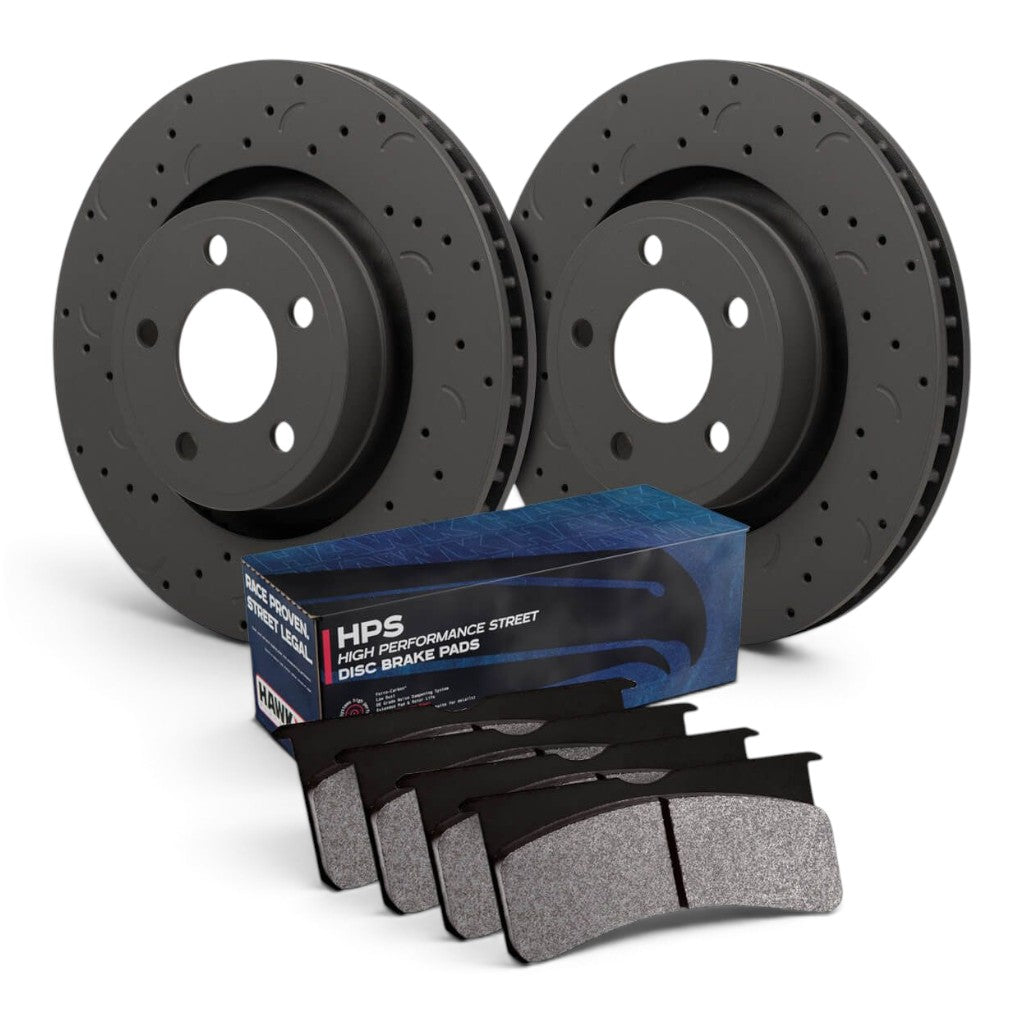
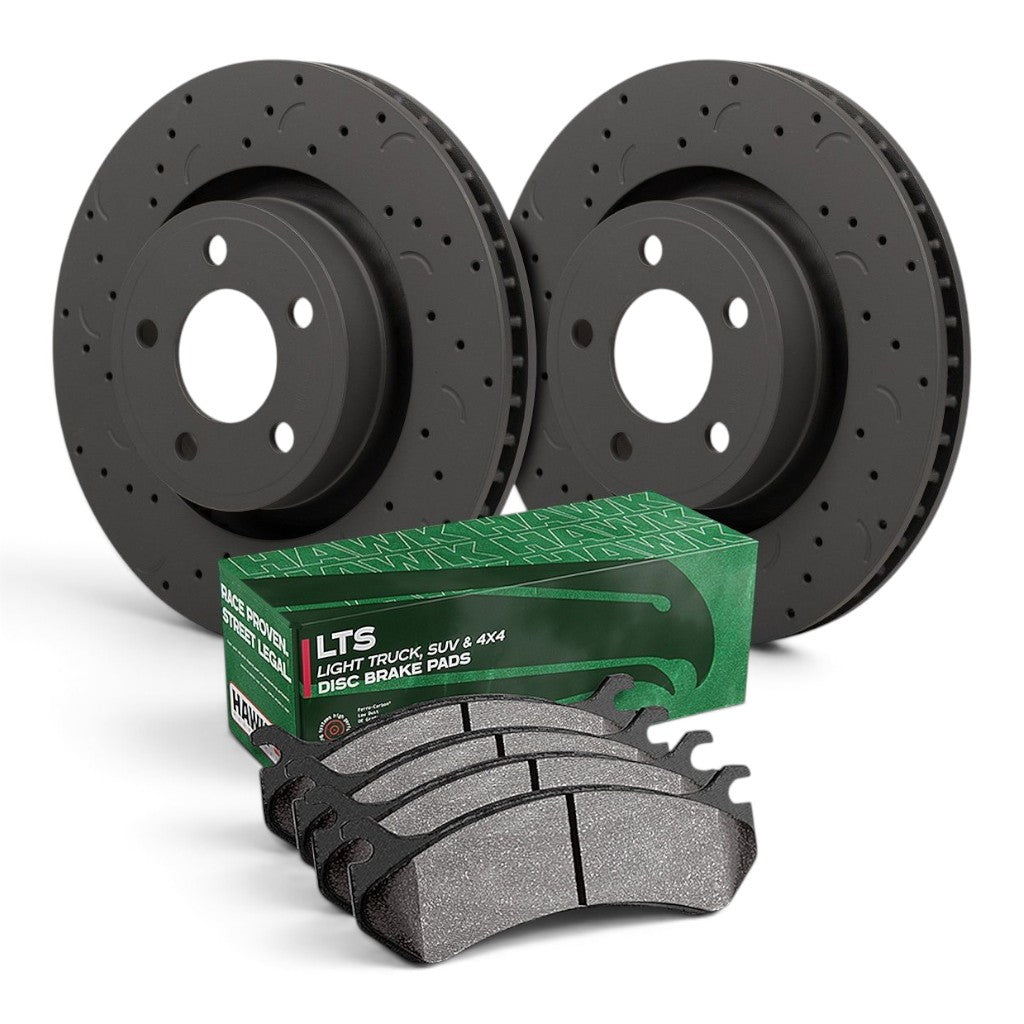
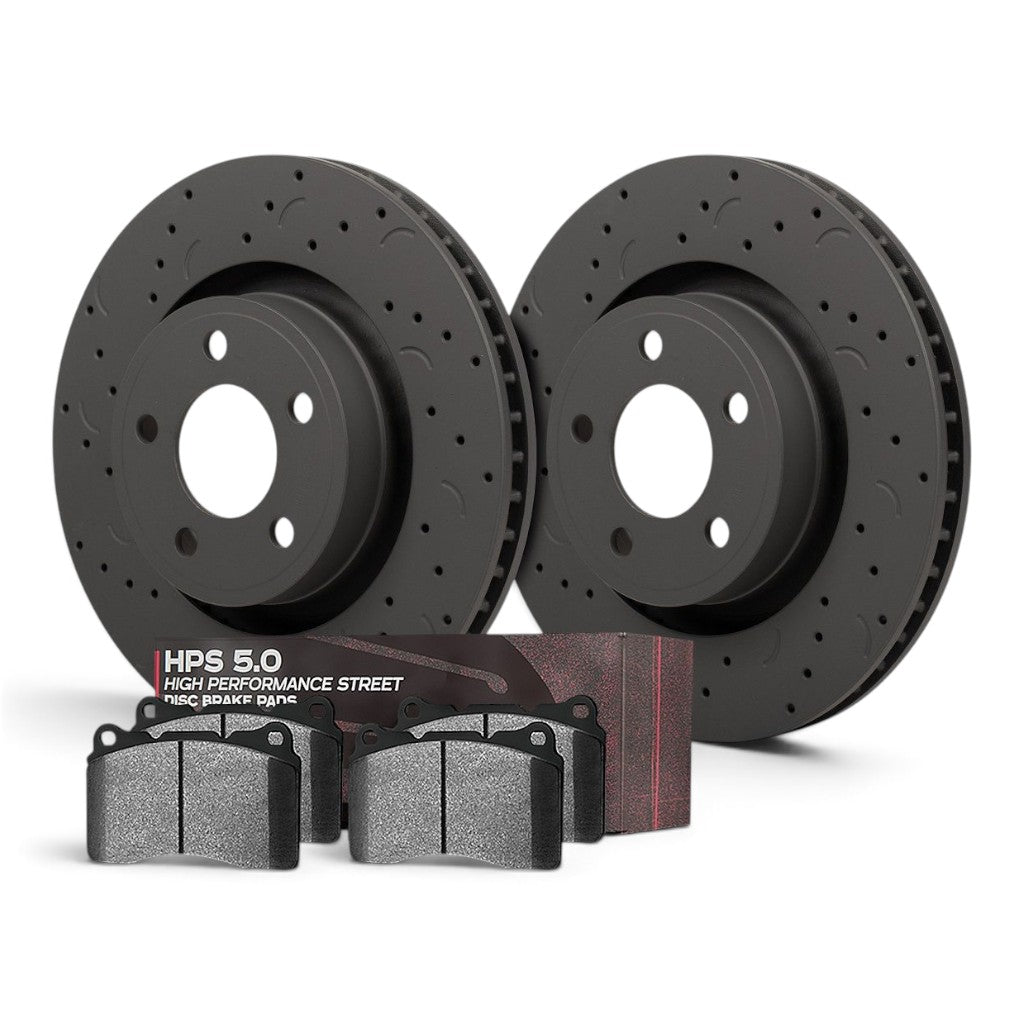
Brake kits with larger ventilated rotors improve thermal control. Internal ventilation channels create airflow during rotation, enhancing cooling efficiency. Some designs also incorporate drilled holes or slotted surfaces to improve heat evacuation and maintain a clean friction interface.
Increasing rotor diameter also changes the leverage of braking force application. A larger effective radius increases braking torque for the same hydraulic pressure. This principle is fundamental to the performance gains achieved with large-diameter brake systems.
Application in Road and Performance Vehicles
Brake kits are widely used in tuning projects where engine output significantly exceeds factory specifications. In such configurations, the stock braking system may not provide sufficient stopping performance under aggressive driving conditions. Upgraded systems with larger rotors and multi-piston calipers compensate for increased speed and vehicle load.
In track-focused vehicles, brake kits become even more critical. During track sessions, vehicles repeatedly decelerate from speeds exceeding 150–200 km/h, generating extreme thermal loads. For this reason, systems from manufacturers such as AP Racing, StopTech, and PFC Brakes are commonly used in motorsport and high-performance applications.
In some cases, brake kits also contribute to improved vehicle control. Reduced unsprung mass and more consistent braking behavior enhance handling precision, particularly during braking in cornering conditions.
Selecting a Brake Kit for System Upgrades
Choosing a brake kit requires consideration of several technical parameters. The primary factor is compatibility with the specific vehicle platform. Caliper mounting geometry, rotor size, and component positioning must match the design of the suspension and hub assembly.
Another important factor is intended use. For daily driving, moderate upgrades with slightly larger rotors and improved calipers may be sufficient. For performance driving or track use, larger systems with enhanced cooling and multi-piston calipers are more appropriate.
Component weight, friction material characteristics, and ventilation design should also be considered. High-quality systems from manufacturers such as AP Racing, StopTech, DBA, and Wilwood are engineered with these factors in mind and are widely used in performance brake upgrades.
Impact of Upgraded Braking Systems on Vehicle Dynamics
Brake kits have a direct impact on vehicle dynamics. A more efficient system reduces stopping distance, improves modulation of braking force, and maintains consistent performance during repeated braking events. This is particularly important for high-power vehicles and performance driving scenarios.
Upgraded braking systems also reduce thermal stress on surrounding components, including brake fluid, calipers, and pads. Improved heat dissipation allows the system to maintain stable performance under intensive use.
As a result, brake kits represent a key element in vehicle performance upgrades, allowing the braking system to match increased power levels and providing improved control under demanding driving conditions.