
Bolts and Studs as Load-Bearing Fasteners for the Engine and Transmission
Bolts and studs are load-bearing fastening elements that determine not only the reliability of a single assembly, but also the stable operation of the entire powertrain. In an internal combustion engine, fasteners hold the cylinder head, connecting rods, main caps of the crank and rod assembly, flywheel, exhaust manifold, turbocharger, and transmission components in place. All of these parts operate under high pressure, temperature, vibration, and cyclic loads. If a fastening element loses clamping force, even a high-quality gasket, strong block, or reinforced connecting rod will not be able to work correctly.
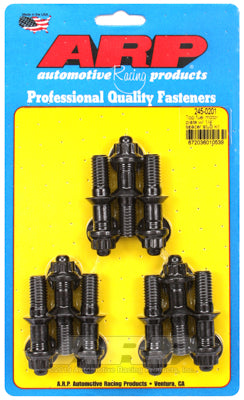
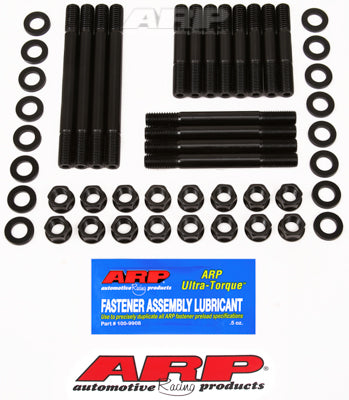
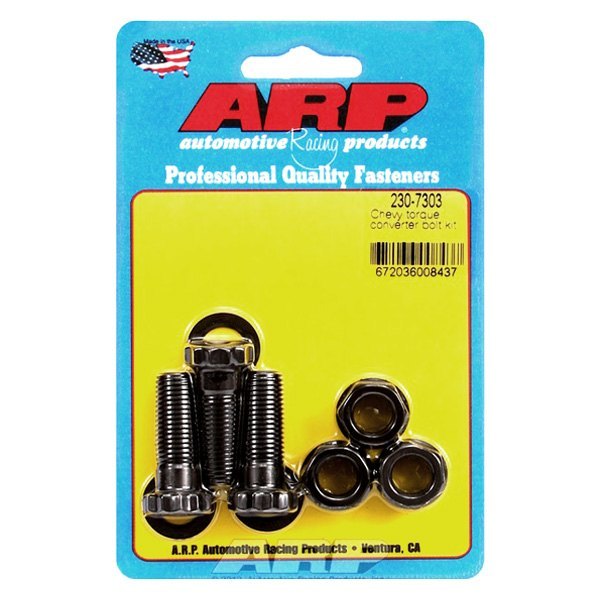
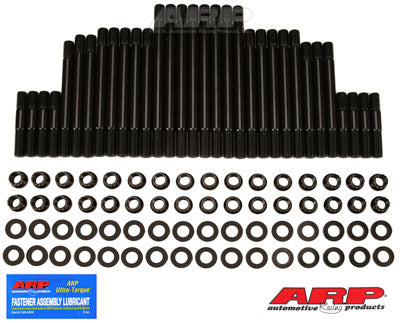
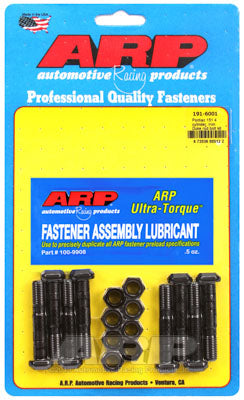
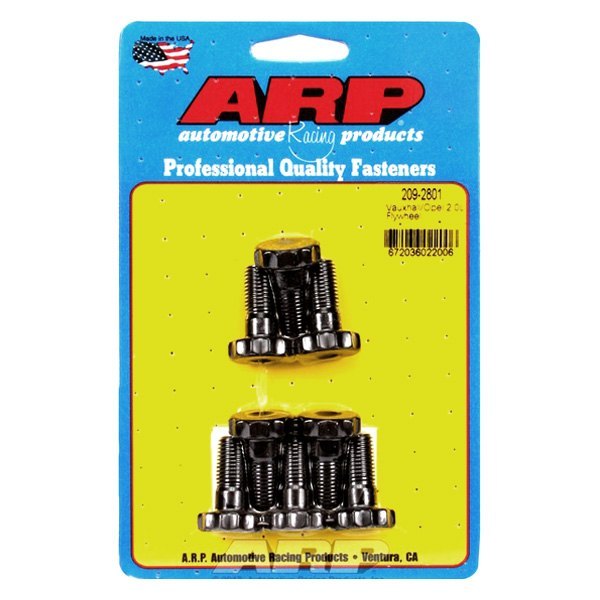
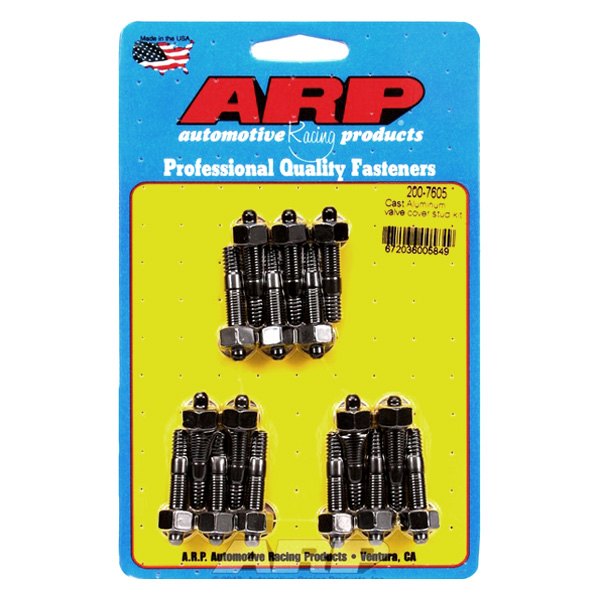
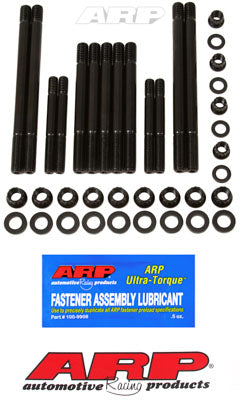
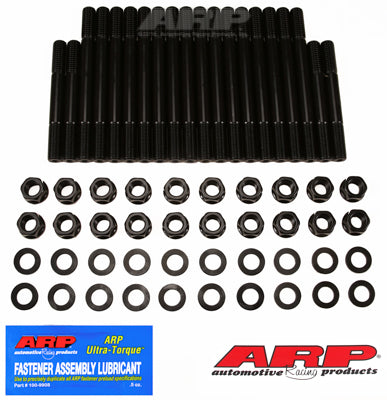
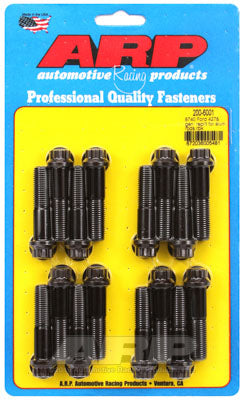
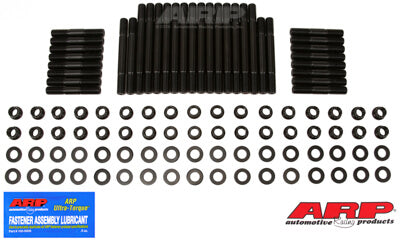
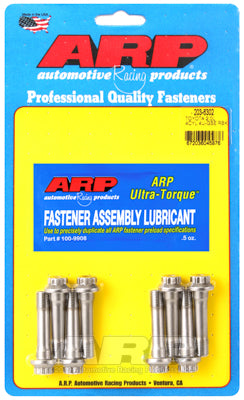
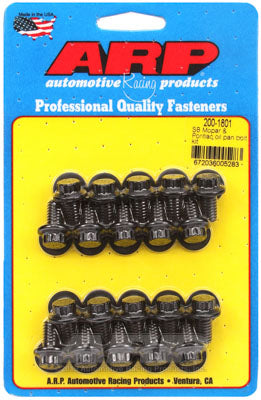
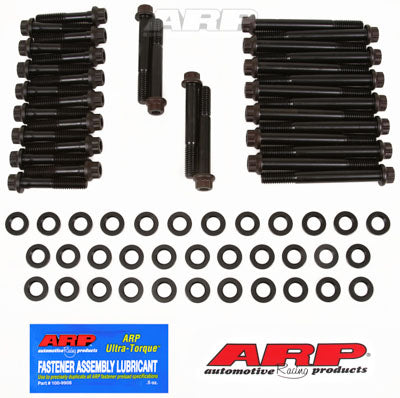
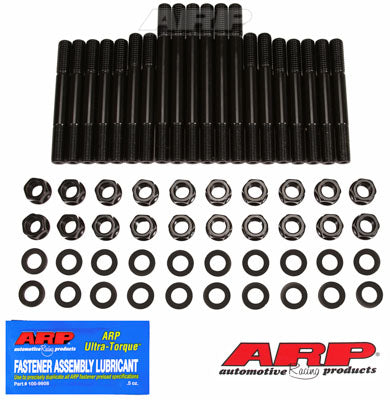
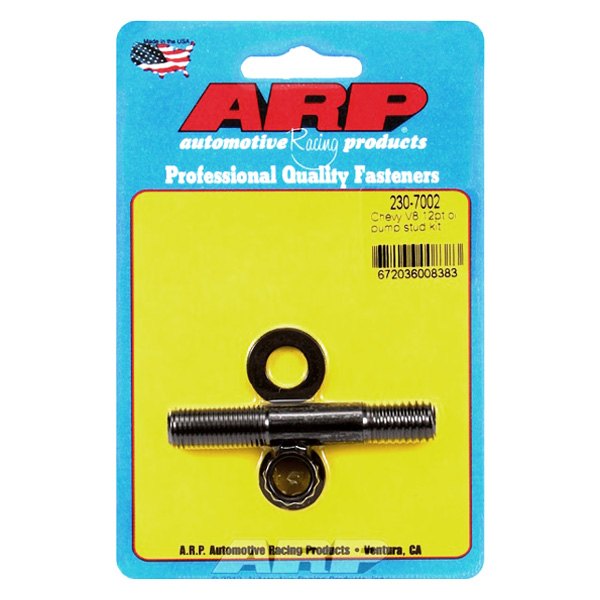
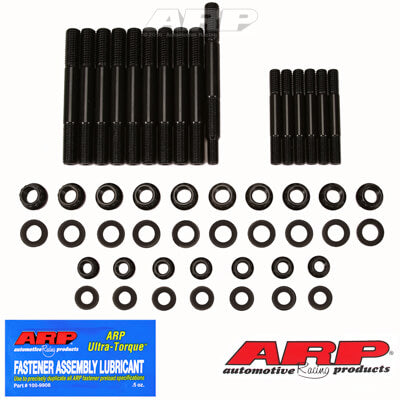
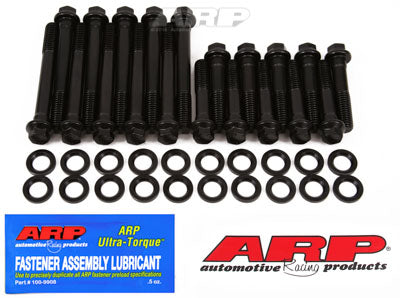
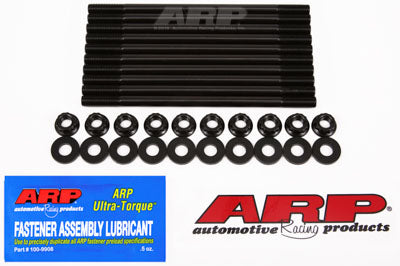
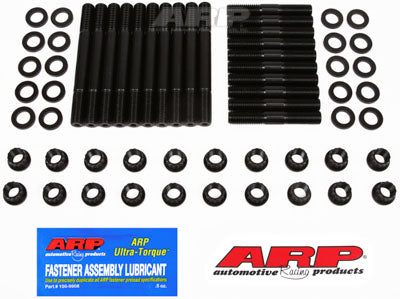
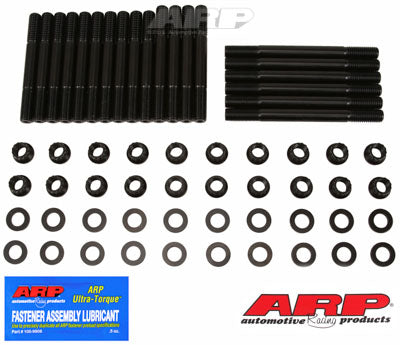
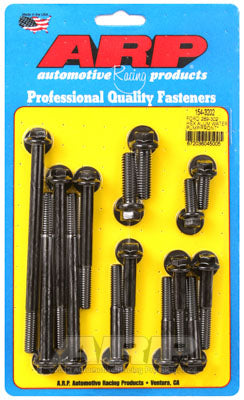
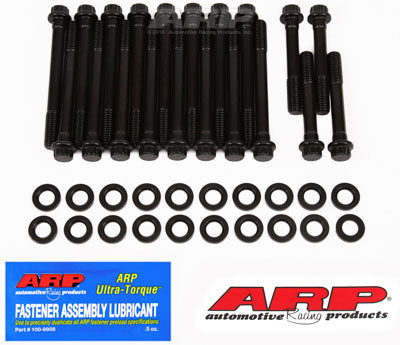
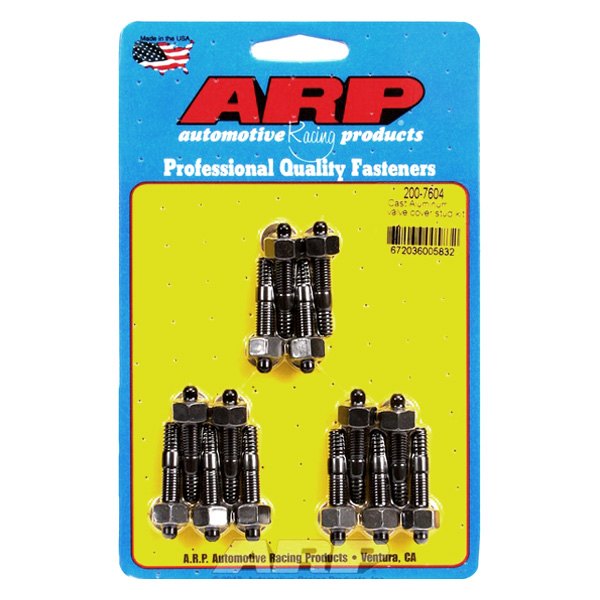
This category includes bolts, studs, nuts, bolt kits, bolt-and-nut sets, and special lubricant for threaded fasteners used in engines, transmissions, and high-load automotive assemblies. The main part of the assortment is formed by the American brand ARP, which specializes in high-strength fasteners for cylinder heads, main caps of the crank and rod assembly, connecting rods, flywheels, turbochargers, manifolds, and other critical joints. The category also includes components from Manley Performance, Tomei, GReddy, AMS Performance, and Tilton Engineering, which should be considered according to their technical role in engine, transmission, or clutch systems.
For engine builds, powerful road configurations, track use, and professional motorsport, bolts and studs are not secondary parts. Increased boost pressure, higher compression ratio, forged connecting rods, a more powerful turbocharger, or a more aggressive clutch all increase the load on every threaded connection. Under these conditions, factory fasteners can stretch, lose preload, or fail to provide sufficient clamping force between parts. This is why high-strength bolts and studs become a mandatory part of a reliable engine build.
How Bolts and Studs Work in Load-Bearing Connections
Any critical threaded connection works not merely because it is mechanically tightened. Its main task is to create controlled preload that clamps two or more parts together with the required force. When a bolt or stud is tightened to the specified torque, the fastener elastically stretches while the joined parts are compressed. This elastic tension keeps the assembly from separating under gas pressure, inertial forces, torque, or vibration.
A bolt is usually threaded directly into the part or passes through a hole and is secured with a nut. A stud works differently: one end is installed into the block, head, or housing, while the component is clamped from the other side with a nut. This layout is often preferable for high-load connections because the threads in the block wear less during repeated assembly, and clamping force is distributed more consistently. This is why cylinder head studs are often used in turbocharged engines and performance configurations.
In an engine, fasteners operate under constantly changing loads. During combustion of the air-fuel mixture, cylinder pressure tries to separate the cylinder head from the block. During connecting rod operation, rod cap bolts hold the joint together at high rpm, when inertial forces repeatedly change direction. In the flywheel area, bolts transfer torque and withstand impact loads from the clutch. In each of these cases, the correct fastener must maintain preload and avoid entering a dangerous range of plastic deformation.
Materials, Heat Treatment, and Preload Accuracy
The engineering quality of bolts and studs is determined not only by diameter or thread shape. Steel grade, heat treatment method, metal grain structure control, thread precision, surface quality, and stability of mechanical characteristics are all important. In high-load assemblies, the fastener must have high tensile strength while still retaining elasticity, so it works as a controlled tensioning element rather than as a rigid pin with no deformation margin.
ARP is known specifically for its specialization in high-strength automotive fasteners. Its bolts and studs are used wherever repeatable tightening, stretch resistance, and clamping force control are important. In performance engines, this is especially critical for cylinder head connections, connecting rods, main caps of the crank and rod assembly, flywheels, and exhaust components. If a fastener has inconsistent strength or uneven thread quality, tightening torque alone does not guarantee the correct actual preload.
The difference between tightening by torque and controlling actual fastener stretch with a dedicated stretch gauge is especially important. Tightening torque depends on friction in the threads, washer condition, lubricant, surface cleanliness, and seating geometry. Two identical bolts tightened to the same torque can receive different preload if friction conditions differ. This is why assembly lubricant, tightening sequence, correct washers, and strict compliance with manufacturer instructions are important in precision assemblies.
Bolt lubricant is not just an ordinary service material. It affects the friction coefficient in the threads and under the bolt head or nut, helping achieve the required preload more accurately during tightening. If an unsuitable lubricant is used or the fastener is tightened dry, the actual load on the bolt can differ significantly from the calculated value. For load-bearing connections, this is critical because correct preload is more important than the torque number shown on the torque wrench.
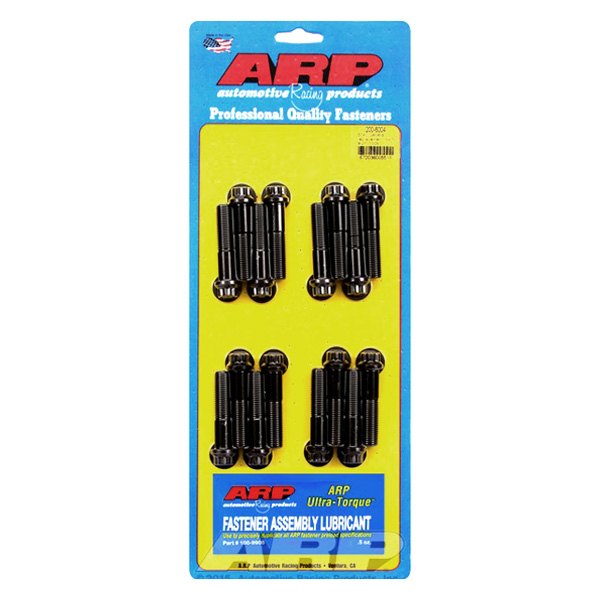
For connecting rod bolts, metal fatigue resistance is critical. At high rpm, the rod cap is exposed to very large inertial loads, and the bolts effectively prevent the lower part of the connecting rod from opening. Under these conditions, Manley Performance components are part of a complete engine configuration together with reinforced connecting rods and pistons. For Japanese performance platforms, Tomei is often considered in the context of engine solutions where compatibility, assembly precision, and high-rpm operation are important.
Application of Bolts and Studs in Tuning and Motorsport
In road tuning, bolts and studs are most often replaced during the installation of a more efficient turbocharger, cylinder head gasket replacement, forged bottom-end assembly, clutch upgrade, or transmission repair. For a daily-driven car, the fasteners must not only withstand peak loads, but also remain stable after many thermal cycles. The engine constantly heats up and cools down, metals expand at different rates, and threaded connections must maintain the correct clamping force.
In turbocharged engines, cylinder head studs are especially important. When cylinder pressure increases, the cylinder head receives impulse loads that try to disrupt the seal between the block, gasket, and head. If factory bolts do not provide sufficient clamping force, gases can break into the cooling system, compression can be lost, or the gasket can be damaged. Reinforced studs help maintain a stable connection even when the engine operates with increased boost pressure and high combustion chamber temperature.
On the race track, fasteners operate under prolonged thermal load, vibration, and repeated transitions from acceleration to braking. Exhaust manifold and turbocharger bolts must withstand high temperature, while engine mount, gearbox, or clutch fasteners must tolerate repeated mechanical impacts. Under these conditions, a weak or incorrectly tightened joint can gradually lose preload, causing fluid leaks, vibration, gasket failure, or damage to adjacent components.
In drag racing, bolts and studs are exposed to short but extremely high loads. At launch, the engine and transmission receive a sharp torque impulse, and all load-bearing connections must hold assembly geometry without shifting. Flywheel, clutch, connecting rod, and cylinder head fasteners must work as one system with the other reinforced components. In such configurations, ARP, Manley Performance, or Tomei solutions are selected not by formal compatibility alone, but by the real load level.
How to Choose Bolts and Studs for a Specific Assembly
Selecting bolts and studs begins with identifying the specific assembly, engine, or platform. For cylinder head fastening, block type, head material, block thread, gasket thickness, compression ratio, boost pressure, and target load must all be considered. For connecting rod bolts, the connecting rod model, bore diameter, cap design, operating rpm, and piston-and-rod assembly weight are important. For flywheel and clutch bolts, torque output, transmission type, and launch load characteristics must be taken into account.
The second criterion is the material and strength class of the fastener. A high-strength bolt or stud must match the operating conditions, but the strongest available option should not be treated as a universal solution for every assembly. An excessively rigid or incorrectly selected fastener can change the load behavior of the thread, housing, or gasket. In a performance engine, what matters is not only the strength of the fastener itself, but also the compatibility between the fastener, gasket, block material, thread condition, and tightening torque.
It is important to understand the real specialization of the brands in this category to avoid mistakes when selecting parts. ARP is the main manufacturer of high-strength bolts and studs for critical automotive fastening. Manley Performance produces forged connecting rods and valvetrain components, where reinforced bolts are supplied as part of a load-bearing assembly. Tomei products are relevant in the context of Japanese performance engines. Tilton Engineering specializes in racing clutches and their components, while AMS Performance and GReddy offer turbocharger kits and parts for specific platforms.
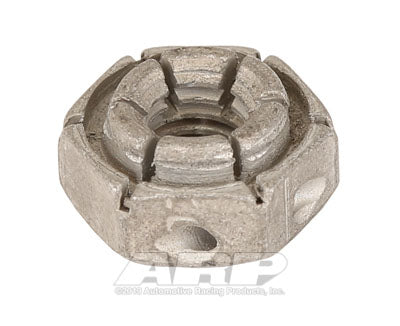
In this category, it is also important to distinguish between individual types of fastening products: separate bolts, nuts, bolt kits, bolt-and-nut sets, and special lubricant for threaded fasteners. Complete kits are convenient because bolts, nuts, washers, and other elements are selected for a specific assembly and work as a coordinated fastening system. This is especially important for cylinder heads, connecting rods, flywheels, clutches, and other assemblies where different fastening elements should not be mixed randomly.
The condition of the threads and surfaces requires separate attention. New bolts or studs will not solve the problem if the block threads are damaged, holes are contaminated, washers are installed incorrectly, or component surfaces are misaligned. Before assembly, threaded holes must be cleaned, stud seating must be checked, recommended lubricant or threadlocker must be used where specified, and the correct tightening sequence must be followed. In a high-load engine, fastener installation is just as important as brand selection.
The Role of Fasteners in Power, Temperature, and Reliability
Bolts and studs do not increase power by themselves, but they create the conditions that allow the engine and transmission to safely handle increased load. If the cylinder head is clamped securely to the block, the gasket works in the correct operating range and combustion pressure remains inside the chamber. If connecting rod bolts maintain preload, the engine bottom end can withstand high rpm without the risk of joint separation. If flywheel and clutch fasteners are selected correctly, torque is transferred without component movement or dangerous vibration.
In high-performance vehicles, fastener quality affects result repeatability. The engine must not only survive one run, but also maintain geometry after many thermal cycles, launches, shifts, and periods of high-rpm operation. Loss of preload in a single connection can trigger a chain reaction: gasket damage, overheating, leakage, thread failure, or deformation of a housing component. This is why bolts and studs are an essential part of a reliable powertrain build.
At ATOMIC-SHOP, you will find not just bolts and studs, but a complete engineering solution for stable fastening of the engine, transmission, and auxiliary assemblies, capable of operating under fast road use, track driving, and professional motorsport conditions.