
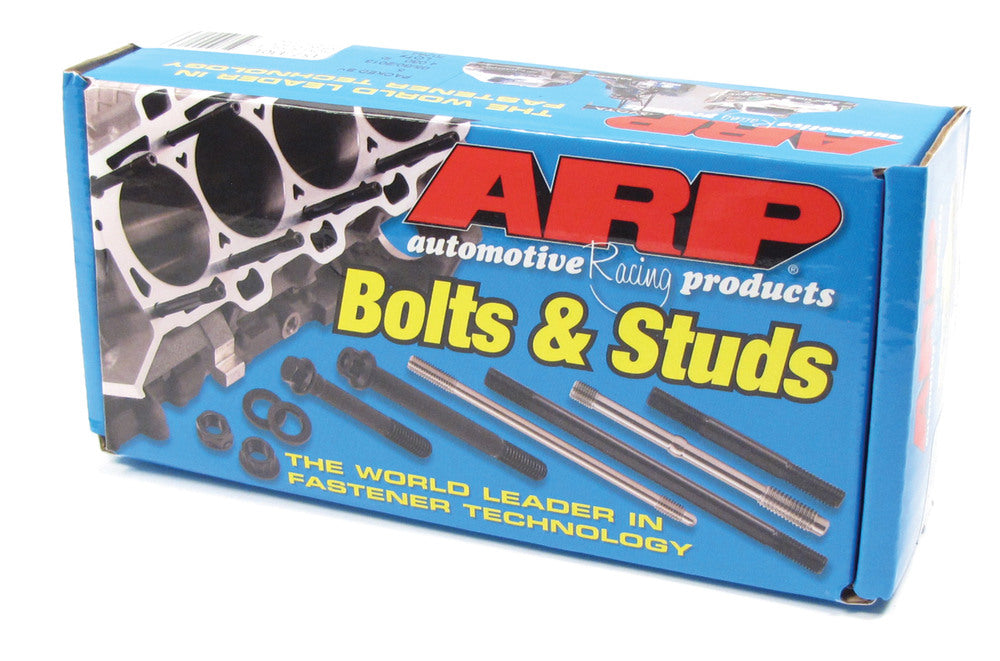
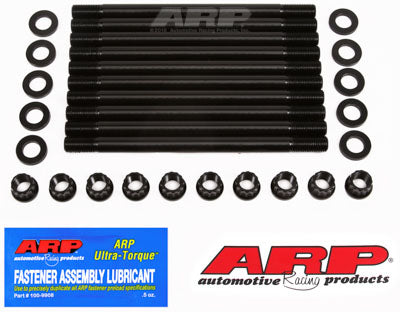
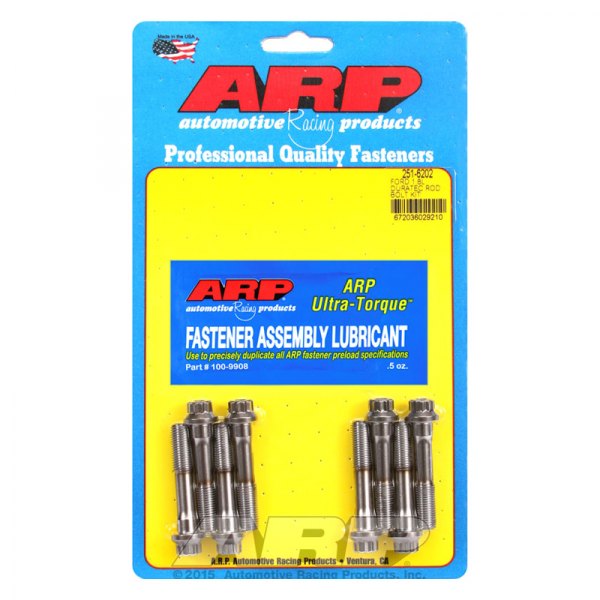
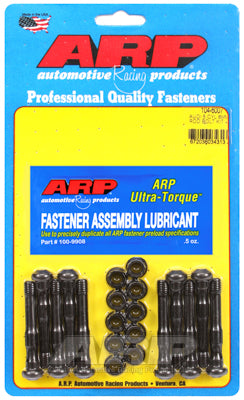
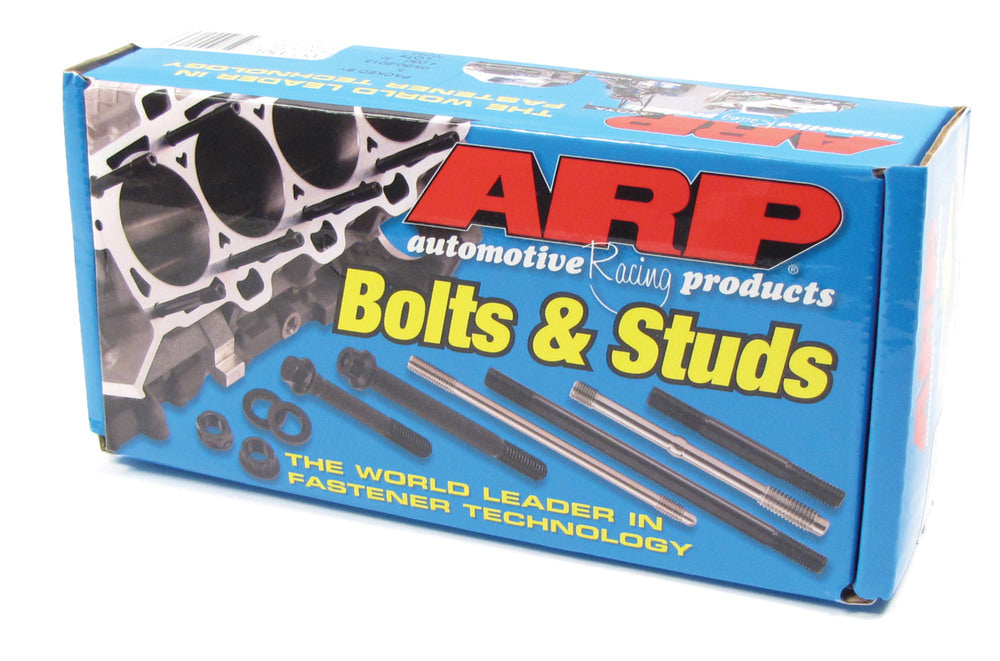
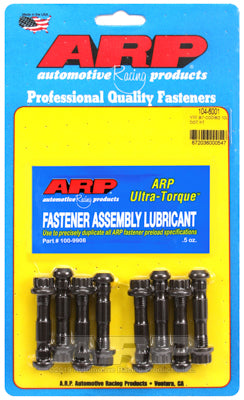
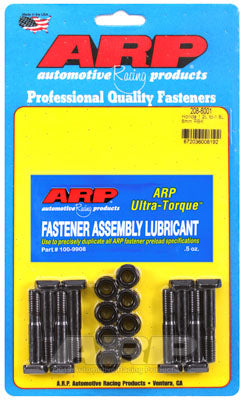
ARP: The Glue That Holds Horsepower Together
In engine building, there is an undeniable truth: you are only as strong as your weakest link. As you chase horsepower with bigger turbos and aggressive tunes, the factory fasteners—head bolts, main bolts, rod bolts—become the fuse. When they fail, they take your expensive engine with them. ARP (Automotive Racing Products) is the insurance policy against catastrophic failure. For over 50 years, this California-based company has perfected the science of fasteners, holding together everything from Formula 1 engines to Top Fuel dragsters.
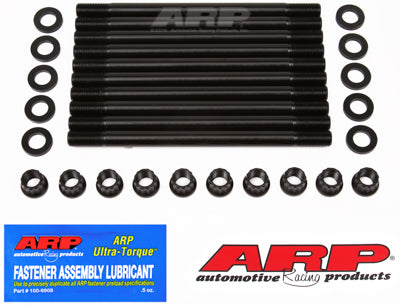
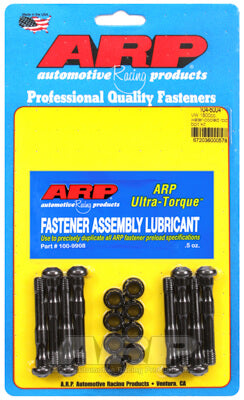
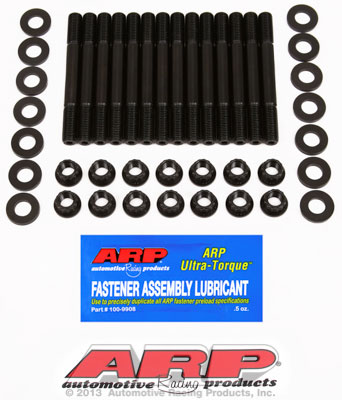
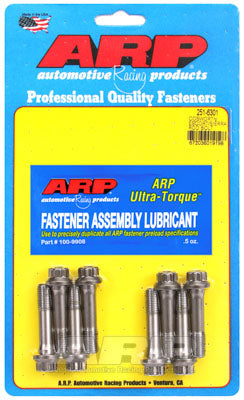
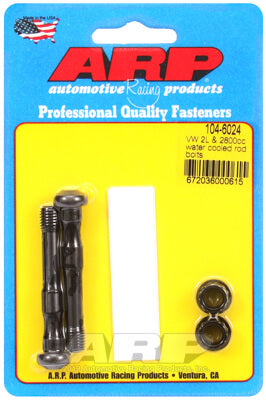
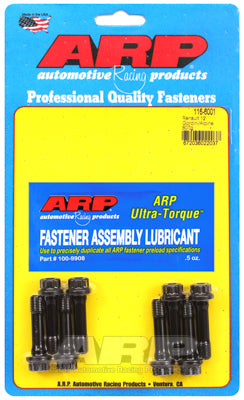
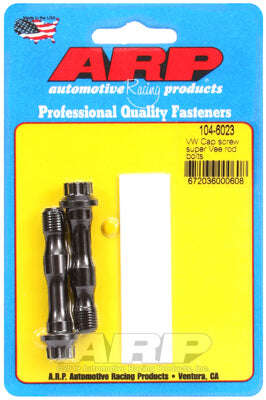
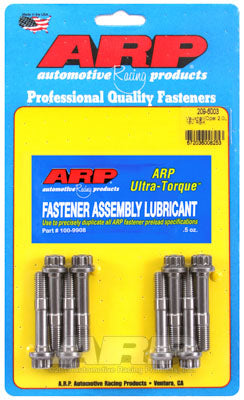
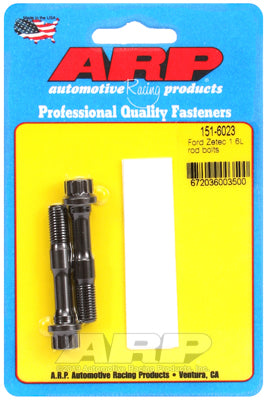
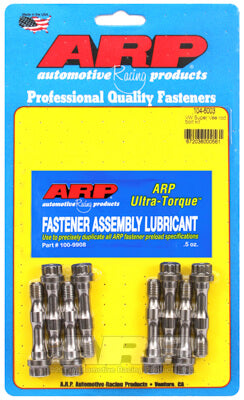
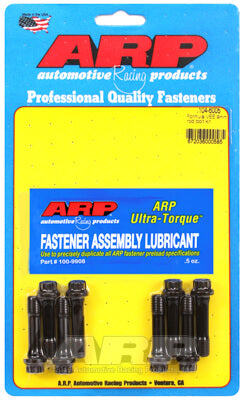
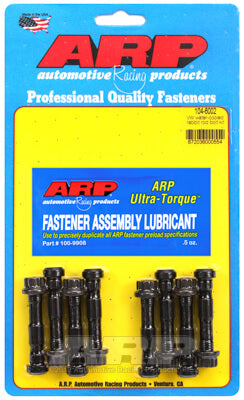
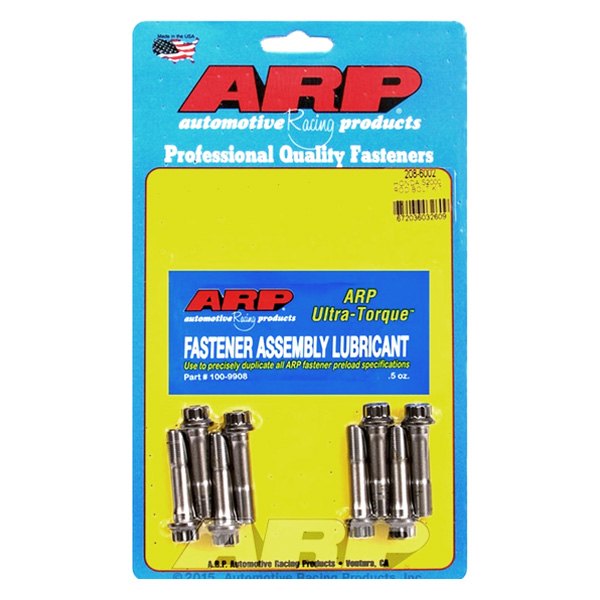
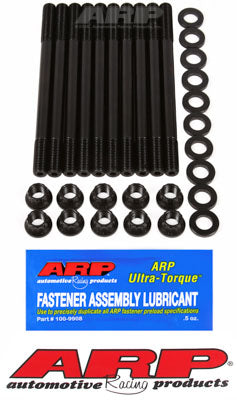
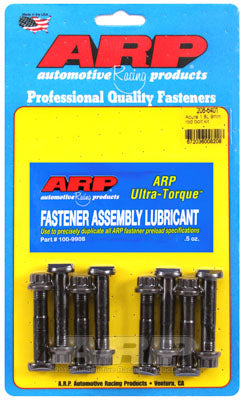
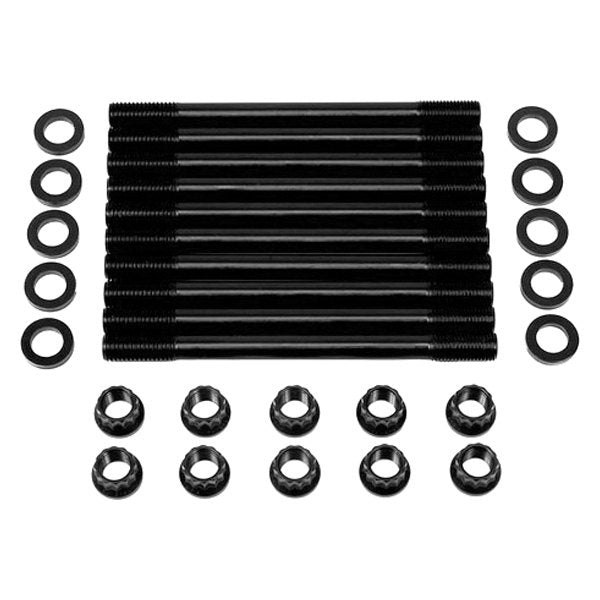
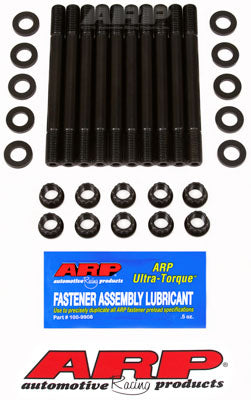
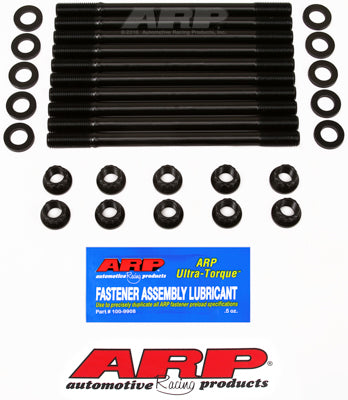
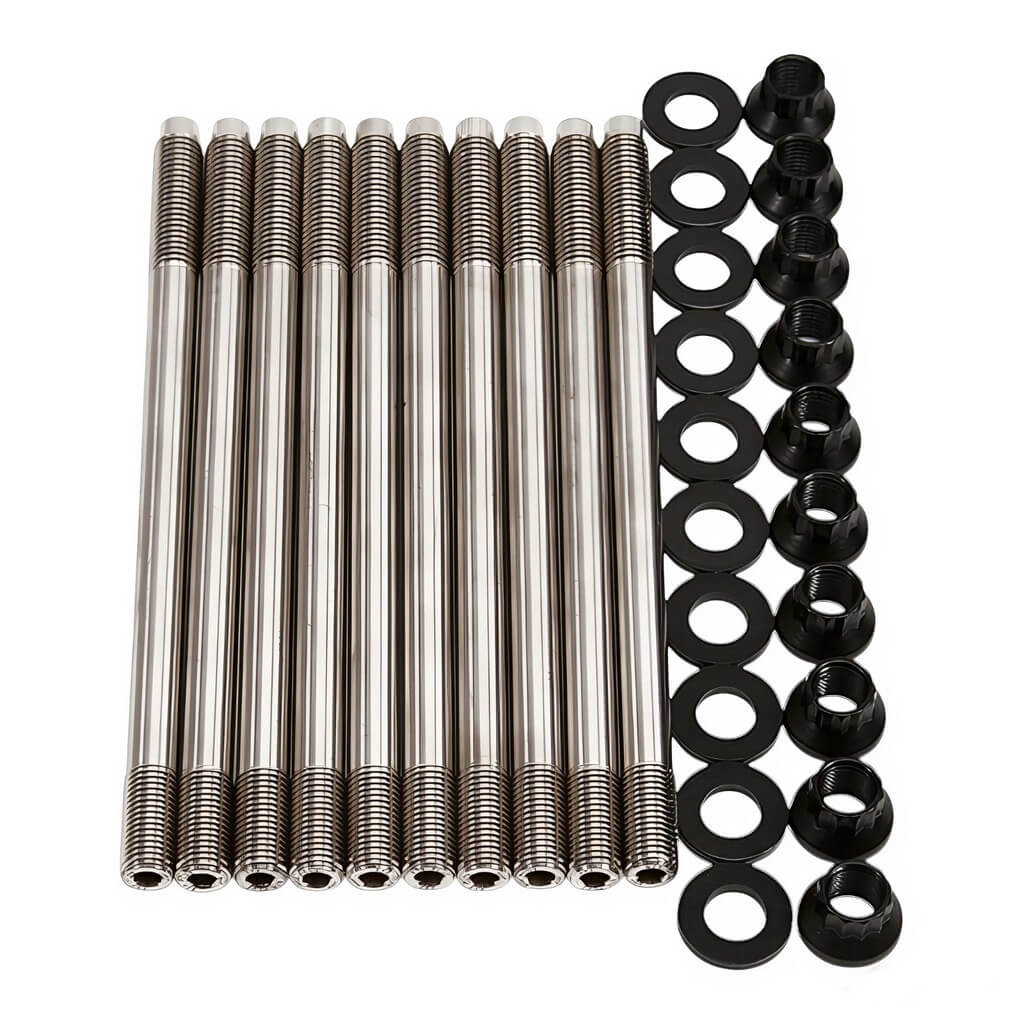
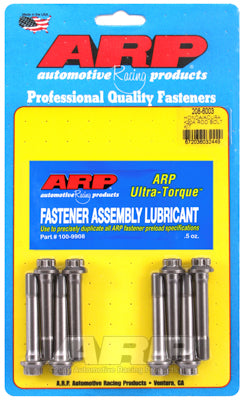
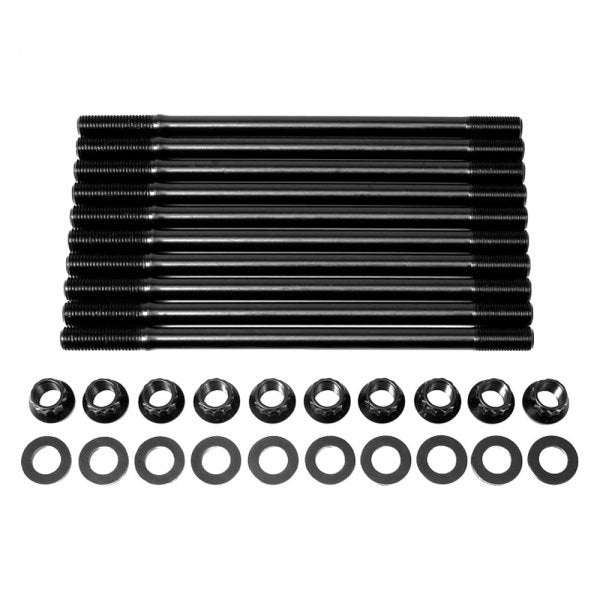
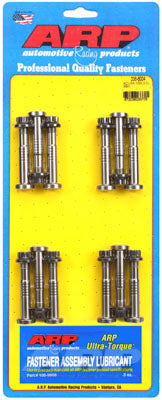
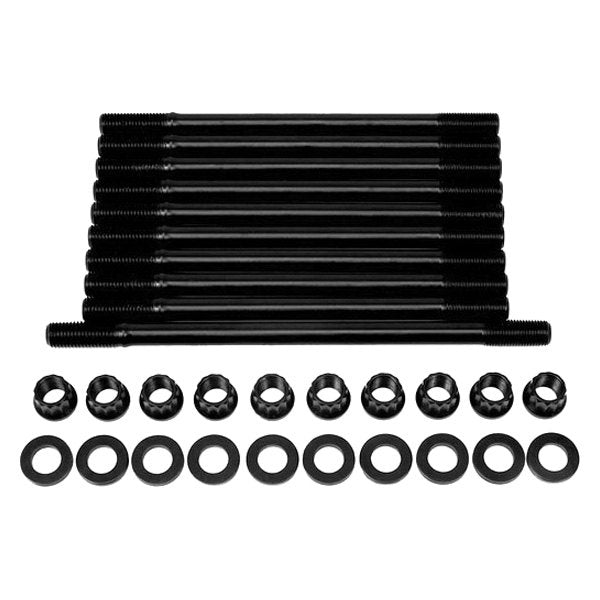
ATOMIC-SHOP carries the full spectrum of ARP hardware. Whether you need Head Studs to keep the gasket sealed on your boosted Subaru EJ, or Rod Bolts to keep the connecting rods inside the block of your BMW S58 at 8,000 RPM, ARP is the non-negotiable standard for performance.
The Torque-to-Yield (TTY) Problem
Why do OEM bolts fail? Because they are designed to be cheap and easy for robots to install. They utilize a Torque-to-Yield (TTY) design. When tightened, a TTY bolt stretches permanently into its plastic deformation zone. It acts like a rubber band that has lost its snap.
Under high boost, cylinder pressure tries to lift the cylinder head off the block ("Head Lift"). A stretched OEM bolt has no reserve tension to fight back. It stretches further, the head gasket blows, and the engine fails. ARP studs do not stretch permanently. They act like ultra-stiff springs, providing massive clamping force to keep the engine sealed under extreme loads.
| Feature | OEM Bolt (TTY) | ARP Stud Kit |
|---|---|---|
| Behavior | Plastic Deformation (Stretches permanently). | Elastic Deformation. Stretches slightly to provide tension, then returns to original length. |
| Reusability | None. Single-use only. | Infinite. Can be reused for multiple rebuilds (if not over-torqued). |
| Clamping Force | Limited by yield strength of basic steel. | Extreme. Alloys like ARP2000 allow for much higher torque specs and clamping loads. |
Material Science: Selecting Your Alloy
ARP offers different grades of metallurgy depending on your power goals:
- ARP2000: The industry workhorse. Capable of 220,000 psi tensile strength. This is the go-to material for 90% of street/strip builds (up to 1,000 hp). It offers good corrosion resistance and immense strength over stock.
- L19: A premium steel for high-boost drag racing (260,000 psi). It is incredibly strong but has zero corrosion resistance. It can rust simply from the moisture on your fingertips and requires careful oiling and handling.
- Custom Age 625+: The ultimate super-alloy. Inconel-based, it matches the strength of L19 (260,000+ psi) but is completely immune to corrosion. This is for 2,000+ hp builds where compromise is not an option.
Manufacturing Secret: Thread Rolling
What makes ARP fasteners fatigue-resistant? It is the manufacturing order. Standard bolts have threads cut into them, then they are heat-treated. This weakens the metal structure. ARP does the opposite. They heat-treat the blank first, and then roll the threads onto the hardened metal. This process compresses the grain structure of the alloy in the thread area, resulting in a fastener that has 10x to 20x the fatigue life of a standard aerospace bolt.
Frequently Asked Questions (FAQ)
Do I need to align hone (line hone) my block?
For Main Studs, yes. Because ARP studs exert significantly more clamping force than stock bolts, they can slightly distort the main bearing bore (make it out of round). Installing ARP mains without checking the line hone can lead to spun bearings. For Head Studs, machining is typically not required, but checking the deck surface is always recommended.
Why is ARP Ultra-Torque Lube so important?
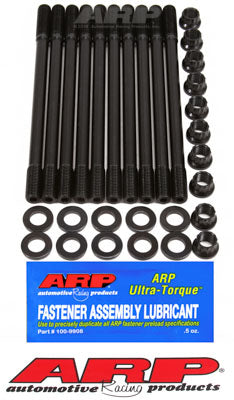
Friction is the enemy of torque accuracy. When you tighten a bolt, up to 50% of your effort is fighting friction, not creating clamping load. ARP's proprietary Ultra-Torque Lube ensures a consistent friction coefficient. Without it, you might torque a bolt to 100 ft-lbs, but only get 70 ft-lbs worth of clamping force. Always use the supplied lube!
Studs vs. Bolts: What is the difference?
A bolt must be rotated into the block to tighten, which creates friction and wear on the block's threads. A stud is installed "finger tight" into the block and remains stationary. Clamping is achieved by tightening a nut on top. This protects the engine block threads and provides a much more accurate and consistent torque reading (preload).